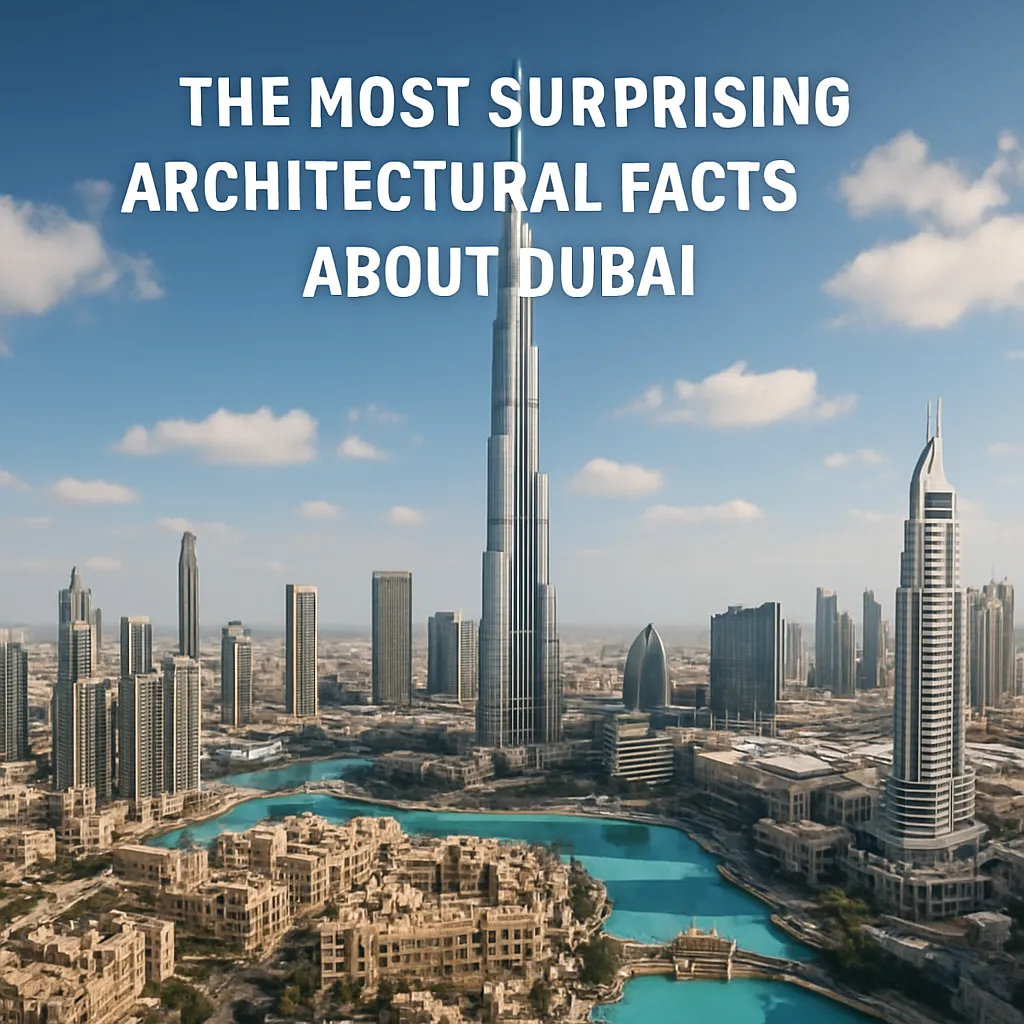
Nestled on the edge of the Arabian Desert, Dubai has evolved from a modest trading port into a global hub of architectural ambition. From record-breaking heights to daring islands carved from the sea, the city’s skyline tells a story of vision, wealth, and an unwavering drive to push the boundaries of possibility. This article delves into some of the most surprising and awe-inspiring facts about Dubai’s buildings and the ingenuity that brought them to life.
Evolution of the Skyline
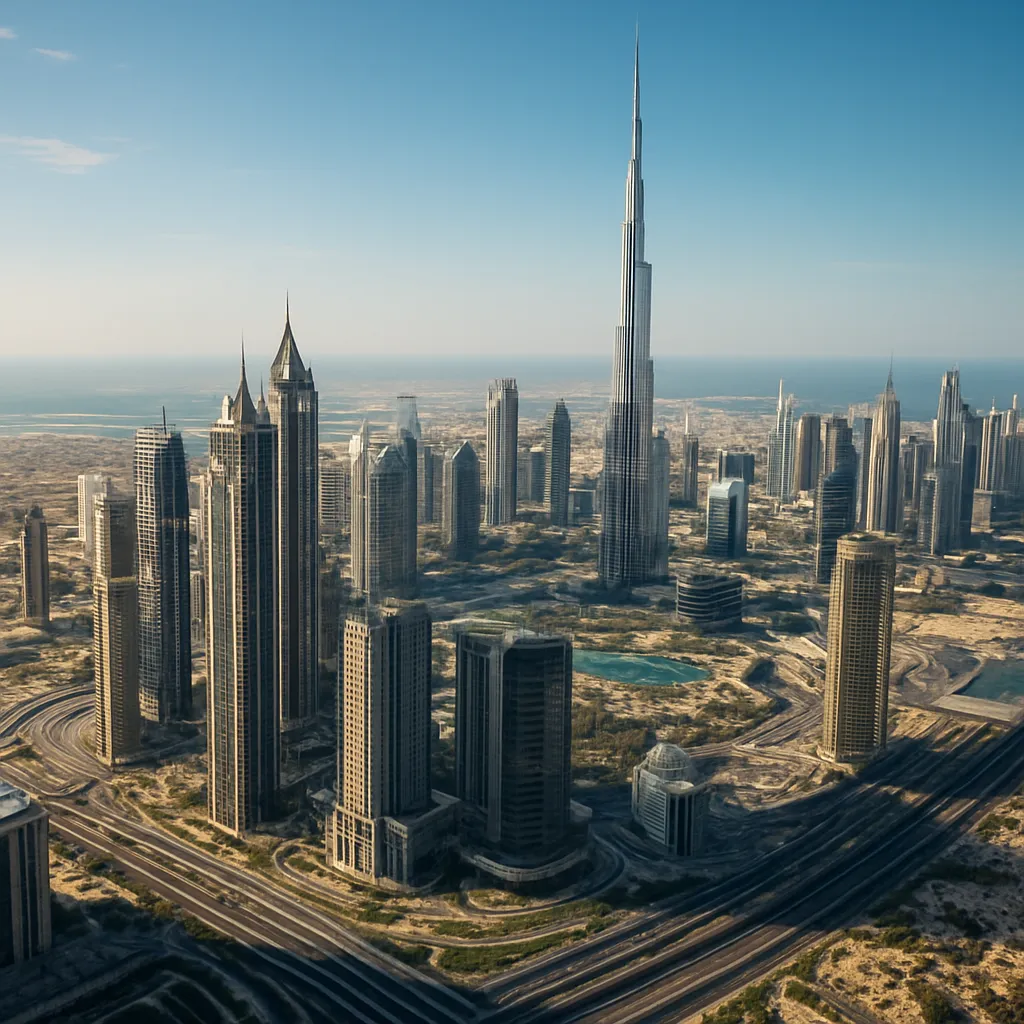
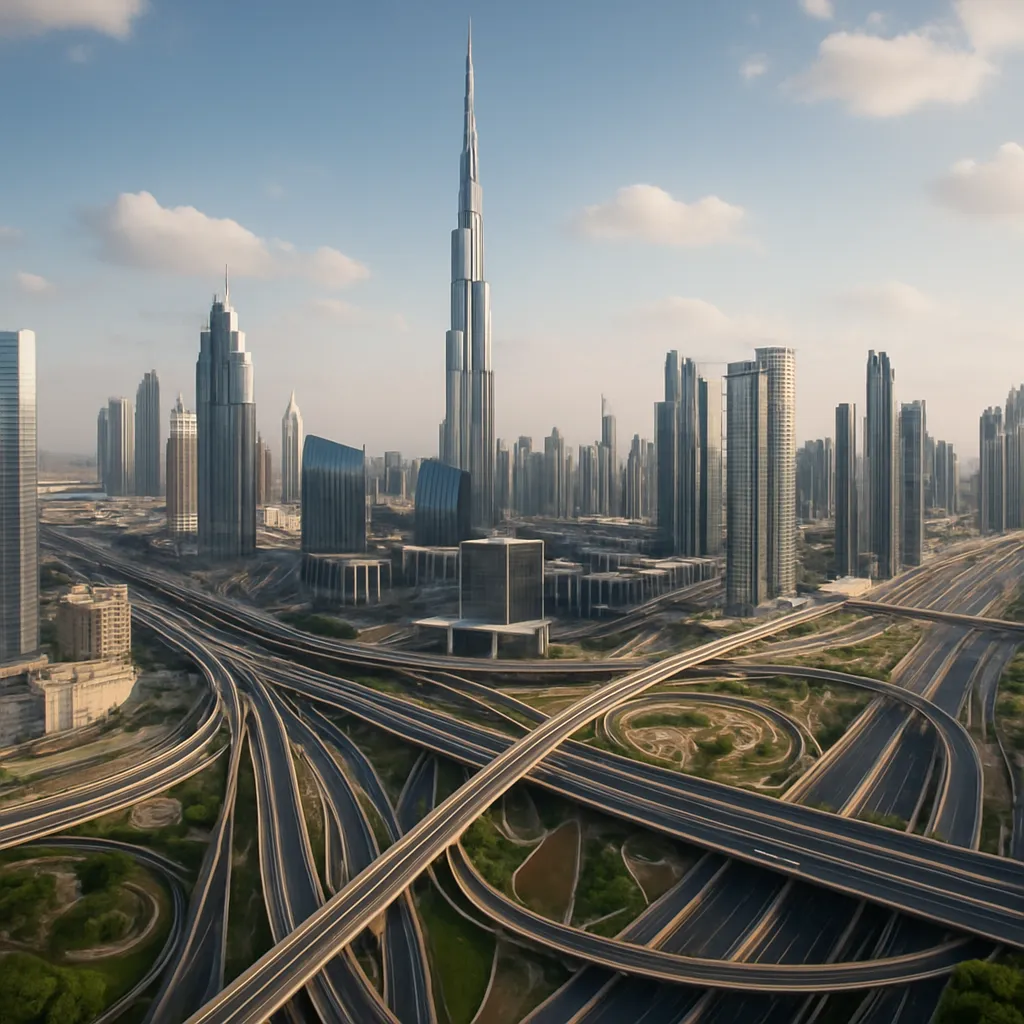
What was once a scattering of low-rise shelters and wooden dhows has metamorphosed into an urban expanse defined by gleaming towers and futuristic silhouettes. Early development centered around the Creek, where the discovery of oil in the 1960s fueled a construction boom. Today, Dubai hosts more than 200 skyscrapers, five of which rank among the world’s twenty tallest.
From Desert to Metropolis
The transformation accelerated in the 1990s when global architectural firms and engineers converged on Dubai. Collaboration with industry titans like Adrian Smith, Atkins, and Skidmore, Owings & Merrill introduced groundbreaking concepts. Dubai World Trade Centre, completed in 1979, was an early landmark that signaled the emirate’s aspirations. Its 39 floors towered over traditional structures and inspired a new generation of ambitious projects.
- The city’s master plan divides the emirate into distinct precincts like Business Bay, Downtown, and Dubai Marina—each a microcosm of urban design.
- By 2008, the skyline featured more than 100 buildings over 150 meters tall, a dramatic leap from just a handful in 1990.
- Ambitious infrastructure, including an extensive metro network and man-made islands, paved the way for vertical living and tourism.
Iconic Engineering Marvels
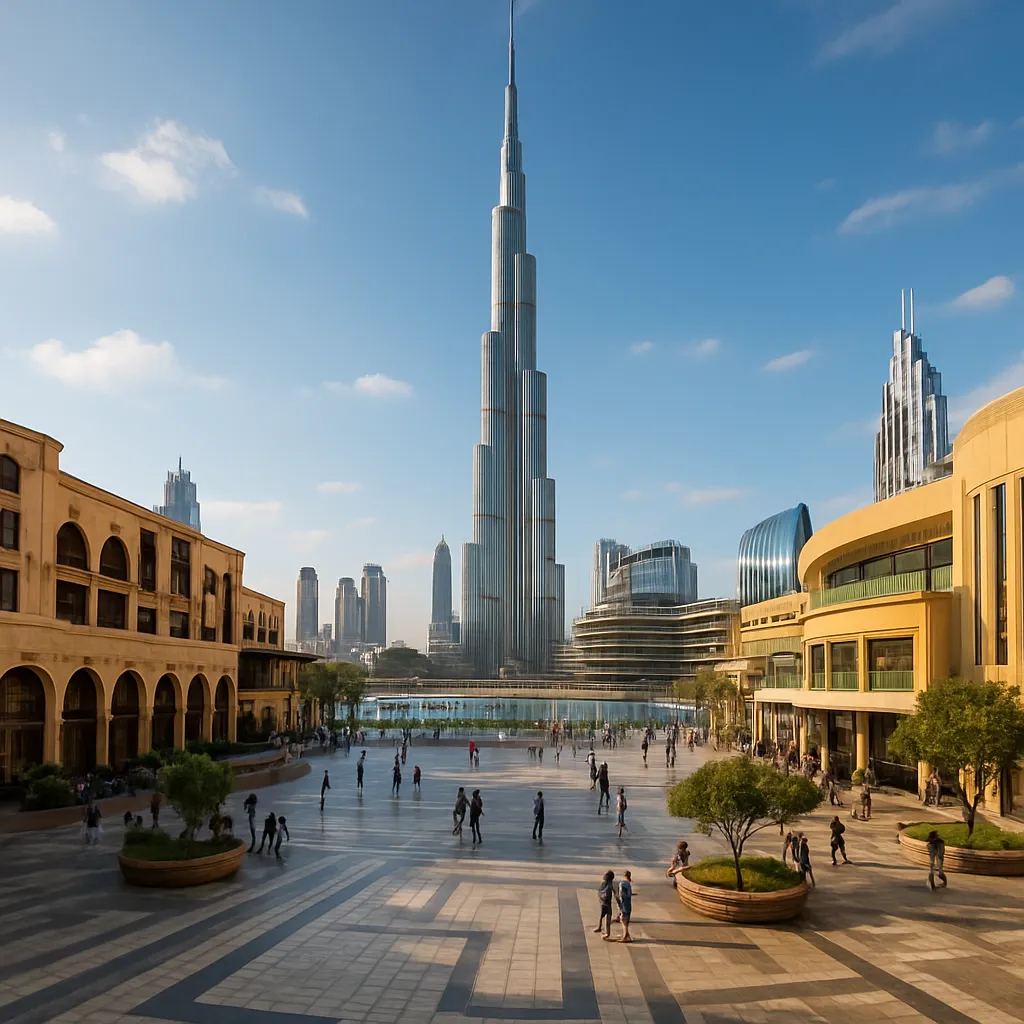
Dubai’s appetite for record-shattering achievements reached its apex with the creation of the Burj Khalifa. At a staggering height of 828 meters, it stands as the tallest structure on Earth. Yet its tale is only one thread in a tapestry of engineering triumphs that define this city.
The Burj Khalifa’s Structural Secrets
Designed by Skidmore, Owings & Merrill, the tower employs a “buttressed core” system: a hexagonal central core reinforced by three wing-like supports, optimizing stability against seismic and wind forces. Construction used over 330,000 cubic meters of concrete and 39,000 tonnes of steel rebar—enough to encircle the planet’s equator once with steel rods.
- Its Y-shaped floor plan maximizes natural light and offers panoramic views of the Arabian Gulf.
- A high-speed elevator travels at 10 meters per second, whisking visitors from ground level to observation decks in under a minute.
- The tower’s exterior cladding resists the desert heat; over 26,000 reflective glass panels cut down solar gain.
The Burj Al Arab and its Daring Design
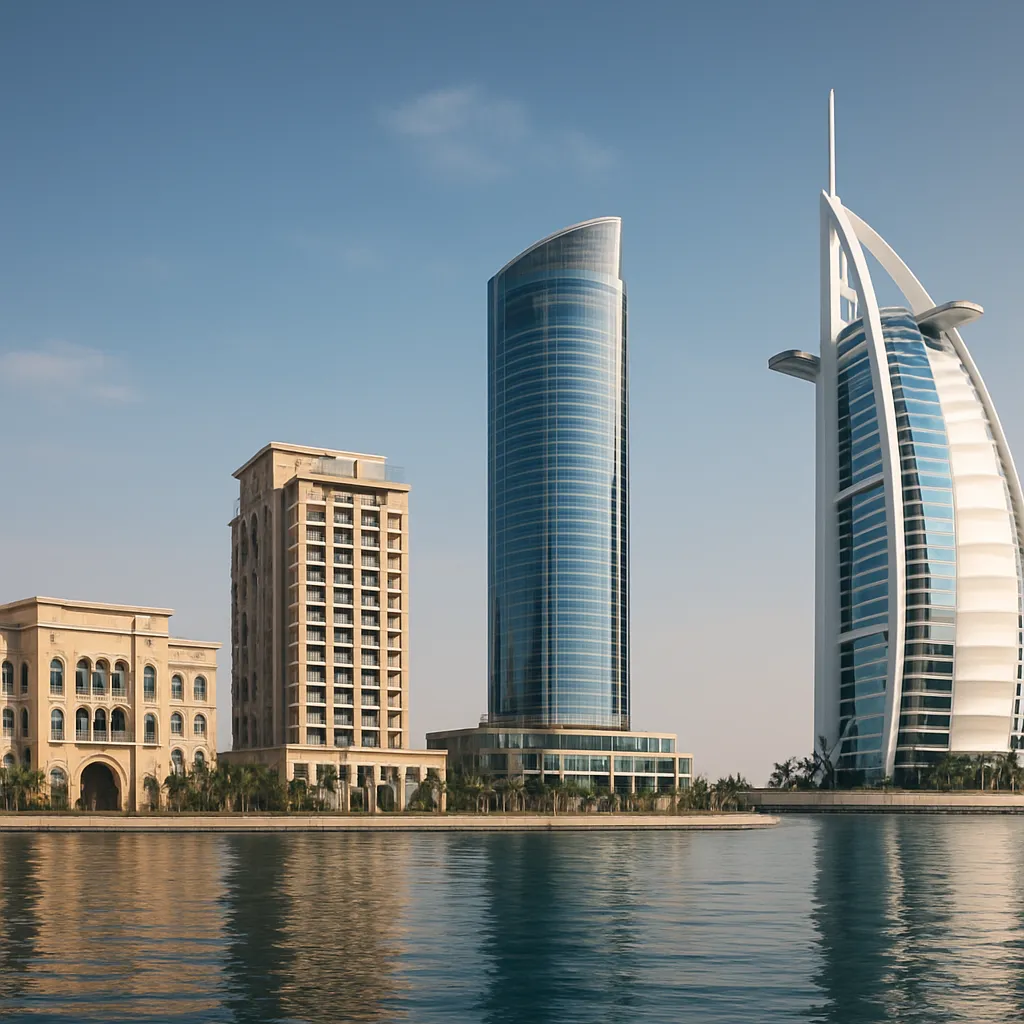
Often hailed as the world’s only seven-star hotel, the Burj Al Arab resembles a giant sail billowing in the breeze. Perched on an artificial island 280 meters offshore, its foundation rests on 230 concrete piles driven 45 meters into the seabed. The sail-shaped steel exoskeleton rises 321 meters, while a helipad perched near the apex famously hosted tennis matches and film shoots.
Architectural Wonders on Water
Dubai didn’t stop at elevating structures skyward; it also conquered the sea. Ambitious land reclamation projects fashioned islands and arches that shimmer like mirages when viewed from above.
Palm Jumeirah
The Palm Jumeirah is the largest man-made island on Earth, shaped like a stylized date palm. Engineers dredged 94 million cubic meters of sand and placed 7 million tons of rock to form its trunk, fronds, and crescent breakwater. Special tractors smoothed the sand while GPS-guided conveyors ensured precision within centimeters.
- The crescent barrier, comprised of 3.5 million cubic meters of rock, shields the palm from waves and erosion.
- Over 4,000 luxury villas and apartment towers line the fronds, each offering private beachfront access.
- Innovative eco-friendly measures include artificial reefs to restore marine life disturbed during construction.
World Islands
Off the coast lies the World Islands, a cluster of 300 small islands arranged to mimic a map of the globe. Although development has been slower and less extensive than anticipated—some islands remain untouched or have partially sunk—the concept underscored Dubai’s willingness to reimagine geography on a grand scale.
Innovations in Sustainable Design
As global attention shifted toward environmental impact, Dubai responded with a wave of sustainable initiatives. Cutting-edge projects blend high performance with eco-responsibility, demonstrating that luxury and green design can coexist.
Museum of the Future
The Museum of the Future is a mesmerizing torus structure clad entirely in stainless steel and 3D-printed Arabic calligraphy—quotations from Sheikh Mohammed bin Rashid Al Maktoum. Its shape is the result of parametric design, an advanced computational technique allowing complex curves. Beneath the surface, the building boasts smart systems that optimize energy use, harness solar power, and recycle greywater.
- The facade panels were produced off-site using robotic arms, reducing waste and ensuring flawless precision.
- Adaptive LED lighting embedded in the calligraphic patterns changes color to reflect different events and exhibits.
- Passive ventilation shafts leverage wind tunnels to cool interior spaces, slashing reliance on air conditioning.
Dubai Sustainable City
Beyond individual landmarks, entire districts embrace innovative sustainability. Dubai Sustainable City, a 46-hectare mixed-use development, integrates 10,000 photovoltaic panels, a bio-digester for organic waste, and energy-saving building envelopes. Residents enjoy net-zero energy consumption, car-free streets, and community farms—setting a precedent for future urban planning.
The Cultural Fusion in Structures
Dubai’s architecture is not purely futuristic; it weaves traditional motifs and local heritage into modern forms. From Islamic geometric patterns to desert-inspired color palettes, the city’s buildings pay homage to regional culture while projecting a global outlook.
- Alserkal Avenue: An art district housed in converted warehouses, blending post-industrial charm with contemporary galleries and performance spaces.
- The Opus by Zaha Hadid: A 24-story mixed-use tower nicknamed the “Black Box,” featuring a void in its center that symbolizes the intersection of art and life.
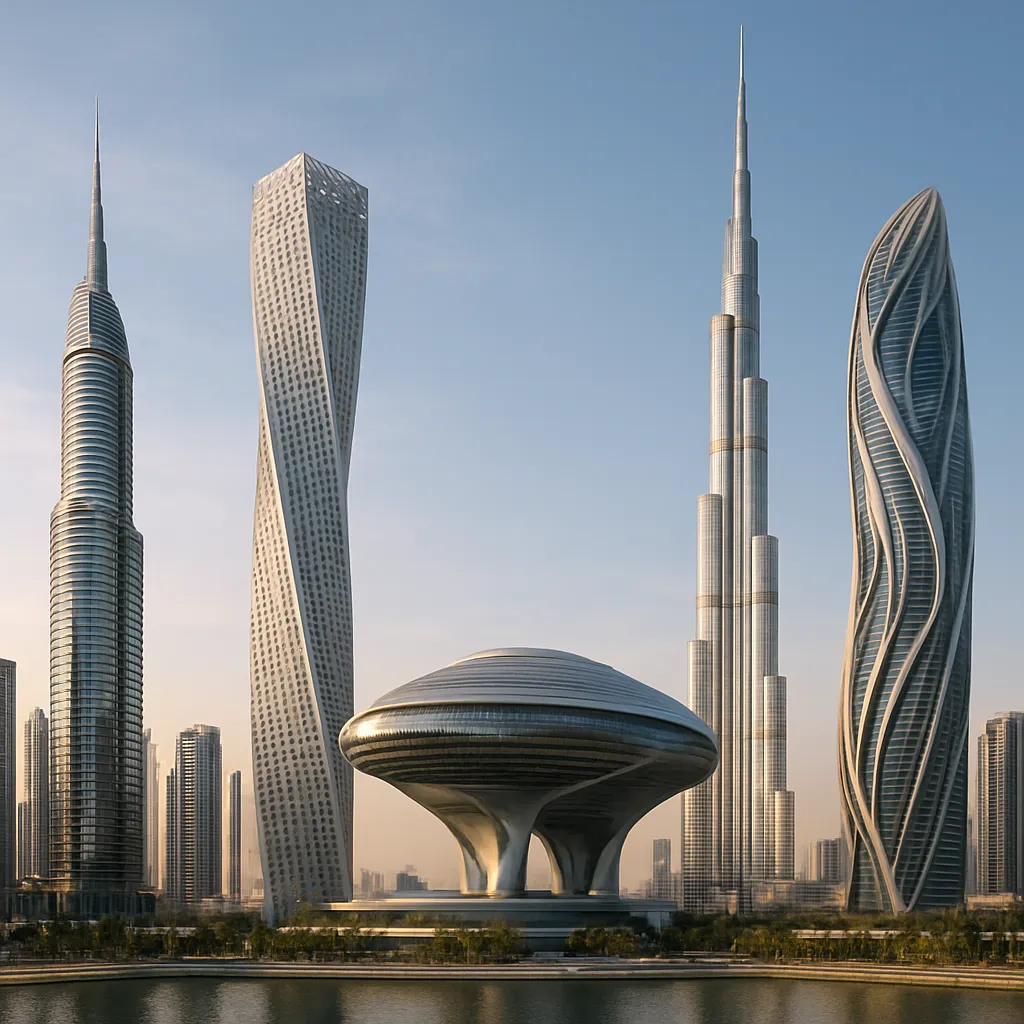
- Cayan Tower: Known as the Infinity Tower, this 75-story residential skyscraper twists 90 degrees from base to top, its helical form inspired by DNA.
Bridging Tradition and Tomorrow
Designers often incorporate cultural references—mashrabiya screens for sun shading, courtyards for natural ventilation, and desert-hued materials that reflect local palettes. This fusion ensures that, even amid the high-tech sheen, the spirit of the region remains palpable.
Emerging Trends and the Future Skyline
What lies ahead for Dubai? Projects like the Dubai Creek Tower, envisioned to surpass the Burj Khalifa, and the upcoming Expo City infrastructure hint at yet more superlatives. Meanwhile, developers are prioritizing modular construction, off-site fabrication, and AI-driven energy management systems.
- Wind towers, inspired by ancient Persian badgirs, are being reimagined to passively cool new neighborhoods.
- Floating architecture, including yacht-themed hotels and aquatic leisure complexes, is under study to complement island developments.
- Biophilic design, integrating greenery throughout high-rises and public realms, aims to improve air quality and mental well-being.
From vertiginous heights to islands crafted from sand and stone, Dubai’s architectural narrative continues to evolve. Each new project challenges the limits of what is feasible, reinforcing the city’s reputation as a laboratory for iconic, daring, and transformative design.