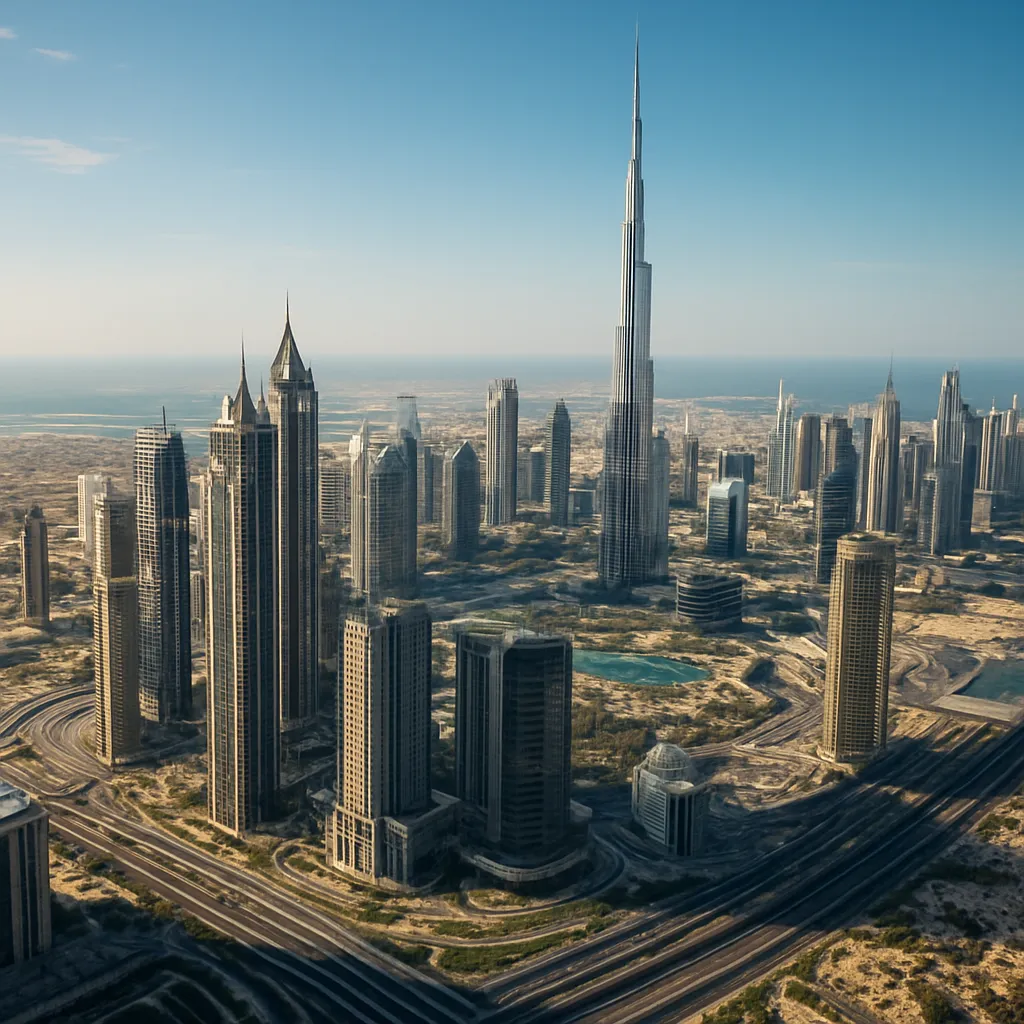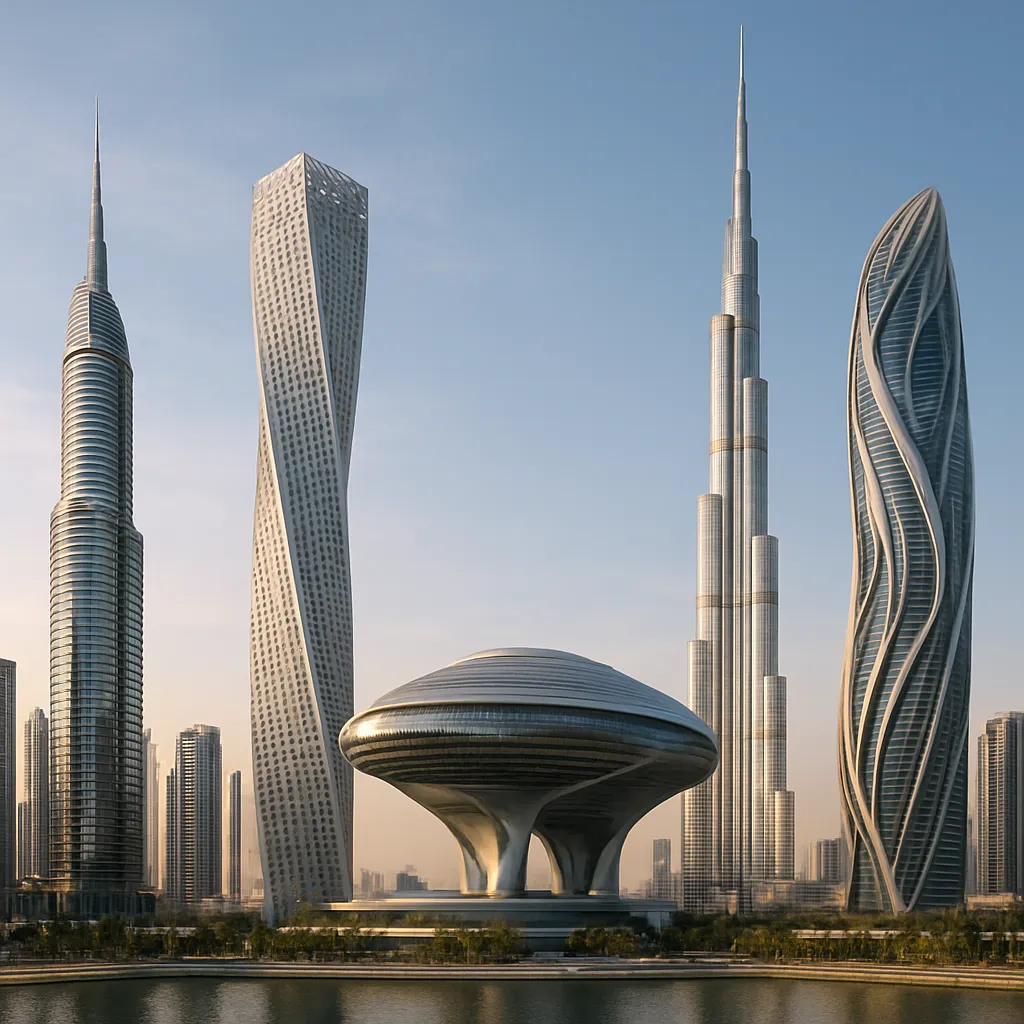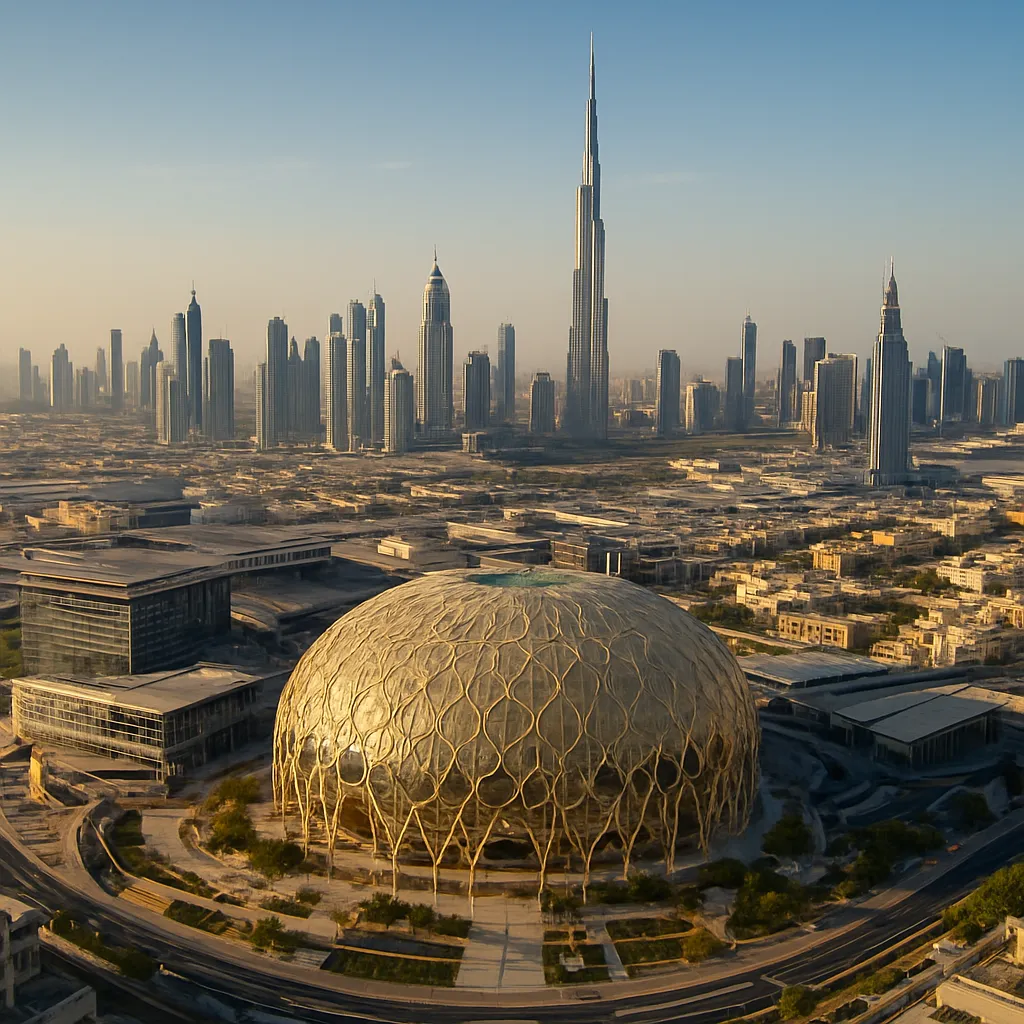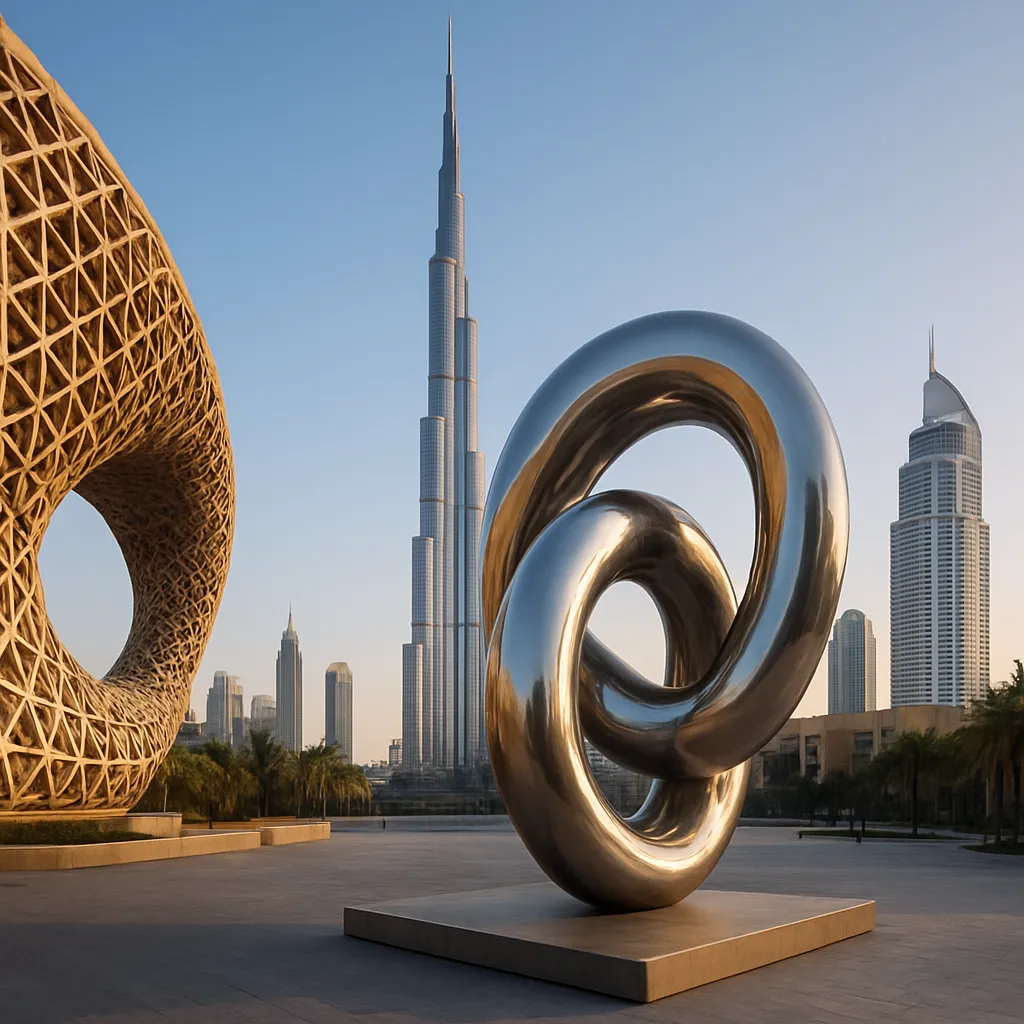
Dubai’s skyline has become synonymous with innovation and ambition, fading the lines between engineering marvels and large-scale art. This article delves into the evolving relationship between public art and the city’s bold architectural statements. From shimmering high-rises to immersive outdoor displays, the dialogue between buildings and art installations in Dubai reflects a broader cultural shift. By exploring historical context, design philosophies, and landmark projects, we uncover how these disciplines merge to redefine urban spaces.
Architectural Evolution in Dubai
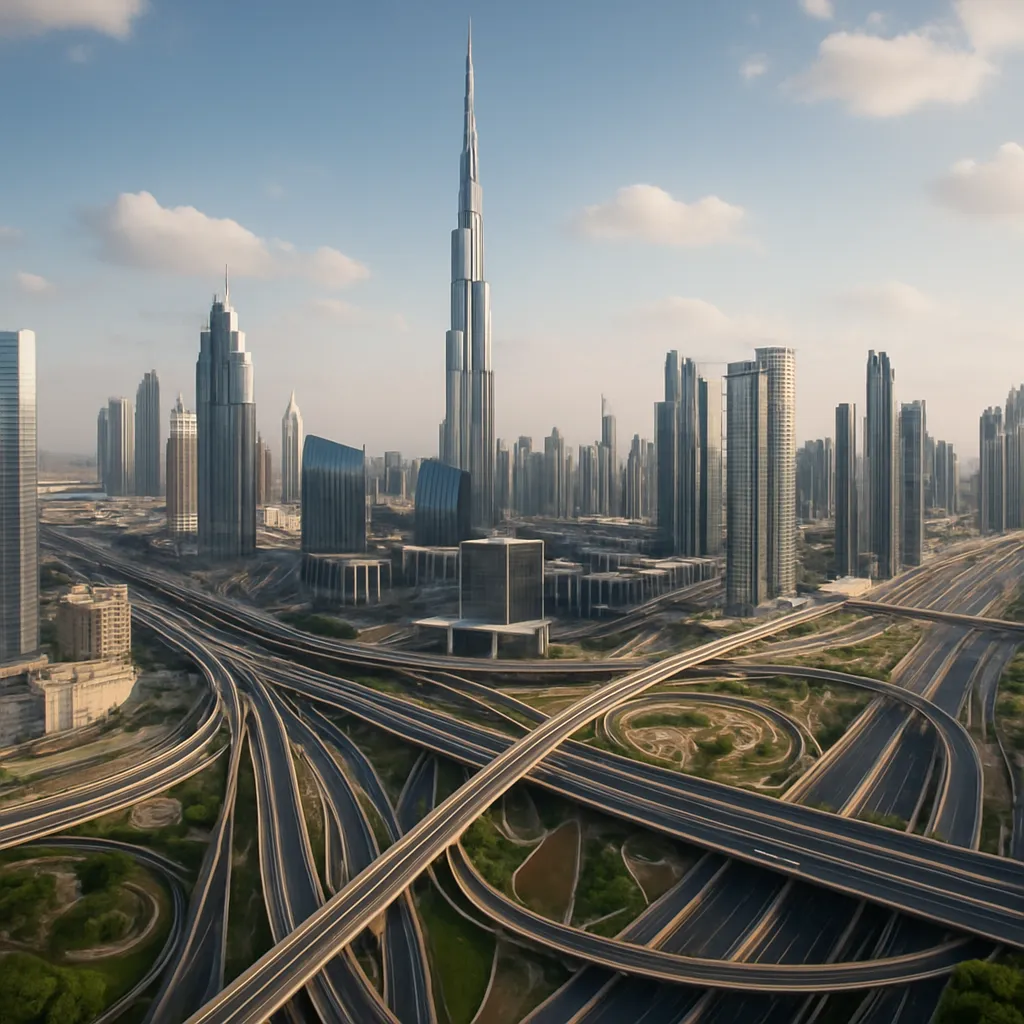
Dubai’s transformation from a small port town into a global metropolis has been driven by a series of visionary projects emphasizing both scale and style. Early constructions focused on function and regional traditions, but over the past two decades, an ethos of contemporary expression and technological prowess has taken hold. Architects and planners responded to global trends by integrating glass facades, bold geometries, and high-tech materials, creating an ever-changing skyline that captivates visitors worldwide.
Key milestones in this journey include:
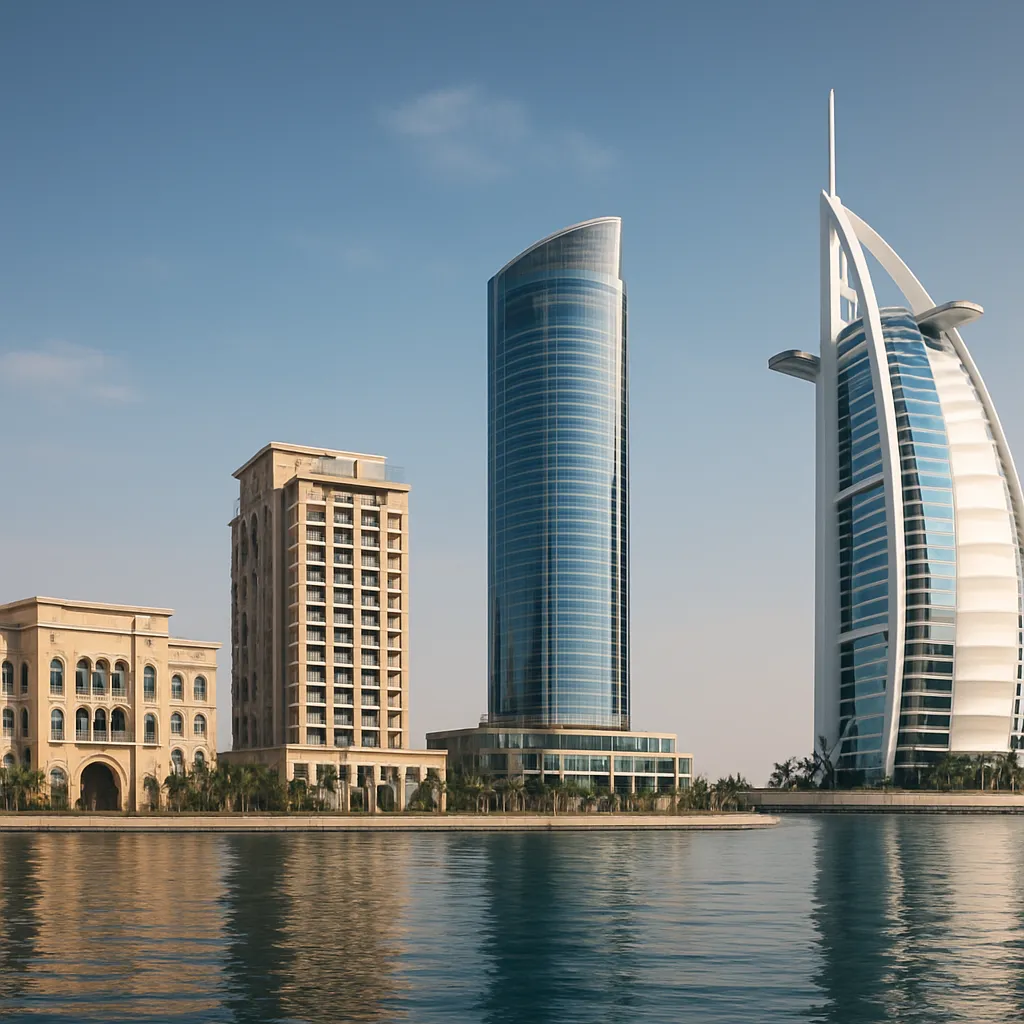
- Burj Al Arab: A sail-shaped hotel that set new standards for luxury and silhouette design.
- Emirates Towers: Twin structures showcasing sleek lines and mirrored finishes.
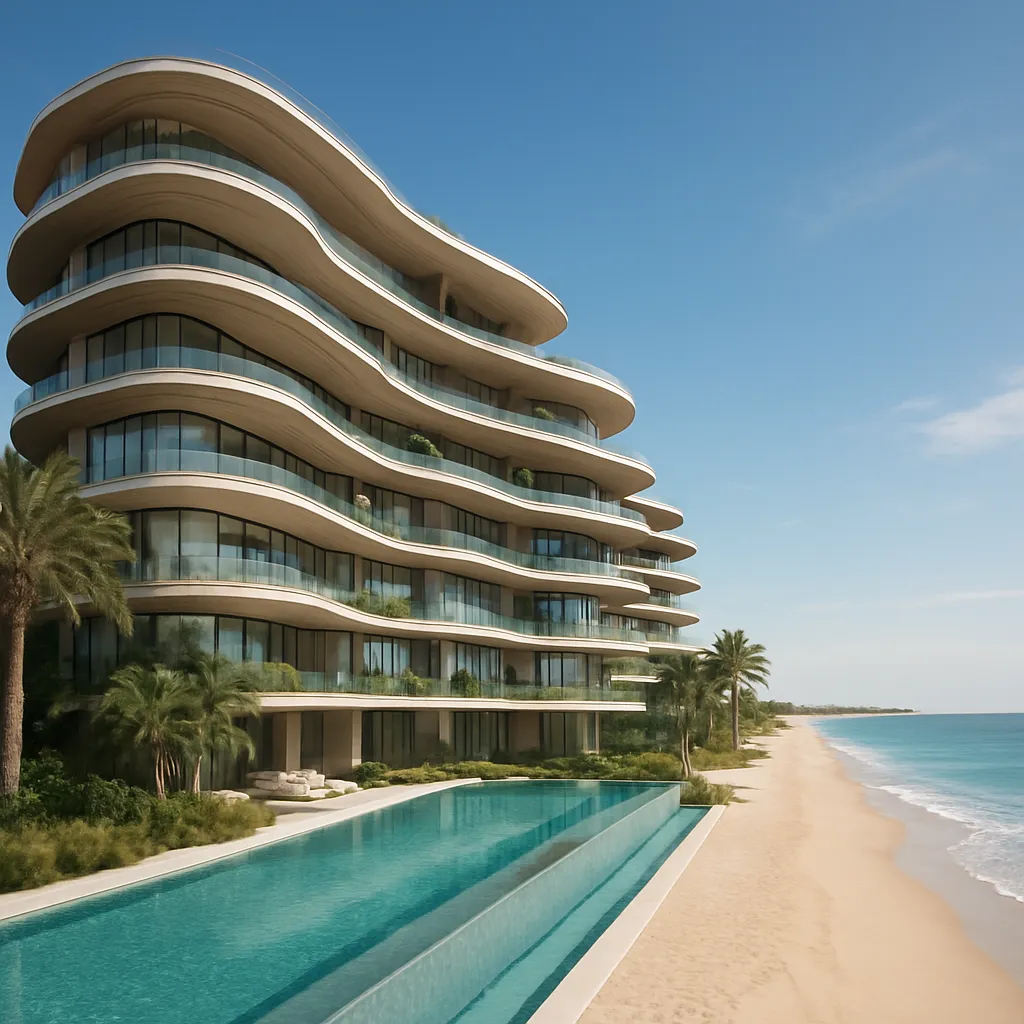
- Jumeirah Beach Residence: A waterfront community blending residential towers with public promenades.
These structures reflect a desire to craft iconic landmarks, but they also laid the groundwork for integrating large-scale artworks. Architects began collaborating with artists at conception, ensuring that plazas, atriums, and exteriors could accommodate installations. This led to seamless fusions, where art becomes an integral component rather than an afterthought.
Emergence of Contemporary Art Installations
While Dubai’s architectural feats often steal the spotlight, a parallel movement in public art has gained momentum. Inspired by global biennales and international art fairs, local authorities and private developers welcomed installations that could engage the public and elevate civic identity. The Department of Tourism and Commerce Marketing (DTCM) and other cultural bodies initiated programs inviting local and international creators to transform underutilized spaces into vibrant galleries.
These initiatives aimed to achieve several goals:
- Enhance pedestrian experience in busy districts.
- Foster a sense of cultural pride and community participation.
- Demonstrate Dubai’s commitment to sustainability through eco-friendly art.
One notable pilot was the “Art in Transit” campaign, which installed dynamic sculptures and light displays within metro stations and bus shelters. This project brought art into everyday routines, encouraging commuters to reimagine their surroundings. Subsequent programs expanded to shopping malls, public parks, and beachfront promenades, each site carefully chosen for its architectural context.
Interplay Between Art and Architecture
The convergence of these realms relies on a deep understanding of spatial dynamics. Architects must consider sightlines, circulation paths, and structural support, while artists must adapt their concepts to scale and material limitations. This partnership often leads to pioneering solutions and unexpected outcomes.
Advantages of this synergy include:
- Enhanced User Engagement: Art activates architectural voids—courtyards, lobbies, and rooftops—turning them into interactive destinations.
- Layered Narratives: Installations can tell stories about Dubai’s past, present, and future, complementing the narratives embedded in building façades.
- Functional Beautification: Public art can also serve practical purposes, such as shading devices, windbreaks, or acoustic panels.
For instance, at the Dubai Design District, a sprawling creative hub, robust metal frames support suspended artworks that cast playful shadows over pedestrian walkways. Designers collaborated to ensure load-bearing capacities and safety codes were met, while artists adapted their pieces to withstand harsh sunlight and high winds. The result is a synergy that feels both deliberate and organic.
Notable Examples and Future Prospects
Several high-profile developments exemplify the harmonious blend of architecture and art in Dubai:
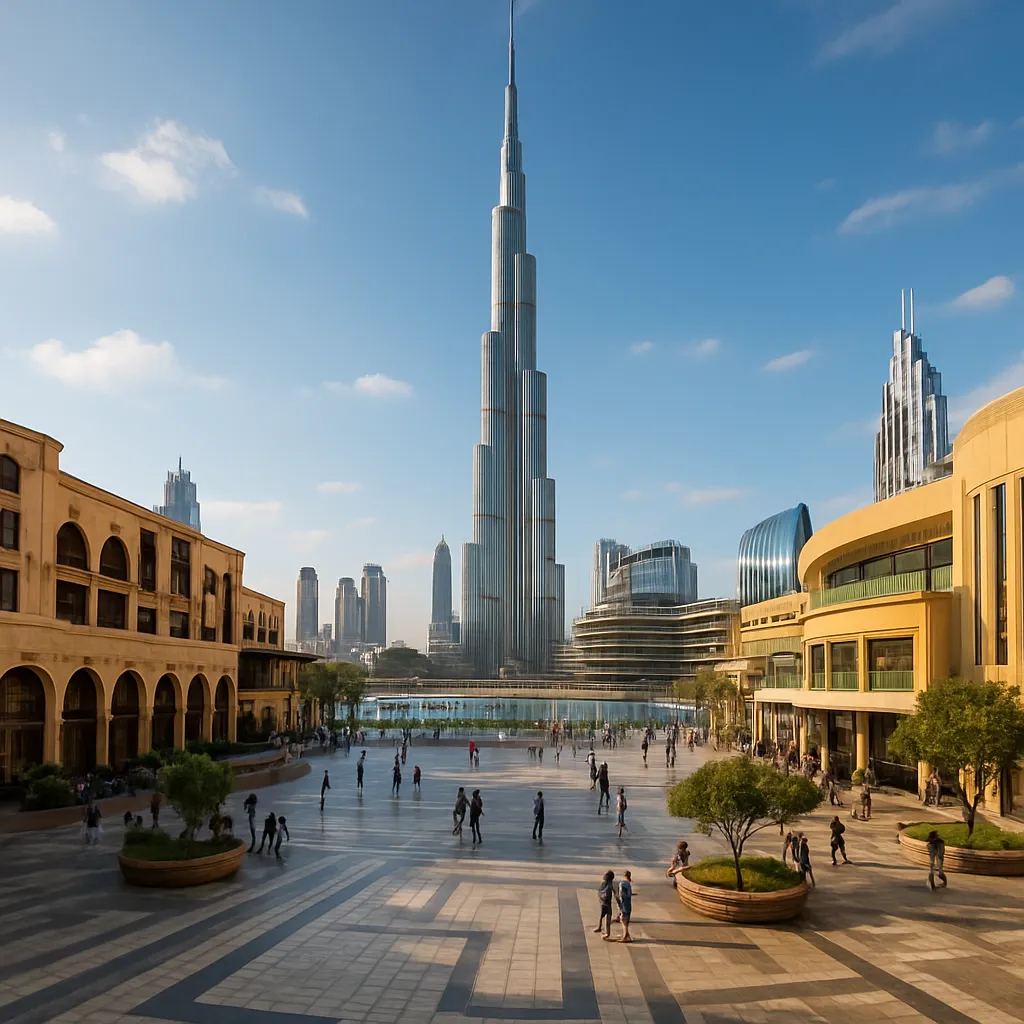
- Opera House Plaza: A broad courtyard featuring kinetic sculptures that respond to sound, designed in tandem with the Dubai Opera building’s curved geometry.
- Museum Campus: Surrounding low-rise galleries, gardens filled with illuminated installations connect indoor and outdoor spaces, enhancing visitor flow.
- Art Island: An artificial island dedicated to rotating large-scale works, with custom-designed pedestals echoing the waves of the adjacent marina.
Looking ahead, Dubai’s drive toward sustainable development promises new forms of architectural expression. Solar-powered installations, living green walls, and recycled-material sculptures are already in conceptual stages for upcoming mixed-use complexes. The 2030 Urban Master Plan emphasizes the integration of art in all public realms, with targets for percentage allocation of building budgets to creative programming. This institutional backing ensures that art will remain a cornerstone of the city’s identity.
The collaboration between architects and artists in Dubai serves as a global model, illustrating how built form and creative vision can coalesce to enrich urban life. As both fields continue to push boundaries, the resulting environments will likely become more immersive, sustainable, and reflective of the region’s dynamic spirit.