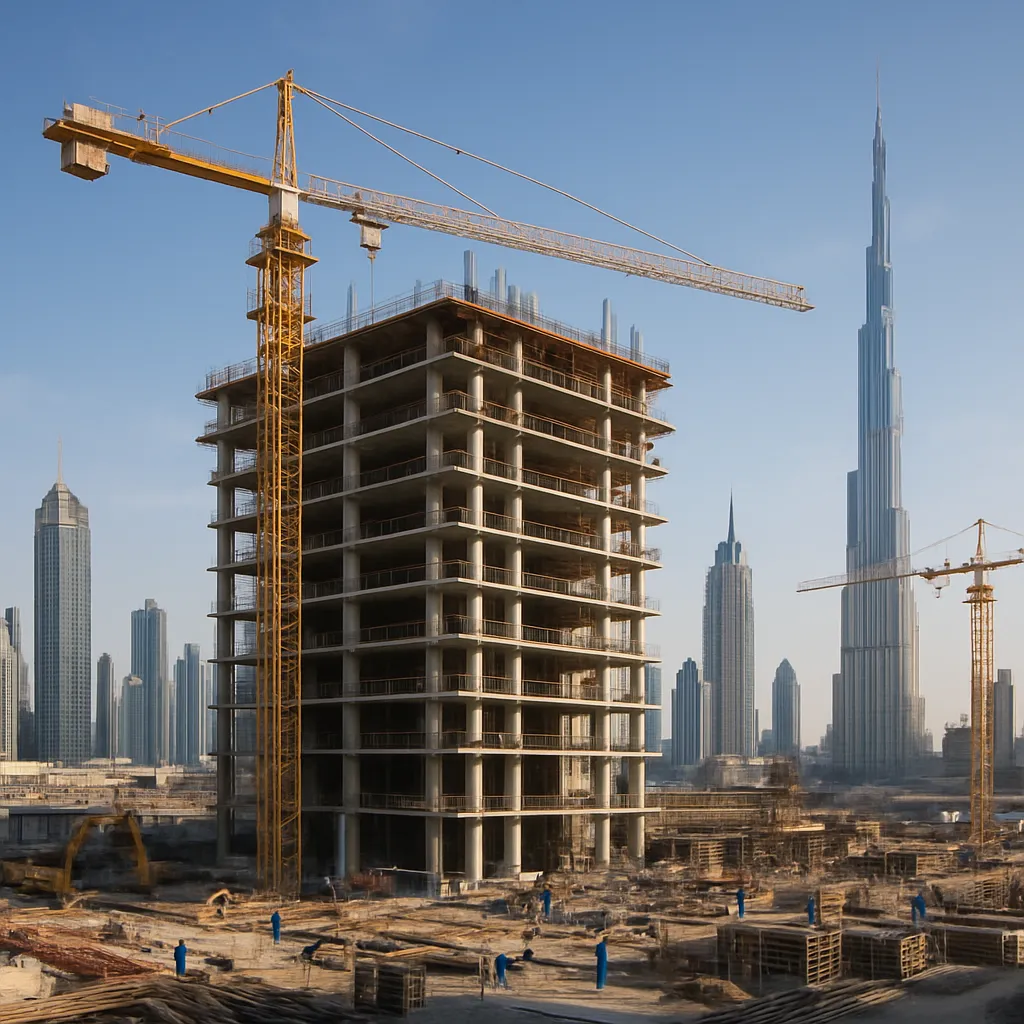
The relentless transformation of Dubai from a modest coastal town into a global hub for architecture and business is nothing short of remarkable. Beneath this accelerated growth lies a tapestry of strategic decisions, cutting-edge techniques, and a fervent ambition to redefine what is possible in urban development. This article delves into the driving forces behind Dubai’s meteoric rise in construction speeds and explores the key projects that have captured the world’s attention.
Genesis of Dubai’s Skyline
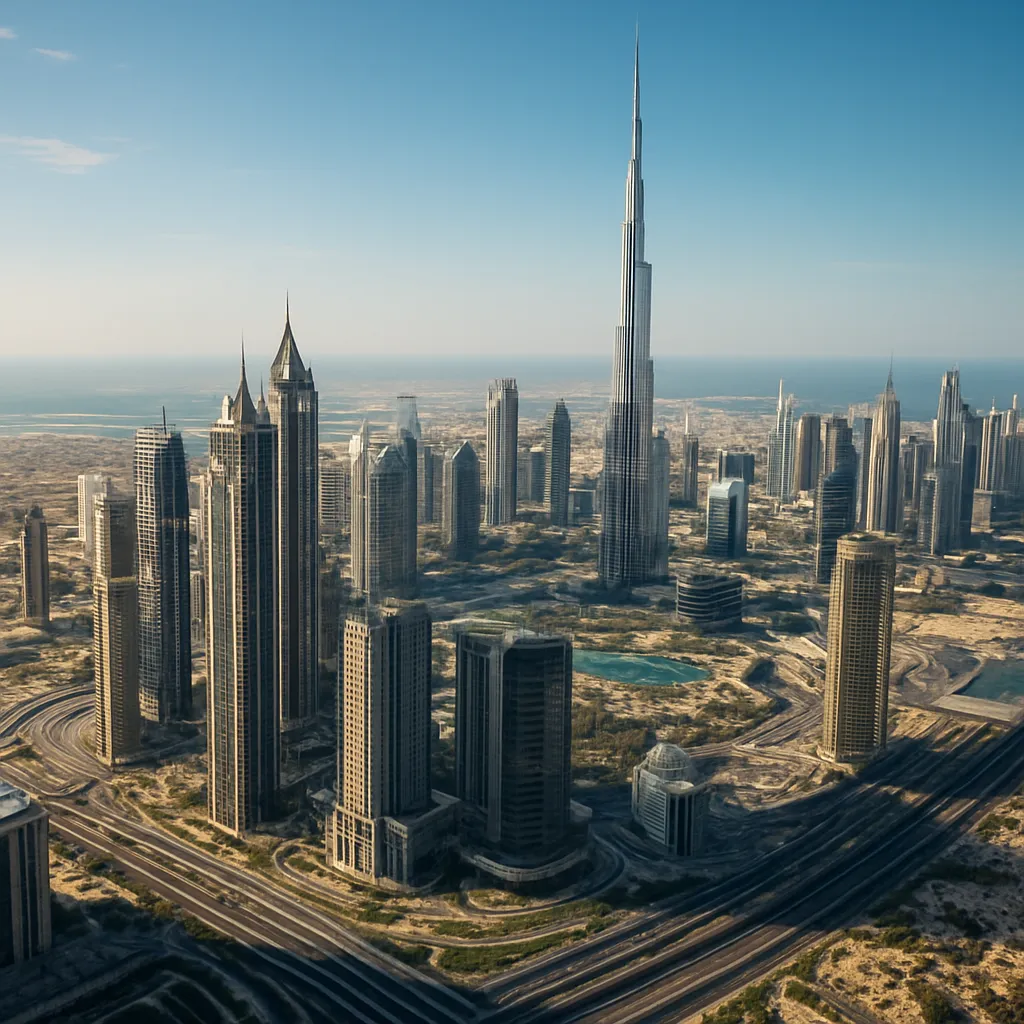
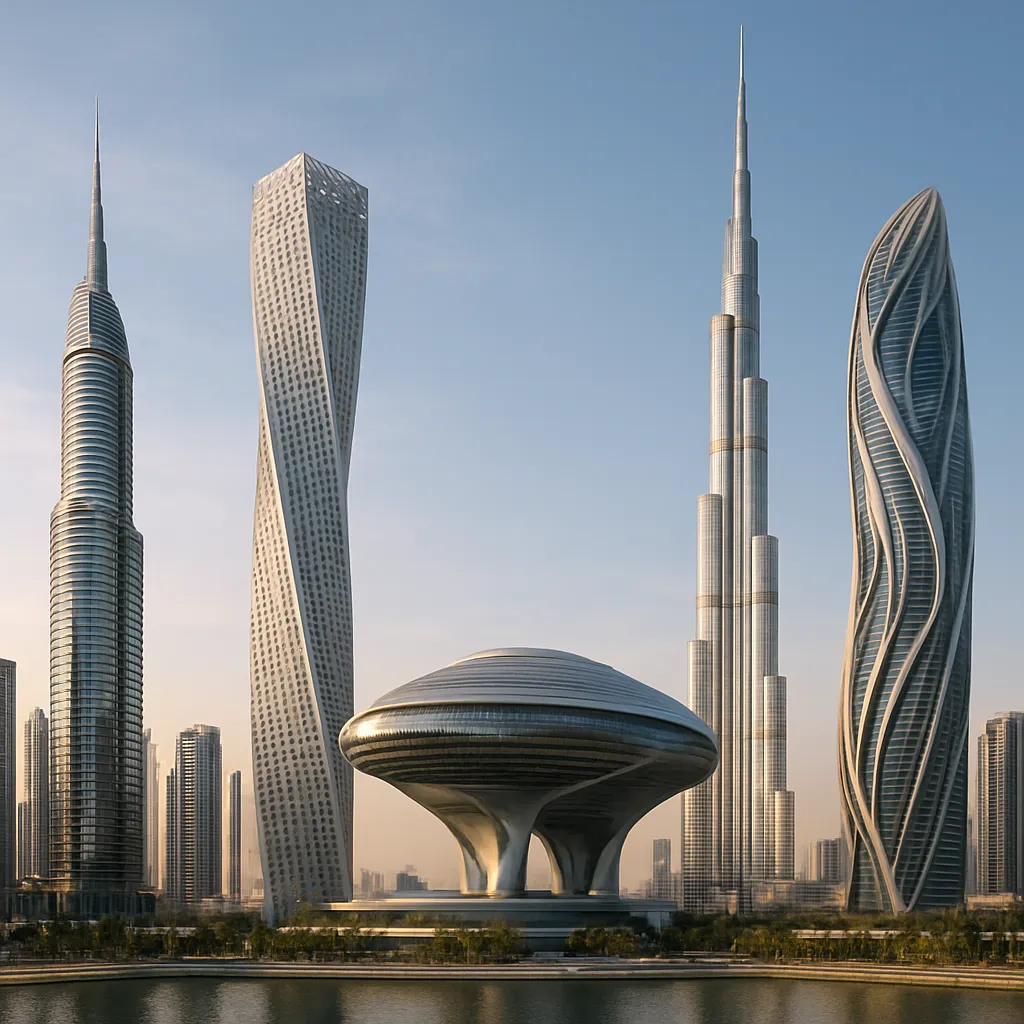
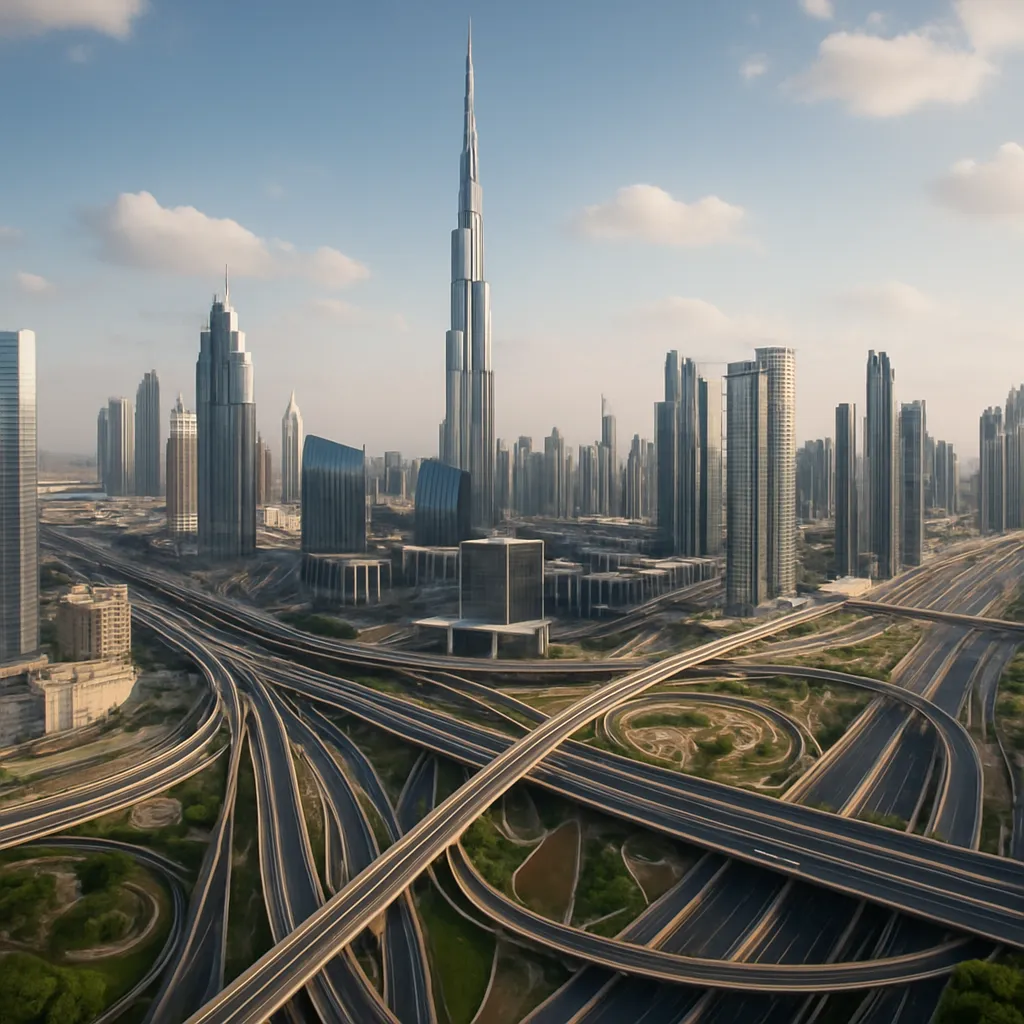
Over the past three decades, Dubai’s skyline has been reshaped with dazzling rapidity. What began with low-rise commercial blocks in the 1990s swiftly evolved into a forest of gleaming towers. The city’s visionary leaders recognized early on that an iconic skyline could serve as a potent symbol of economic success and cultural dynamism. Ambitions were set high, and timelines were compressed.
Government agencies and developers embraced a culture of collaboration that broke down traditional silos. Municipal authorities granted expedited approvals, while investors provided the robust financial backing needed to fuel bold initiatives. This synergy between public and private sectors laid the groundwork for the extraordinary pace of subsequent projects.
Drivers of Rapid Construction
Main factors contributing to record speeds
- Advanced Prefabrication: Modular building components are manufactured offsite in controlled factories, ensuring consistent quality and reducing on-site assembly time.
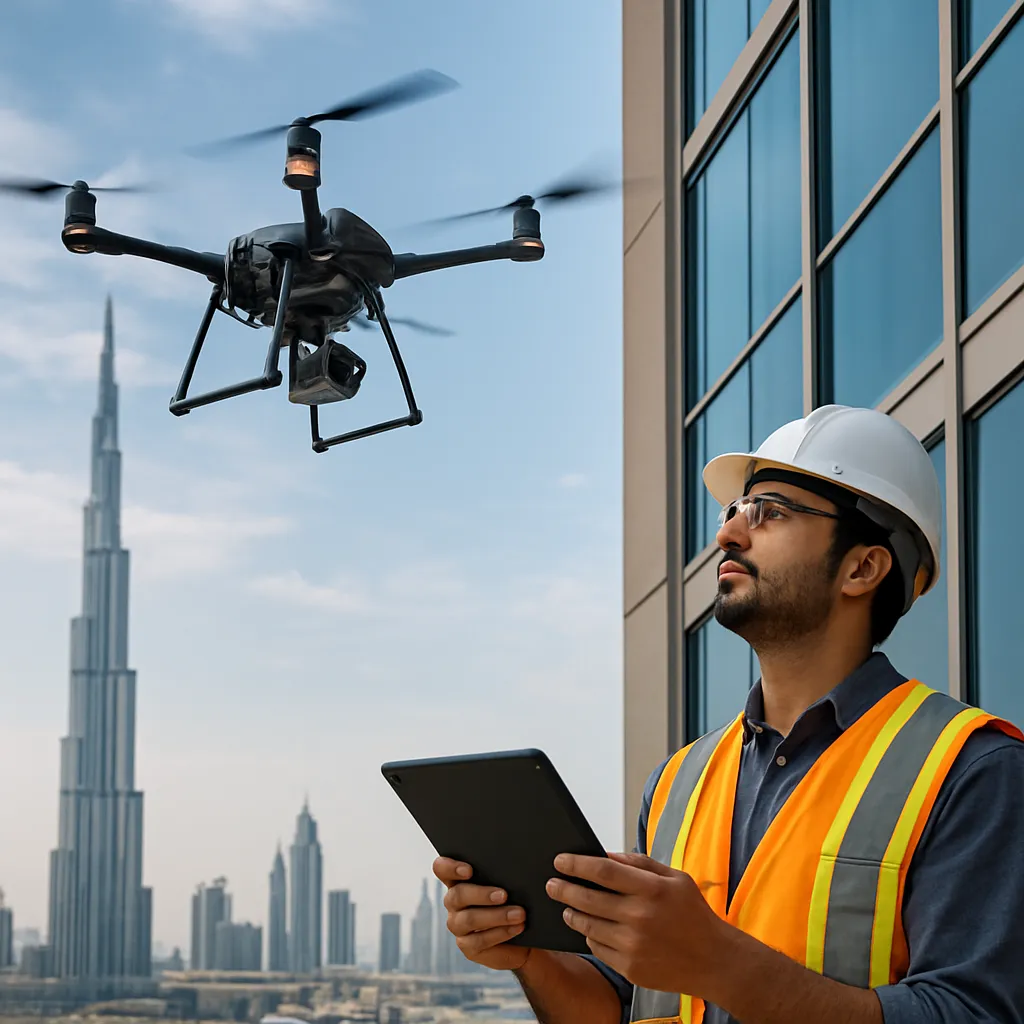
- Digital Technology: Building Information Modeling (BIM) and 3D simulation allow architects and engineers to plan every detail before ground is even broken.
- Innovative Engineering: Techniques such as jump-form construction and self-climbing concrete formwork systems accelerate vertical progress.
- Strict Scheduling: Detailed Gantt charts and real-time progress tracking help teams identify bottlenecks and optimize workflows.
- Regulatory Agility: Dubai’s authorities have crafted building codes and inspection protocols designed to keep pace with ambitious timetables.
- Multinational Expertise: Workforce mobility policies attract top talent from around the world, infusing projects with diverse skill sets.
- Robust Logistics: The city’s world-class ports and airports ensure that materials, heavy machinery, and specialized equipment arrive on demand.
Each of these components operates as part of a larger, interlinked system. When a delay occurs in one segment—say, the arrival of steel reinforcements—it could cascade across the entire schedule. To mitigate such risks, contractors employ just-in-time delivery practices and maintain strategic stockpiles of critical materials.
Case Studies in Record-Breaking Projects
Burj Khalifa
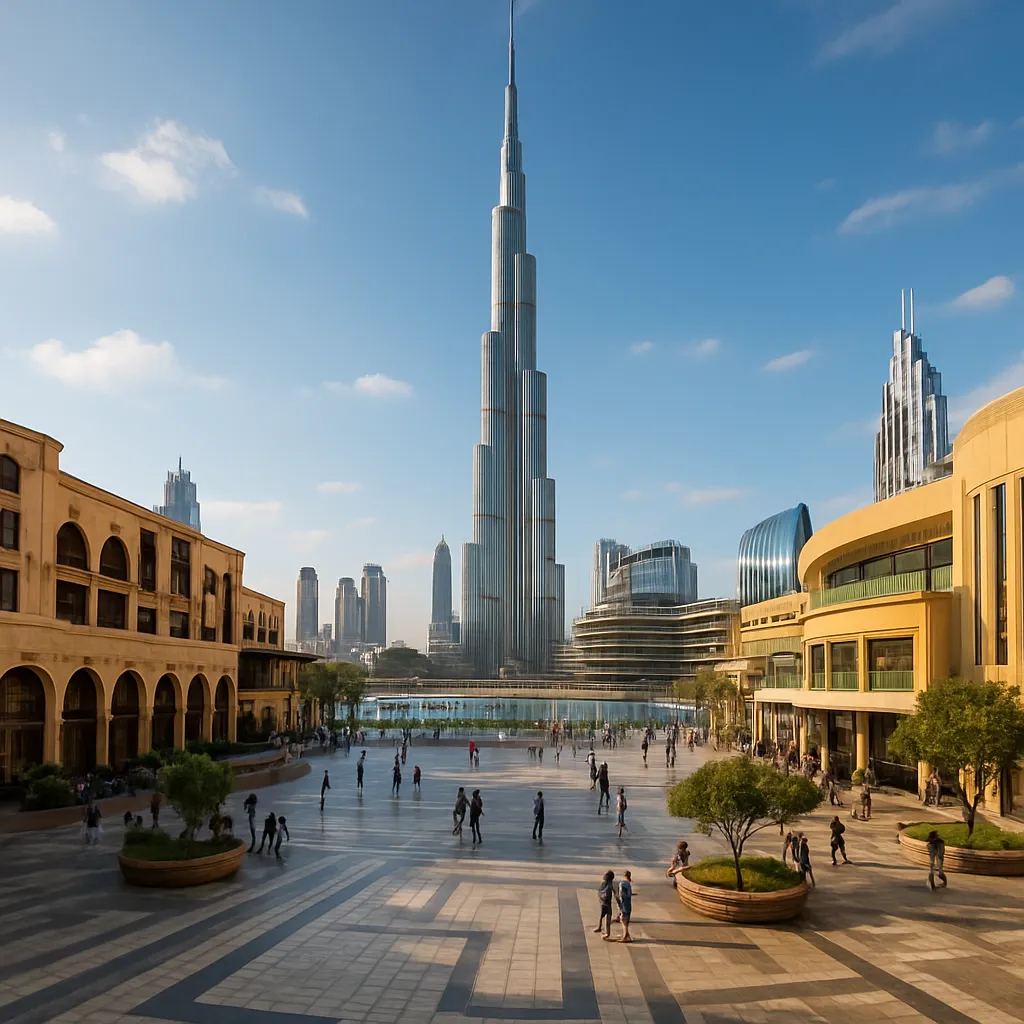
The world’s tallest building stands as the most potent symbol of Dubai’s ambitious spirit. Construction of the Burj Khalifa began in 2004 and reached its pinnacle height of 828 meters in just six years. Key elements that supported this pace included:
- Continuous 24-hour work cycles overseen by rotating crews.
- Innovative pump technology capable of delivering high-strength concrete to unprecedented heights.
- Sophisticated formwork that climbed the structure automatically as each floor was poured.
Even with these innovations, coordinating thousands of workers, engineers, and subcontractors required meticulous planning. The project management team utilized BIM to simulate each construction phase, identify hazards, and refine logistics down to the minute.
Palm Jumeirah
Formed from reclaimed land in the shape of a palm tree, this ambitious project expanded Dubai’s coastline by nearly 560 kilometers. Completed between 2001 and 2006, it showcased the city’s prowess in marine engineering:
- Custom-built dredging vessels scooped and transported over 94 million cubic meters of sand.
- Rocks imported from quarries worldwide formed the crescent-shaped breakwater that protects the island.
- Advanced geotextile membranes and compaction techniques stabilized the reclaimed land.
Palm Jumeirah’s accelerated timeline was driven by a robust supply chain that spanned continents, reflecting the importance of global logistics in Dubai’s construction narrative.
The Dubai Metro
Launched in 2009, the Dubai Metro project delivered two driverless rail lines totaling 75 kilometers in under five years. This feat relied on:
- Standardized station designs allowing simultaneous construction at multiple sites.
- Prefabricated tunnel segments assembled with precision in factory conditions.
- Advanced signaling systems tested extensively offsite to ensure safety and reliability.
By integrating transportation with urban development, the Metro project set new benchmarks for efficiency and mass transit innovation in the region.
Building for Tomorrow: Embracing Sustainability
While speed remains a hallmark of Dubai’s construction ethos, recent projects have also begun to prioritize environmental stewardship. Developers and city planners now pursue a delicate balance between rapid delivery and long-term sustainability:
- Green Building Standards: Many new towers aim for LEED certification, incorporating energy-efficient façades and water recycling systems.
- Solar Integration: Rooftop panels and solar canopies reduce reliance on the grid, particularly for power-intensive cooling systems.
- Smart Infrastructure: IoT sensors optimize energy usage, detect structural stress, and automate maintenance schedules.
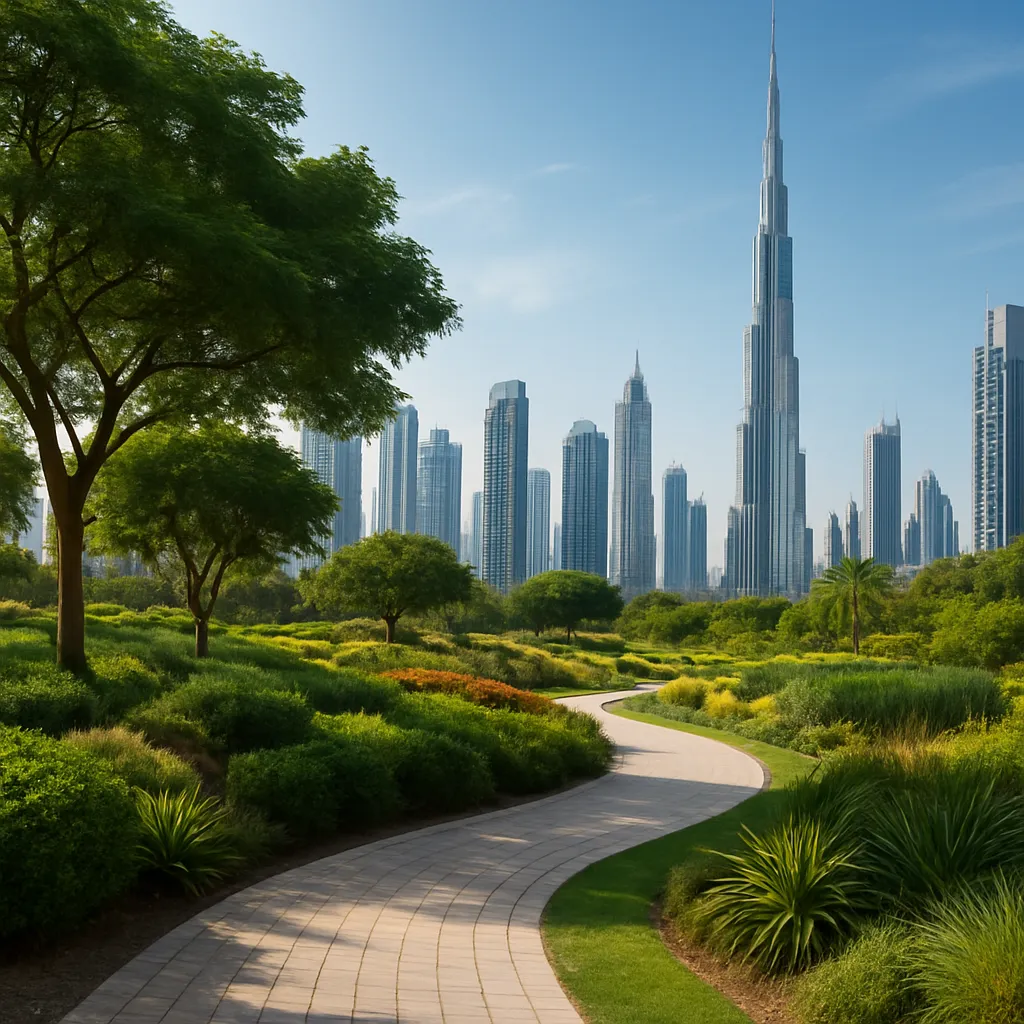
- Urban Greening: Vertical gardens and community parks are woven into high-density districts, enhancing air quality and locality.
These measures illustrate Dubai’s evolving commitment to environmental responsibility without compromising the accelerated timelines that define its distinctive approach to construction.
Future Horizons and Ongoing Evolution
As Dubai prepares for upcoming mega-events and continues to diversify its economy, the momentum behind rapid construction shows no sign of waning. Innovations in technology and material science—such as 3D-printed concrete and self-healing composites—promise even shorter build times and greater resilience.
Moreover, the integration of artificial intelligence into project management platforms will enable predictive analytics, alerting teams to potential delays before they occur. Enhanced virtual reality tools allow stakeholders to explore finalized designs in immersive detail, reducing costly revisions during the build phase.
Ultimately, Dubai’s ability to merge innovation, strategic vision, and meticulous execution will determine how its skyline continues to evolve. As the next generation of projects takes shape, the city’s pioneering spirit ensures that the world will continue to watch in awe at feats once deemed impossible.