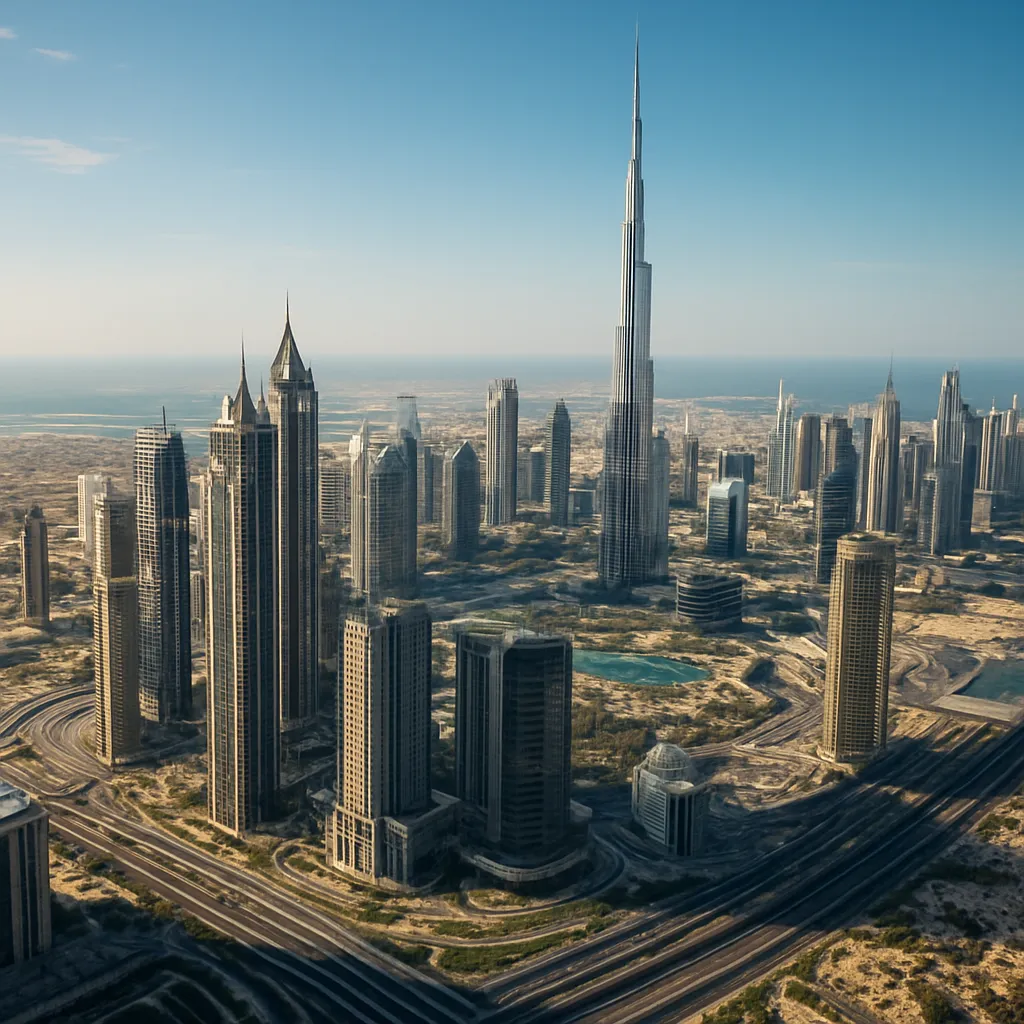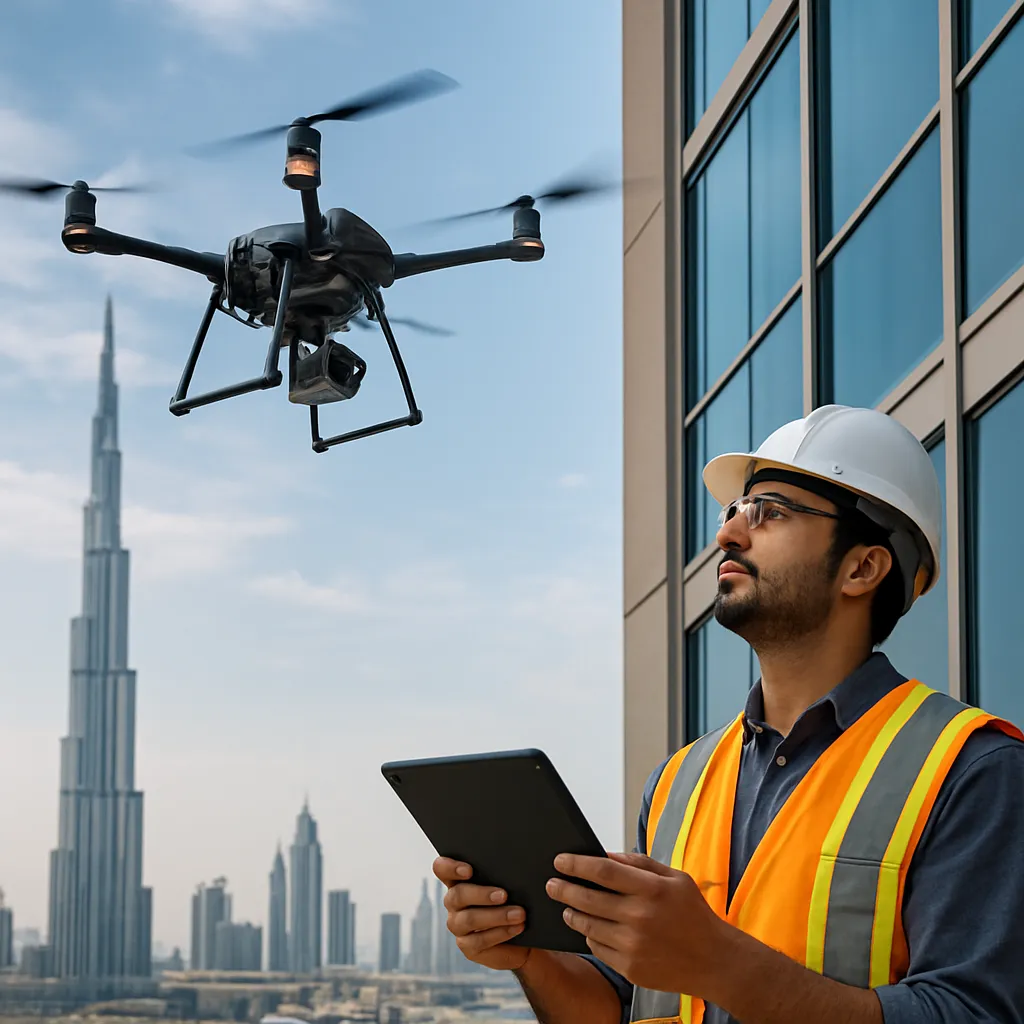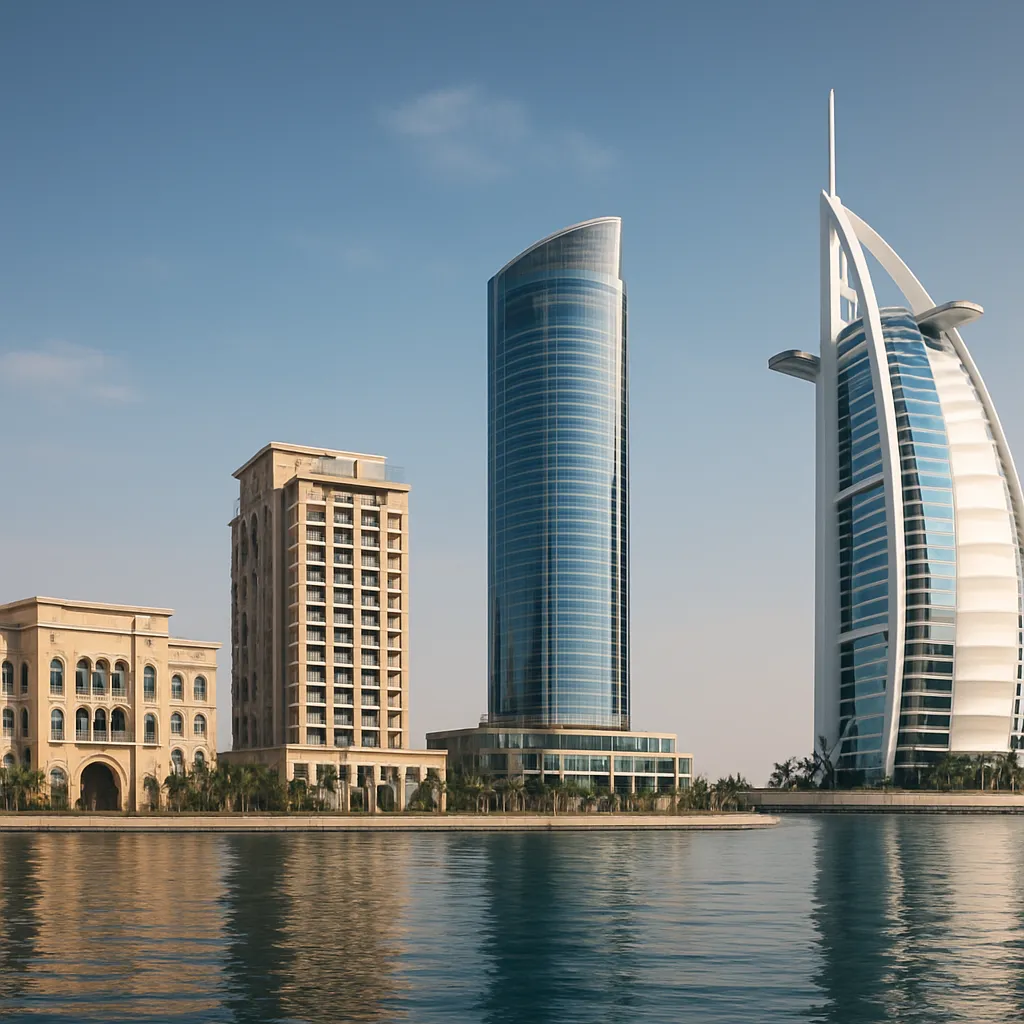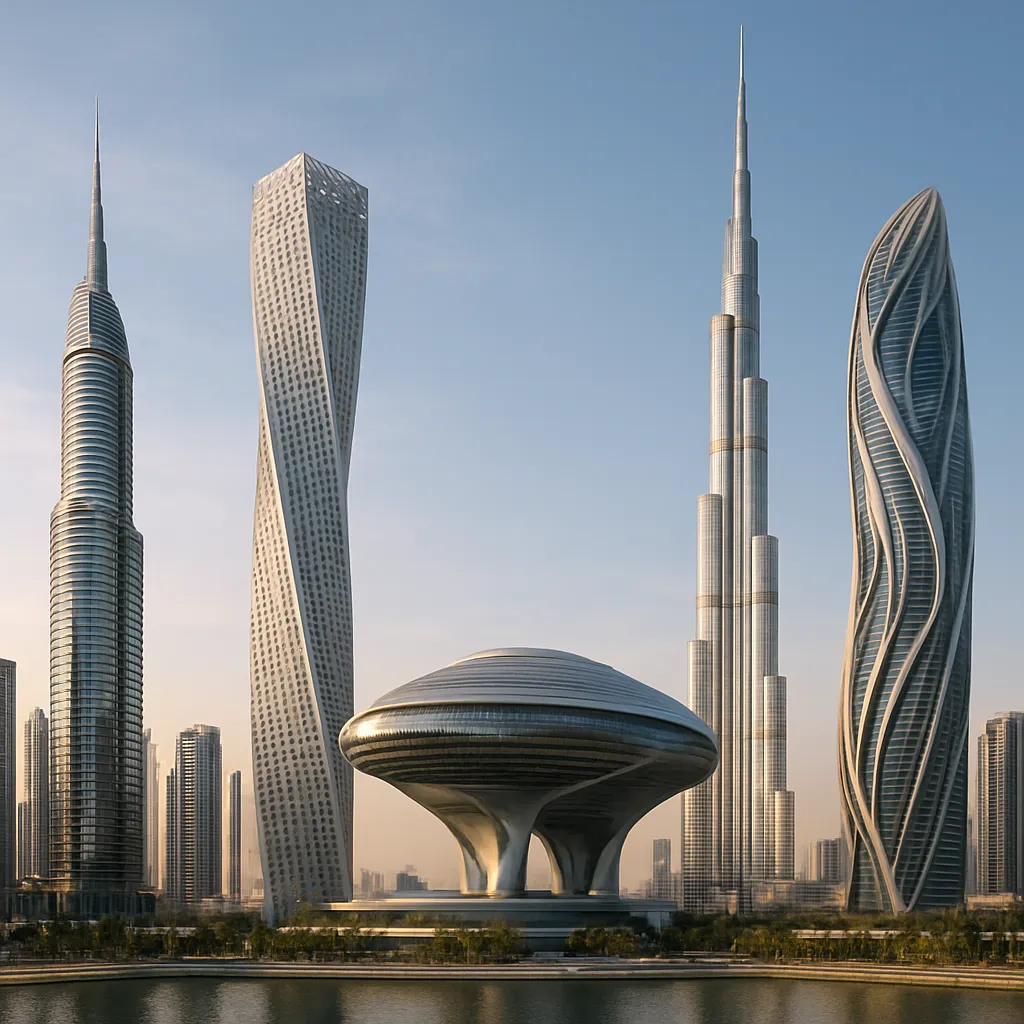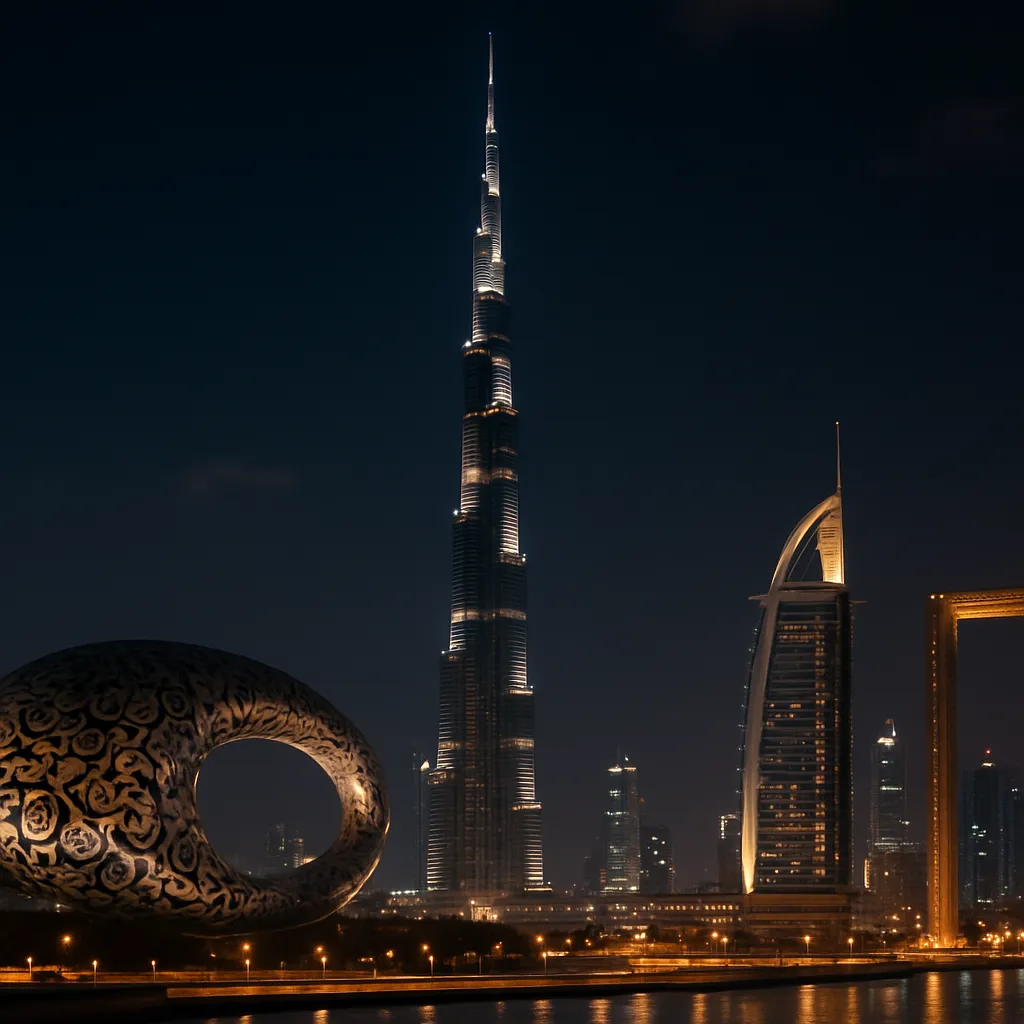
The Dubai skyline comes alive as twilight gives way to night, revealing a tapestry of shining **oases** and futuristic silhouettes. This city, renowned for its audacious ambition and bold design, transforms after dusk into an electrifying canvas where every tower and spire becomes part of a grand spectacle. From the shimmering glass facades of its tallest edifices to the artful illumination dancing upon the Persian Gulf, Dubai offers a nocturnal journey into architectural innovation and cultural flair.
Illuminated Skyline: A Nocturnal Spectacle
As darkness settles, Dubai’s panorama evolves into an extraordinary interplay of light and shadow. The city’s waterways, promenades, and highways reflect the brilliant glow of skyscrapers whose facades are clad in LED screens, programmable lighting, and shimmering metallic veneers. Each structure competes for attention, but together they form a cohesive urban mosaic that highlights Dubai’s pursuit of pushing architectural boundaries.
- Symphony of Colors: Dynamic lighting schemes shift from warm golds to cool blues, choreographed to create visual narratives on building surfaces.
- Interactive Facades: Responsive displays that change according to events, seasons, and holidays, offering an ever-evolving nocturnal exhibition.
- Reflections on Water: Canals and lagoons mirror the radiant towers above, doubling the visual impact and enhancing the sense of tranquil grandeur.
Iconic Structures and Their Nighttime Stories
Burj Khalifa: The Pinnacle of Illumination
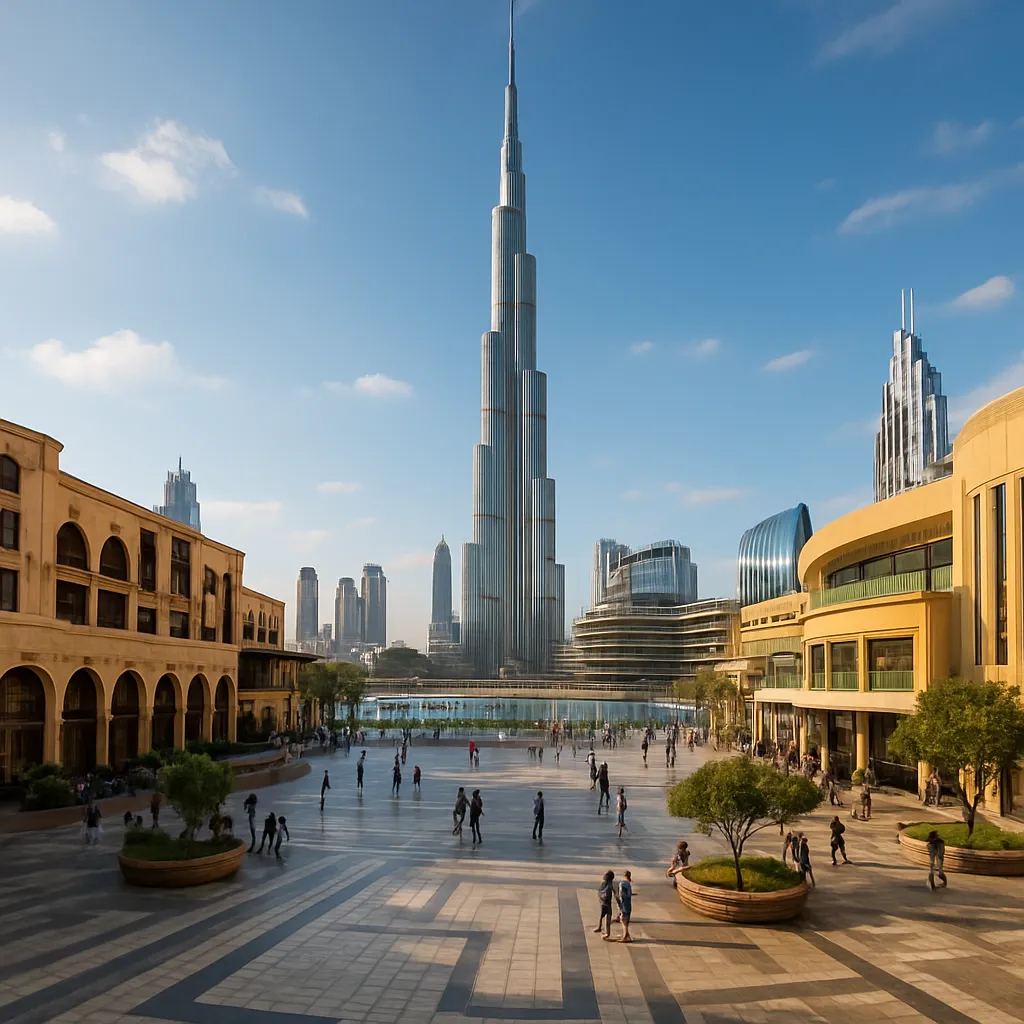
Towering at 828 meters, the Burj Khalifa reigns supreme over Dubai’s skyline. When night falls, this colossus doesn’t simply light up—it performs. An advanced LED system wraps around its tapering structure, unleashing choreographed light shows synchronized to music. Visitors gather at the surrounding fountains and Burj Park to witness every luminous sequence, marveling at how the world’s tallest building becomes a beacon of ingenuity.
Burj Al Arab: Sail of Light
Shaped like a billowing sail, the Burj Al Arab stands on its own artificial island, distinguishable day and night. As darkness envelops the city, powerful spotlights create a starburst effect atop the pinnacle, while the curved façade is bathed in gently shifting hues. This architectural marvel transforms into a floating lantern, guiding ships and serving as a symbol of Dubai’s commitment to combining luxury with theatrical illumination.
Palm Jumeirah: An Aerial Perspective
The world’s largest man-made island, Palm Jumeirah, unravels a glowing palm-frond pattern visible from above. At night, villa rooftops and resort promenades light up in harmony, lending the palm tree silhouette a dreamlike quality. Helicopter tours and observation decks offer bird’s-eye views of the luminous archipelago, showcasing how terrain can be transformed into an iconic glowing emblem.
Architectural Innovations and Future Visions
Dubai’s rapid evolution stems from an insatiable drive to innovate. After dark, this vision is especially evident as architects and engineers harness cutting-edge technologies to redefine how buildings engage with their surroundings and inhabitants.
Smart Lighting and Sustainable Practices
- Adaptive LED Networks: Sensors and AI regulate brightness and color temperature, ensuring optimal energy efficiency while preserving visual drama.
- Solar Facades: Photovoltaic panels integrated into glass curtain walls capture sunlight by day and refract residual glow by night, reducing environmental impact.
- Heat-Reflective Coatings: Innovative surface treatments lower interior temperatures, allowing for softer, cooler lighting schemes without compromising comfort.
Augmented Reality and Interactive Experiences
- AR Wayfinding: Mobile apps overlay digital guides onto facades, enabling visitors to explore the architectural wonders of each district through personalized nighttime tours.
- Projection Mapping: Immersive displays cast three-dimensional illusions onto skyscrapers, transforming static walls into moving narratives of history, art, and technology.
- Multi-Sensory Installations: Integrating scent, sound, and touch, these installations turn public plazas into interactive playgrounds after dark.
Futuristic Developments
Several upcoming projects promise to elevate Dubai’s nocturnal skyline even further:
- Dynamic Supertree Groves: Inspired by natural forms, these vertical gardens will be illuminated by bioluminescent technology, creating a living forest of radiant columns.
- Aerial Sky Bridges: Connecting twin towers at dizzying heights, sky bridges will feature transparent floors and fiber-optic handrails, glowing beneath visitors’ feet.
- Underwater Light Domes: Integrated into coastal resorts, these submerged structures will host glass-ceiling lounges where guests watch aquatic life swim among gently pulsing LED patterns.
Nighttime Districts: Where Architecture Meets Atmosphere
Beyond standalone icons, entire neighborhoods in Dubai have embraced nocturnal identity, each offering a distinctive blend of architecture, culture, and entertainment.
- Downtown Dubai: Centered around the Burj Khalifa, this district pulses with activity. Night markets, open-air galleries, and waterfront cafes line the illuminated boulevards.
- Business Bay: A cluster of sleek towers reflecting each other’s lights, creating a canyon of brilliance. Rooftop lounges invite after-hours conversations against the backdrop of a glowing metropolis.
- Jumeirah Beach Residence: A beachfront promenade flanked by uniform yet striking towers whose synchronized lighting mirrors the ebb and flow of the Arabian Gulf.
Cultural Resonance and Inspiration
The architectural mastery on display in Dubai after dark does more than dazzle—it tells a story of tradition meeting tomorrow. Many buildings draw upon Islamic geometric patterns, Arabian motifs, and local heritage illuminated by modern techniques. These designs pay homage to the region’s past while emphasizing a forward-looking mindset.
- Geometric Light Grids: Inspired by mashrabiya screens, patterned illumination creates privacy filters and decorative shadows.
- Warm Tones and Earthy Textures: Accents of amber and terracotta lighting evoke traditional desert hues, grounding contemporary forms in organic color palettes.
- Community Spaces: Lantern-lit courtyards and amphitheaters blend architecture with public life, nurturing social bonds under the tapestry of night.
Experiencing Dubai’s After-Dark Architecture
To fully appreciate the nocturnal wonders of Dubai’s built environment, visitors can choose from a range of experiences:
- Evening City Cruises: Sail past illuminated landmarks for uninterrupted views of waterfront skyscrapers and seaside resorts.
- Helicopter Tours: Witness the silhouette of the city and Palm-shaped islands glowing against the dark ocean canvas.
- Guided Walking Tours: Led by architectural experts, these strolls reveal hidden design details only visible when buildings are lit from within.
Conclusion
Dubai’s architectural landmarks by night stand as a testament to human creativity, technological prowess, and cultural fusion. Through transformative lighting, sustainable design, and immersive experiences, the city elevates its skyline from a mere collection of structures to a living, breathing exhibit. Wandering through its illuminated avenues and waterfronts, one discovers how innovation and tradition converge to shape a city that never sleeps and consistently redefines the very notion of urban brilliance.