The city of Dubai stands as a testament to human ambition and engineering prowess, where towering structures rise from the desert sands to pierce the sky. In this landscape of cutting-edge design and lavish living, high-rise buildings have become symbols of luxury, innovation, and boundless opportunity. From the iconic Burj Khalifa to emerging mixed-use skyscrapers, Dubai’s vertical skyline is not only reshaping urban aesthetics but also redefining the very concept of metropolitan living. This article explores the transformative journey of Dubai’s high-rise developments, the architectural marvels that stand tall, and the lifestyle experiences crafted for those who choose to call these lofty residences home.
The Evolution of the Skyline
The rapid metamorphosis of Dubai’s skyline began in the late 1990s, when visionary leaders embarked upon a mission to transform a regional trading post into a global cosmopolitan hub. As projects like Emirates Towers and the Palm Jumeirah emerged, so did the city’s reputation for pushing boundaries. These ambitious undertakings paved the way for an era defined by supertall structures designed by world-renowned architects.
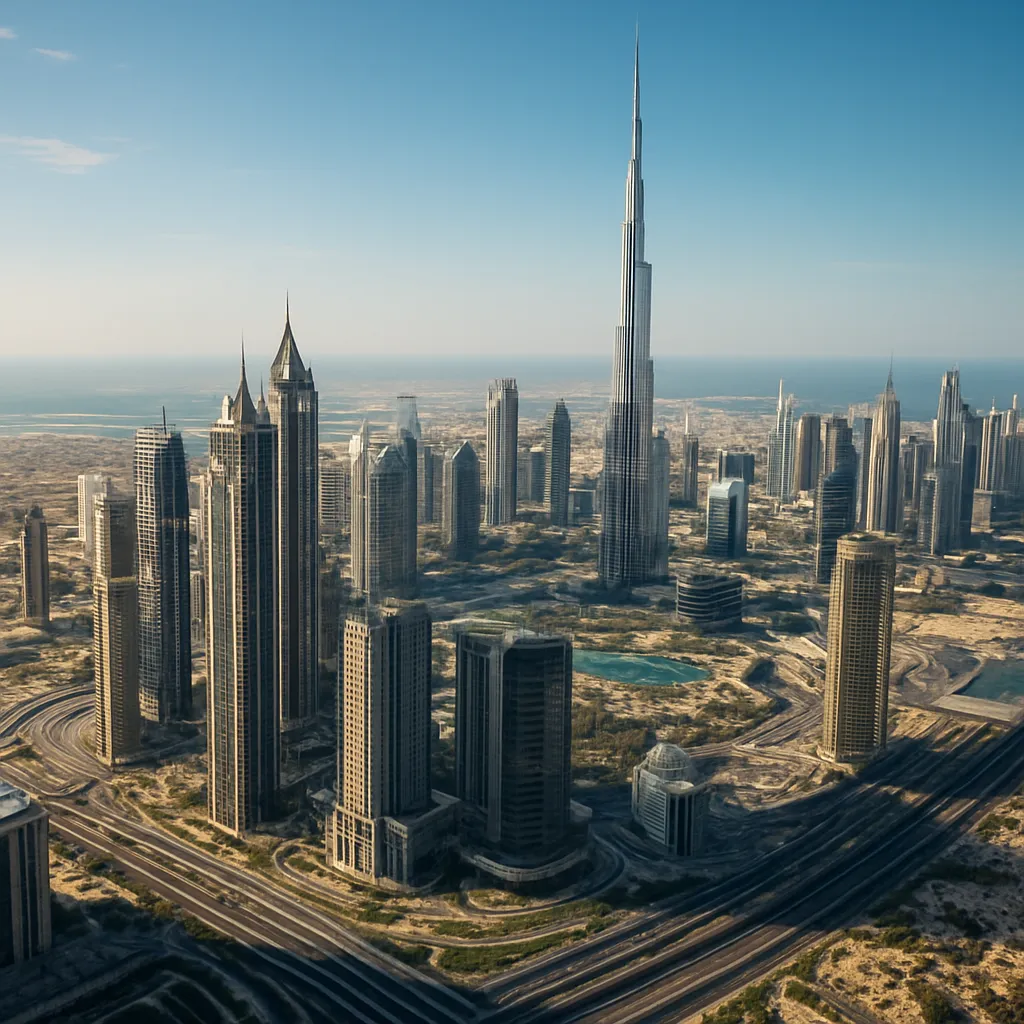
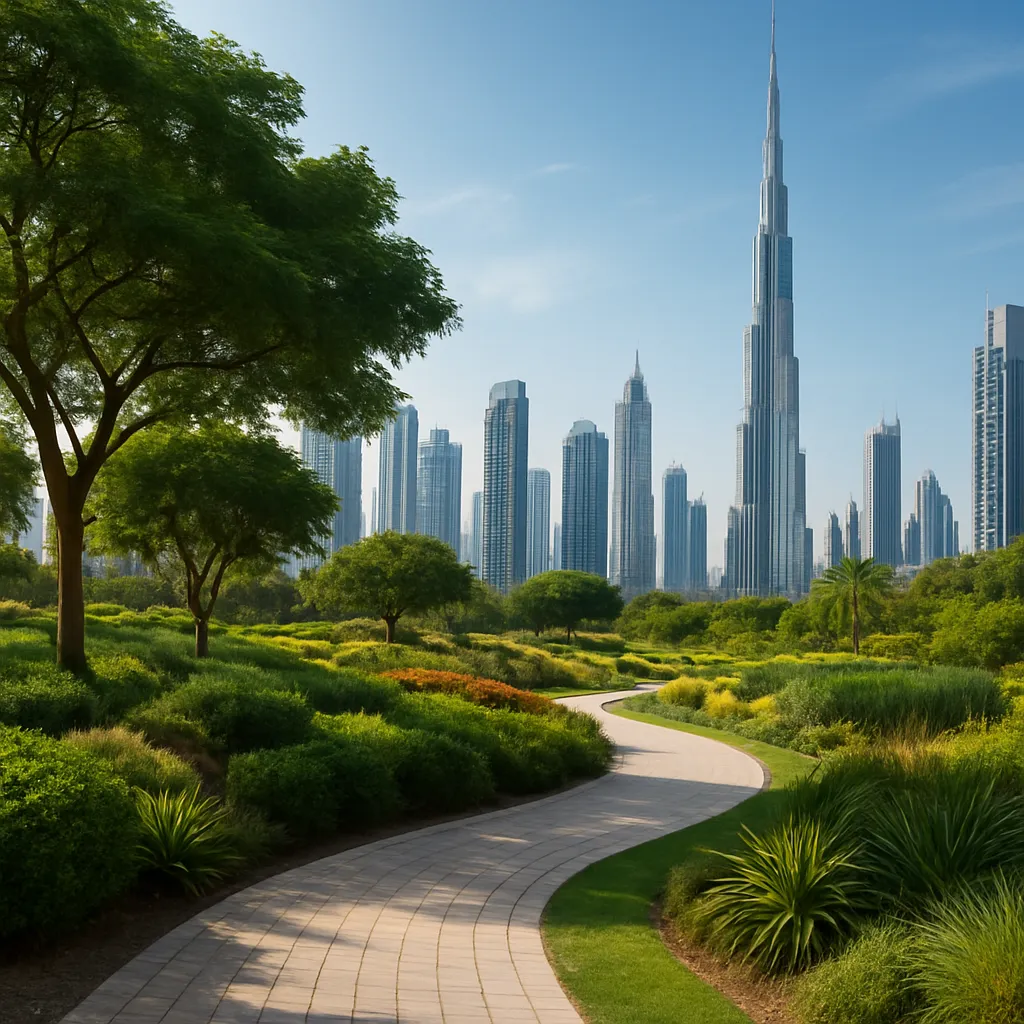
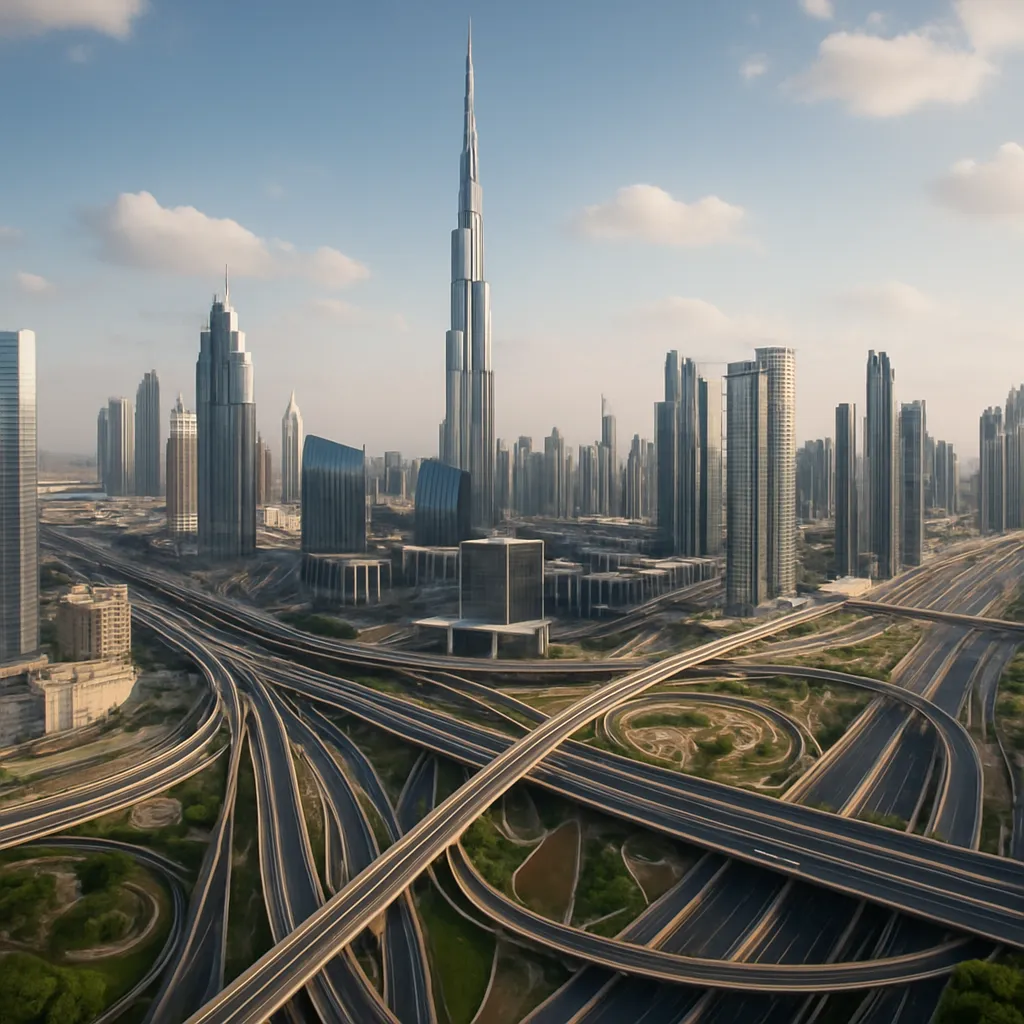
Today, the skyline is a dazzling tapestry where each high-rise contributes a unique chapter to Dubai’s narrative. The cityscape is organized into distinct districts—Business Bay, Downtown Dubai, and Dubai Marina—each boasting clusters of soaring towers. The strategic urban planning behind these developments ensures seamless integration with waterfront promenades, lush green parks, and expansive road networks. Dubai’s approach to vertical expansion demonstrates a commitment to both sustainability and aesthetic coherence, fostering a balanced environment where residents enjoy unparalleled convenience and scenic vistas.
Key Milestones in High-Rise Development
- 1999: Completion of Emirates Towers, marking Dubai’s entry into the league of global finance centers.
- 2004: Launch of Palm Jumeirah Residences, redefining luxury waterfront living.
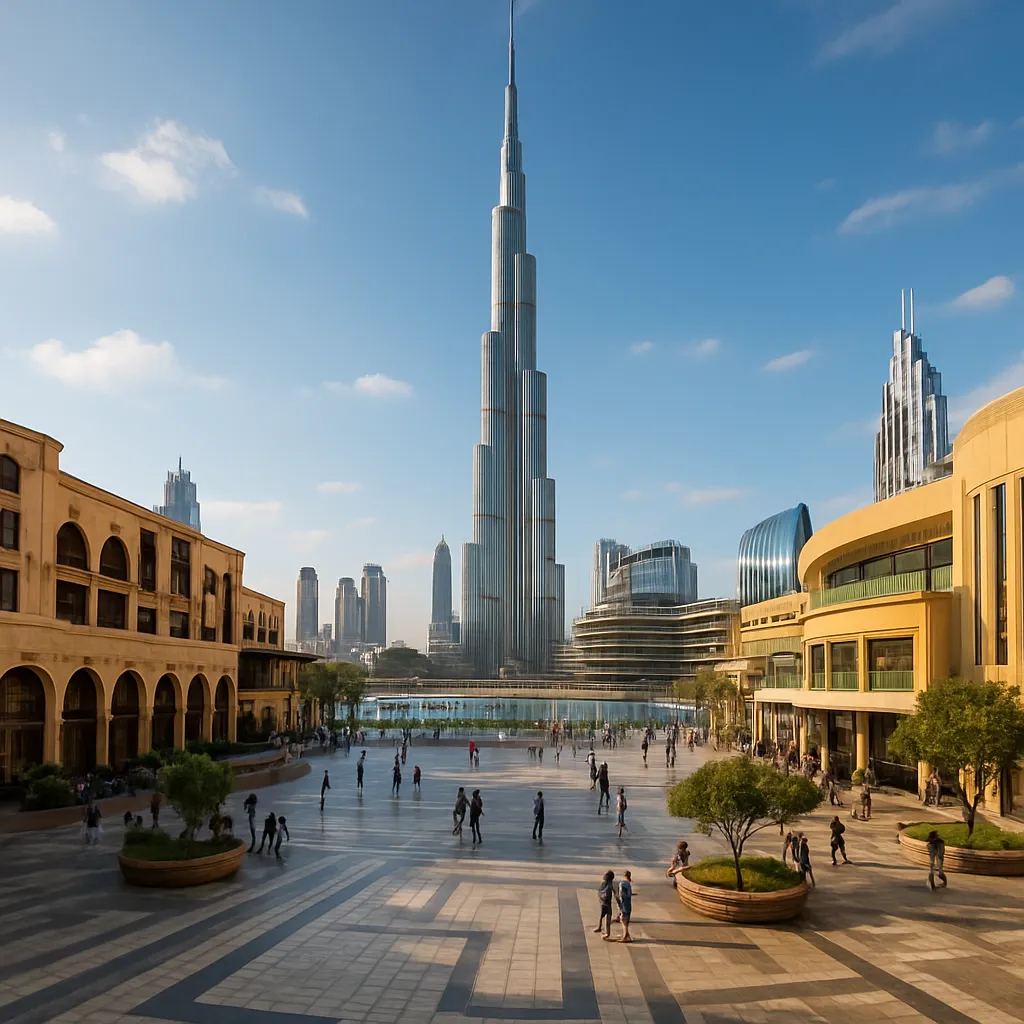
- 2009: Opening of Burj Khalifa, the world’s tallest building, symbolizing Dubai’s global ambitions.
- 2017–present: Rise of mixed-use skyscrapers such as Marina 101 and Ciel Tower, blending commercial, residential, and hospitality functions.
Architectural Wonders Soaring Above the Desert
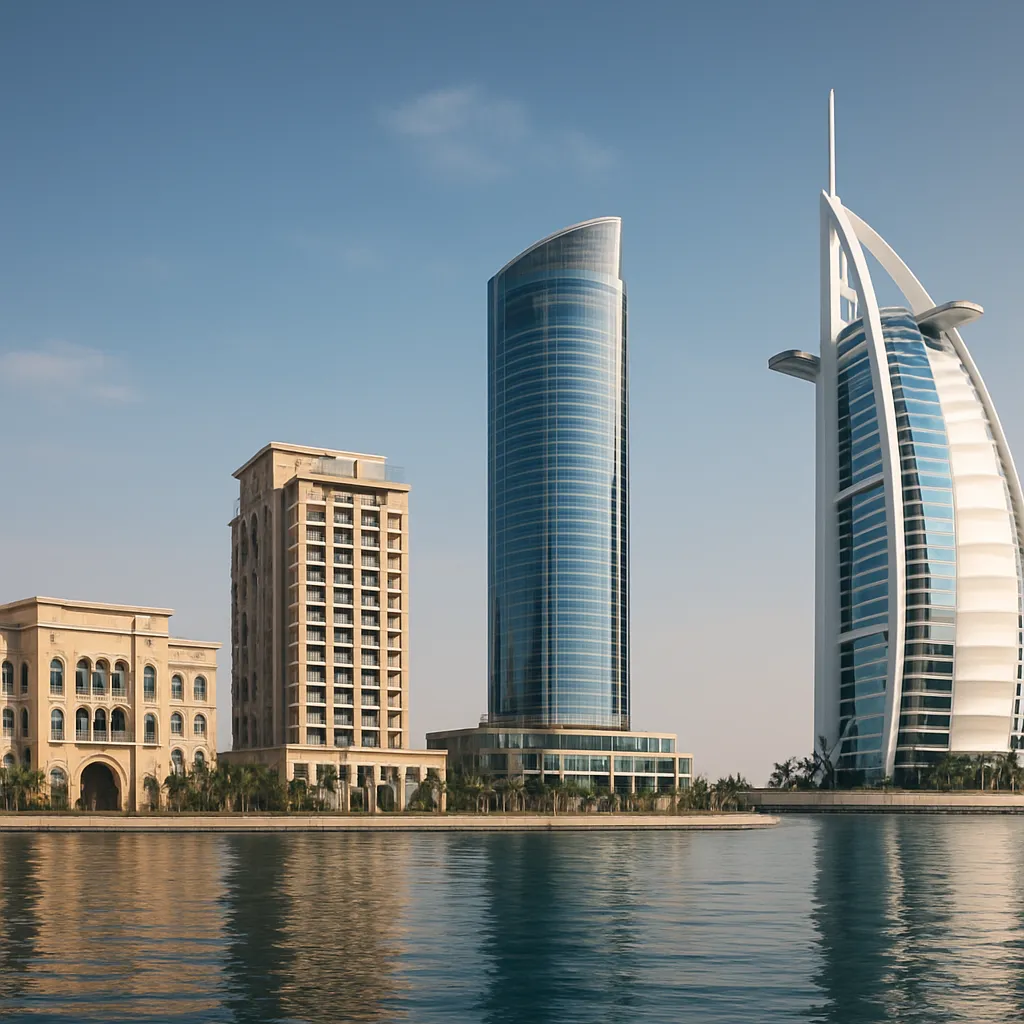
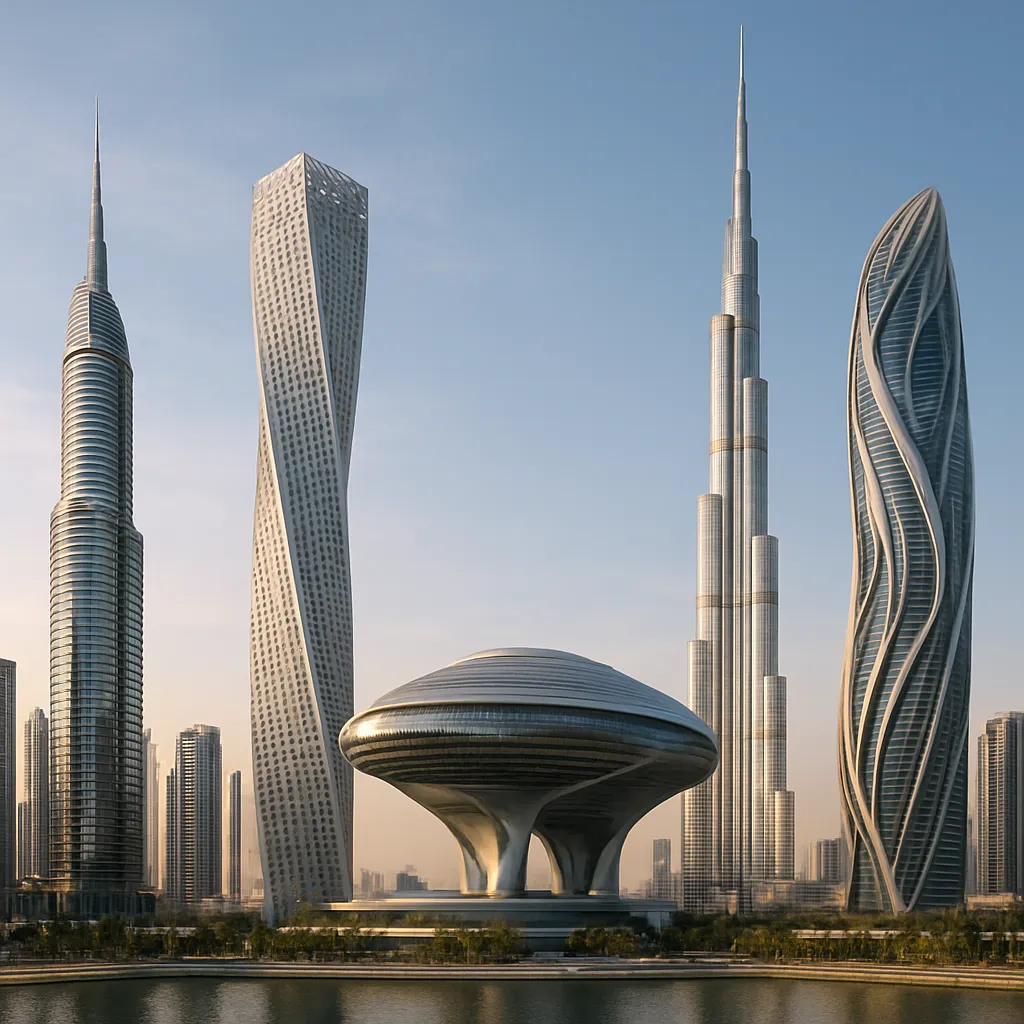
In its quest to dominate the horizon, Dubai has commissioned some of the most iconic structures ever conceived. Each skyscraper is a masterpiece that combines innovative materials, advanced engineering techniques, and culturally inspired motifs. These buildings not only serve practical purposes but also function as public artworks that capture the imagination of architects, tourists, and investors alike.
Take, for instance, the twisting silhouette of Cayan Tower in Dubai Marina. Its 90-degree spiral challenges traditional structural norms, providing residents with panoramic views of the Persian Gulf and the marina below. Similarly, the Address Downtown introduces a seamless blend of residential apartments, hotel accommodations, and retail outlets—all within a single high-rise footprint. These multifunctional towers cater to evolving lifestyle demands, offering one-stop solutions for work, leisure, and social interaction.
Signature Architectural Features
- Adaptive façade systems: Respond dynamically to solar exposure, reducing cooling loads.
- Sky gardens and terraces: Green pockets that enhance air quality and foster community.
- High-speed elevators: Minimizing wait times even in 80+ storey structures.
- Glass curtain walls: Ensuring optimal views while maximizing natural light.
These technological advancements elevate Dubai’s skyscrapers beyond mere constructions, transforming them into living ecosystems. By incorporating eco-friendly elements such as photovoltaic panels and rainwater harvesting, developers are pushing the envelope of modern architecture while adhering to stringent sustainability standards.
Lifestyle Redefined at New Heights
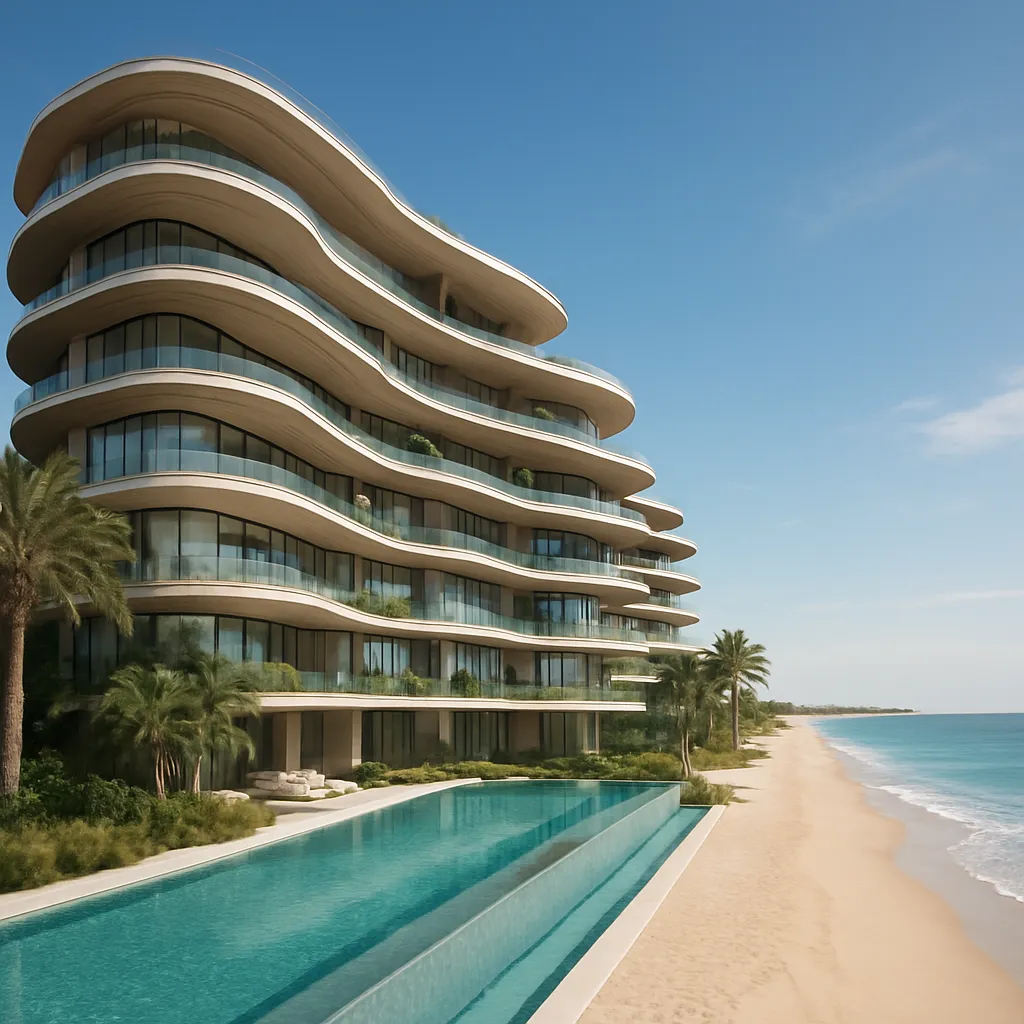
Above the urban hustle, Dubai’s high-rise residences open up a world of curated experiences that blur the line between home and resort. Inhabitants enjoy an array of amenities designed to cater to every conceivable desire—state-of-the-art fitness centers, infinity pools perched hundreds of meters above the ground, private cinemas, and sky lounges that rival five-star hotel offerings. This elevated way of life redefines everyday routines, transforming mundane activities into moments of indulgence.
The emphasis on exclusivity extends beyond in-house facilities. Many skyscraper communities host invitation-only events, from Michelin-star tasting menus to art exhibitions set against glittering city lights. Automated concierge services facilitate everything from grocery deliveries to chauffeur bookings, ensuring residents’ schedules remain effortlessly managed. Such aspirational living standards position Dubai’s high-rises as coveted assets for global elites seeking both privacy and connectivity.
- Heliports and private lounges for rapid access.
- Dedicated spas with panoramic views.
- Private yacht berths in integrated waterfront projects.
- Exclusive shopping arcades within podiums.
With business, entertainment, and leisure seamlessly woven into daily life, residents experience a level of comfort and convenience that is unparalleled. Whether hosting a business gathering in a skybridge meeting room or relaxing in a personal reflection pool at dawn, Dubai’s vertical communities cater to the most refined tastes.
Sustainability and Innovation in Vertical Living
As global attention turns toward environmental responsibility, Dubai’s high-rise sector is pioneering green solutions that promise a future-proof urban habitat. Developers are implementing smart building technologies to optimize energy consumption, harness renewable resources, and minimize carbon footprints. From integrated solar shading devices to advanced water-recycling systems, these measures are essential in an arid climate where resource management is paramount.
Additionally, the city’s landmark initiative, the Dubai Sustainable City, is inspiring skyscraper designs to incorporate communal agriculture, waste-to-energy plants, and electric vehicle charging hubs. By fostering synergy between vertical neighborhoods and surrounding ecosystems, architects envision a harmonious coexistence between man-made structures and nature. Residents benefit from reduced utility costs and healthier indoor environments, thanks to improved air circulation and intelligent climate control systems.
Future Outlook and Technological Trends
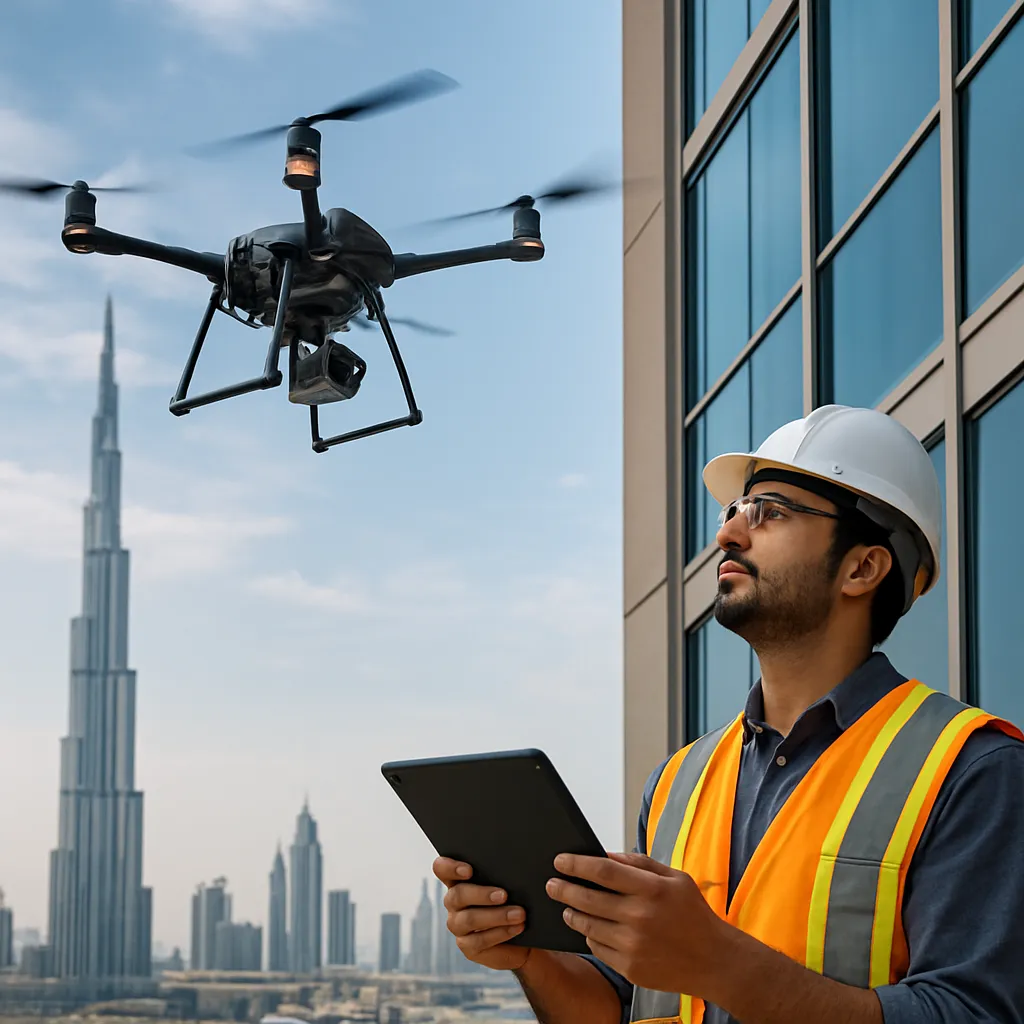
- AI-driven building management platforms for predictive maintenance.
- 3D-printed construction elements reducing material waste.
- Modular high-rise units enabling rapid project delivery.
- Vertical transportation innovations such as magnetic levitation lifts.
With each new project, Dubai reaffirms its commitment to marrying opulence with pragmatism, crafting skyscrapers that not only stun with their grandeur but also set benchmarks in resilience and efficiency. The integration of next-generation technologies ensures that Dubai’s high-rise living remains at the forefront of global urban development for decades to come.