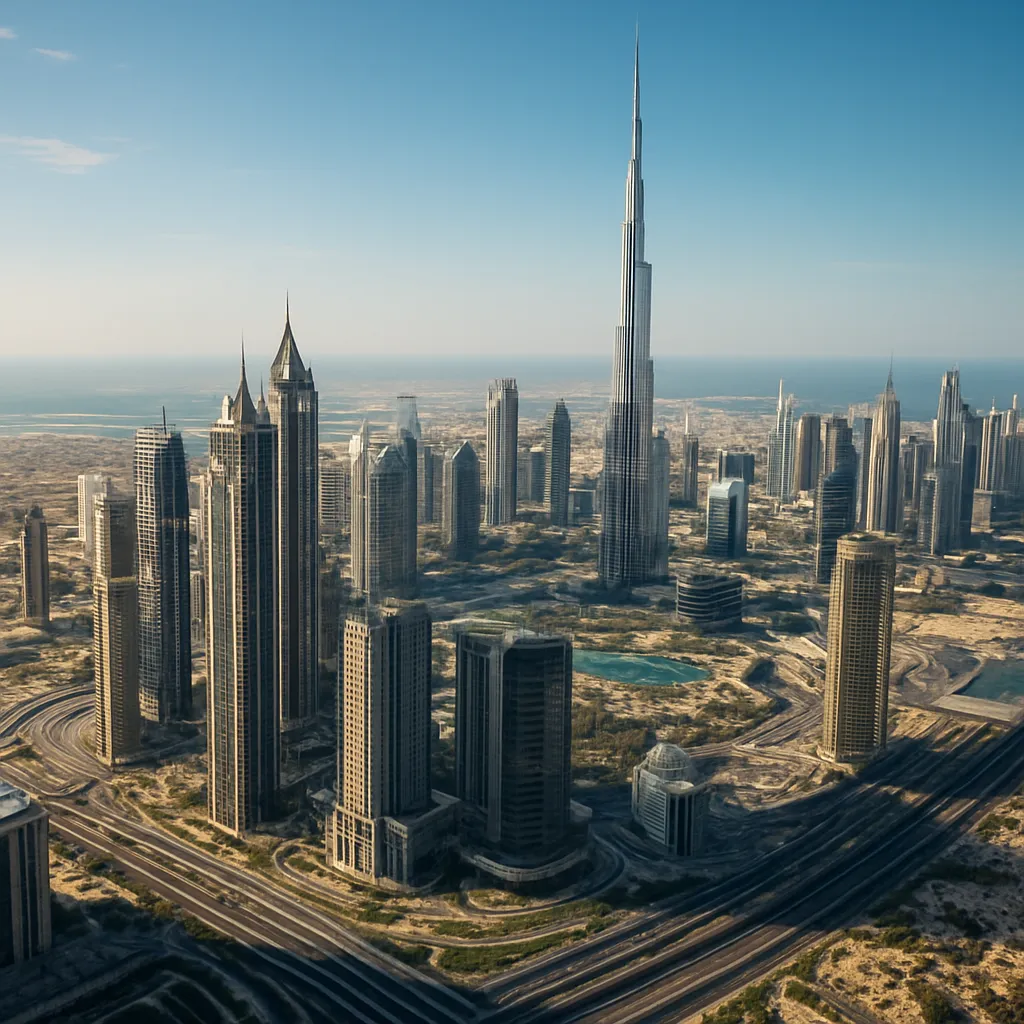
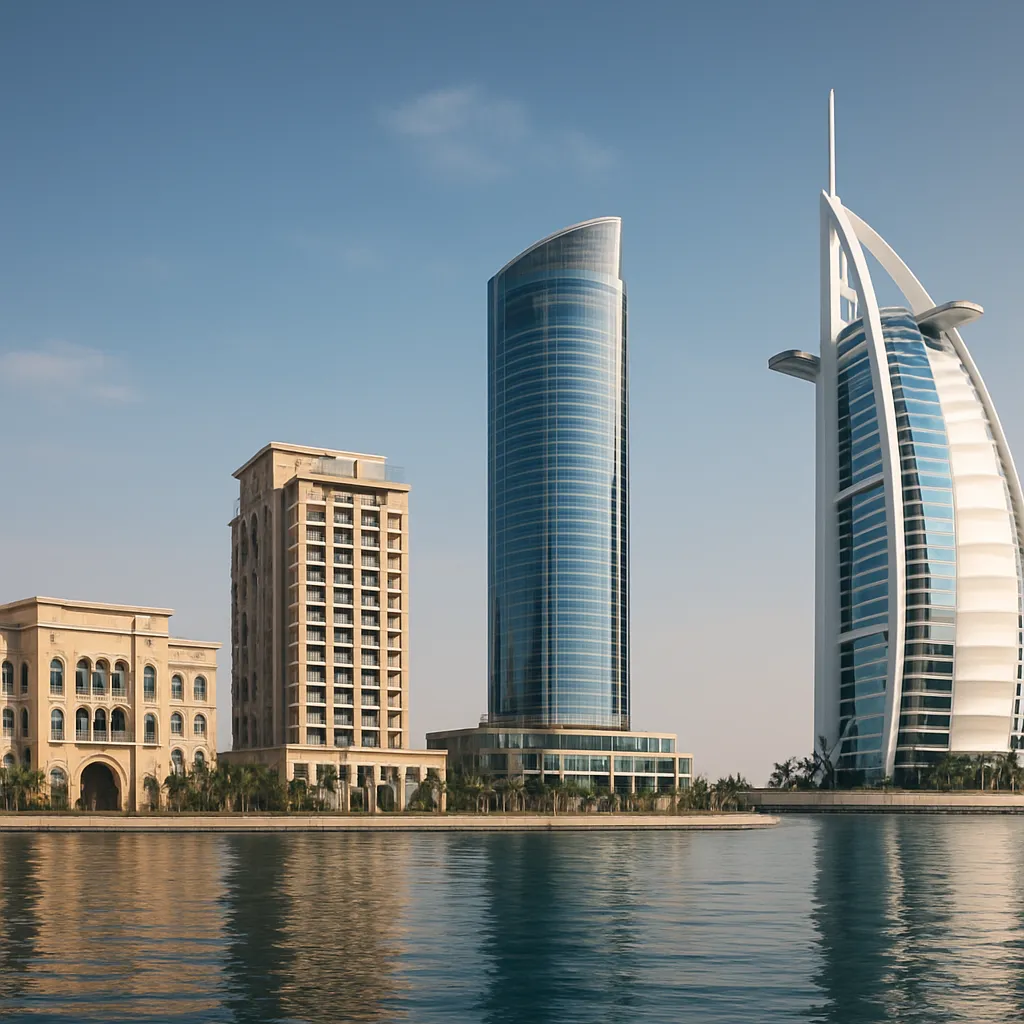
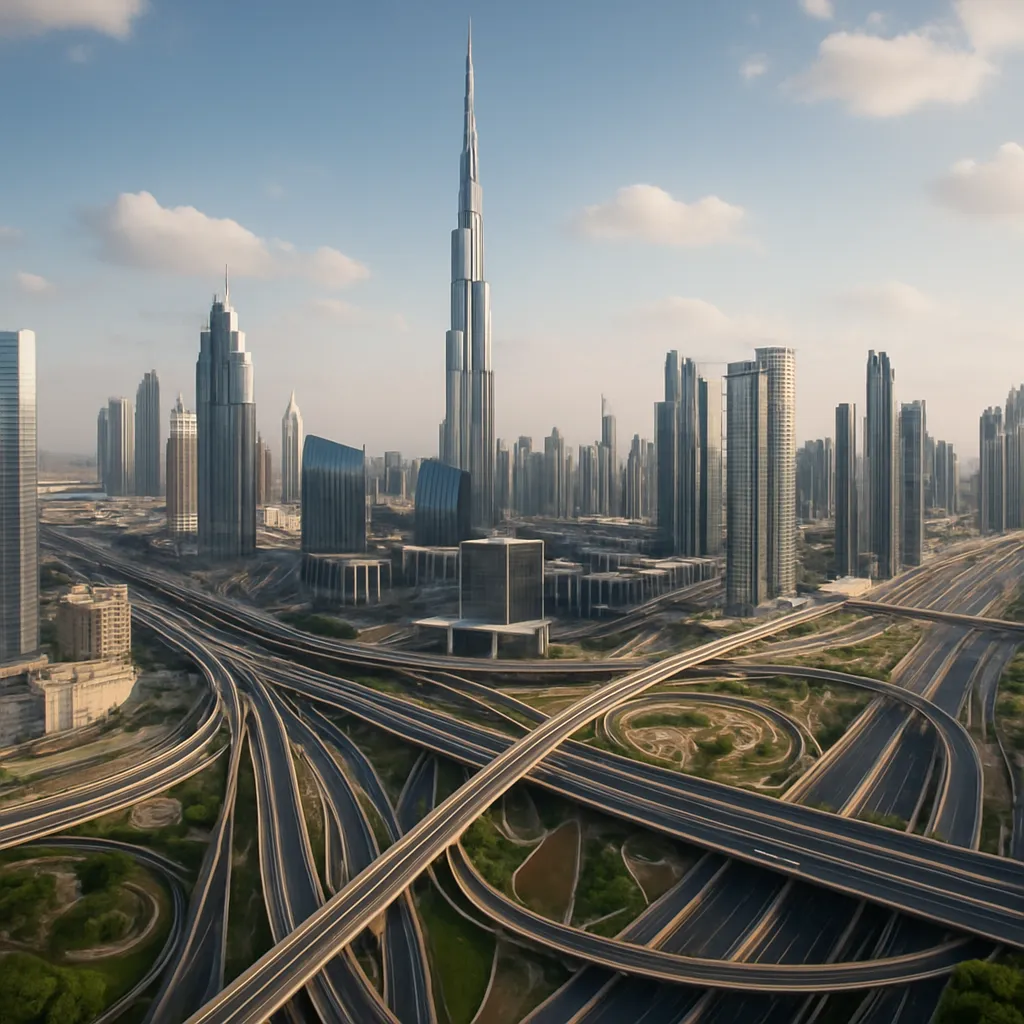
Throughout the last two decades, Dubai’s skyline and cityscape have become a global emblem of innovation and ambition. Soaring above the Arabian desert, the emirate’s collection of iconic towers and sprawling developments tell a story of dynamic progress. From the dizzying heights of the world’s tallest skyscrapers to the avant-garde shapes redefining luxury hospitality, every project reflects an unwavering competition among real estate developers. Their shared pursuit of seamless integration of technology and commitment to sustainability has given rise to a distinctive architectural identity that is unequivocally Dubai’s. At the heart of each plan lies an unwavering vision to redefine urban possibility. As these visionaries clash in a race for the next record-breaking masterpiece, they continuously push the boundaries of engineering and creativity, reshaping our conception of metropolitan excellence.
Architectural Innovation and the Race for Vertical Mastery
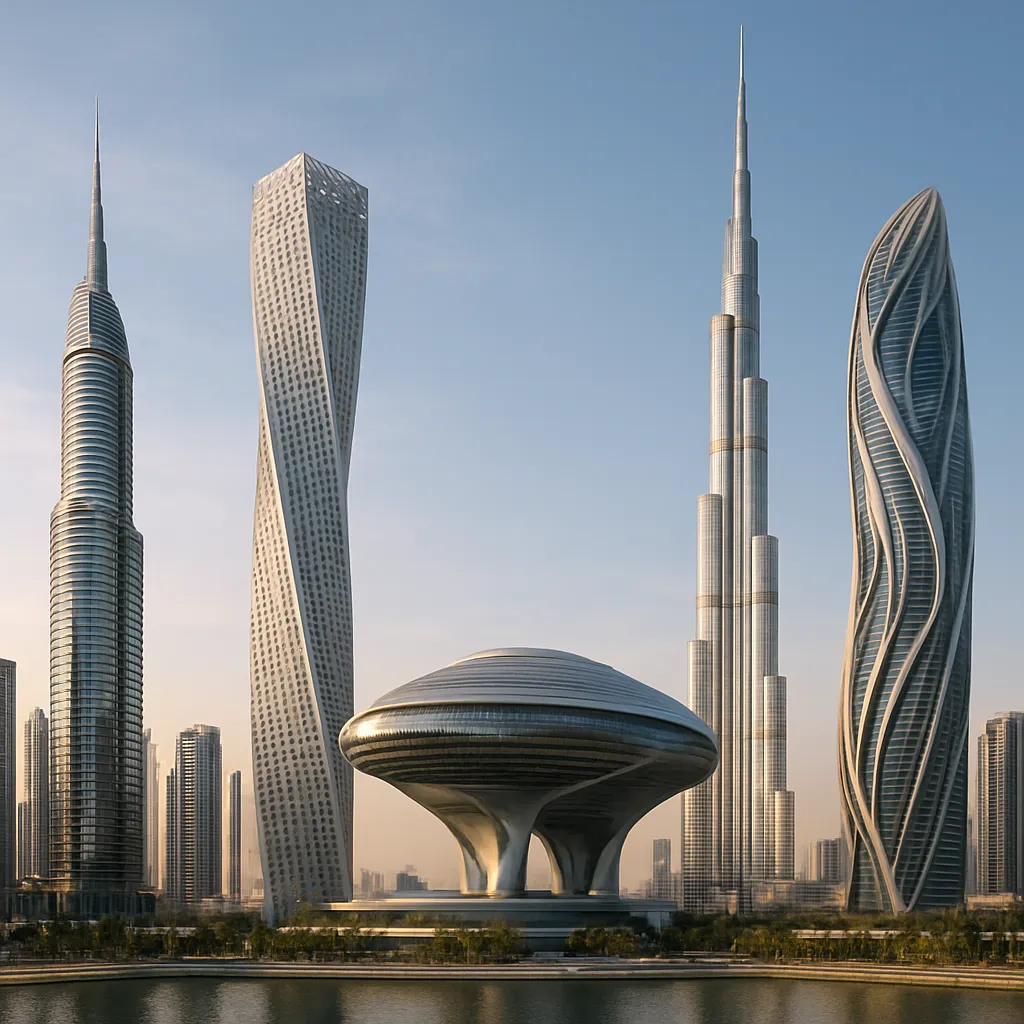
Dubai’s ambition to dominate the global real estate stage finds its most dramatic expression in towering structures that pierce the sky. Developers embrace cutting-edge materials, advanced construction techniques, and bold geometries to craft buildings that not only defy gravity but also challenge conventional engineering logic. The battle for the world’s tallest, most twisted, or most elegantly contoured high-rise has become a defining motif.
Structural Marvels and Design Pioneers
Leading architectural firms collaborate with real estate giants to create exteriors that shimmer by day and illuminate with spectacle at night. Complex diagrid frameworks, exoskeleton facades, and aerodynamic forms demonstrate a willingness to experiment:
- The adoption of high-strength carbon composite panels for lightweight yet durable cladding
- Integration of outriggers and mega-columns to stabilize super-slender towers against wind loads
- Parametric design software enabling sculptural massing that maximizes views and sun exposure
Such innovations not only attract attention from global investors but also reinforce each developer’s reputation for pioneering mastery.
Iconic Landmarks as Brand Ambassadors
In a city where every new structure vies for center stage, developers sponsor ambitious concepts that double as corporate logos. Signature towers become living billboards—claimed in press releases and luxury brochures. The iconic silhouettes of these buildings often serve as shorthand for the developer’s brand identity, visible across marketing campaigns spanning multiple continents.
Sustainable Practices Shaping the Future of Dubai Buildings
Environmental responsibility is no longer an afterthought in Dubai’s architectural dialogue. Developers adopt a holistic approach to sustainability, integrating renewable systems, resource-efficient materials, and passive design strategies to meet evolving regulatory standards and global expectations.
Green Certifications and Eco-Innovation
Many projects now target LEED Platinum or Estidama Five-Pearl ratings, embedding features such as:
- Photovoltaic façades that transform entire building exteriors into solar generators
- Double-skin curtain walls to regulate interior temperatures and reduce HVAC loads
- Rainwater harvesting and greywater recycling networks for irrigation and cooling towers
The result is a new generation of mixed-use podiums and residential blocks that significantly lower operational costs while offering healthier living and working environments.
Urban Cooling Strategies
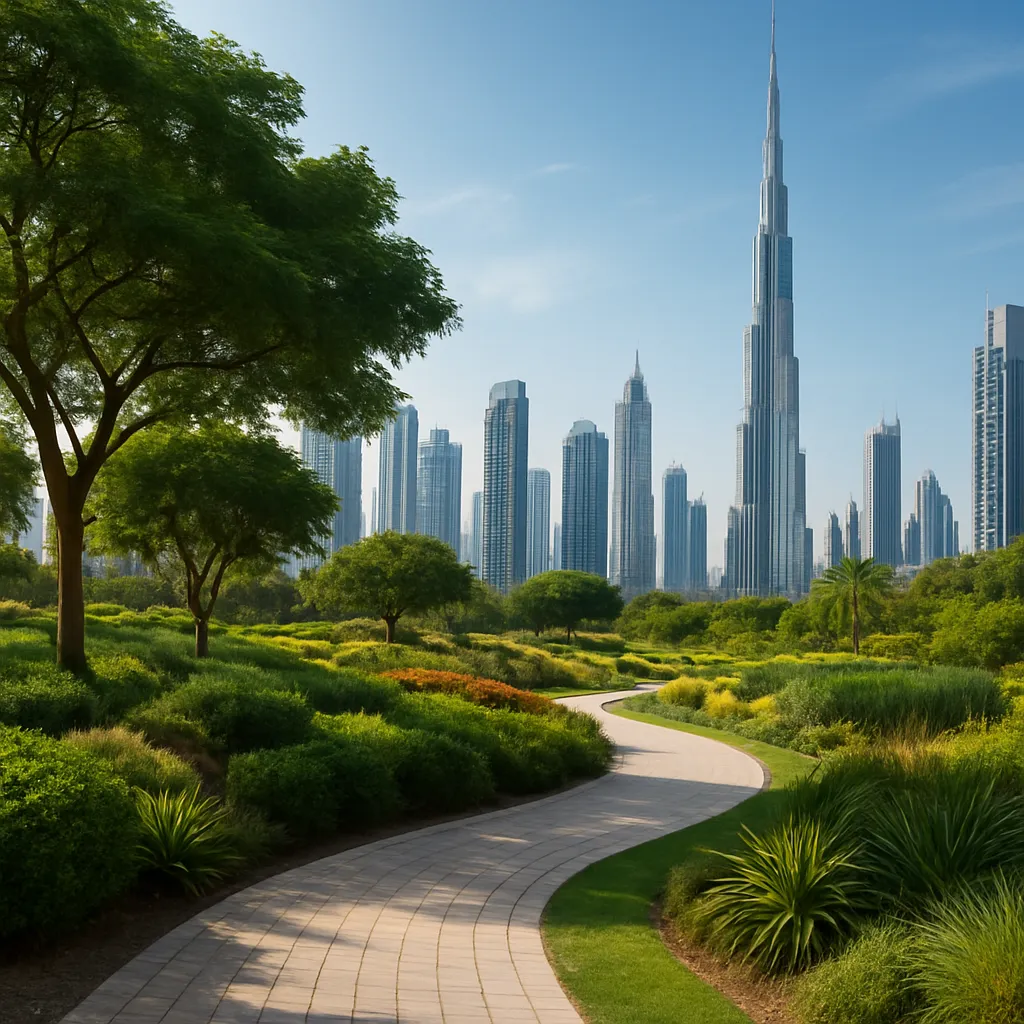
Addressing the desert climate, developers employ innovative shading devices, reflective roof coatings, and strategic landscaping. Sky gardens and elevated green terraces act as microclimate regulators, offsetting the heat island effect and enhancing outdoor amenity spaces. These sustainable interventions not only meet aesthetic goals but also underscore the city’s commitment to resilient urbanism.
Luxury and Lifestyle: Architectural Expression of Prestige
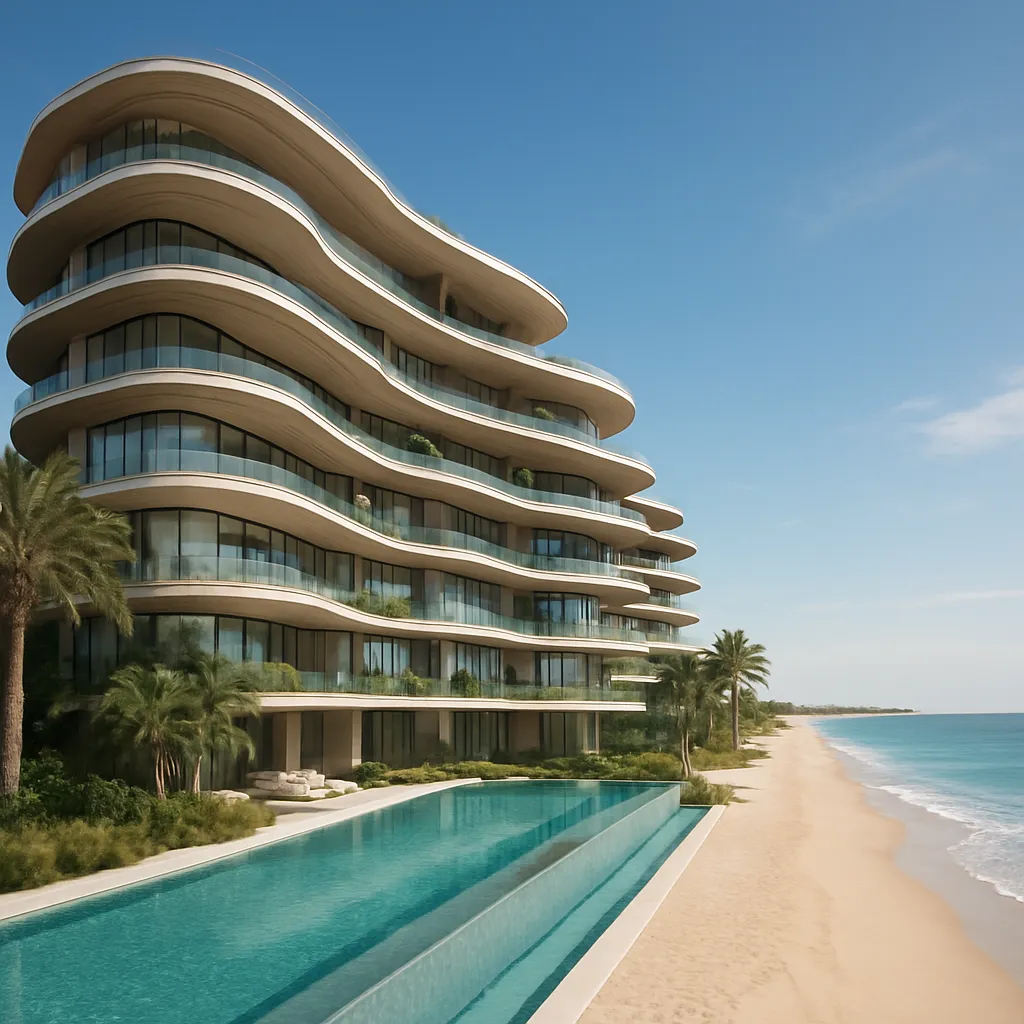
In Dubai, the concept of luxury extends far beyond opulent finishes—it encompasses the lifestyle offered by the built environment. Ultra-premium residences, five-star hotels, and exclusive retail destinations emerge from an uncompromising pursuit of uniqueness and extravagance.
Residences as Status Symbols
High-end residential towers offer private sky lobbies, maisonette units spanning multiple floors, and concierge-style services reminiscent of boutique hotels. Developers commission bespoke interiors from renowned designers, furnishing apartments with:
- Automated home systems controlling lighting, climate, and security via smartphones
- Floor-to-ceiling glass walls framing panoramic views of the Persian Gulf
- Private plunge pools, spas, and indoor gardens for the ultimate sense of retreat
These features cater to an affluent clientele that values both exclusivity and personalized attention, reinforcing the identity of each development as a coveted social milestone.
Mixed-Use Enclaves and Lifestyle Districts
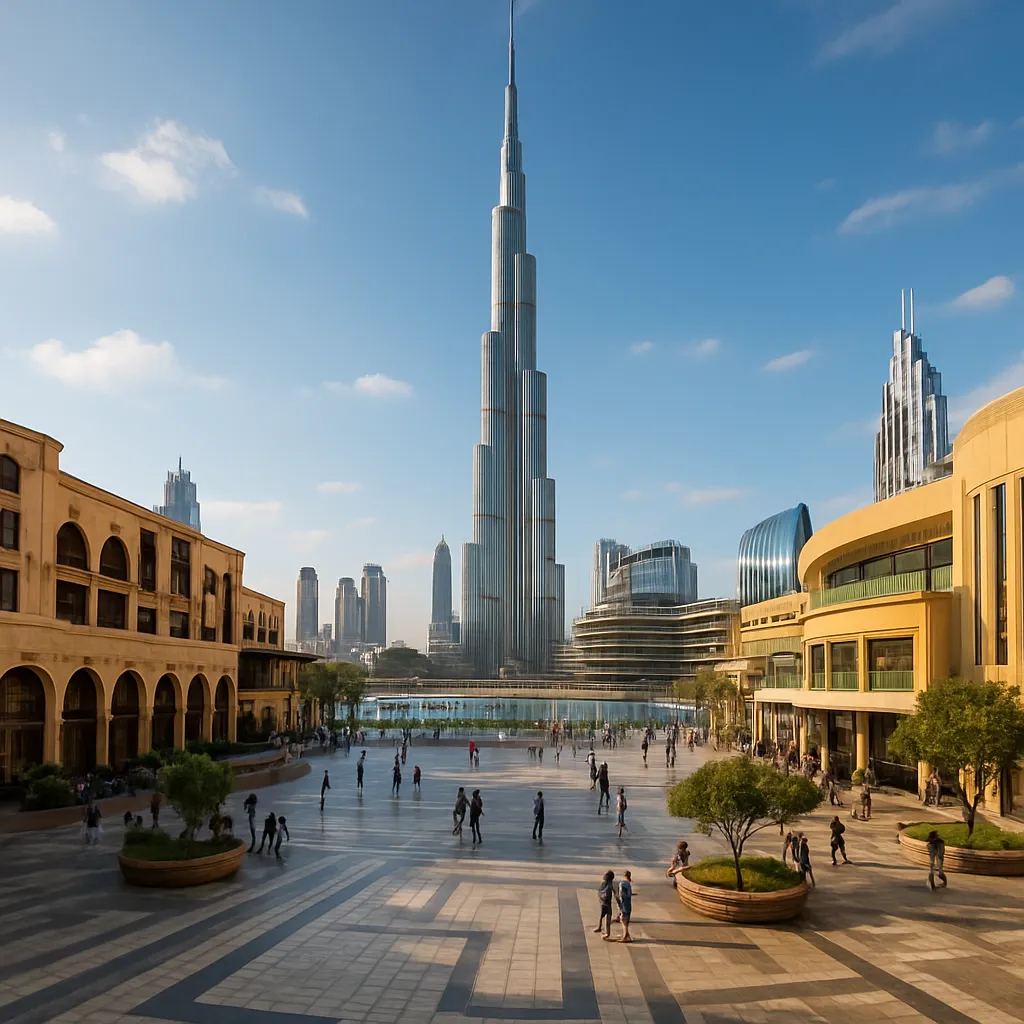
Developers design integrated communities where residents can shop, dine, work, and unwind without ever leaving the compound. Luxury malls fuse with art galleries and landscaped promenades, while office towers connect directly to five-star hotels via sky bridges. This seamless connectivity transforms isolated buildings into vibrant, self-sustaining precincts that epitomize modern urban living.
Technological Integration and Smart Building Trends
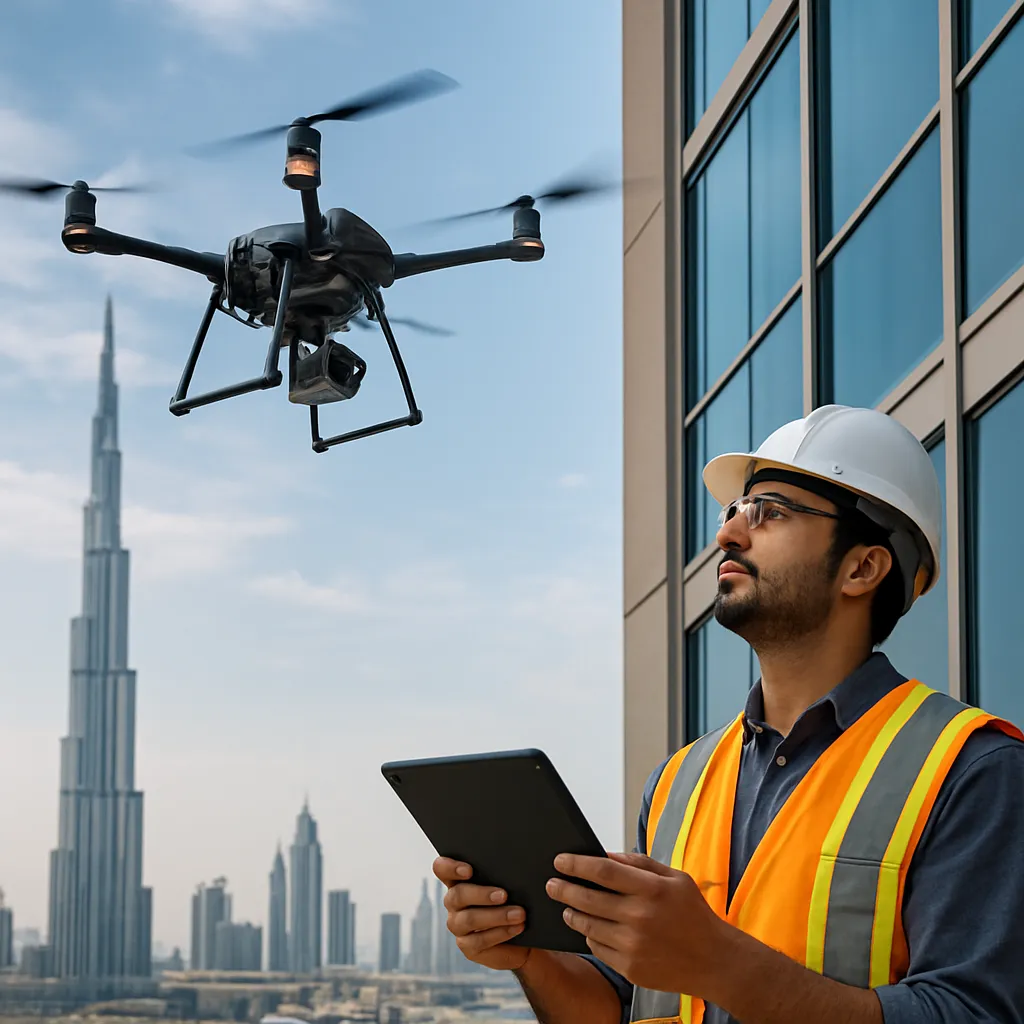
Beyond aesthetics and amenities, technology now lies at the core of Dubai’s real estate competition. Developers race to incorporate digital solutions that optimize performance, enhance user experience, and future-proof their assets.
IoT-Enabled Management
Buildings leverage the Internet of Things to collect data on occupancy, energy consumption, and indoor air quality. Real-time analytics inform predictive maintenance, reducing downtime and prolonging asset life. Residents and tenants benefit from:
- Smart access controls granting entry via biometrics or mobile credentials
- Personalized climate zones ensuring comfort while minimizing wastage
- Voice-activated systems for seamless interaction with building functions
Immersive Technologies in Show Suites
Virtual reality tours and augmented reality overlays allow potential buyers to customize layouts and finishes before construction begins. This level of engagement not only accelerates sales cycles but also showcases the developer’s commitment to immersive customer experiences.
Future Prospects and Emerging Icons
The next generation of Dubai buildings promises to elevate these competitive dynamics even further. Ambitious masterplans propose floating islands, climate-controlled atriums the size of sports arenas, and skyscrapers that harvest wind energy through integrated turbines. As government policies support innovation hubs and international partnerships, developers are poised to explore radical typologies:
- Adaptive structures capable of morphing facades in response to weather patterns
- Vertical forests rising dozens of stories to purify air and promote biodiversity
- Mixed-reality communal spaces that merge physical and digital realms
By continuing to embrace cutting-edge innovation and visionary collaborations, Dubai real estate players ensure that the city remains a global benchmark for architectural daring and excellence.