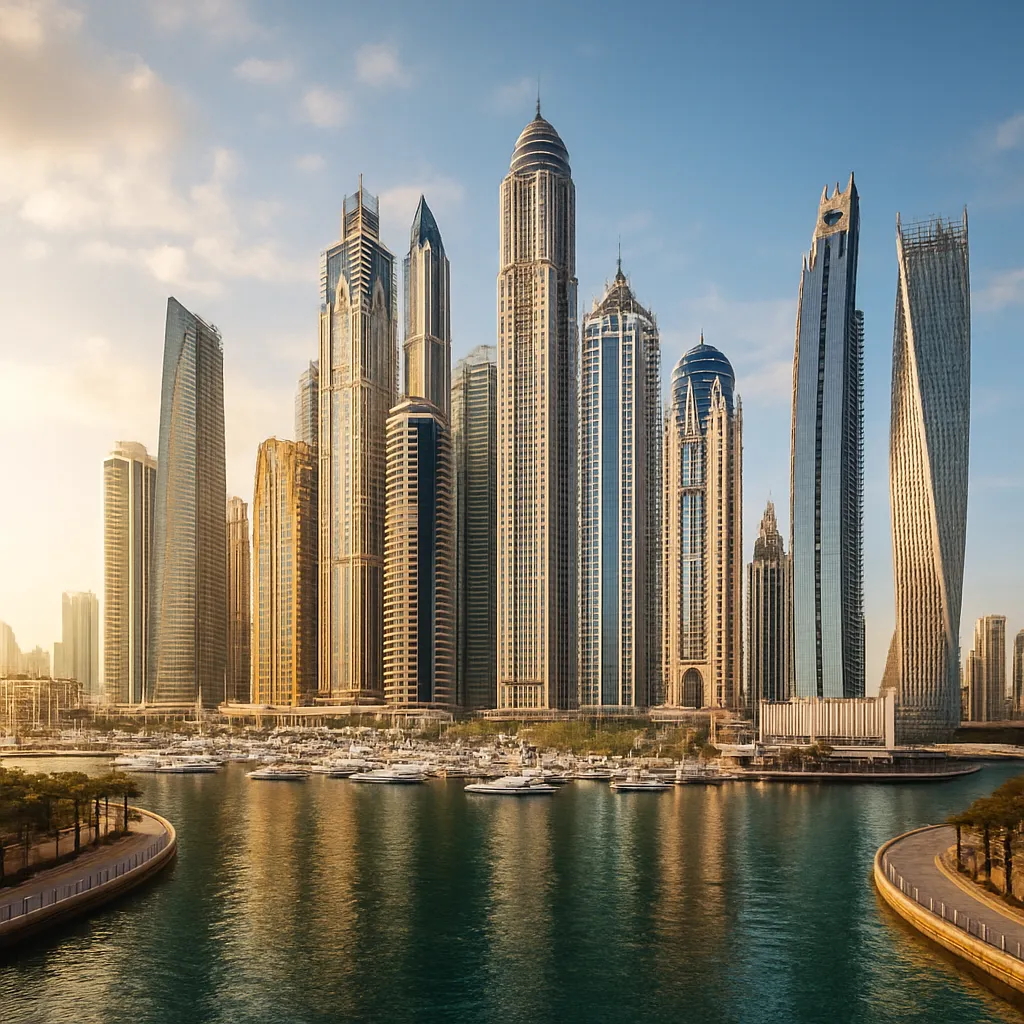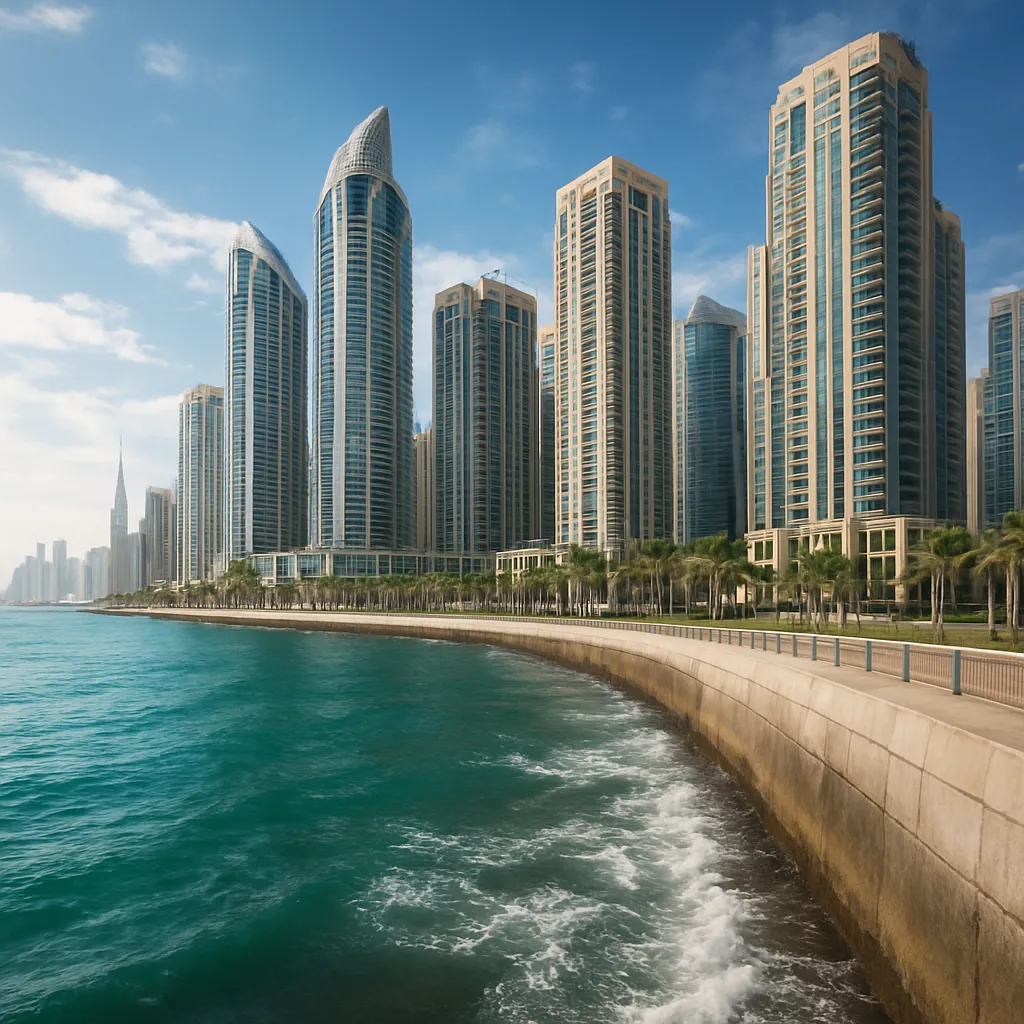
Dubai’s glittering coastline presents extraordinary challenges to architects and engineers striving to protect waterfront structures against relentless salt spray and rising sea levels. With its blend of ultramodern skyscrapers and luxury resorts, the city has become a global testing ground for advanced building solutions. From ultra-high-performance materials to cutting-edge monitoring systems, every element is meticulously designed to ensure resilience against the corrosive marine environment.
Material Innovations and Protective Coatings
The selection of building materials plays a crucial role in extending the lifespan of coastal developments. Traditional concrete and steel, when exposed to salt-laden air, can degrade rapidly. In response, Dubai’s engineers have adopted several groundbreaking approaches:
- Ultra-High Performance Concrete (UHPC): This mix incorporates fine powders, fibers, and low water-to-cement ratios to dramatically increase compressive strength and reduce permeability. By minimizing water channels, UHPC blocks chloride ions that would otherwise trigger corrosion in embedded steel reinforcements.
- Advanced Membrane Systems: Multi-layer polymer membranes are applied to exterior walls and decks to form a continuous barrier. These membranes resist ultraviolet radiation and marine fouling, preventing salt crystals from penetrating structural elements.
- Nanotechnology-Enhanced Coatings: Using nanoparticle dispersions of ceramics and metal oxides, researchers have created ultra-thin coatings that bond at the molecular level. These layers offer self-cleaning properties and repel saltwater, ensuring facades remain pristine and functional for longer periods.
- Fiber-Reinforced Polymers (FRP): Carbon and glass fiber composites reinforce critical structural components. FRP exhibits high tensile strength and minimal susceptibility to chemical attack, making it ideal for balconies, connectors, and other exposed elements.
Key Advantages of Modern Materials
- Enhanced Durability: Reduced cracking and water ingress.
- Lower Maintenance Costs: Longer intervals between inspections and repairs.
- Sustainability: Many materials incorporate recycled content or reduce the overall carbon footprint of the structure.
Architectural Design Strategies for Coastal Durability
Beyond material selection, the very shape and orientation of waterfront buildings in Dubai are optimized to withstand environmental stressors. Architects employ a combination of passive and active design principles that cater specifically to harsh Marine Environment conditions.
Streamlined Geometries
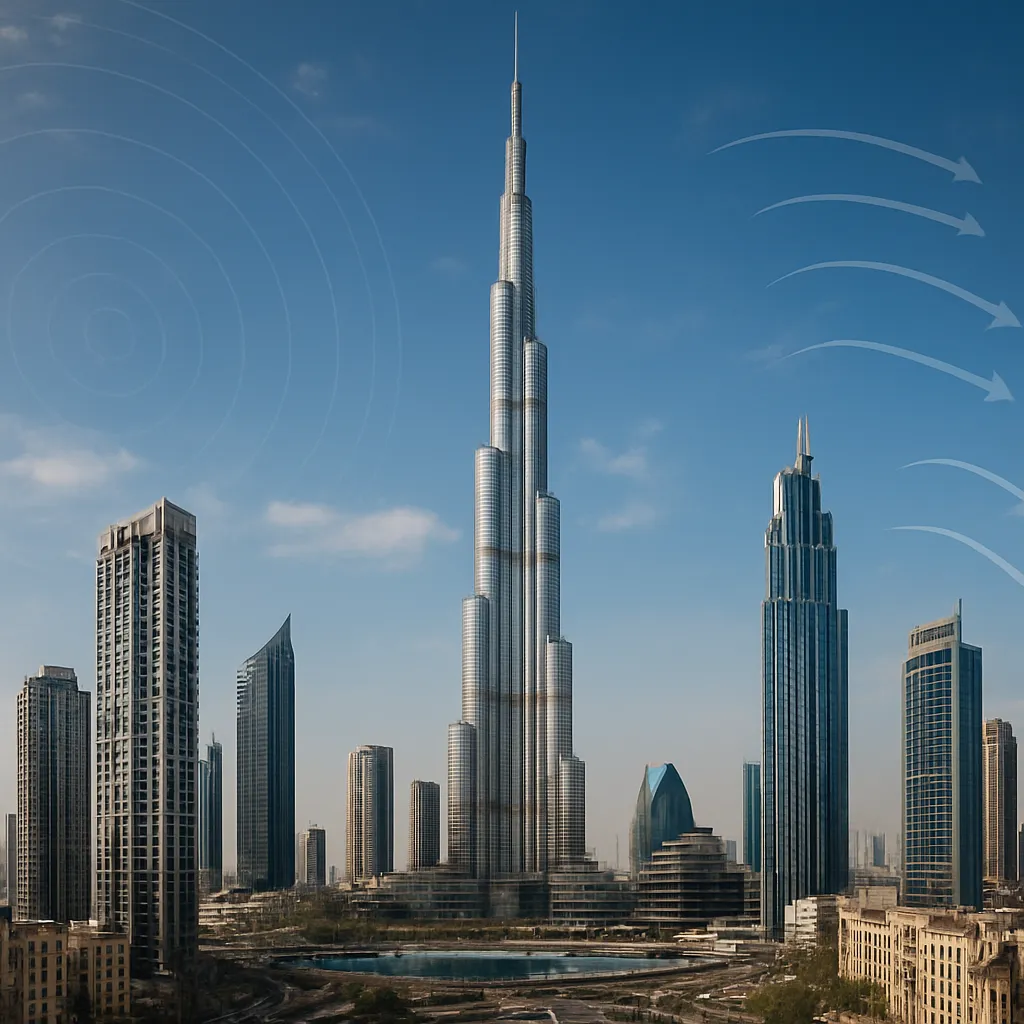
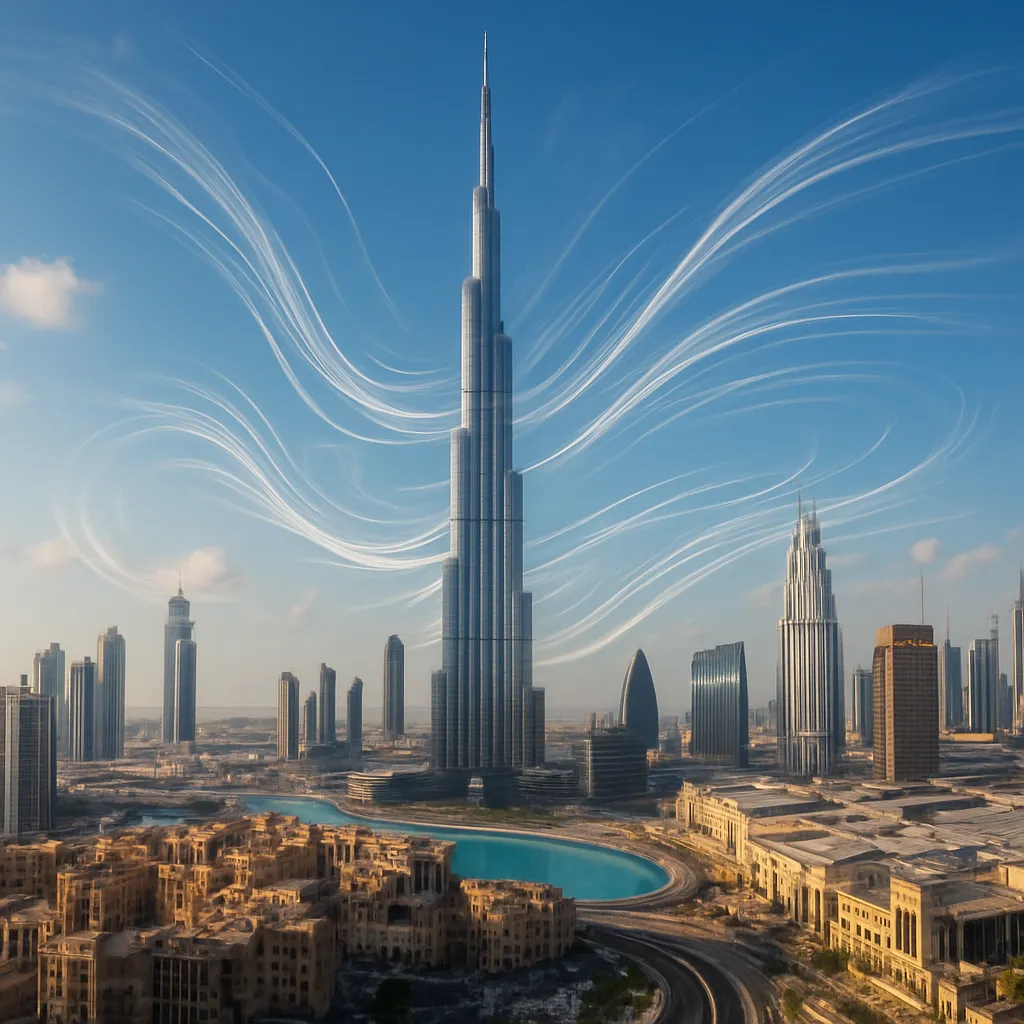
Sleek, curved profiles reduce wind turbulence and limit areas where salt can accumulate. By channeling breezes away from vulnerable faces, these forms minimize localized pressure zones that could drive saltwater into microcracks.
Elevated Podiums and Breakwaters
Many luxury towers sit atop raised platforms, separated from the waterline by a carefully engineered buffer zone, including rock revetments and artificial reefs. These breakwaters dissipate wave energy, reducing direct impact on basement walls and ground-floor glazing.
Facade Modularity and Maintenance Access
Modular facade panels allow for rapid replacement if damage occurs. Access catwalks and motorized platforms are integrated into the design, streamlining periodic inspections and cleaning routines.
Integrated Drainage and Ventilation
Hidden drip edges and flashing direct rain and meltwater away from critical joints. Additionally, natural ventilation paths behind ventilated cladding encourage airflow, flushing out any salt-laden moisture before it can deposit on surfaces.
Maintenance Practices and Monitoring Technologies
Even the most robust materials and designs require proactive maintenance. Dubai’s construction industry has pioneered the use of real-time monitoring and predictive analytics to extend building lifespans and ensure structural integrity.
- Sensors Embedded in Concrete: Fiber optic and wireless sensors record temperature, humidity, and chloride ion concentration within structural members. Data analytics platforms alert facility managers to any anomalies before they escalate into costly repairs.
- Robotic Inspection Drones: Unmanned aerial vehicles equipped with high-resolution cameras and infrared scanners survey hard-to-reach sections of facades. They detect early signs of delamination, staining, or microcracking.
- Automated Coating Reapplication: Drones can also carry sprayers to refresh protective layers of sealant or hydrophobic coatings, reducing human risk and operational downtime.
- Scheduled Cleaning Cycles: High-pressure water misting systems and ultrasonic cleaning robots periodically remove salt deposits without abrasive action, preserving underlying surfaces.
Future Trends and Ongoing Research
As sea levels continue to rise and salt concentrations intensify, Dubai’s builders remain at the forefront of engineering innovation. Several promising avenues are under exploration:
- Self-Healing Concrete: Embedded microcapsules release healing agents when cracks form, autonomously sealing fissures and halting chloride ingress.
- Bio-Inspired Coatings: Research into sharkskin-like surface textures aims to create drag-reducing, anti-fouling finishes that prevent marine organism attachment and salt build-up.
- Smart Facades: Adaptive shading panels with integrated sensors can adjust their permeability and reflectivity in real time, optimizing thermal comfort while guarding against moisture and salt exposure.
- Green Infrastructure Integration: Mangrove-inspired wetlands at podium levels act as natural barriers, filtering saline water and reducing wave energy before it encounters building foundations.