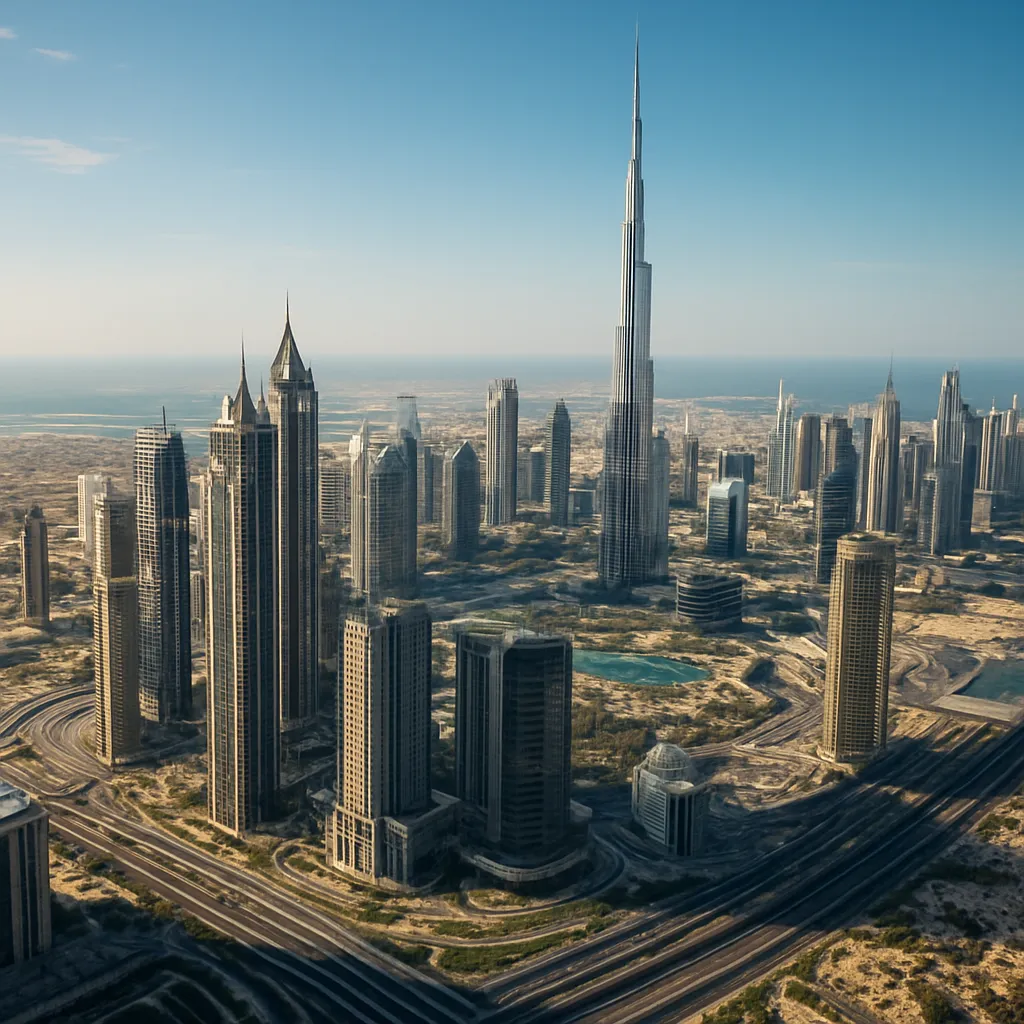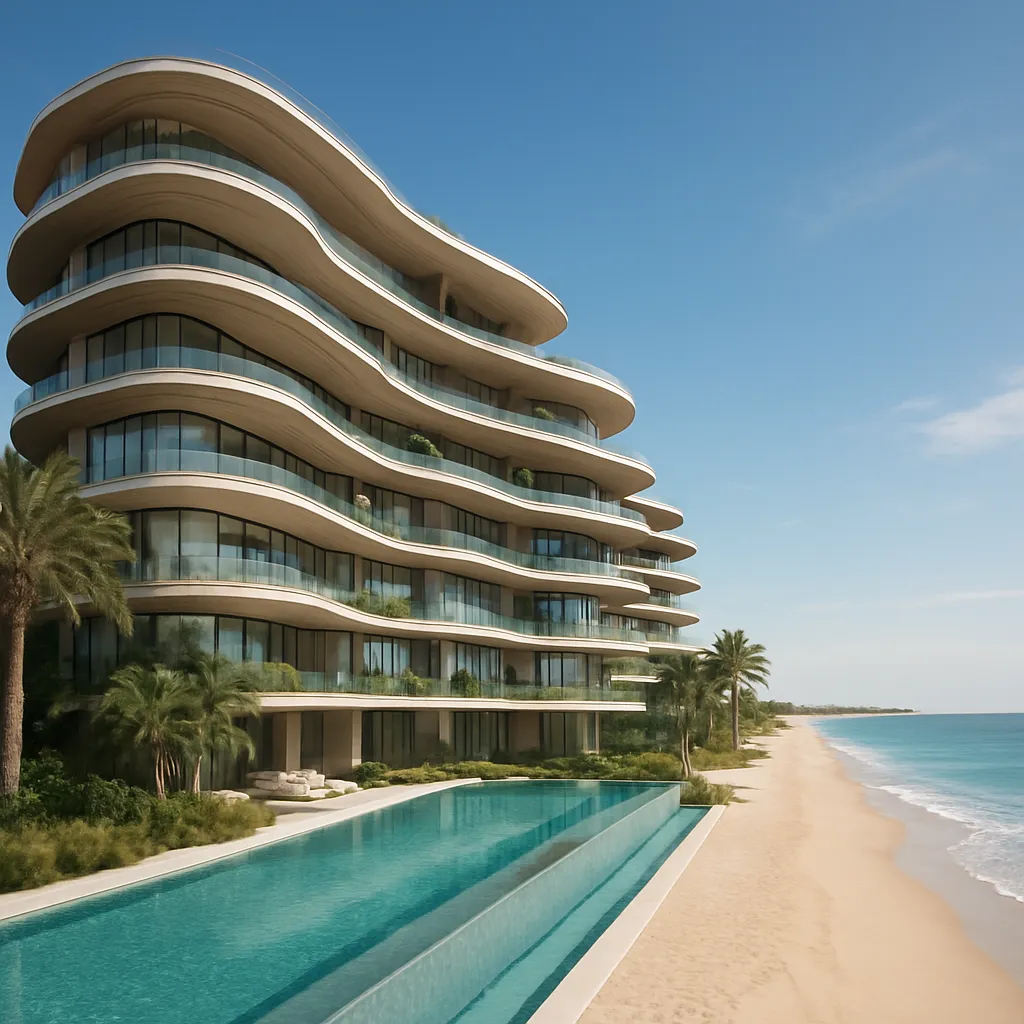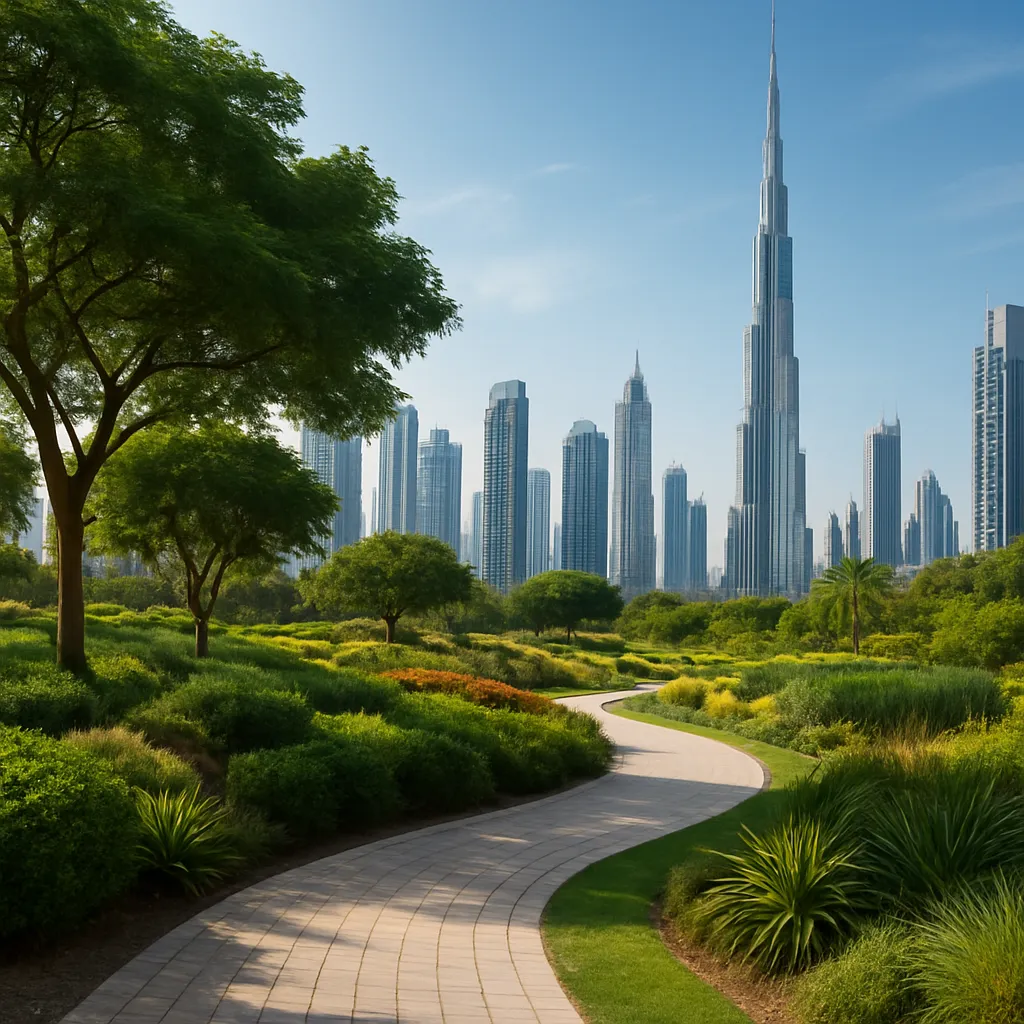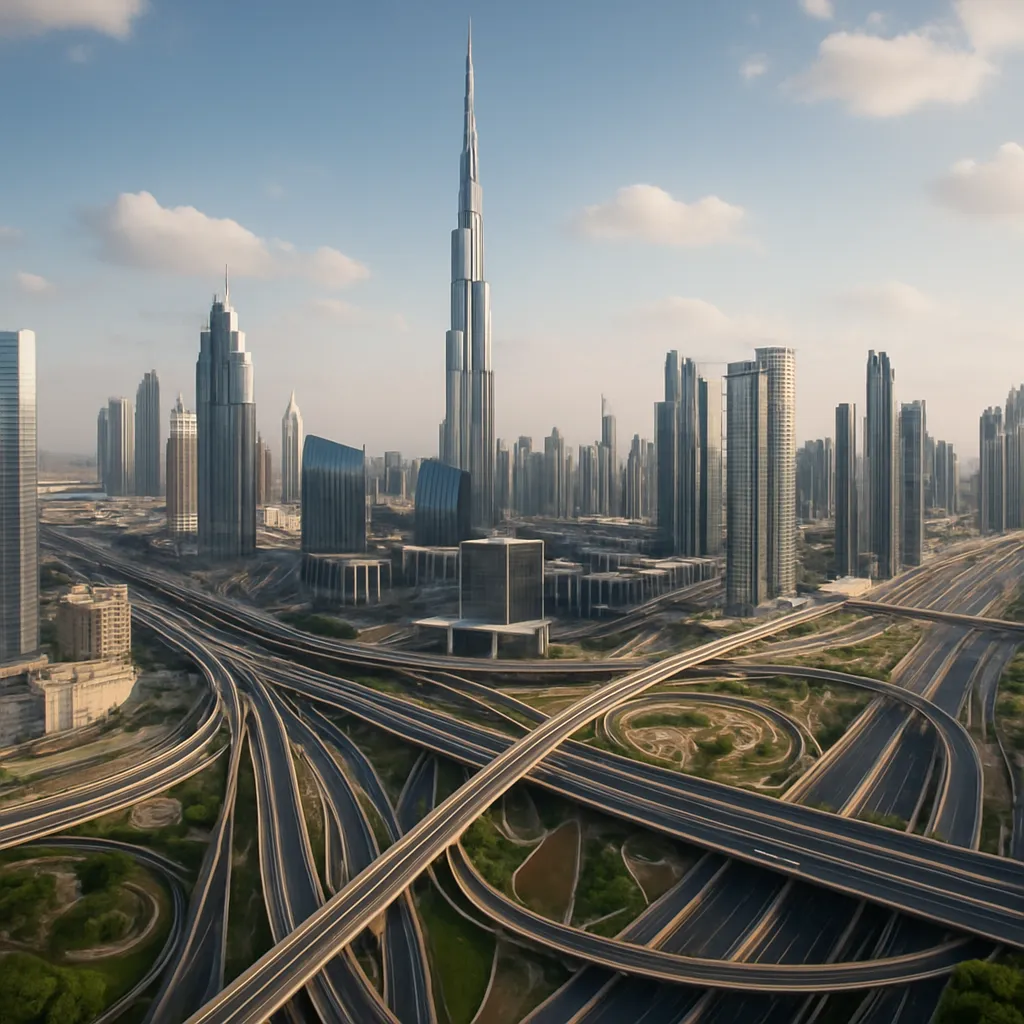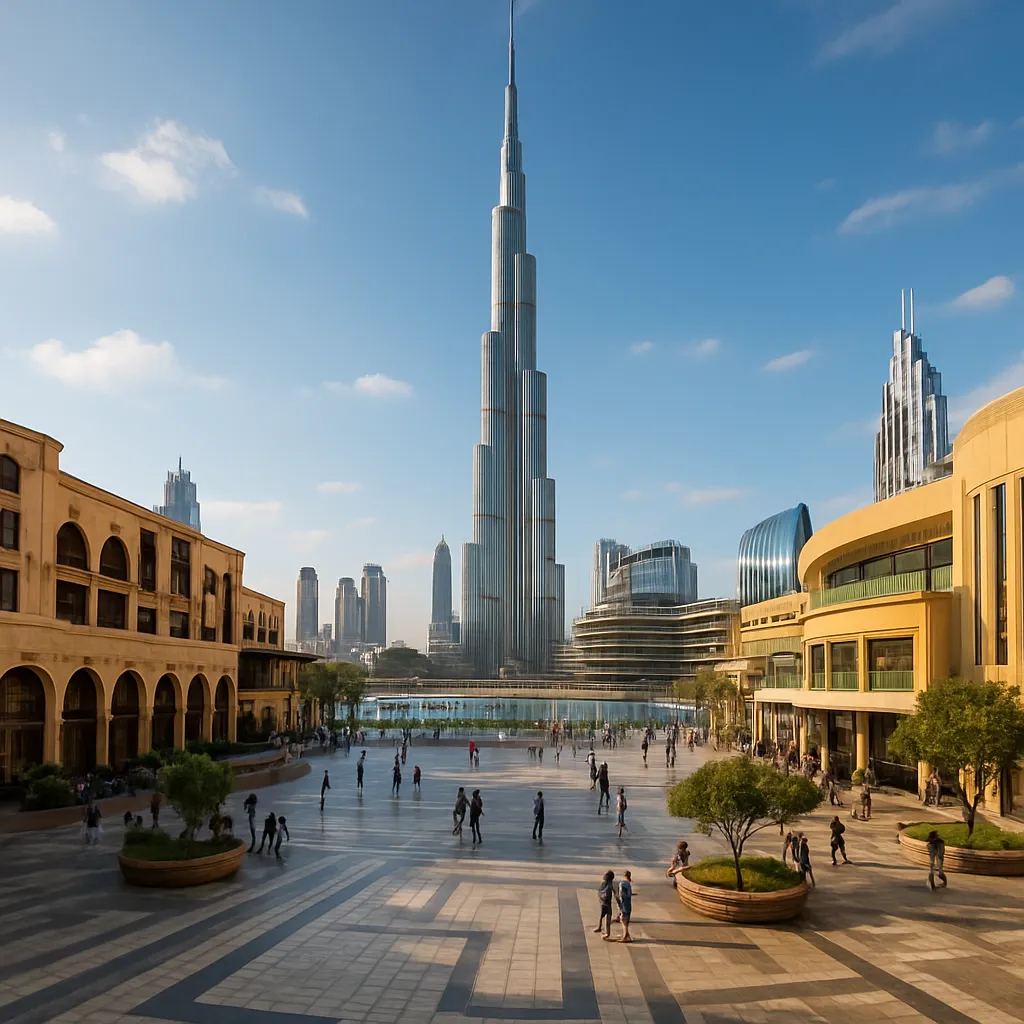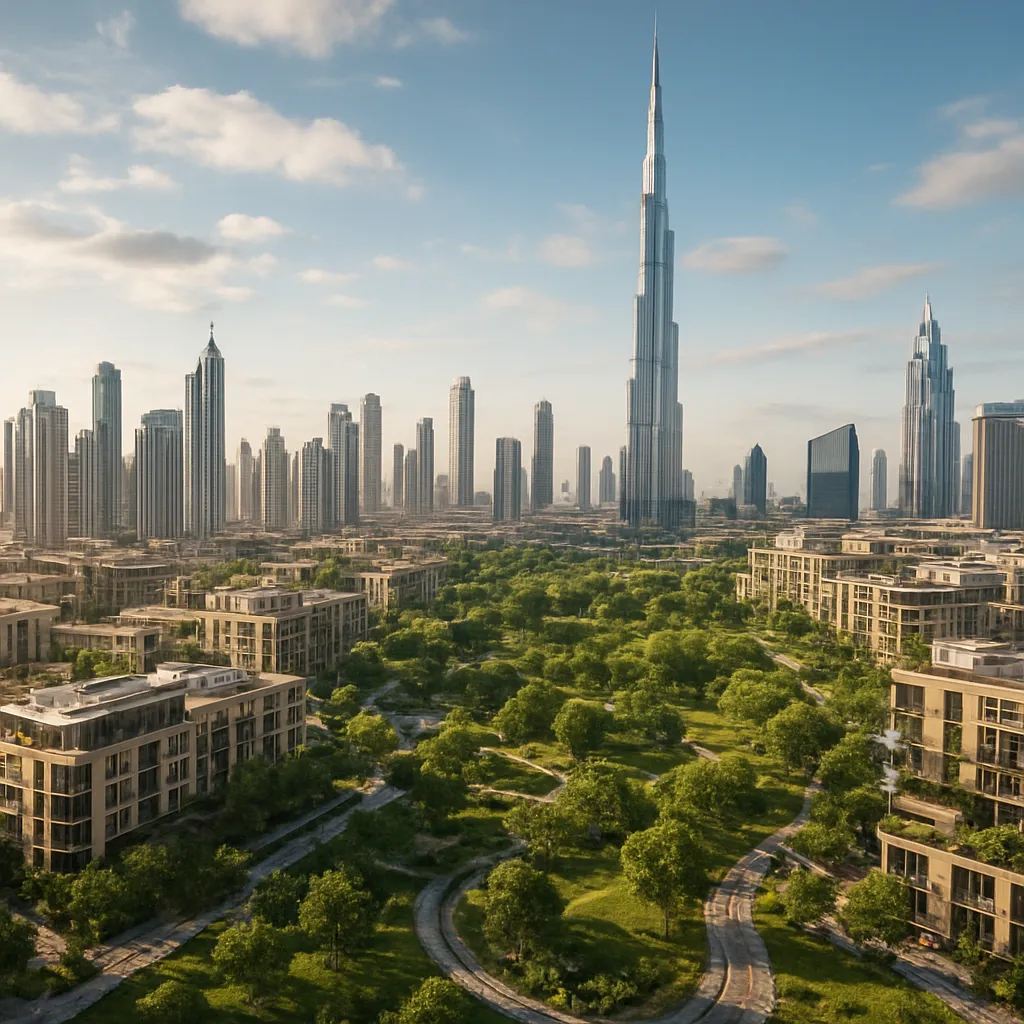
Dubai’s skyline has long been synonymous with ambition and grandeur, but beneath its soaring towers lies a meticulous approach to urban planning that continues to **redefine** city living. By seamlessly integrating cutting-edge **technology**, sustainable strategies, and community-focused design, the city’s planners strive to create a dynamic environment where business, leisure, and culture flourish in harmony.
Visionary Architectural Landmarks
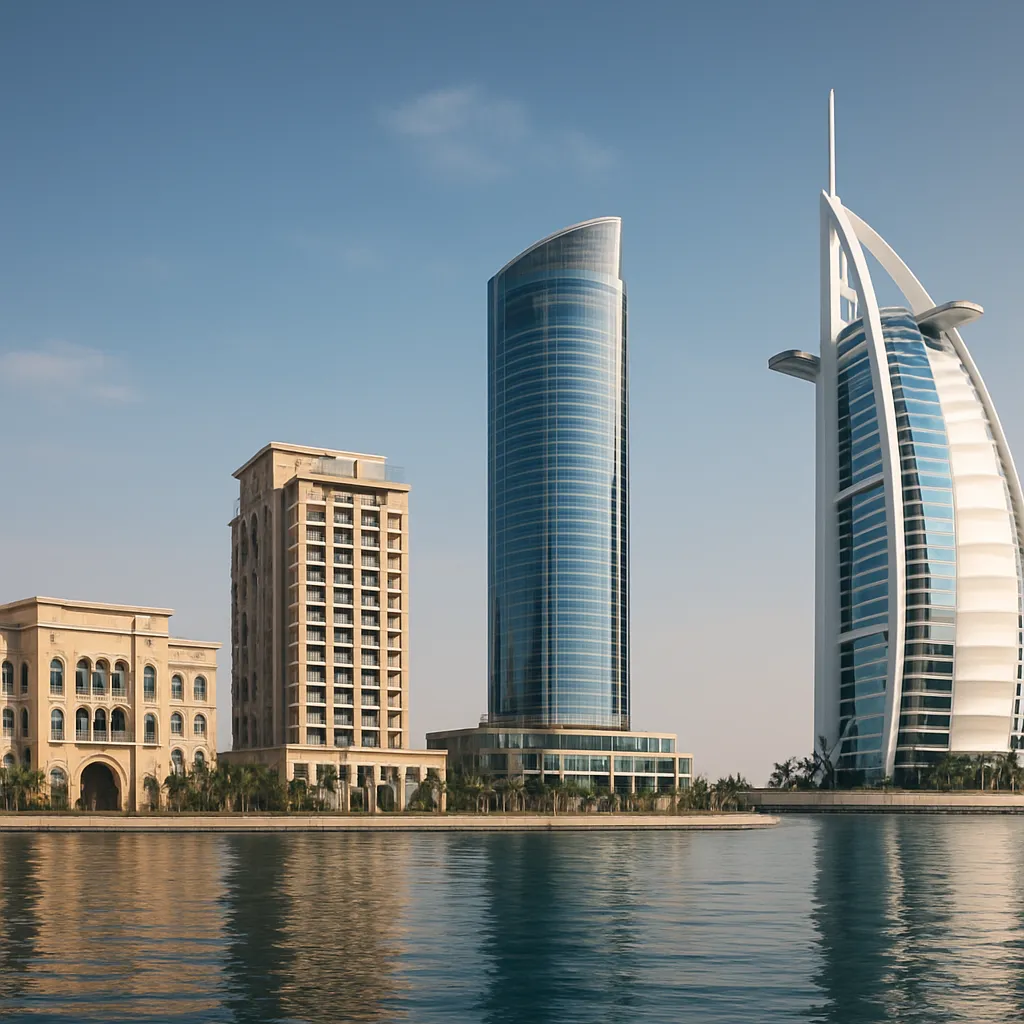
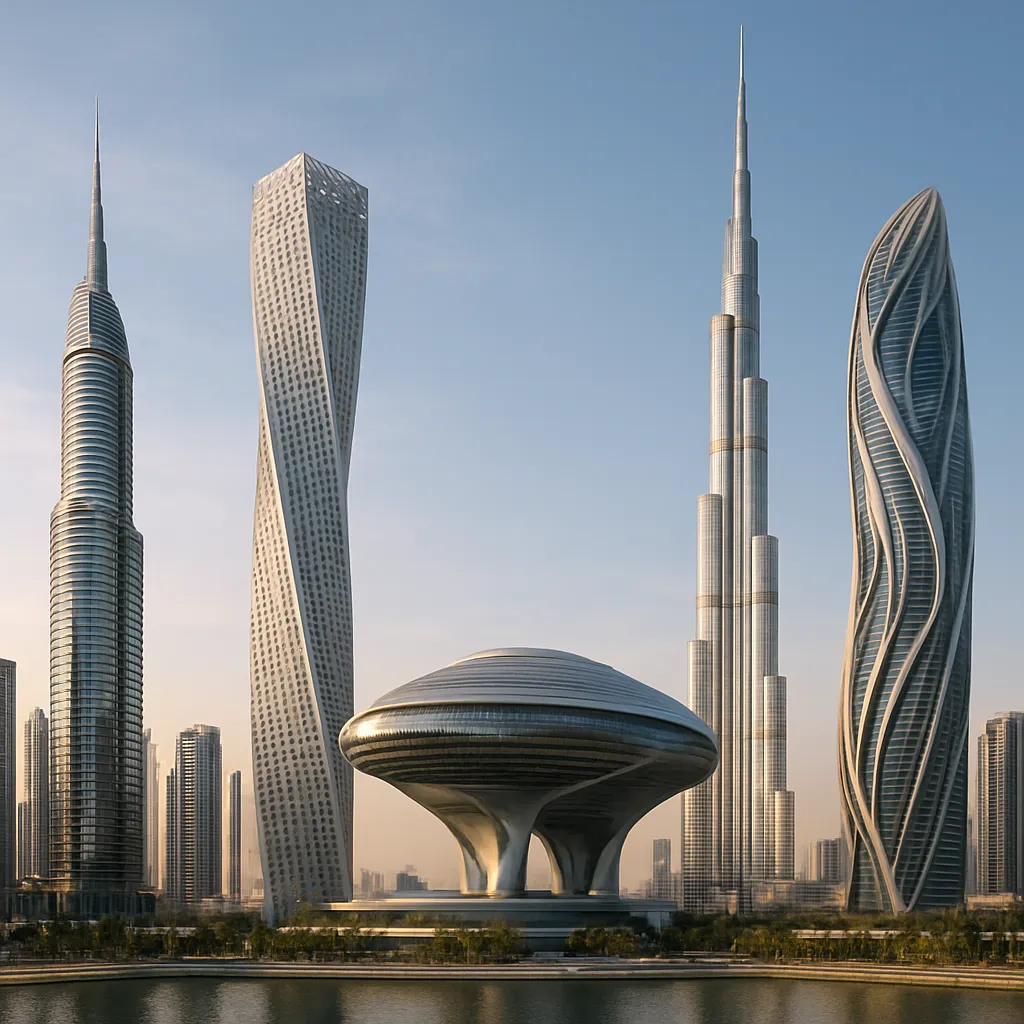
From the iconic Burj Khalifa to the sail-shaped Burj Al Arab, Dubai’s urban planners work hand in hand with world-renowned **architects** to deliver structures that not only dominate the horizon but also serve functional and aesthetic purposes. Each development is conceived as a landmark—a testament to the city’s drive for innovation and its unwavering commitment to pushing design boundaries.
Key elements of this approach include:
- Mixed-use developments that blend residential, commercial, and hospitality functions, creating lively districts that operate around the clock.
- Striking façade treatments that play with light and shadow, enhancing the visual appeal while improving indoor comfort through shading and insulation.
- Public plazas and observation decks that offer panoramic views, inviting both residents and visitors to engage with the **urban** fabric at multiple levels.
By focusing on these components, Dubai ensures each building becomes more than just a structure—it becomes a catalyst for social interaction and economic activity.
Integrated Infrastructure and Smart Mobility
Modern city living demands more than just impressive skyscrapers; it requires a robust network of **infrastructure** and transportation solutions that keep pace with growth. Dubai’s planners have placed **connectivity** at the forefront, designing a multi-modal system that links metro lines, tram routes, ride-sharing hubs, and pedestrian-friendly promenades.
Seamless Public Transit
The driverless metro network, known for its punctuality and frequency, forms the backbone of daily commutes. Metro stations are strategically positioned near major commercial and residential complexes, reducing reliance on private cars and alleviating road congestion.
Last-Mile Innovations
To address the critical “last-mile” challenge, Dubai introduced:
- Autonomous shuttle services within large mixed-use precincts, offering door-to-door convenience.
- Scooter and bike-sharing schemes that encourage **sustainable** and healthy modes of travel for short distances.
- Smart parking systems that guide drivers to available spaces, cutting down on search time and emissions.
These initiatives contribute to a cohesive network where each mode of transport complements the next, reinforcing the city’s reputation for forward-thinking **mobility** solutions.
Community-Focused Urban Districts
Beyond the gleaming towers and efficient transit, Dubai’s planners place significant emphasis on fostering a sense of **community** within each district. This approach ensures that neighborhoods are not just places to live or work, but vibrant ecosystems where people can connect, relax, and thrive.
Pedestrian-Centered Public Realm
Wide boulevards lined with trees, shaded walkways, and interactive water features invite residents to enjoy outdoor spaces year-round. Public art installations and performance stages transform these areas into cultural hubs, hosting regular events that celebrate local and international talent.
Mixed-Income Housing Strategies
To promote social diversity, masterplans often incorporate affordable housing alongside luxury apartments. This balanced mix creates a more inclusive urban landscape, allowing individuals from various economic backgrounds to share access to parks, schools, and recreational facilities.
- Family-friendly plazas with playgrounds and splash pads for children.
- Coworking lounges and business centers that cater to freelancers and startups.
- Community gardens and green rooftops that encourage urban agriculture and healthy living.
Commitment to Sustainability and Resilience
As global discussions around climate change intensify, Dubai’s urban planners have responded by embedding **resilience** into every stage of project development. From early concept to final construction, sustainability is treated as a non-negotiable priority.
Energy-Efficient Building Systems
New towers utilize high-performance glazing, solar shading devices, and energy-recovery ventilators to minimize power consumption. District cooling plants supply centralized chilled water, reducing the environmental footprint compared to individual AC units.
Green Infrastructure and Water Management
Recognizing the region’s arid climate, planners integrate:
- Rainwater harvesting systems that capture and store runoff for irrigation.
- Greywater recycling networks that reduce freshwater demand in landscaping and toilet flushing.
- Permeable paving surfaces that lessen flood risk and enhance groundwater recharge.
These measures are part of a larger vision to achieve carbon neutrality in key areas by 2050, aligning with Dubai’s broader environmental agenda.
Strategic Masterplanning for Future Growth
Long-term success hinges on meticulous masterplanning. Dubai adopts a phased strategy that forecasts population growth, economic shifts, and emerging technological trends. By doing so, each new district is designed to evolve seamlessly, accommodating expansions in hospitality, retail, and leisure sectors without compromising operational efficiency.
Adaptive Land Use
Land parcels are designated with flexible zoning regulations, allowing transitions between residential, commercial, and industrial uses in response to market dynamics. This adaptability ensures urban areas remain relevant and resilient to unforeseen changes.
Technological Integration
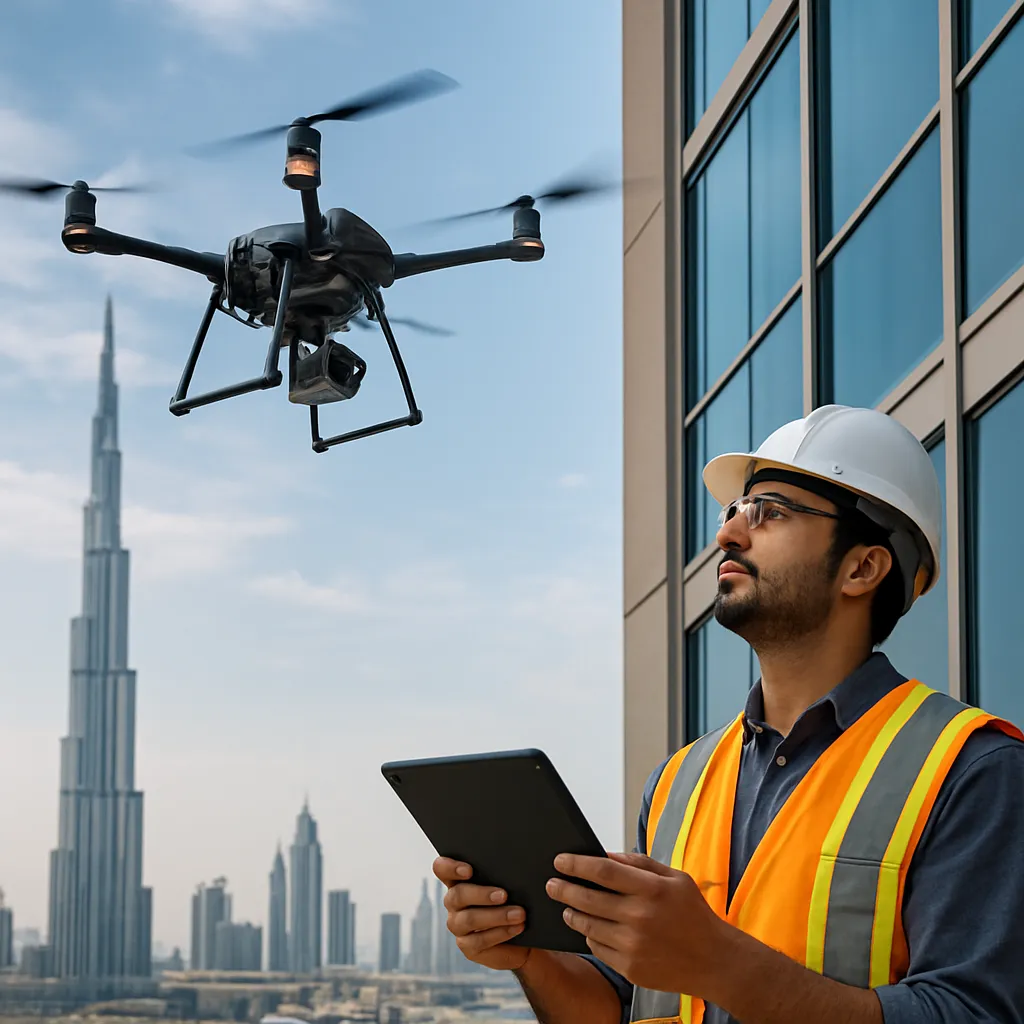
Smart city platforms collect real-time data on energy consumption, traffic flows, and air quality, enabling planners to make rapid adjustments. Augmented reality tools assist in visualizing proposed changes, enhancing stakeholder engagement and accelerating decision-making.
By weaving together **innovation**, community engagement, and environmental stewardship, Dubai’s urban planners are reinventing what a modern city can achieve. Their holistic approach to building design, transportation, and public realm amenities offers a blueprint for metropolitan growth that balances economic ambition with human-centric values.