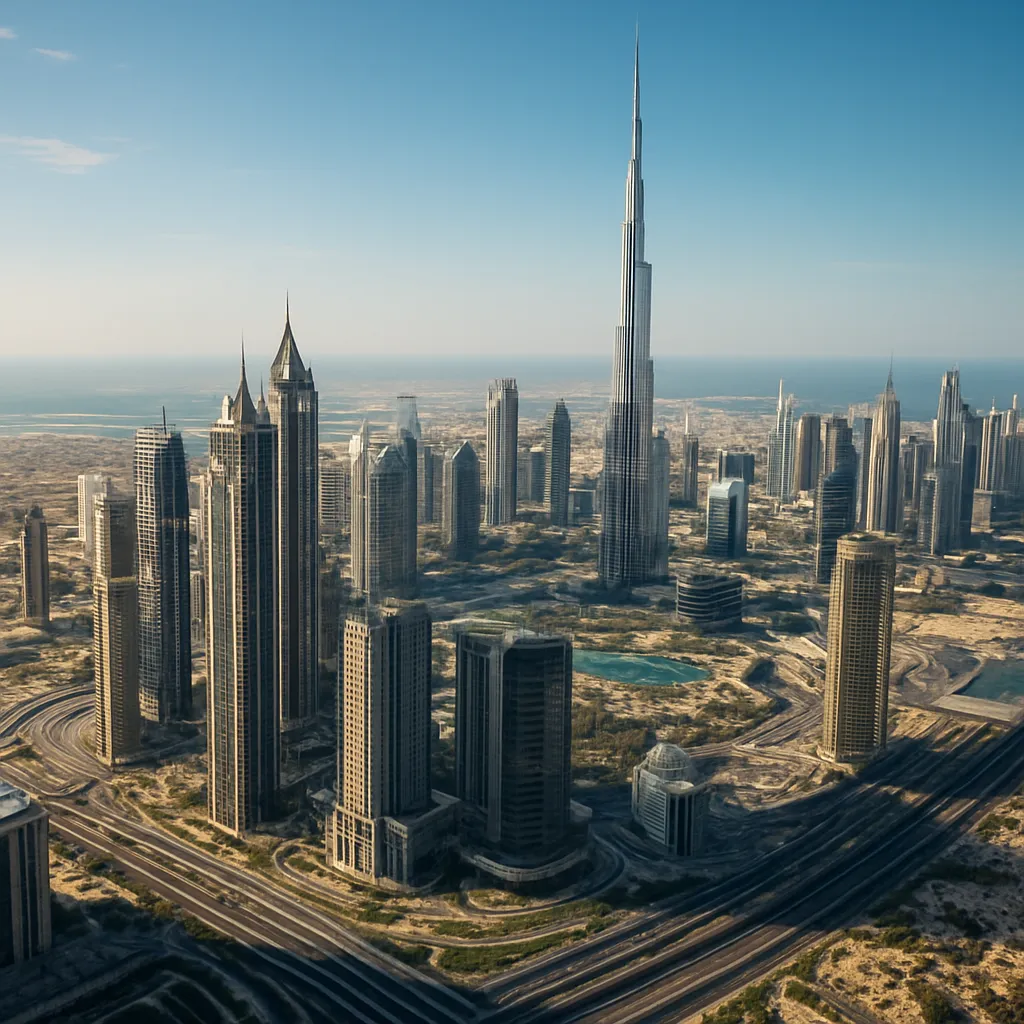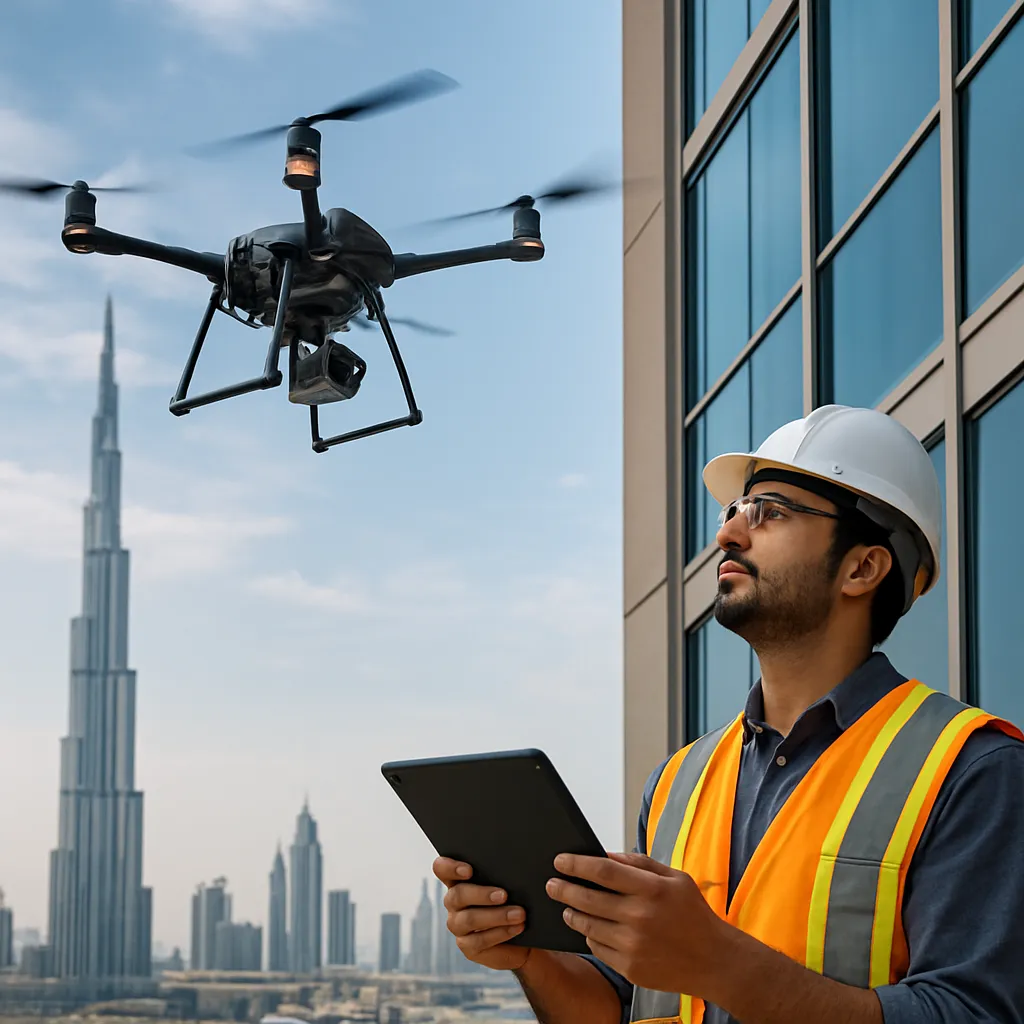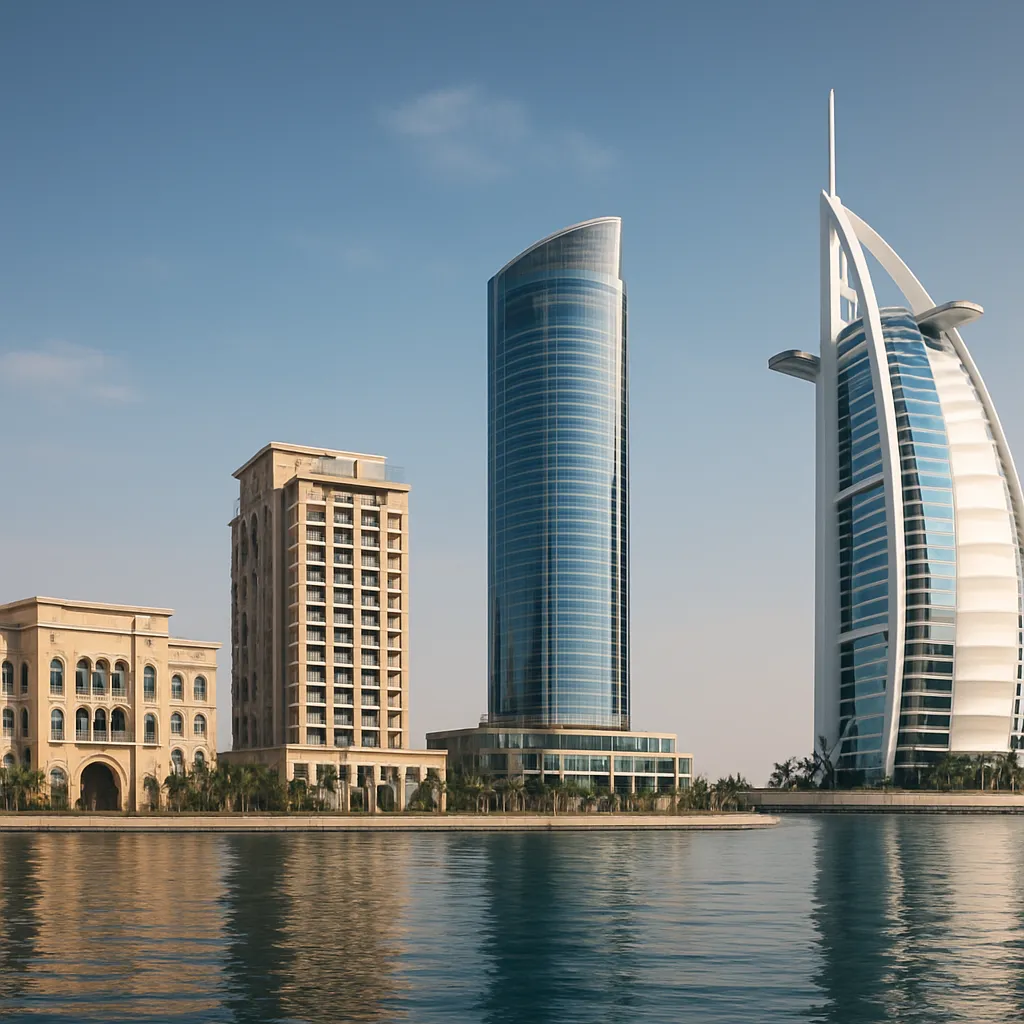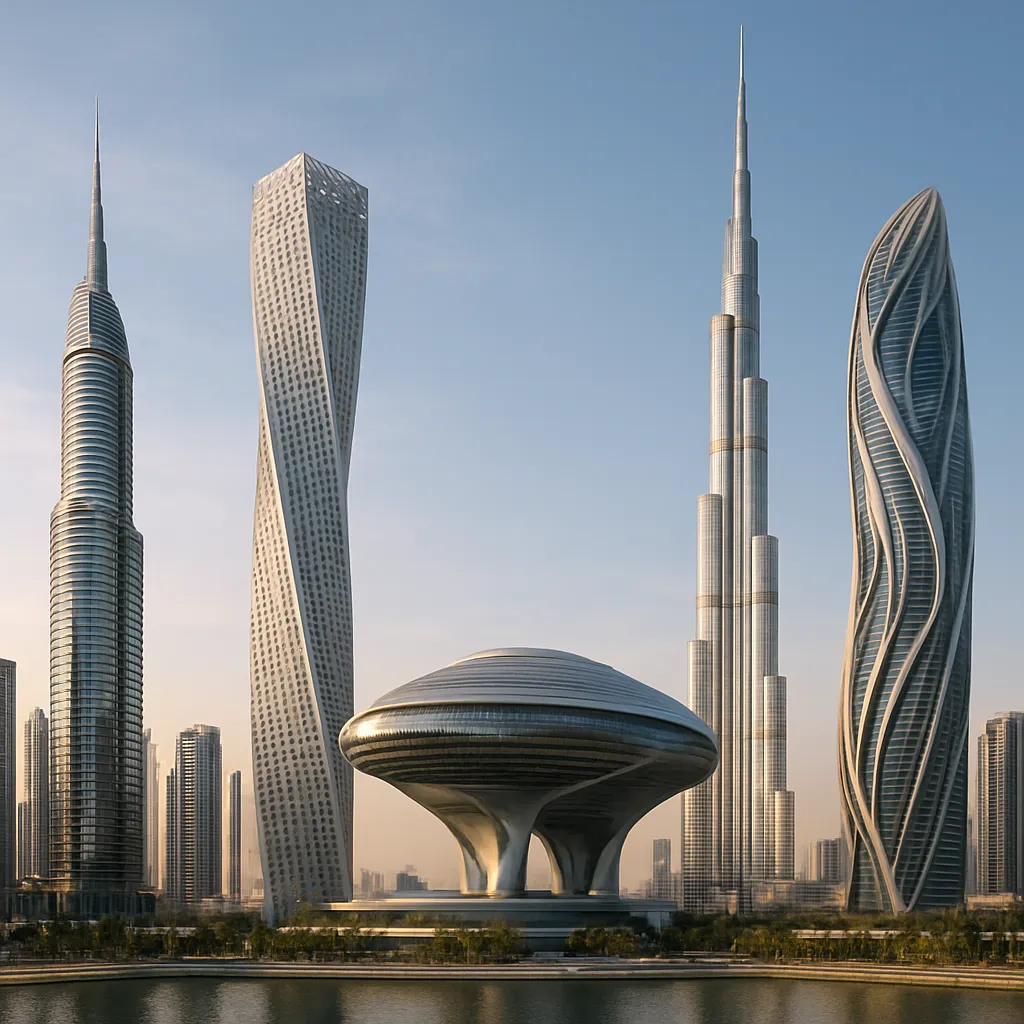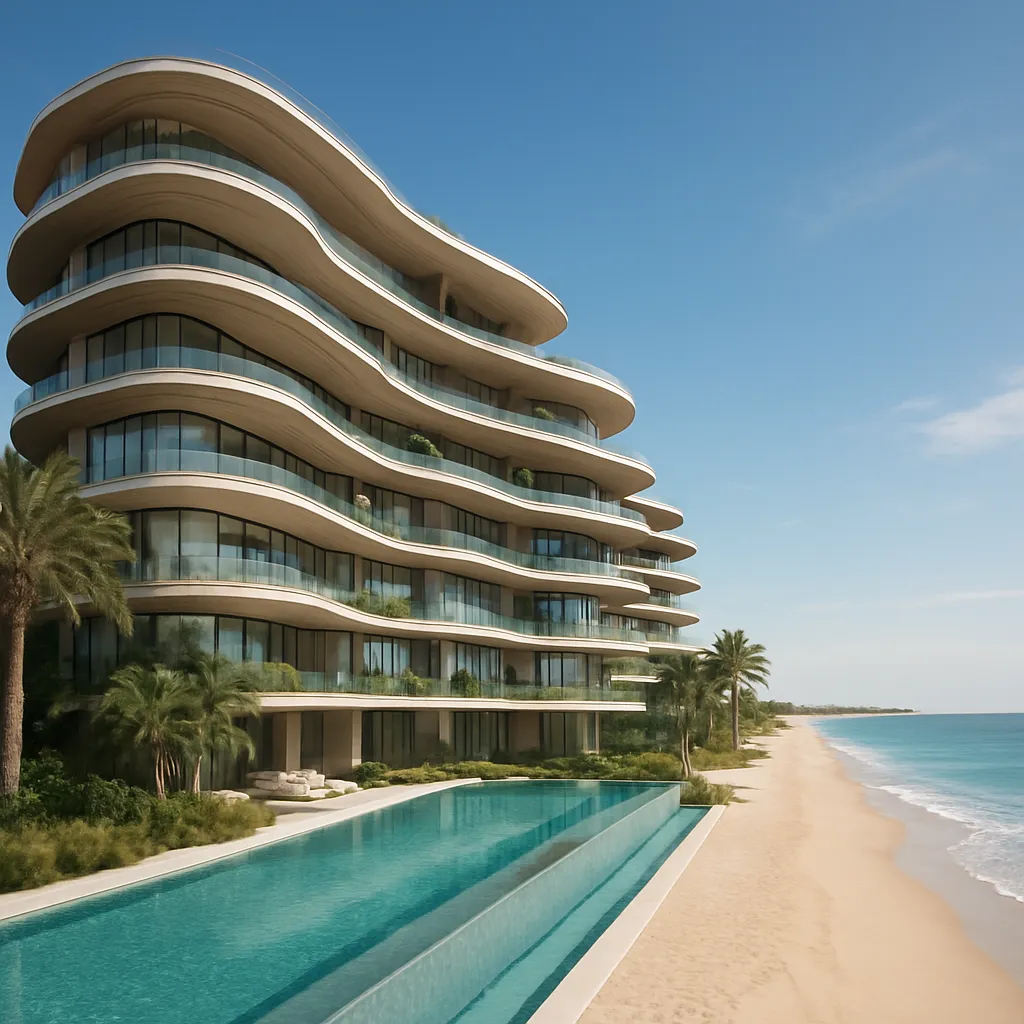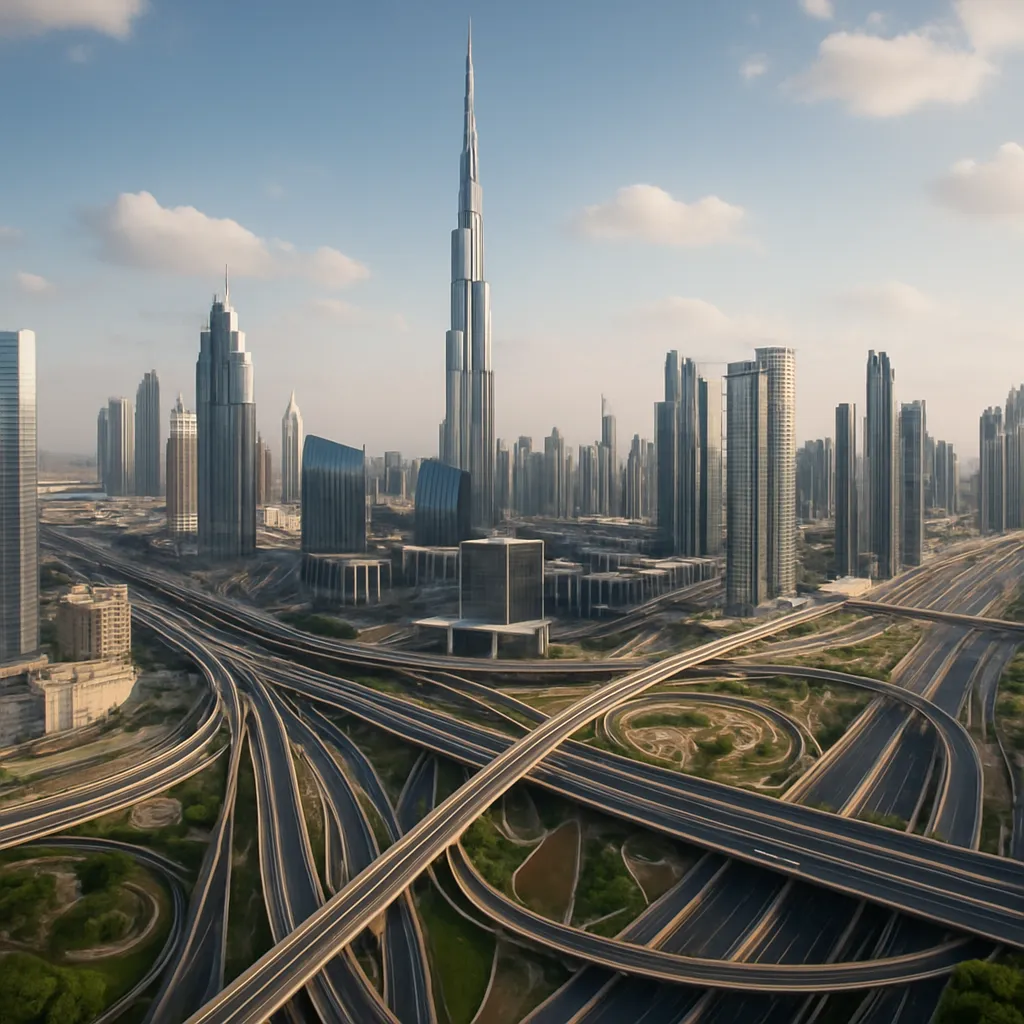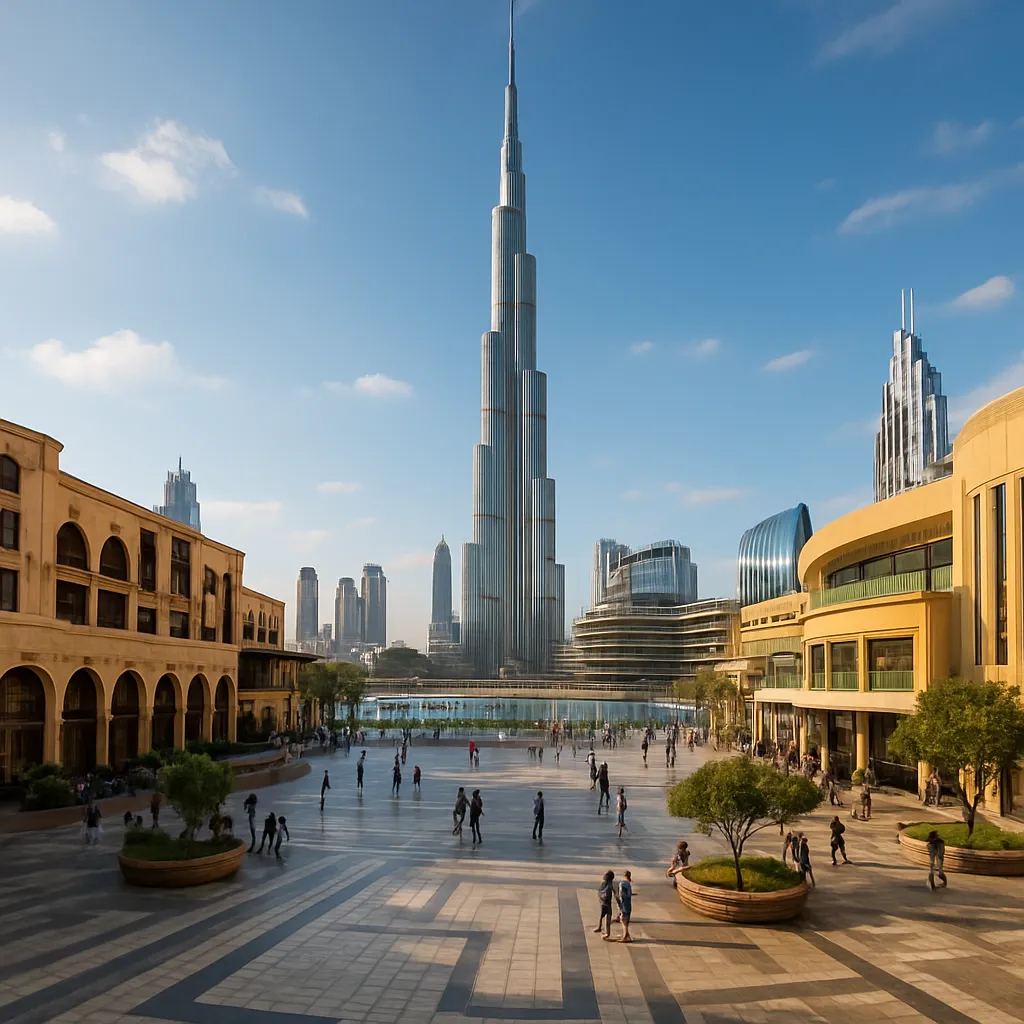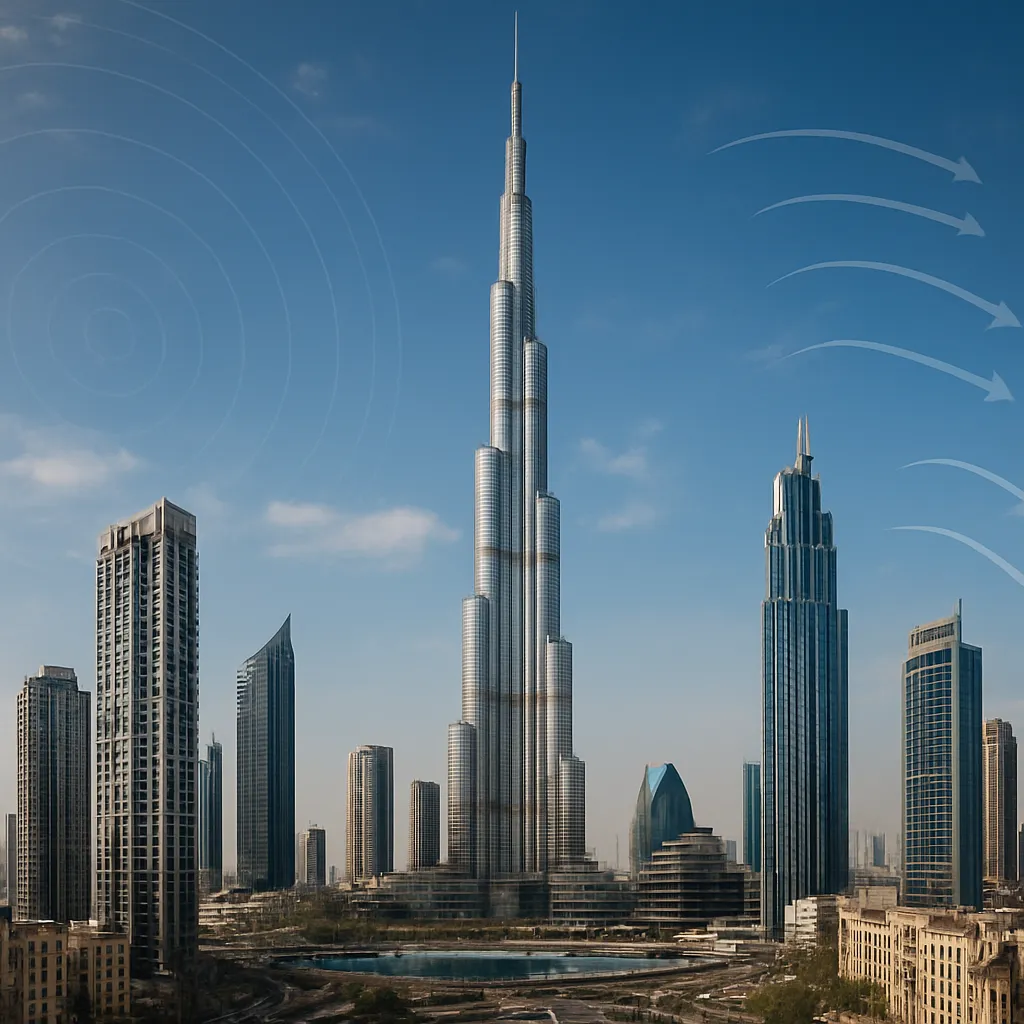
Dubai’s skyline is synonymous with ambition, innovation, and architectural marvels. From the iconic twisting tower to the world’s tallest building, these structures exemplify how modern engineering overcomes the challenges posed by both seismic events and fierce desert winds. This article explores the techniques and technologies that ensure the resilience of Dubai’s skyscrapers, blending aesthetics with robust safety standards.
Advanced Structural Designs in the Desert Metropolis
Constructing super-tall buildings in Dubai demands a synergy between creative vision and rigorous engineering. The region’s hot climate, sandy terrain, and sporadic seismic activity require tailored solutions for every stage of design and construction.
Form and Function Integration
Architects employ innovative geometries—such as tapering profiles, setbacks, and helical shapes—to reduce wind pressure and minimize vortex shedding. These forms are not merely aesthetic; they serve as primary defenses against lateral forces. By disrupting wind flow patterns, the building’s surface experiences less dynamic pressure, thus reducing potential oscillations.
Load Path Clarity
Ensuring a clear structural load path is crucial for seismic performance. Engineers design interconnected rigid frames, shear walls, and braced cores that direct both gravity and lateral forces uniformly down to the foundation. This cohesive load transfer mechanism helps buildings maintain integrity under stress, preventing localized failures that could lead to progressive collapse.
Seismic Considerations in High-Rise Construction
Though located outside major fault zones, Dubai’s proximity to the Zagros Fault in Iran and seismic activity across the Arabian Plate cannot be ignored. Even moderate tremors can induce vibrations that amplify in tall, slender structures.
Dynamic Analysis and Simulation
Before breaking ground, engineers perform advanced seismic simulations using finite-element modeling. These analyses replicate ground motions of varying magnitudes to assess how different structural components will respond. By exploring multiple earthquake scenarios, designers optimize member sizes, reinforcement layouts, and connection details to withstand expected shaking.
Base Isolation Techniques
One proven method for reducing seismic demand is damping systems and base isolation. Though less common in mega-tall towers, some mid-rise podiums incorporate laminated rubber bearings and sliding bearings. These devices decouple the superstructure from ground motion, absorbing energy and limiting horizontal displacements to safe levels.
Torsion Control
Uneven mass distribution can trigger torsional vibrations during an earthquake. To mitigate this, designers ensure symmetry in floor plans or strategically place heavy mechanical equipment near the building’s center of stiffness. Coupled with rigid core walls, this approach minimizes twisting and distributes forces evenly.
Wind Load Management and Aerodynamic Innovations
Dubai’s coastal location exposes tall buildings to strong gusts, especially during seasonal storms. Properly addressing wind load is as critical as seismic design for skyscraper safety and occupant comfort.
Wind Tunnel Testing
Scale models of proposed towers are tested in boundary-layer wind tunnels that simulate urban terrain and turbulence. These experiments inform modifications in shape and orientation, revealing vortex shedding behavior and peak pressure zones. Insights from these tests guide decisions on façade articulation, corner chamfers, and setback placement.
High-Performance Façade Systems
Modern curtain wall assemblies combine strength with flexibility. By integrating reinforced anchorage plates, adjustable connections, and multi-layer glazing, façades accommodate slight movements without cracking. This flexibility is vital when a building sways several meters at the top under extreme wind conditions. The sealed air gaps and high-performance gaskets also ensure weather-tightness in dusty, humid climates.
Mass Dampers and Tuned Devices
Several of Dubai’s iconic towers incorporate tuned mass dampers (TMDs) and resonance control systems. These enormous pendulum structures, often weighing hundreds of tons, oscillate out of phase with the building’s motion. By absorbing and dissipating energy, they significantly reduce acceleration and lateral displacement, enhancing occupant comfort and structural safety.
Materials, Foundations, and Innovation
Ensuring long-term durability in a harsh desert environment demands careful selection of materials and foundation systems.
High-Strength Concrete and Steel
Dubai’s skyscrapers rely on high-performance concrete mixes fortified with silica fume, fly ash, and superplasticizers. These admixtures yield compressive strengths exceeding 100 MPa, enhancing resilience to cyclic loading. Coupled with corrosion-resistant rebar, the concrete resists both mechanical stress and aggressive environmental factors.
Deep Pile Foundations
The sandy and calcareous soil strata require foundations that reach stable load-bearing layers. Engineers employ clusters of bored piles or driven precast concrete piles extending up to 60 meters underground. The piles are connected via thick pile caps or mat foundations to distribute loads evenly, preventing differential settlement and ensuring stability under both vertical and lateral forces.
Innovative Construction Methods
Modular construction techniques and high-capacity climbing formworks accelerate the building process while maintaining quality control. Preassembled floor units, columns, and façade panels are manufactured off-site under controlled conditions, then hoisted into position. This approach reduces on-site labor, improves safety, and ensures tight tolerances for structural connections.
Sustainability and Future Trends
Looking ahead, Dubai’s next generation of towers will integrate smart structural health monitoring systems equipped with sensors to track real-time movements, stress levels, and temperature variations. Data analytics and artificial intelligence will predict maintenance needs, optimize performance, and extend service life. By merging robust design principles with cutting-edge technology, Dubai continues to push the boundaries of what super-tall structures can achieve under both wind engineering and earthquake demands.
- Architectural forms reducing vortex shedding
- Seismic isolation and energy dissipation devices
- Advanced materials for strength and durability
- Foundation systems tailored to local geotechnical conditions
- Real-time monitoring and smart maintenance strategies