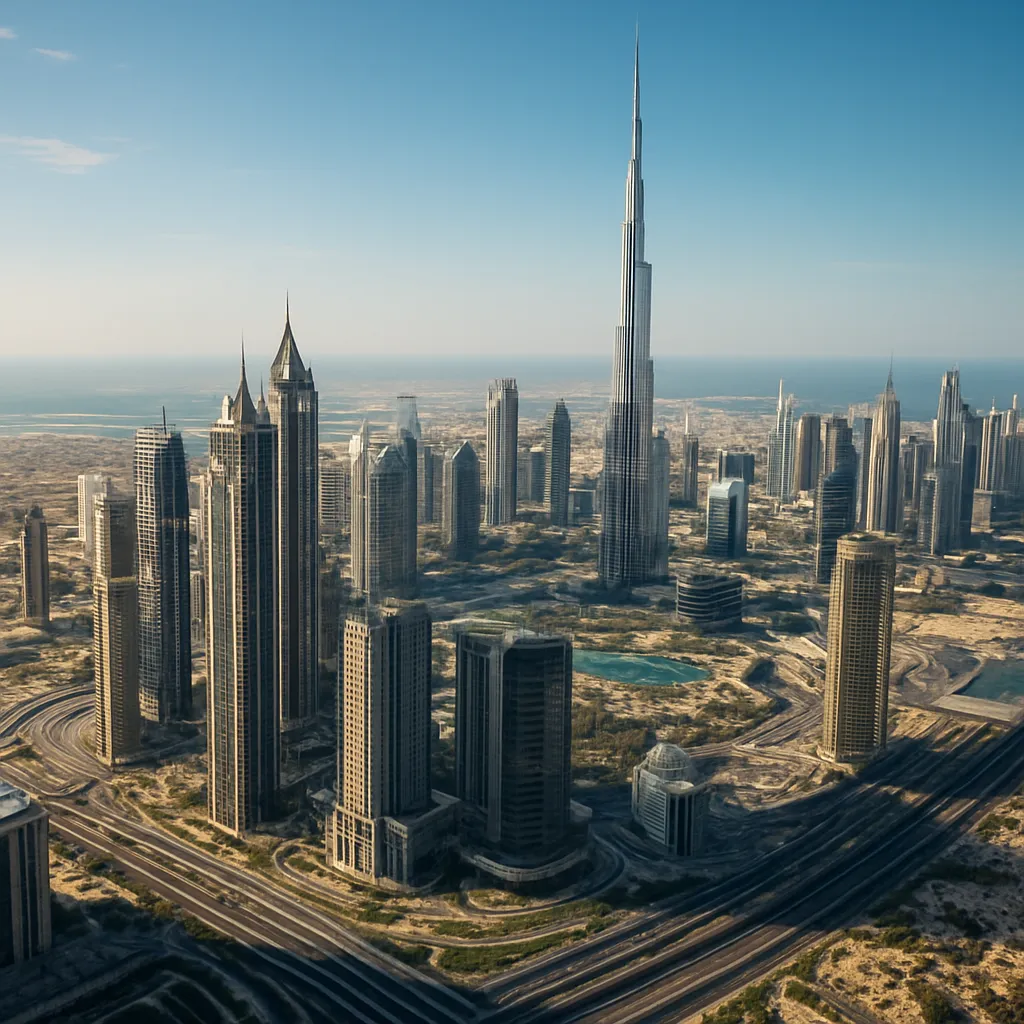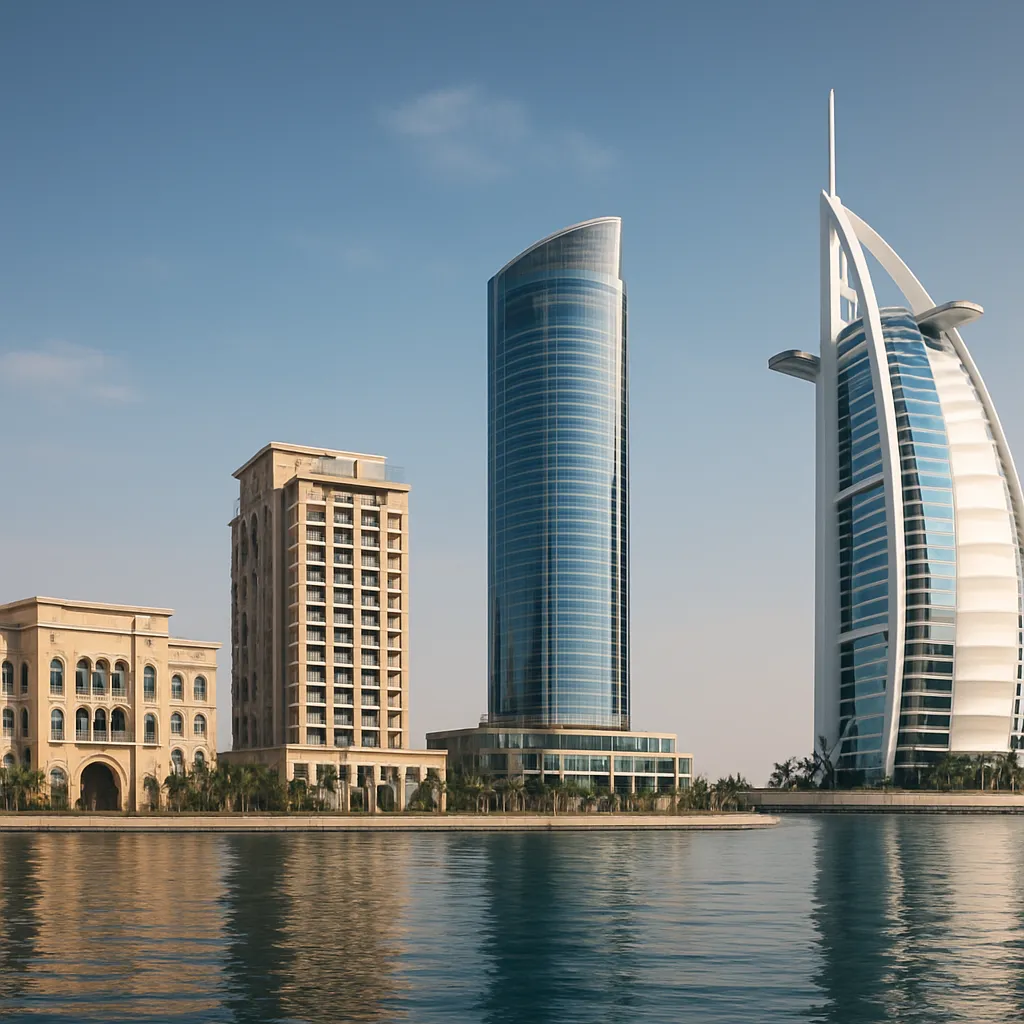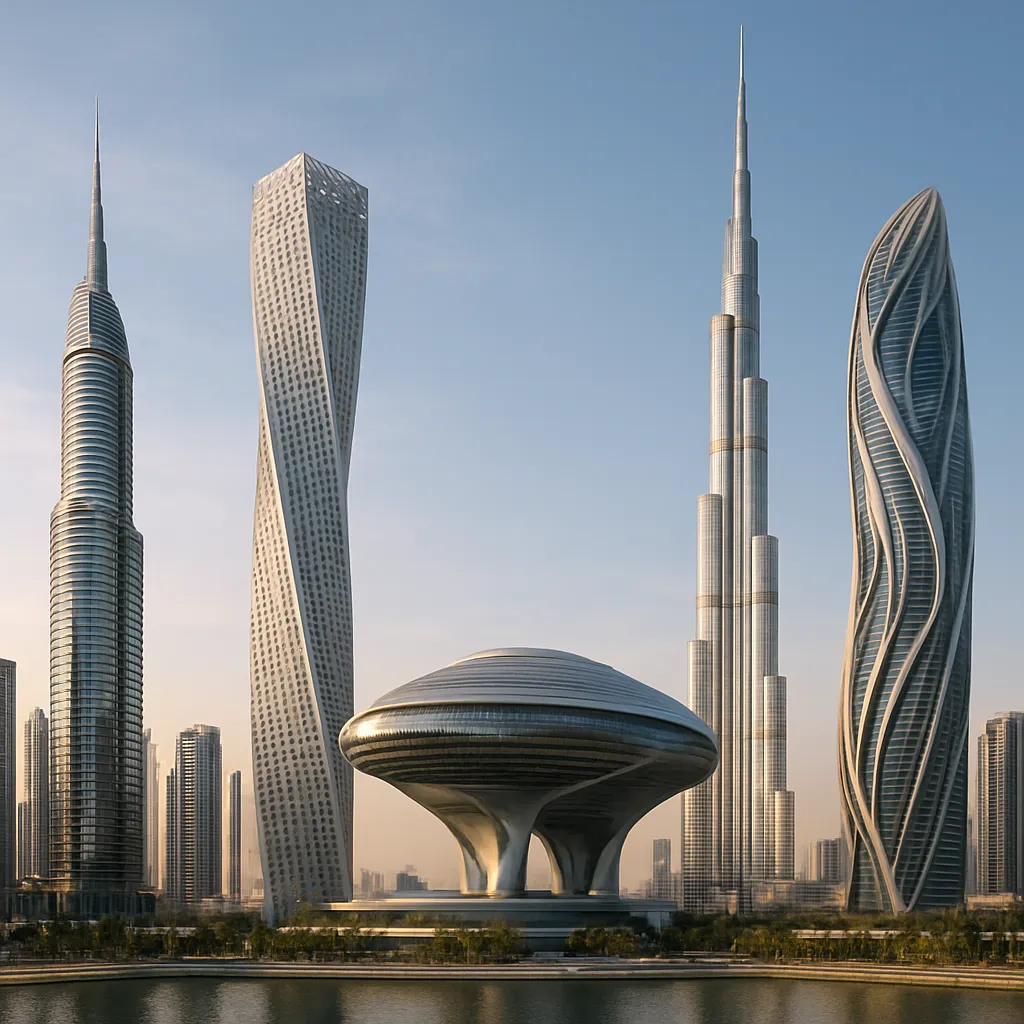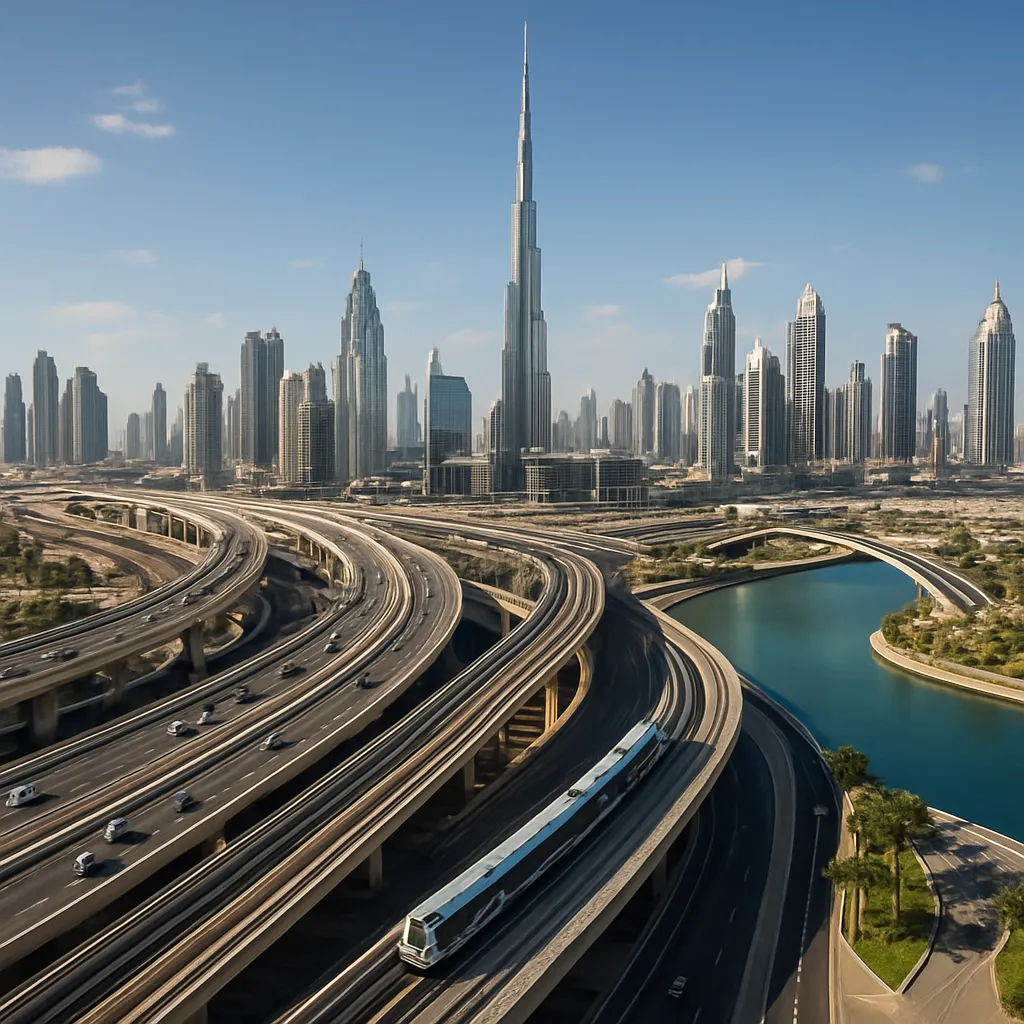
Dubai stands as a testament to the power of ambition fused with cutting-edge infrastructure. Rising from the desert sands, this city has transformed into a global hub of awe-inspiring architecture and urban innovation. The synergy between strategic planning, advanced engineering, and sustainable practices has empowered Dubai to push the boundaries of possibility. This article explores how the city’s comprehensive networks, pioneering technologies, and resilient policies underpin its soaring skyscrapers and iconic landmarks.
Strategic Urban Planning and Transportation Networks
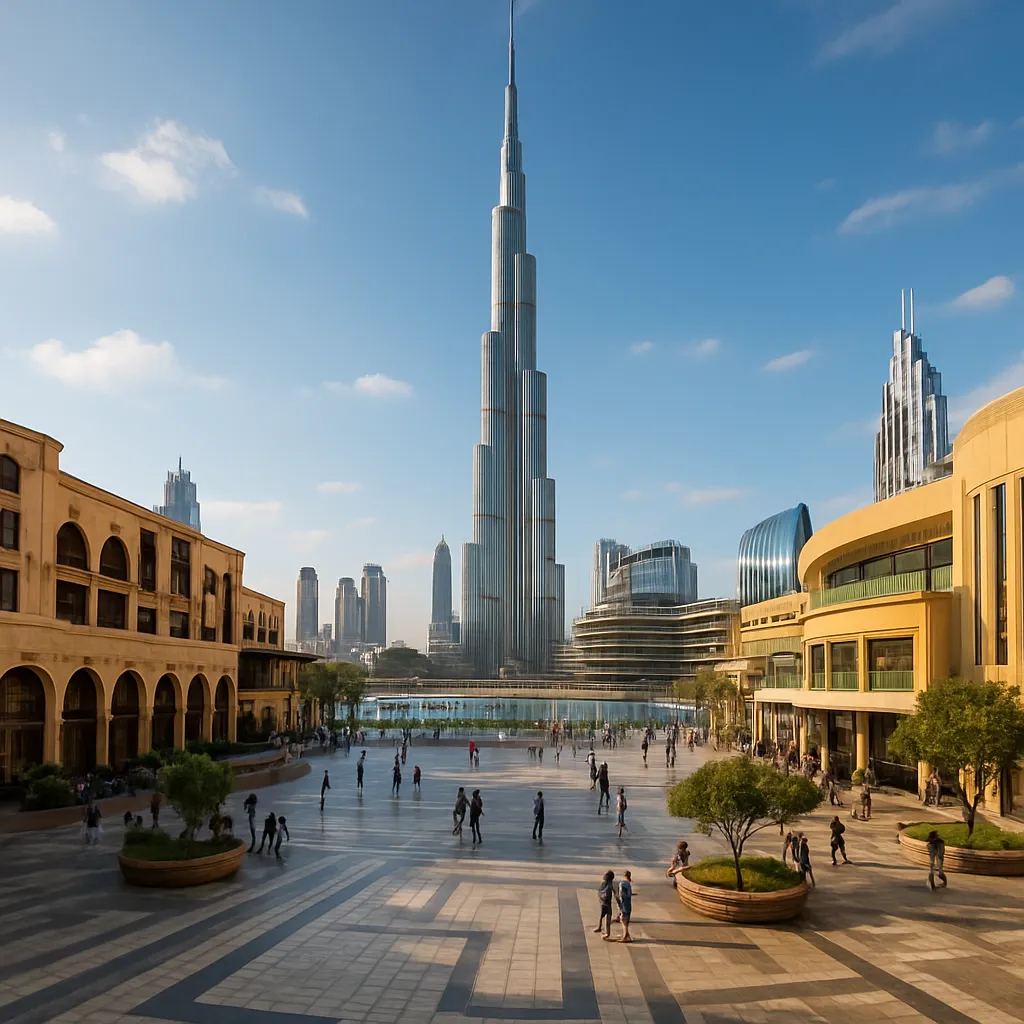
Central to Dubai’s architectural ascent is its meticulous approach to urbanization. Authorities have implemented holistic master plans that anticipate growth and integrate key components such as roads, ports, and airports. The city’s vision promotes mixed-use districts, seamless connectivity, and ample public spaces designed to facilitate both business and leisure.
Road and Metro Systems
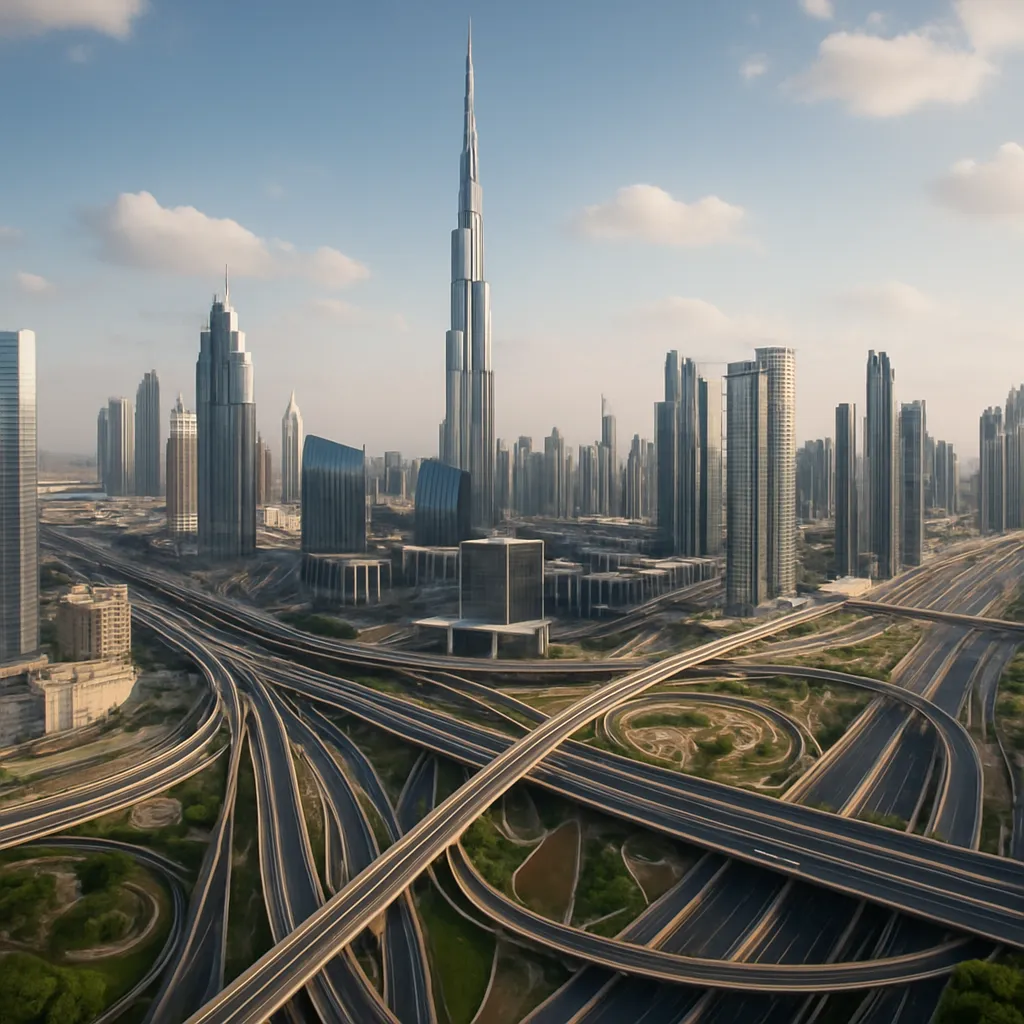
Dubai’s road network spans over 5,500 kilometers, featuring multi-lane highways like Sheikh Zayed Road, the artery that connects the heart of the city to emerging neighborhoods. Complementing this is the Dubai Metro, the region’s first fully automated rail system. Its two lines—red and green—link residential areas, business hubs, and tourist destinations. The Metro’s integration with the tram and bus services has eliminated significant transit barriers, encouraging developers to embark on projects that capitalize on high footfall stations.
Air, Sea, and Logistics
At the city’s core is Dubai International Airport, one of the busiest in the world by international passenger traffic. Meanwhile, Al Maktoum International Airport in Dubai South is poised to become the largest single-runway airport globally, supporting cargo and passenger flights. On the maritime front, Jebel Ali Port offers state-of-the-art facilities and free zone logistics, attracting multinational corporations. This trifecta of connectivity fosters an environment where large-scale developments—be they towering residences or sprawling commercial complexes—can thrive with reliable global access.
Innovative Engineering and Technological Integration
Behind every architectural marvel in Dubai lies a foundation of groundbreaking engineering solutions. Confronted with harsh desert conditions, engineers and architects have adopted advanced techniques and materials to ensure both safety and performance.
Foundation and Material Advances
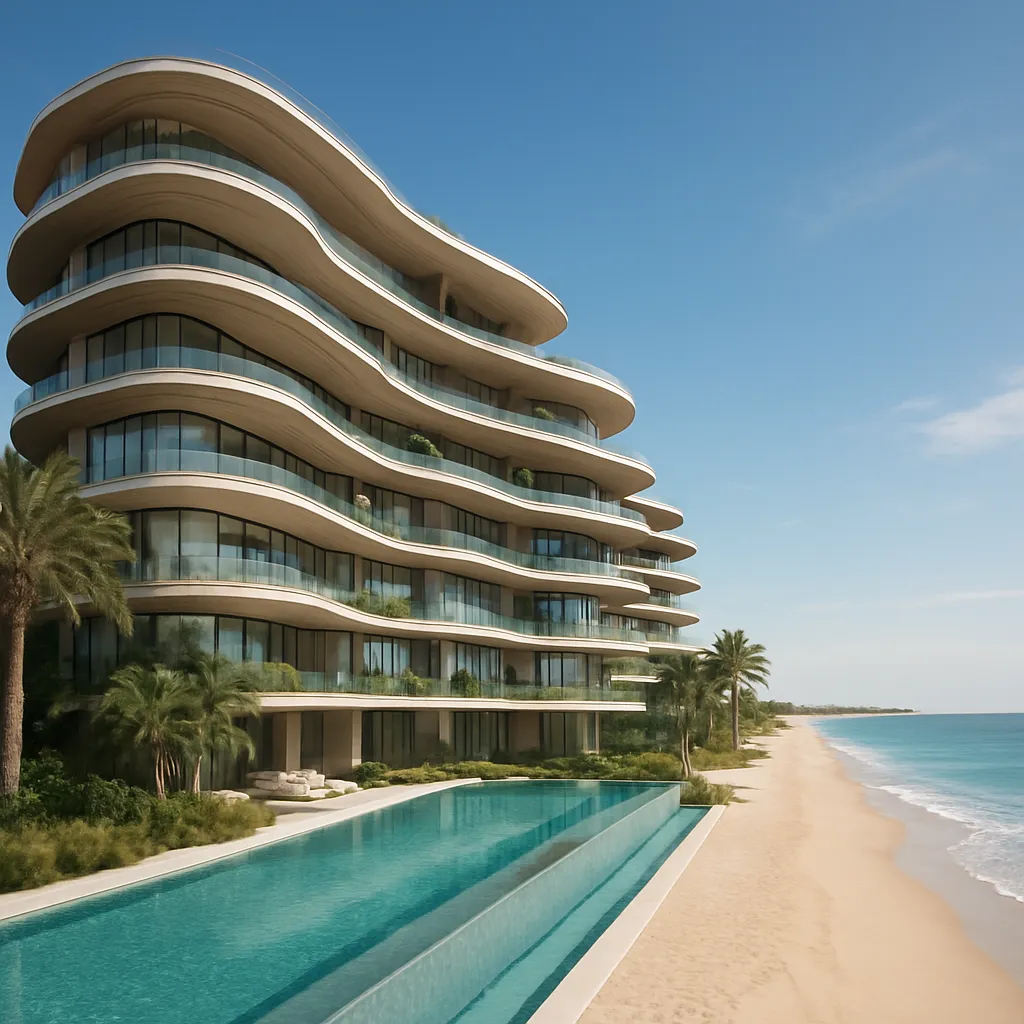
Projects like Palm Jumeirah and The World Islands required extensive coastal reclamation. Specialized sand compaction and concrete piling technologies created stable platforms for residential towers and resorts. To combat thermal stresses, buildings utilize high-performance glazing and reflective cladding systems that reduce solar heat gain, thereby lowering energy demands. Ultra-high-strength concrete, designed to withstand extreme loads and seismic events, is employed in supertall structures such as Burj Khalifa.
Smart Building Systems
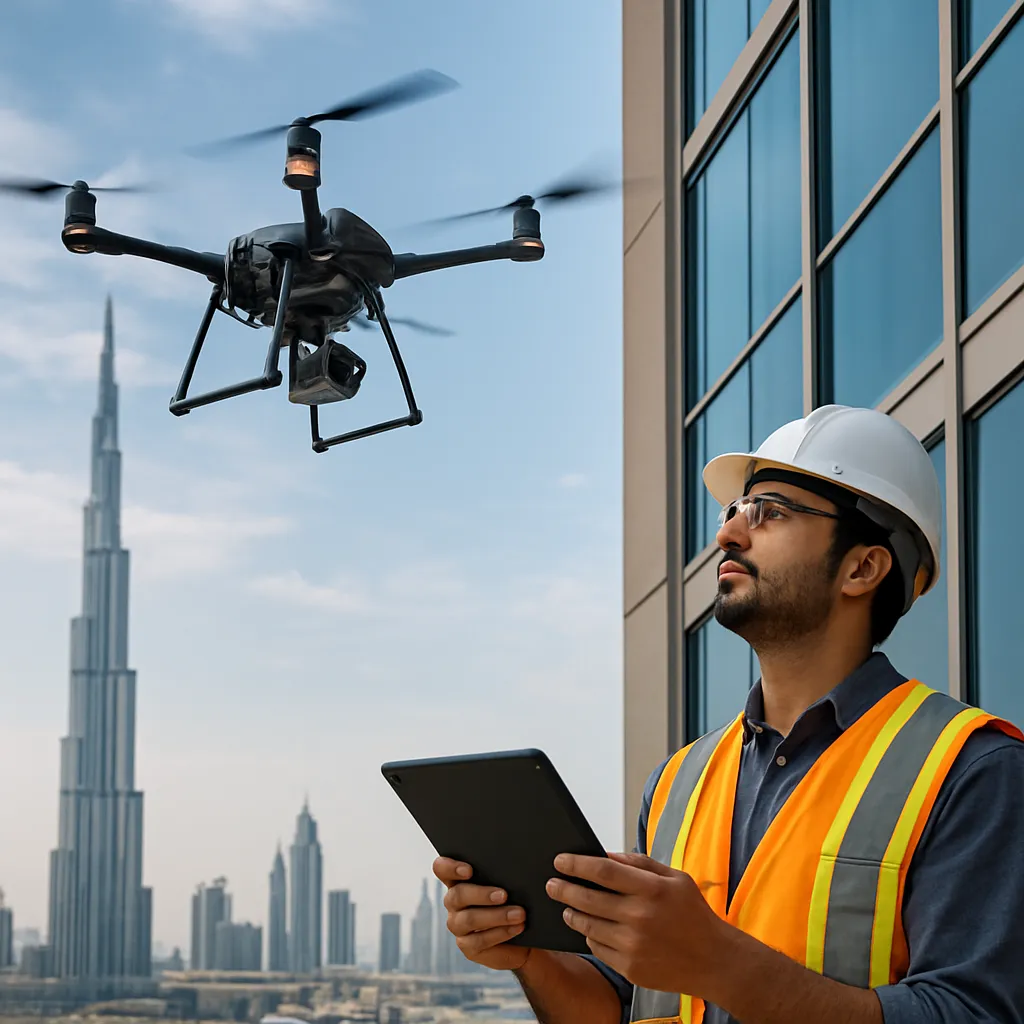
Dubai has embraced innovation in digital design and building operations. Building Information Modelling (BIM) is mandatory for government-led projects, ensuring precise coordination among architects, engineers, and contractors. Smart sensors monitor temperature, humidity, and occupancy, optimizing HVAC systems and lighting. District cooling networks provide chilled water to clusters of buildings, offering higher efficiency than individual air-conditioning units. These integrated solutions have propelled Dubai into the forefront of intelligent urban ecosystems.
Sustainable Development and Resilience
Despite its rapid growth, Dubai places sustainability at the core of its long-term strategy. Initiatives such as the Dubai Clean Energy Strategy 2050 and Green Building Regulations set rigorous standards for energy efficiency and water conservation. Developers are incentivized to seek LEED and Estidama certifications, ensuring projects meet stringent environmental benchmarks.
Renewable Energy Integration
Solar power plays a pivotal role in meeting Dubai’s clean energy targets. The Mohammed bin Rashid Al Maktoum Solar Park, one of the world’s largest, harnesses photovoltaic and concentrated solar power technologies. Rooftop solar arrays are becoming commonplace on commercial and residential towers, reducing dependence on the grid. Innovative shading structures, such as solar pergolas, provide outdoor comfort while generating electricity.
Water Management and Waste Reduction
In an arid environment, efficient water use is critical. Dubai has implemented advanced desalination plants combined with reverse osmosis, lowering energy consumption. Greywater recycling systems treat wastewater for landscaping and irrigation, conserving precious freshwater resources. Solid waste management employs sorting facilities and waste-to-energy plants, diverting a significant portion of refuse from landfills.
Climate Resilience
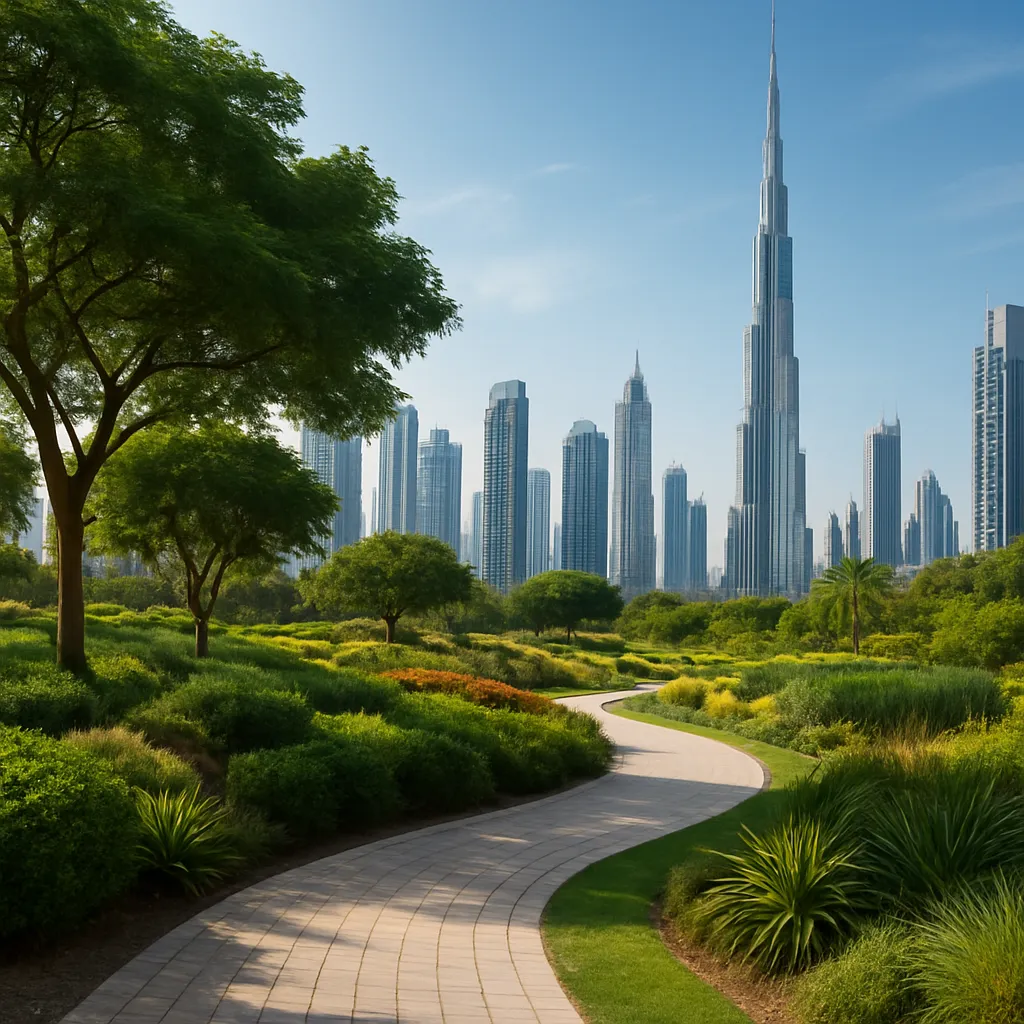
Rising temperatures and occasional dust storms pose resilience challenges. To address these, buildings incorporate passive cooling techniques such as wind towers and shaded courtyards. Public spaces feature misting systems and green canopies to enhance thermal comfort. Urban planners prioritize green belts and waterfront promenades that buffer heat and promote biodiversity.
Collaborations Driving Global Architectural Excellence
Dubai’s reputation as an architectural powerhouse is bolstered by strategic partnerships with world-renowned designers, engineers, and investors. Public-private collaborations and competitive international bids ensure that every project reflects the highest standards of connectivity and luxury.
- Global Design Firms: Renowned practices like Skidmore, Owings & Merrill and Foster + Partners have left indelible marks on Dubai’s skyline, blending creativity with technical prowess.
- Academic Alliances: Institutions such as the American University in Dubai and local research centers collaborate on studies related to sustainable materials and smart city frameworks.
- Investment Consortia: Sovereign wealth funds, private equity groups, and international developers pool resources for megaprojects, ensuring robust financing and risk mitigation.
Through these alliances, Dubai continues to set new records—whether it’s the world’s tallest building, the largest indoor ski resort, or the first operational 3D-printed office. By reinforcing every architectural concept with a resilient and adaptive infrastructure, the city solidifies its status as a beacon of urban resilience and ambition.