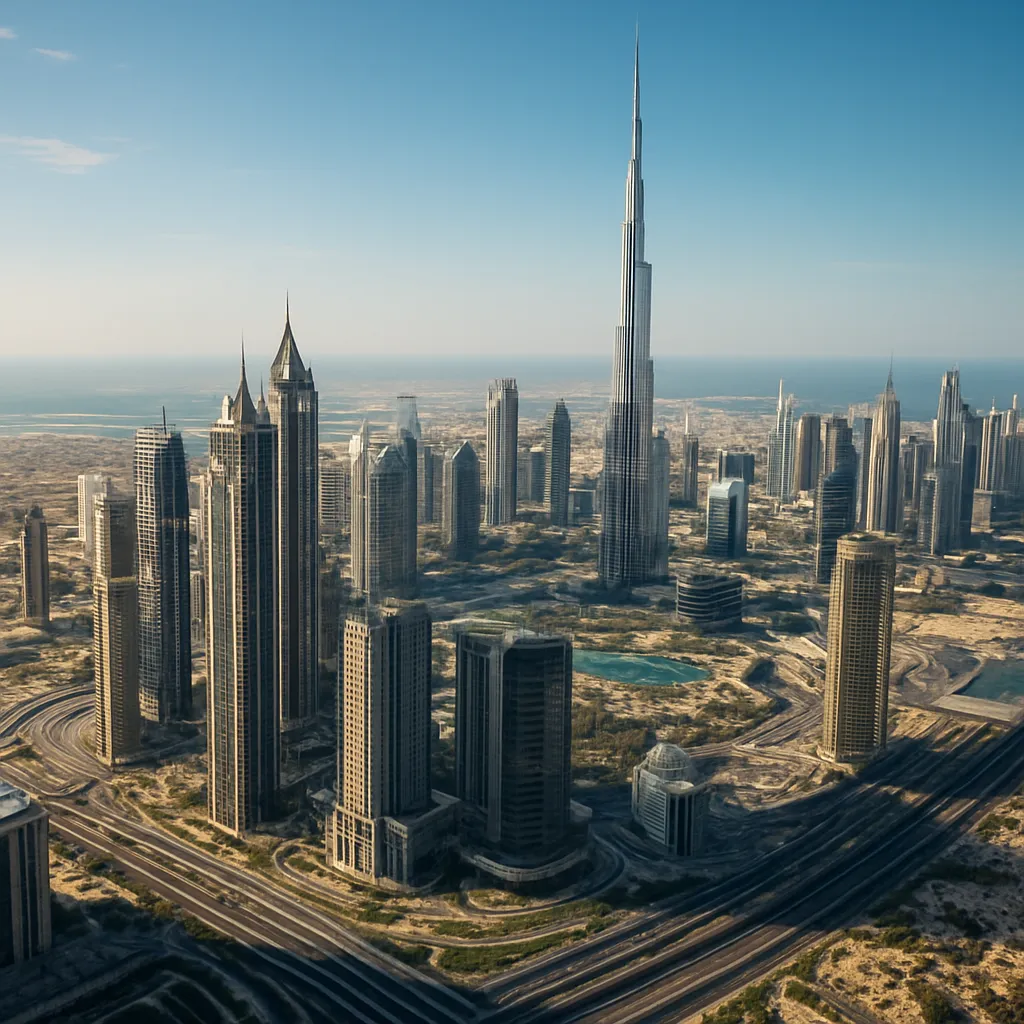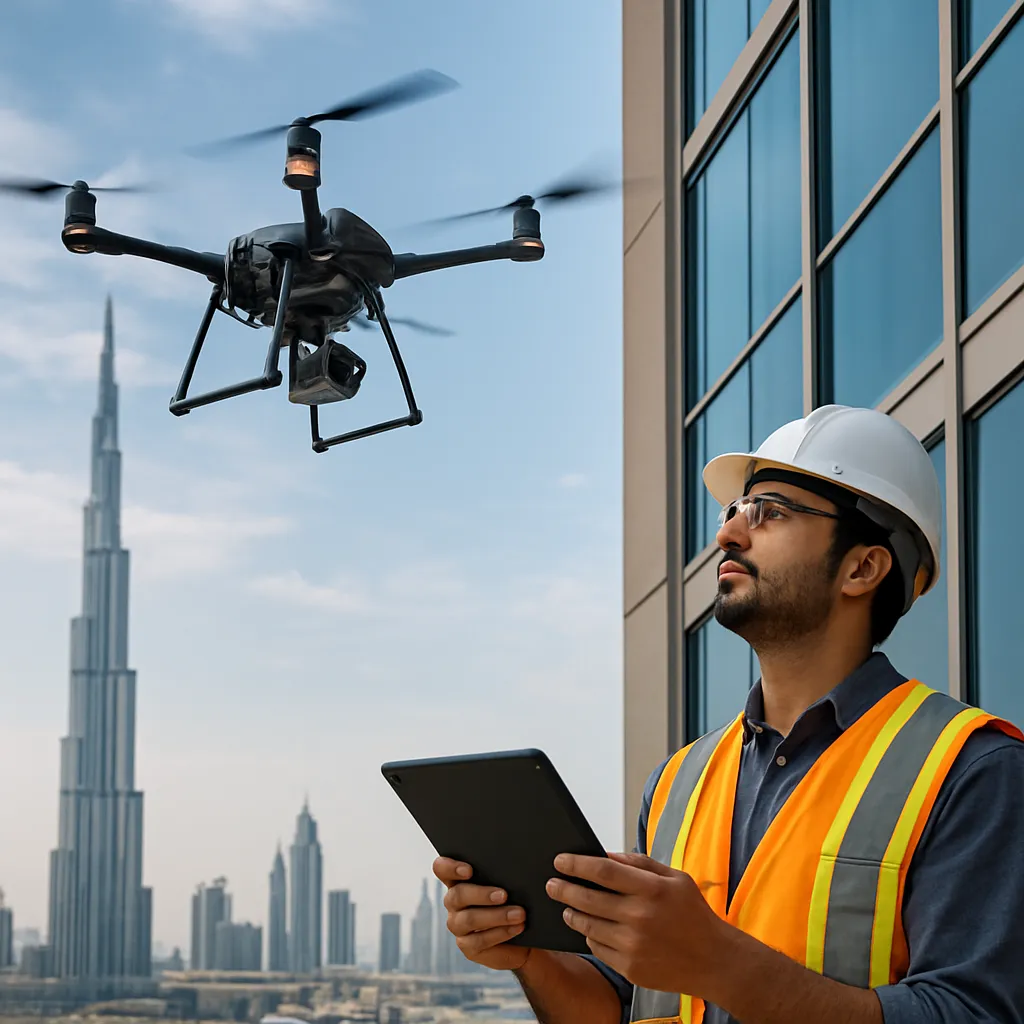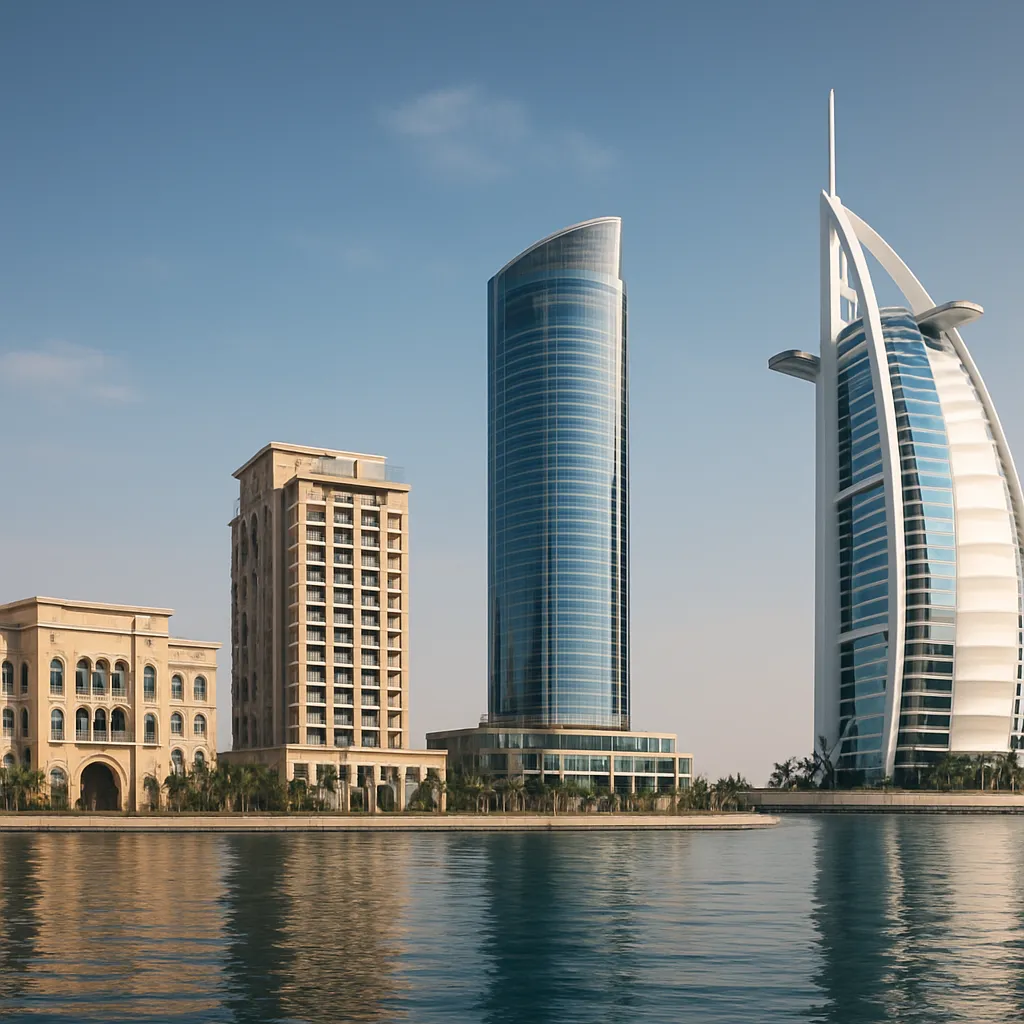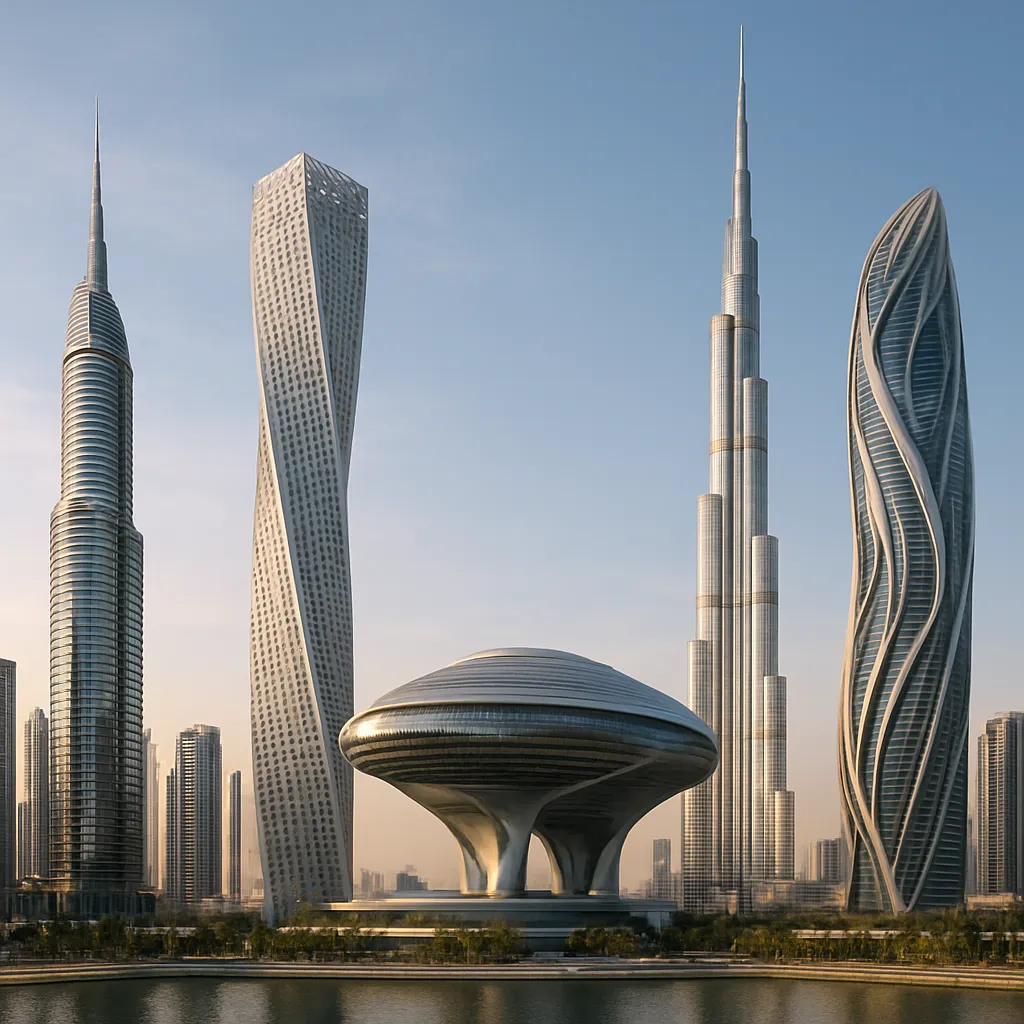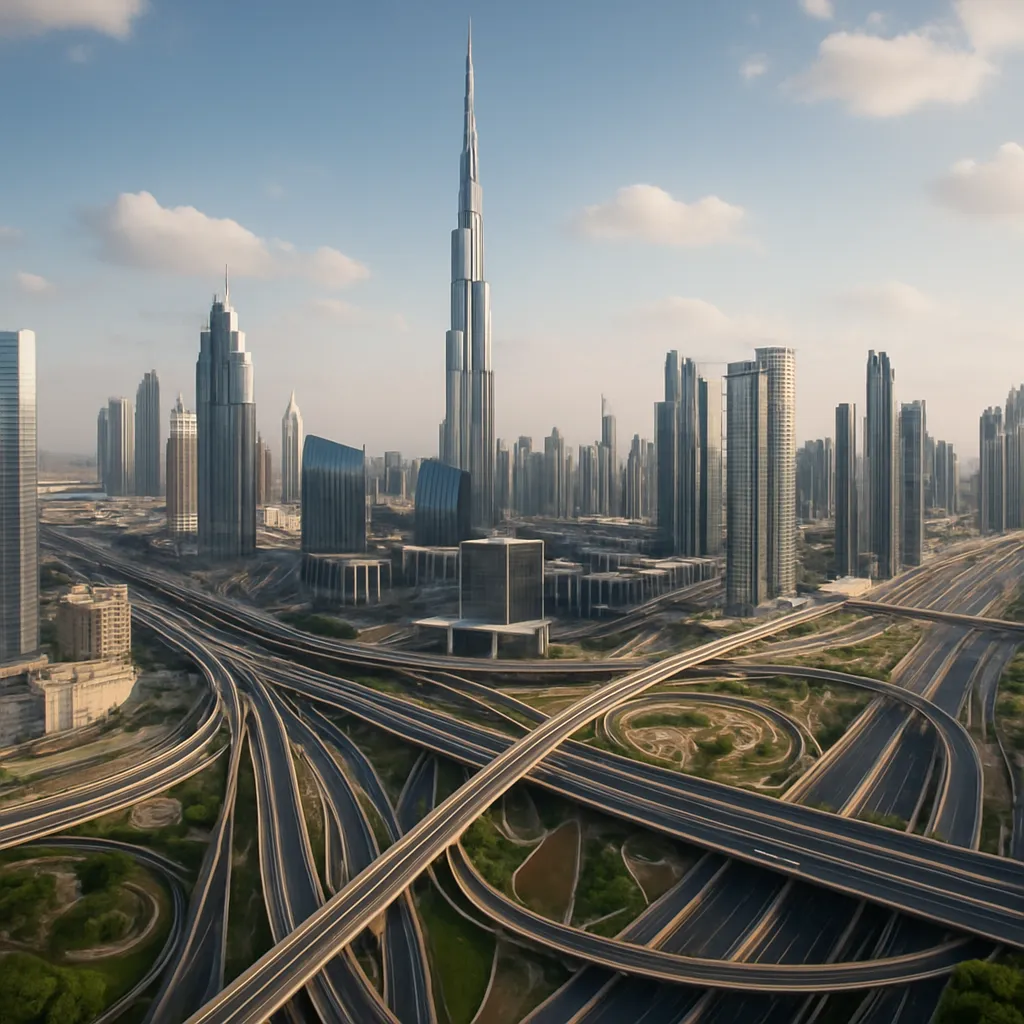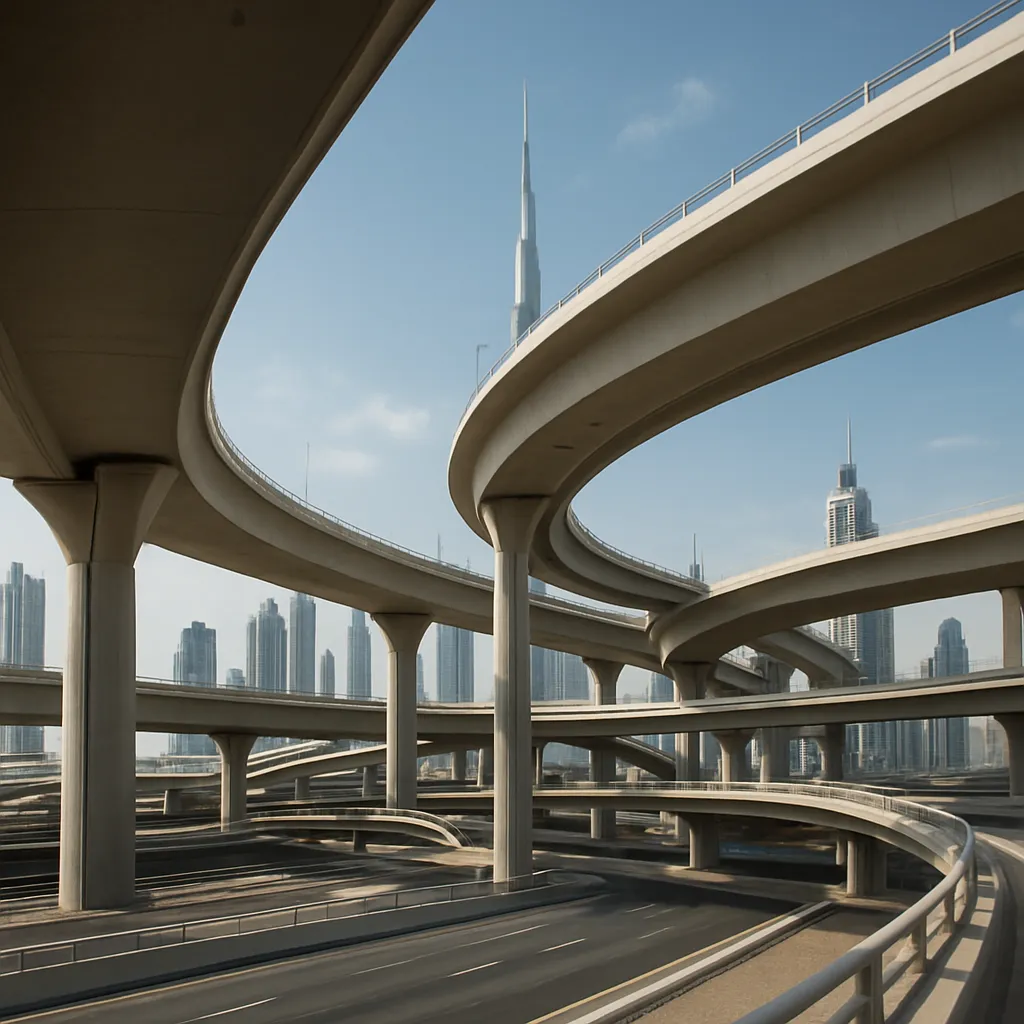
Dubai’s skyline is renowned for its futuristic silhouettes and groundbreaking mega-structures. Beyond the towering skyscrapers, the city’s network of bridges and overpasses reveals a world of engineering prowess that connects neighborhoods, alleviates congestion, and transforms the urban environment. This article explores the principles, materials, and hallmark projects that underscore Dubai’s pursuit of bridging innovation with function, form, and sustainability.
Urban Integration and Design Principles
Effective transportation infrastructure goes hand in hand with considered urban planning. In Dubai, bridges and overpasses are not just thoroughfares; they are aesthetic statements that complement the city’s vision of a seamless metropolis. Planners analyze traffic flows, topography, and coastal alignments to embed structures harmoniously within the environment. Key design principles include:
- Multimodal connectivity – integrating pedestrian walkways, cycle paths, and dedicated bus lanes alongside vehicular traffic arteries.
- Visual coherence – ensuring that the form language of a bridge echoes nearby architectural landmarks or natural features.
- Resilience to extreme temperatures and occasional sandstorms, achieved through design details that minimize thermal expansion and erosion.
By weaving these principles into early-stage masterplans, Dubai ensures that its bridges function not only as transit routes but as public spaces enhancing social interaction.
Advanced Materials and Construction Techniques
Dubai’s ambitious structural programs have driven the adoption of next-generation materials and methods. Traditional reinforced concrete remains a staple, but it is often augmented with steel-composite systems and high-performance additives. Leading-edge approaches include:
- High-strength concrete mixes infused with supplementary cementitious materials, yielding increased durability and reduced carbon footprint.
- Tensile cable-stayed configurations that allow for longer spans with slender deck profiles, reducing substructure footprint in sensitive areas.
- Use of prefabricated segments and modular formwork to accelerate on-site assembly while maintaining stringent quality controls.
Advanced computational models simulate wind loads, thermal cycles, and dynamic vehicle-induced vibrations. Engineers rely on parametric design software to refine structural form and optimize material distribution. This digital-first approach helps control costs and maintain project timelines.
Foundation Strategies and Geotechnical Innovations
Given Dubai’s coastal and often sandy subsoils, foundation engineering is critical. Many bridges employ deep piling systems, with bored or driven piles reaching stable strata. Key techniques include:
- Micro-piling under constrained sites, allowing for minimal excavation and reduced vibration disturbance to surrounding buildings.
- Grouted anchors installed to enhance lateral resistance in locations prone to settlement or shifting sands.
- Use of hydraulic jacking to align and level pre-cast segments during superstructure erection, ensuring millimeter-precise connections.
Advanced geotechnical monitoring networks track pore-water pressures and settlement in real time, allowing rapid remedial action if ground behavior deviates from predictions.
Iconic Structures and Case Studies
Sheikh Zayed Road Flyovers
As one of Dubai’s busiest corridors, Sheikh Zayed Road features multiple multi-level flyovers designed to streamline traffic along the 55-kilometer artery. These structures incorporate:
- Dynamic ramp geometries enabling smooth lane transitions at speeds up to 80 km/h.
- Pre-stressed continuous spans enclosed by tinted glass parapets, reducing headlight glare and improving driver focus.
Al Ittihad Bridge
Spanning a newly created marine channel, this landmark bridge demanded a delicate balance between aesthetics and heavy-duty traffic requirements. Notable features include:
- A signature cable-stayed pylon soaring over 120 meters above sea level, symbolizing the city’s rise above challenges.
- Expansive viewing platforms for pedestrians, integrated within the deck to encourage leisure use.
Expo Road Overpasses
Constructed to serve the Expo 2020 precinct, these overpasses were engineered for rapid delivery. Highlights include:
- Use of modular steel trusses, each weighing over 100 tons, pre-assembled in controlled yards.
- Nighttime launches with synchronized traffic diversions, minimizing weekday disruptions.
Environmental and Sustainability Considerations
Environmental stewardship is central to modern civil works. Dubai’s bridge projects pursue sustainable credentials by:
- Harvesting solar energy via integrated PV panels on noise barrier surfaces.
- Collecting stormwater runoff through permeable deck elements and directing it to adjacent wetlands for natural filtration.
- Implementing LED lighting schemes with motion-sensor controls to reduce energy consumption while enhancing nighttime visibility.
Such measures not only align with the UAE’s Net Zero objectives but also extend the operational lifespan of critical infrastructure.
Challenges and Future Prospects
Looking ahead, Dubai’s bridge engineering community faces evolving demands. The rise of autonomous vehicles will necessitate digital-grade road surfaces and embedded sensors. Climate change introduces more extreme heat cycles and occasional flash floods, requiring adaptive design solutions such as movable deck sections and floodable piers. Upcoming projects aim to integrate smart traffic management systems directly into the bridge substructure, creating a living network that senses, analyzes, and responds to real-time conditions.
In parallel, research into carbon-neutral concrete and self-healing composite materials promises to further revolutionize how bridges are conceived, built, and maintained. By continuing to marry advanced technology with visionary design, Dubai’s bridges and overpasses will remain integral to a city that bridges tradition and tomorrow.