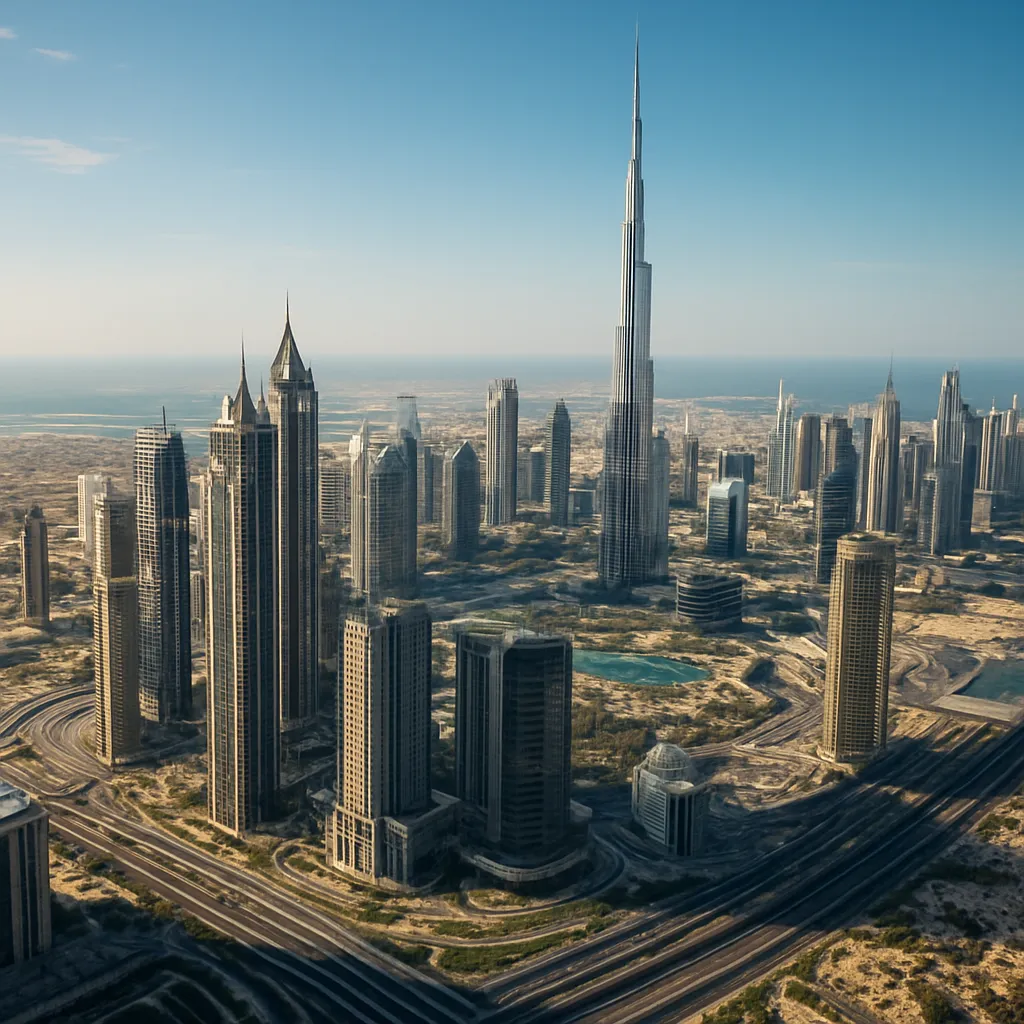
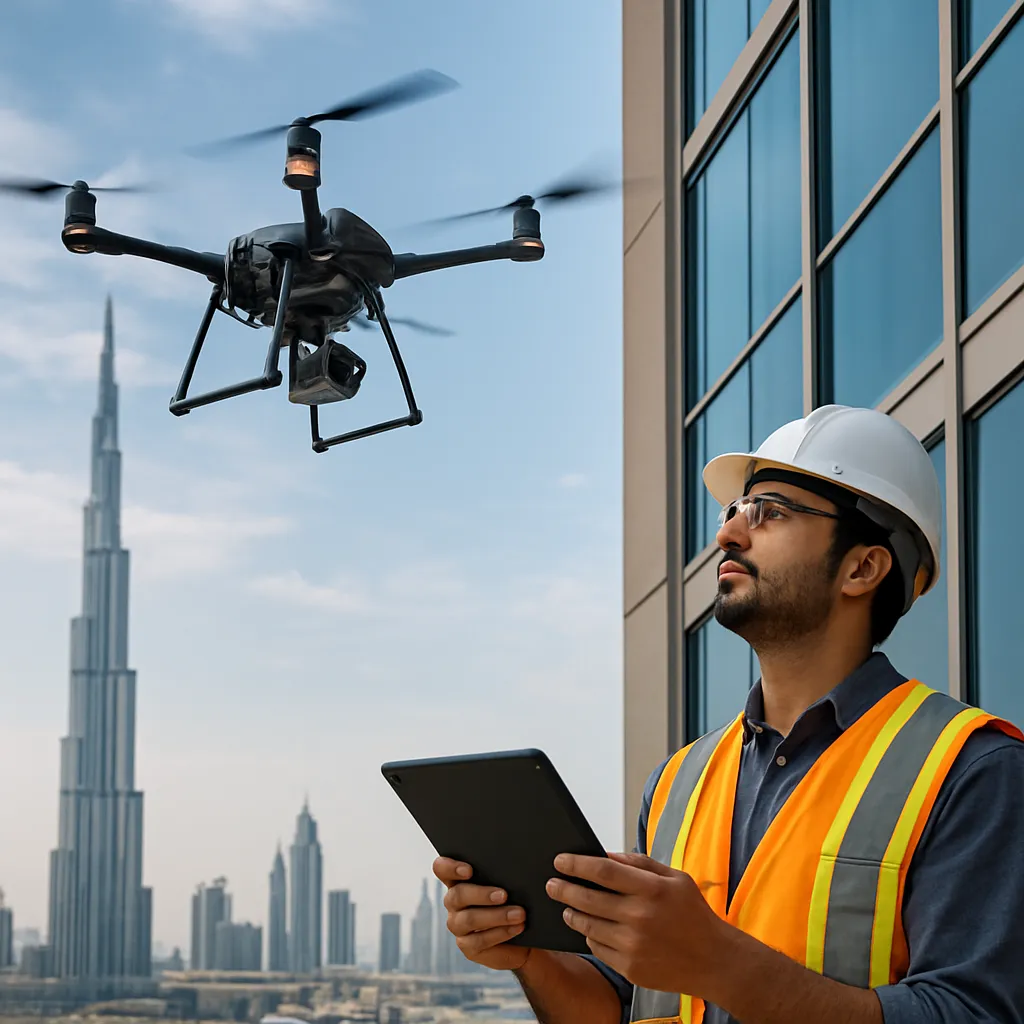
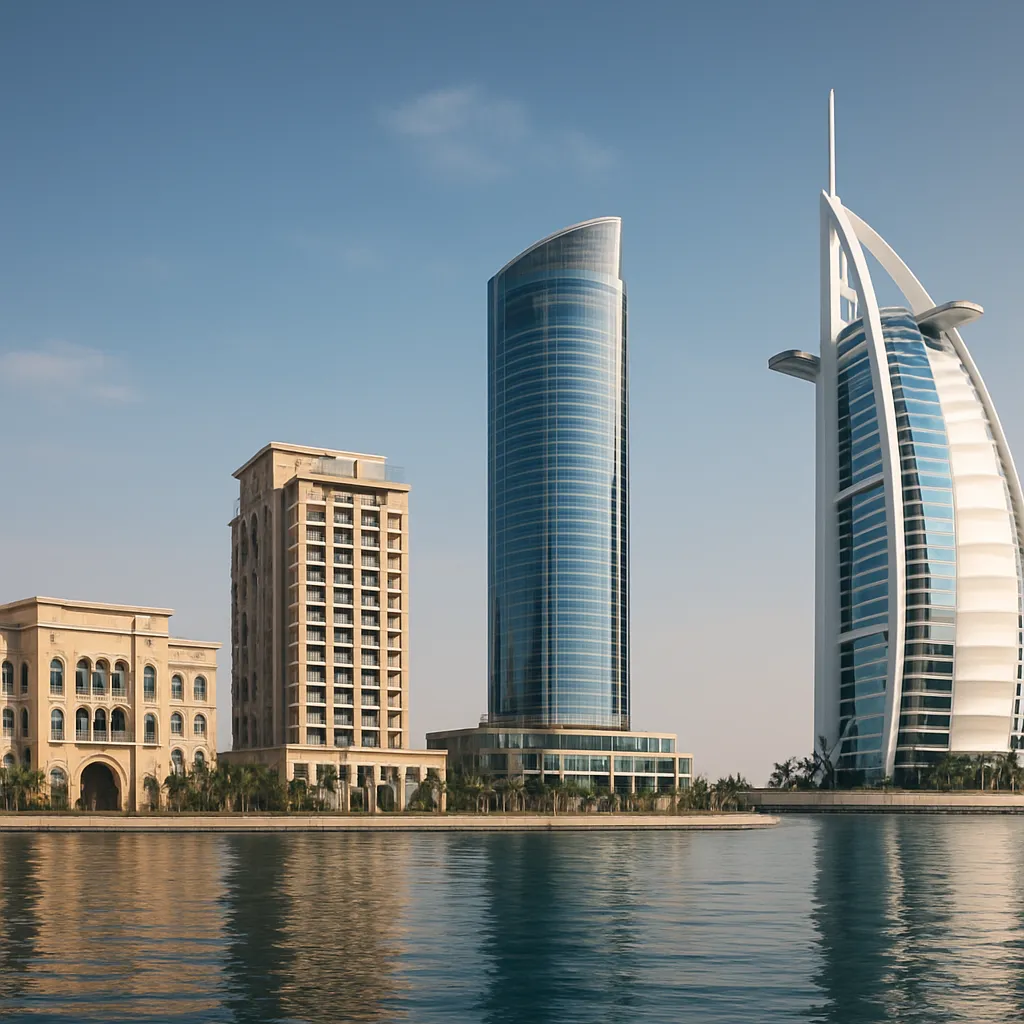
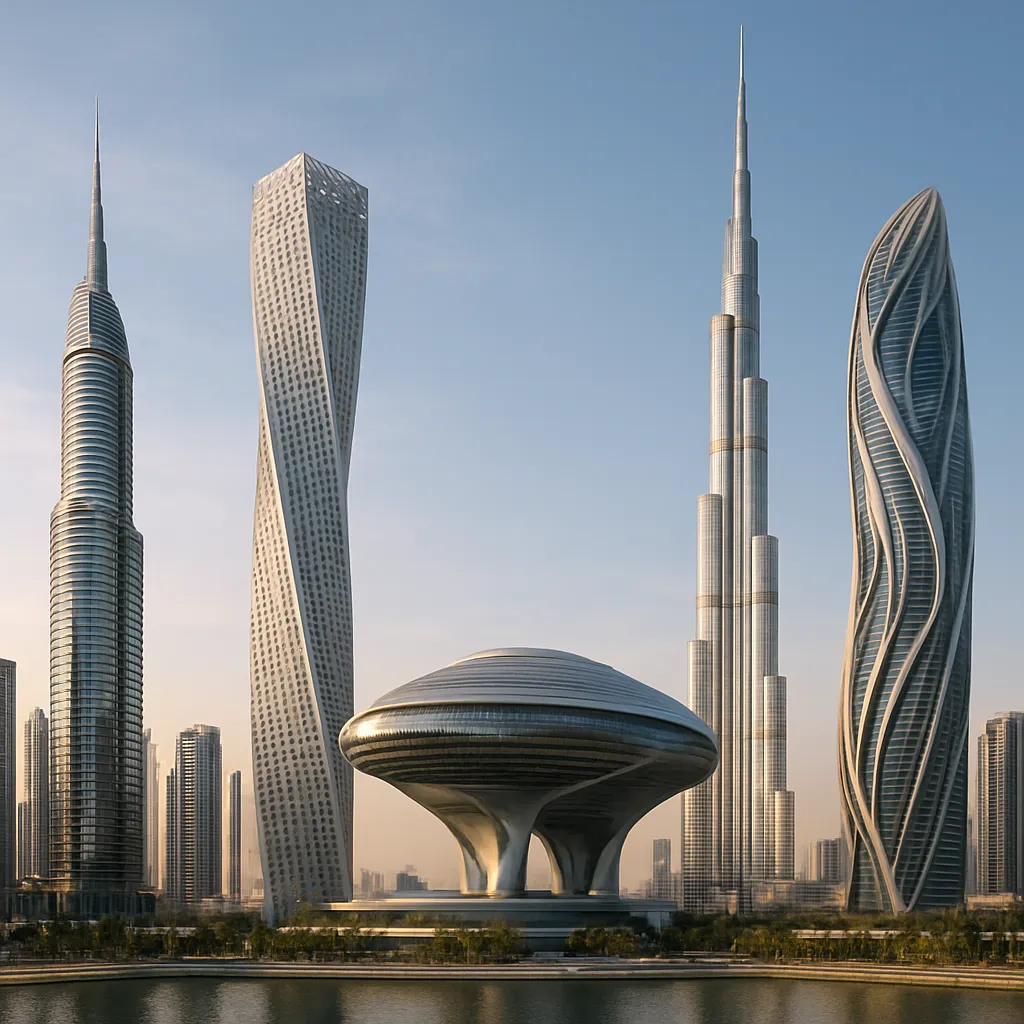
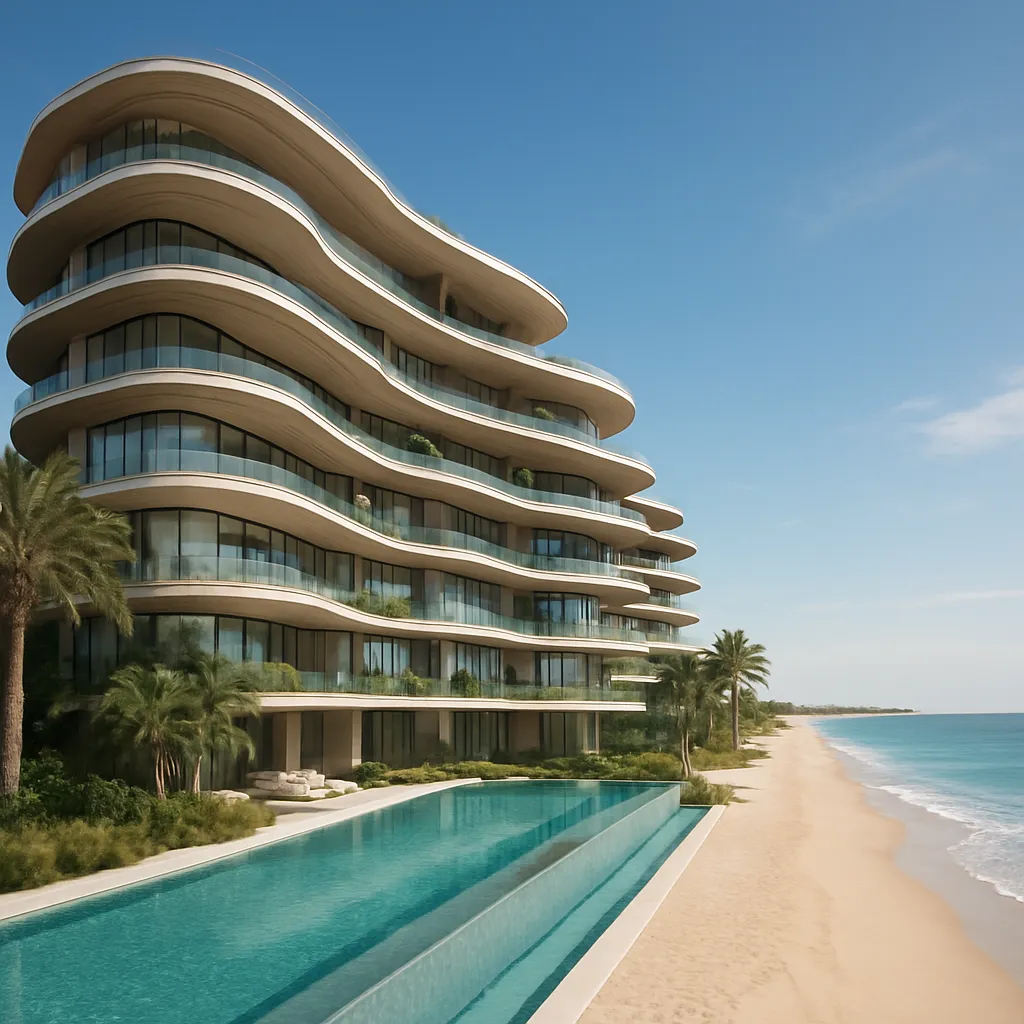
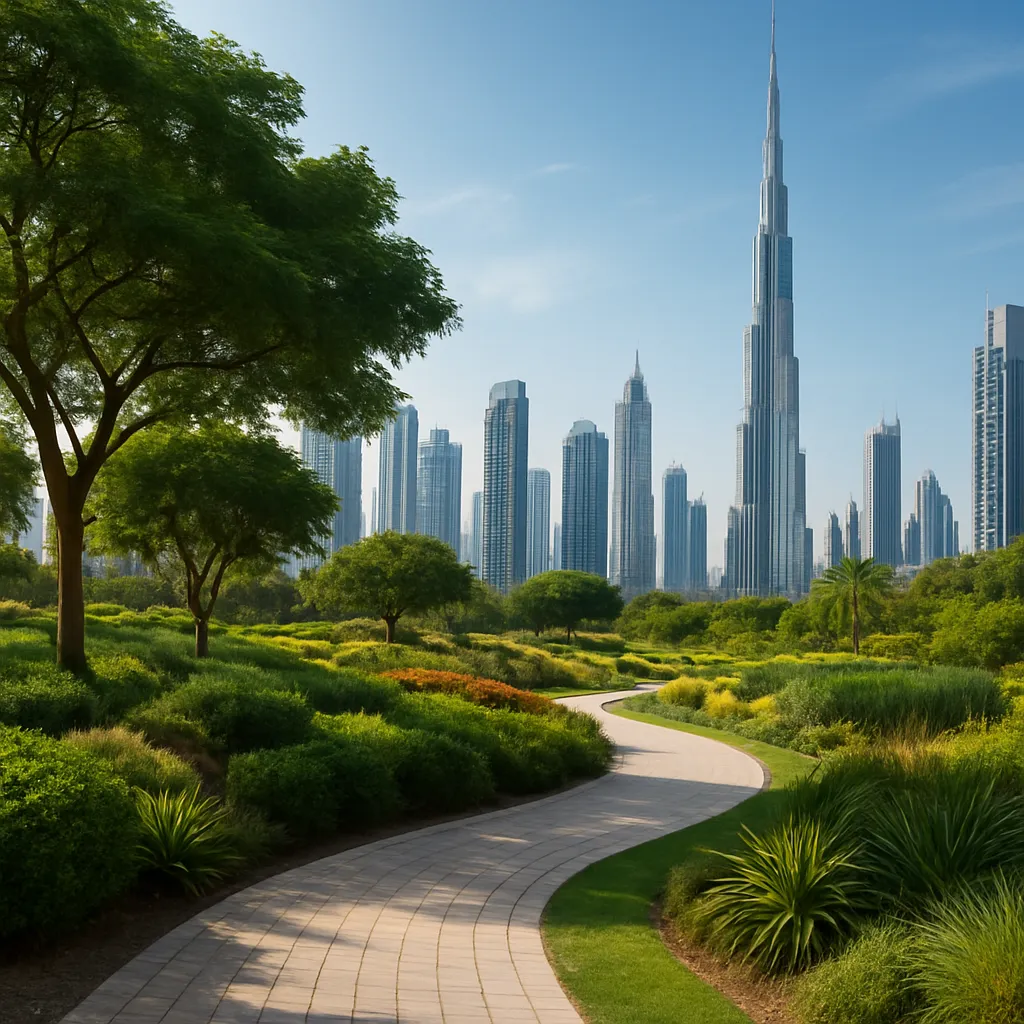
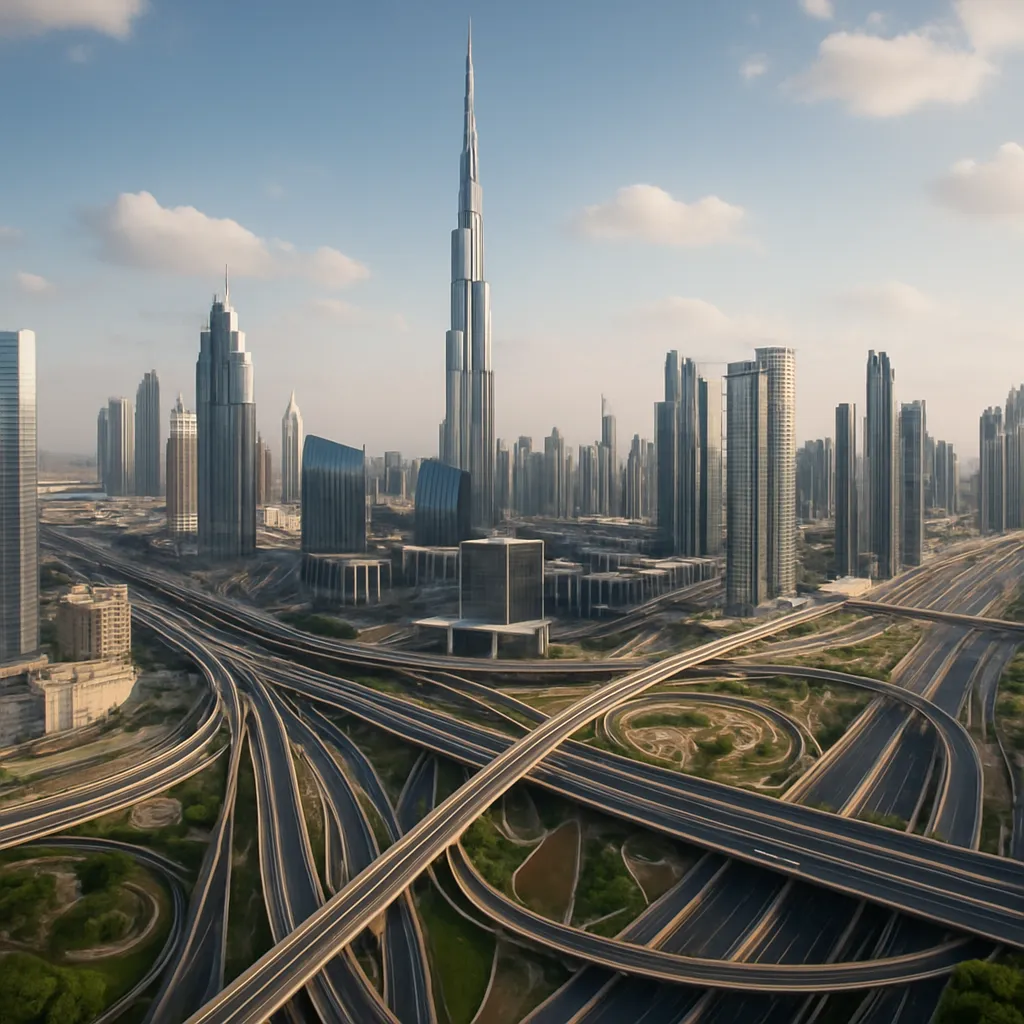
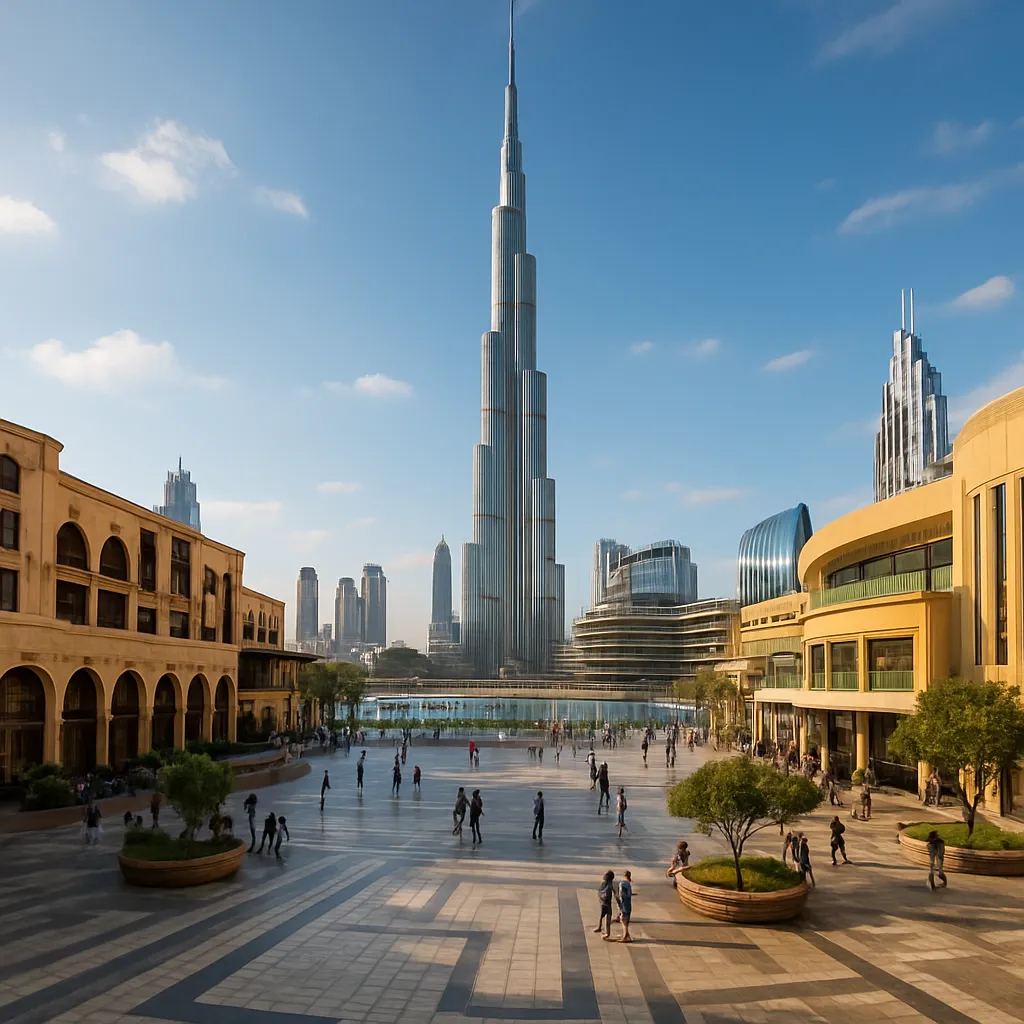
Dubai’s built environment tells a compelling story of a city that has woven its deep-rooted **heritage** into the fabric of futuristic development. From wind-towered courtyard houses to sky-piercing **skyscrapers**, this emirate has pioneered a striking **fusion** of time-honored tradition and cutting-edge **innovation**. As the cityscape continuously evolves, each new project reveals a deliberate commitment to preserving cultural identity while embracing the demands of 21st-century urbanism.
Historical Foundations of Emirati Architecture
Long before the era of record-breaking megastructures, Dubai’s architectural vocabulary was shaped by climatic needs, available materials and Bedouin culture. Mudbrick walls, coral stone and palm fronds defined residential clusters, where craftsmanship and communal harmony were paramount. The result was an environment that blended functionality with simple, organic forms.
Wind Towers and Courtyard Houses
One of the most emblematic solutions was the wind tower (barjeel), designed to channel cool breezes into shaded interiors. Coupled with internal courtyards, these dwellings maintained comfortable temperatures without modern air-conditioning. The courtyard also served as a private family space where social life unfolded under the gentle rustle of date palms.
Souks and Public Spaces
The heritage souks, with their narrow alleys and covered walkways, reflect both climatic adaptation and commercial vitality. Cultural exchange was facilitated by these bustling marketplaces, whose design prioritized shade, cross-ventilation and community interaction.
Icons of Modernity: Skyscrapers and Megaprojects
By the late 20th century, Dubai embarked on a bold program of urban transformation. The skyline would become a canvas for visionary architects and engineering marvels. Each project strove not only to break height records but also to craft a distinct identity in the global arena.
- Burj Khalifa: Soaring at 828 meters, it remains the tallest structure on Earth. Its spiral pattern draws inspiration from the Hymenocallis flower, merging biomimicry with high-tech engineering.
- Burj Al Arab: The sail-shaped silhouette has become a symbol of Dubai’s luxury tourism sector. Its opulent interiors showcase intricate craftsmanship alongside state-of-the-art facilities.
- Dubai Frame: A monumental picture frame that offers visitors a juxtaposed view of old Deira and the modern downtown district.
- Dubai Mall and Dubai Opera: A synergy of retail, entertainment and arts venues that exemplifies mixed-use planning on a grand scale.
These landmarks not only highlight human ambition but also demonstrate mastery of materials such as high-strength concrete and glazed curtain walls. The dynamic interplay between glass façades and engineered shading systems testifies to the city’s commitment to sustainability amidst an unforgiving desert climate.
Fusion of Tradition and Innovation in Design
Contemporary Dubai projects often integrate vernacular elements to cultivate a sense of place. Architects consciously reference local motifs, patterns and proportions, ensuring that new buildings resonate with the emirate’s identity.
Cultural Centers and Museums
The Dubai Museum of the Future exemplifies how traditional geometry informs a groundbreaking structure. Its torus shape, wrapped in Arabic calligraphy, merges poetic expression with parametric design. Similarly, Alserkal Avenue repurposes industrial warehouses into creative hubs, blending the raw aesthetic of old factories with galleries, studios and cafés.
Residential Masterpieces
In upscale communities such as Al Fahidi Historic District and Jumeirah, developers have restored wind-tower houses and integrated them alongside contemporary villas. This results in neighborhoods where solar-powered innovations complement passive cooling, and local stonework coexists with minimalist glass volumes. Residents experience a layered narrative of past and present.
Sustainability and Future Perspectives
As global priorities shift toward ecological responsibility, Dubai’s architecture is adapting through green technologies and resilience strategies. Solar farms, smart grids and water reuse systems are increasingly embedded within large-scale developments.
- District Cooling: By centralizing refrigeration plants, energy consumption is optimized across residential and commercial towers.
- Green Roofs and Vertical Gardens: Projects like the Sustainable City feature extensive planting that lowers local temperatures and enhances biodiversity.
- Adaptive Reuse: Historic buildings are revitalized to serve modern functions, reducing the environmental cost of new construction.
- Low-Carbon Materials: Innovations in concrete mixes and recycled steel help limit carbon emissions during the building process.
Looking ahead, Dubai’s ambition extends to entire urban ecosystems. The proposed Dubai Creek Harbour, with its pedestrianized promenades and integrated public transport, envisions a carbon-neutral district. Meanwhile, Expo 2020’s Legacy Plan ensures that the site evolves into a hub for education, healthcare and scientific research, demonstrating that large-scale events can leave a lasting, positive imprint.
Conclusion of Architectural Dialogue
The ongoing conversation between tradition and modernity in Dubai’s architecture has produced a cityscape of unparalleled dynamism. By balancing cultural values with **technology**, and by harmonizing local identity with global aspirations, Dubai continues to define new horizons in the art of building. Each structure, whether rooted in age-old techniques or propelled by futuristic vision, embodies a chapter in the emirate’s remarkable architectural odyssey.