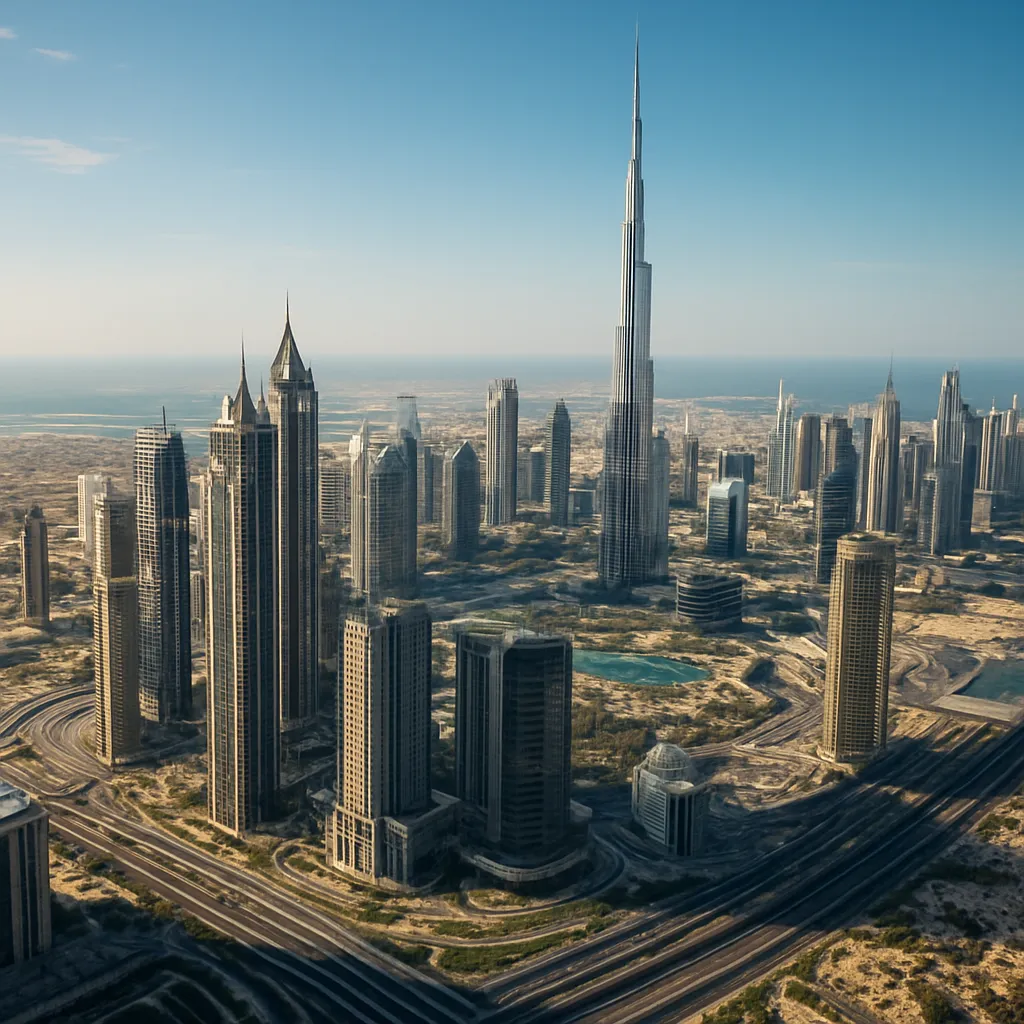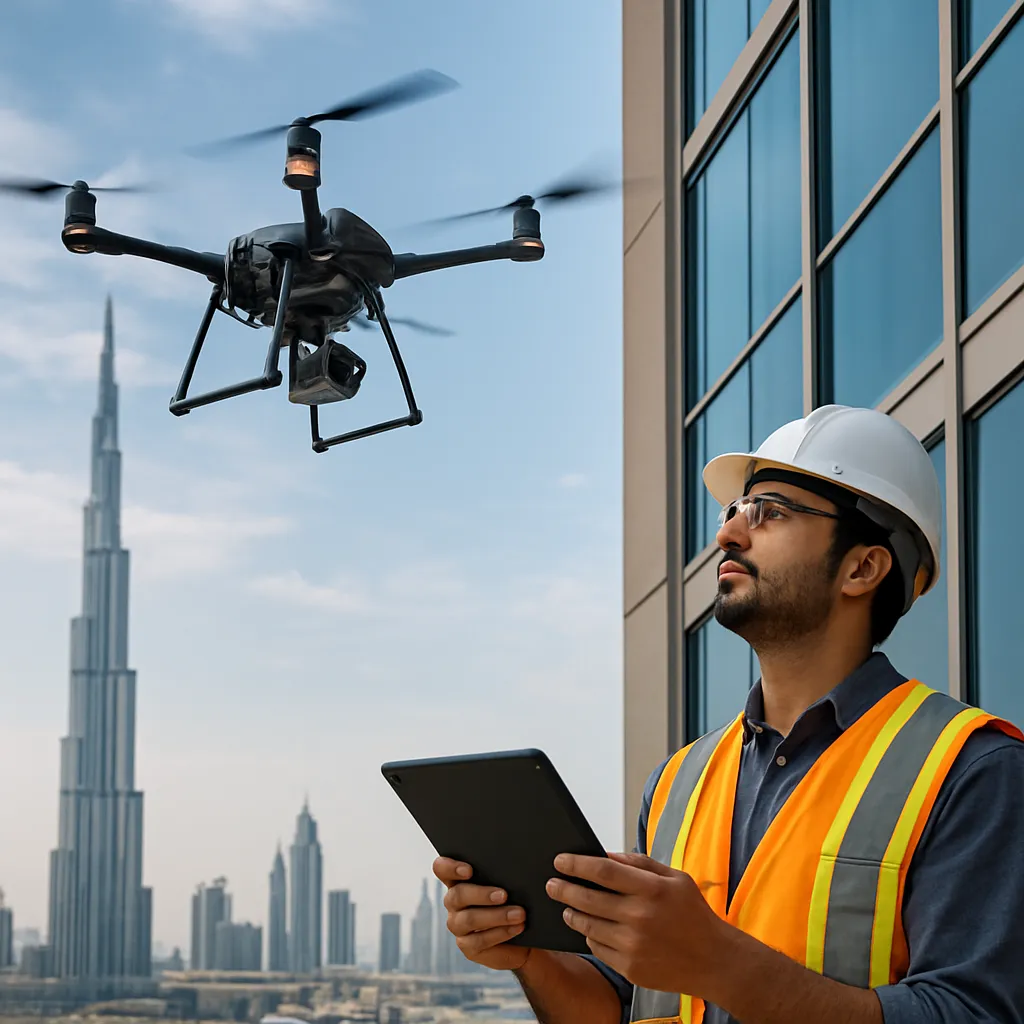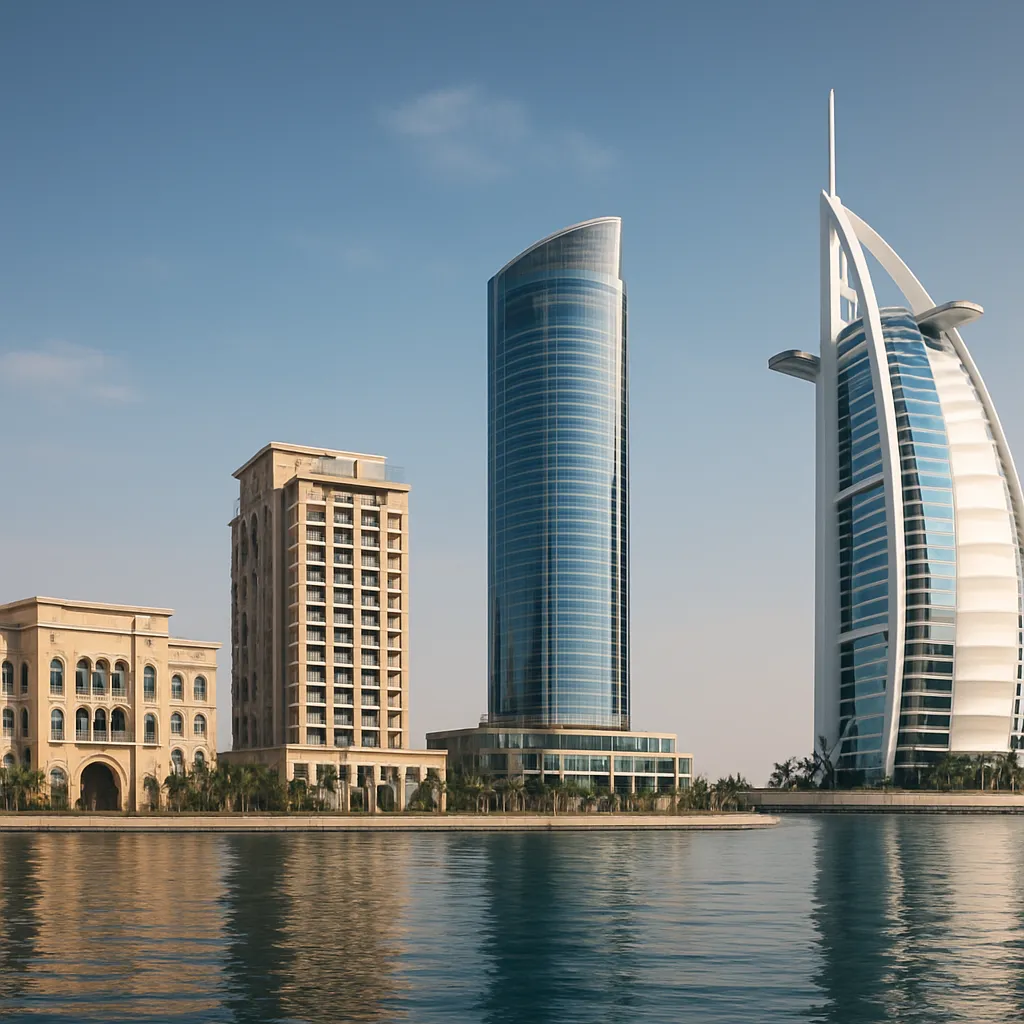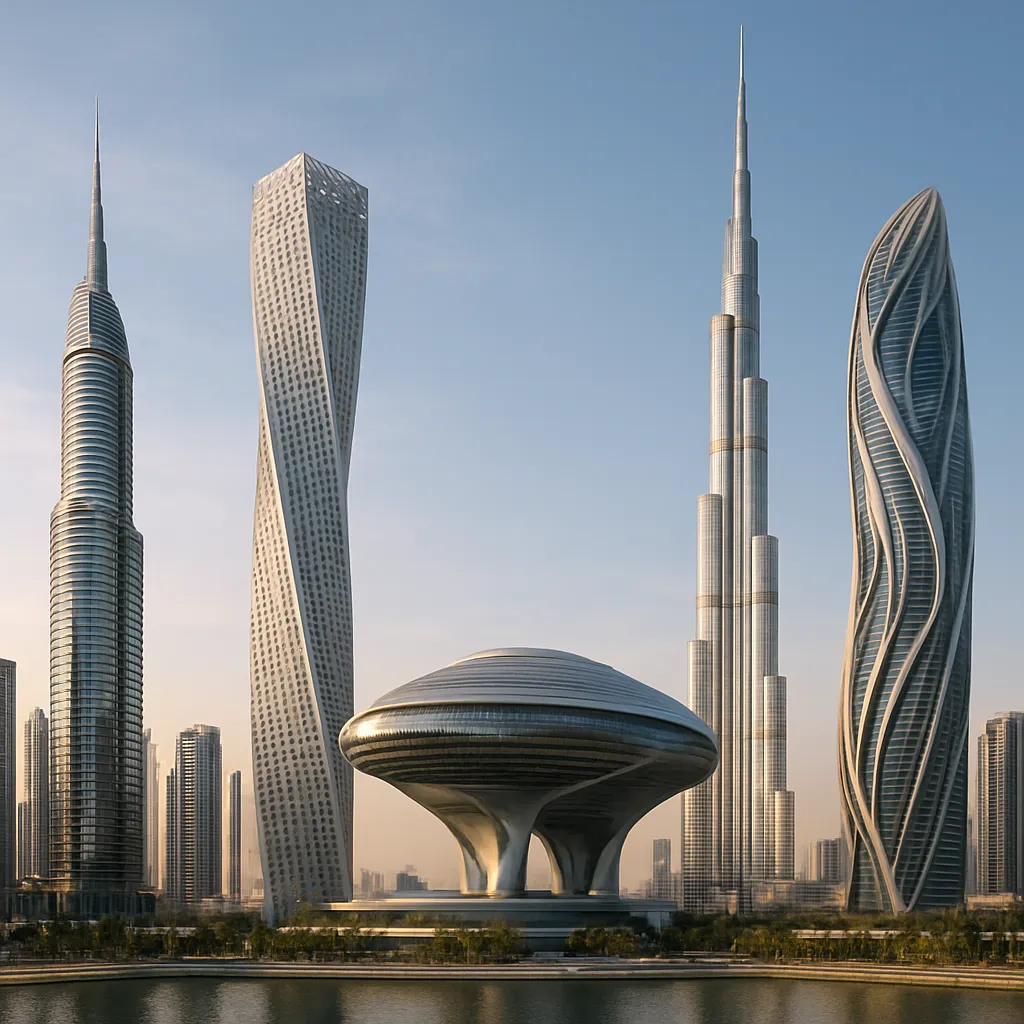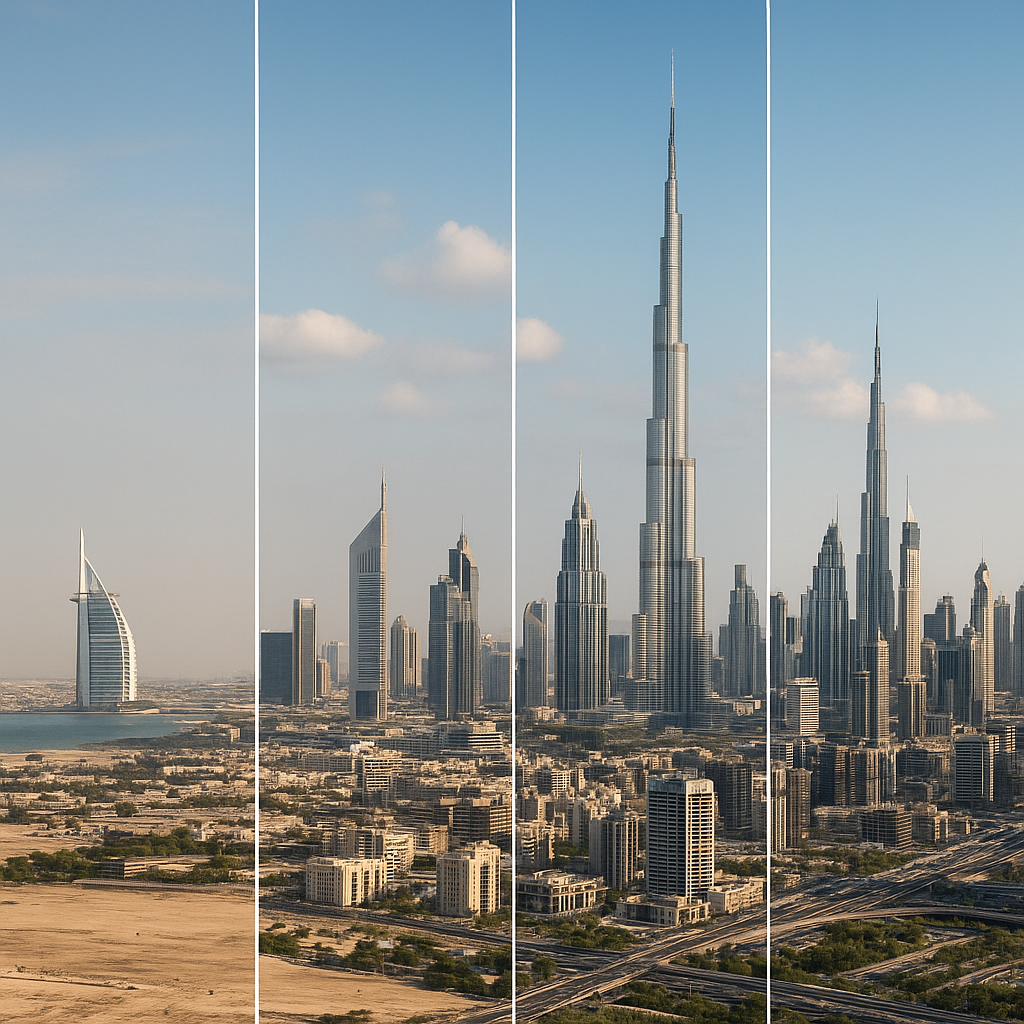
The cityscape that was once dominated by sandy horizons and humble low-rise buildings has undergone a dramatic metamorphosis over the past three decades. Dubai’s relentless drive towards modernity has produced a tapestry of soaring towers, groundbreaking innovations, and landmark projects that have redefined the global perception of urban development. This article traces the pivotal moments and architectural marvels that have shaped the desert metropolis from 1990 through 2025.
Early Growth and Visionary Beginnings (1990s)
In the early 1990s, Dubai was still finding its footing among global centers of trade and tourism. The skyline featured modest clusters of commercial buildings, while construction focused primarily on expanding port facilities and residential compounds. A handful of early projects began to hint at a future of towering ambitions:
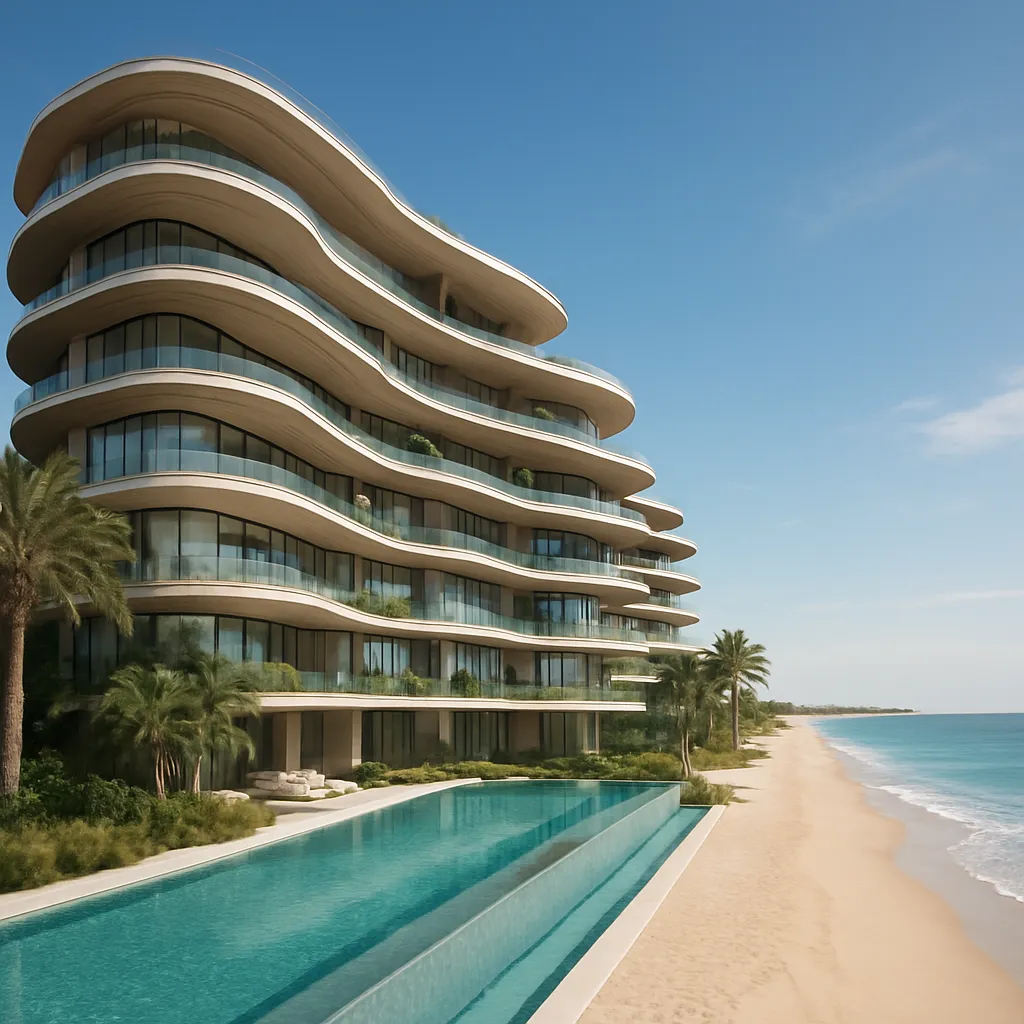
- Jumeirah Beach Hotel (1997) – An architectural tribute to ocean waves that introduced a new standard of luxury.
- World Trade Centre expansion – Strengthening Dubai’s role in international commerce and exhibitions.
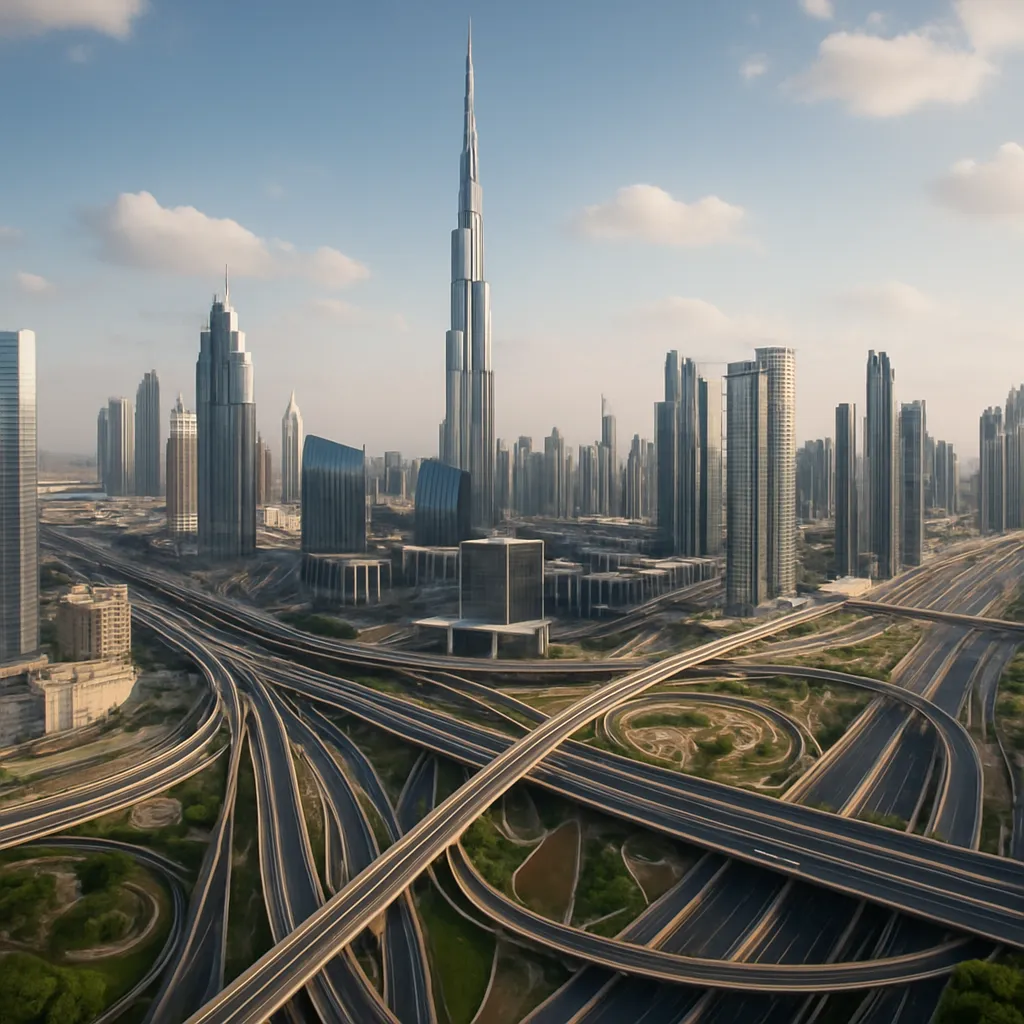
- Sheikh Zayed Road upgrades – Transforming a desert thoroughfare into a modern urban corridor.
These initiatives were underpinned by bold planning, marking the first steps toward a radically new skyline. Government entities and visionary developers forged ahead with infrastructure improvements and regulatory frameworks that encouraged foreign investment. At this stage, conversations around engineering excellence and the promise of world-class hospitality began to take center stage.
The Era of Sky-High Ambitions (2000s–2010s)
As the new millennium dawned, Dubai’s ambitions crystallized in a series of iconic developments that would captivate the world’s attention. The city’s leadership and private investors collaborated to execute projects that defied conventional limits of architecture and scale.
Burj Khalifa and the Pinnacle of Verticality
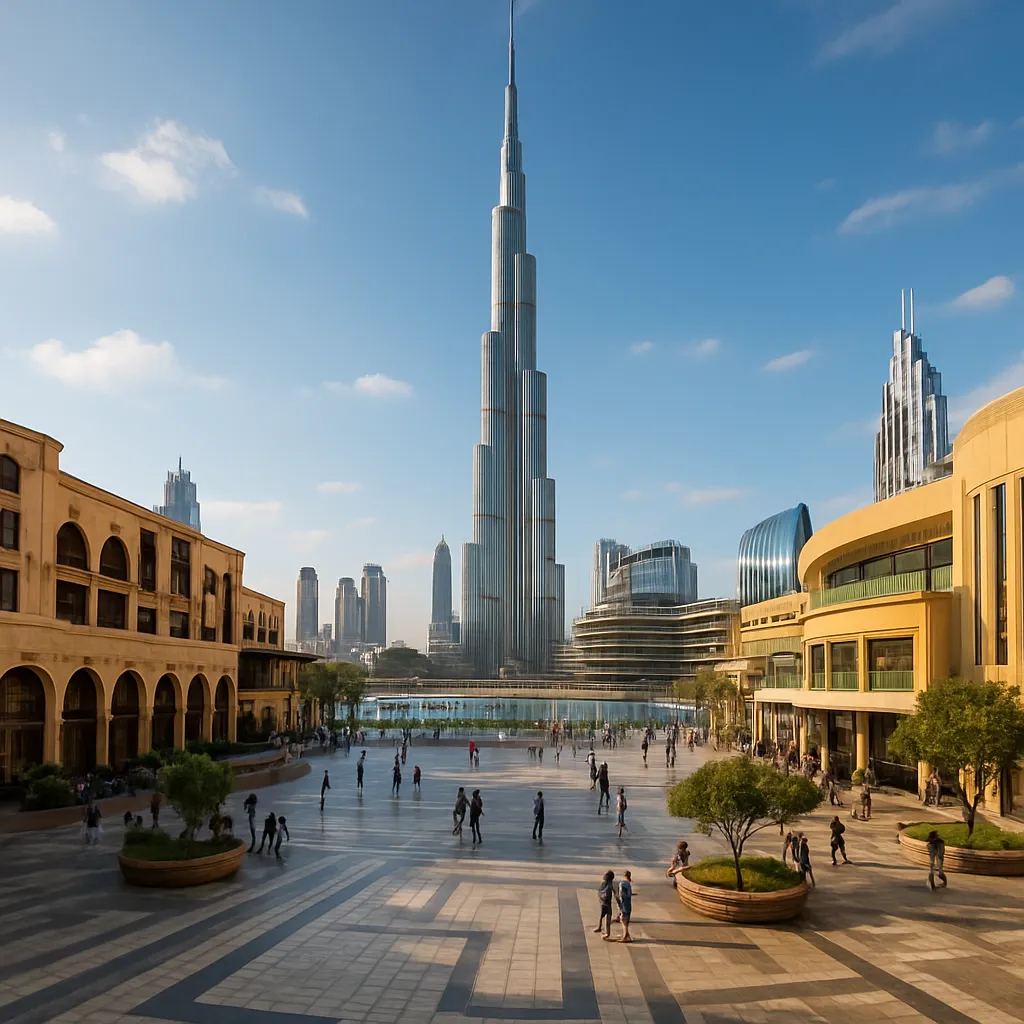
The completion of the Burj Khalifa in 2010 marked a crowning achievement. Soaring at 828 meters, it did not merely become the tallest building on the planet; it represented the triumph of meticulous planning, advanced engineering techniques, and relentless innovation. Key features included:
- Buttressed core structural system for unprecedented height stability.
- High-performance facade engineered to withstand extreme desert temperatures.
- Luxury observatories and mixed-use spaces that elevated tourism and commerce.
Turning the Desert into Islands and Curves
Simultaneously, developers embarked on mega-scale urban schemes that rewrote the rules of coastal planning. Artificial archipelagos like the Palm Jumeirah and the World Islands emerged, showcasing Dubai’s ability to reshape nature through dredging and land reclamation. The Palm’s fronds hosted luxury villas and resorts, while the World Islands project, though slower to complete, promised an exclusive retreat for high-end hospitality brands.
- Palm Jumeirah – A transformation of coastline into iconic palm-shaped landmass.
- The World Islands – A sprawling cluster intended for private and boutique developments.
The decade concluded with Dubai firmly established as a global hub for cutting-edge construction, inspiring architects worldwide to reimagine how cities could rise from barren terrain.
Sustainable Horizons and Future Prospects (2020s–2025)
Entering the 2020s, Dubai faced new challenges: climate resilience, resource conservation, and social inclusivity. The city responded with a suite of projects and policies aimed at ensuring the next generation of skyscrapers would be as sustainable as they were striking.
Expo 2020 Legacy and District 2020
Although delayed by the global pandemic, Expo 2020 Dubai delivered pavilions from over 190 nations, showcasing advances in renewable energy, water management, and circular economies. Post-Expo, the site transitioned into District 2020, an urban laboratory for:
- Sustainability – Solar parks, green roofs, and next-generation cooling systems.
- Smart mobility – Autonomous buses, pedestrian-first pathways, and bike-sharing networks.
- Cultural inclusivity – Co-working hubs, maker spaces, and community gardens.
New Towers and the Quest for Net-Zero
By 2025, new high-rises focused on carbon neutrality and resource efficiency. Several notable developments include:
- Dubai Creek Tower – Planned to eclipse the Burj Khalifa, it embodies structural daring and aims for a minimal ecological footprint.
- Marsa Al Arab waterfront – A mixed-use district integrating desalination-based architecture and heat-recovery systems.
- The Sustainable City expansion – Low-carbon residences powered by rooftop photovoltaics and biophilic design.
Urbanism Reimagined
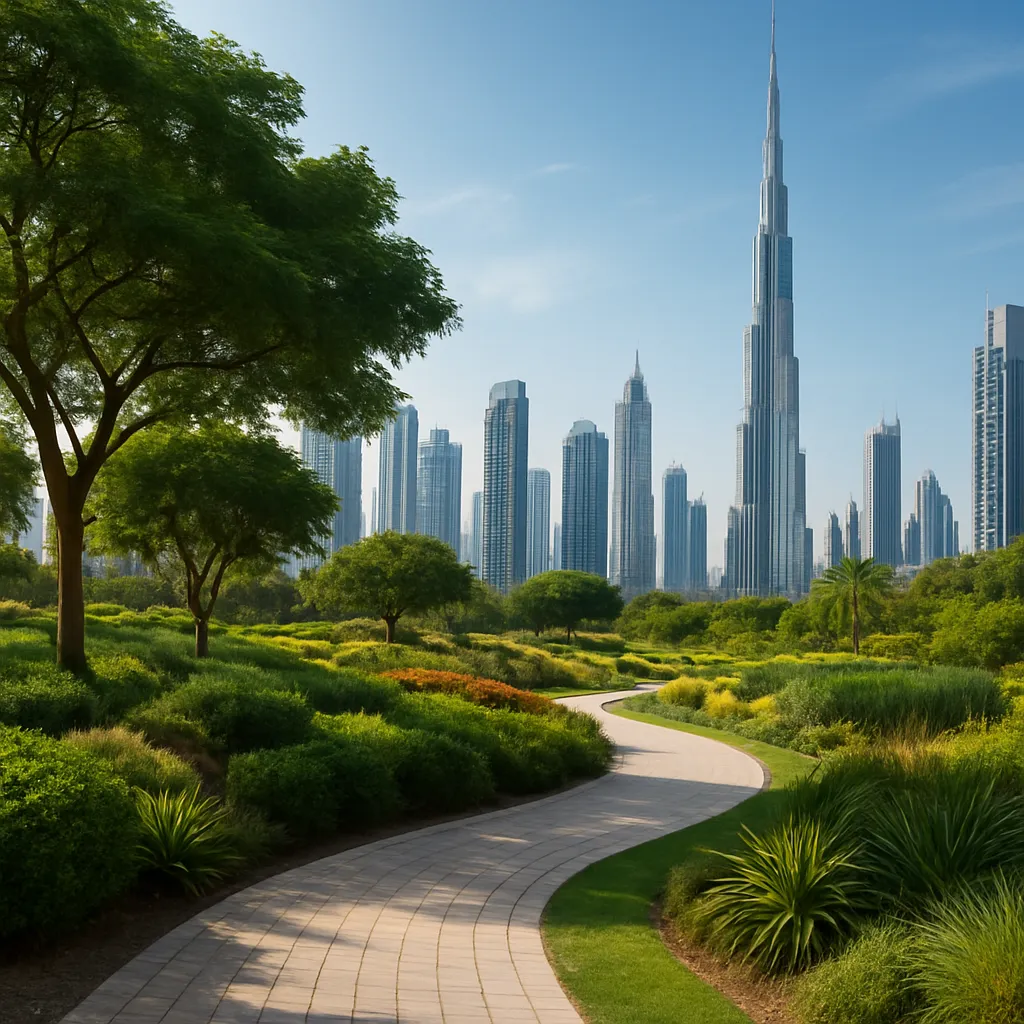
Modern urbanism in Dubai emphasizes walkable neighborhoods, shaded public realms, and integration with the natural landscape. Initiatives such as the Dubai 2040 Urban Master Plan outline a vision where:
- Green belts surround high-density corridors to buffer heat and improve air quality.
- Water features and linear parks create microclimates for year-round activity.
- Adaptive reuse of mid-century structures preserves heritage amidst continual growth.
Through this balanced approach, Dubai seeks to lead the next wave of global cities, where innovation serves both human well-being and planetary health.
Conclusion of Ongoing Transformation
From humble clusters of blocky buildings to a constellation of record-breaking towers and sustainable districts, the journey of Dubai’s skyline is a testament to daring vision and relentless ambition. The narrative from 1990 to 2025 reflects an unyielding commitment to redefining possibility, driven by pioneering skyscrapers, advanced engineering, and an unwavering focus on sustainability. As Dubai continues to evolve, its skyline will undoubtedly remain a global benchmark for architectural excellence and urban transformation.