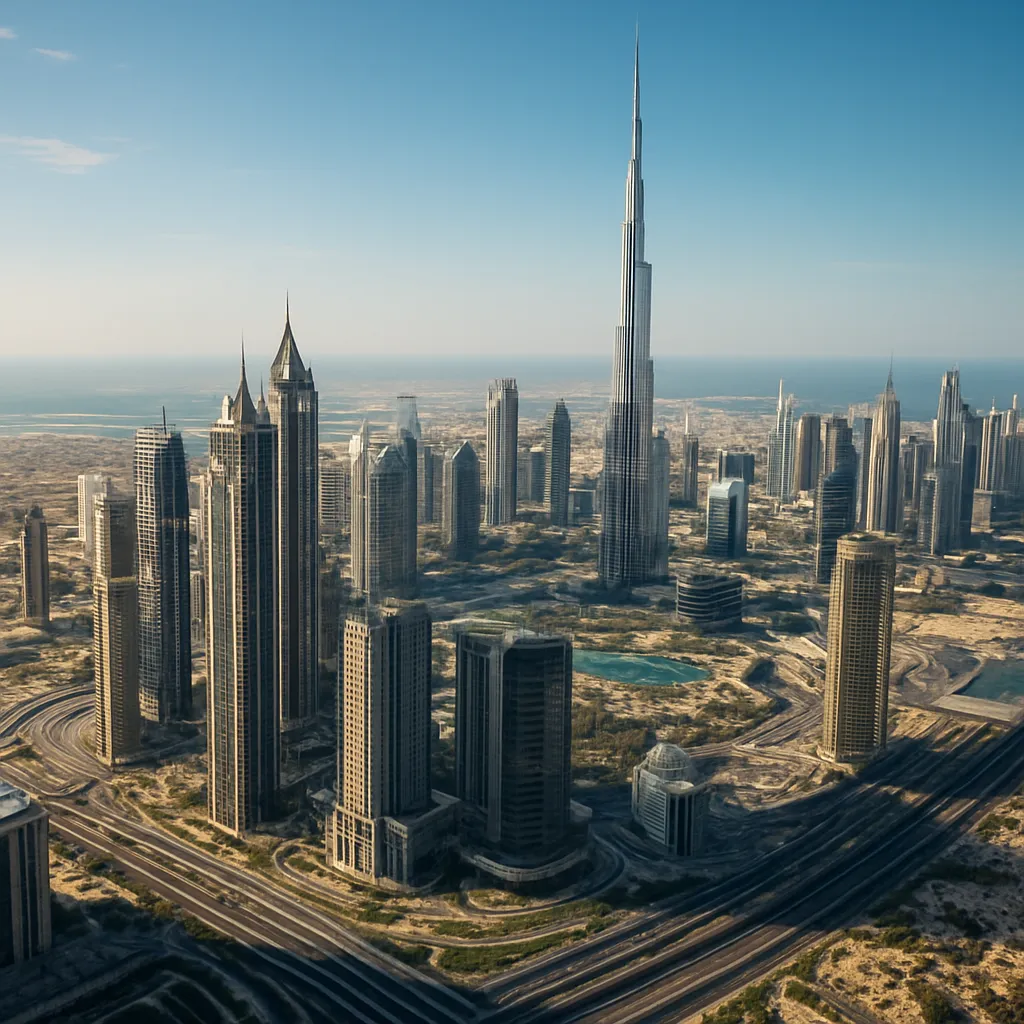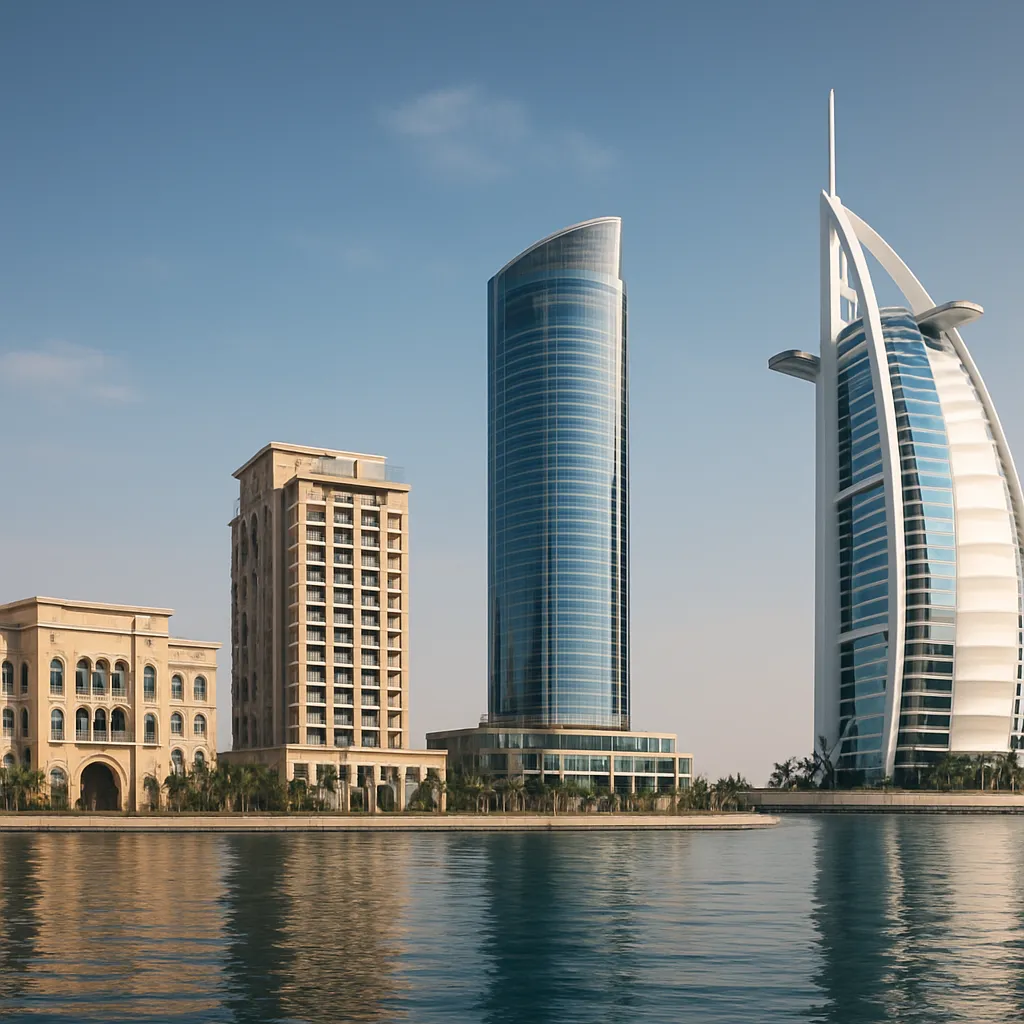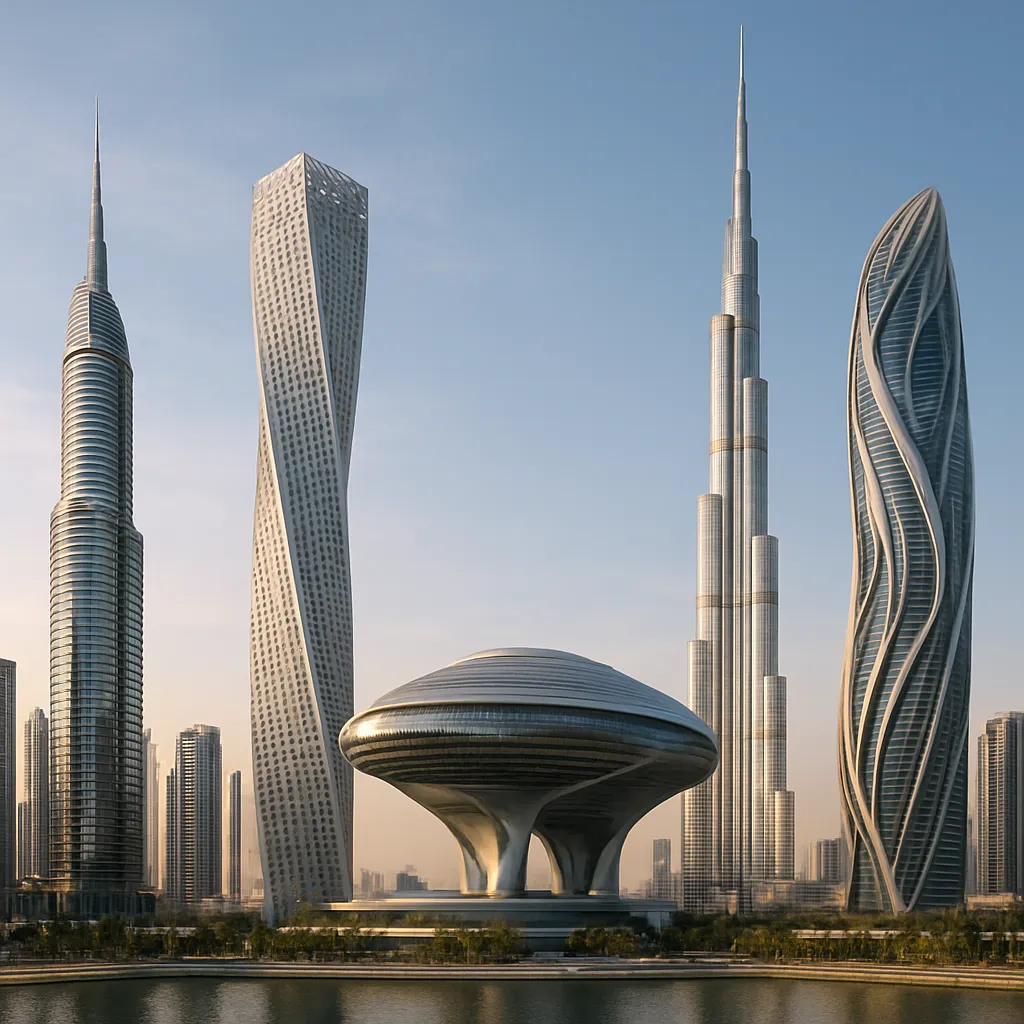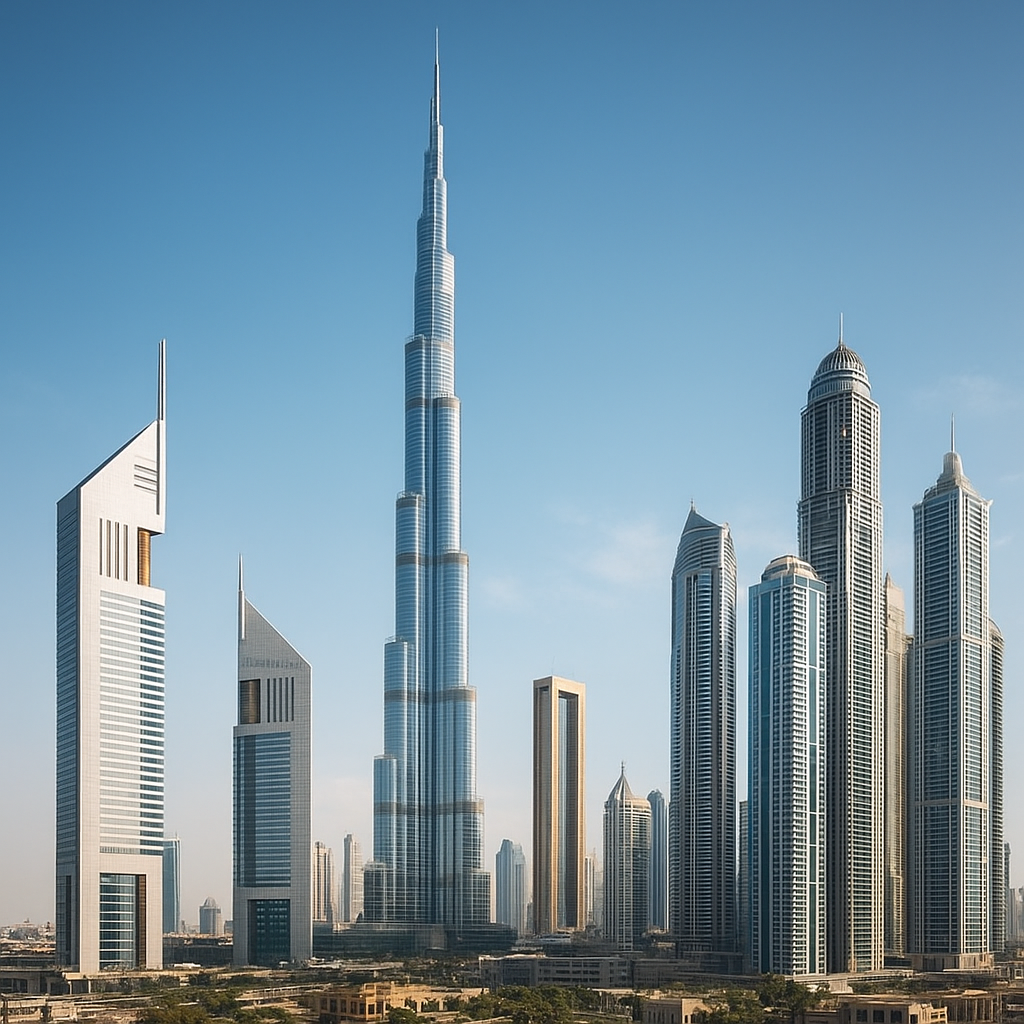
Dubai’s skyline stands as a testament to human ambition and **innovation**, where each towering structure adds to a cityscape defined by bold lines and futuristic silhouettes. From the record-shattering heights of Burj Khalifa to the shimmering glass facades of newer ventures, these buildings reflect Dubai’s drive for **excellence** in **architecture**, **engineering**, and **sustainability**. In this exploration, we delve into the iconic landmarks that have reshaped the city’s identity, the pioneering technologies behind their construction, and the visions that will guide Dubai’s vertical horizon.
Rise of Modern Architecture in Dubai
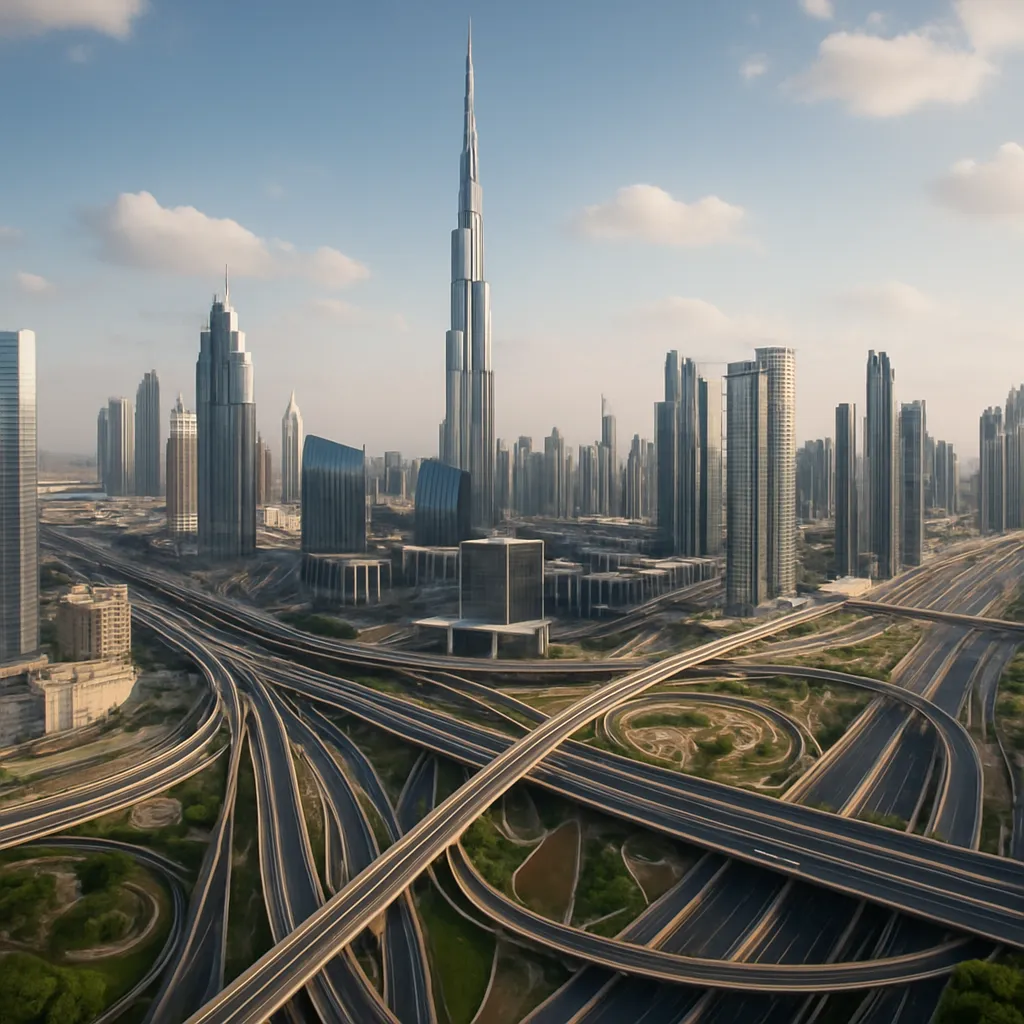
At the turn of the 21st century, Dubai embarked on an ambitious journey to redefine what a city could look like. With the discovery of oil revenues and strategic investments, the emirate became a playground for world-class architects and developers. The result? A staggering collection of skyscraper clusters and ultra-luxurious towers jutting skyward from the desert sands. Metropolitan districts such as Downtown Dubai and Business Bay emerged as epicenters of development, each project pushing the boundaries of height, aesthetics, and structural ingenuity.
Urban planners in Dubai harnessed cutting-edge software and digital modeling to optimize building shapes against wind loads, sunlight exposure, and seismic considerations. The integration of mixed-use podiums, recreational decks, and landscaped plazas transformed the vertical towers into multi-functional communities. Today, the emirate’s skyline is celebrated not only for its dizzying altitude but also for its harmonious blend of residential, commercial, and leisure spaces.
Burj Khalifa: The Reigning King of Heights
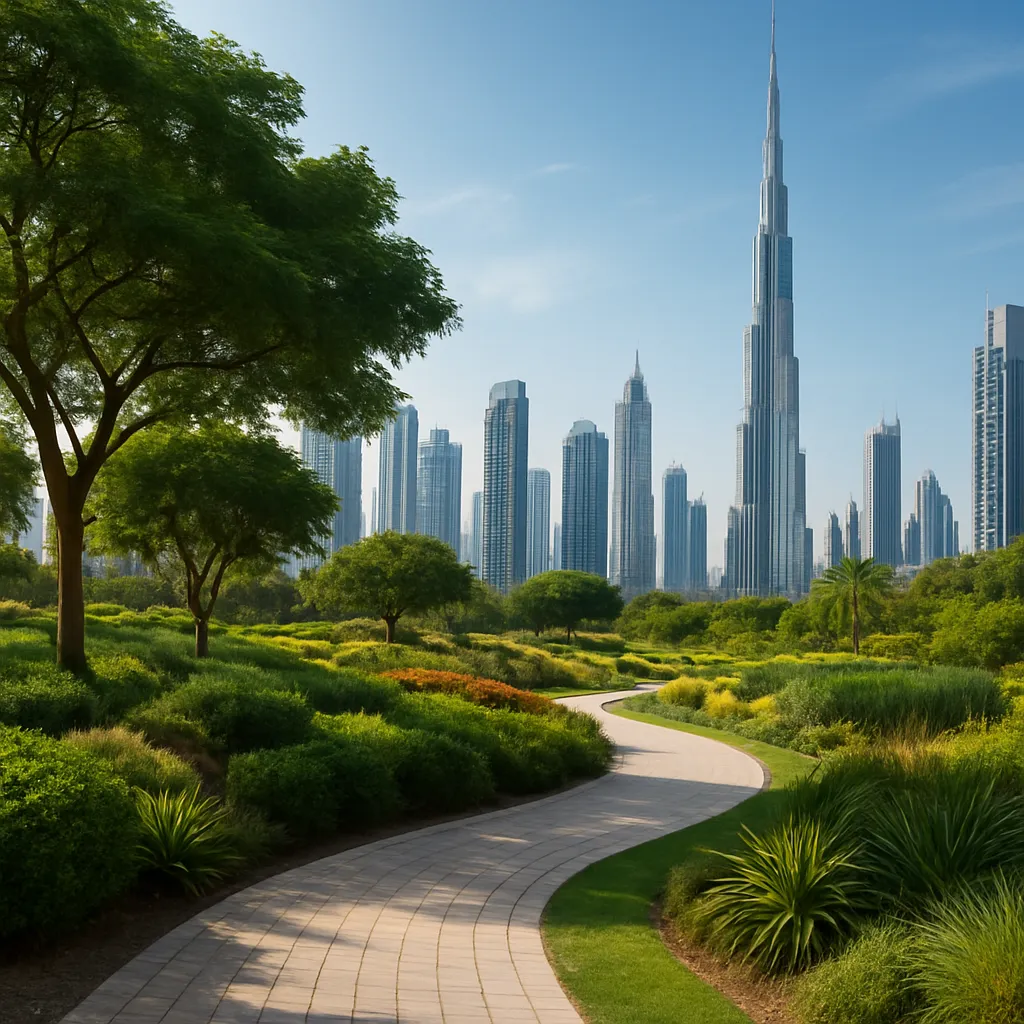
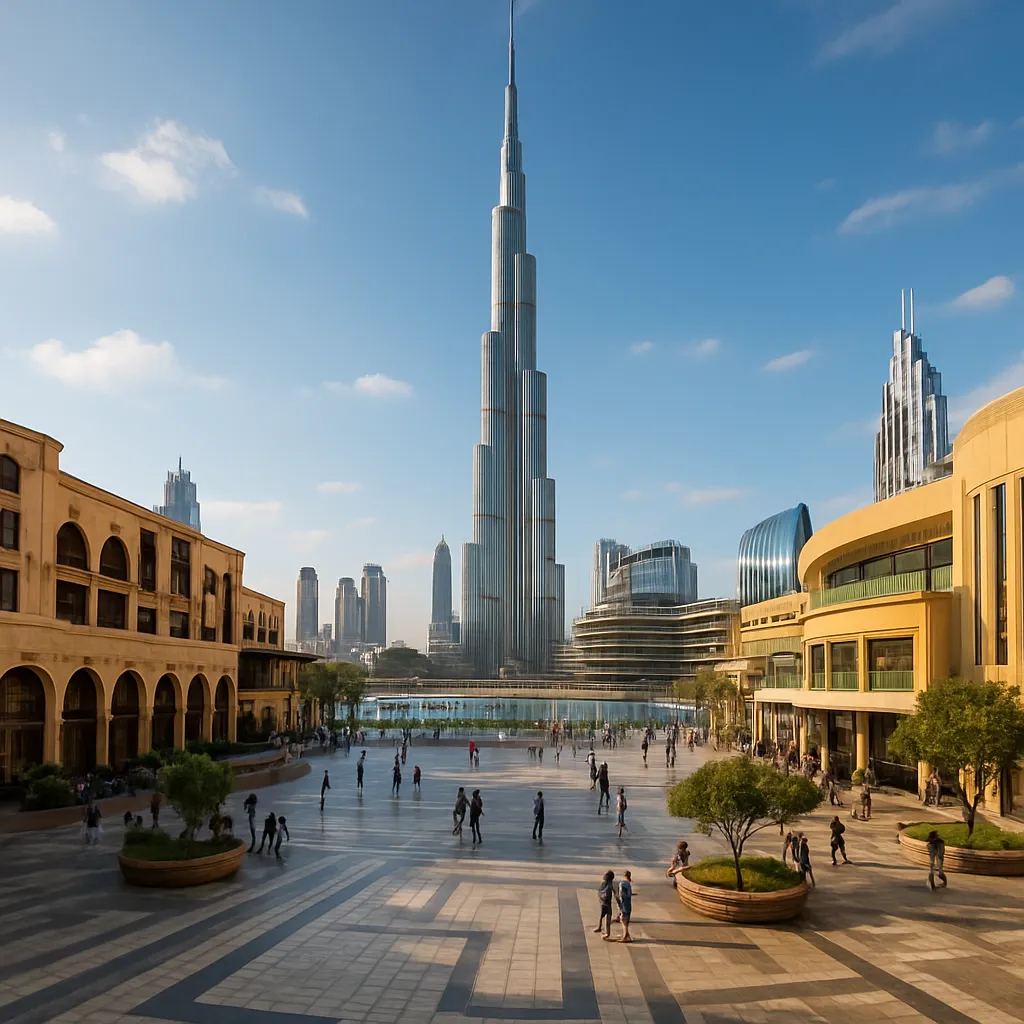
Towering at 828 meters, Burj Khalifa remains the undisputed icon of Dubai’s architectural achievements. Unveiled in 2010, this colossal spire was designed by the global firm Skidmore, Owings & Merrill, under the direction of architect Adrian Smith. The tower’s distinctive Y-shape footprint provides a stable base and maximizes panoramic views across the city, the Arabian Gulf, and the vast desert beyond.
Structural Mastery
- The exterior is clad in over 26,000 reflective glass panels, minimizing solar heat gain and reducing cooling loads—a critical feature in the Middle Eastern climate.
- A high-performance steel and reinforced concrete core resists massive wind forces, while horizontally stacked floors taper as the tower ascends, enhancing stability.
- One of the world’s longest continuous concrete pours—over 40,000 cubic meters—was achieved for the foundation slab, illustrating the project’s logistical prowess.
Visitor Experience and Amenities
Beyond breaking records, Burj Khalifa offers residents and visitors an unparalleled experience. Luxury **residences** occupy its midsection, while the renowned Armani Hotel filled the lower floors with sleek designs by Giorgio Armani. “At the Top” observation decks on levels 124 and 148 grant a bird’s-eye view of the emirate, accessed by double-deck high-speed elevators traveling at 10 m/s.
Innovations in Sustainable Skyscrapers
With global attention on environmental impact, Dubai’s developers are increasingly committed to **sustainability**. New towers incorporate passive design strategies—such as optimized orientation to harness natural ventilation—and active systems like photovoltaic panels and greywater recycling. Two standout projects epitomize this shift:
Dubai International Financial Centre (DIFC) Gate Building
This iconic structure features solar shading fins that adjust to the sun’s trajectory, reducing glare and heat ingress. A sophisticated Building Management System (BMS) controls lighting, temperature, and humidity in real time, achieving significant energy savings. Rainwater harvesting collects monsoon runoff, irrigating rooftop gardens that serve as communal green spaces.
Masdar City Headquarters
Though technically outside Dubai proper, Masdar City represents the region’s vision for zero-**carbon** construction. Its compact layout utilizes narrow, shaded streets to channel cooling breezes. Buildings are grouped for mutual protection against desert winds, while rooftop photovoltaic arrays power communal amenities. Lessons learned here influence high-rise projects in Dubai aiming for LEED and Estidama certifications.
Beyond Heights: Iconic Mixed-Use Complexes
Vertical megaprojects in Dubai transcend single-purpose towers. Mixed-use developments unite offices, hotels, residences, and cultural venues under one roof. Three emblematic complexes illustrate this trend:
- Jumeirah Beach Residences (JBR): A waterfront promenade lined with twin towers housing retail outlets, dining terraces, and family-friendly attractions. Its public beach access fosters a seamless transition from urban living to leisure by the sea.
- Dubai Marina: With over 200 residential towers encircling a man-made canal, this vibrant district rivals Monaco in density and glamour. Floating yachts, al fresco cafes, and nightly cruises create a dynamic shoreline environment.
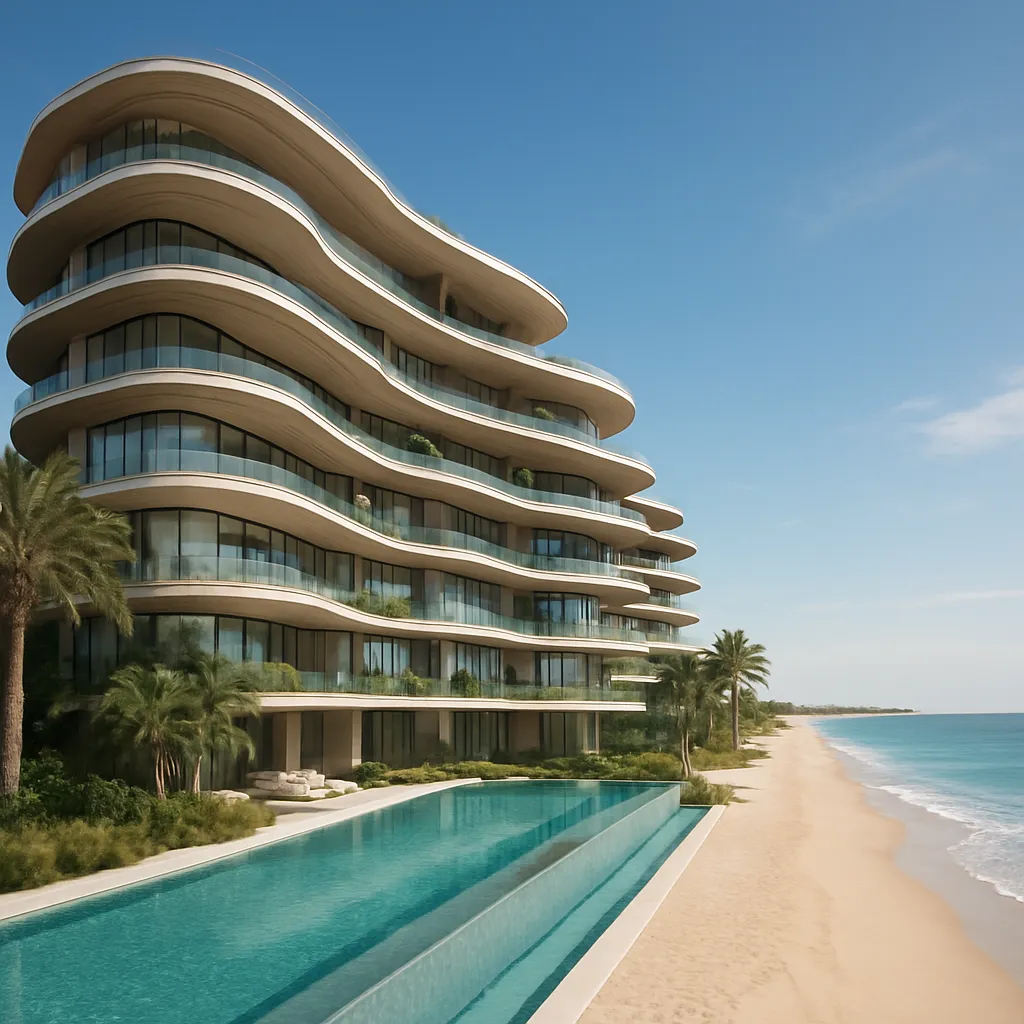
- The Palm Jumeirah: A hand-shaped island hosting luxury suburbs, five-star resorts, and the famous Atlantis hotel. Each “frond” supports affluent villas with private beachfronts, while the central trunk accommodates high-rise apartments and communal facilities.
Engineering Feats and Technological Advances
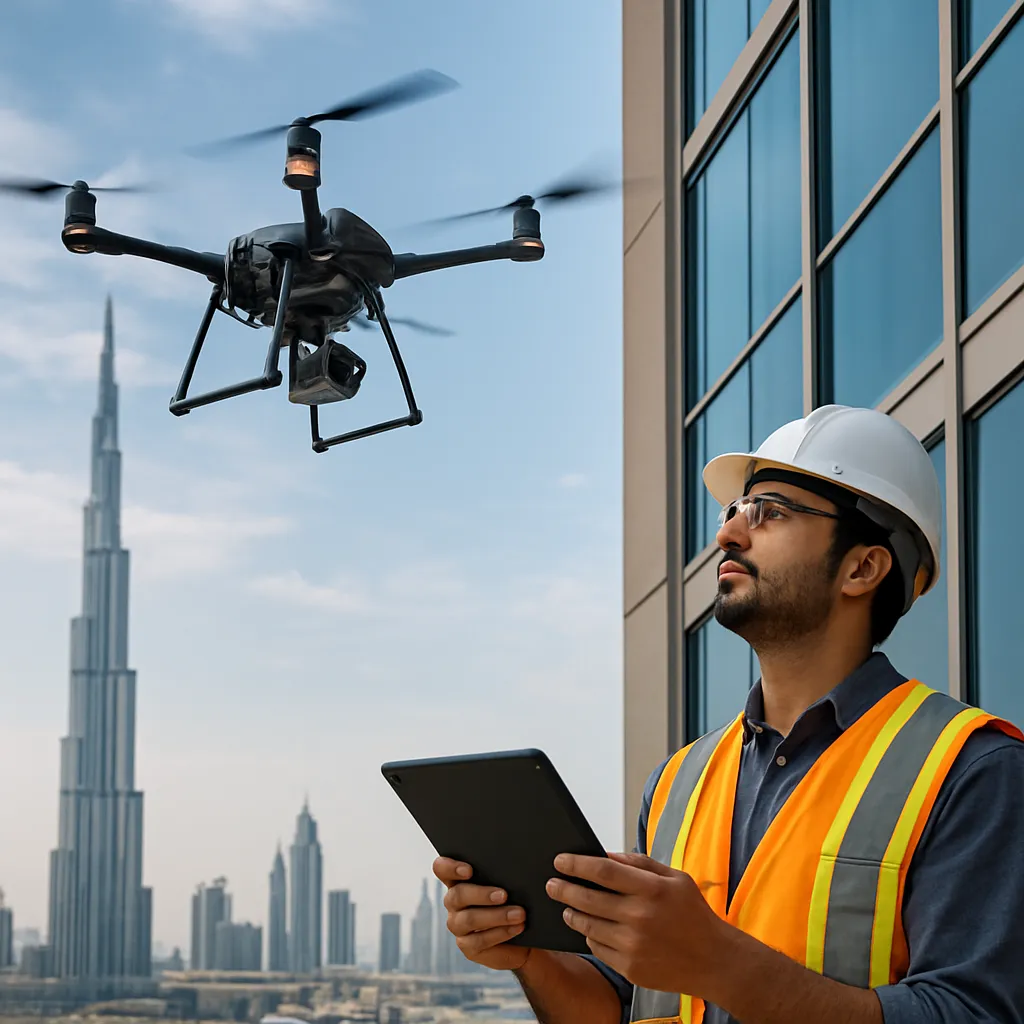
Constructing supertall towers in the Arabian Peninsula presents unique challenges—shoreline settlement, extreme heat, and sandstorms demand rigorous engineering solutions. Hydrogeologists manage groundwater to prevent corrosion of subterranean structures, while specialized concrete mixtures resist thermal expansion. Drones now assist in façade inspections, dramatically improving safety and reducing maintenance costs.
In 2022, a trial of self-healing concrete was conducted at a Dubai site, embedding microcapsules that release sealant when cracks appear. This innovation promises to extend the lifespan of critical load-bearing elements. Similarly, modular construction techniques—assembling prefabricated units off-site—are shortening timelines and mitigating labor constraints.
Future Skyline Visions
Dubai’s architects and developers are far from complacent. Several projects are poised to redefine vertical limits and aesthetic ideals:
- Merdeka 118: Though based in Kuala Lumpur, its developers are collaborating with Dubai firms to apply similar vertical zoning concepts locally—combining observatories, art galleries, and sky gardens in compact clusters.
- The Opus: Designed by Zaha Hadid Architects, this fluid-shaped tower in Business Bay will feature a central void, creating an “architectural monolith” that blends public and private spaces in a single continuous form.
- Dubai Creek Tower: Once completed, it aspires to surpass Burj Khalifa in height. Supported by a web of steel cables anchored to a central mast, the tower will resemble a giant dandelion, symbolizing growth and resilience.
As Dubai continues to chart new frontiers in urban design and construction, its buildings stand as more than mere structures—they represent ambition, technological **prowess**, and cultural aspiration. Each skyscraper, mixed-use complex, and experimental tower contributes to a living tapestry, showcasing the emirate’s commitment to shaping the future of modern **metropolises**.