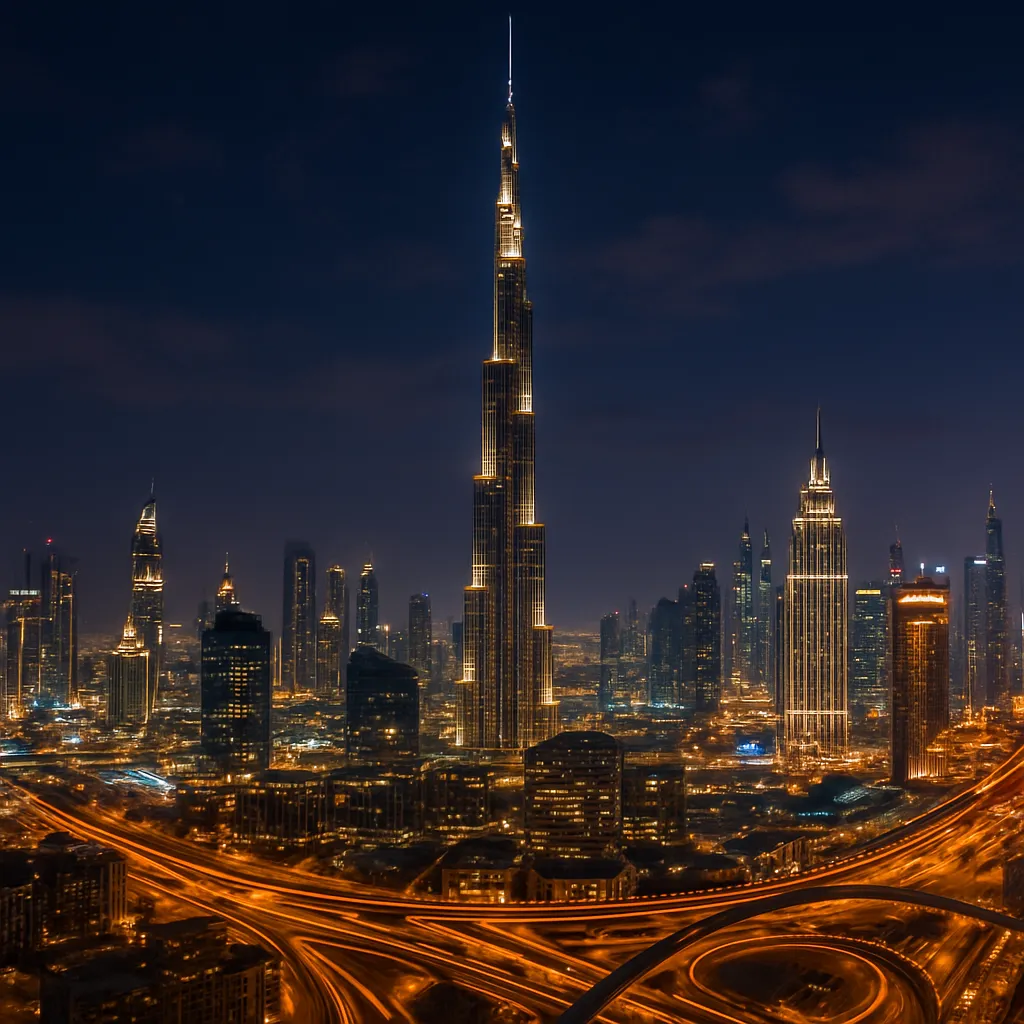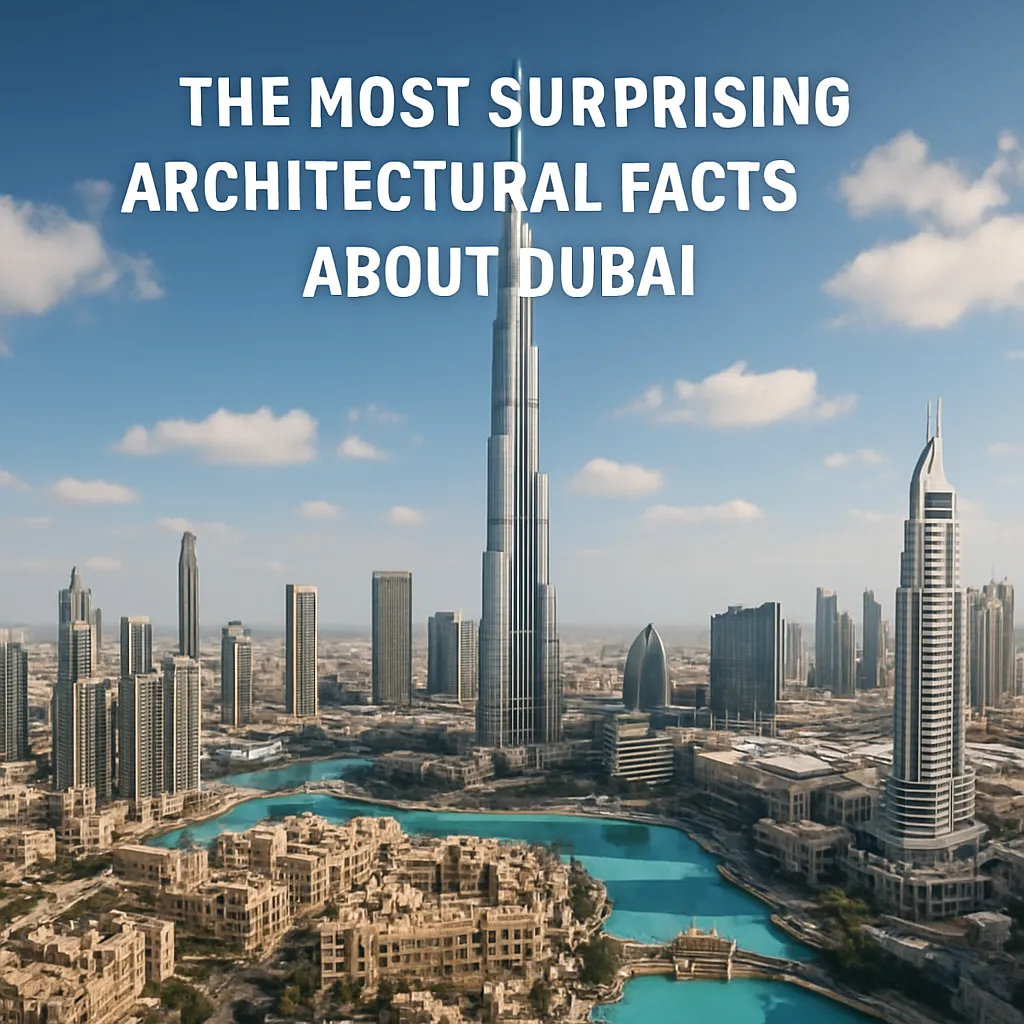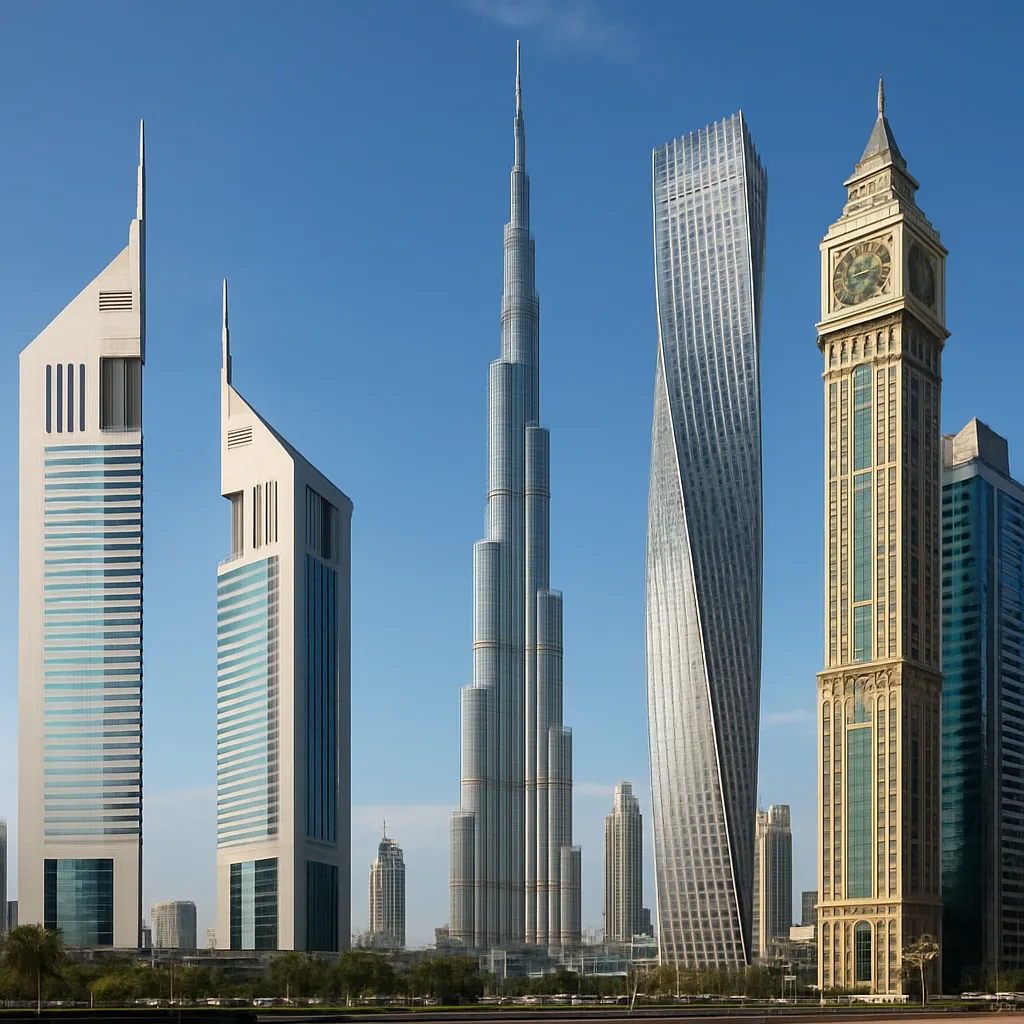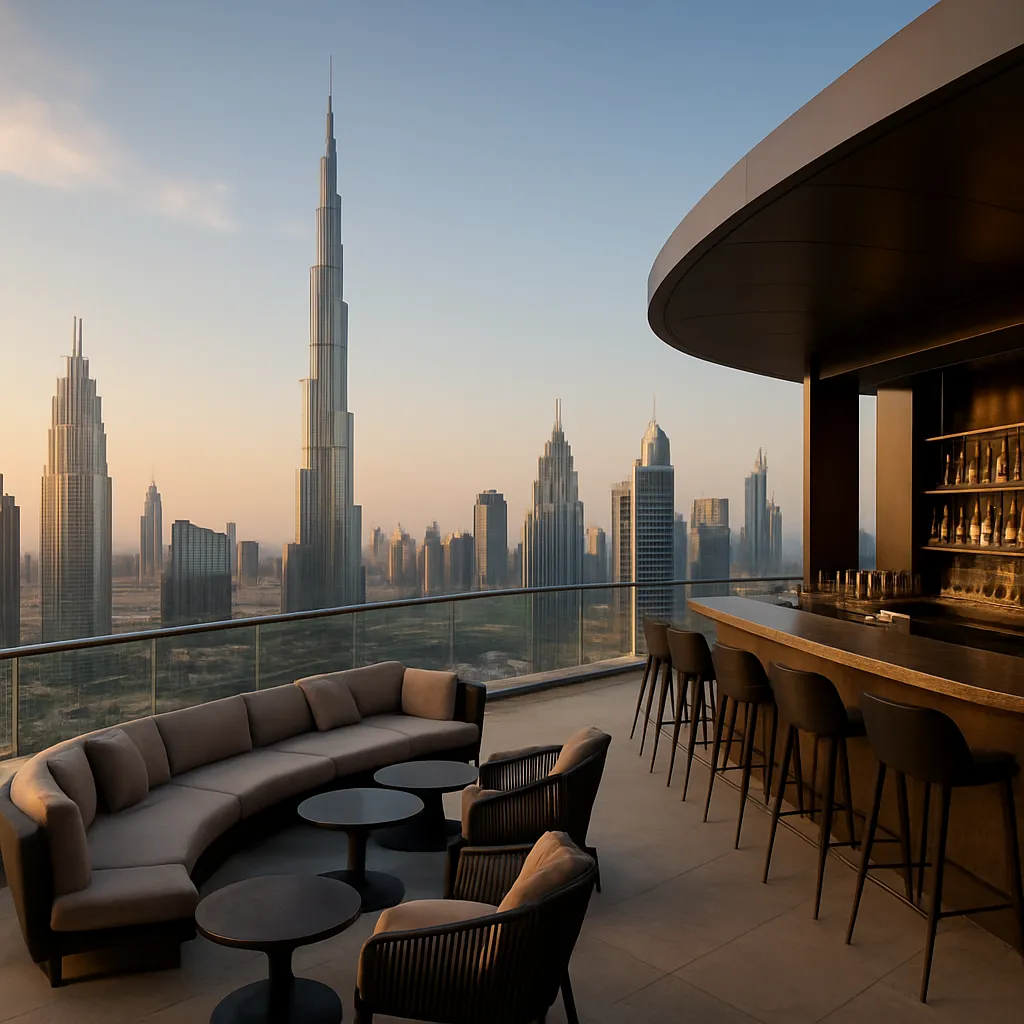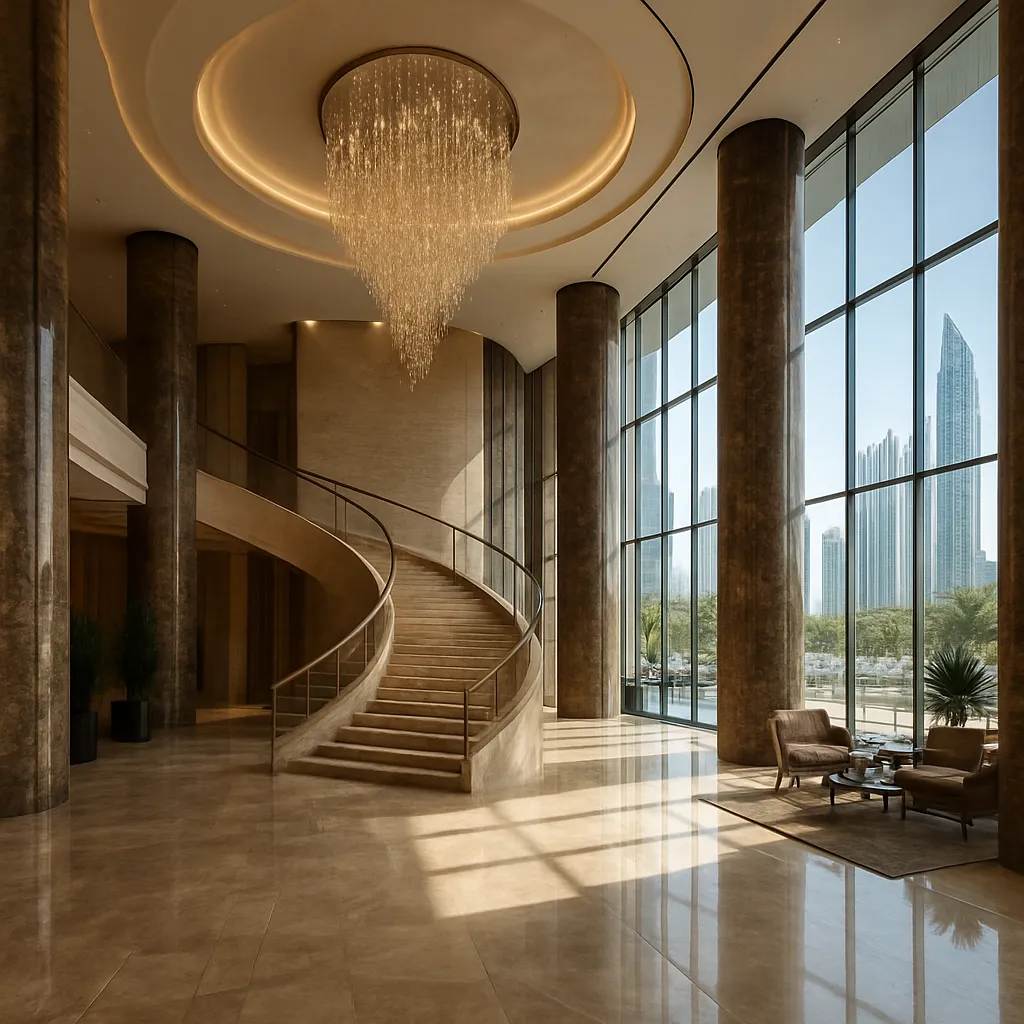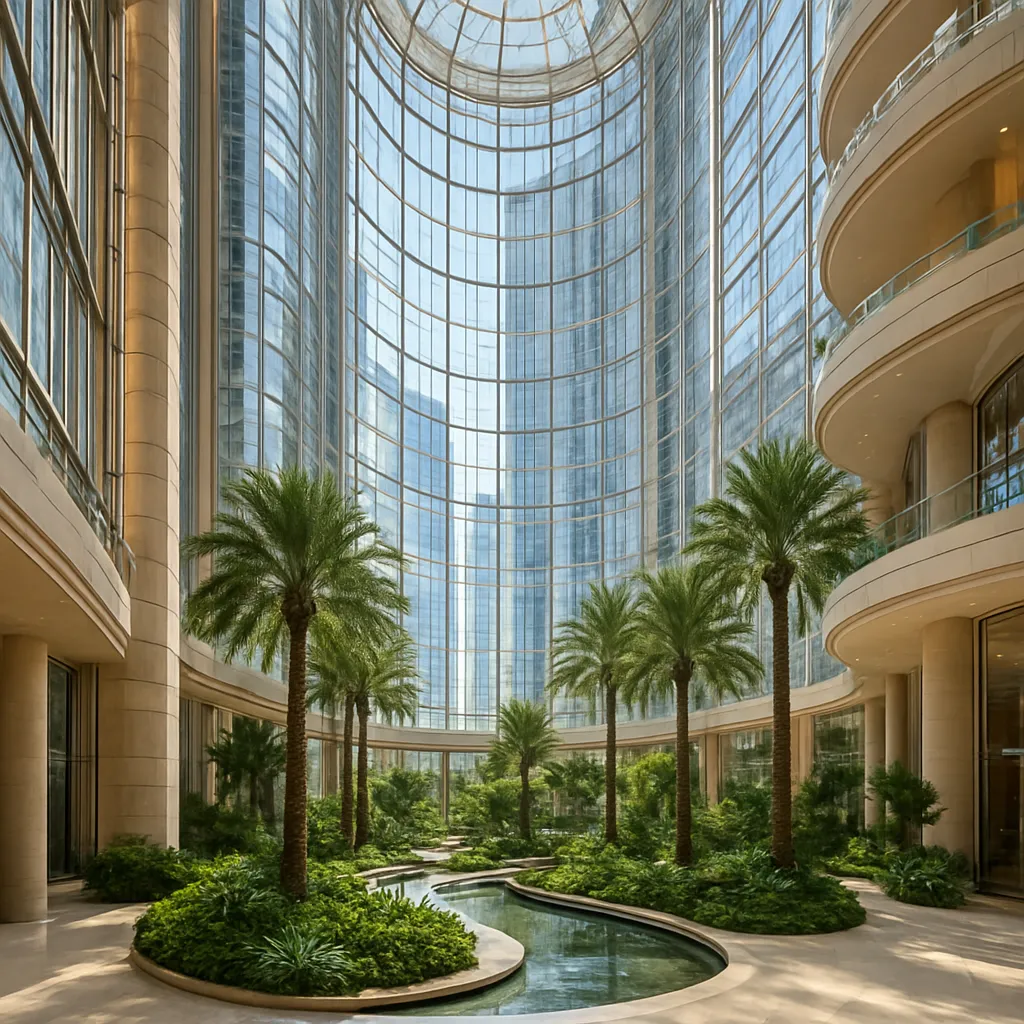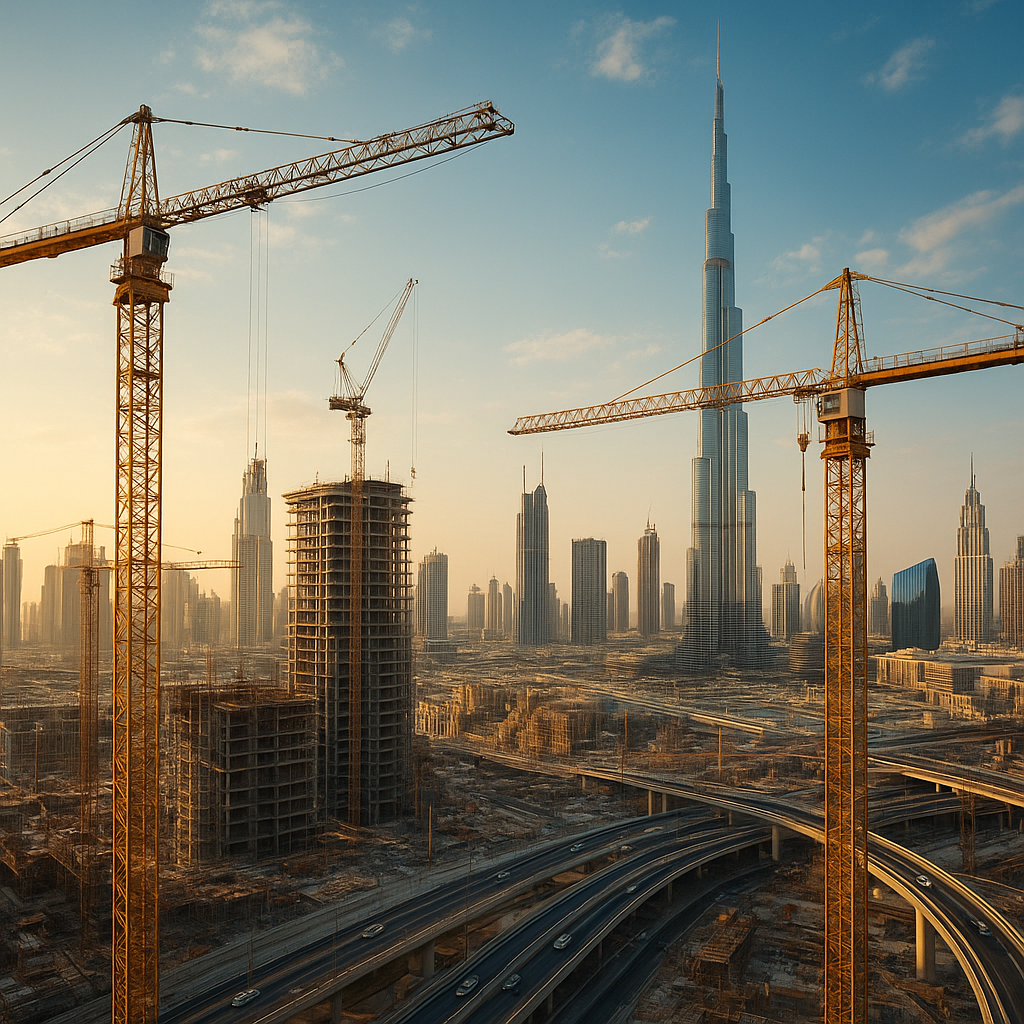
Dubai’s skyline, punctuated by gleaming towers and ambitious projects, is a testament to a city that has mastered the art of rapid construction without compromising quality. From the record-setting Burj Khalifa to the sprawling developments of artificial islands, Dubai continually pushes the boundaries of possibility. This article explores the key factors behind Dubai’s unparalleled building speed, examining cutting-edge methods, regulatory efficiencies, and a workforce culture that fosters groundbreaking achievements.
Engineering Marvels and Advanced Technologies
The secret behind Dubai’s ability to erect skyscrapers at record pace lies in its commitment to innovation. Engineers and architects collaborate closely with research institutions to integrate the latest methods into every stage of a project. Three pillars—engineering, innovation, and automation—form the foundation of these successes.
Prefabrication and Modular Construction
One of the most transformative techniques has been the adoption of prefabrication. Components such as wall panels, floor slabs, and even entire room modules are manufactured offsite under controlled conditions. This approach reduces waste, enhances precision, and allows on-site crews to assemble complex structures with unprecedented speed.
- Enhanced Quality Control: Factory conditions ensure consistent tolerances.
- Simultaneous Operations: Site preparation and module fabrication occur in parallel.
- Eco-Friendly Processes: Waste reduction supports sustainability goals.
Building Information Modeling (BIM)
BIM platforms serve as digital blueprints that streamline coordination among architects, engineers, and contractors. By visualizing every pipe, beam, and electrical conduit in 3D, teams can detect clashes before they become costly delays. This digital groundwork is vital for projects like the Dubai Creek Tower, where precision is non-negotiable.
Streamlined Processes and Regulatory Framework
Dubai’s government has cultivated an agile regulatory environment that balances safety with rapid approvals. A central digital portal integrates all permitting steps, dramatically cutting down bureaucratic lead times. This cohesive structure underpins the city’s hallmark efficiency.
Unified Approval System
The Dubai Municipality’s e-permit platform consolidates applications for zoning, environmental assessments, and construction licenses. By automating routine checks and using AI-driven validation, the system issues approvals within days rather than months. Developers benefit from:
- Transparent Tracking: Real-time status updates eliminate guesswork.
- Integrated Inspections: On-site inspections scheduled immediately after digital sign-off.
- Predictable Timelines: Developers can plan with confidence, reducing idle time.
Zoning Flexibility and Master Plans
Strategic land-use policies—anchored by long-term visions like Masterplan 2040—provide clarity on permissible densities, building heights, and mixed-use allocations. This foresight minimizes last-minute redesigns and aligns investor expectations with municipal objectives.
Human Capital and Workforce Management
Dubai’s construction sites are vibrant hubs where thousands of skilled workers converge. A robust ecosystem of training academies, safety certifications, and on-the-job learning ensures that every laborer and technician can contribute to a high-velocity environment.
Specialized Training Programs
The Dubai Center for Construction Training (DCCT) and similar institutions offer courses in advanced welding, high-rise safety, and crane operation. By achieving resilience in skills, these professionals adapt quickly to novel challenges, such as installing façade elements at dizzying heights or handling state-of-the-art machinery.
Performance Incentives and Collaboration
Construction companies align financial incentives with milestone achievements. Bonuses tied to early completion motivate cohesive teamwork. Regular cross-disciplinary workshops—bringing together architects, site engineers, and logistics managers—foster a culture of shared responsibility and innovation.
Logistics and Supply Chain Optimization
Managing the flow of millions of tons of materials demands a logistics strategy as advanced as the construction techniques themselves. Dubai leverages a multi-modal transport network, combining ports, airports, and highways to maintain uninterrupted supply chains.
Port and Airport Integration
Jebel Ali Port, one of the world’s busiest, and Al Maktoum International Airport operate as synchronized entry points for steel, concrete, and high-tech components. Just-in-time delivery strategies ensure that cranes receive critical shipments exactly when needed, minimizing on-site storage and clutter.
Digital Tracking and Inventory Control
RFID tags and IoT sensors embedded in shipments provide real-time location data and condition monitoring. Project managers can forecast material arrivals, preventing holdups caused by missing or damaged goods. This digital oversight supports continuous workflows and reduces costly downtime.
Environmental Sustainability and Resilience
While speed is vital, Dubai also champions sustainability and climate resilience. Innovative materials and green building practices ensure that rapid construction does not come at the expense of environmental stewardship.
Eco-Friendly Materials
Developers increasingly adopt low-carbon concrete mixes, recycled steel, and energy-efficient glazing. These technologies not only lower carbon footprints but also meet the city’s stringent green building codes. Landmark projects such as the Sustainable City showcase how speed and ecology can coexist.
Climate-Adaptive Design
Dubai’s extreme temperatures and occasional sandstorms demand buildings that withstand harsh conditions. Specialists simulate wind loads, thermal stress, and solar exposure in digital models, enabling architects to refine elements like shading devices, insulation layers, and aerodynamic shapes.
The Future of High-Velocity Construction
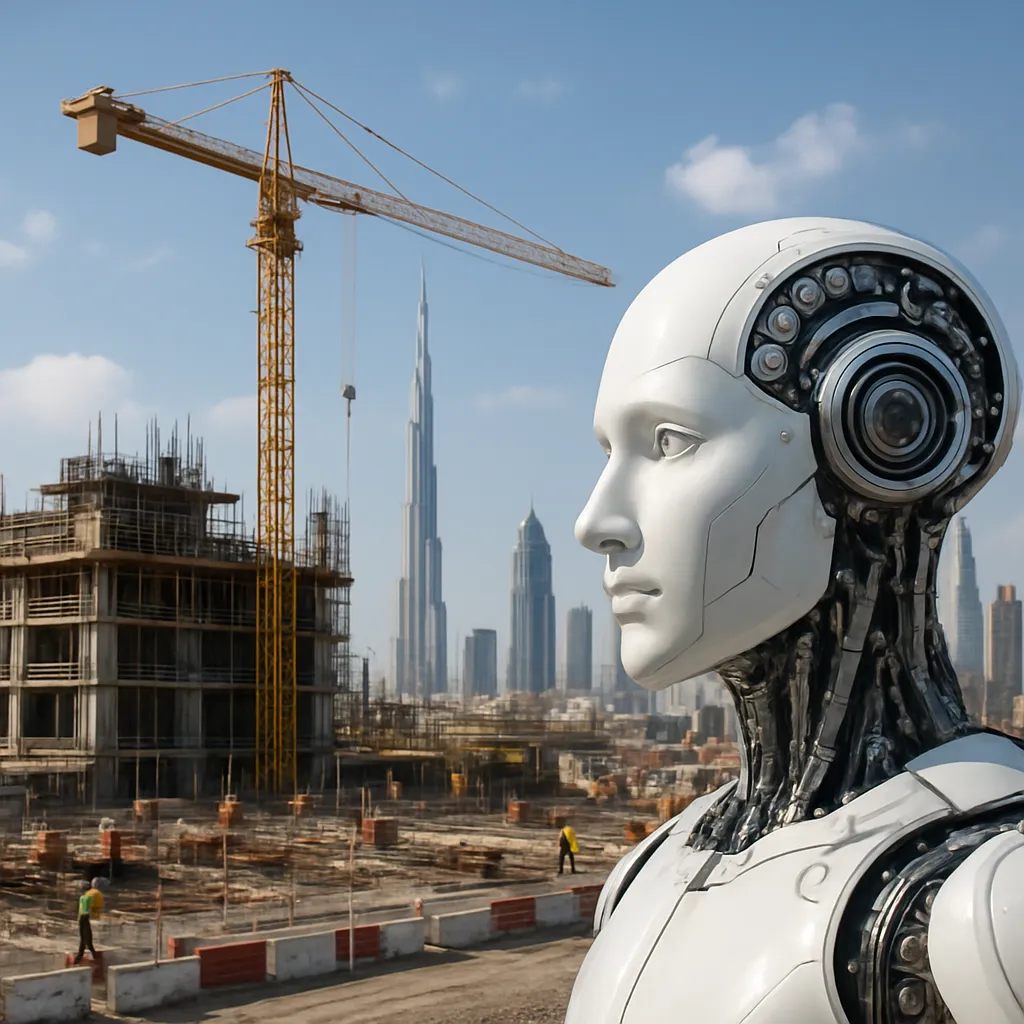
The forthcoming era in Dubai construction will harness robotics, 3D printing, and artificial intelligence more extensively. Autonomous bricklaying robots and concrete printers promise to shave weeks off conventional timelines. Predictive analytics, powered by machine learning, will optimize resource allocation down to the hour.
- Robotic Assembly: Automated teams erect structural components with millimeter precision.
- 3D-Printed Structures: Complex geometries produced on-site reduce material waste.
- AI-Driven Scheduling: Dynamic project plans that adapt in real time to weather, labor, and supply shifts.
Through a combination of visionary planning, cutting-edge technology, and a collaborative spirit, Dubai continues to redefine what is possible in the built environment. The city’s unwavering pursuit of excellence ensures that its construction speed remains a benchmark for the world.