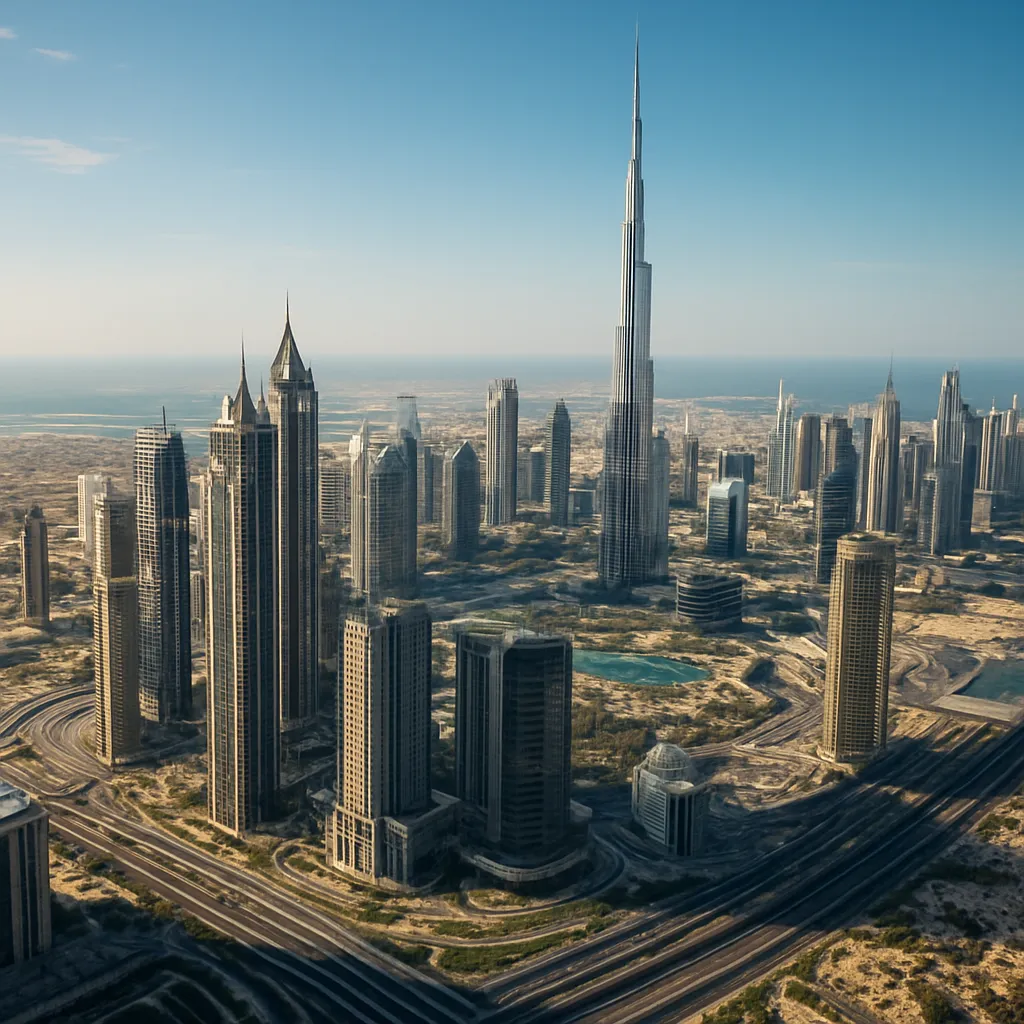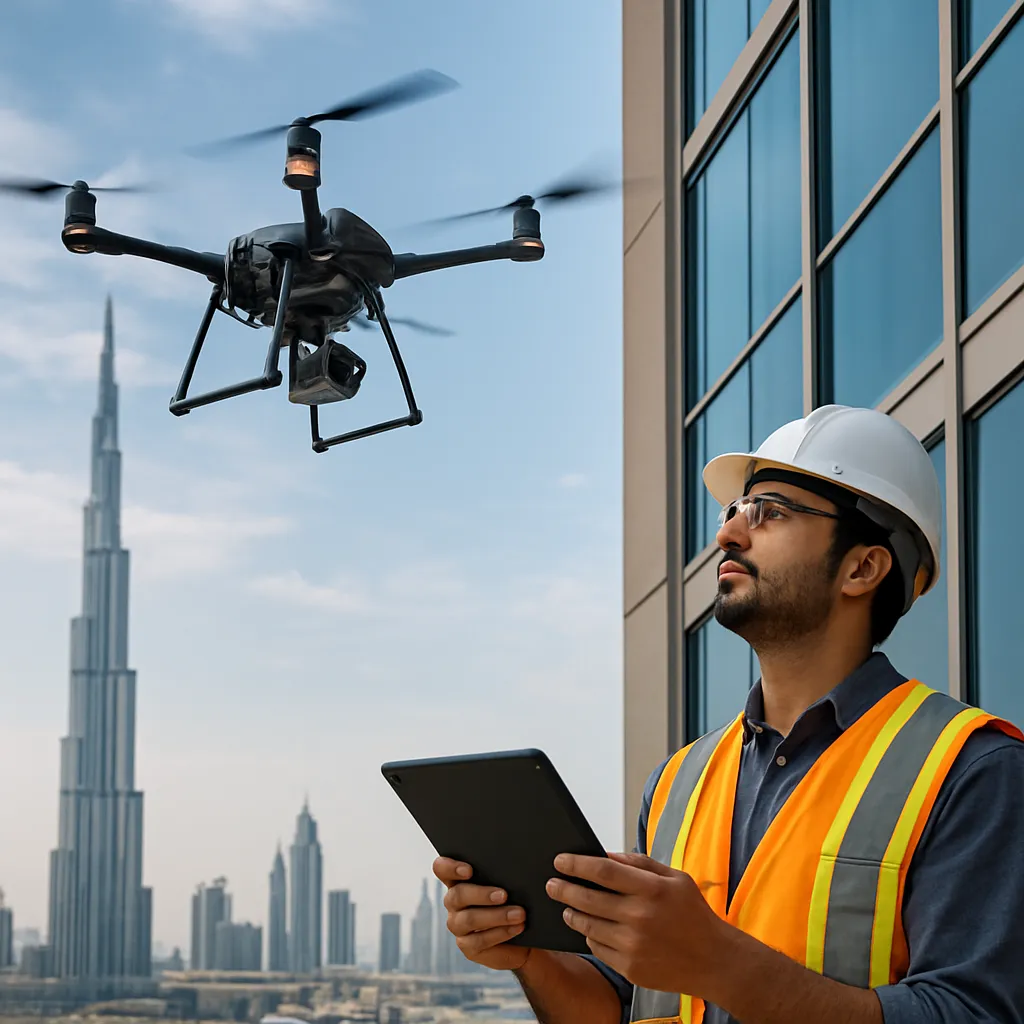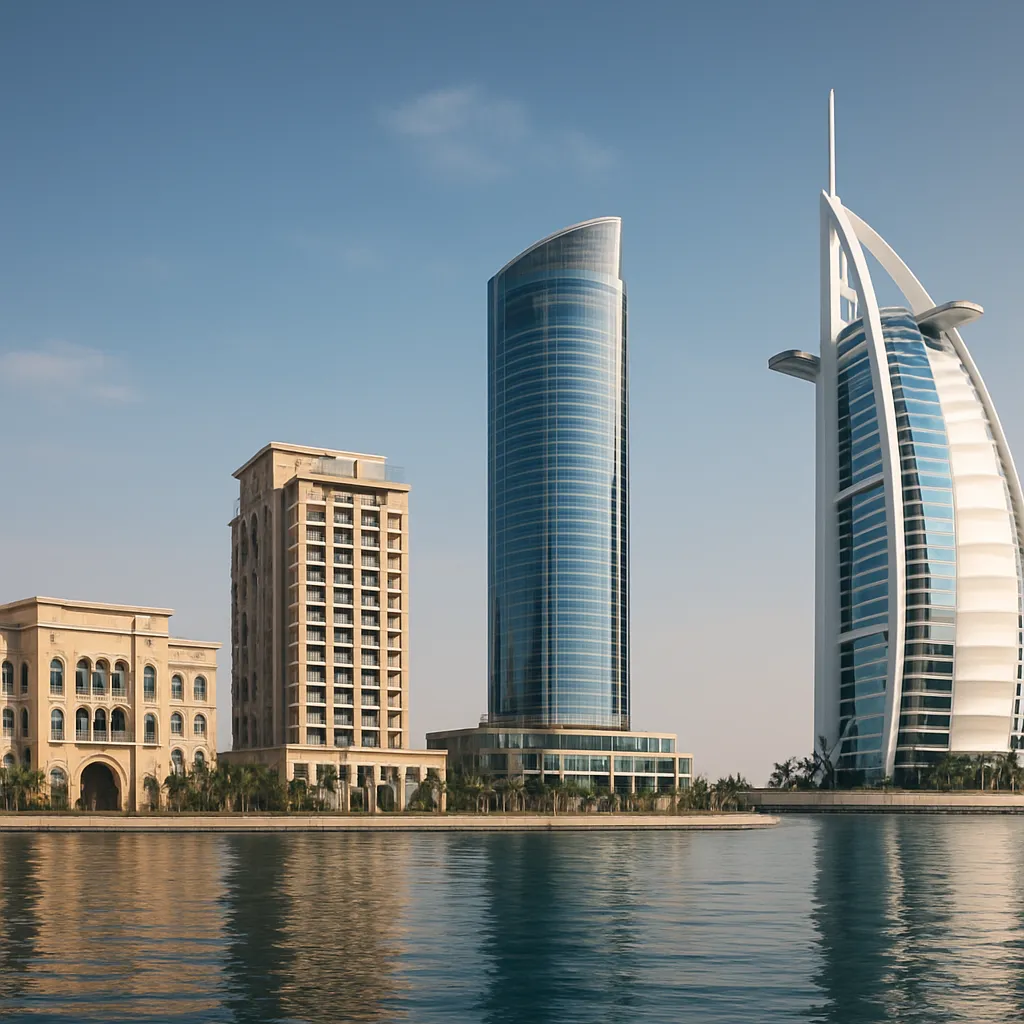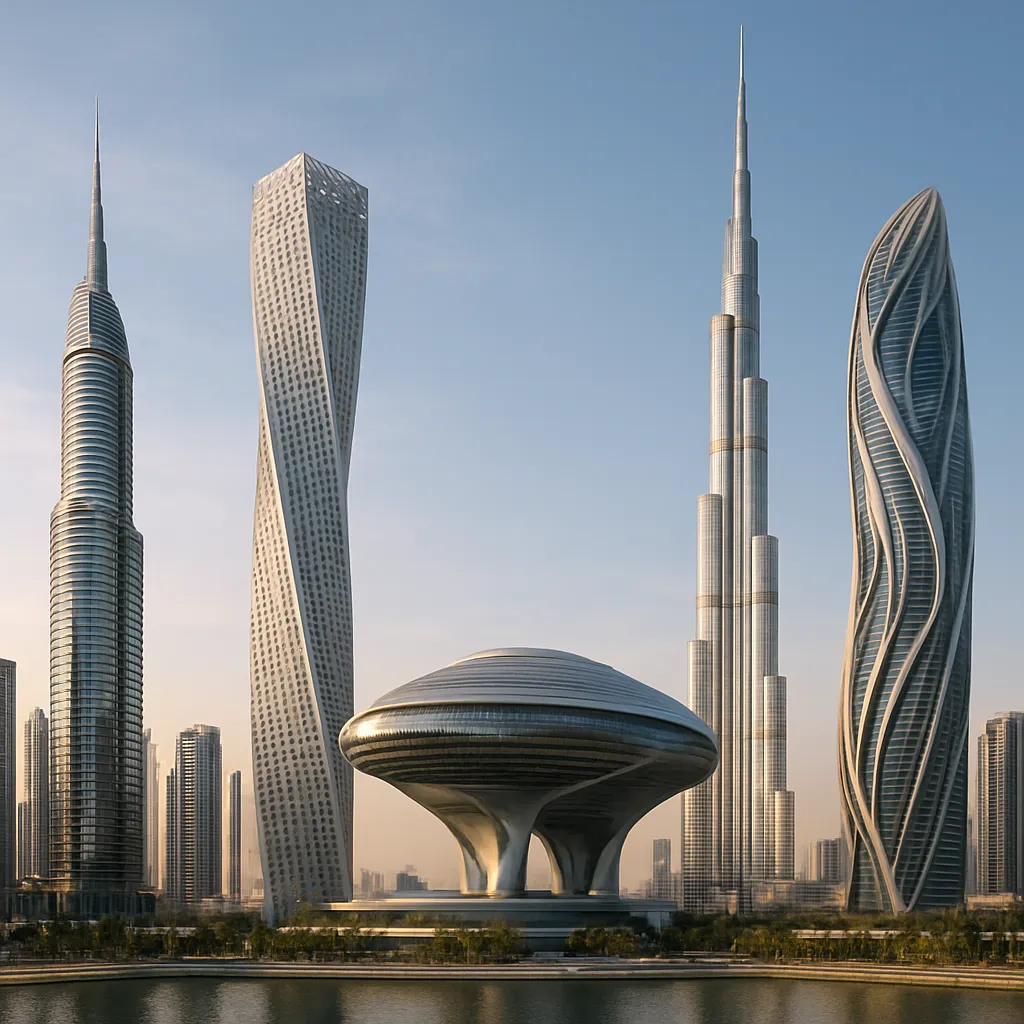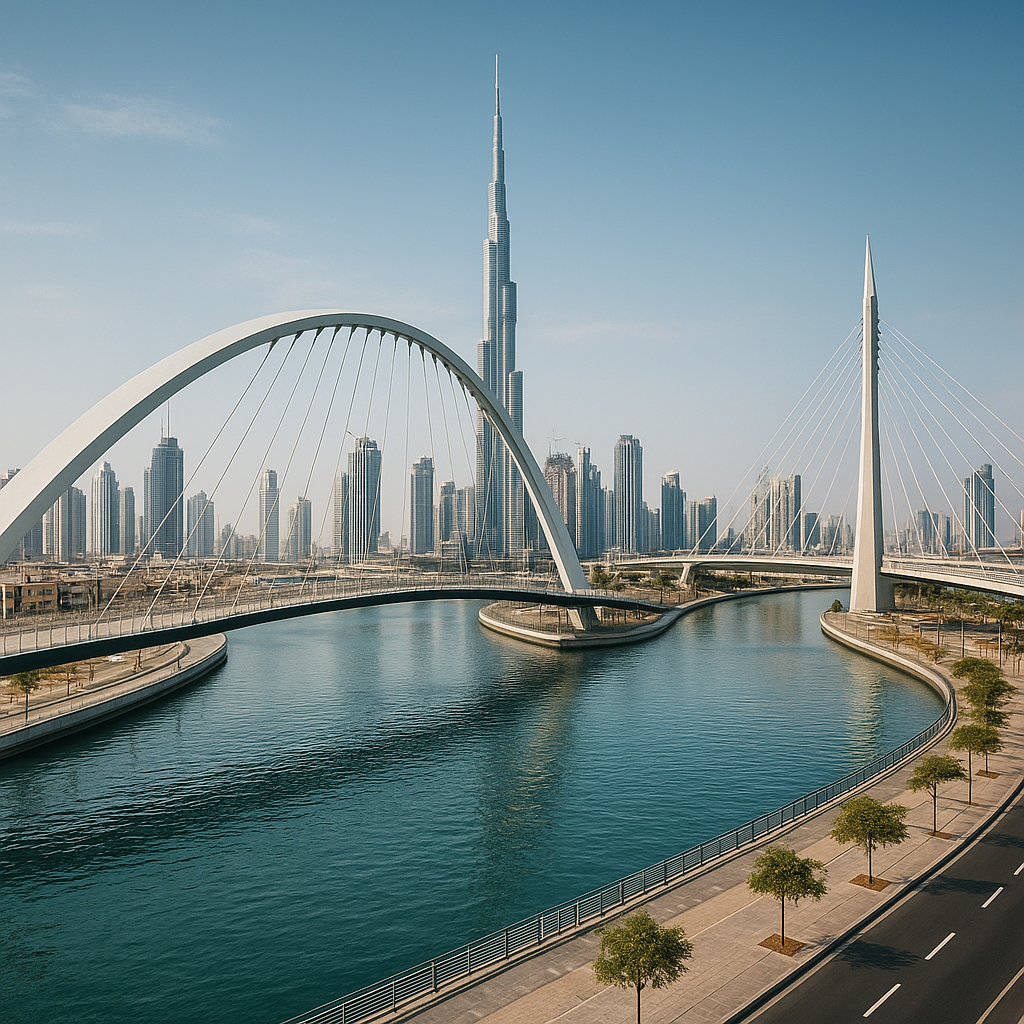
Dubai’s skyline rises from the desert with an audacious blend of futuristic towers, twisting spires, and gracefully arched bridges. Among these features, the city’s network of waterways and thoroughfares is underpinned by an extraordinary collection of landmarks that facilitate movement, connect communities, and showcase the emirate’s commitment to innovation. Stretching across the glittering waters of Dubai Creek and meandering along the Gulf coast, these bridges and transportation arteries form the backbone of a metropolis known for its bold vision. This article delves into the defining structures that shape Dubai’s urban landscape, examining their design, function, and the forward-thinking engineering that powers them.
Engineering Marvels: Iconic Bridges Spanning Dubai’s Waters
Dubai’s rapid expansion has necessitated the construction of numerous bridges to link key districts and alleviate traffic congestion. Each bridge exemplifies a balance between aesthetic appeal and structural integrity, making them not only functional but also landmarks in their own right. From sleek cable-stayed spans to expansive viaducts, these crossings stand as testaments to the emirate’s engineering prowess.
Al Garhoud Bridge
The Al Garhoud Bridge, inaugurated in 2008, stands as one of Dubai’s most significant maritime crossings. With a total length exceeding 4 km and eight lanes in each direction, the bridge replaced an older structure built in the 1970s to accommodate the ever-growing traffic between Deira and Bur Dubai. Its elevated design ensures a generous clearance for vessels navigating Dubai Creek, while its reinforced concrete piers rest on deep foundations driven up to 60 meters below the seabed. The project integrated state-of-the-art materials to withstand harsh marine conditions, illustrating Dubai’s emphasis on robust infrastructure.
Business Bay Crossing
Connecting the burgeoning Business Bay district with Al Jaddaf and Oud Metha, the Business Bay Crossing showcases a cable-stayed design that blends elegance with functionality. Opened in 2020, this bridge features a central pylon soaring 100 meters above the waterline, anchoring symmetrical cables that fan out to support the deck. The structure accommodates six lanes of traffic and dedicated pedestrian pathways, promoting multimodal connectivity. Illuminated by LED arrays, the bridge doubles as a visual spectacle after dark, underscoring the fusion of technology and urban design.
Sheikh Rashid Road and Other Viaducts
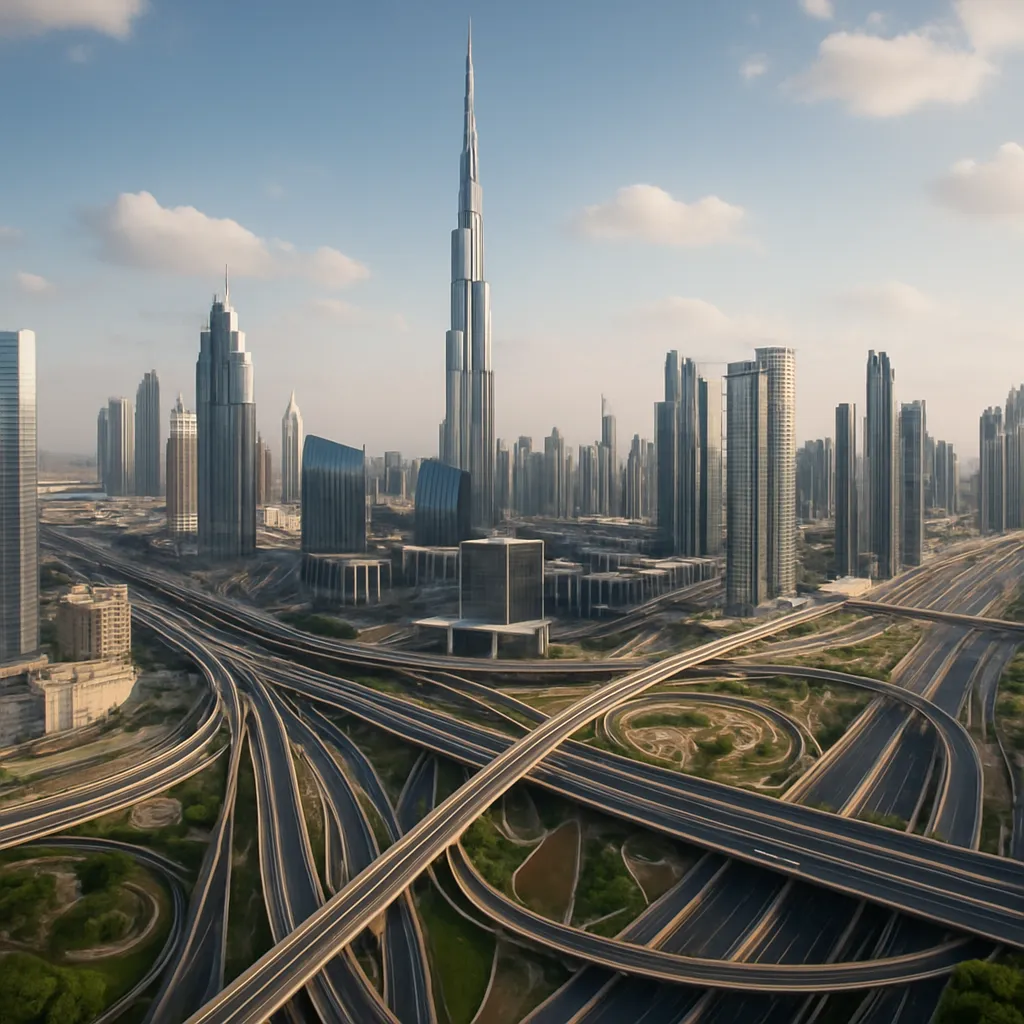
Multiple flyovers and underpasses along Sheikh Zayed Road form another critical component of Dubai’s bridge network. These structures facilitate seamless traffic flow across intersections, cutting travel times during peak hours. They incorporate innovative construction techniques such as incremental launching and precast segmental methods, reducing onsite work and improving quality control. Together, these viaducts embody Dubai’s commitment to sustainable urban development by minimizing environmental disruption during construction.
Advanced Road Networks and Metro Systems: Connectivity Redefined
The emirate’s transportation strategy extends beyond bridges to encompass a world-class network of roads, highways, and rail systems. Efficient mobility is vital for maintaining Dubai’s status as a global commerce and tourism hub, resulting in large-scale investments in transport infrastructure that prioritize speed, safety, and capacity.
Sheikh Zayed Road Corridor
Sheikh Zayed Road (E11) serves as the spine of Dubai’s arterial road system, stretching over 55 kilometers from the border with Abu Dhabi to the city of Sharjah. Lined by towering skyscrapers, this corridor features up to ten lanes in each direction and is interspersed with strategically placed interchanges. Intelligent traffic management systems monitor vehicle flow in real time, adjusting signal timings to prevent bottlenecks. Variable message signs inform drivers of upcoming incidents or congestion, demonstrating an integration of digital innovation into everyday commutes.
Dubai Metro: The Automated Network
Launched in 2009, the Dubai Metro stands as the first fully automated, driverless metro network in the Middle East. Operated by the Roads and Transport Authority (RTA), the system comprises the Red and Green Lines, covering over 75 kilometers and serving more than 45 stations. The metro employs cutting-edge communication-based train control (CBTC) technology, ensuring high-frequency service with headways as short as 90 seconds during peak hours. Passengers enjoy climate-controlled platforms and walkways that connect directly to malls, business centers, and residential complexes, exemplifying seamless urban integration.
- Red Line: Running parallel to Sheikh Zayed Road, connecting Rashidiya to Jebel Ali.
- Green Line: Linking Al Qusais with Al Jaddaf via Deira and Bur Dubai.
Plans for the Gold, Blue, and Purple Lines are already underway, promising to expand the network by an additional 200 kilometers and further reduce reliance on private vehicles.
Monorail and Water Transport
Enhancing the city’s multifaceted connectivity, the Palm Jumeirah Monorail offers an elevated route along the iconic island, connecting visitors to the mainland tram network and the Dubai Metro. Meanwhile, the Dubai Water Bus and Abras provide traditional waterborne transport across Dubai Creek, combining heritage with practical daily commuting. These modes emphasize sustainable use of existing waterways and preserve the cultural essence of the city.
Innovations in Sustainable Infrastructure and Future Developments
Dubai’s vision for the future hinges on sustainability, resilience, and cutting-edge technology. Recent and upcoming projects reflect the emirate’s pledge to meet the challenges of climate change, population growth, and global connectivity demands.
Solar-Powered Street Lighting and Smart Grids
Rolling out across residential and commercial districts, solar-powered LED streetlights have begun replacing conventional lighting to reduce energy consumption. Paired with a smart grid system, these lights adjust brightness in response to weather conditions and pedestrian presence. Real-time data on energy usage is fed back to the RTA control center, allowing for predictive maintenance and optimized resource allocation.
Water Recycling and Drainage Tunnels
In response to heavy rainfall events, Dubai has constructed an extensive network of stormwater drainage tunnels capable of redirecting excess water to retention basins and desalination plants. The ambitious stormwater project includes a 48-kilometer-long tunnel beneath central districts, mitigating flood risks and enabling water recycling programs that support irrigation and industrial use. Such infrastructure enhances the city’s environmental sustainability and reduces dependency on external freshwater sources.
Expo 2020 Legacy and Upcoming Megaprojects
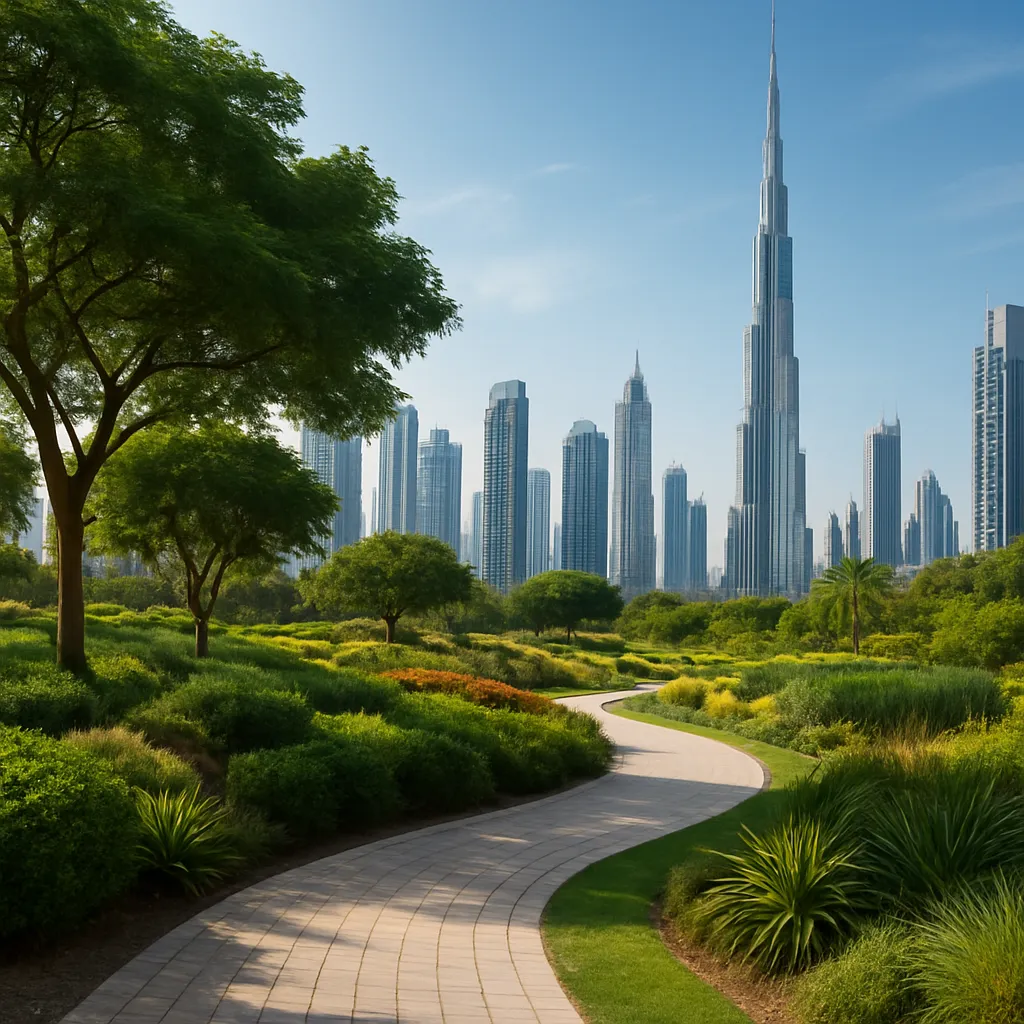
The Expo 2020 site, repurposed into District 2020, integrates residential, commercial, and research facilities with walkable streets, expansive parks, and dedicated innovation hubs. Central to the master plan is a multi-level mobility network, combining autonomous vehicles, cycling lanes, and pedestrian corridors. Beyond the expo site, the Dubai Urban Masterplan 2040 outlines a vision for 40% green spaces, increased public transport ridership, and the introduction of an intercity hyperloop system that could reduce travel times to Abu Dhabi to under 12 minutes.
- District 2020: Sustainable urban redevelopment of the Expo 2020 grounds.
- Hyperloop: Proposed high-speed transport connecting Gulf cities.
- Mars Science City: A research complex dedicated to advancing off-world habitation technologies.
These initiatives illustrate Dubai’s ambition to position itself at the forefront of global innovation, employing engineering excellence and forward-thinking policy to build a resilient metropolis fit for the challenges of tomorrow.