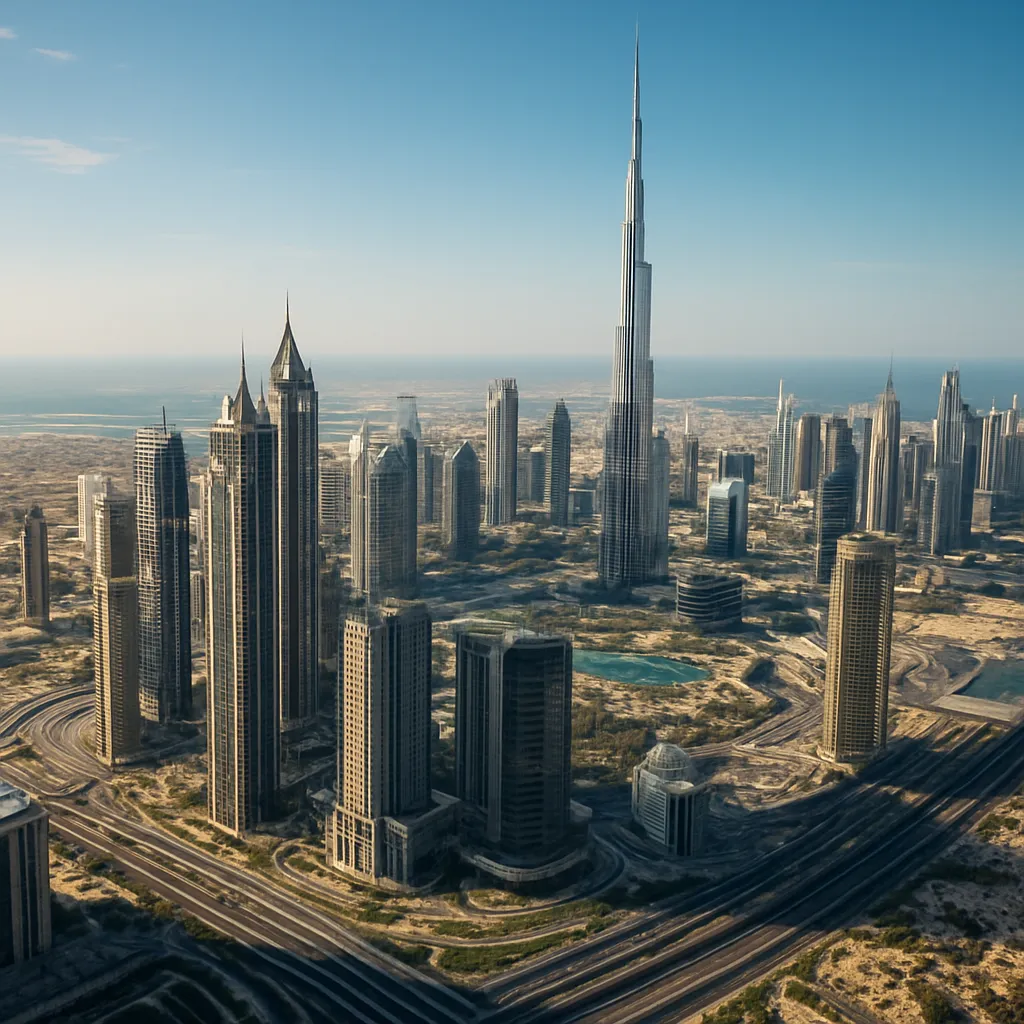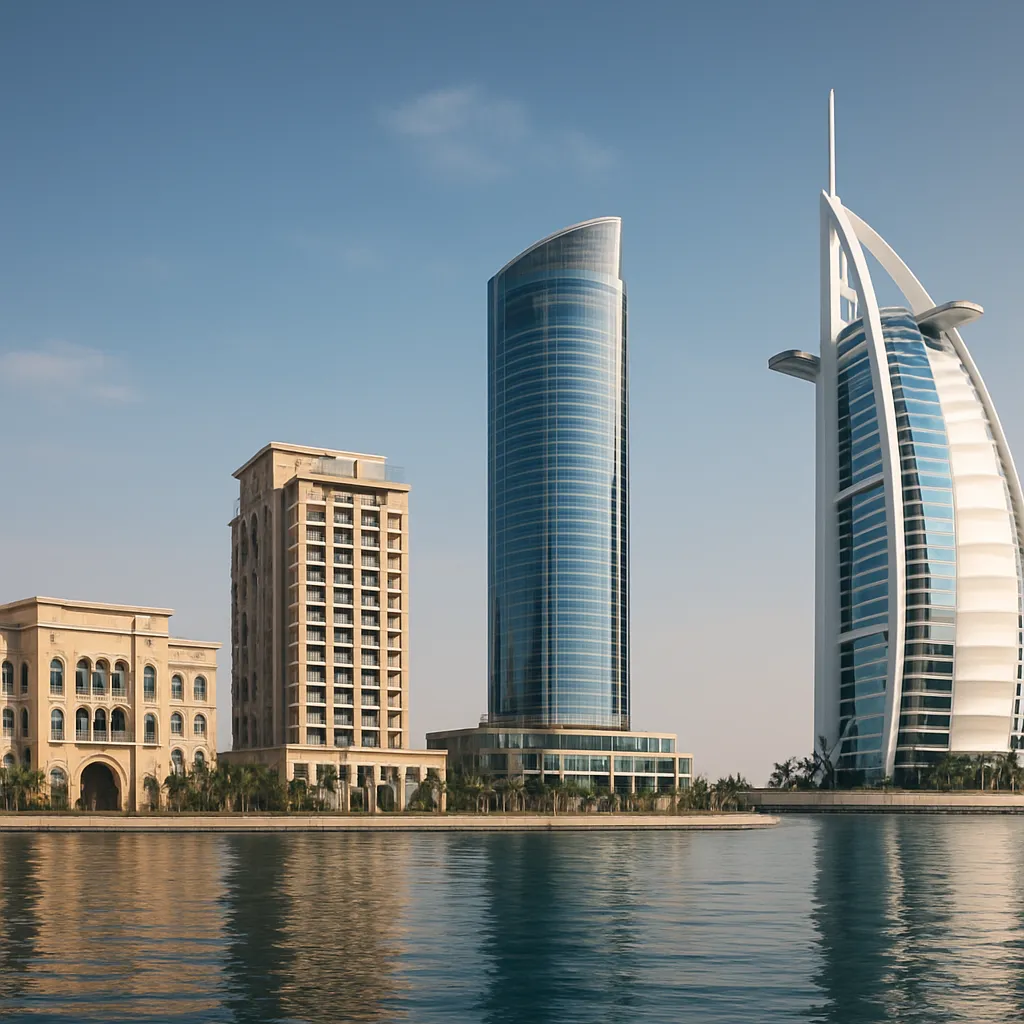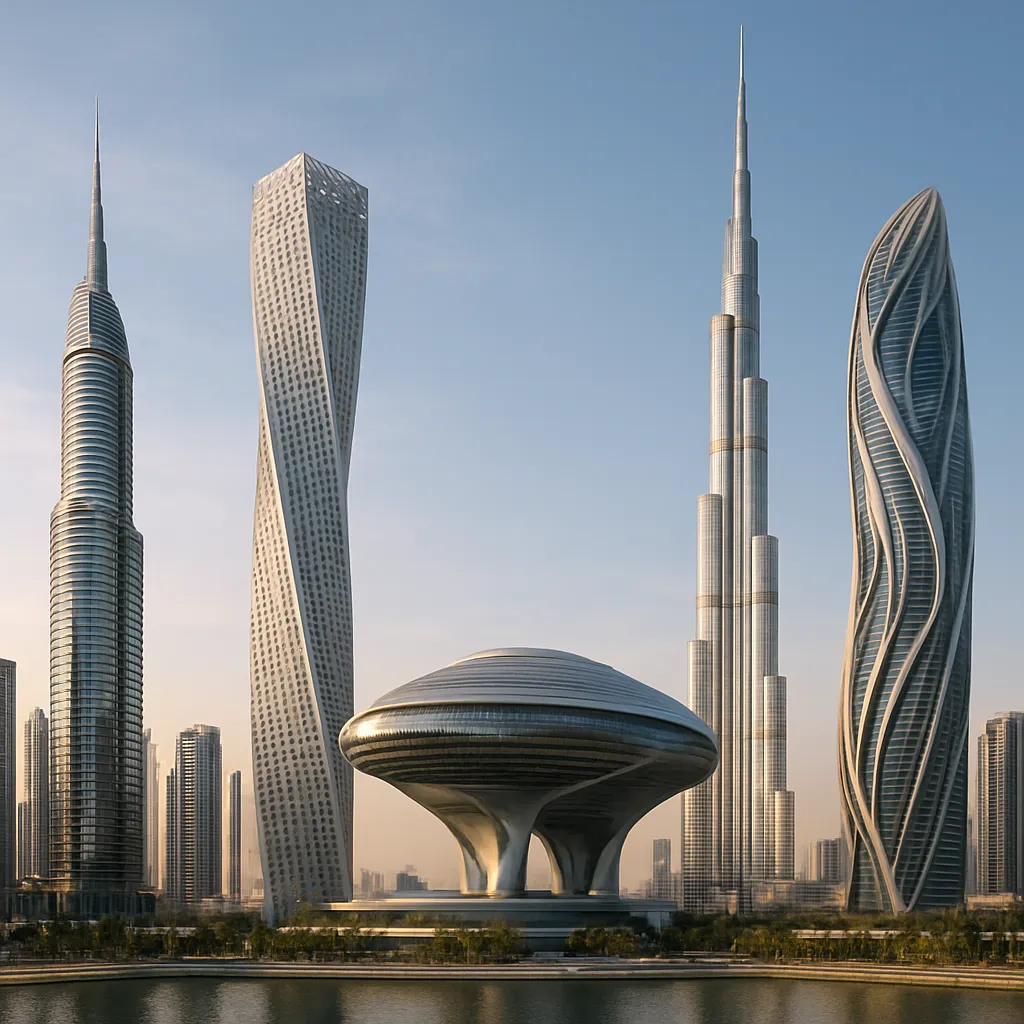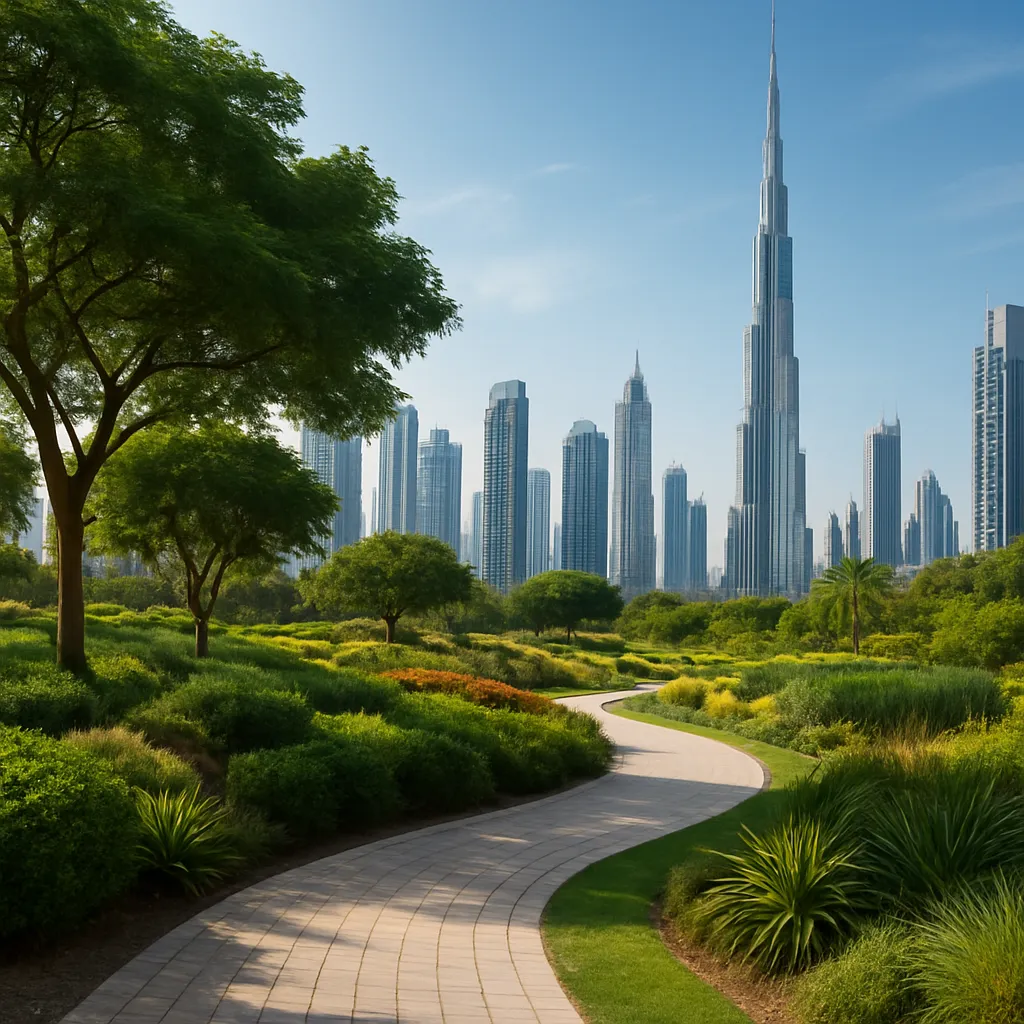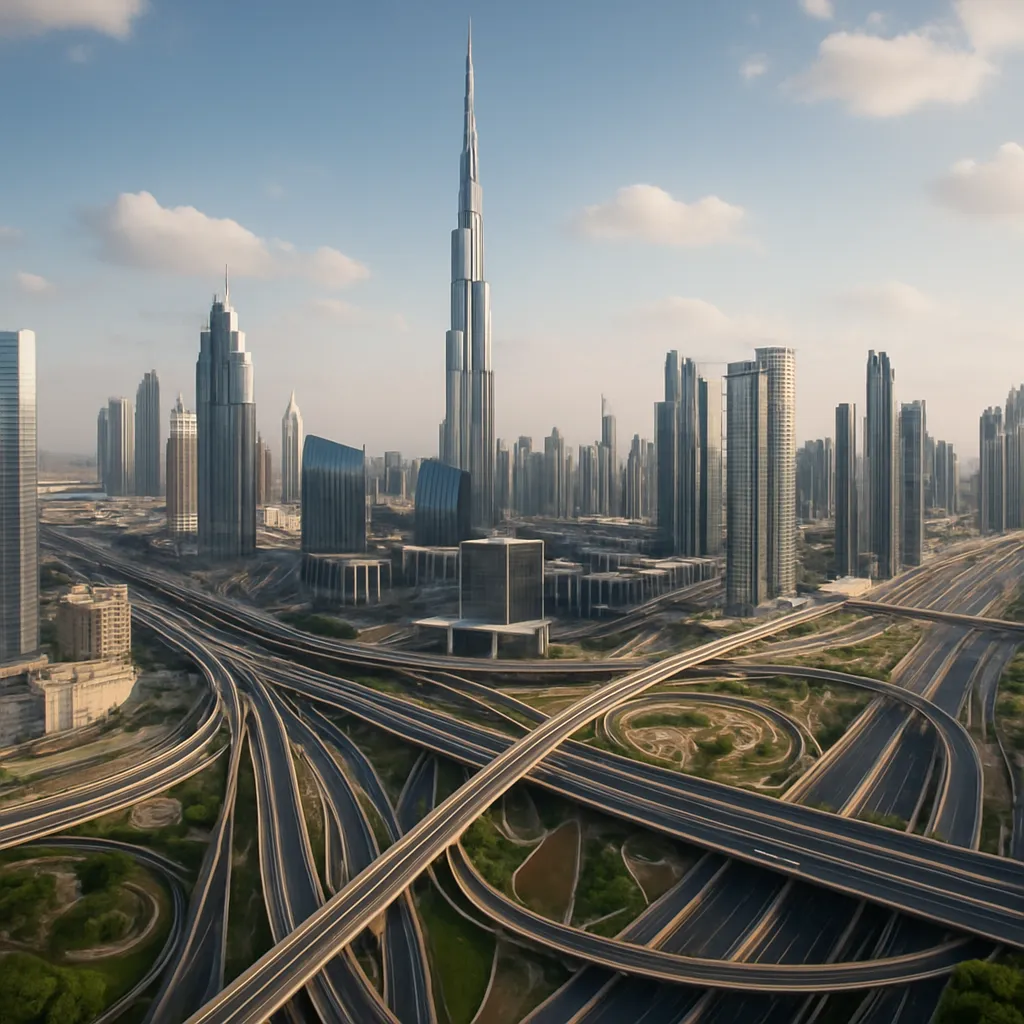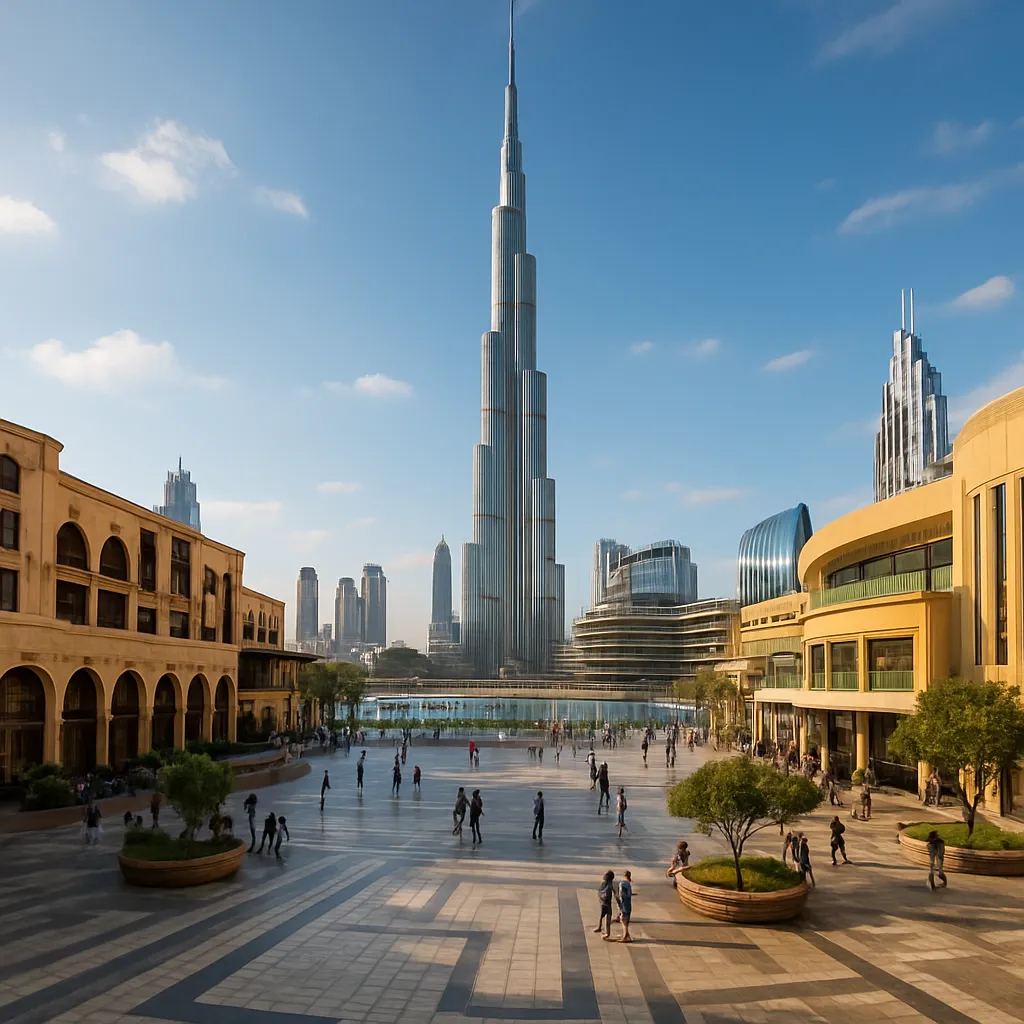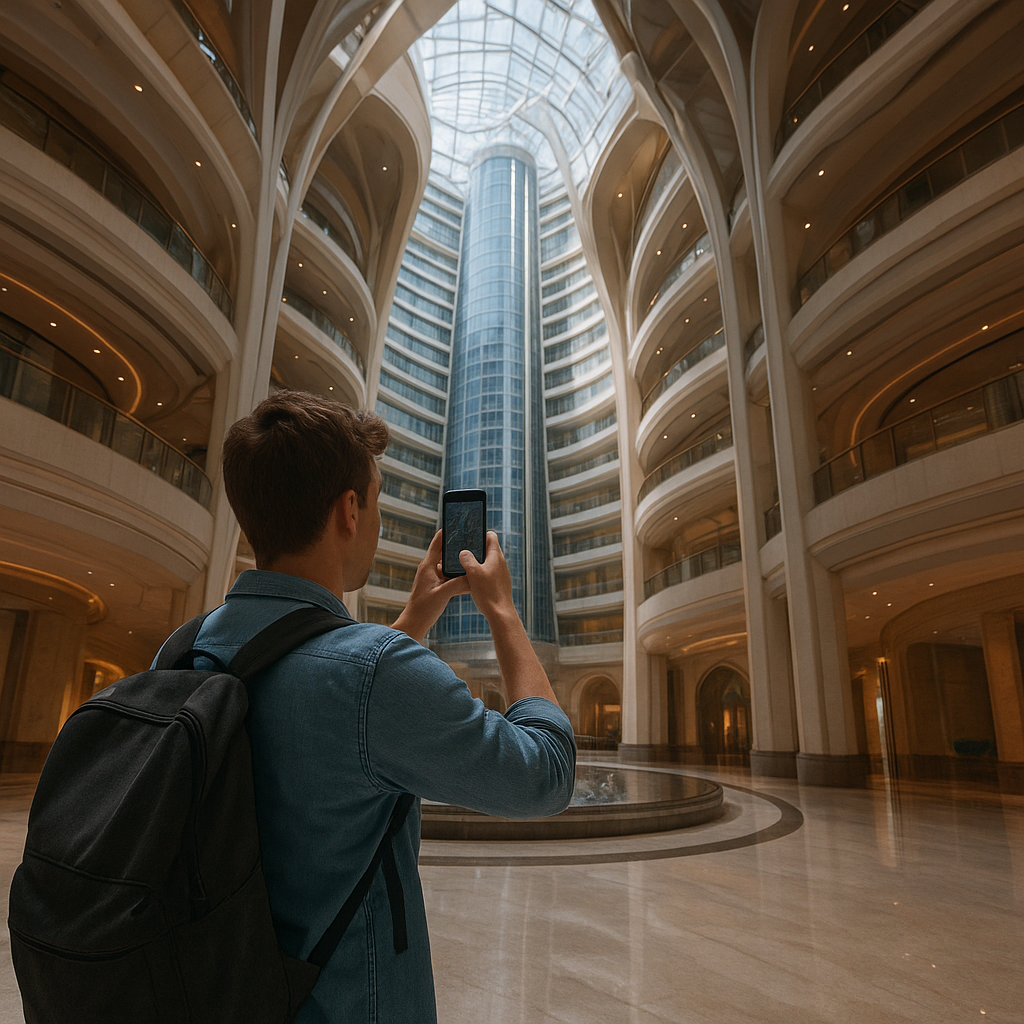
Dubai’s skyline is a testament to architectural ambition and modern luxury, but the true marvels often lie beyond the reflective façades. Exploring the interiors of these iconic structures unveils a world of extravagant design, state-of-the-art technology, and meticulous craftsmanship. Each building narrates a unique story that blends traditional Emirati influences with innovative concepts, creating spaces that captivate both the eye and the imagination.
Interiors of the Burj Khalifa
The world’s tallest tower, the Burj Khalifa, stands as an emblem of human achievement. Upon entering the grand lobby, visitors are greeted by a symphony of marble floors and custom-woven carpets, punctuated by gleaming chandeliers that twinkle like stars. The interiors were masterminded by renowned designer Giorgio Vasari, who infused every corner with a sense of opulent sophistication.
- Lobby and Arrival: A multi-story atrium adorned with polished stone walls and intricate water features, establishing an immediate sense of zenith luxury.
- Armani Hotel Suites: Occupying the lower floors, these suites showcase a muted palette of warm wood, polished metals, and bespoke furnishings, each tailored to evoke an intimate sense of tranquility.
- Residential Interiors: Spanning the mid-levels, apartments feature floor-to-ceiling glass walls that frame panoramic city views, complemented by sleek kitchens and spa-inspired bathrooms.
- Observation Decks: At “At the Top” lounges, high-tech telescopes and interactive displays allow guests to experience the city from a sky-high vantage point.
Attention to detail extends to the lighting scheme, where programmable LEDs gently shift hues to mirror sunrise and sunset across the city. High-performance glazing not only preserves energy but also enhances the feeling of panoramic openness throughout the tower’s corridors.
Secrets of the Burj Al Arab
The Burj Al Arab, often dubbed the world’s only seven-star hotel, is famed for its sail-shaped silhouette. Inside, guests step into a realm of sublime Arabian grandeur. The double-height atrium, one of the tallest in the world, is enveloped in deep blues and gold leaf, with custom Murano glass chandeliers that cascade from the ceiling like sparkling waterfalls.
Suites at the Burj Al Arab are private sanctuaries where every element is designed for utmost comfort. From the 24-carat gold sinks to the handcrafted silk wall coverings, no expense is spared.
- Royal Suite: Occupying two full floors, complete with a private cinema, dining room for 12, and a spiral staircase that leads to a hidden glass platform above the atrium.
- Talise Spa: Suspended nine meters above sea level, this spa offers state-of-the-art treatment rooms with ocean views and hydrotherapy pools.
- Al Muntaha Restaurant: Located 200 meters above the Arabian Gulf, featuring a mirror-like floor and panoramic windows that create a feeling of dining in mid-air.
Strategic use of Arabesque motifs—geometric patterns, glazed tiles, and ornamental arches—reinforces cultural heritage. Subtle lighting highlights these patterns, casting intricate shadows that dance across the walls.
Awe-Inspiring Luxury at The Palm Jumeirah Hotels
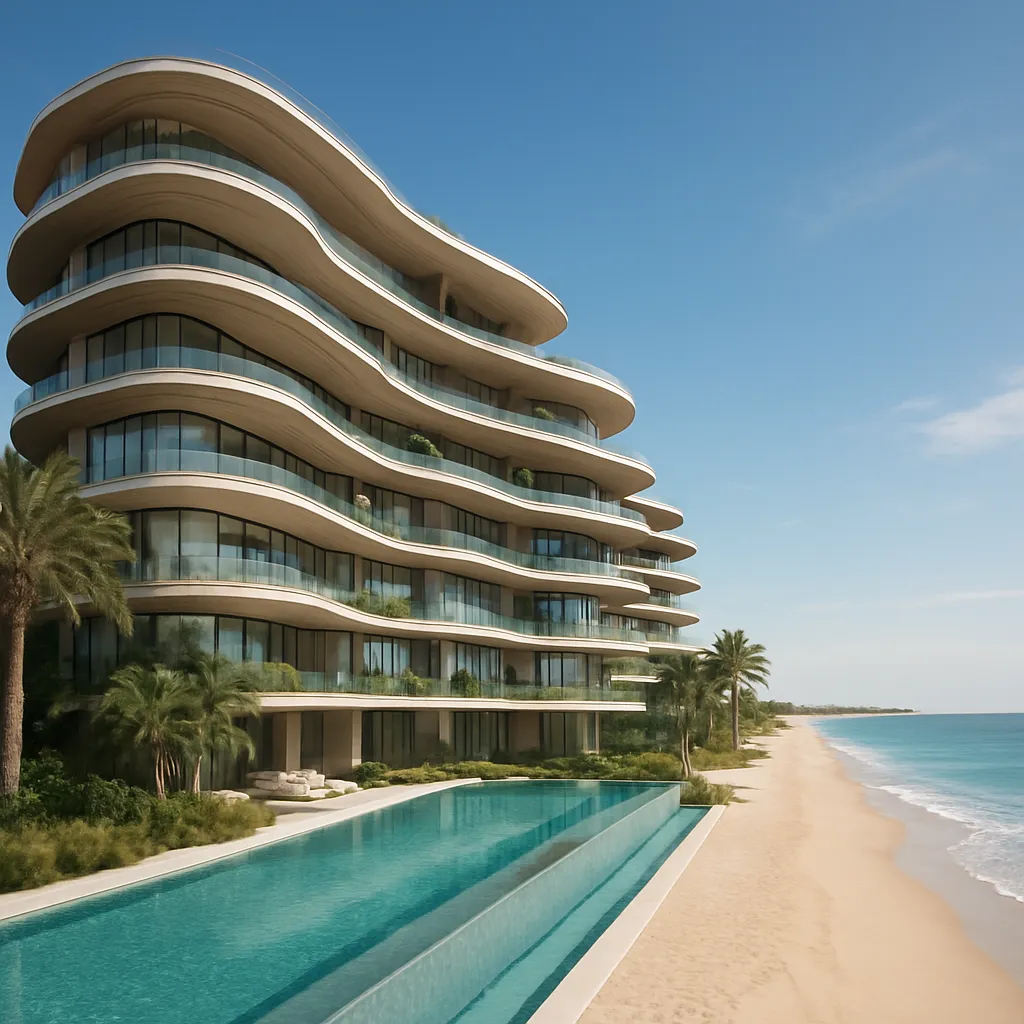
The man-made archipelago known as Palm Jumeirah hosts some of Dubai’s most exclusive beachfront properties. The interiors at Atlantis, The Palm and Waldorf Astoria Dubai Palm Jumeirah present a fusion of tropical motifs and contemporary elegance.
At Atlantis, guests enter through a lobby inspired by marine life, with custom aquariums and coral-shaped light fixtures. The rooms feature ocean-inspired color palettes—teal, seafoam, and sandy neutrals—paired with plush fabrics and handcrafted headboards that mimic underwater textures.
- Underwater Suites: Floor-to-ceiling glass walls open onto the Ambassador Lagoon, allowing guests to watch over 65,000 marine animals from their beds.
- Signature Restaurants: From Nobu’s minimalist Japanese interiors to Ossiano’s deep-blue dining room with views into a giant aquarium, each venue tells a distinct culinary and visual story.
- Wellness Facilities: More than 20 treatment rooms, each designed with natural stone, teakwood accents, and panoramic views of the Arabian Gulf.
Meanwhile, at Waldorf Astoria, Art Deco flourishes meet contemporary luxury. The lobby’s medley of onyx, oak, and velvet sets a graceful tone, while the suites boast private terraces with plunge pools and custom daybeds for sunbathing in style.
Cutting-Edge Spaces: Museum of the Future
The Museum of the Future stands as Dubai’s newest architectural marvel, with its torus shape perforated by Arabic calligraphy. Inside, it offers a glimpse into tomorrow’s design possibilities. Visitors embark on a journey through immersive galleries, where smart materials and interactive installations respond to movement, voice, and even thought.
Upon entry, guests pass through the Infinite Accelerator, a tunnel that uses augmented reality to morph the environment around them. The first exhibition hall focuses on sustainability, showcasing living walls and modular furniture crafted from recycled composites.
- Health Lab: Features real-time biohacking stations and climate-controlled pods designed to optimize human well-being, with interiors that mimic natural ecosystems.
- Mobility Pavilion: A showcase of autonomous vehicles and aerodynamic pods, set within a gallery of reflective panels and kinetic seating that adapts to visitors’ weight and posture.
- Future Cities Hub: Envisions urban environments with vertical farms, drone ports, and robotic infrastructure, all set within a high-ceilinged hall illuminated by programmable LED grids.
The Museum’s interior finishes favor minimalist aesthetics—white resin floors, seamless curves, and hidden lighting strips—underscoring the narrative of a boundless future.