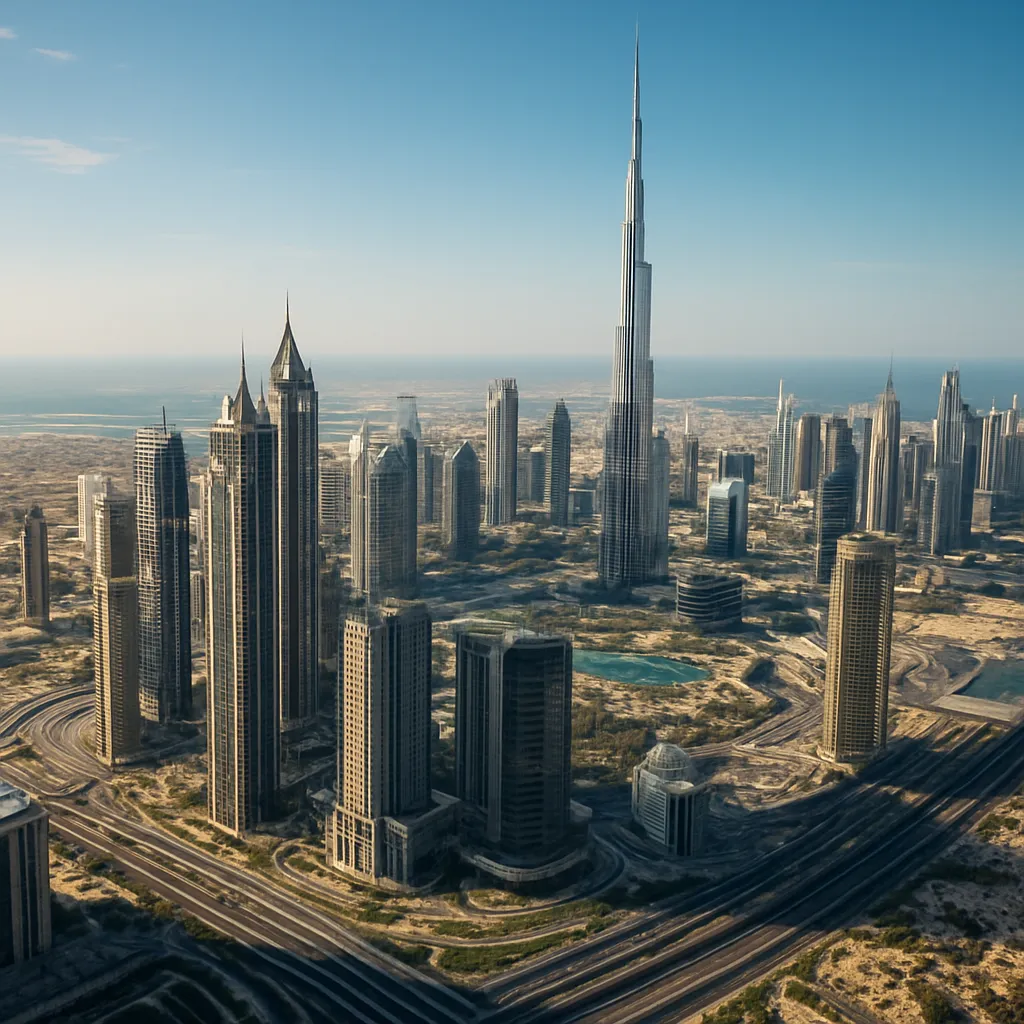
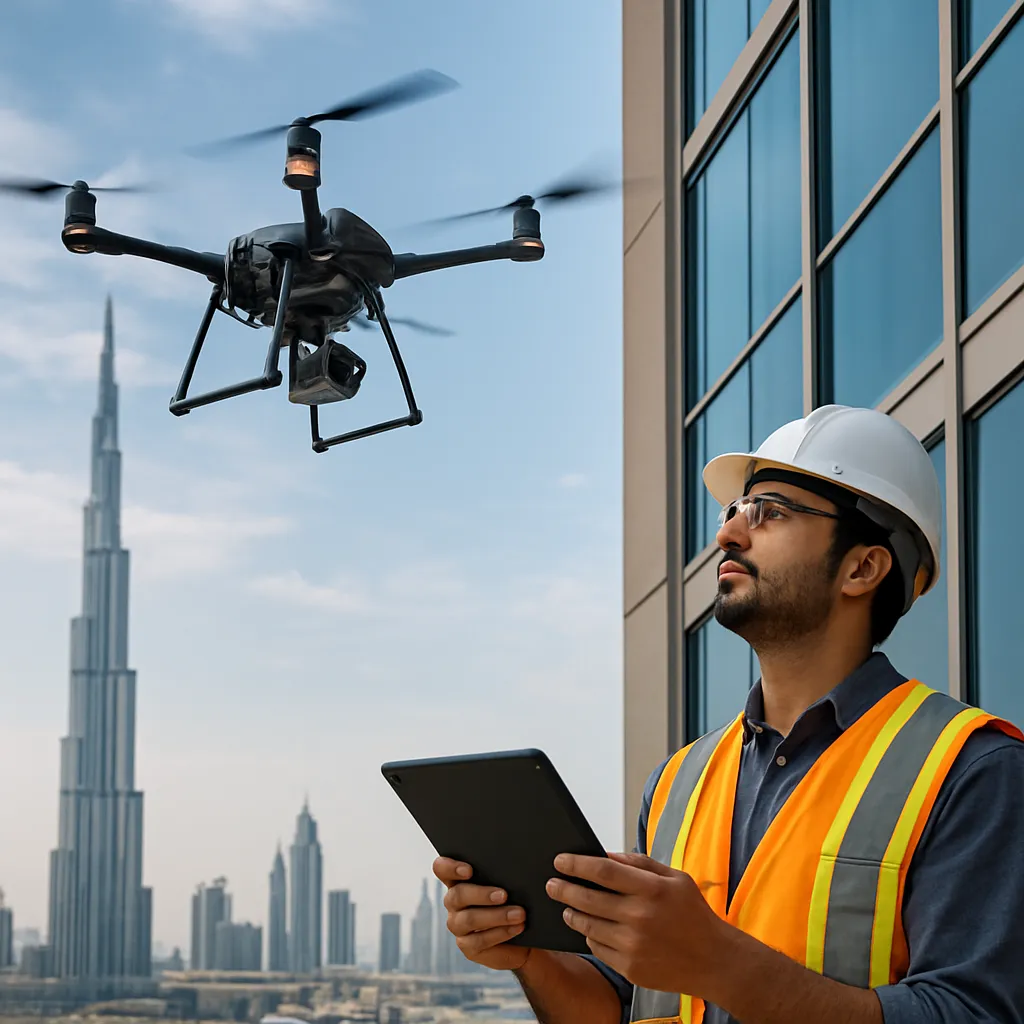
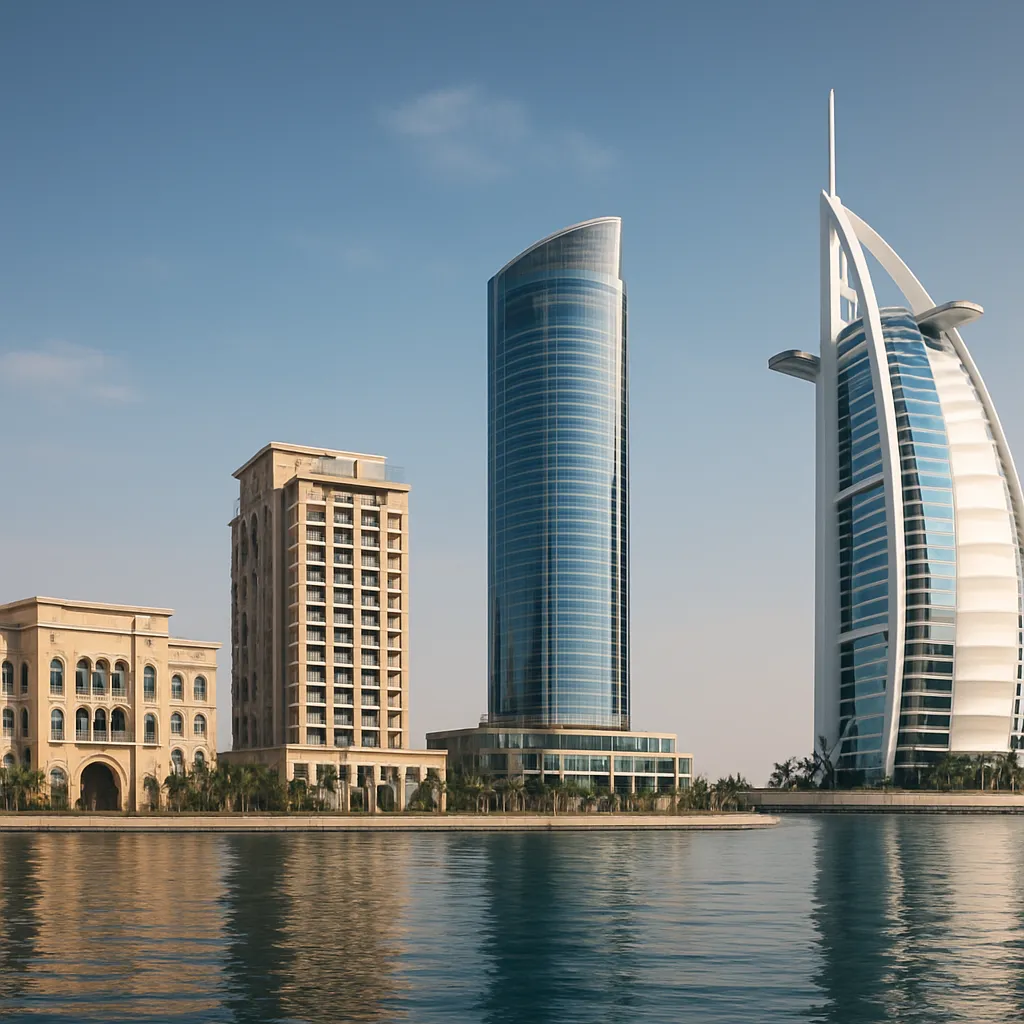
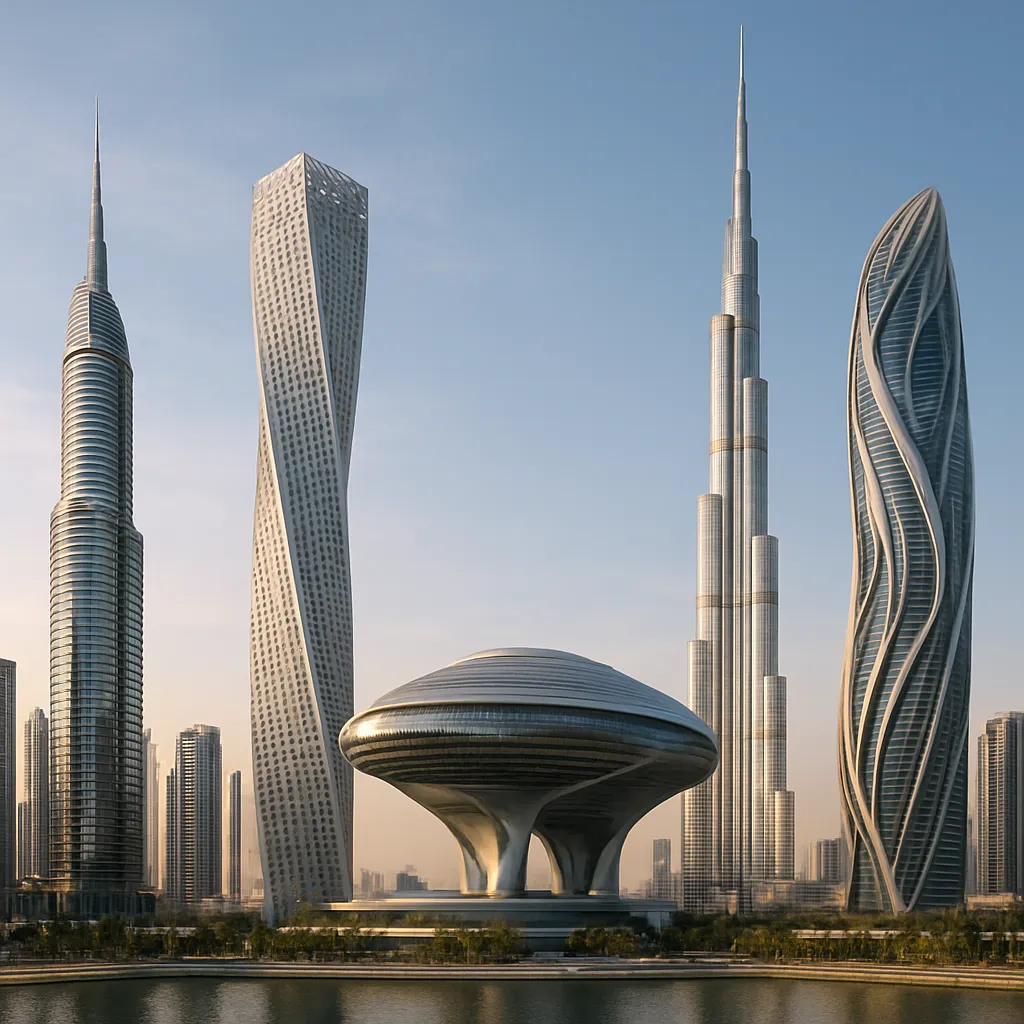
Dubai’s urban landscape has become a global benchmark for cutting-edge design and futuristic ambition. Through the integration of 3D visualization, architects and developers in this city are redefining what’s possible, turning bold concepts into tangible masterpieces. This article explores how advanced digital tools are reshaping architecture in Dubai, from the earliest design iterations to the final stages of construction.
The Evolution of 3D Visualization Tools in Dubai
Before the advent of 3D visualization platforms, Dubai’s developers relied heavily on traditional sketches and two-dimensional blueprints to communicate their ideas. Presentations to stakeholders often required physical models and lengthy explanations. Today, immersive software solutions enable teams to:
- Navigate virtual environments with real-time adjustments
- Simulate lighting conditions throughout the day
- Test structural integrity before breaking ground
- Collaborate across continents using cloud-based resources
Early adopters in the emirate recognized the potential of these systems to reduce costly mistakes and accelerate project timelines. With the launch of specialized VR headsets and powerful rendering engines, local firms embraced a new era in innovation. These digital assets have become integral to design reviews, ensuring that every element—from facade curvature to interior finishes—aligns with the developer’s vision.
Key Technological Milestones
- Parametric Modeling: Enabled dynamic changes to building geometry.
- Building Information Modeling (BIM): Unified data management for multi-disciplinary teams.
- Augmented Reality Overlays: Allowed clients to overlay designs onto real-world sites.
- AI-driven Simulations: Predicted environmental performance and occupancy efficiency.
These breakthroughs have not only enhanced visual clarity but also introduced advanced analytics into the planning process. As a result, architects can forecast maintenance needs, energy consumption, and occupant comfort long before construction begins.
Transforming Iconic Dubai Skylines
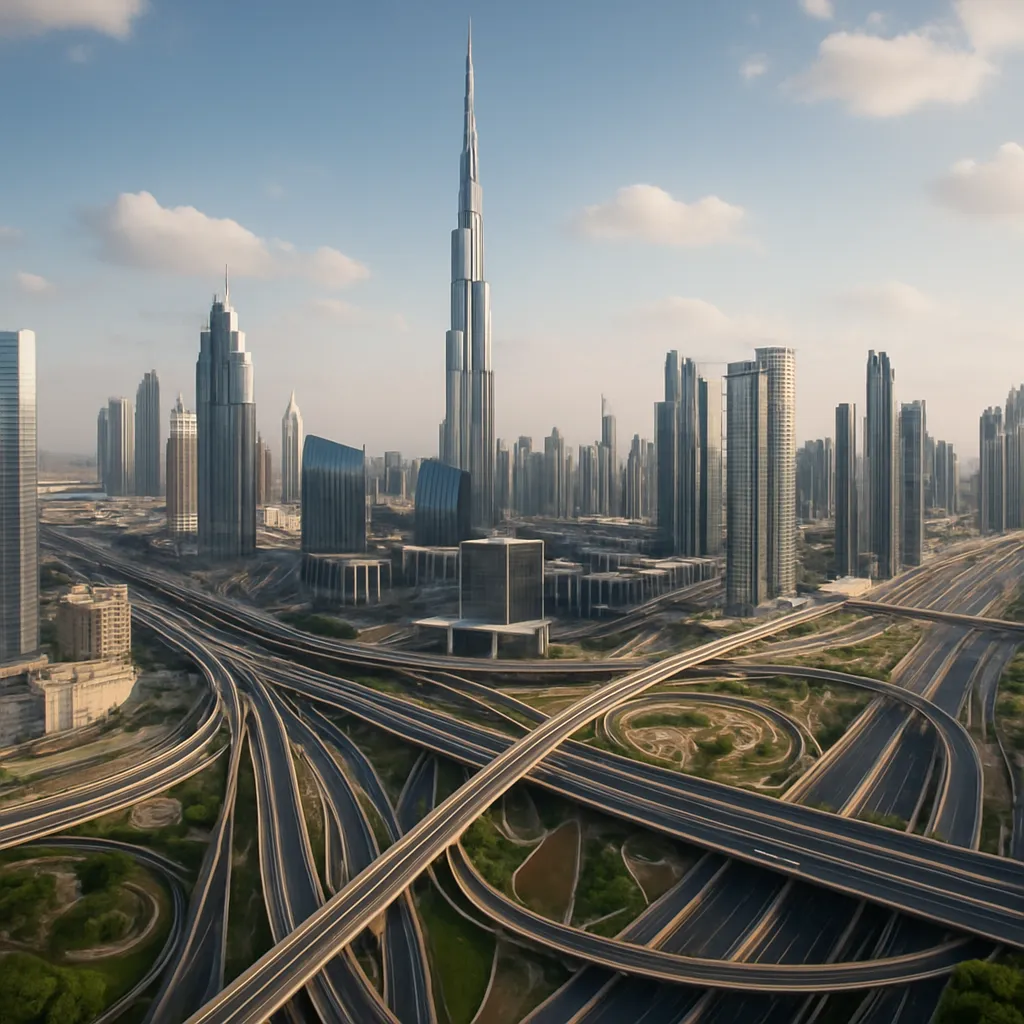
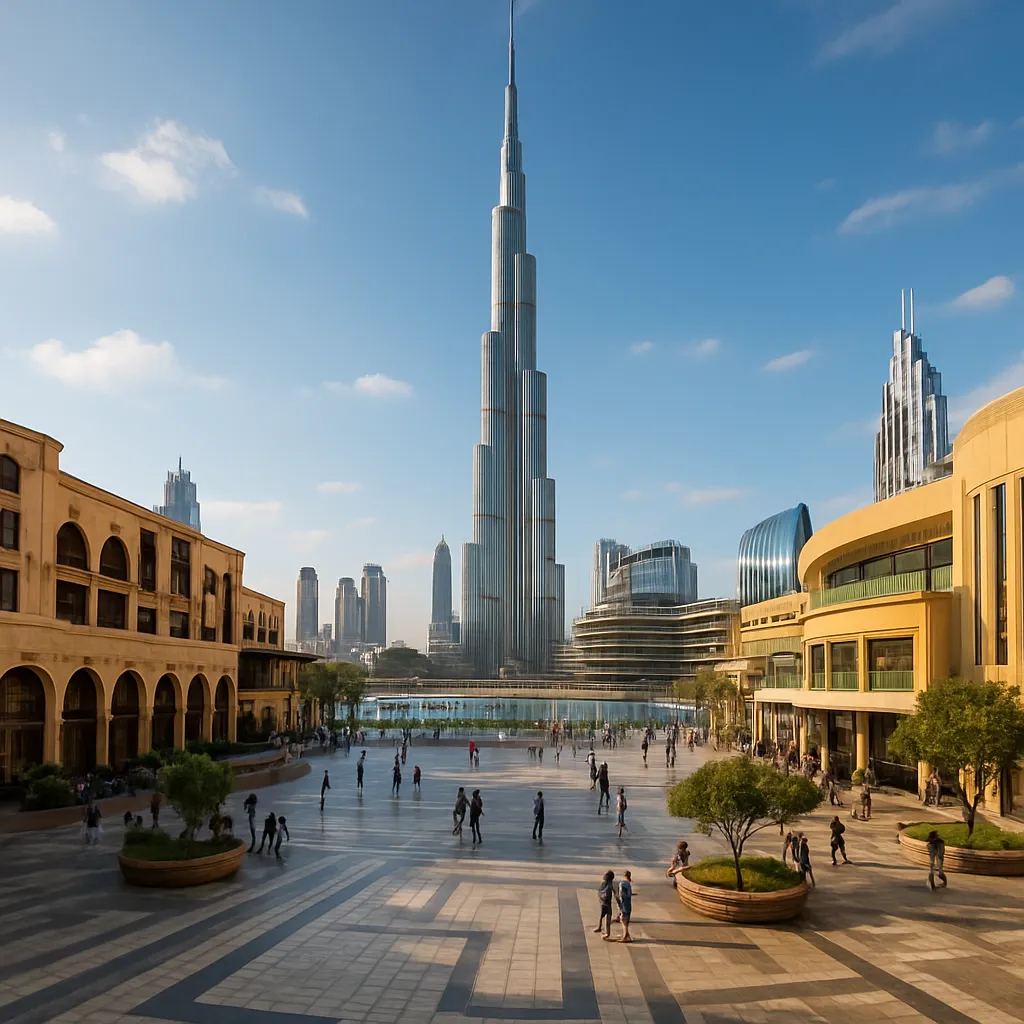
Dubai’s reputation for record-breaking skyscrapers is well-earned. From the towering Burj Khalifa to the graceful curves of the twisting Cayan Tower, each structure tests the limits of engineering and artistic expression. 3D visualization has played a pivotal role in:
- Conveying complex geometries to contractors
- Optimizing wind and seismic analyses through virtual prototypes
- Ensuring compliance with strict safety and fire regulations
Design teams often produce hundreds of iterations in a matter of days. Virtual mock-ups allow stakeholders to “walk through” corridors, conference rooms, and panoramic observation decks, assessing views and circulation with unparalleled detail.
Case Study: The Future Museum District
The upcoming Museum District is a prime example of how technology influences the built environment. Located along the historic Dubai Creek, the project comprises several pavilions dedicated to art, culture, and science. Through 3D visualization:
- Organizers curated interior exhibits by previewing spatial layouts in virtual reality.
- Engineers tested façade performance against intense desert heat using thermal modeling.
- City planners evaluated pedestrian flows, ensuring a vibrant urban setting for visitors.
This digital-first approach streamlined approvals from municipal authorities and encouraged dynamic public engagement, as citizens could experience upcoming attractions months before construction commenced.
Sustainable and Smart Building Design
Dubai’s commitment to sustainability has grown alongside its architectural marvels. Developers leverage 3D visualization to optimize energy usage, water efficiency, and ecological impact. By layering environmental data into digital models, teams can:
- Maximize natural daylight without compromising thermal comfort
- Minimize material waste through precise offsite fabrication instructions
- Identify optimal solar panel placements and wind turbine integrations
Integration with IoT devices further enhances building operations. Virtual dashboards display real-time metrics—temperature, humidity, occupancy—allowing facility managers to make data-driven adjustments. The result is a new generation of smart cities within Dubai’s growth corridors.
Green Building Certifications
Obtaining LEED, Estidama, or other eco-labels often requires rigorous documentation and performance verification. 3D visualization tools simplify this process by automatically generating reports that illustrate compliance with criteria such as:
- Indoor environmental quality
- Renewable energy usage
- Water conservation measures
- Waste reduction strategies
These digital records foster transparency and accelerate certification timelines, encouraging clients to pursue higher sustainability standards as part of Dubai’s broader environmental agenda.
Future Prospects and Challenges
As technologies evolve, the next wave of advancements promises even deeper immersion and precision. Emerging trends include:
- Digital Twins: Live replicas of buildings that update with sensor data, enabling predictive maintenance and space optimization.
- Mixed Reality Collaboration: Teams distributed globally can manipulate virtual elements while physically present on the site.
- Generative Design: AI algorithms produce hundreds of structural and aesthetic options based on project goals, far beyond human-driven iterations.
Despite these exciting developments, challenges remain. High computational costs, data security concerns, and the steep learning curve for specialized software can slow adoption. Additionally, aligning stakeholders—from government bodies to local communities—requires robust outreach and effective communication strategies.
Nevertheless, Dubai’s architectural landscape is set for continual transformation. By harnessing the power of innovation, design, and digital experimentation, the city solidifies its status as a global leader. The next iconic tower or cultural landmark will not just be a testament to engineering prowess but a celebration of how seamlessly architecture and technology can converge to shape the future.