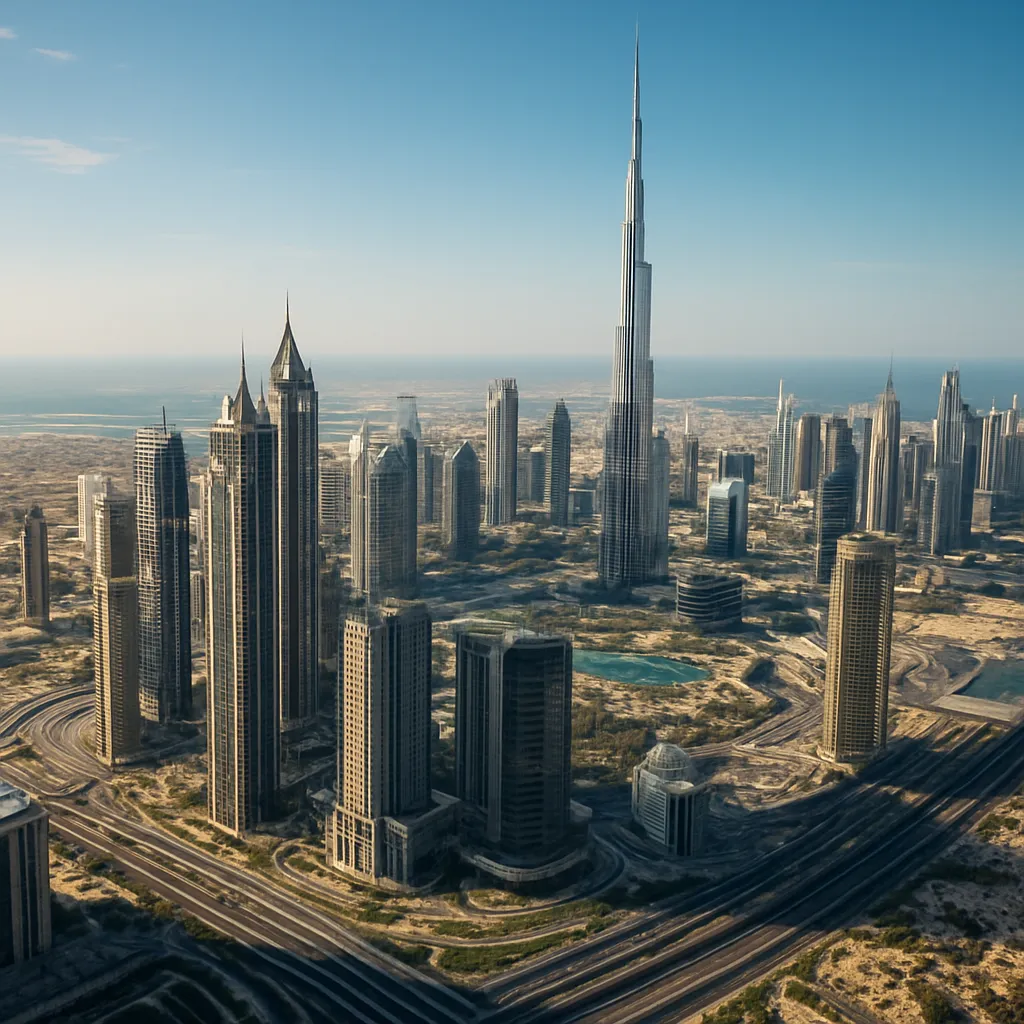
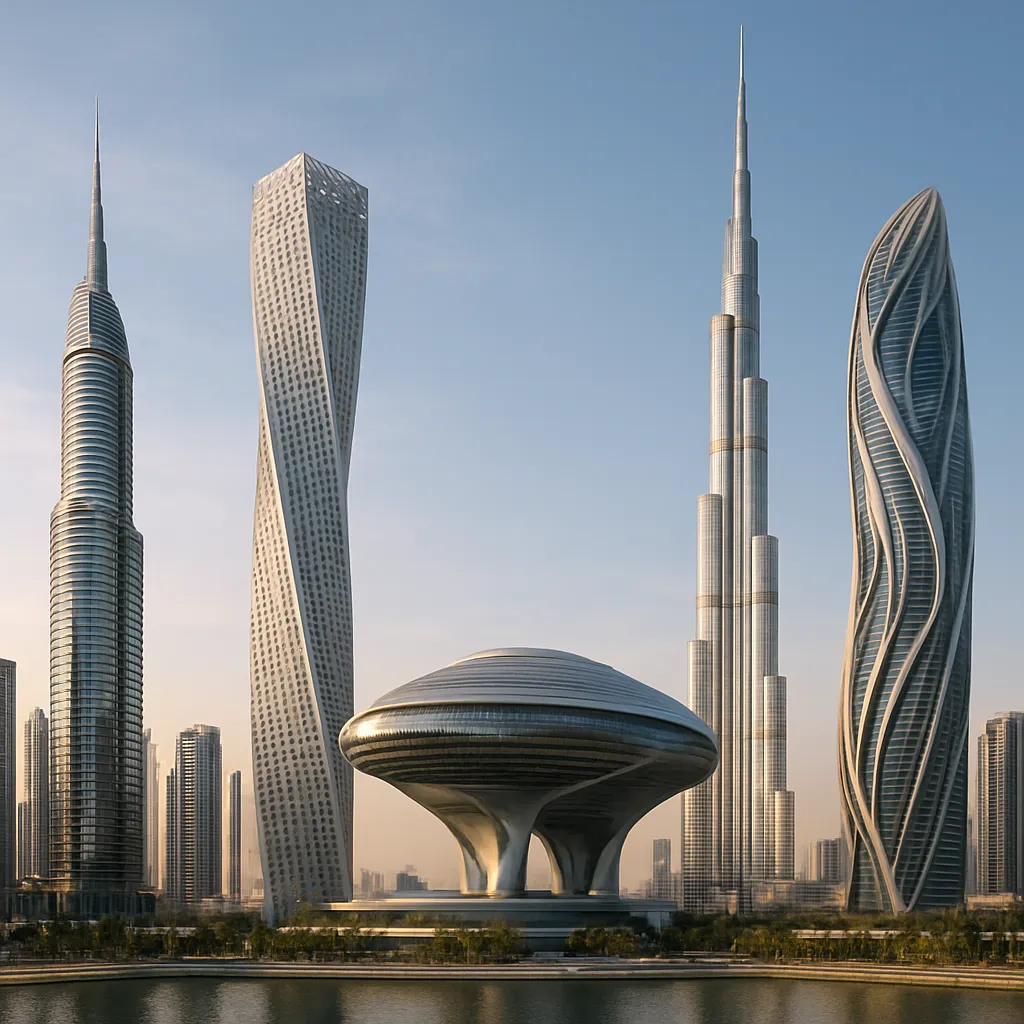
Dubai’s skyline stands as a testament to bold ambitions, where architects blend cutting-edge innovation with cultural heritage. These towering structures not only redefine urban living but also craft a distinctive silhouette against the vast Arabian desert. From the spiraling form of the Burj Khalifa to the sail-shaped Burj Al Arab, each project showcases a unique fusion of art, engineering, and vision. This article delves into the creative processes and technical breakthroughs that have propelled Dubai to the forefront of global architecture.
Architectural Vision and Innovative Design
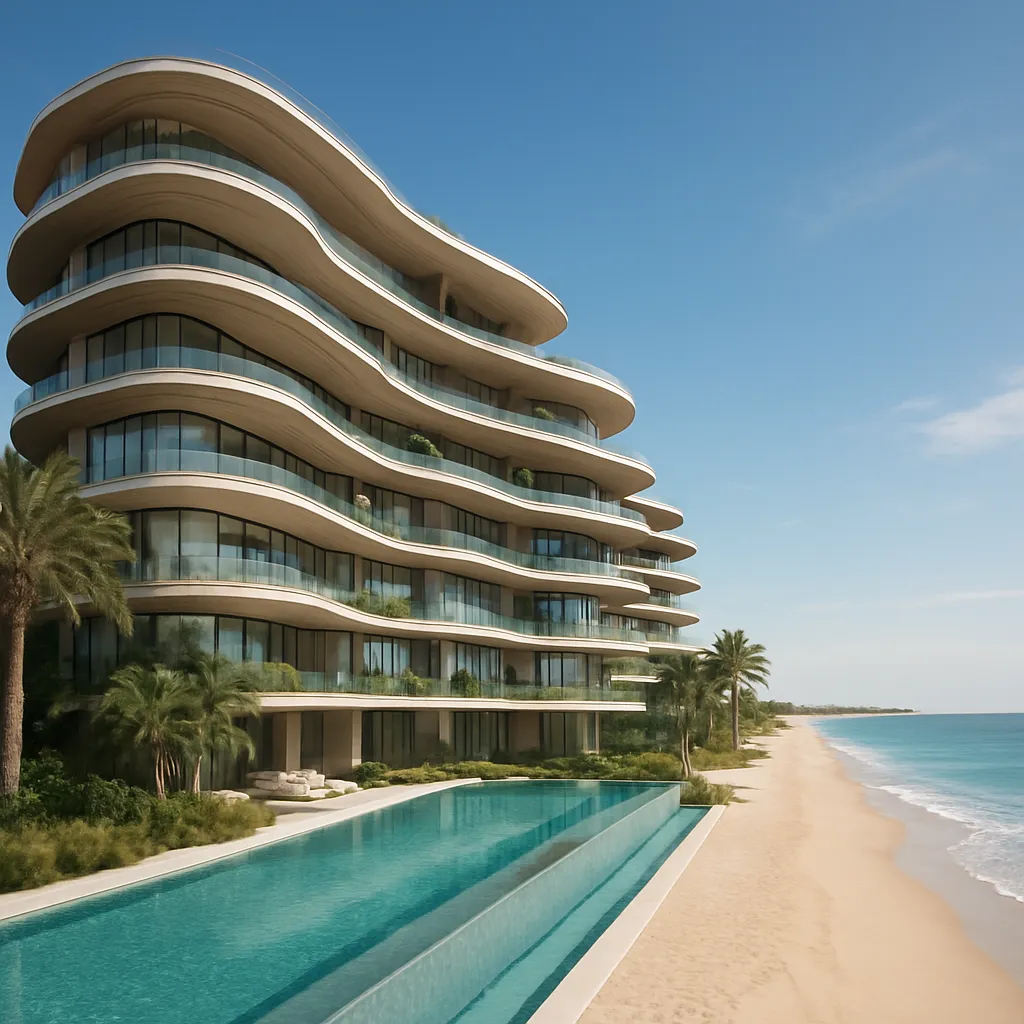
At the heart of every iconic Dubai building lies a bold concept. Architects often draw inspiration from natural elements—shifting dunes, palm fronds, or the geometry of Islamic art—to inform form and function. The result is a dynamic interplay of curves, angles, and voids that capture the eye while addressing climate challenges. By prioritizing fluid lines and aerodynamic shapes, designers reduce wind loads and heat absorption, ensuring buildings remain stable and energy-efficient.
The drive for innovation encourages experimentation with novel materials such as high-performance glass, carbon-fiber composites, and self-cleaning concrete. Digital modeling tools allow architects to simulate environmental conditions and optimize every façade dimension. Parametric design software shapes creative ideas into buildable realities, generating fluid geometries that would have been impossible just decades ago. Through this marriage of artistry and computation, Dubai’s skylines achieve those unforgettable, gravity-defying profiles.
- Emulation of desert forms to reduce thermal gain.
- Parametric optimization for wind and solar exposure.
- Use of tensile structures for lightweight, sweeping canopies.
Engineering Marvels and Structural Solutions
Turning visionary sketches into colossal towers demands pioneering structural engineering. The Burj Khalifa employs a bundled tube system that resists lateral forces by grouping concrete cores in a Y-shaped plan. Similarly, the twisting geometry of the Cayan Tower uses a central spine to channel torsional loads down to its foundation. Each project leverages advanced analytical models to predict performance under seismic events and high wind speeds, guaranteeing safety and reliability at unprecedented heights.
Dubai’s architects and engineers collaborate closely to invent support systems that transcend conventional limitations. Innovations include:
- High-strength, lightweight steel frames enabling slender profiles.
- Deep foundations anchored in bedrock for maximum stability.
- Adaptive brise-soleil facades that respond to sun angles.
These solutions not only sustain the soaring masses but also contribute to the city’s emblematic silhouette, reflecting light and shadow in ever-changing patterns.
Iconic Projects Shaping Dubai’s Skyline
Several landmark developments have cemented Dubai’s reputation as a hub of architectural daring:
Burj Khalifa
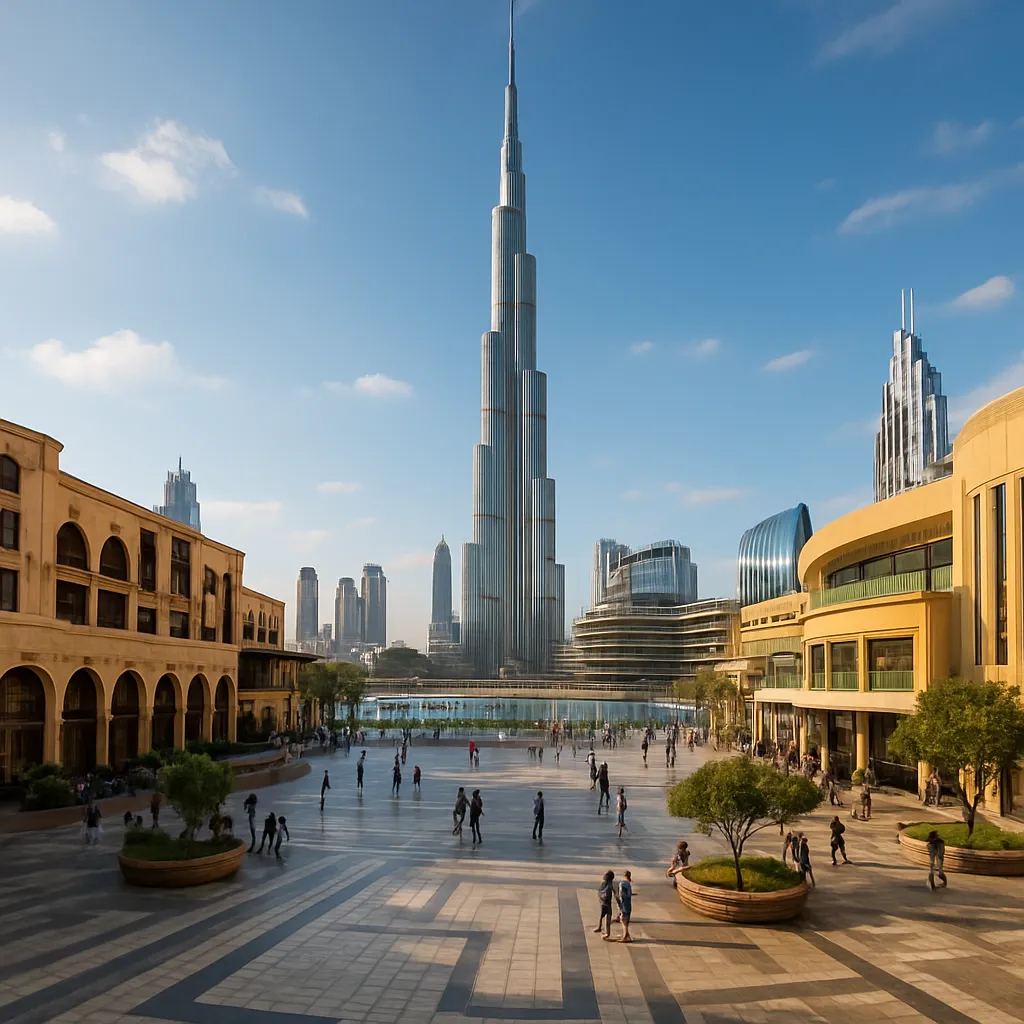
The tallest building in the world towers at over 828 meters. Its staggered setbacks and spire echo the Hymenocallis flower native to the region. By tapering as it ascends, the structure minimizes wind forces. Internally, visitors enjoy observation decks perched above a network of sky lobbies and high-speed elevators engineered for smooth pressure transitions.
Burj Al Arab
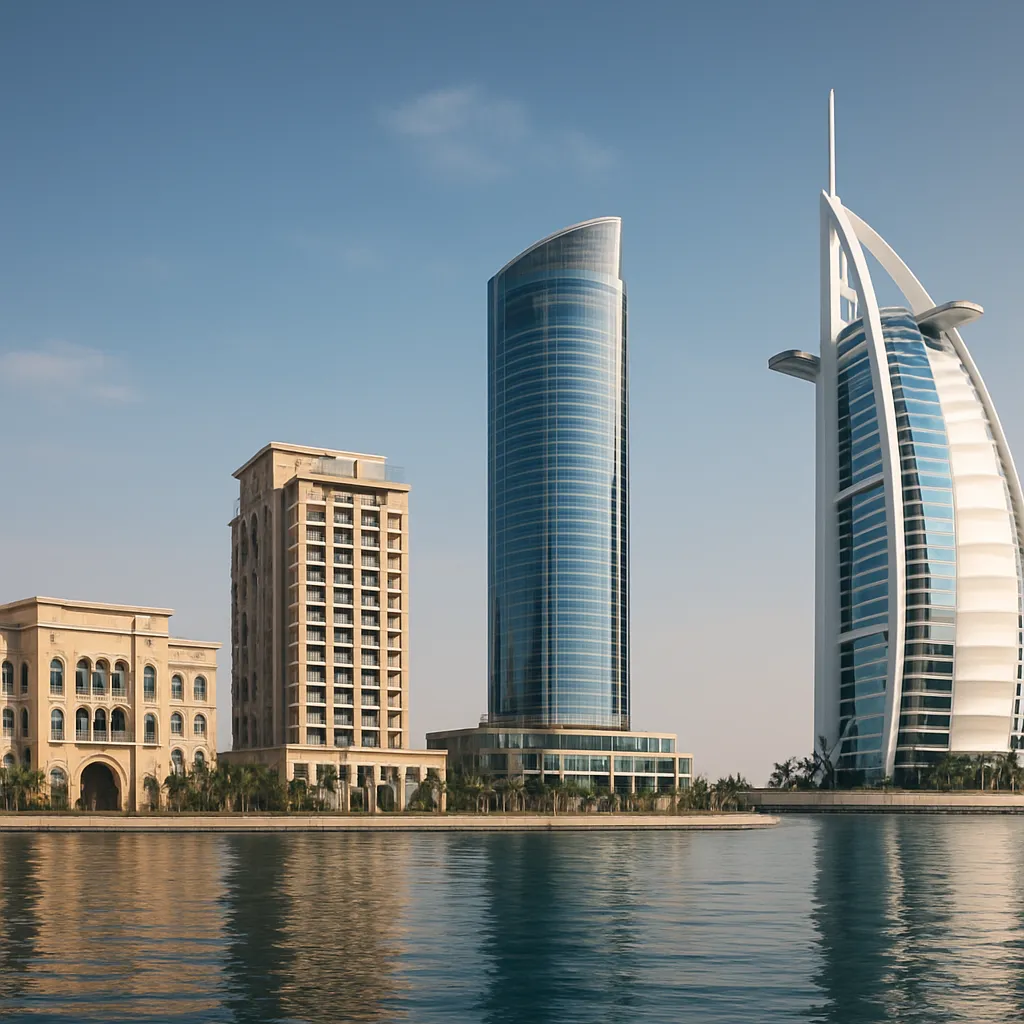
Often described as the world’s only seven-star hotel, its sail-shaped profile emerges from an artificial island. This engineering triumph demanded the installation of 230 concrete piles driven into the seabed, providing a stable platform for the 321-meter-high tower. The dramatic atrium, clad in reflective gold leaf, sets a glamorous tone that embodies Dubai’s spirit of luxury and innovation.
Palm Jumeirah Residences
Shaped like a date palm, this artificial island represents a daring undertaking in land reclamation. Its fronds host upscale villas while the crescent breakwater shelters marinas and resorts. The project demonstrates mastery over marine engineering and urban planning, creating a new paradigm for waterfront living.
Balancing Tradition with Future-Ready Techniques
Dubai’s architects maintain a deep respect for cultural heritage, embedding Islamic design motifs into contemporary forms. Mashrabiya-inspired screens filter sunlight and create intricate shadow plays within interiors. Courtyard concepts revive time-honored principles of natural ventilation and privacy, reinterpreted through modern materials and construction methods. This synergy preserves the city’s soul while embracing 21st-century comforts.
- Geometric tile patterns as cladding elements.
- Wind towers modernized as passive cooling spines.
- Vaulted ceilings reimagined with translucent structural glass.
By intertwining past and present, projects become living testimonials to a civilization that values both its roots and its aspirations. This duality ensures that each tower stands as a cultural ambassador, not merely a functional asset.
Future Trends: Sustainability and Smart Technology
As global attention turns toward environmental stewardship, Dubai pioneers green building strategies tailored for its harsh climate. Solar panels integrate seamlessly onto facades and shade canopies, supplying power for cooling systems and lighting. Greywater recycling networks reuse shower and sink water for irrigation, preserving precious freshwater reserves. Researchers test phase-change materials within wall assemblies to regulate indoor temperatures, slashing energy consumption.
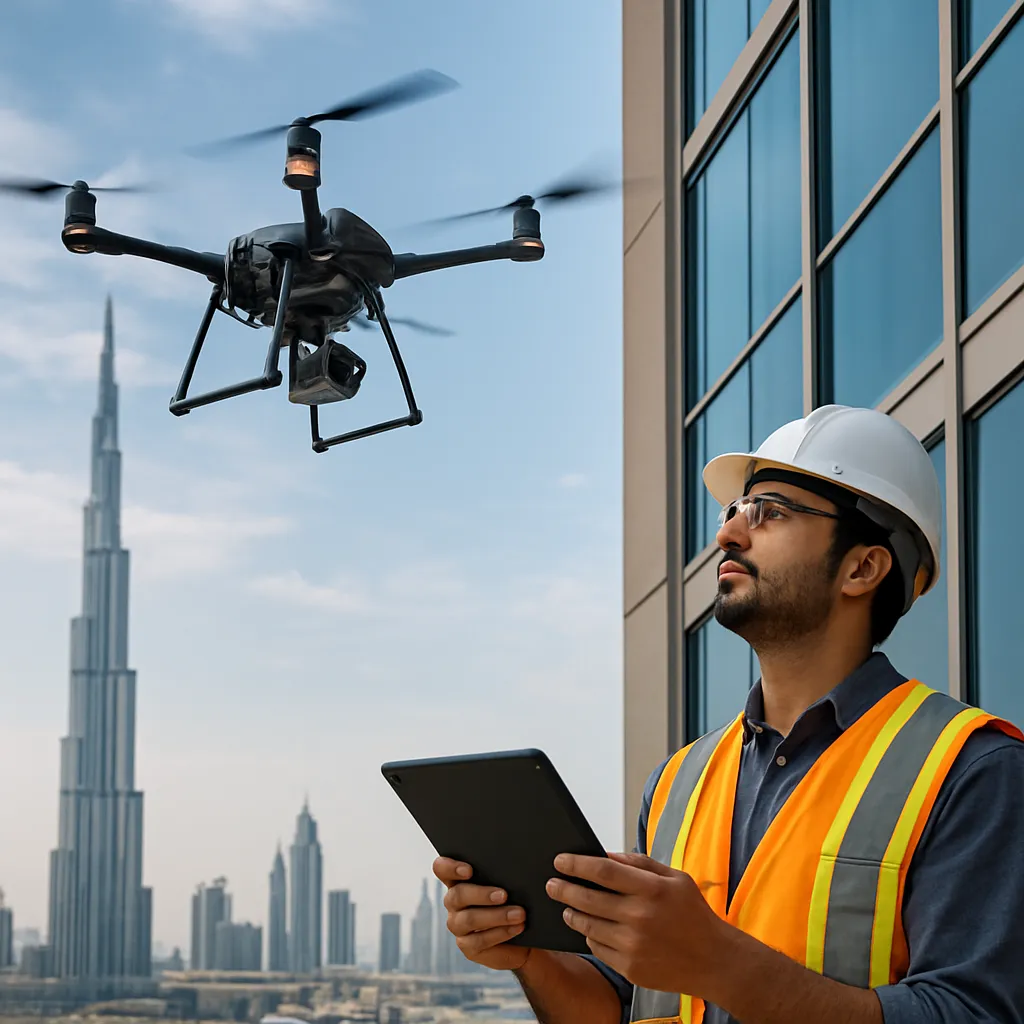
Smart building management platforms monitor real-time metrics—temperature, humidity, occupancy—optimizing HVAC performance and alerting maintenance teams to efficiency losses. Drone inspections survey façade integrity without risking human safety, while robotic cleaners maintain glass surfaces to enhance solar gain and aesthetic appeal. Through these efforts, Dubai aims to achieve net-zero energy districts that harmonize urban density with ecological responsibility.
- Dynamic shading meshes that adjust to solar trajectory.
- Artificial intelligence for predictive maintenance of critical systems.
- Integration of natural ventilation corridors within high-rise clusters.
Concluding Visions: The Next Horizon
Looking ahead, Dubai’s architects envision megastructures that float above the desert, spiral into the heavens, or curve around the shoreline. Advancements in 3D-printed construction, carbon-capture concrete, and bio-responsive façades promise to elevate both form and function. As the city expands its portfolio of record-breaking towers, one principle remains constant: a bold pursuit of architectural excellence that reflects human ingenuity and aspiration on an epic, skyline-defining scale.