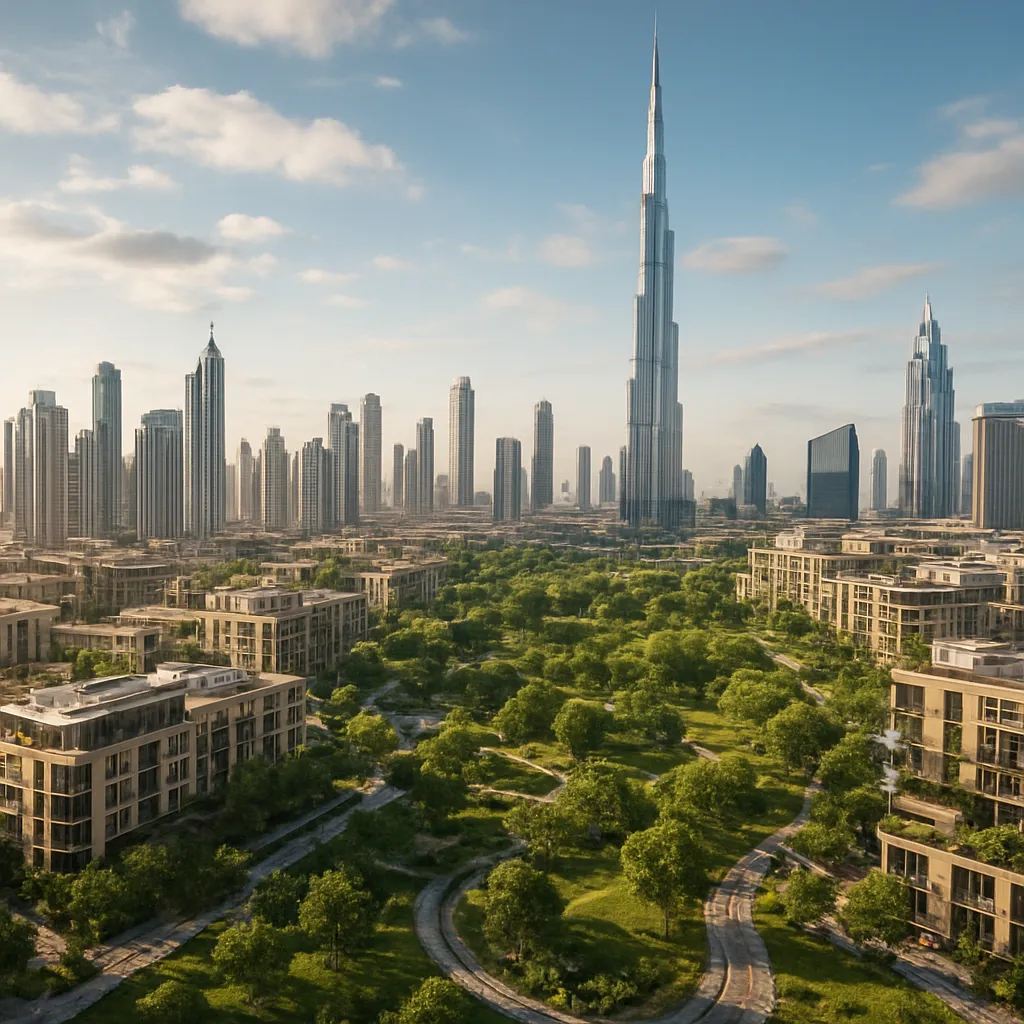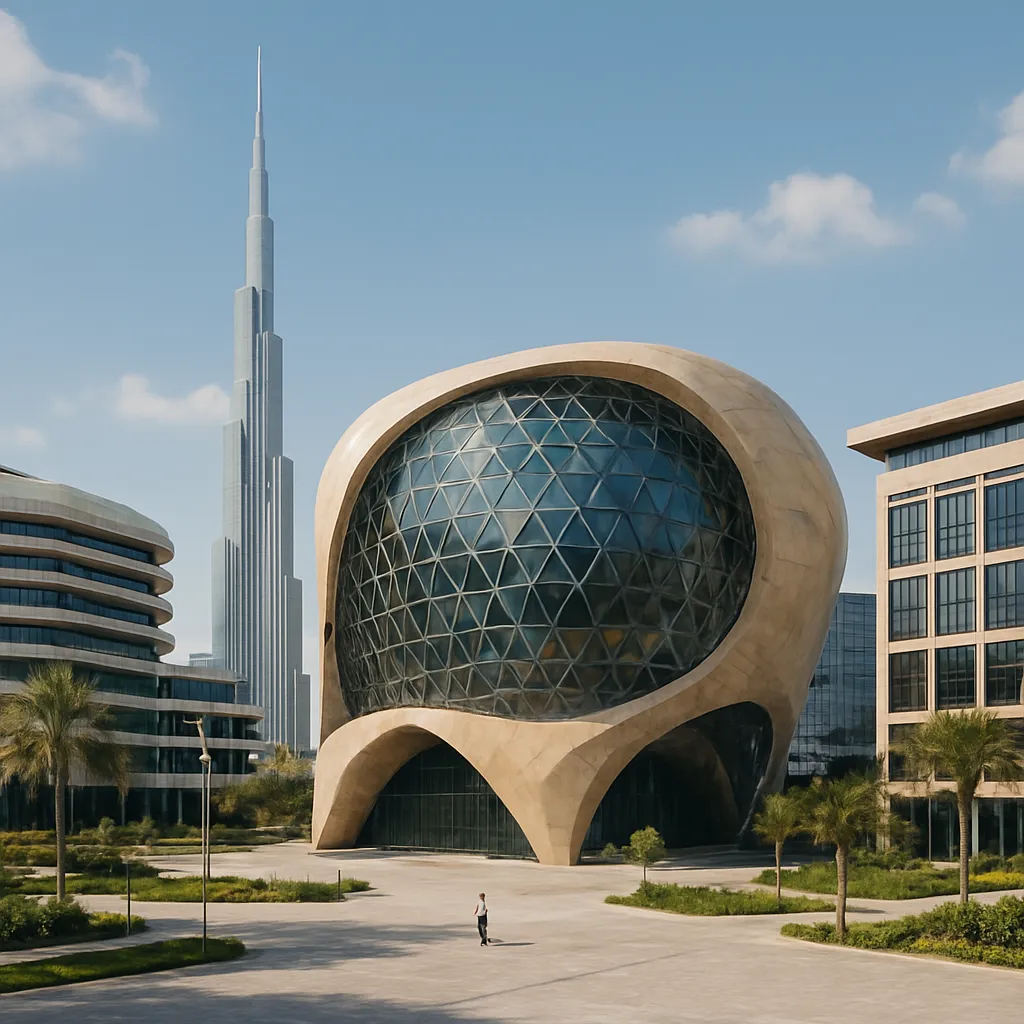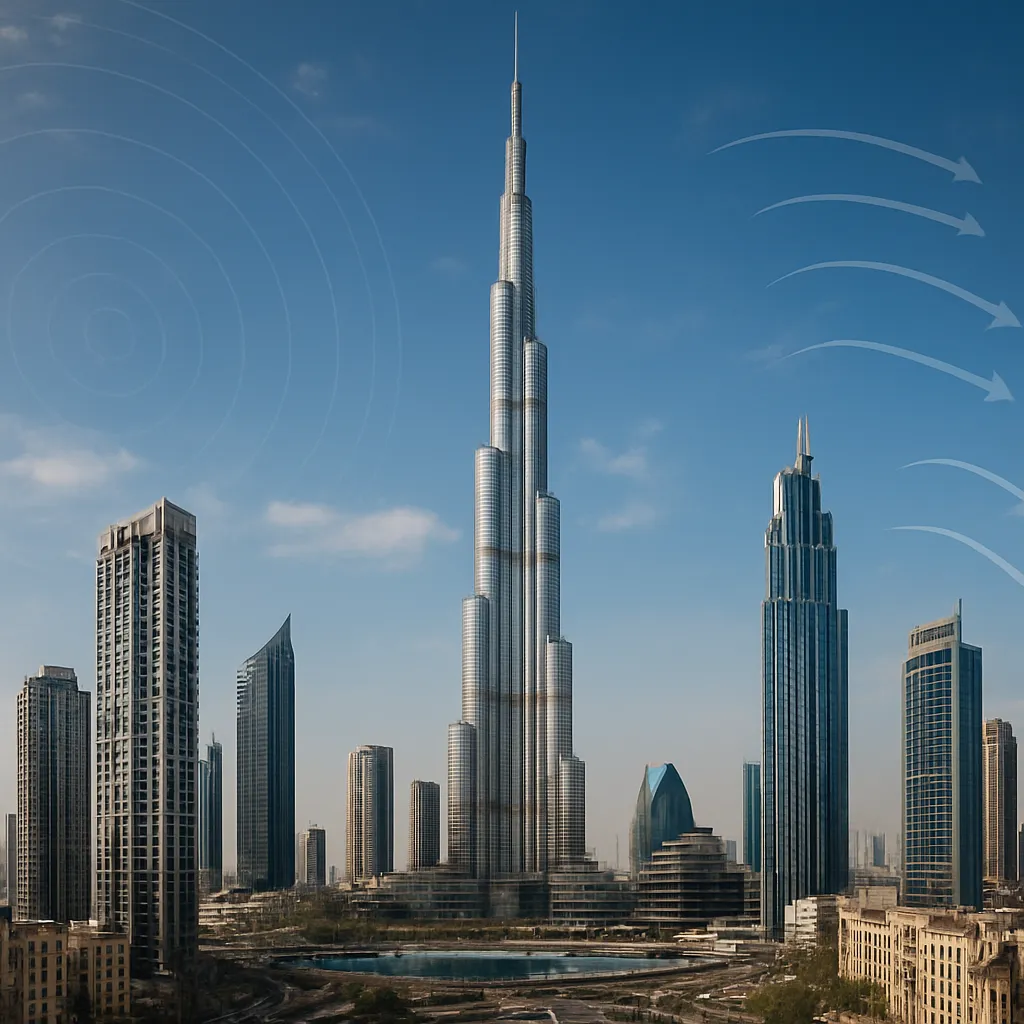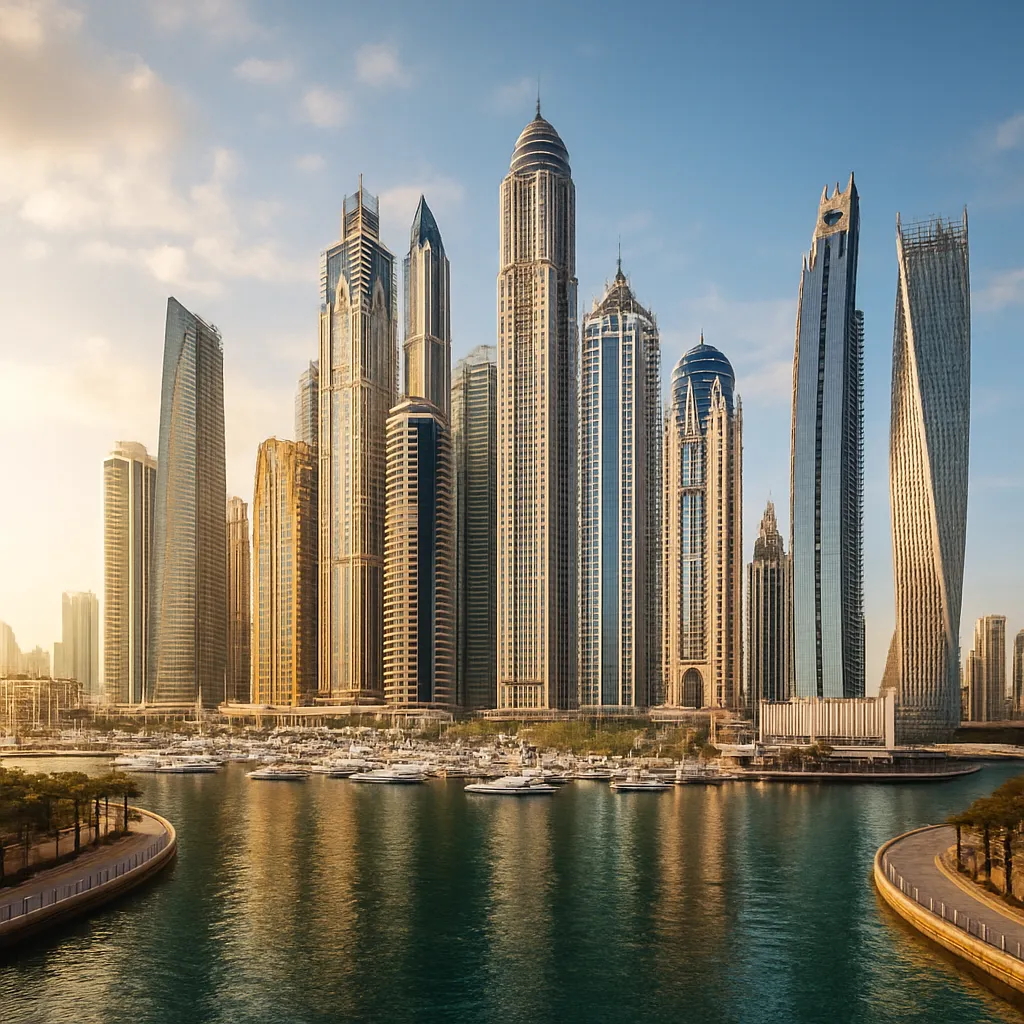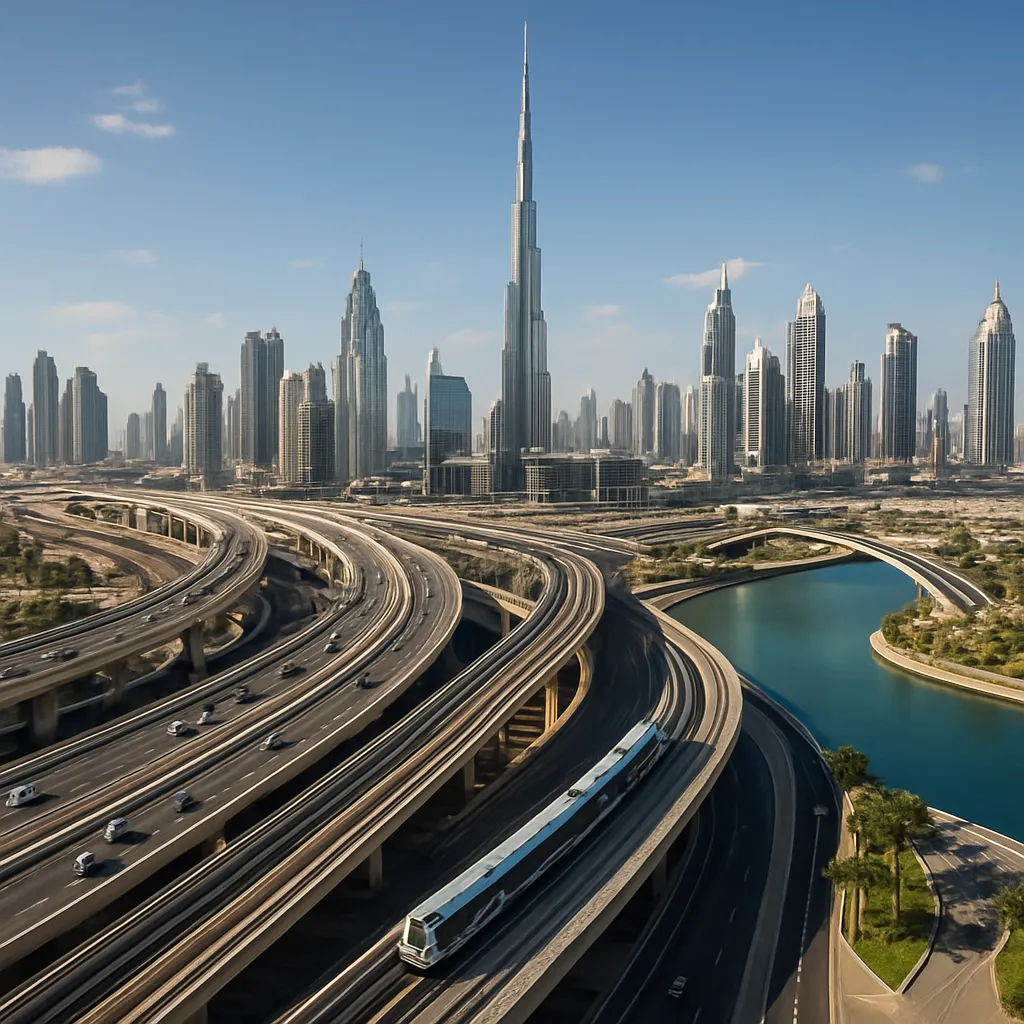
Dubai’s construction sector stands at the forefront of technological transformation, driven by a relentless pursuit of iconic skyscrapers and sustainable urban development. As the city continually redefines its skyline, industry leaders are turning to artificial intelligence and robotics to enhance precision, speed, and safety. This article explores how the integration of cutting-edge technologies is reshaping Dubai’s buildings, elevating both architectural ambition and environmental responsibility.
The Rise of AI and Robotics in Construction
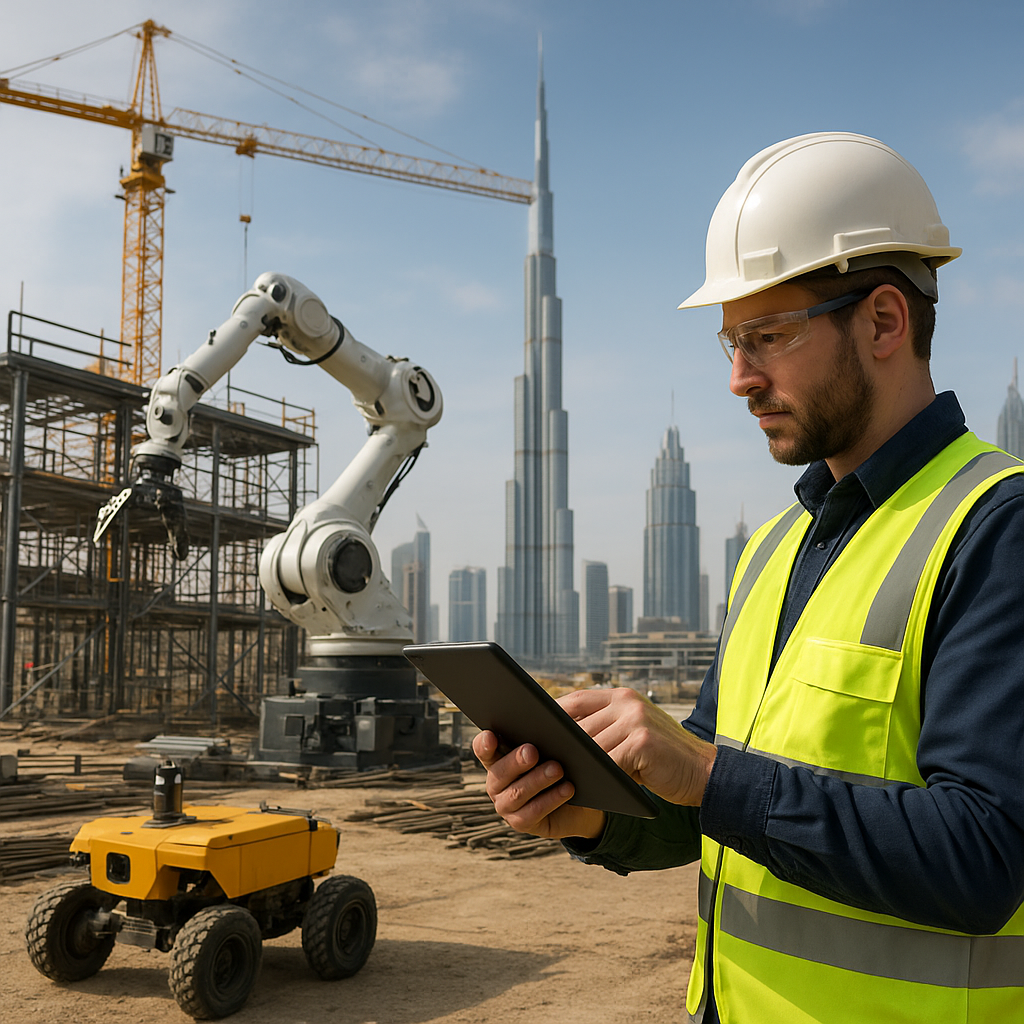
The adoption of automation and intelligent systems has accelerated in recent years, propelled by the need to manage complex projects and tight timelines. Major developers and contractors in Dubai now employ autonomous drones for site surveys, robotic arms for concrete placement, and predictive algorithms that forecast maintenance needs. These advancements not only reduce human error but also streamline workflows, ensuring that each phase of construction adheres to rigorous standards.
Robotic platforms equipped with 3D printing heads can produce intricate façade elements in record time. Meanwhile, AI-driven scheduling tools optimize resource allocation, minimize downtime, and adapt to real-time changes on the ground. By leveraging machine-driven processes, the sector is overcoming traditional bottlenecks and delivering marvels of modern engineering.
Key Technologies Shaping Dubai’s Architectural Landscape
Smart Sensors and Data Analytics
Embedded throughout construction sites, smart sensors monitor structural integrity, ambient conditions, and equipment performance. These devices collect vast streams of data, which are then processed by machine learning models. The result is a dynamic feedback loop: contractors can identify potential issues before they escalate, optimize material usage, and ensure on-site safety for workers.
- Real-time monitoring of concrete curing and load-bearing stresses.
- Environmental sensing to adjust HVAC systems during fit-out phases.
- Predictive analytics that schedule maintenance for heavy machinery.
Digital Twin and Virtual Modeling
The concept of a Digital Twin has taken hold in Dubai’s ultra-modern developments. By creating a virtual replica of a building, stakeholders can simulate construction processes, test design alternatives, and foresee operational challenges. This immersive approach allows architects and engineers to collaborate in a shared digital environment, reducing costly revisions and accelerating decision-making.
Digital twins also extend into post-construction phases, where facility managers utilize them for efficient building management. By integrating IoT networks, the twin continuously updates, providing a live dashboard of energy consumption, occupancy patterns, and maintenance schedules. This synergy of innovation and data-driven oversight marks a new era in skyscraper operations.
Prefabrication and Modular Construction
Prefabrication techniques align seamlessly with Dubai’s quest for rapid project delivery. Off-site manufacturing of building components ensures high quality through controlled assembly lines, while robotics handle repetitive tasks such as welding, drilling, and material handling. This shift toward prefabrication mitigates weather-related delays and improves site safety by reducing on-site labor intensity.
- Modular units for hotel towers, complete with plumbing and fixtures.
- Robotic cutting and assembly of steel beams with sub-millimeter accuracy.
- Automated logistics that transport modules directly to the construction site.
Benefits and Challenges of Technological Integration
Implementing AI and robotics in construction brings numerous advantages:
- Efficiency gains through streamlined workflows and minimized waste.
- Enhanced safety by limiting manual handling of hazardous tasks.
- Improved sustainability via optimized material consumption and energy tracking.
- Greater precision in complex designs and structural assemblies.
- Cost savings from reduced rework and faster project timelines.
However, challenges persist. Workforce adaptation to automated systems demands training programs and a cultural shift towards digital literacy. Initial capital investment for cutting-edge machinery can be substantial, posing budgetary hurdles for smaller firms. Data security also emerges as a concern, as interconnected devices generate sensitive operational data that must be safeguarded against cyber threats.
Future Prospects and Urban Transformation
Looking ahead, Dubai aims to integrate even more advanced forms of innovation into its urban fabric. Concepts such as swarm robotics—where multiple robots coordinate tasks collaboratively—promise to revolutionize façade installation and interior finishing. Meanwhile, AI-powered robots capable of autonomous navigation and decision-making will tackle labor-intensive jobs in confined or hazardous environments.
On the sustainability front, researchers are exploring self-healing concrete infused with bio-organisms and AI-guided carbon capture technologies embedded into building materials. These breakthroughs align with Dubai’s vision of a net-zero carbon future, transforming mega-projects into living laboratories for green construction.
As the city continues to pioneer bold architectural statements, the marriage of AI and robotics stands as a testament to human ingenuity. Dubai’s skyline, already famed for its record-breaking towers, will further reflect the synergy of automation, data intelligence, and forward-thinking design principles.