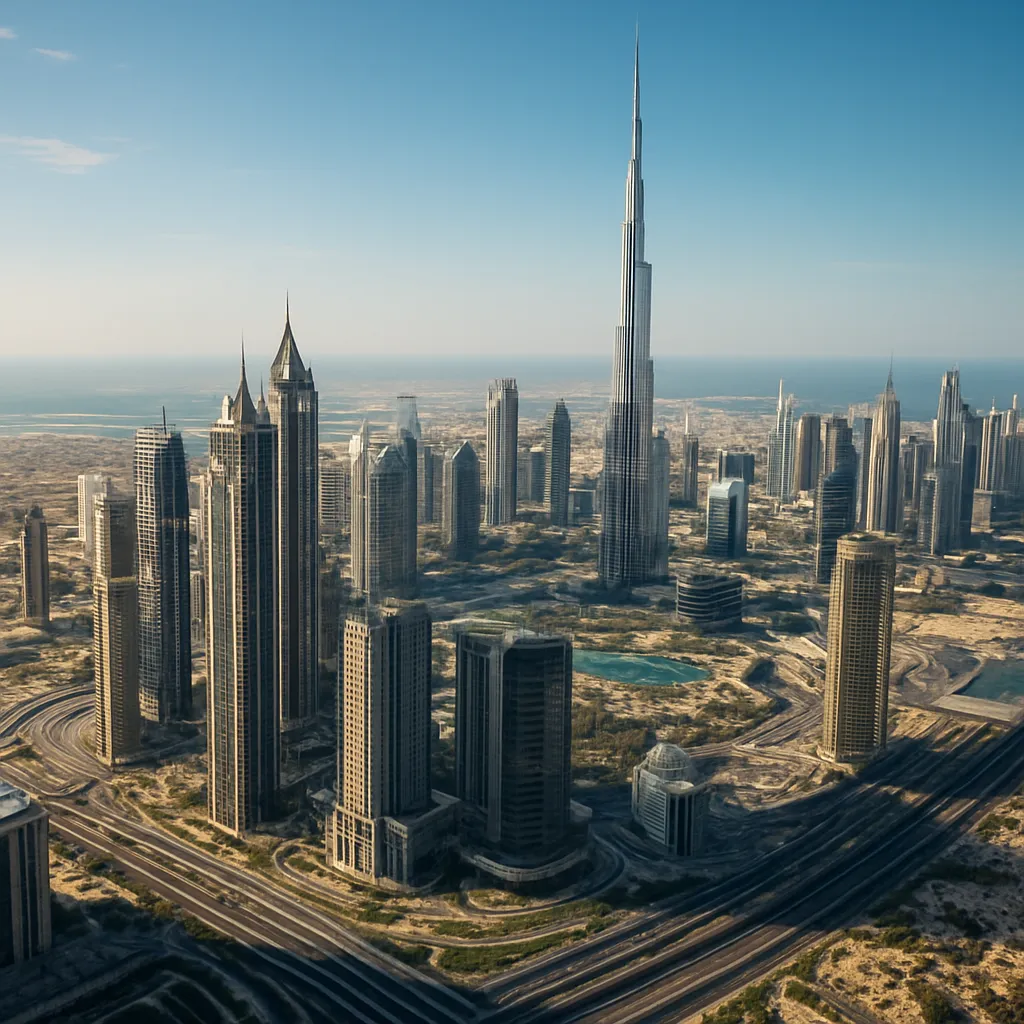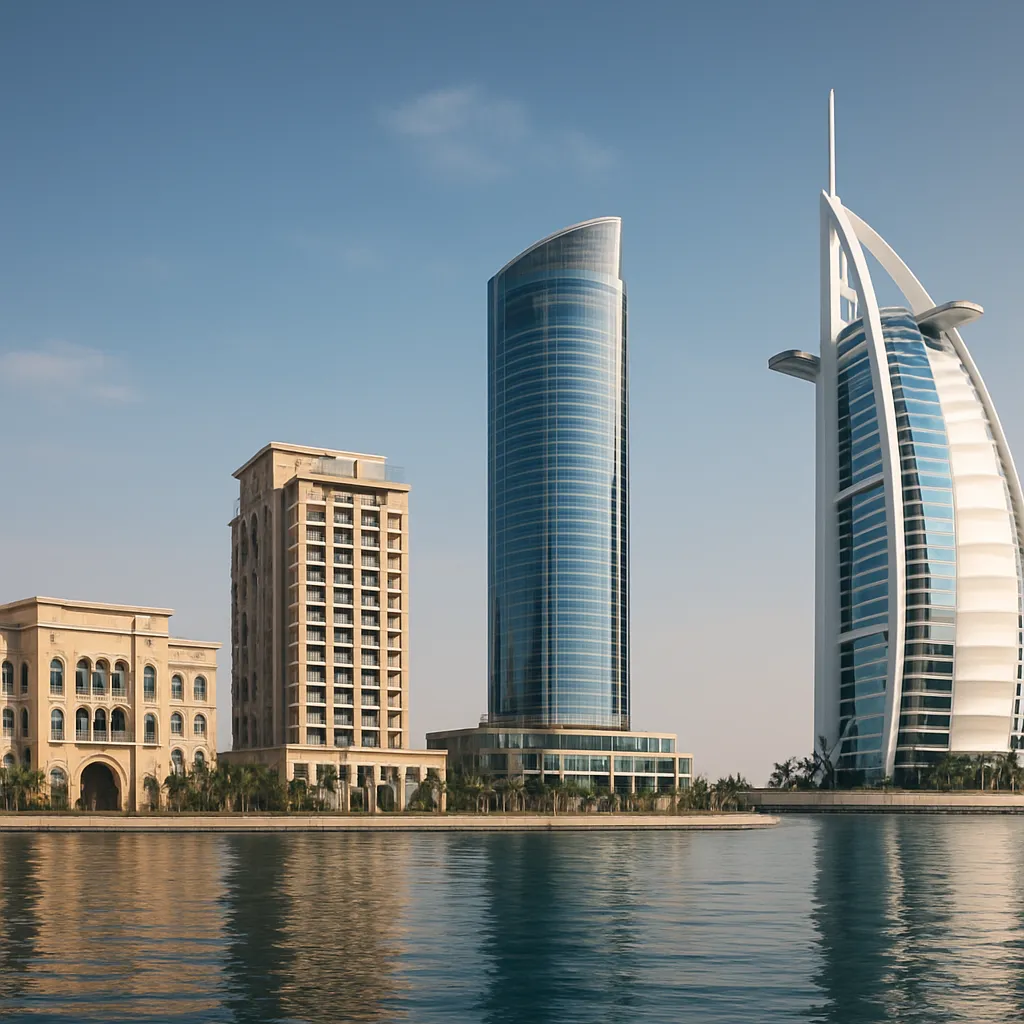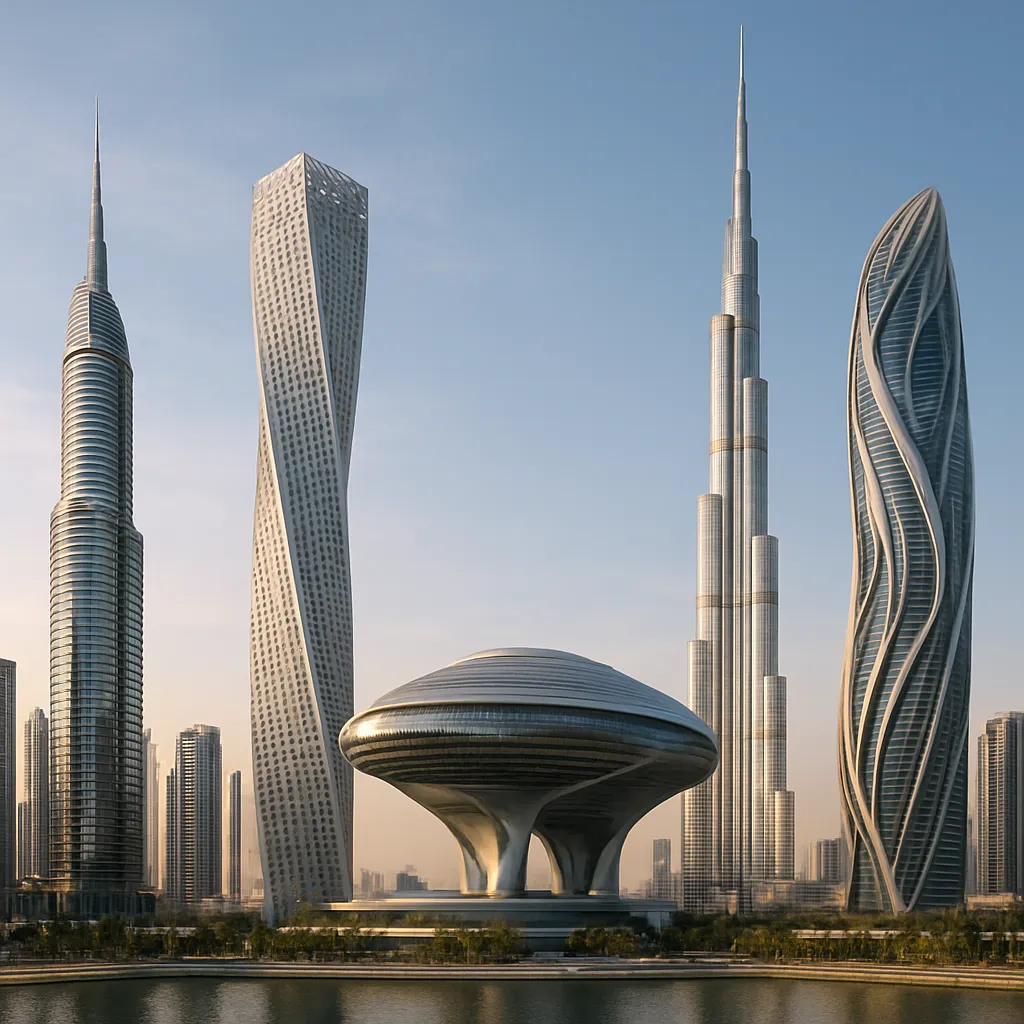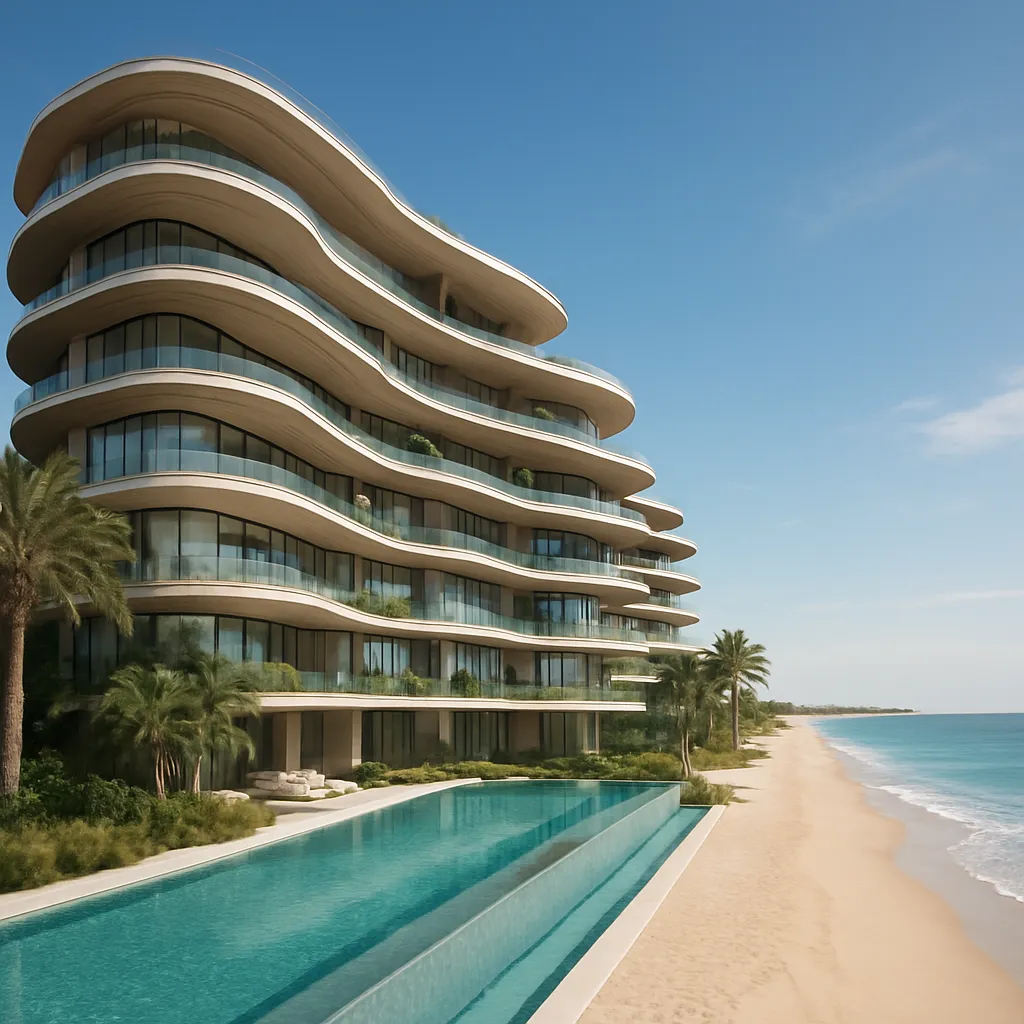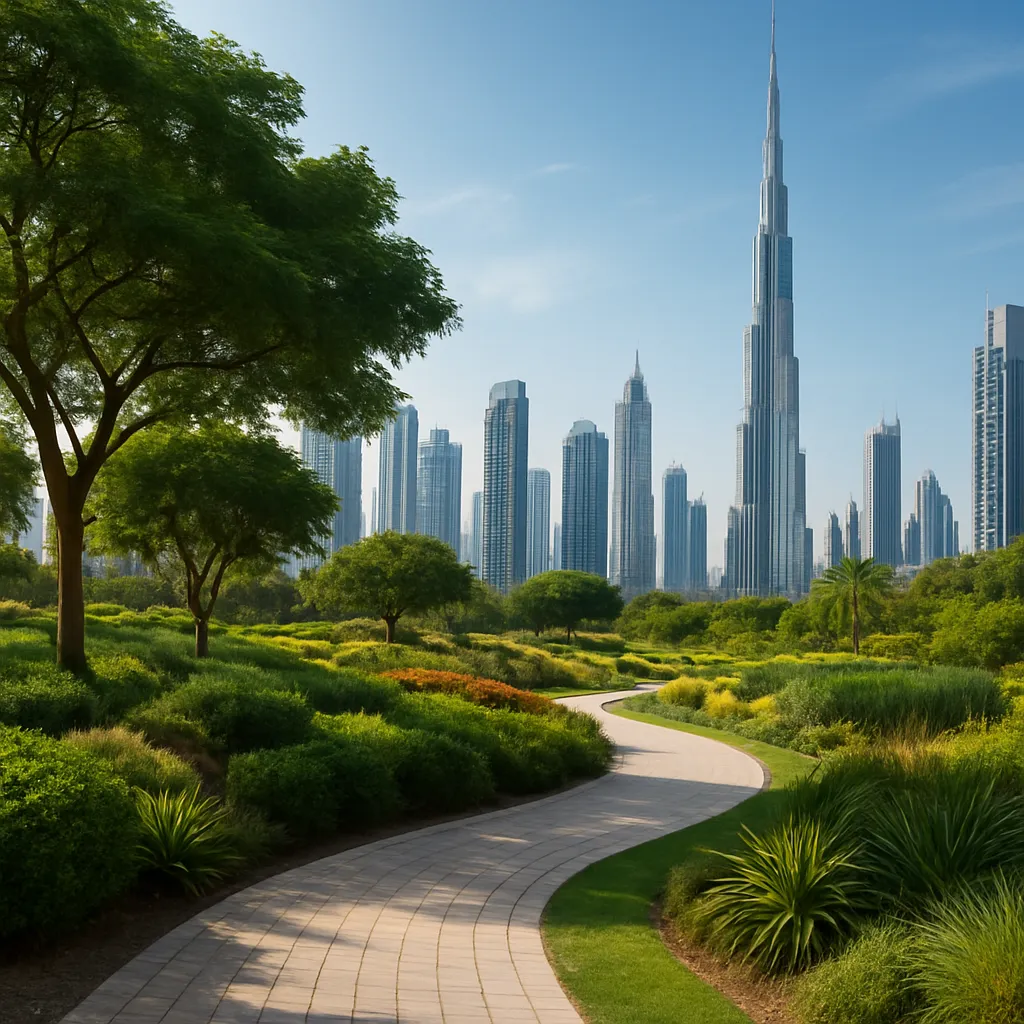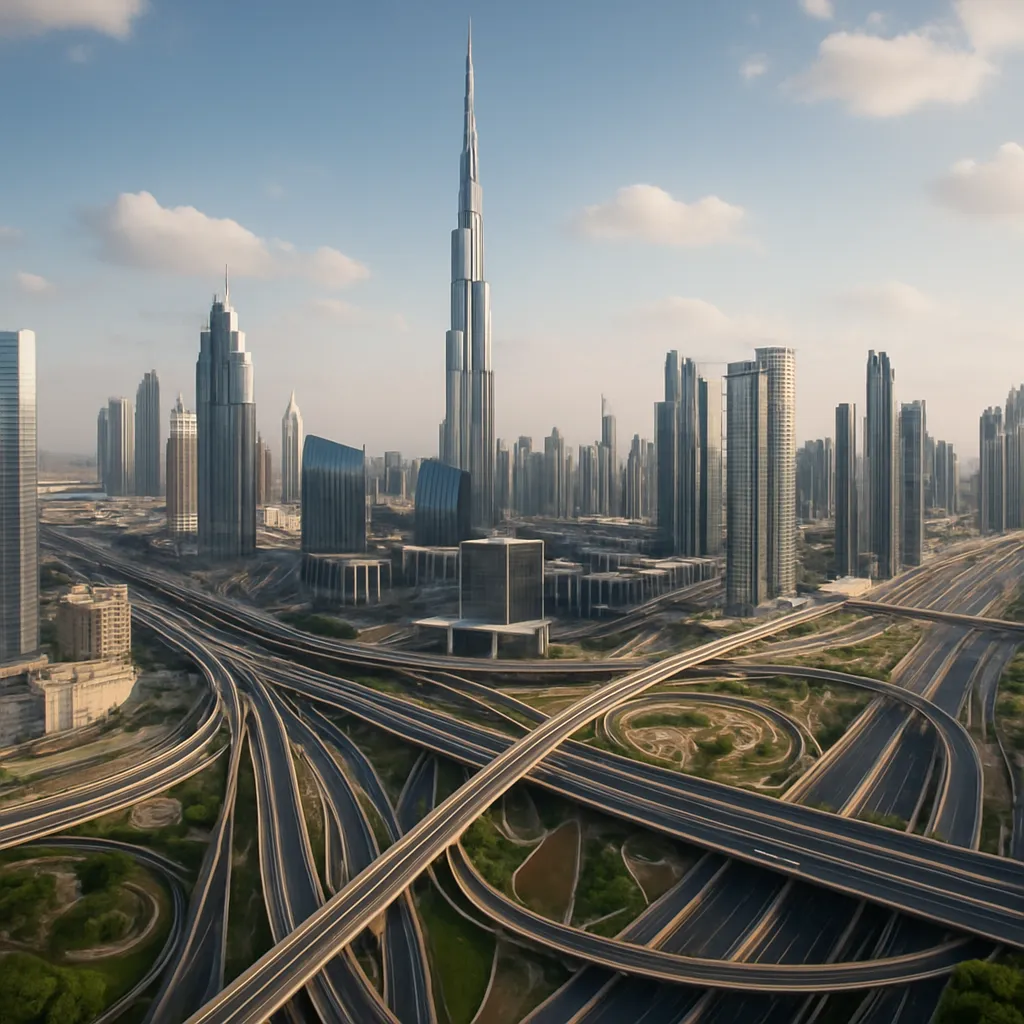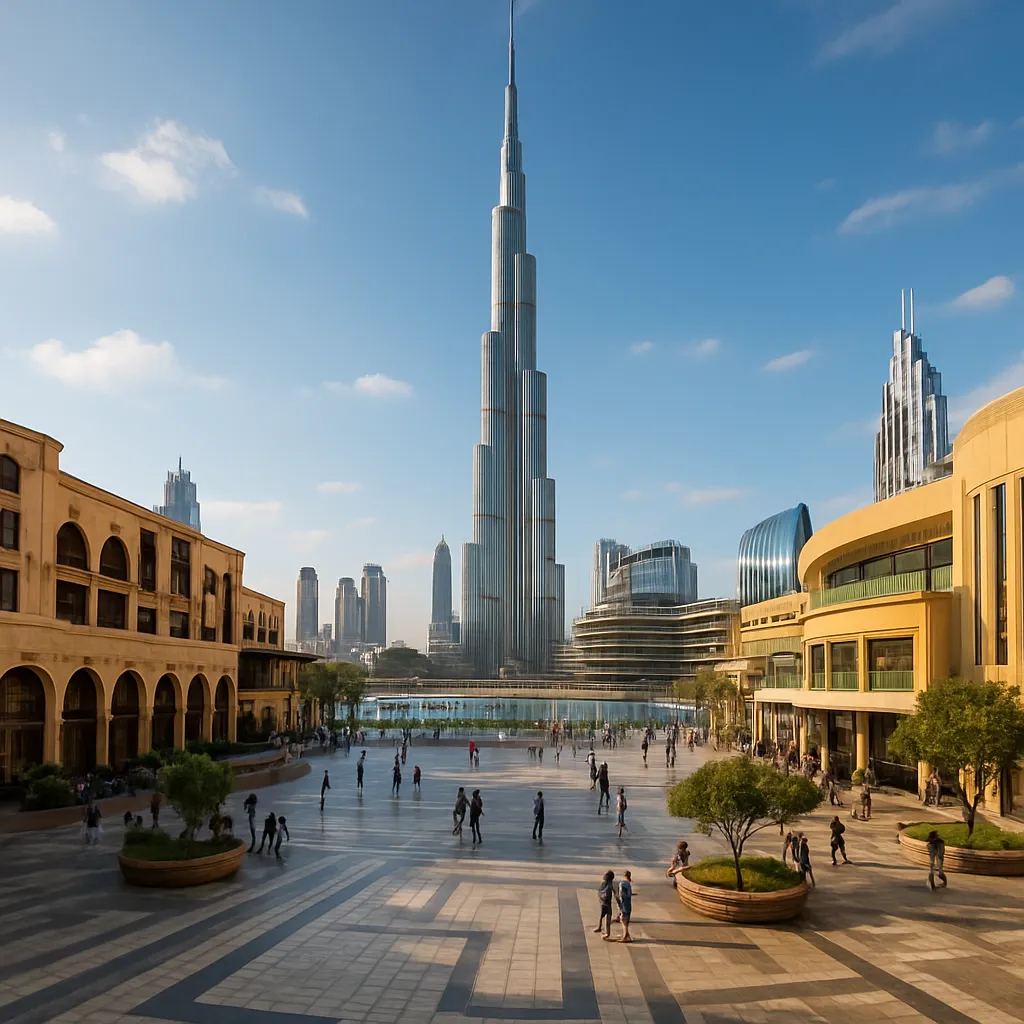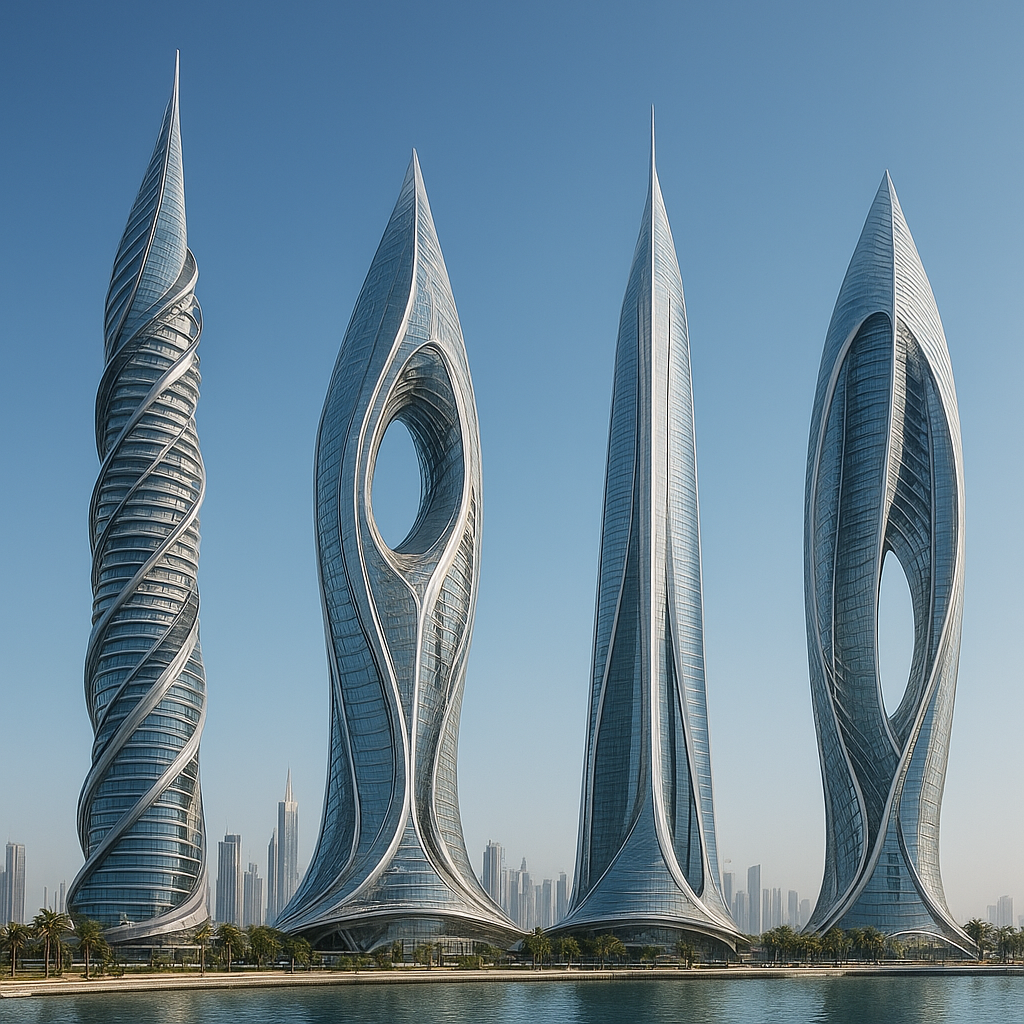
Dubai continues to redefine global skylines with its daring architectural ventures and relentless pursuit of innovation. In this ever-evolving metropolis, each new project stakes a claim in the annals of contemporary architecture, blending high-end aesthetics with cutting-edge technology and profound environmental considerations. From gravity-defying spires to energy-generating facades, the emirate’s approved developments stand as testaments to a truly futuristic vision. This article delves into several of these iconic projects, the technical breakthroughs fueling their creation, and the sustainable strategies that will shape Dubai’s urban tapestry for decades to come.
Iconic Architectural Marvels
Bold in scale and ambitious in concept, Dubai’s newest skyline elements promise to become immediate landmarks. Each tower, cultural center, and mixed-use complex embodies a unique narrative—one of ingenuity, luxury, and a desire to challenge the limits of what is structurally possible. These visionary projects not only redefine the silhouette of the city but also elevate its status as a global destination for tourists, investors, and design aficionados.
Dubai Creek Tower
Set to surpass the height of the Burj Khalifa, the Dubai Creek Tower will soar above the waterway in the newly masterplanned Creek Harbor district. Its design draws inspiration from the slender stalks of a desert plant, achieving both grace and stability. Key features include:
- Hyperboloid lattice structure for wind resistance
- Sky terraces offering panoramic views across the city
- Integrated water recycling systems within the podium
Museum of the Future
A stainless-steel torus punctuated by calligraphy, the Museum of the Future is more than an exhibition space—it is a research hub for immersive experiences in smart cities, robotics, and advanced materials. Highlights include:
- An AI-driven façade that monitors weather to optimize internal conditions
- Seven thematic floors exploring future mobility, genomics, and climate resilience
- Interactive holographic galleries powered by augmented reality
Mars Science City
Conceived in collaboration with top space agencies, Mars Science City will simulate a Martian habitat in the desert outskirts of Dubai. This expansive project will test life-support systems, 3D-printed habitat modules, and sustainable agriculture techniques under controlled conditions. Its objectives are:
- Demonstrating closed-loop water and air regeneration
- Growing crops in hydroponic and aeroponic farms
- Validating habitat assembly by autonomous robots
Technological Innovations Driving Design
Behind each of Dubai’s extraordinary projects lies a foundation of technology seldom applied at such scale. Robotics, advanced simulation, and modular construction have reduced timelines and improved precision—ushering in a new era of hyper-efficient building methodologies.
- 3D Printing: From concrete structural components to intricate façade panels, 3D printing has enabled architects to realize complex geometries while minimizing waste and labor costs.
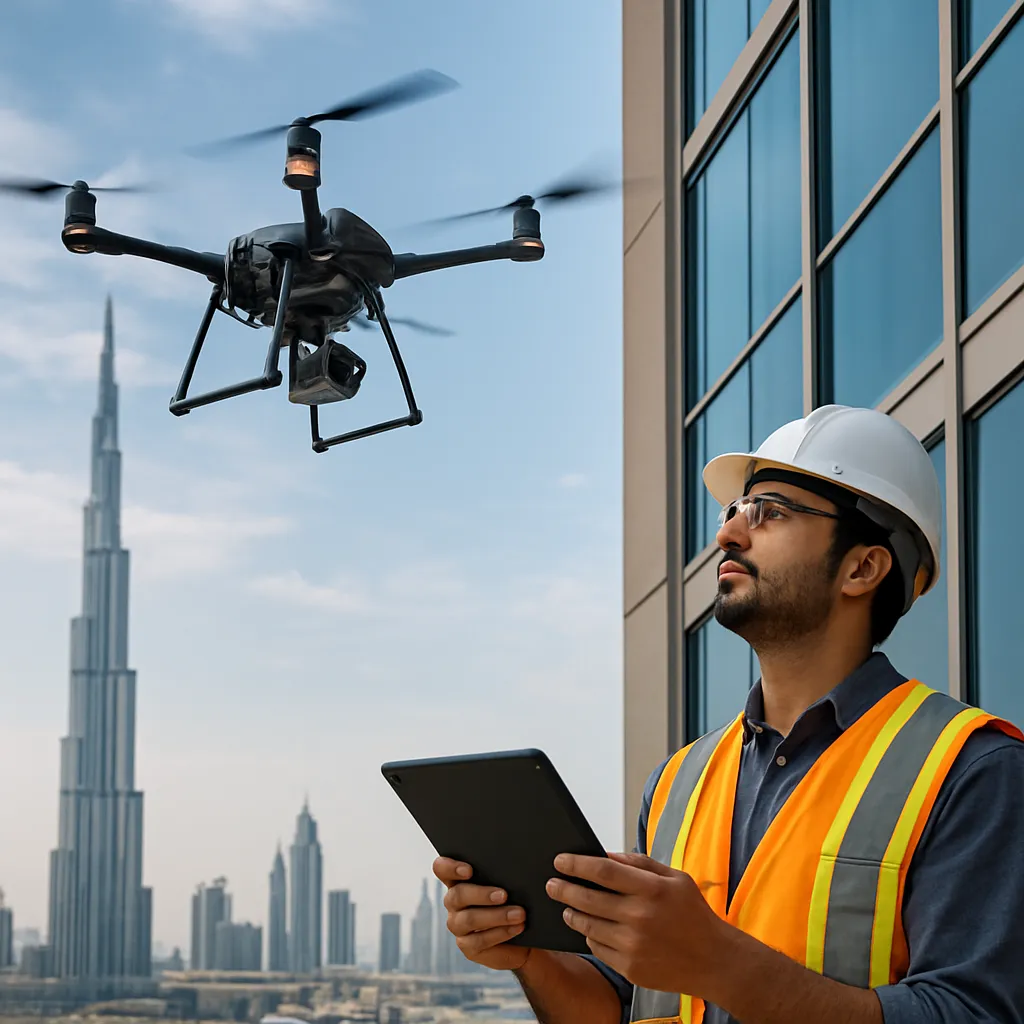
- Robotics and Automation: Autonomous drones, robotic cranes, and on-site assembly bots increase safety and precision, especially at dizzying heights.
- Parametric Design: Algorithm-driven forms adapt to site conditions—wind patterns, solar paths, and views—producing optimal shapes for both performance and aesthetics.
- Building Information Modeling (BIM): Immersive digital twins allow engineers to simulate structural loads, energy flows, and maintenance scenarios decades into the future.
- Smart Facades: Dynamic shading systems and photovoltaic skins respond to real-time climate data, maximizing energy generation and occupant comfort.
Modular and Prefabricated Solutions
Dubai’s harsh climate and ambitious schedules have accelerated the adoption of off-site prefabrication. Entire bathroom pods, MEP (mechanical, electrical, plumbing) racks, and façade modules are constructed in controlled factories, then shipped and installed in record time. Advantages include:
- Enhanced quality control through factory conditions
- Reduced on-site labor hazards and weather-related delays
- Lowered carbon footprint due to consolidated material logistics
Sustainable and Smart City Integration
As climate resilience becomes an imperative, Dubai’s new developments embed sustainability at their core. Beyond individual buildings, entire districts are designed as integrated ecosystems, leveraging renewable energy, water conservation, and data-driven management systems.
- District Cooling: Centralized plants chill water more efficiently than individual chillers, reducing energy consumption citywide.
- Solar Canopies: Photovoltaic arrays form shaded promenades, generating power and improving pedestrian comfort.
- Greywater Recycling: Reclaimed water irrigates green roofs, vertical gardens, and public parks, cutting potable water usage by up to 40%.
- Public Transit Connectivity: Seamless integration with metro lines, tram networks, and autonomous shuttle routes reduces car dependence.
- AI-Driven Asset Management: Predictive maintenance platforms monitor structural health, HVAC performance, and energy flows to optimize lifecycle costs.
Green Building Certifications
Many projects are pursuing LEED Platinum and regional sustainability ratings. Strategies include:
- High-performance glazing to minimize solar heat gain
- Natural ventilation corridors within podium levels
- Heat-reflective materials reducing urban heat island effects
Future Horizons and Beyond
Looking ahead, Dubai is charting an even more ambitious course—one that will blur the lines between physical and digital realms, terrestrial and extraterrestrial habitats, and mass urbanization and personalized living.
Digital Twin Districts
Entire neighborhoods will exist as urban digital replicas, where planners can test crowd movements, emergency scenarios, and infrastructure changes in real time. These “live” models will leverage IoT sensors embedded in roads, buildings, and utilities.
Holographic Signage and Interactive Public Spaces
City plazas and airport lounges may soon feature holographic guides, personalized wayfinding, and real-time translation services. These immersive experiences will rely on edge computing and 5G networks to deliver ultra-low latency interactions.
Space-Age Materials
Research into self-healing concrete, phase-change thermal storage panels, and graphene-enhanced composites promises to further extend building lifespans, reduce maintenance costs, and improve occupant well-being.
By intertwining bold aesthetics with rigorous engineering and a commitment to environmental stewardship, Dubai’s newest approved building designs herald an era of unprecedented urban transformation. As these structures rise, they not only reshape the city’s skyline but also chart a roadmap for sustainable, smart, and endlessly adaptive cities around the globe.