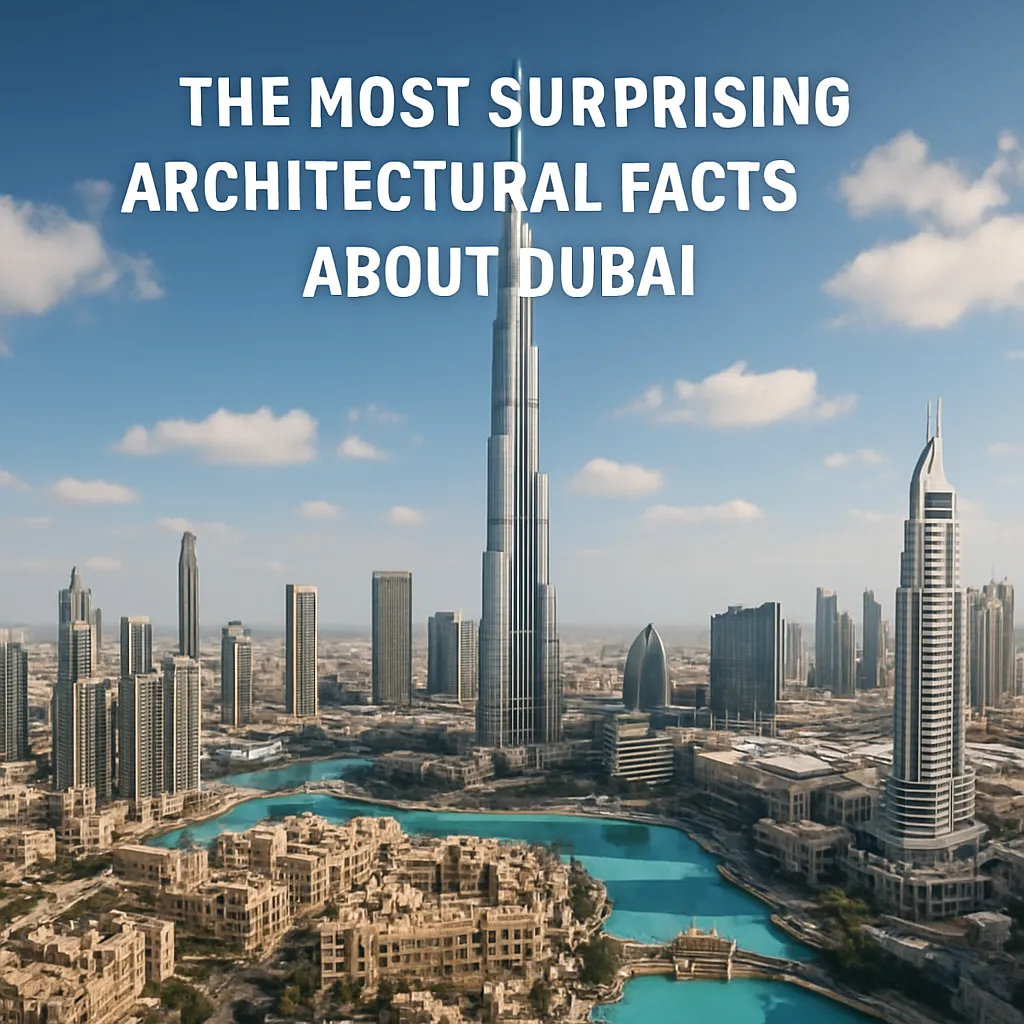
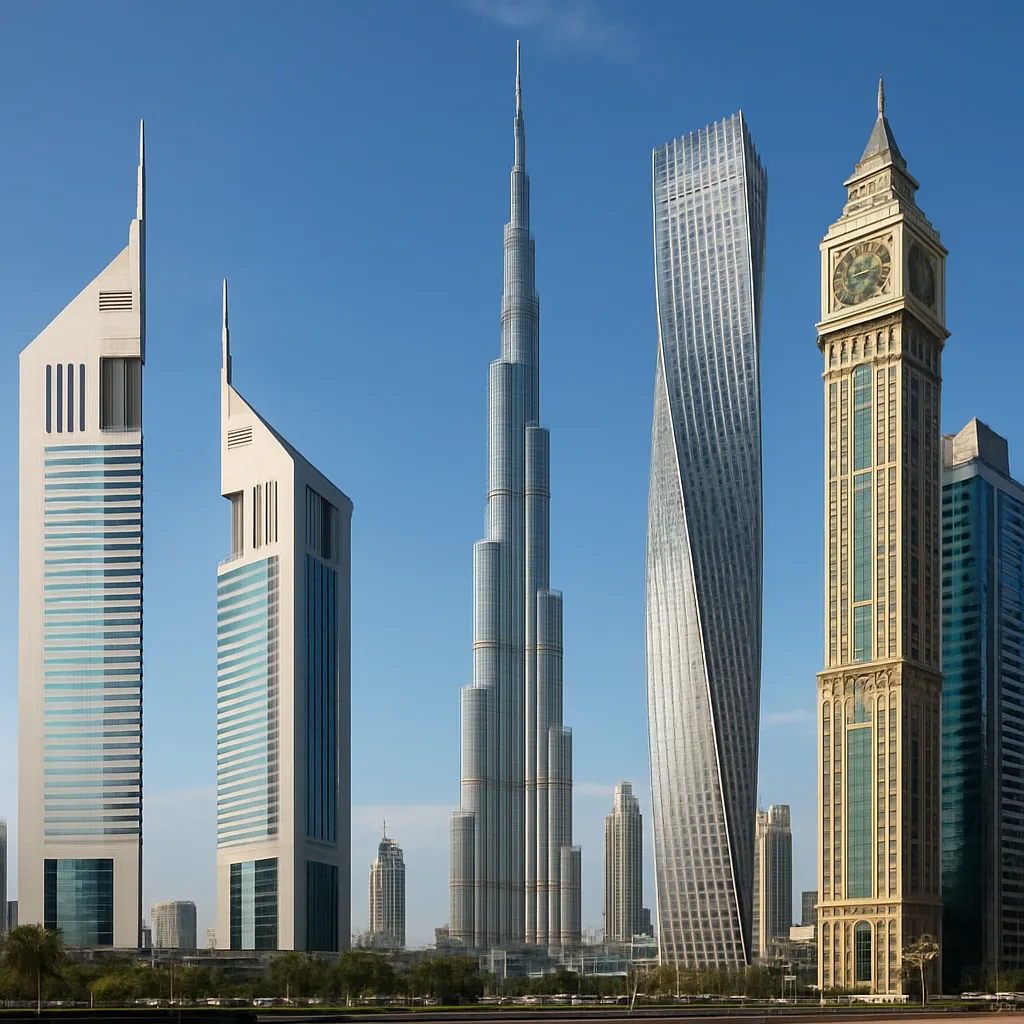
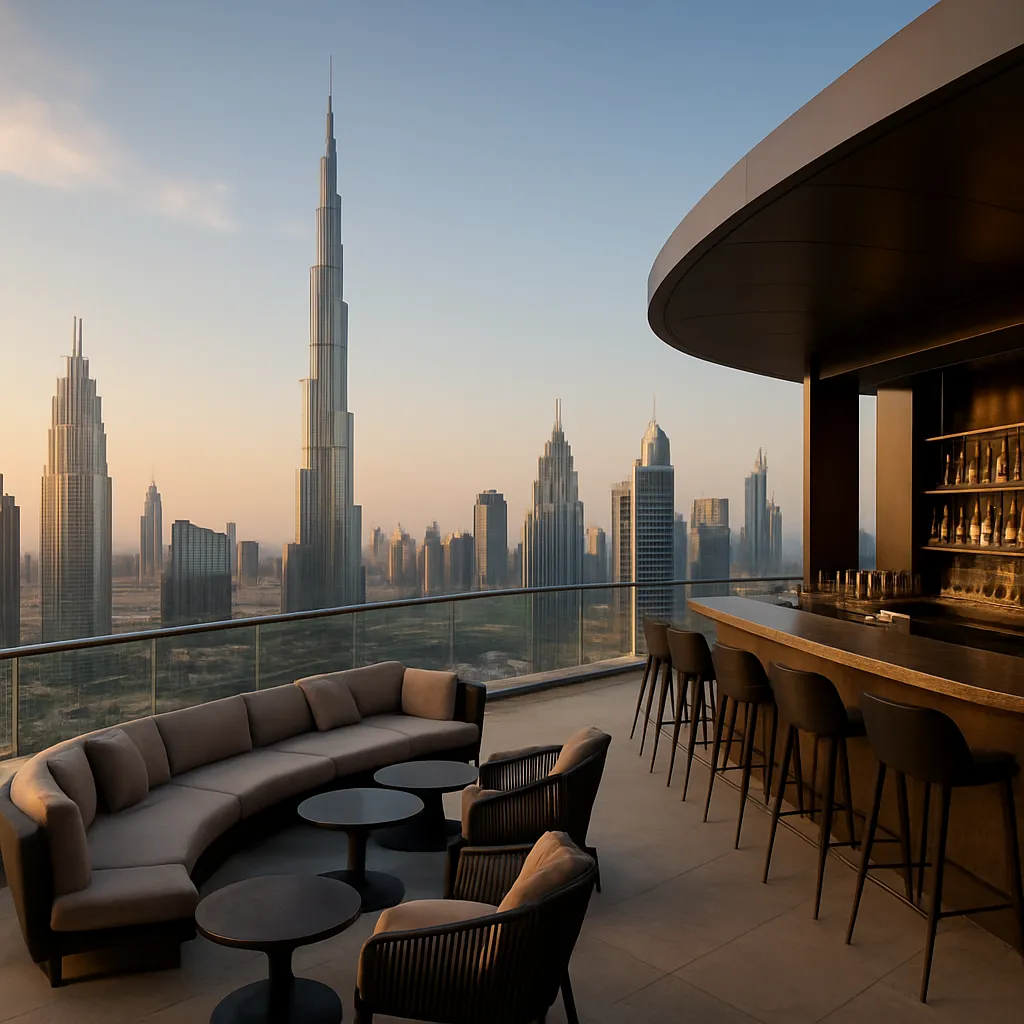
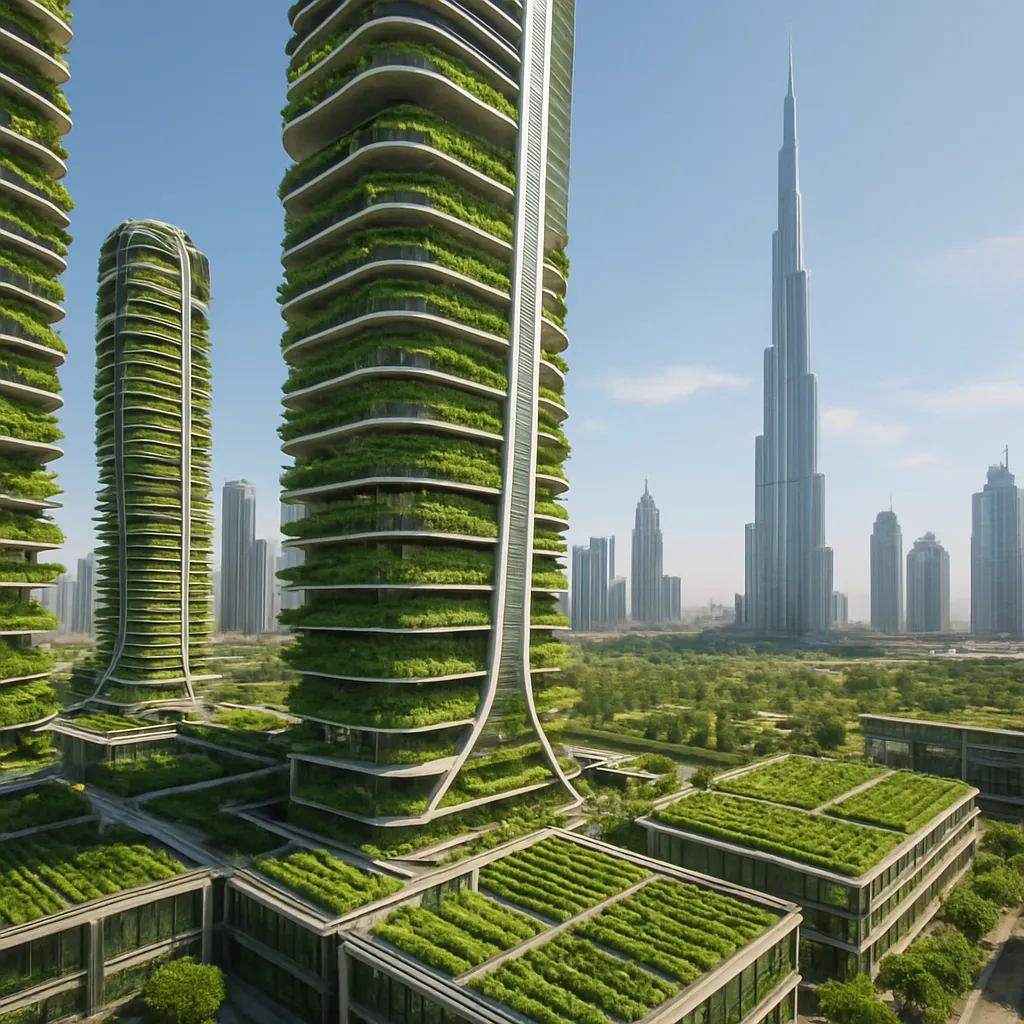
Dubai’s ever-evolving skyline now embraces a new era of eco-conscious construction, where shimmering towers merge cutting-edge technology with environmental stewardship. Fueled by visionary leadership and a fervent commitment to sustainability, the emirate is pioneering skyscrapers that not only dazzle with their height but also champion resource efficiency, occupant comfort, and carbon reduction. Through a blend of innovation, strategic policy frameworks, and daring architectural concepts, Dubai is redefining urban luxury as deeply intertwined with ecological responsibility.
Innovative Design and Architecture
At the heart of every eco-friendly skyscraper lies a design philosophy that transcends conventional steel-and-glass aesthetics. Architects in Dubai are weaving biophilic patterns into vertiginous structures, drawing inspiration from nature’s symmetries to optimize daylight, natural ventilation, and thermal comfort.
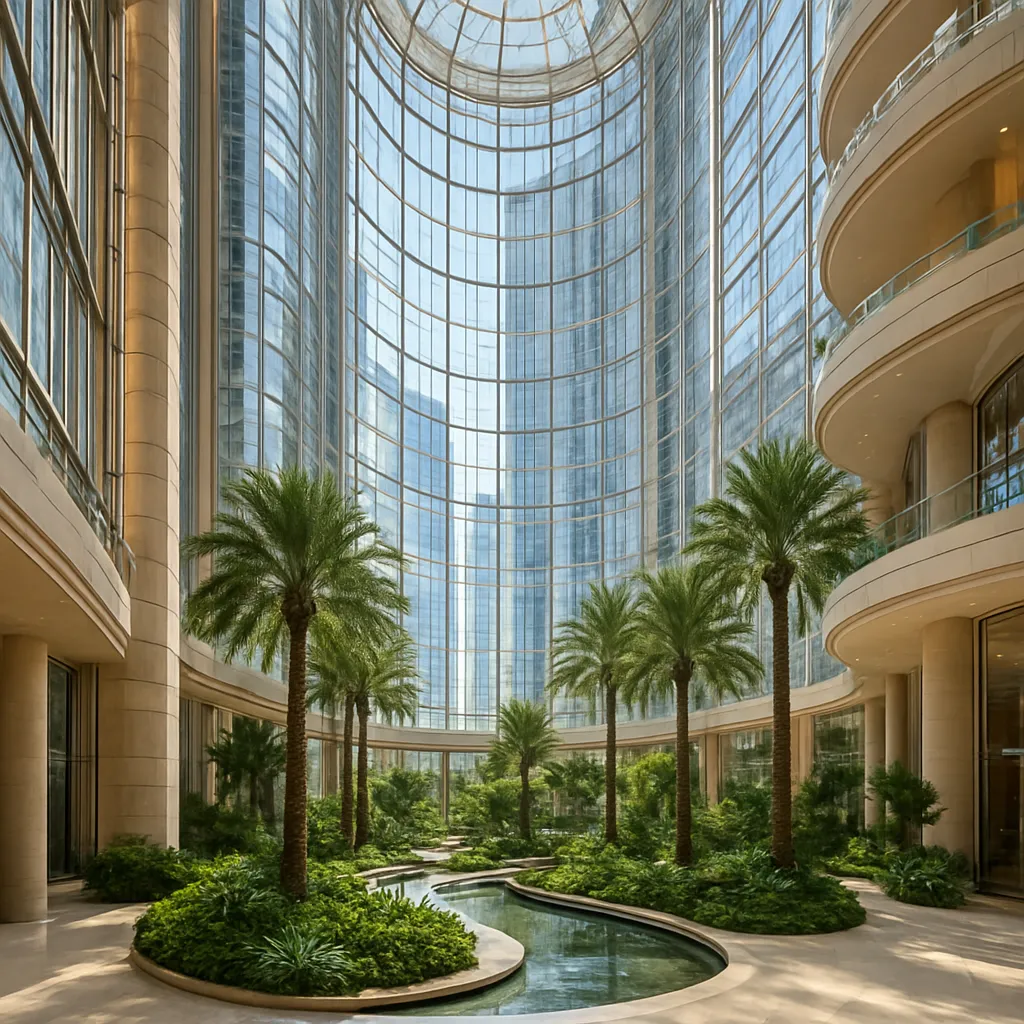
Vertical Gardens and Biophilic Concepts
Vertical green walls and sky gardens are no longer mere decorative flourishes; they form vital components of the building’s microclimate regulation system. By hosting indigenous plant species, these gardens:
- Filter airborne particulates and pollutants
- Reduce urban heat island effects through evaporative cooling
- Enhance occupant well-being by connecting residents to greenery
Moreover, the integration of biophilic elements fosters a sense of tranquility amidst the city’s hustle, elevating both property value and market appeal.
Adaptive Façade Systems
Dubai’s climate demands façades that respond dynamically to intense solar radiation. Innovative shading devices—comprised of programmable louvers, photovoltaic panels, and light-sensitive materials—adjust angles throughout the day to balance glare control with passive heating. These adaptive envelopes slash cooling loads by up to 40%, translating into significant energy savings while preserving panoramic city views.
Renewable Energy Integration
Embracing the region’s abundant solar potential, modern skyscrapers in Dubai now incorporate advanced energy-generation technologies directly into their design. The emphasis on on-site renewable sources aligns with national objectives to achieve a net-zero carbon footprint by mid-century.
- Building-Integrated Photovoltaics (BIPV): Glass panels infused with photovoltaic cells serve dual roles, harvesting sunlight while acting as transparent façades.
- Wind Turbines: Sleek micro-turbines nestled between towers capture turbulent winds at altitude to complement solar output.
- Thermal Solar Collectors: Roof-mounted arrays preheat water for domestic use and cooling systems, offsetting conventional energy demands.
Advanced energy management systems coordinate these sources, storing excess power in on-site batteries and redistributing it during peak demand. The result is a resilient microgrid that enhances building autonomy and grid stability.
Sustainable Materials and Construction Techniques
Dubai’s eco-skyscrapers are built from more than just glass and steel; they feature recycled and low-carbon materials that minimize embodied energy while maximizing durability.
Local and Recycled Materials
To reduce transport emissions and support regional economies, developers prioritize:
- Locally quarried stone blends, refined to achieve greywater filtration in flooring systems.
- Reclaimed timber harvested from archaeological sites, repurposed for decorative interiors and structural accents.
- High-performance concrete mixes formulated with industrial byproducts like fly ash and slag, cutting cement-related CO₂ emissions by 30%.
Modular and 3D-Printed Components
Prefabrication and modular construction accelerate on-site assembly while reducing waste. 3D-printed façade panels, engineered from recycled plastics and bio-based polymers, offer intricate shading patterns that mimic desert fractals. These panels not only deliver aesthetic flair but also contribute to the building’s overall thermal performance.
Smart Building Systems and Water Conservation
Dubai’s high-tech towers incorporate smart technology to monitor, analyze, and optimize resource consumption in real time.
- IoT sensors track occupancy, lighting levels, and air quality, automatically adjusting HVAC settings for peak efficiency.
- Greywater recycling units purify shower and sink effluent for landscape irrigation, reducing freshwater usage by up to 60%.
- Rainwater harvesting systems capture sporadic desert rains, storing them in integrated cisterns for toilet flushing.
By leveraging data-driven controls, these buildings achieve remarkable reductions in operational costs and environmental impact.
Challenges and Future Outlook
Despite rapid progress, eco-friendly skyscraper projects in Dubai encounter several hurdles:
- High initial investment costs for advanced materials and systems.
- Regulatory complexities in obtaining green certifications and permitting specialized technologies.
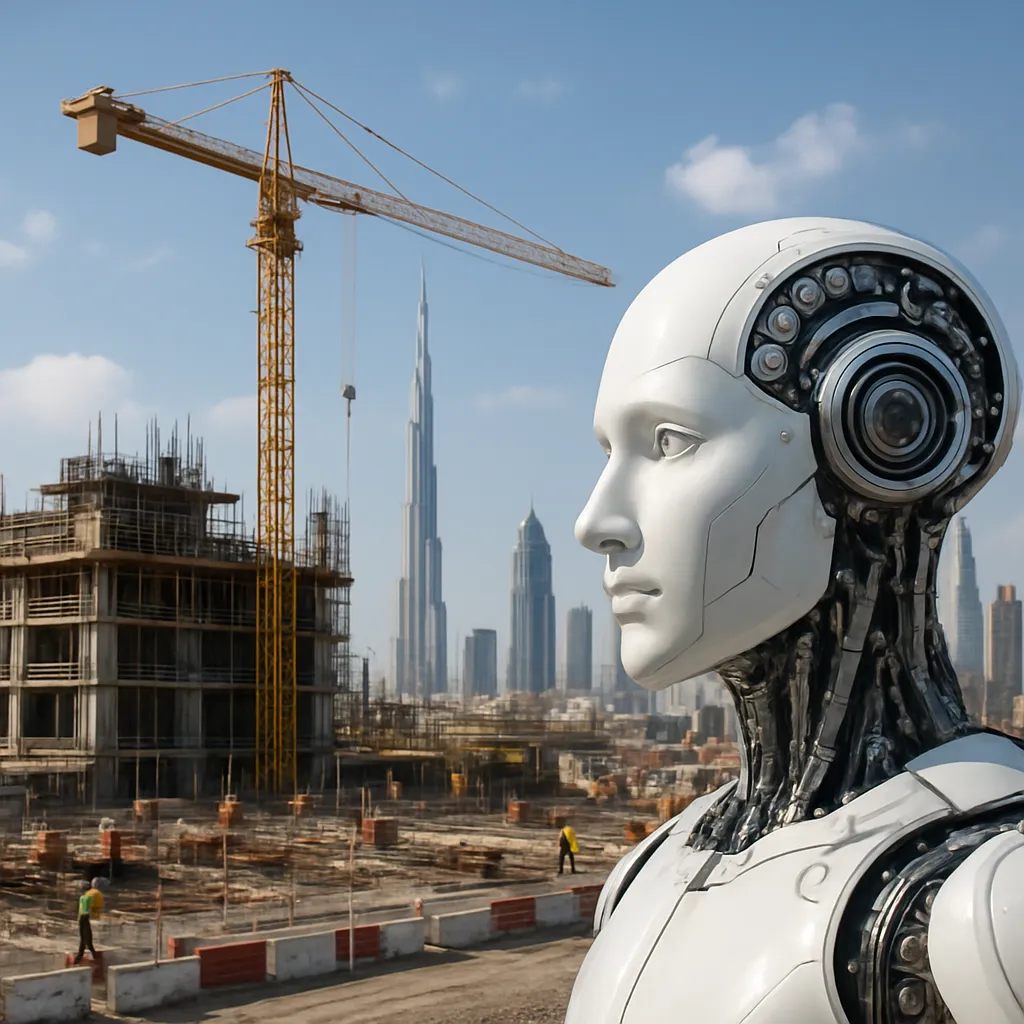
- Skilled labor shortages for niche construction techniques like 3D printing and façade robotics.
However, ongoing government incentives—such as green building rebates and expedited licensing—are gradually lowering these barriers. Collaborative research centers are training the next generation of engineers and artisans in regenerative construction methods, ensuring a skilled workforce ready to materialize visionary projects.
Looking ahead, Dubai aims to expand its sustainable skyline through public-private partnerships that prioritize net-zero districts, carbon offset schemes, and advanced mobility integration. As the emirate pursues the lofty goals set by its climate action plans, each new skyscraper will not just reach higher—it will stand as a testament to the union of urban ambition and environmental harmony.