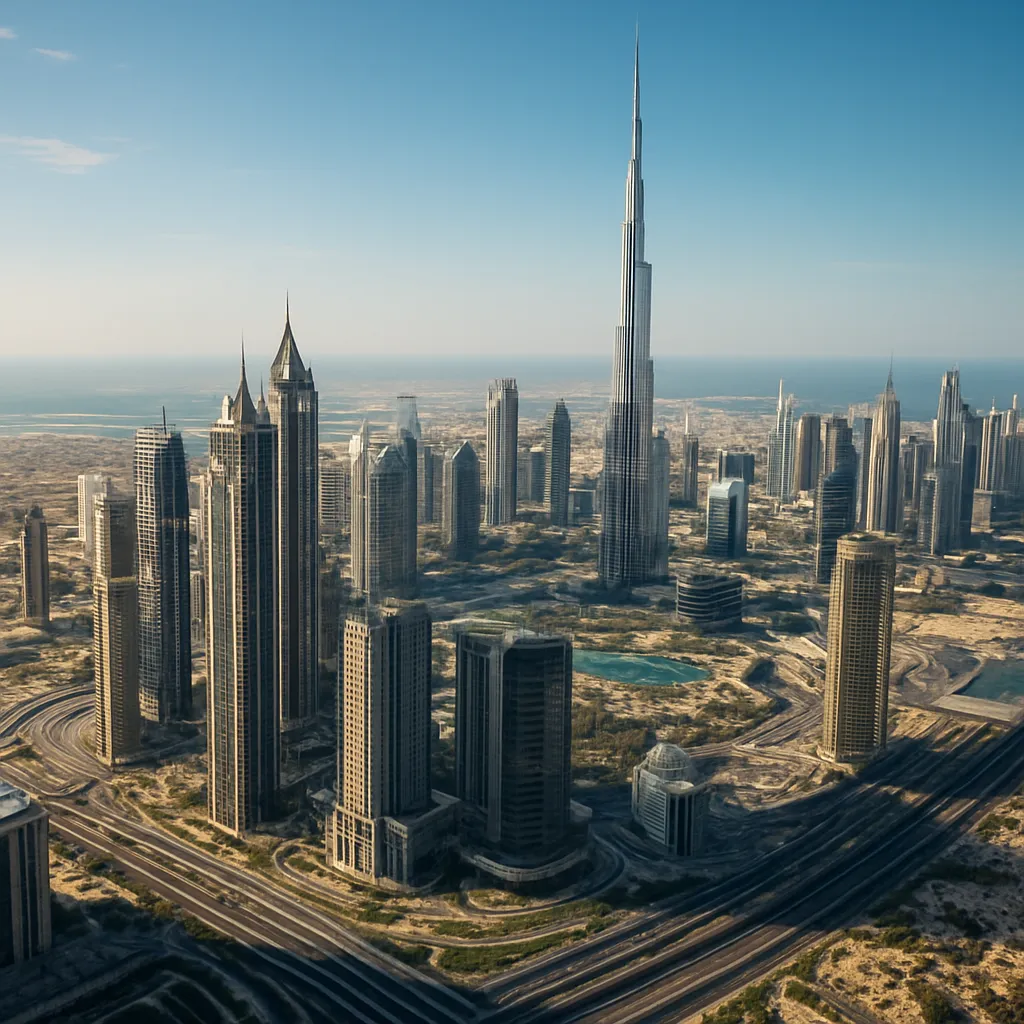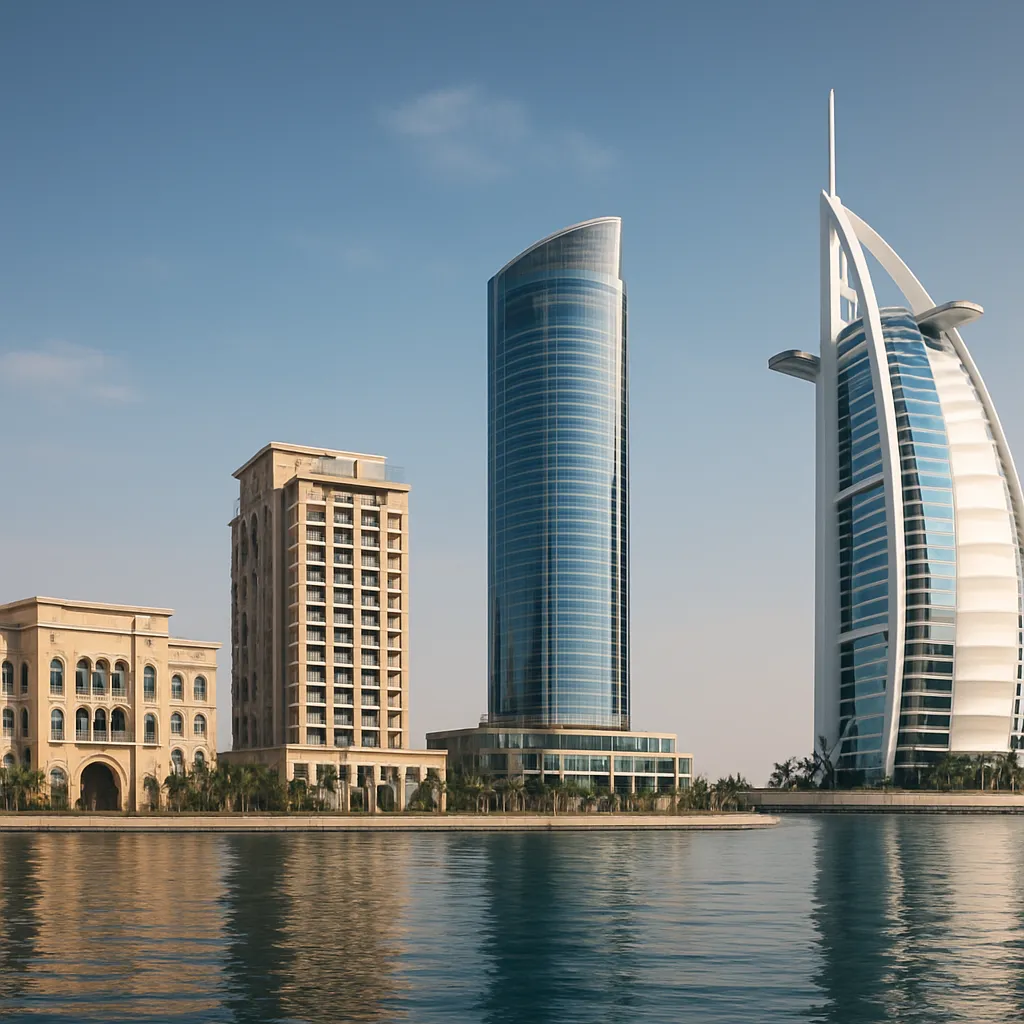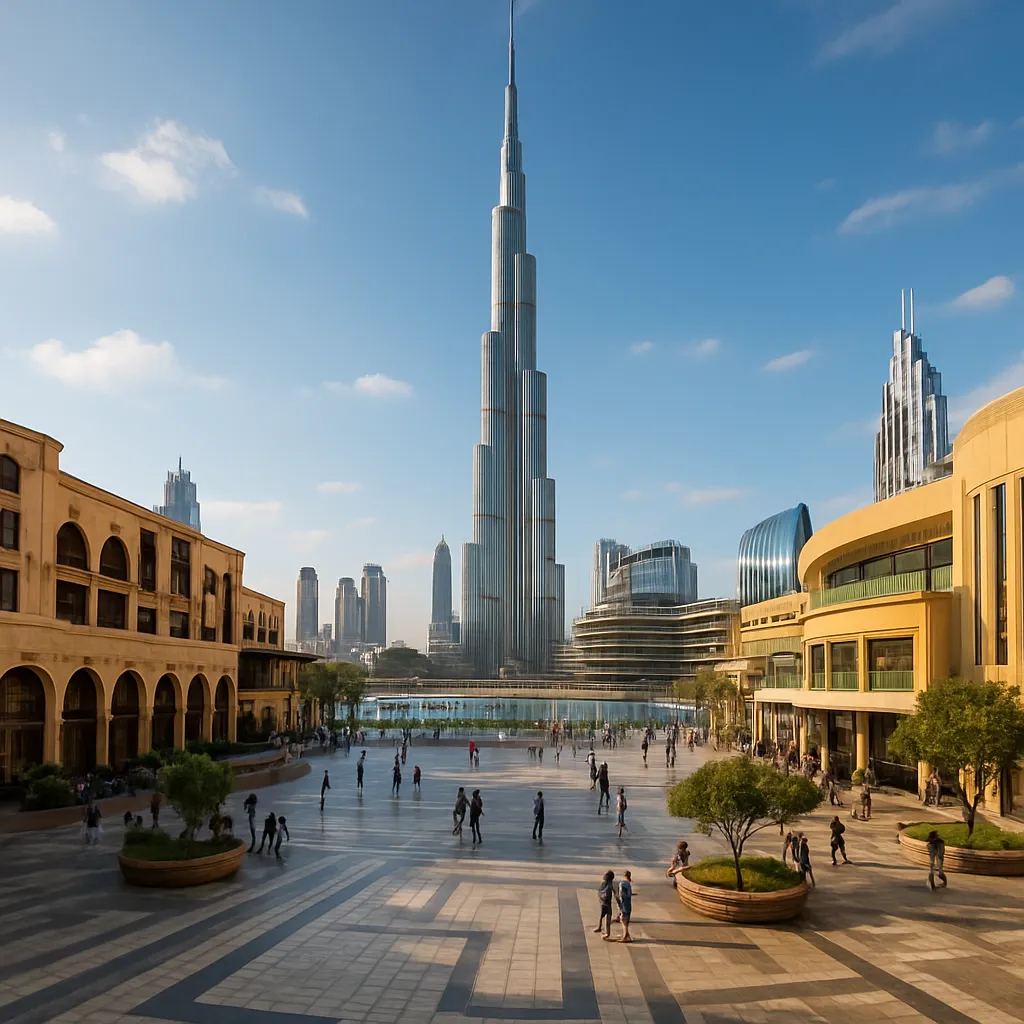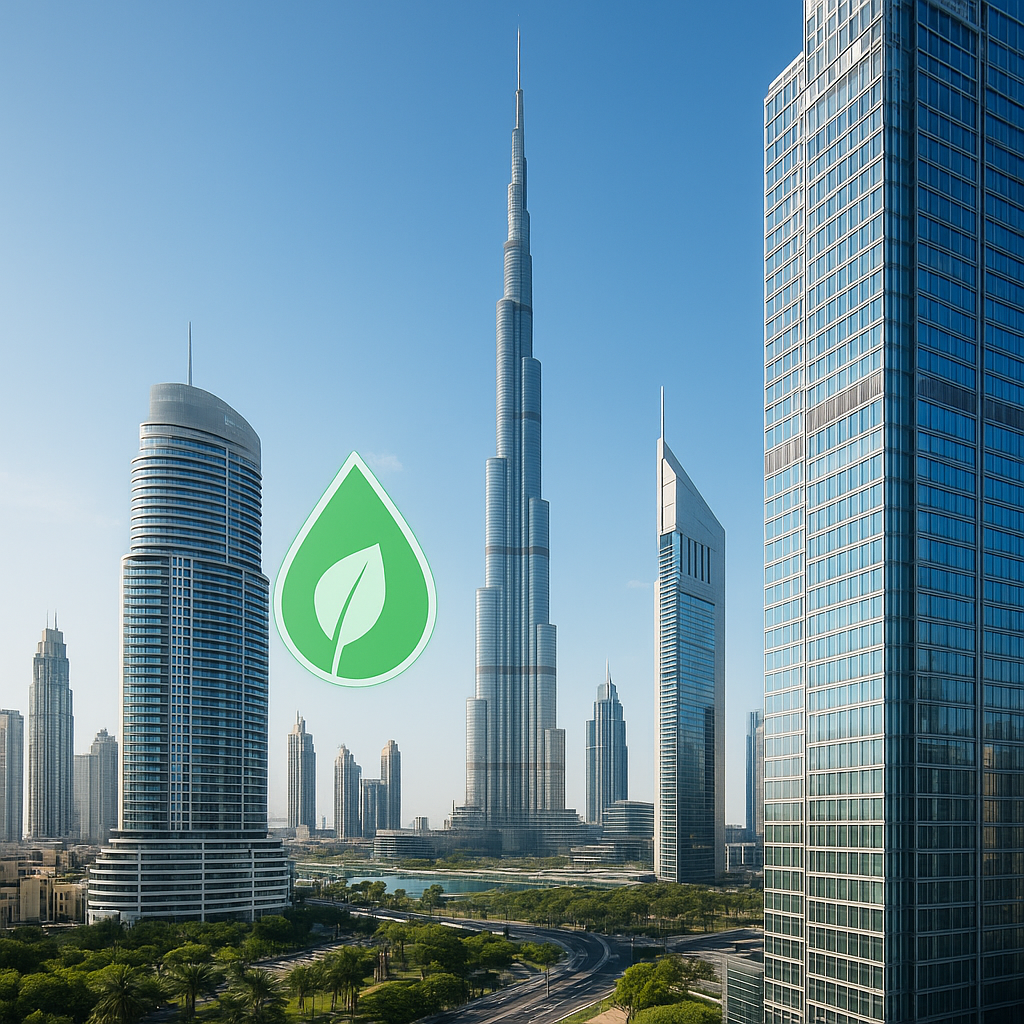
Dubai’s skyline has become synonymous with cutting-edge architecture and incredible feats of engineering. Among the city’s many marvels, its skyscrapers stand out not only for their **iconic** silhouettes but also for their **energy efficiency**. By combining advanced design strategies, state-of-the-art materials and **smart** technologies, Dubai is rewriting the rules of sustainable high-rise construction.
Innovative Architectural Design and Materials
One of the primary drivers of efficiency in Dubai’s tall buildings is thoughtfully integrated **design**. Architects and engineers collaborate from the earliest stages to optimize building orientation, facade treatment and structural form. These design choices contribute directly to reducing energy loads and enhancing occupant comfort.
Building Orientation and Form
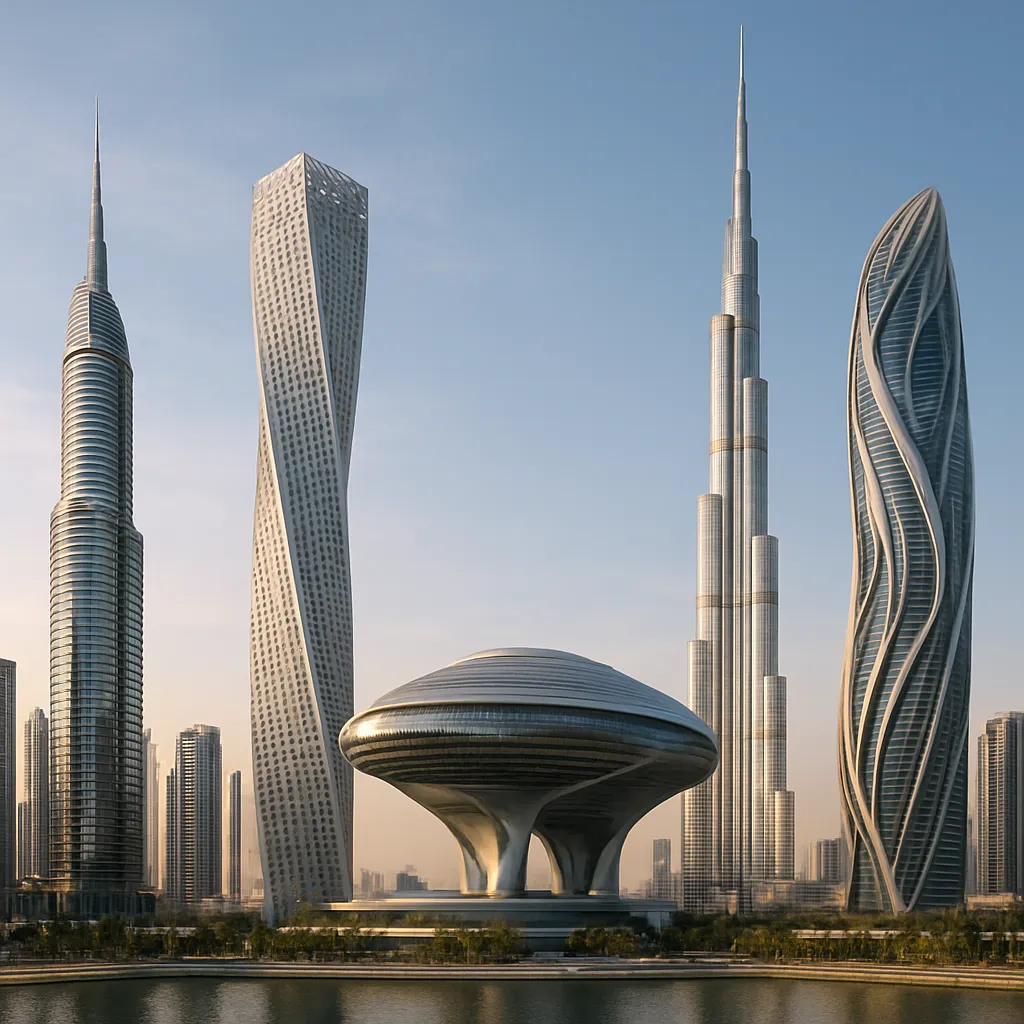
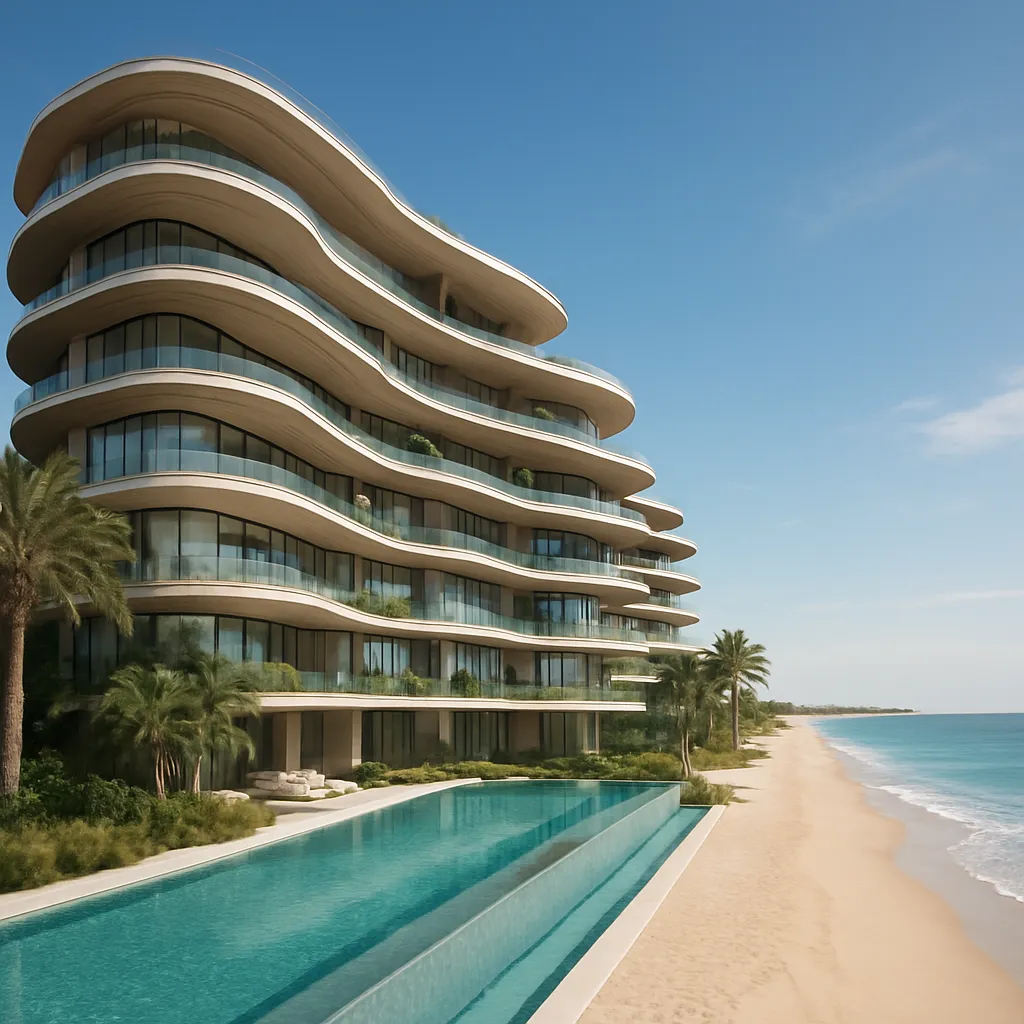
Strategic positioning of towers maximizes natural daylight while minimizing solar heat gain. By studying sun paths, designers often orient façades away from intense afternoon sun. In some projects, towers feature twisting or stepped shapes that create self-shading profiles. These forms reduce reliance on mechanical **cooling** systems.
High-Performance Facades
The glass curtain walls that define Dubai’s skyscrapers are far from ordinary. They incorporate multi-layered, low-emissivity glazing and selective coatings. Such glazing systems block a significant percentage of solar radiation without sacrificing natural light. In combination with specialized frames and seals, these facades deliver exceptional thermal isolation.
- Triple-glazed panels with argon or krypton fills
- Electrochromic (smart) glass that tints on demand
- Thermally broken aluminum or stainless-steel frames
- Integrated exterior shading fins
Complementing advanced glazing is the use of **insulation** materials like aerogel and vacuum insulated panels (VIPs). These materials boast extremely low thermal conductivity, further reducing heat transfer into the building.
Climate-Responsive Cooling Strategies
Dubai’s desert climate demands robust cooling solutions. Yet, the city’s best skyscrapers achieve remarkable efficiencies by integrating holistic, climate-responsive systems rather than relying solely on conventional chillers.
District Cooling Networks
Rather than each tower operating its own chiller plant, many developments tap into centralized district cooling networks. These shared facilities produce chilled water at scale, benefiting from economies of scale and optimized load management. As a result, pumps and compressors operate more gently and less energy is wasted during partial-load conditions.
Renewable-Powered HVAC
Some of the newest high-rises incorporate on-site **photovoltaic** installations on rooftops, terraces and podiums. Generated solar power directly offsets a portion of the building’s cooling demands. In select projects, **tri-generation** plants produce electricity, heating and cooling simultaneously, achieving overall system efficiencies above 80%.
Smart Controls and Demand Response
Advanced building management systems harness real-time data from sensors and weather forecasts. These **AI-driven** platforms modulate chiller output, adjust airflow, and optimize setpoints to match occupancy and external conditions. During peak price periods, the system can reduce energy consumption via pre-cooling strategies or by switching to thermal storage tanks, shifting load to off-peak hours.
Integration of Renewable Energy and Smart Grids
Dubai’s skyscrapers are taking greater advantage of the city’s abundant solar resource. The incorporation of renewable energy systems helps towers become almost energy neutral during daylight hours.
Building-Integrated Photovoltaics (BIPV)
Rather than conventional panels, BIPV materials are seamlessly embedded into façades, shades and atrium roofs. These modules serve dual purposes: acting as skin to protect the building envelope and generating **clean** electricity. BIPV technologies in Dubai include:
- Thin-film copper indium gallium selenide (CIGS) integrated into shading louvers
- Crystalline silicon panels embedded between double-glazed units
- Transparent photovoltaic glazing for skylights and atria
Energy Storage and Grid Interaction
Excess solar generation is often directed into **smart grid** systems or stored in lithium-ion battery arrays. These batteries power emergency loads, reduce peak grid demand and enable participation in demand-response markets. By intelligently exporting and importing electricity, towers minimize energy costs while supporting grid stability.
Green Certifications and Regulatory Frameworks
Regulation and incentives play a major role in shaping Dubai’s high-rise landscape. Developers aiming for high certification levels must meet rigorous energy performance benchmarks and sustainability criteria.
LEED and Estidama Ratings
Many skyscrapers pursue Leadership in Energy and Environmental Design (LEED) certification at Gold or Platinum levels. Local programs, such as Abu Dhabi’s Estidama Pearl Rating System, extend similar standards to ensure water efficiency, waste management and indoor environmental quality. These frameworks reward buildings for:
- Minimum energy use intensity (EUI) targets
- On-site renewable energy contributions
- Enhanced ventilation and daylighting
- Responsible material sourcing
Dubai’s Green Building Regulations
The Dubai Municipality has implemented mandatory green building regulations for commercial and residential towers. These rules enforce maximum allowable energy consumption per square meter, elevated performance for façades and compulsory renewable integration for large footprints. Compliance is verified through third-party audits and continuous monitoring.
Emerging Trends and Future Outlook
As technology advances, Dubai’s skyscrapers will adopt even more **innovative** solutions. Upcoming trends include:
- Phase-change materials incorporated into walls and ceilings to store thermal energy
- Adaptive bio-cladding with living green façades for natural cooling
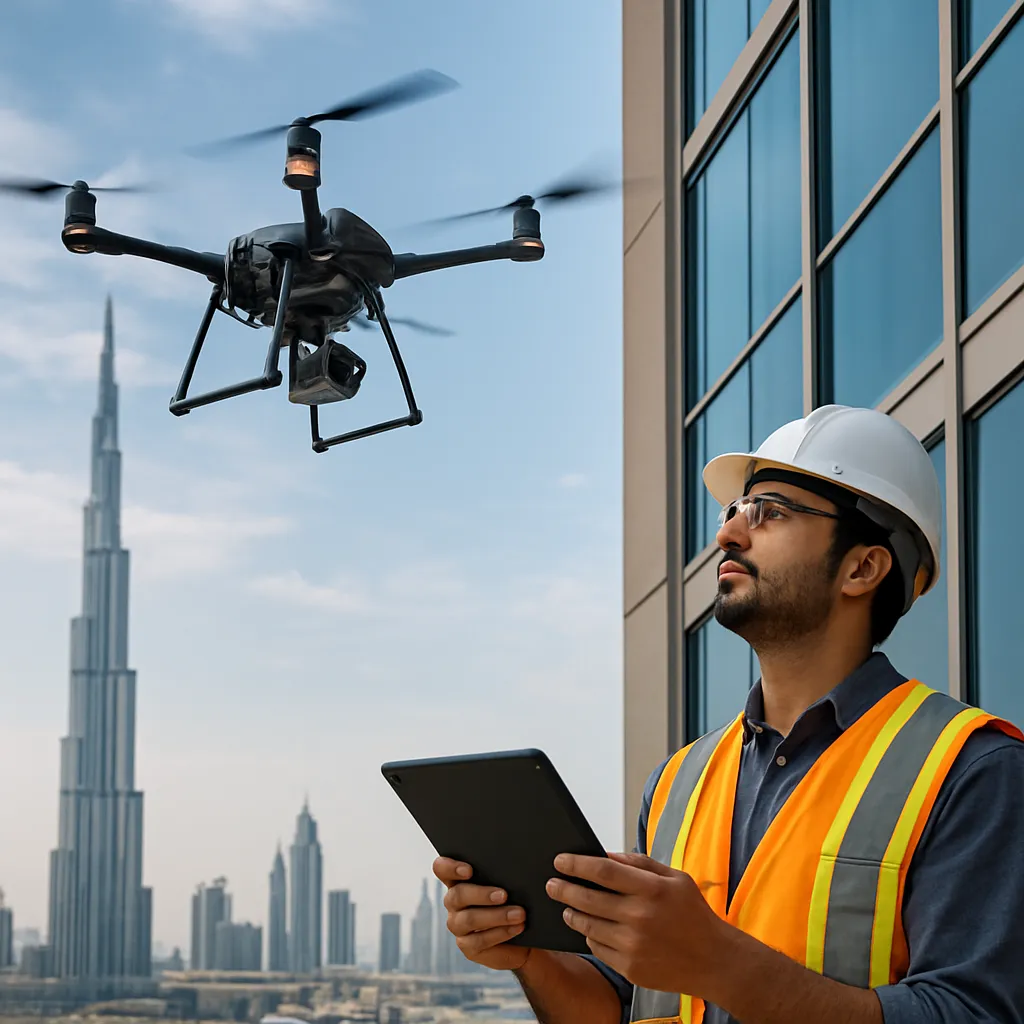
- Robotic window-washing drones that double as environmental sensors
- Blockchain-based energy trading between nearby towers
Through relentless focus on **sustainability**, meticulous design and integration of renewable sources, Dubai continues to set new benchmarks in high-rise energy efficiency. Its skyline is a testament not only to architectural ambition but also to the city’s commitment to a greener, smarter future.