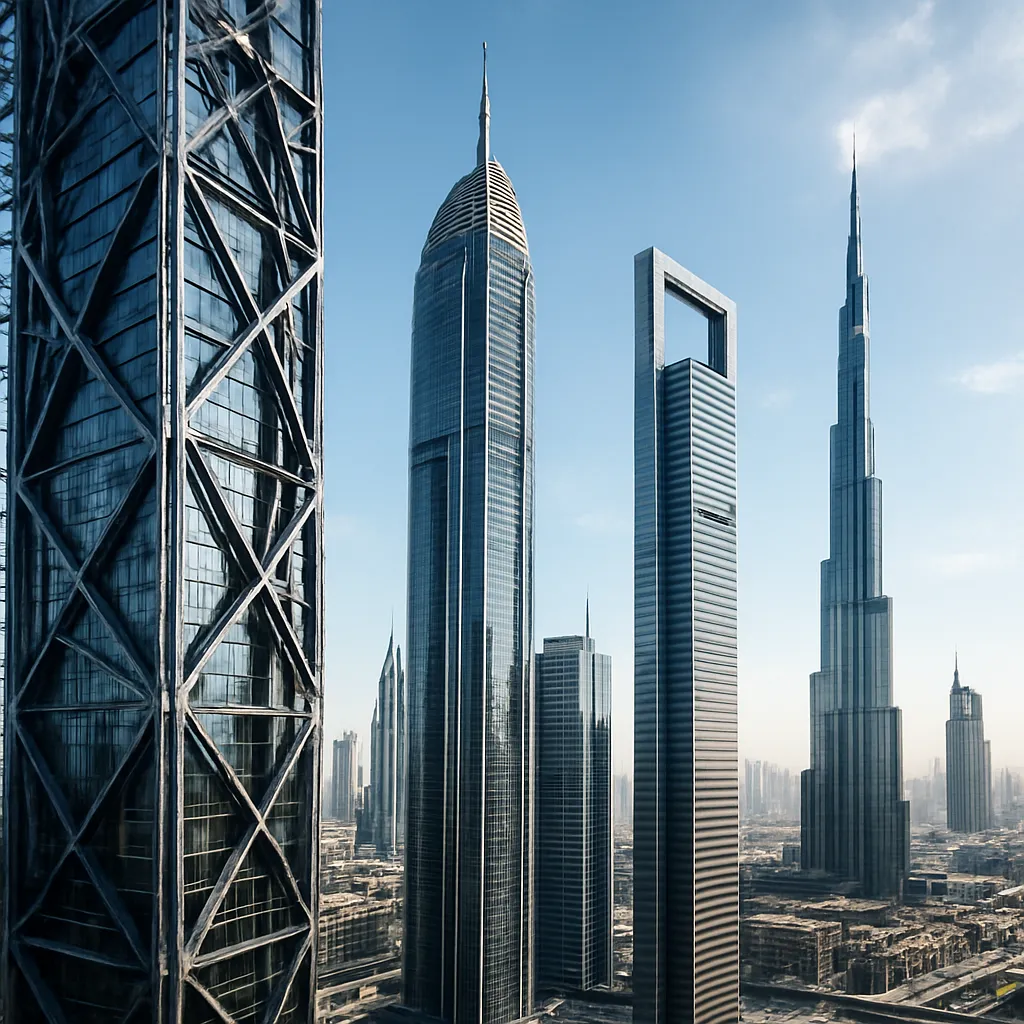
The soaring skyline of Dubai stands as a testament to human ambition, where each supertall structure pushes the boundaries of design and engineering. At the heart of this vertical revolution is the strategic use of steel, a versatile element that transforms concrete jungles into iconic monuments. From lightweight framing systems to bold façade patterns, steel innovations have provided architects and builders with the tools necessary to achieve unprecedented heights, mixed-use functionality, and striking aesthetics. This article delves into the evolution, groundbreaking techniques, and sustainability initiatives that define the usage of steel in modern skyscrapers across Dubai.
History and Evolution of Steel in High-Rises
The journey of steel-based high-rise construction can be traced back to early 20th-century experiments in Chicago and New York. However, it wasn’t until the late 1990s that Dubai emerged as a global stage for ambitious tall buildings. Local developers recognized that mastery of materials and prefabrication could accelerate timelines and reduce costs. This realization prompted a shift from traditional reinforced concrete cores to hybrid high-rise systems, incorporating:
- Steel moment frames that allow flexible floor plans and higher column-free spans.
- Composite floor trusses for lighter decks and efficient load distribution.
- Outrigger and belt truss arrangements combining concrete cores with perimeter steel columns.
As projects like Emirates Towers and The Index demonstrated feasibility, confidence grew. Soon, progressive forms such as diagrids and exoskeletons appeared, highlighting steel’s aesthetic potential beyond mere structural performance.
Breaking Boundaries: Structural Innovations
In the quest for ever-taller, more graceful structures, Dubai engineers have introduced several pioneering techniques:
Diagrid and Exoskeletons
Inspired by natural geometries, diagrid systems rely on a triangular steel framework that wraps around a building. Advantages include:
- Efficient lateral load resistance with fewer internal columns.
- Dynamic façades offering sun shading and unique visual rhythms.
- Reduced steel tonnage compared to conventional frames.
Buildings like the Rolex Tower showcase the marriage of a steel diagrid and composite floors, resulting in slender proportions and a striking glass-steel interplay.
Outrigger and Mega-Columns
For structures exceeding 300 meters, outrigger systems link the central concrete core to perimeter steel mega-columns via stiff beams or trusses. This approach:
- Distributes overturning moments from wind or seismic forces efficiently.
- Allows a slimmer core and larger usable floor space.
- Enables slender silhouettes that become city landmarks.
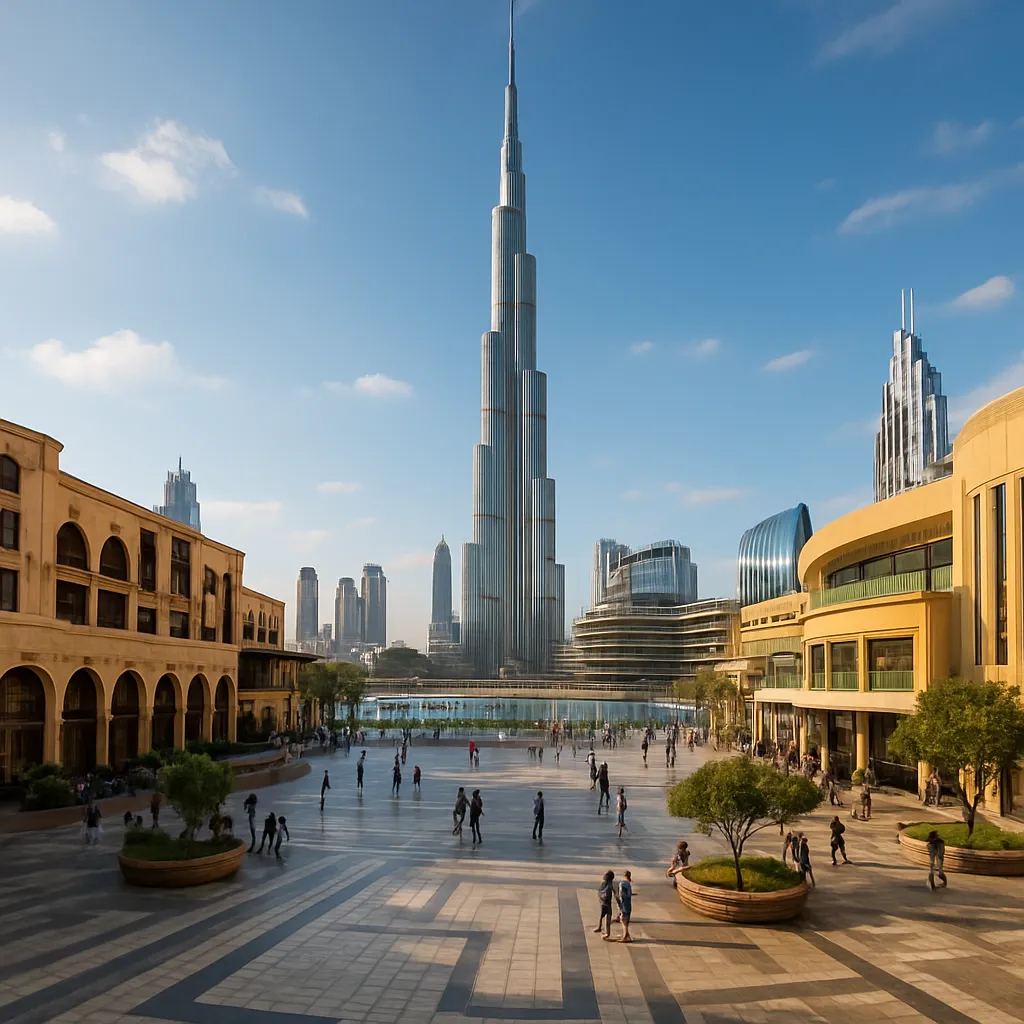
The Burj Khalifa’s multiple-tiered outriggers illustrate the concept, though the project predominantly used reinforced concrete. In contrast, newer towers employ steel outriggers to capitalize on prefabrication advantages and speed of erection.
Modular and Prefabricated Assemblies
Modular construction in Dubai has transitioned from small-scale pods to full–floor steel modules manufactured offsite. Benefits include:
- Significant reduction in on-site labor and safety risks.
- Consistent quality control and minimal weather-related delays.
- Faster assembly with preinstalled MEP (mechanical, electrical, plumbing) components.
Projects such as Ansam by Emaar feature steel modules slotted together like giant Lego bricks, demonstrating how modular technology can transform urban housing and hotels.
Iconic Case Studies in Dubai
Several marquee projects reveal how steel-centric strategies have shaped Dubai’s skyline:
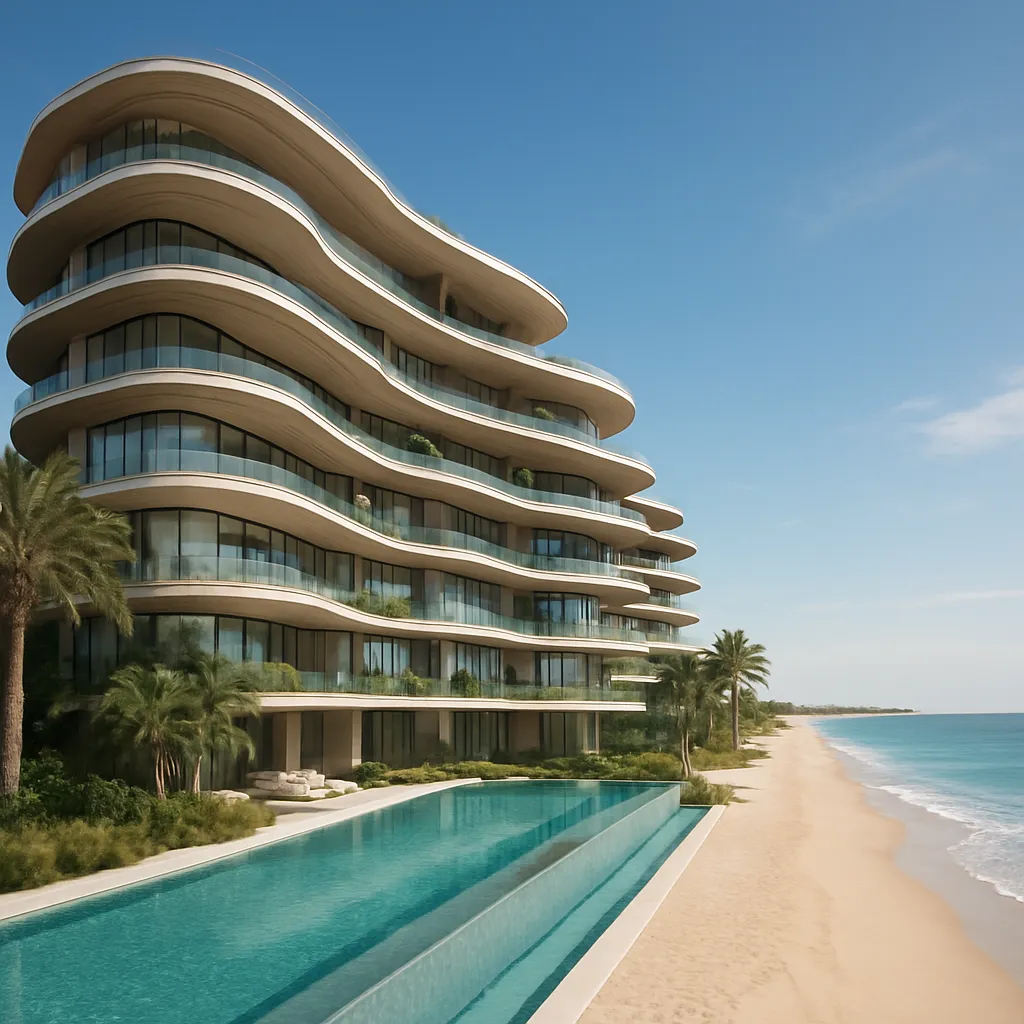
Address Beach Resort
Rising on the Jumeirah Beach Residence strip, this 63-storey tower uses a prominent steel exoskeleton along its podium, achieving:
- Elegant overhangs that cantilever over the pool deck.
- Robust bracing against Gulf winds.
- A visual identity that melds maritime and high-tech motifs.
Cayan Tower
Famous for its 90° spiral twist, Cayan Tower’s steel-reinforced core and perimeter columns enabled a geometrically complex design. The building showcases:
- Rotational floor plates that pivot 1.2 degrees per level.
- Seamless integration of steel and high-strength concrete.
- Dynamic shadow patterns and panoramic views of the marina.
Dubai Frame
Though not a traditional skyscraper, the Dubai Frame employs a colossal steel frame rising 150 meters high. Its construction highlights:
- Customized steel box sections fabricated in controlled factory settings.
- Minimalist joints creating a smooth silhouette visible across Zabeel Park.
- Adaptable design that could be replicated as urban gateways worldwide.
Advancing Sustainability Through Steel
With green credentials becoming crucial, steel’s recyclability, and versatility are leveraged to improve environmental performance:
- Recycled Content: Use of 90% recycled scrap reduces embodied carbon dramatically.
- Energy-Efficient Fabrication: State-of-the-art steel mills cut emissions per ton by optimizing electric arc furnaces.
- Adaptive Reuse: Buildings designed with demountable steel elements allow future retrofits or relocation of modules.
- Passive Strategies: Steel pergolas and louvers reduce solar heat gain, lowering cooling loads in harsh climates.
By integrating photovoltaic panels into steel canopies or employing thermal breaks in curtain walls, developers advance net-zero ambitions while showcasing how sustainability and luxury can coexist.
Future Trends and Modular Horizons
As Dubai charts its next generation of vertical developments, the spotlight shifts to transformative approaches:
Robotic Assembly and Digital Twin
Automated welding robots, guided by digital twin models, promise:
- Precise on-site assembly of complex steel joints.
- Real-time monitoring of structural integrity during construction.
- Optimized material usage with minimal waste.
Hybrid Timber and Steel Structures
Emerging pilots combine mass timber cores with perimeter steel frames, aiming to:
- Reduce overall carbon footprint through bio-based materials.
- Leverage steel’s strength for long spans and timber’s warmth for interiors.
- Create biophilic spaces that enhance occupant well-being.
Adaptive Sky Bridges and Vertical Communities
Planned neighborhoods floating between towers will rely on lightweight steel trusses to connect apartments, offices, and parks hundreds of meters above ground. These innovations seek to:
- Foster social interaction across different levels.
- Enable continuous green corridors that spiral up towers.
- Offer modular living units that can be reconfigured as family sizes change.
Through these projects, innovation in steel continues to shape Dubai’s identity as a global capital of avant-garde urbanism.