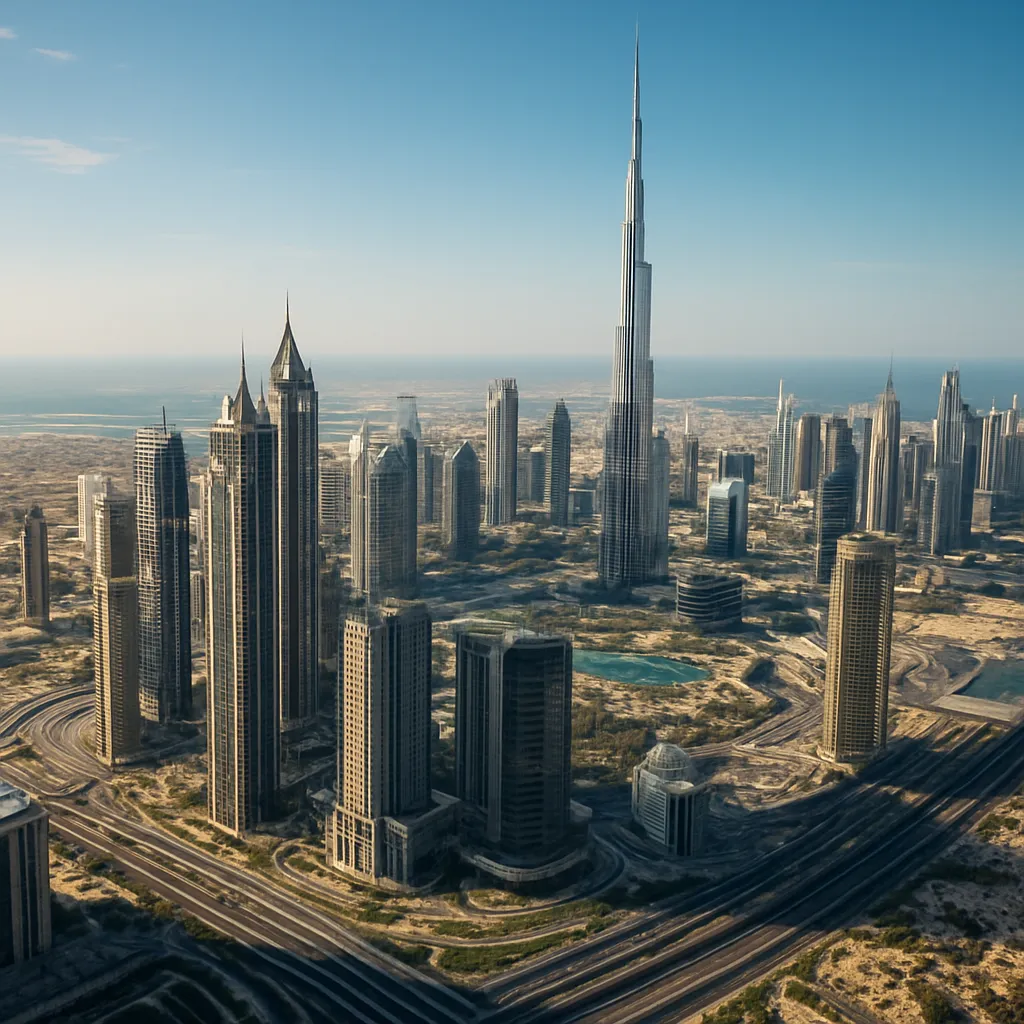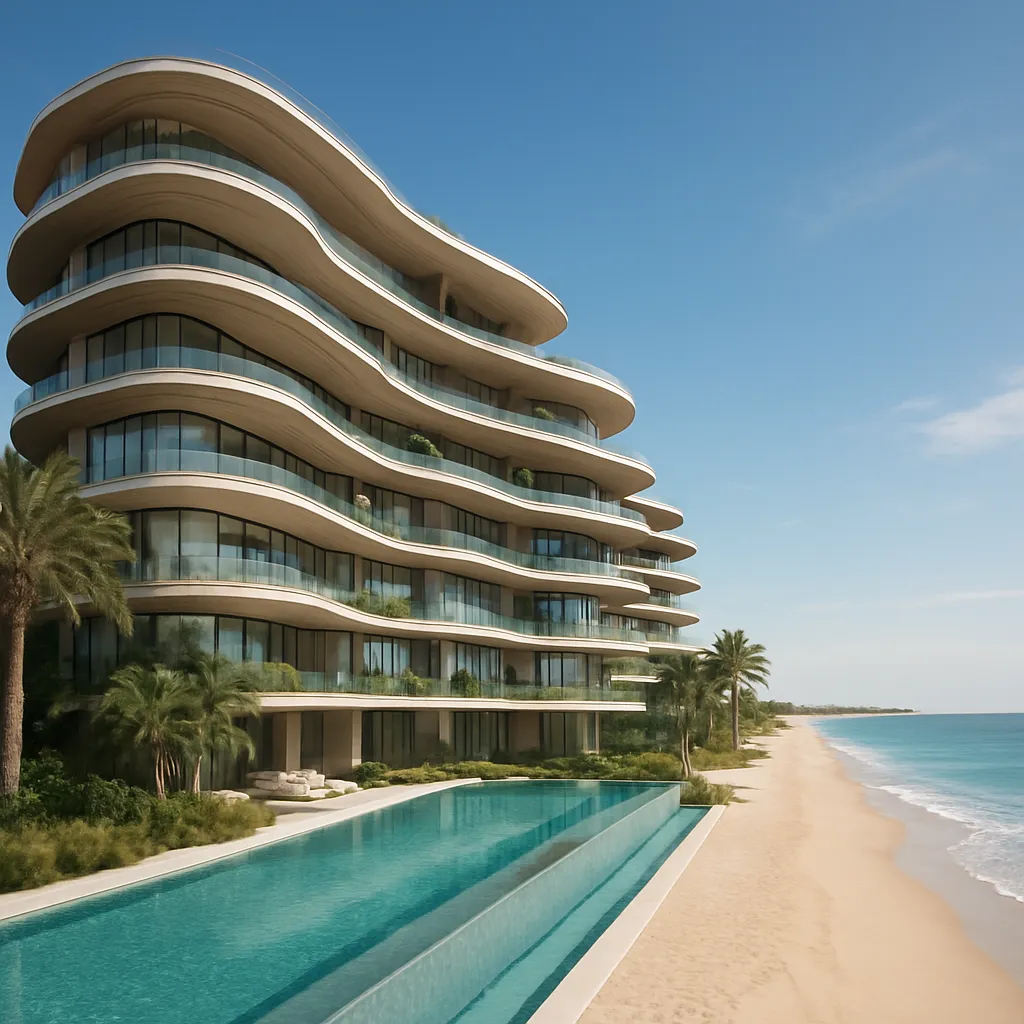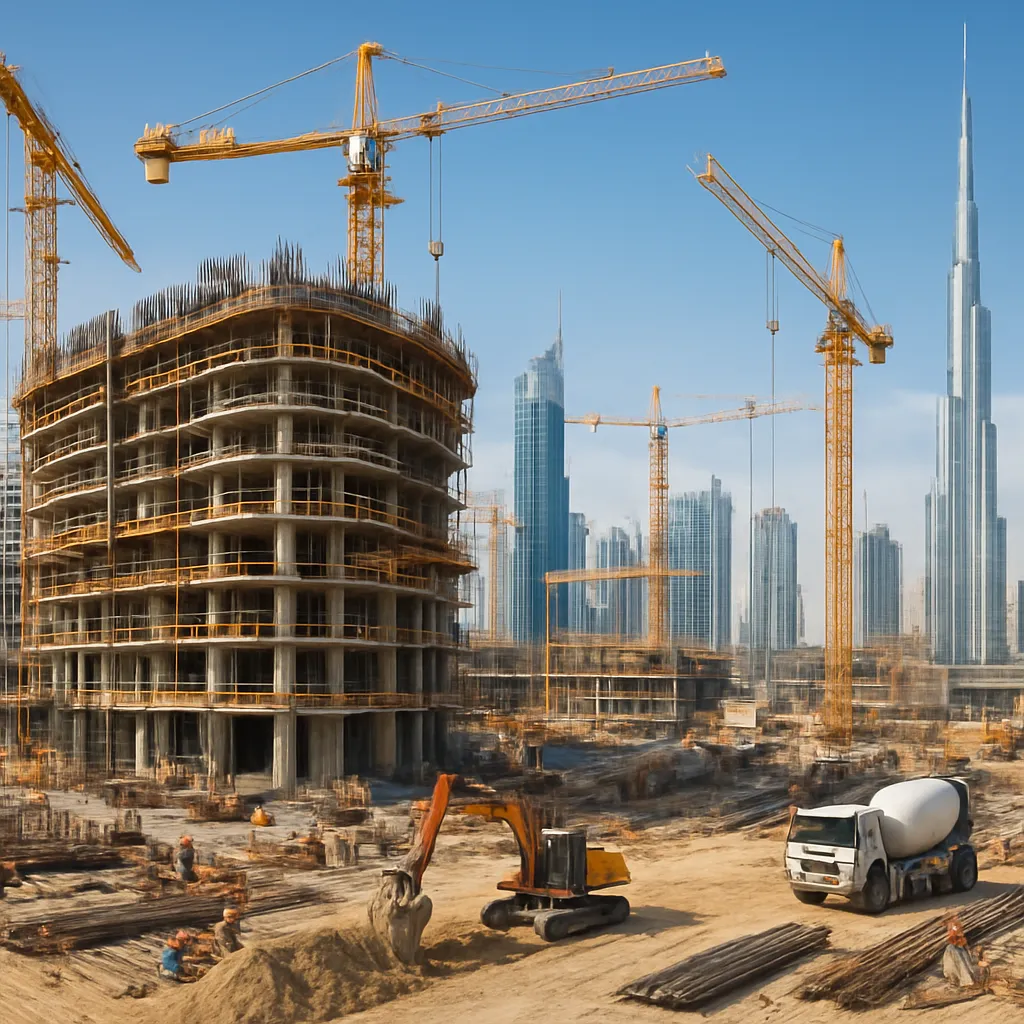
Dubai’s skyline has become an emblem of human ambition and boundless creativity. From the soaring heights of the world’s tallest towers to the sprawling urban districts reshaping metropolitan living, the Emirate continues to push the envelope of what modern architecture and mega-scale engineering can achieve. This article delves into some of Dubai’s most innovative and iconic construction ventures, exploring how these projects redefine luxury, sustainability, and global urban design standards.
Skyline Revolution: The Burj Khalifa and Beyond
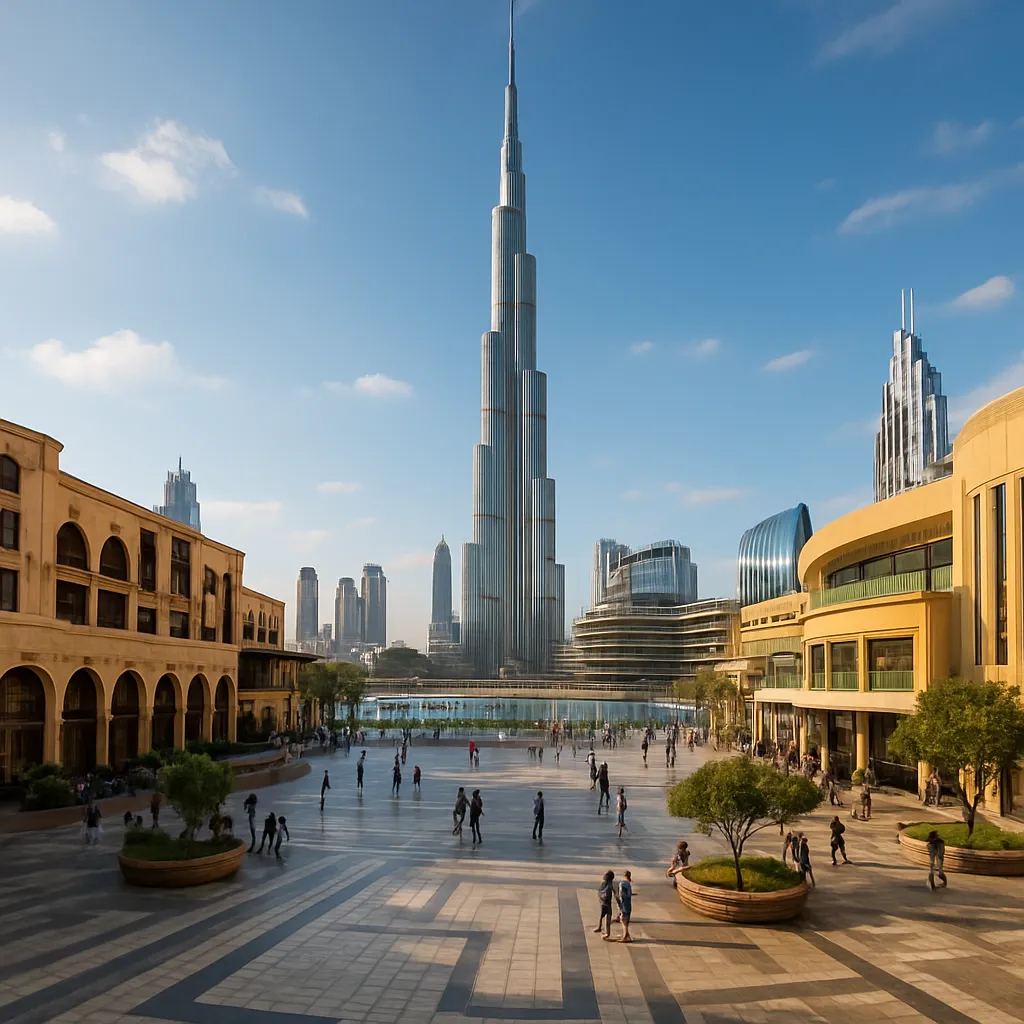
The completion of the Burj Khalifa in 2010 marked a dramatic milestone in the city’s architectural narrative. Soaring at 828 meters, this tower embodies engineering excellence and stands as a testament to human ambition. Its tapered silhouette, clad in reflective glass and aluminum panels, not only maximizes wind resistance but also captures the dazzling desert sunlight—turning the tower into a glittering beacon by day and a luminous icon by night.
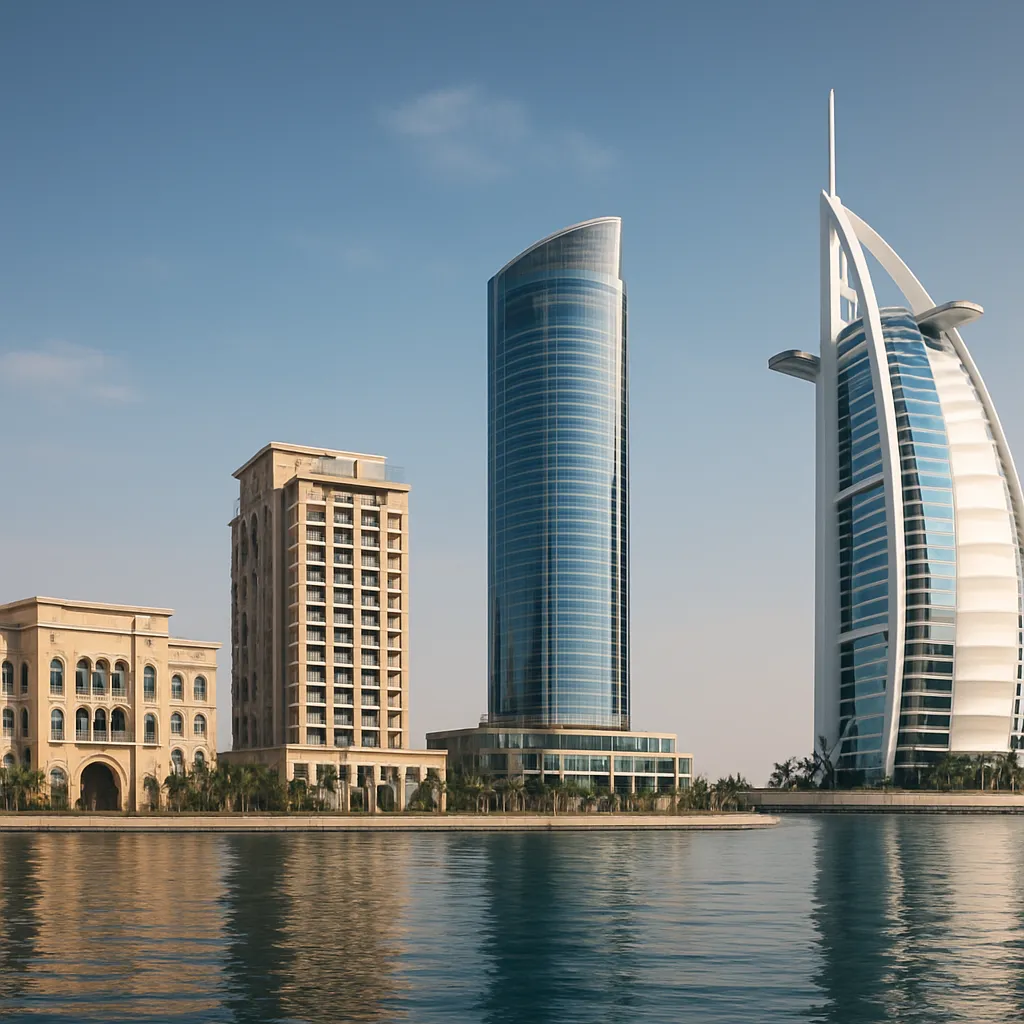
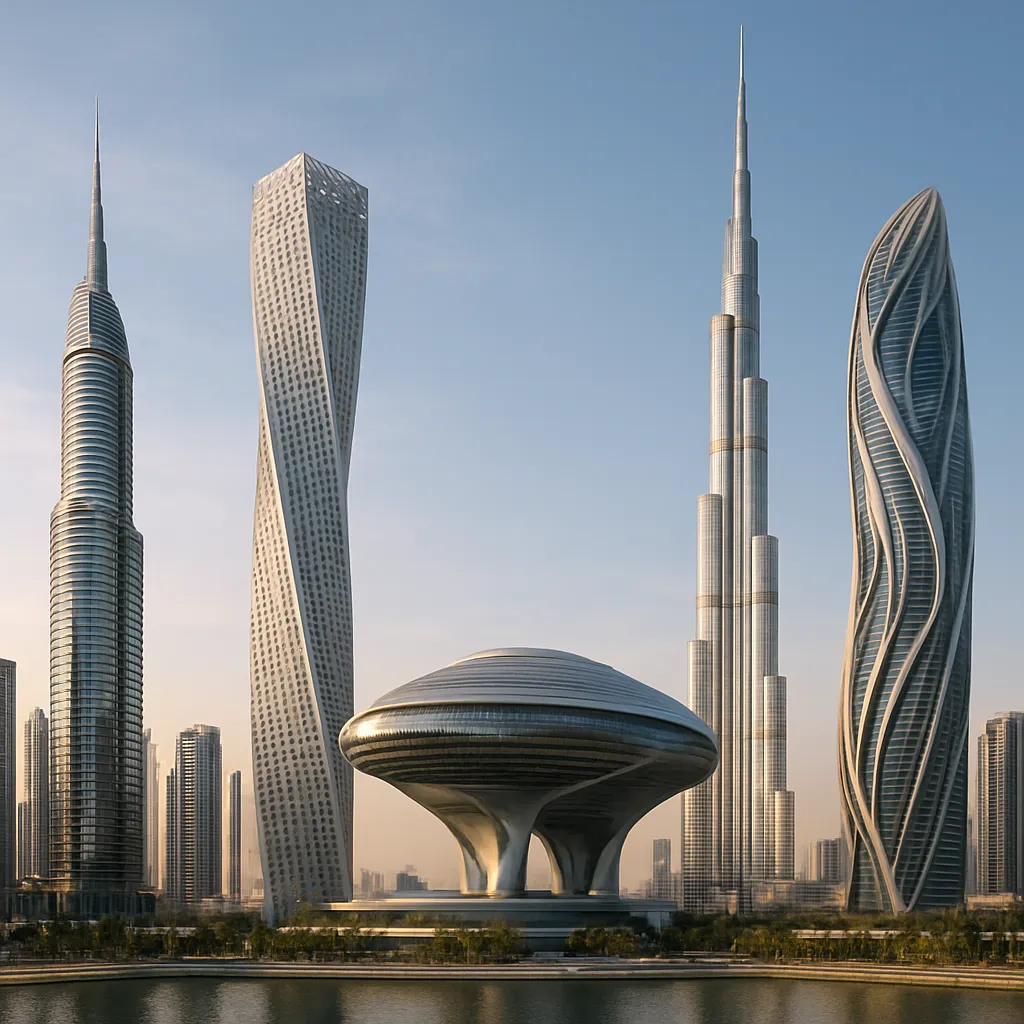
Beyond the Burj Khalifa, Dubai’s skyline has been further transformed by projects such as the twisting Cayan Tower and the sail-shaped Burj Al Arab. The Cayan Tower’s 90-degree twist showcases advanced structural analysis and wind-tunnel testing, while the Burj Al Arab flaunts opulent interiors that redefine luxury hospitality. Each new high-rise experiment contributes to an urban tapestry of daring forms, challenging architects and engineers to achieve ever-greater feats of spatial ingenuity and structural resilience.
Iconic Tower Designs
- Cayan Tower: A 306-meter twist that reduces wind forces through a helical design.
- Burj Al Arab: With its iconic sail shape, this hotel rests on an artificial island and offers one of the world’s most lavish guest experiences.
- Museum of the Future: A torus-shaped marvel employing parametric design and kinetic façades to illustrate technological evolution.
These towers, alongside emerging projects like the Dubai Creek Tower, work in concert to cement the city’s reputation as a hub for bold and pioneering innovation.
Pushing Architectural Boundaries with Sustainable Design
In recent years, Dubai’s focus has shifted towards harnessing eco-friendly strategies without sacrificing grandeur. The Muhammad bin Rashid Library and the Expo 2020 site at Dubai South are prime examples of integrating sustainability into large-scale planning. Cutting-edge solar arrays, district cooling systems, and water-recycling networks have been woven into these projects to reduce carbon footprints and drive operational efficiency.
The city’s Green Building Regulations mandate energy-efficient façades, LED lighting, and intelligent building management systems. Such measures not only align with global environmental goals but also underscore Dubai’s drive to pioneer mastery in sustainable urbanism. Through collaboration with international engineering consultants and local innovation labs, developers are now achieving LEED Platinum and Estidama ratings—benchmarks that propel the city toward a net-zero future.
Key Sustainable Initiatives
- Solar Park Integration: A vast photovoltaic farm powers government buildings and feeds surplus energy to the grid.
- Smart City Districts: IoT-enabled infrastructure monitors energy consumption, traffic flow, and waste management in real time.
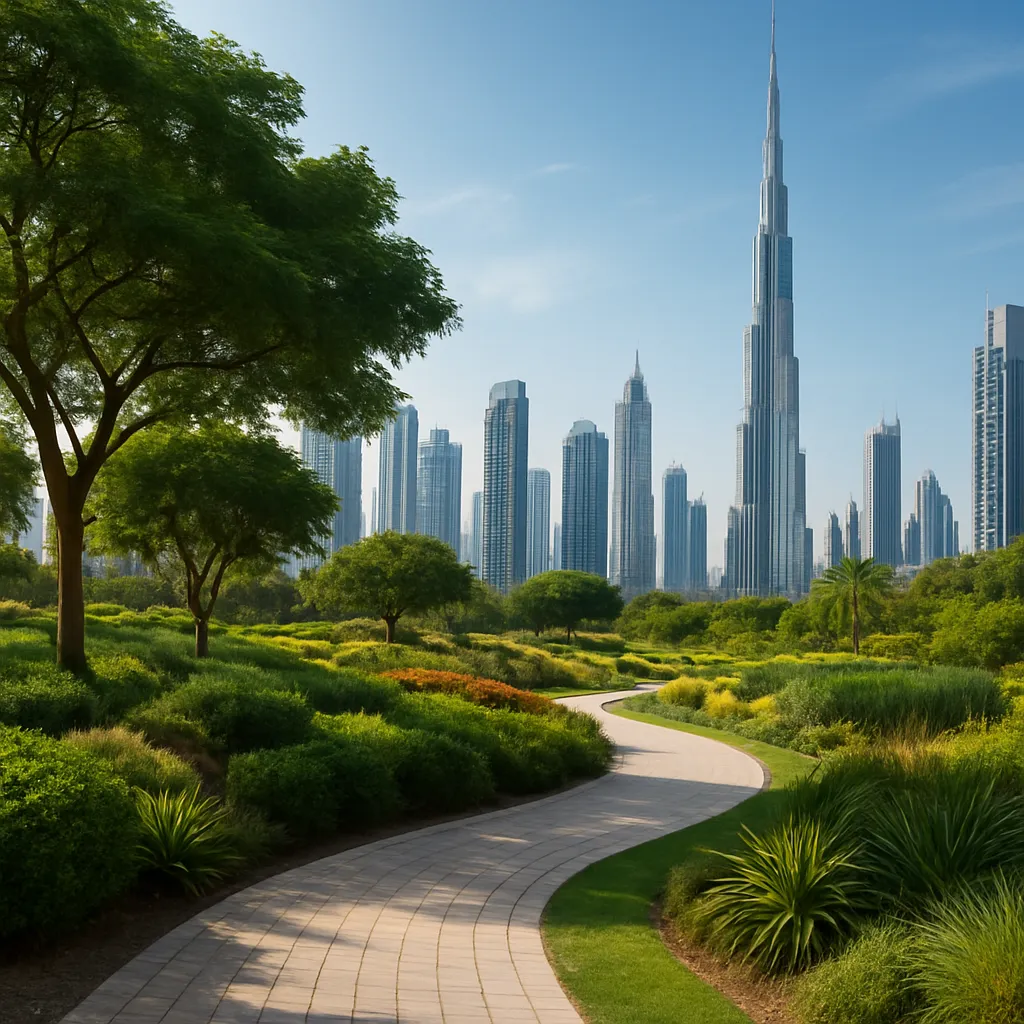
- Green Urban Oases: Public parks and rooftop gardens enhance biodiversity, combat urban heat islands, and provide social spaces.
These programs highlight how transformation in architectural practice enhances quality of life while respecting ecological boundaries.
Mega Infrastructure: Connecting the Future
Dubai’s ambition extends beneath its towering spires into a network of subterranean metros, causeways, and artificial islands. The Palm Jumeirah, an archipelago shaped like a date palm, stands as an unparalleled feat of land reclamation. Built by dredging sand from the Persian Gulf, this island complex supports luxury residences, resorts, and a preeminent monorail link—showcasing technology in large-scale marine engineering.
The Dubai Metro, the world’s longest driverless rail network, weaves through the city, linking business districts, airports, and residential hubs with pinpoint precision. Its automated stations, platform screen doors, and regenerative braking systems reduce energy consumption while ensuring safety and punctuality. Likewise, the Al Maktoum International Airport, set to be the largest aviation hub globally, stands on reclaimed desert and will eventually handle over 200 million passengers annually.
Underpinning Urban Mobility
- Hyperloop Studies: Feasibility research for ultra-high-speed travel connecting Dubai to Abu Dhabi in under 12 minutes.
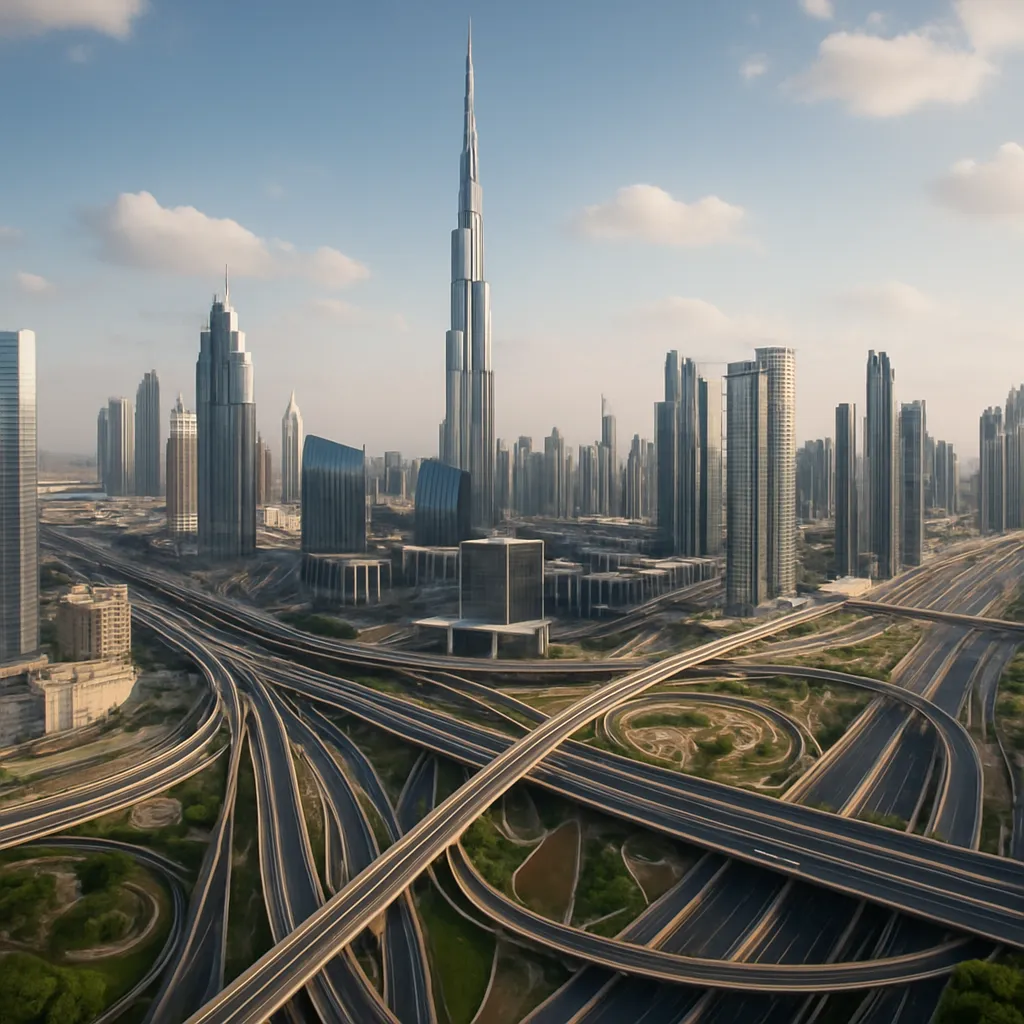
- Expanded Road Networks: Multi-lane interchanges and smart traffic management tackle growing vehicle volumes.
- Water Transport Corridors: Creek ferries and Abra boats preserve traditional modes of travel in a modern setting.
Collectively, these ventures reinforce Dubai’s status as a logistics and transit marvel of the 21st century, intertwining rapid mobility with robust infrastructure resilience.
Urban Regeneration and Cultural Revitalization
Amidst the futuristic façades, Dubai remains mindful of its cultural heritage. Districts like Al Fahidi Historical Neighbourhood, once a series of mud-brick houses, have undergone sensitive restoration to become vibrant cultural quarters. Narrow lanes, wind tower homes, and art galleries intermingle to create an immersive experience of the Emirate’s past.
Contemporary projects such as Dubai Opera and the Jameel Arts Centre bridge tradition with modernity. These venues host global performances and exhibitions, reinforcing the city’s aspiration to become the Middle East’s premier cultural hub. Through adaptive reuse and community engagement, developers ensure that the rapid pace of construction remains in harmony with the city’s heritage and social fabric.
- Adaptive Reuse: Restoring historic buildings for art spaces, cafes, and boutique hotels.
- Public Art Installations: Commissioning large-scale sculptures that punctuate plazas and waterfront promenades.
- Community Hubs: Integrating co-working spaces and pop-up markets to foster local entrepreneurship.
Such efforts underscore Dubai’s dedication to crafting an inclusive urban environment that honors both its spirited past and its forward-looking vision.
Looking Ahead: The Next Wave of Architectural Pioneering
As Dubai continues to evolve, upcoming projects hint at even more audacious horizons. Plans for vertical farming skyscrapers aim to address food security challenges by cultivating crops on countless stories high, leveraging hydroponic systems and renewable energy. Meanwhile, floating cities and climate-resilient coastal defenses are under exploration to safeguard the metropolis against rising sea levels.
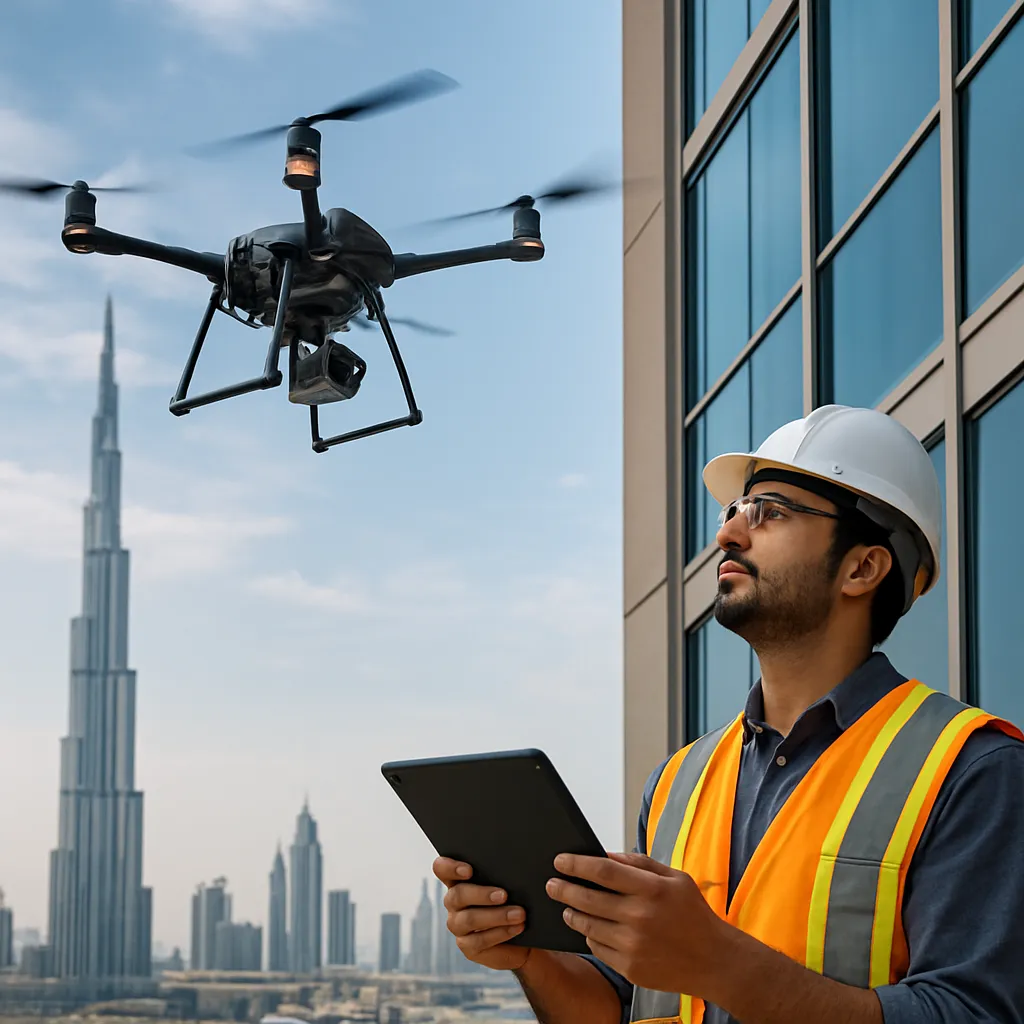
The city’s commitment to robotics, AI-driven construction, and 3D-printed building components signals a future where assembly lines meet skyscraper assembly. These innovations promise to accelerate project timelines, reduce labor demands, and improve precision. By integrating digital twins and predictive maintenance algorithms, developers can optimize building performance throughout its lifecycle, ensuring adaptability in the face of emerging challenges.
Emerging Concepts on the Horizon
- Vertical Farming Skyscrapers: Merging agriculture with urban living to enhance sustainability.
- AI-Driven Construction Bots: Deploying autonomous machinery for bricklaying and site monitoring.
- Floating Urban Platforms: Exploring amphibious neighborhoods designed to rise with water levels.
In these ventures, Dubai once again positions itself at the vanguard of global urban evolution—championing excellence in design, engineering, and visionary city-building.