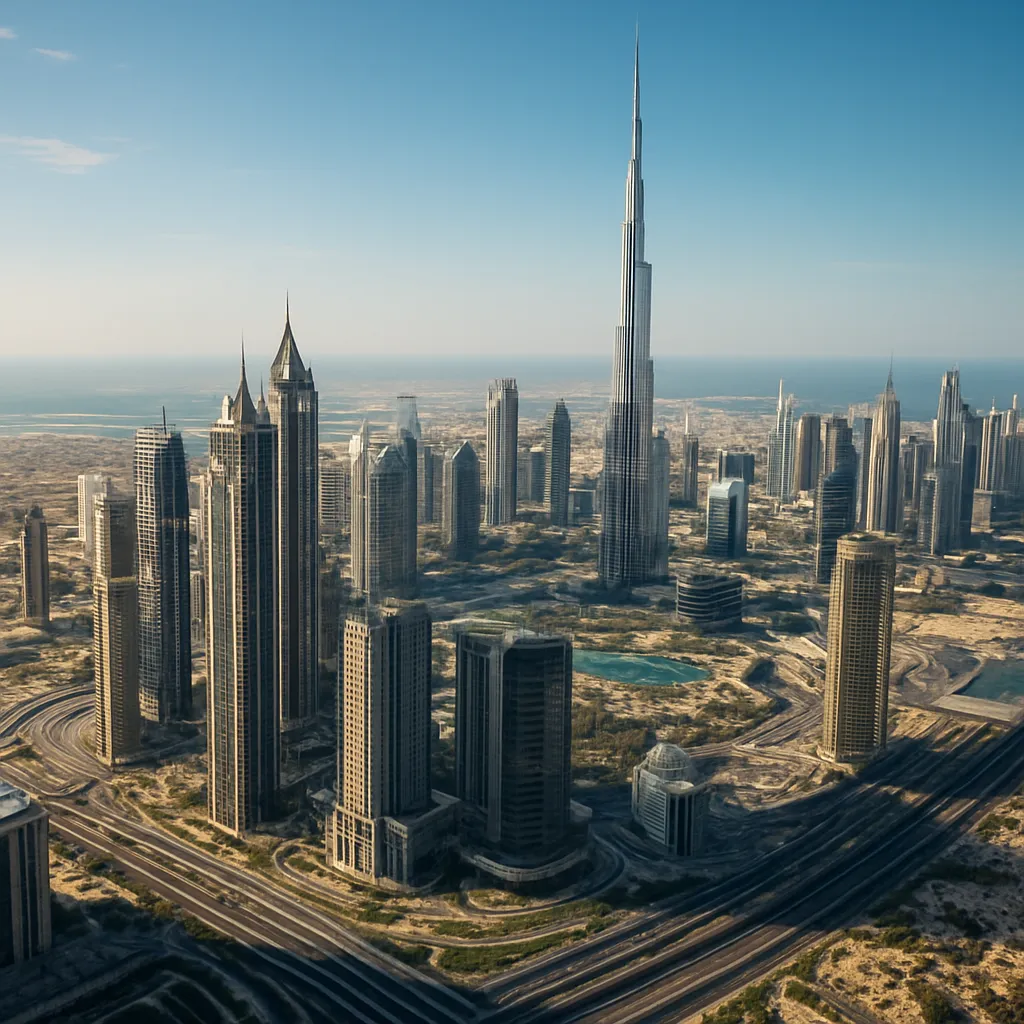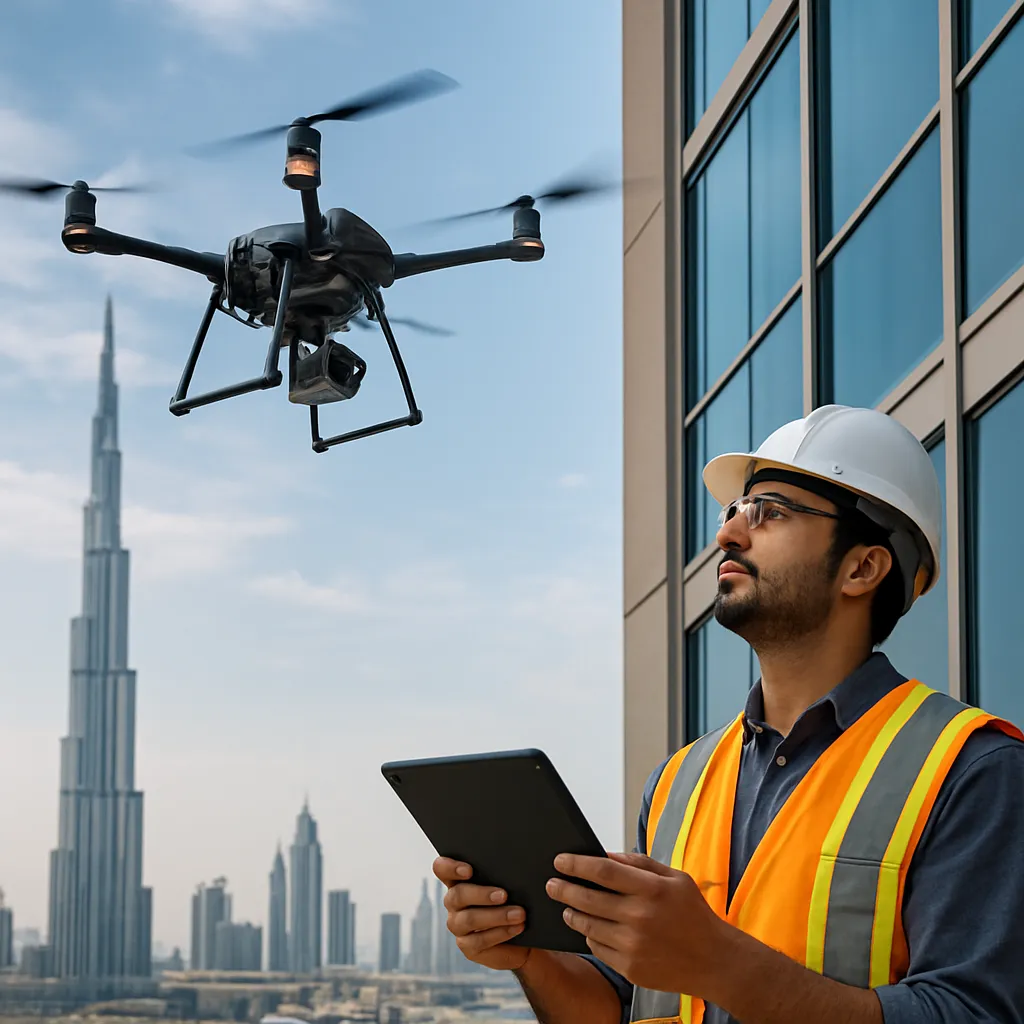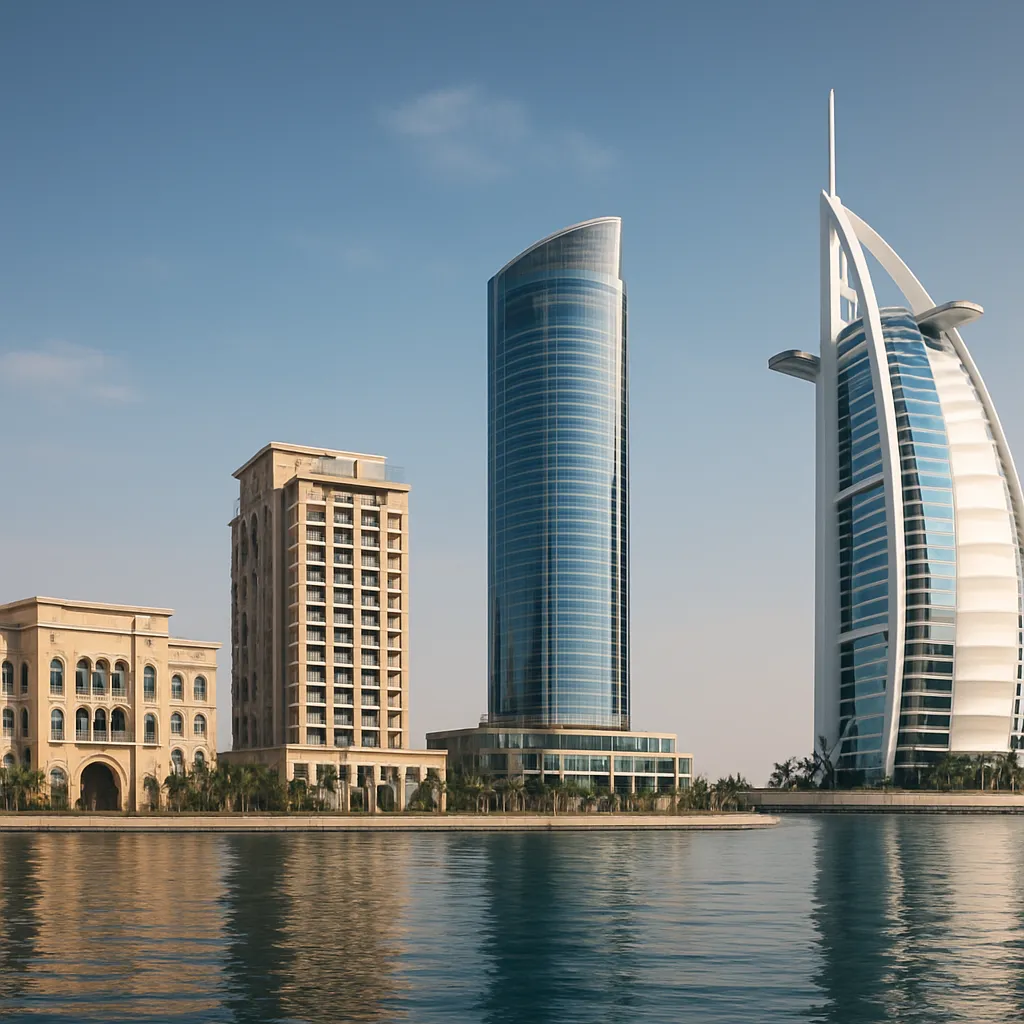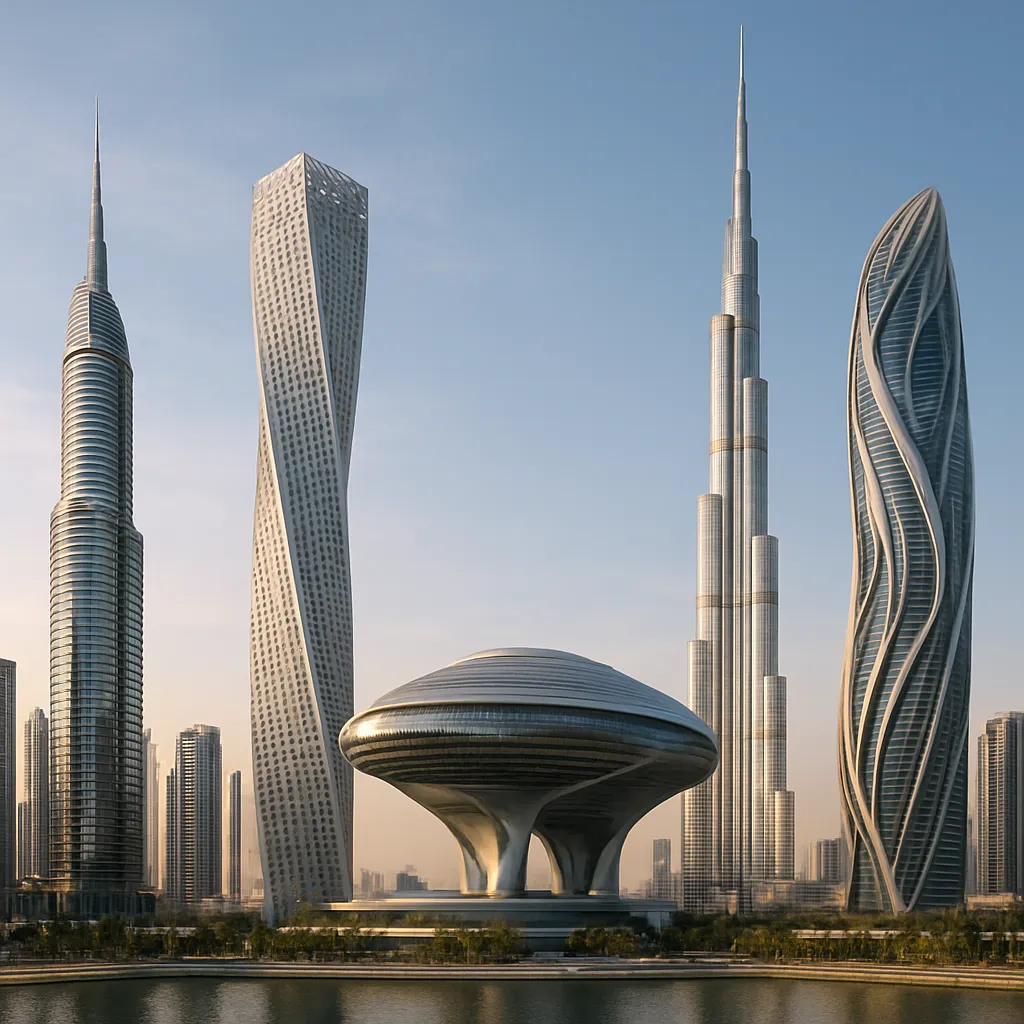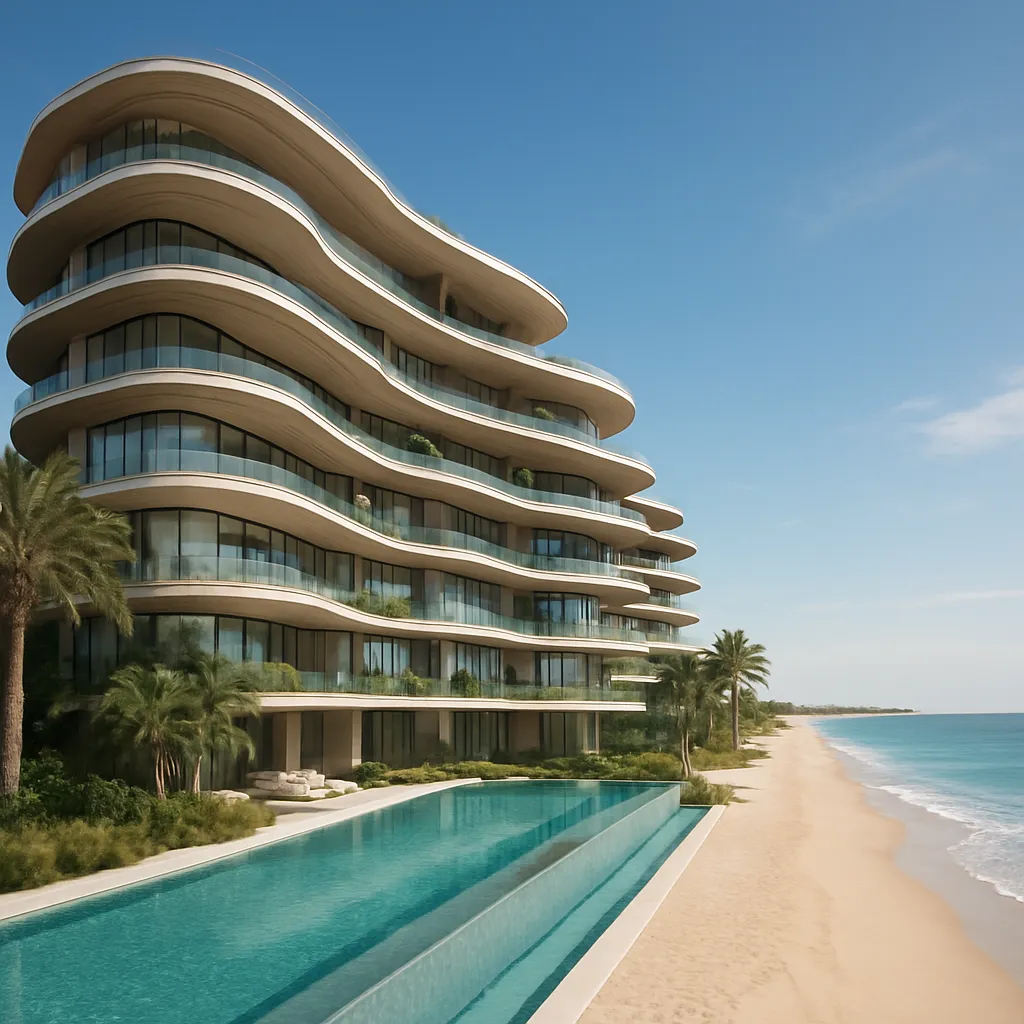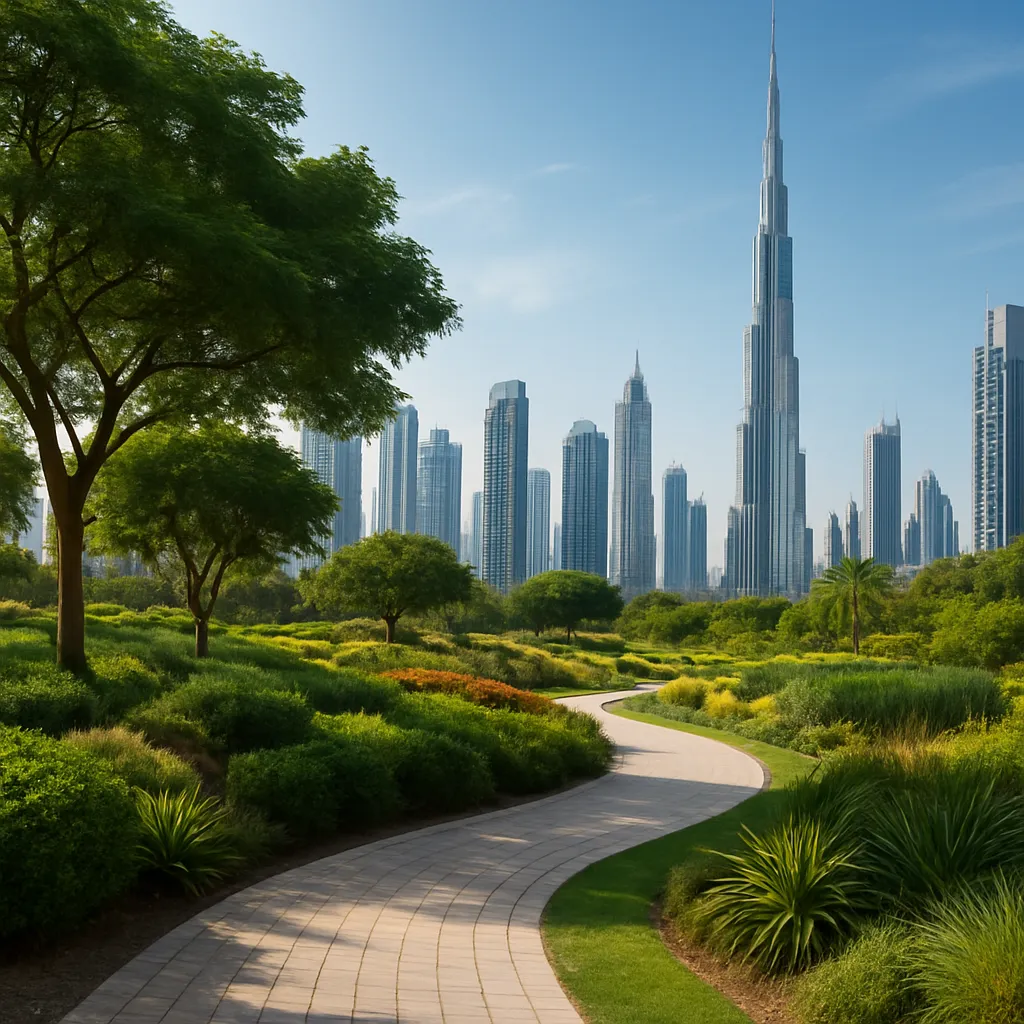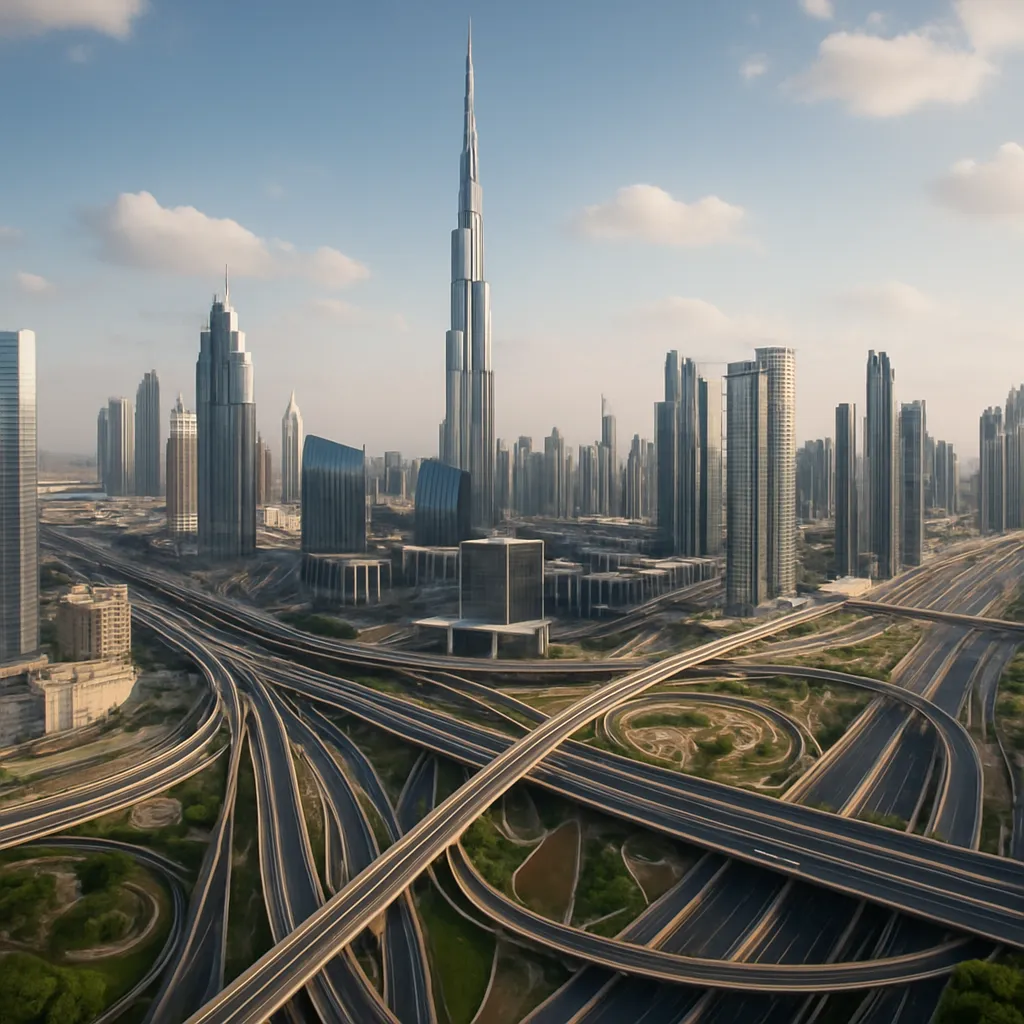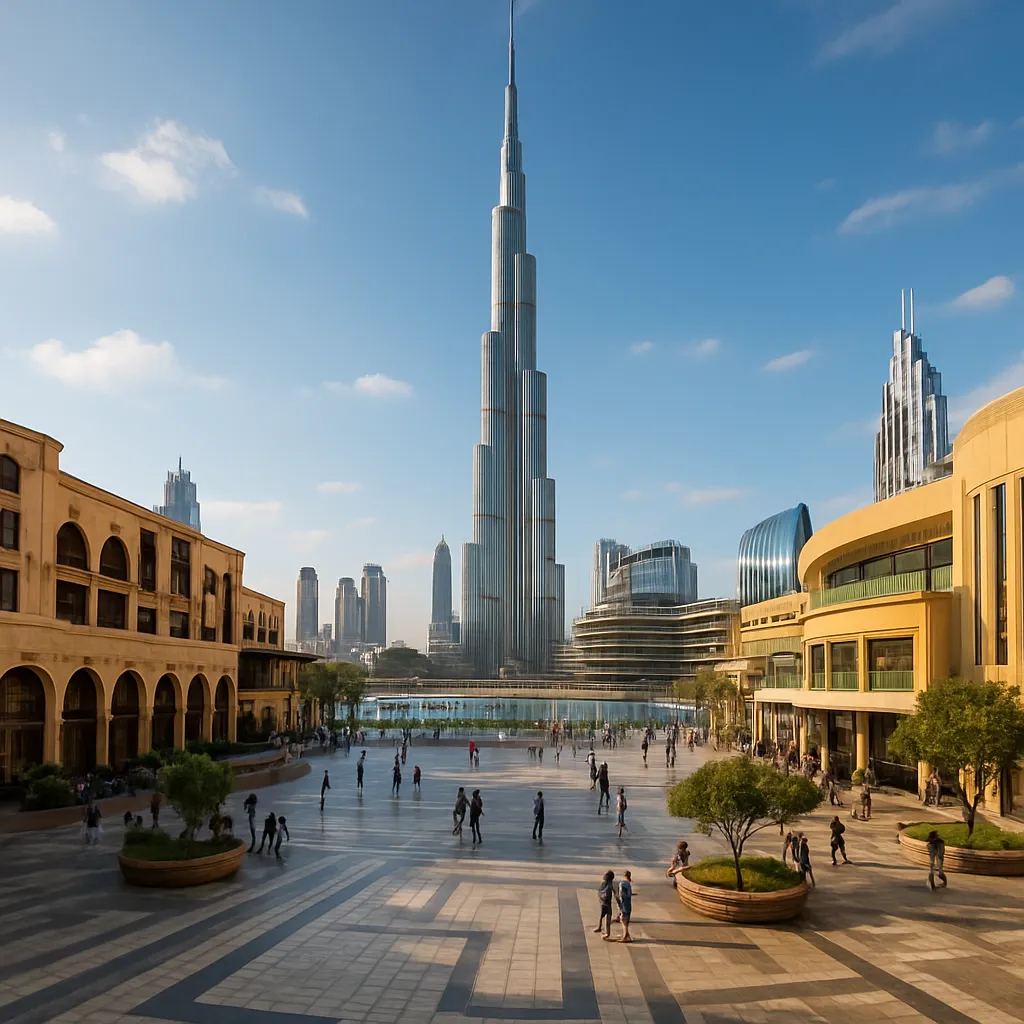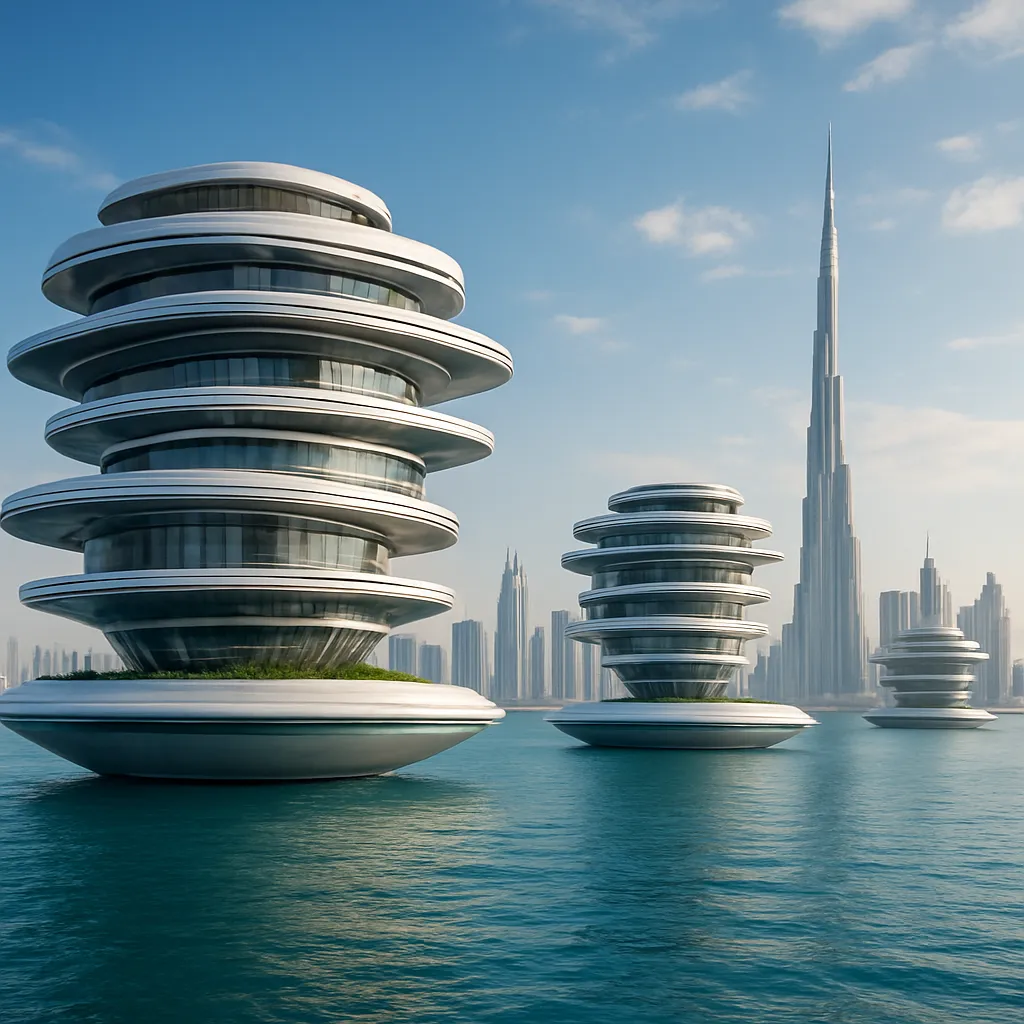
The cityscape of Dubai has always been synonymous with cutting-edge innovation and jaw-dropping feats of architecture. As the emirate pushes beyond its desert horizons, a new frontier emerges on the glittering waters of the Arabian Gulf: floating buildings that promise to revolutionize urban life. From waterfront villas to entire buoyant communities, these structures are not mere novelties but bold statements of human ambition, resilience, and adaptability. In this exploration, we journey into the evolving landscape of maritime megaprojects, uncovering the driving forces, technical breakthroughs, and future prospects that will define Dubai’s next wave of urban expansion.
Rise of Floating Architecture in Dubai
Historical Context
Dubai’s affinity for visionary projects is well documented: from Palm Jumeirah’s palm-shaped islands to the spiraling heights of Burj Khalifa. Yet, the concept of floating habitats is rooted in ancient civilizations. Over centuries, societies in regions like Southeast Asia and the Netherlands have adapted to rising water levels with stilted homes and canal-based settlements. Today, Dubai sets its sights on elevating this heritage through the lens of 21st-century smart systems and luxury living. The emirate’s relentless pursuit of pushing architectural boundaries has naturally led to floating complexes that combine traditional ideas with state-of-the-art engineering.
Driving Forces
- Urbanization pressures: As population density peaks, reclaiming land becomes costlier and less sustainable, motivating water-based expansions.
- Tourism demand: Visitors seek novel experiences, from floating hotels to offshore marinas, driving developers to experiment with aquatic designs.
- Climate adaptation: Rising sea levels and extreme heat urge architects to explore resilient alternatives to conventional land development.
- Technological leaps: Advances in buoyancy control, renewable energy integration, and modular construction enable feasible floating districts.
Engineering Challenges and Innovations
Structural Design Principles
Creating stable, habitable structures on water requires addressing dynamic forces: waves, currents, and wind loads. Dubai’s floating initiatives rely on a combination of pontoon-based platforms and semi-submersible modules. These designs distribute weight evenly while allowing controlled vertical motion. Crucial to success is the precise calculation of buoyant volume and ballast management. By incorporating adjustable ballast tanks, engineers maintain platform equilibrium, ensuring smooth transitions under changing marine conditions.
Materials and Construction Methods
High-performance materials are indispensable for longevity in a corrosive saltwater environment. Developers employ marine-grade concrete infused with corrosion inhibitors, alongside advanced composites like fiber-reinforced polymers (FRP). These materials offer eco-efficiency by reducing maintenance cycles and minimizing resource extraction. Prefabrication plays a key role too: modules built offsite in controlled facilities allow faster assembly and higher quality standards. Once towed into position, floating blocks connect seamlessly through integrated utility joints and flexible sealants that absorb structural stress.
Environmental and Economic Impacts
Marine Ecosystems and Sustainability
Constructing on water inevitably interacts with sensitive marine habitats. Dubai’s floating building projects prioritize sustainability by incorporating artificial reefs around underwater supports. These reef structures enhance biodiversity, providing shelter for fish and encouraging coral colonization. Solar arrays installed atop platforms supply renewable energy, while rainwater harvesting systems reduce freshwater dependencies. Wastewater undergoes on-site treatment through bioremediation ponds, safeguarding the surrounding waters. Together, these measures exemplify an integrated approach to preserving marine health amidst urban growth.
Investment Trends and Tourism Growth
Economic analyses highlight floating districts as high-value assets. Investors are drawn to the unique appeal of waterfront properties that defy conventional real estate norms. Luxury villas perched above gentle waves command premium prices, while floating hotels promise unparalleled guest experiences. Tour operators predict a surge in maritime tourism as these structures become attention-grabbing landmarks. Additionally, floating harbors and yachting hubs will bolster Dubai’s status as a global nautical hub, attracting affluent visitors and stimulating local businesses.
Future Vision: Integrating Smart Floating Districts
Seamless Connectivity and Automation
Emerging concepts envision fully networked floating neighborhoods. Autonomous electric ferries and unmanned cargo vessels will shuttle residents and supplies, reducing road congestion and carbon emissions. Platforms equipped with intelligent sensors will monitor energy consumption, structural integrity, and weather patterns in real time. AI-driven systems will optimize lighting, climate control, and water usage, enhancing occupant comfort and resource efficiency. This marriage of marine engineering and digital infrastructure sets the stage for truly modularity in urban planning.
Social and Cultural Dynamics
Beyond technical marvels, floating developments aim to cultivate vibrant communities. Shared spaces—docking promenades, maritime parks, and open-air amphitheaters—will foster social engagement. Schools, health centers, and retail outlets integrated onto buoyant blocks will serve both residents and transient populations. A focus on human-centric design ensures that these waterborne districts not only look spectacular but also nurture a sense of belonging. Through public art installations and waterfront festivals, floating districts may emerge as cultural hotspots that reflect Dubai’s cosmopolitan identity.
Potential Challenges and Governance
- Regulatory frameworks: Crafting maritime building codes that balance innovation with safety will demand coordination between government bodies and international agencies.
- Insurance and risk management: Underwriting policies for floating real estate will require new actuarial models to account for unique marine hazards.
- Community acceptance: Educating stakeholders about benefits and addressing concerns—such as potential displacement of traditional seafaring industries—will be pivotal.
Beyond the Horizon: Dubai’s Floating Legacy
As the sun sets on the skyline of steel and glass, the future silhouette of Dubai may shimmer atop the waves. Floating buildings represent more than architectural extravagance; they embody a proactive response to environmental uncertainty, demographic shifts, and the ever-evolving definition of luxury. By championing maritime urbanism, Dubai signals a broader transformation in how cities can coexist with water. The floating paradigm offers lessons for coastal metropolises worldwide, showcasing a path toward harmonious expansion that blends technological prowess with ecological stewardship.
Key Takeaways
- Floating buildings leverage advanced materials and design to create stable, sustainable structures.
- Marine ecosystems can benefit from thoughtfully implemented artificial reefs and renewable energy systems.
- Smart infrastructure and autonomous transport will redefine connectivity in waterborne districts.
- Successful implementation hinges on robust governance, stakeholder engagement, and adaptive regulations.
- Dubai’s pioneering projects may inspire a global shift toward aquatic urbanism in an era of climate change.