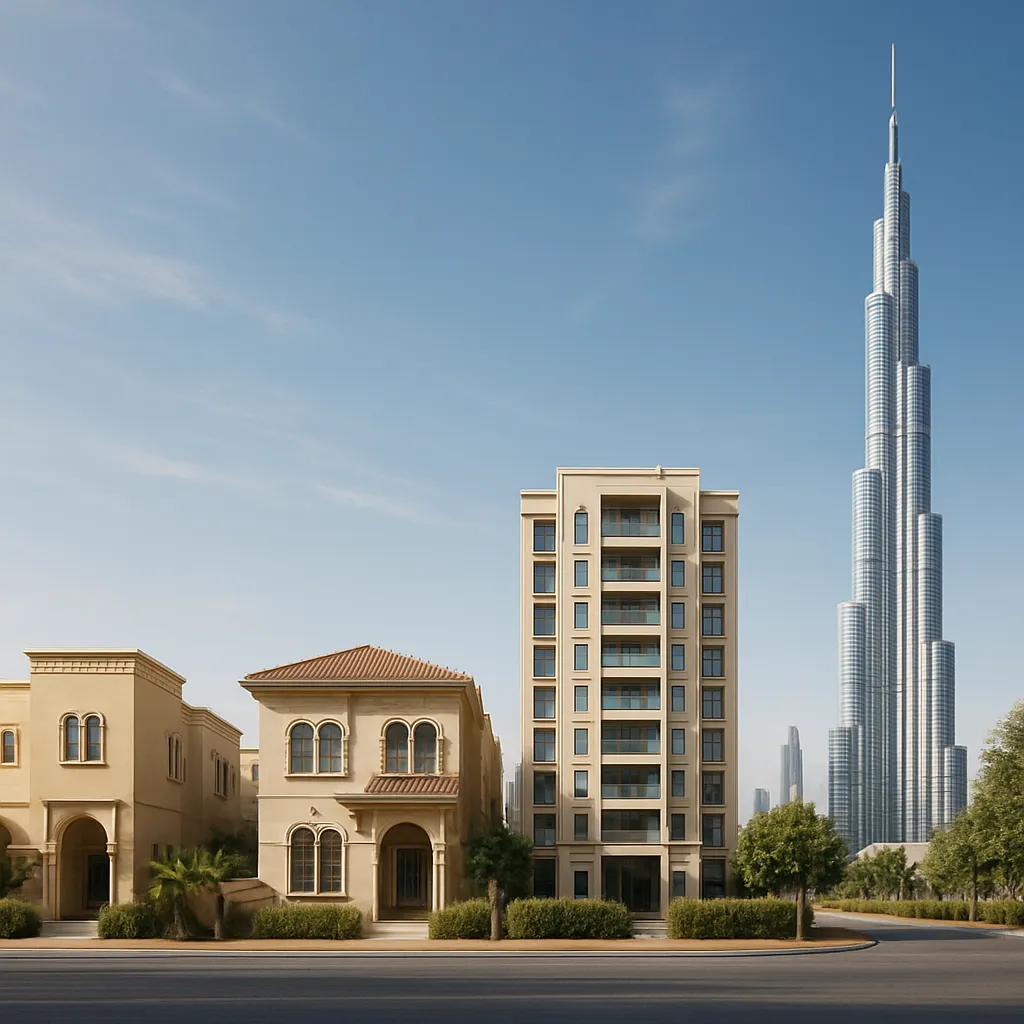
Dubai’s residential landscape has undergone a remarkable transformation, shaped by desert heritage, rapid economic growth, and a relentless pursuit of innovation. From modest courtyard homes to luxurious waterfront villas and sky-high apartments, the city’s architecture reflects a fusion of local tradition and cutting-edge global trends. This exploration delves into the key stages of this evolution, highlighting how urban design, technology, and environmental concerns have driven Dubai’s residential metamorphosis.
Historical Influences and Traditional Dwellings
Long before the first high-rise graced Dubai’s horizon, local people adapted to the harsh desert environment with ingenious building methods. The early homes centred on communal living and passive cooling, relying on locally sourced materials and simple layouts.
Barjeel and Wind Tower Houses
The most iconic feature of old Emirati dwellings was the Barjeel (wind tower), designed to channel breezes into interior courtyards. These towers stood tall above heritage houses, capturing wind from any direction and providing natural ventilation. Key characteristics included:
- Thick, mudbrick walls to moderate interior temperatures
- Central open-air patios for communal gatherings
- Decorative plasterwork showcasing regional craftsmanship
Coral Stone and Gypsum Construction
Abundant coastal coral provided an unexpected building resource. Blocks of coral stone, held together with gypsum mortar, created durable and insulating walls. Combined with wooden ceiling beams and palm frond roofs, these structures offered respite from searing daytime heat. Interiors remained cool, while exterior surfaces were whitewashed to reflect sunlight.
The Rise of Modern Mega-Residences
By the late 20th century, Dubai’s strategic location and resource wealth sparked unprecedented urbanization. Ambitious developers envisioned residential enclaves that would redefine global luxury living. These projects boasted extravagant amenities, high-tech systems, and signature designs that transformed the city’s skyline.
Palm Jumeirah and Waterfront Villas
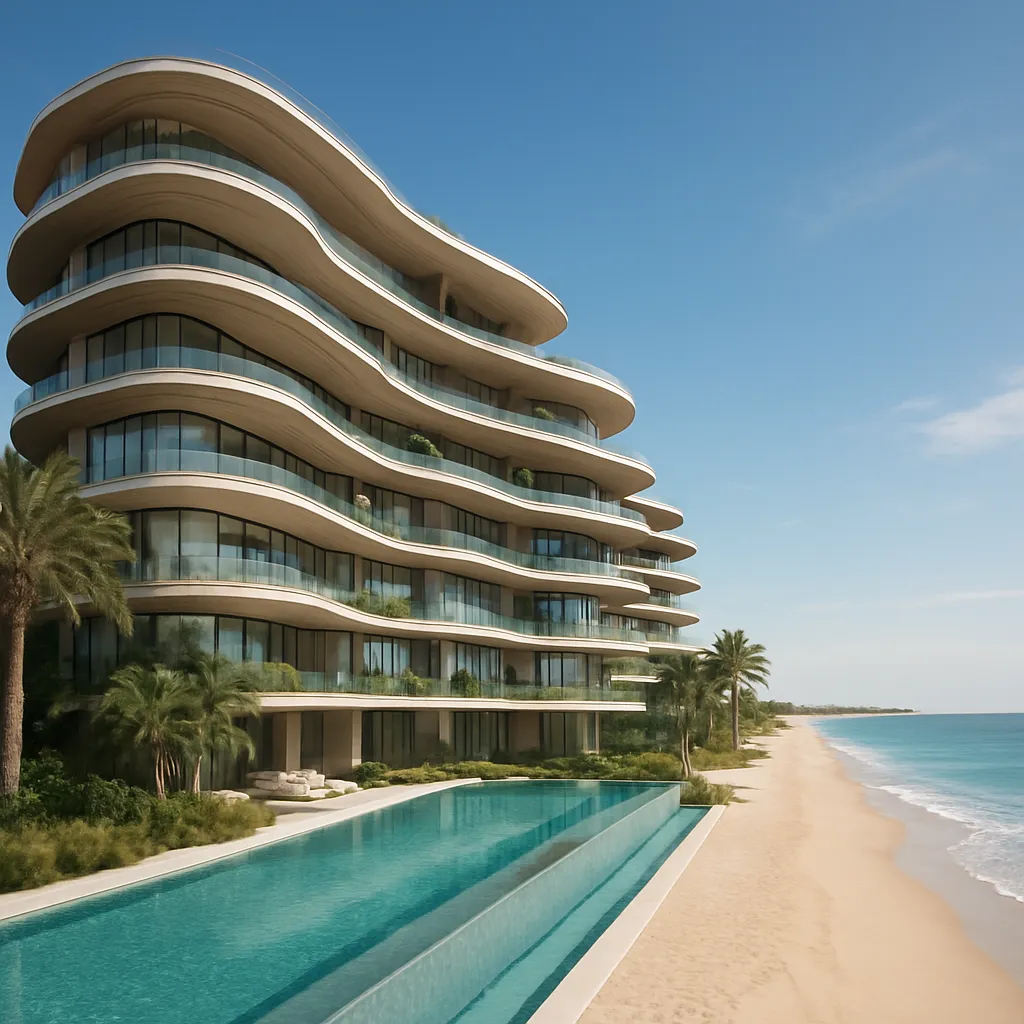
The Palm Jumeirah stands as a symbol of Dubai’s boldest residential experiment. This man-made archipelago features thousands of villas and apartments along curving fronds and a crescent breakwater. Each waterfront property offers:
- Private beaches and marinas
- Smart home integration with automated lighting, climate, and security
- Panoramic views of the Arabian Gulf and Dubai Marina
Burj Khalifa Residences and Urban Clusters
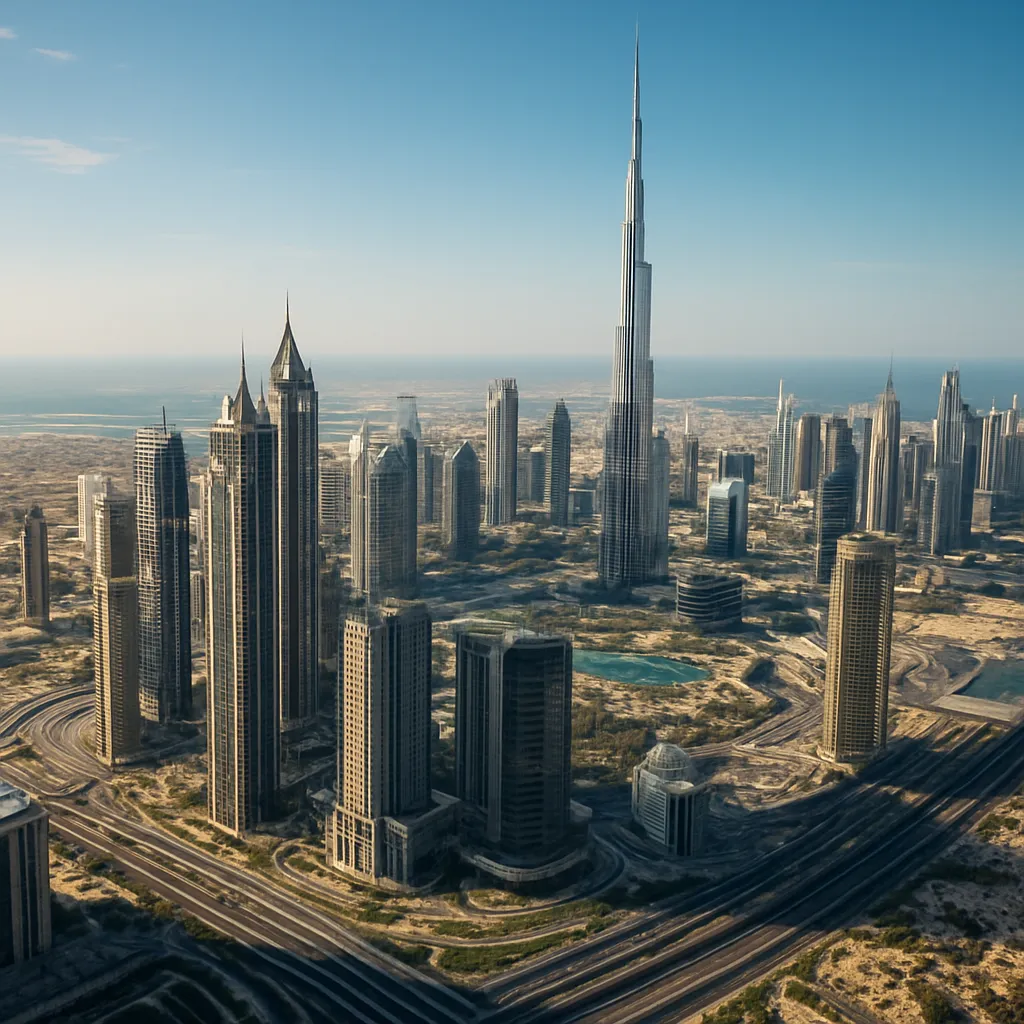
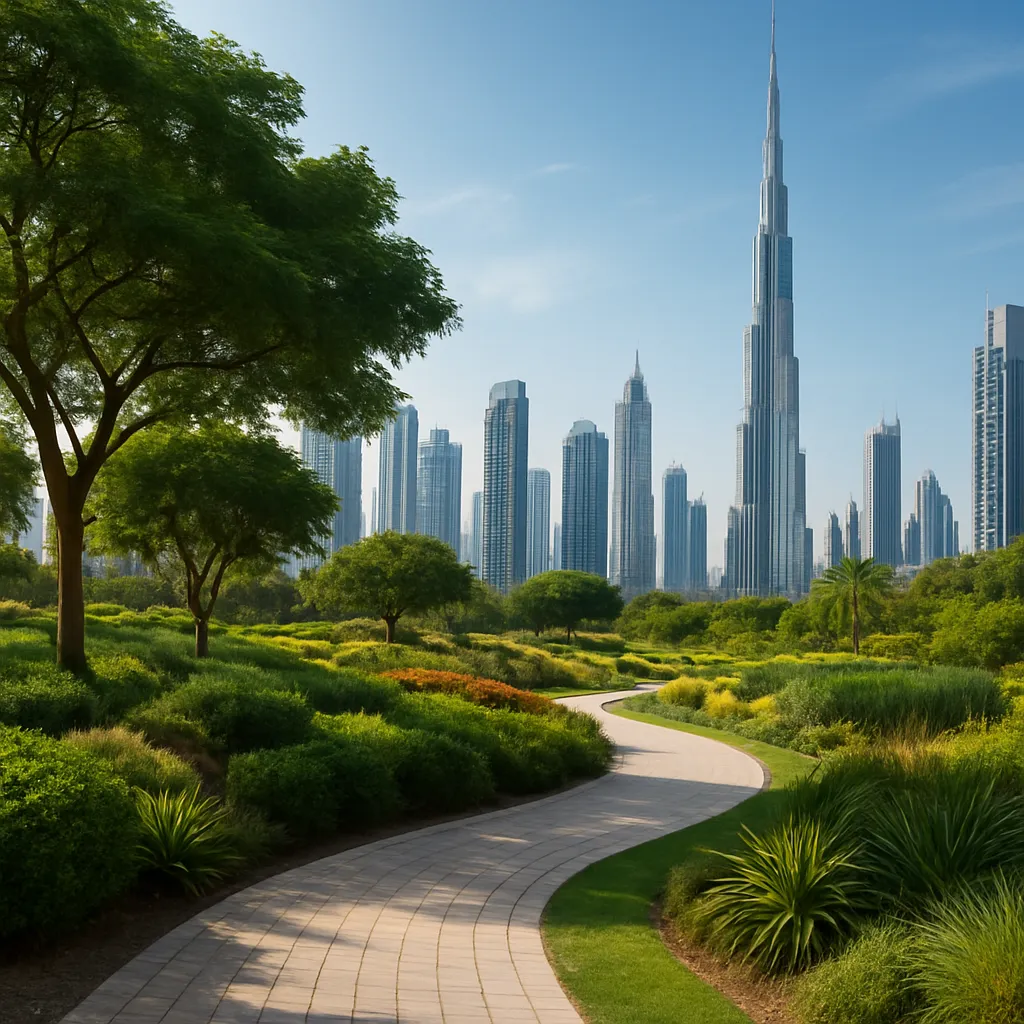
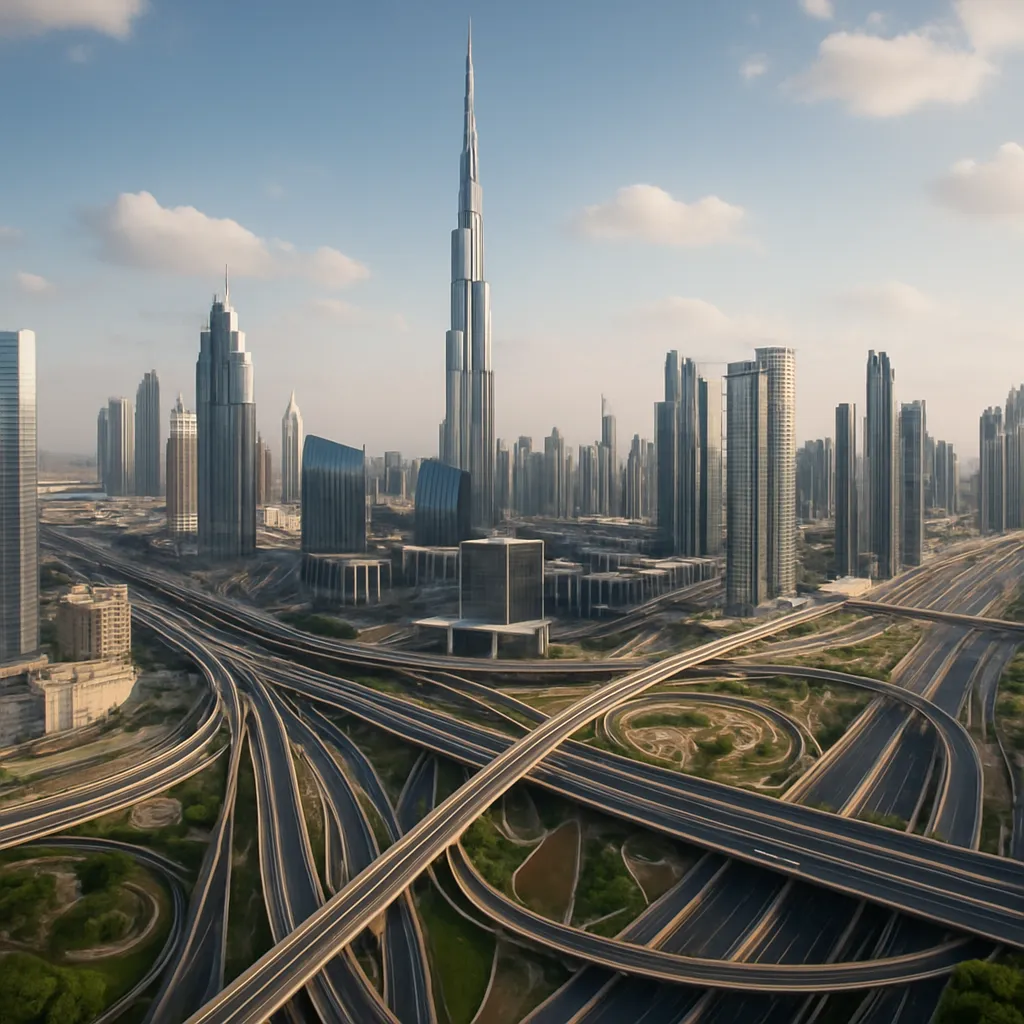
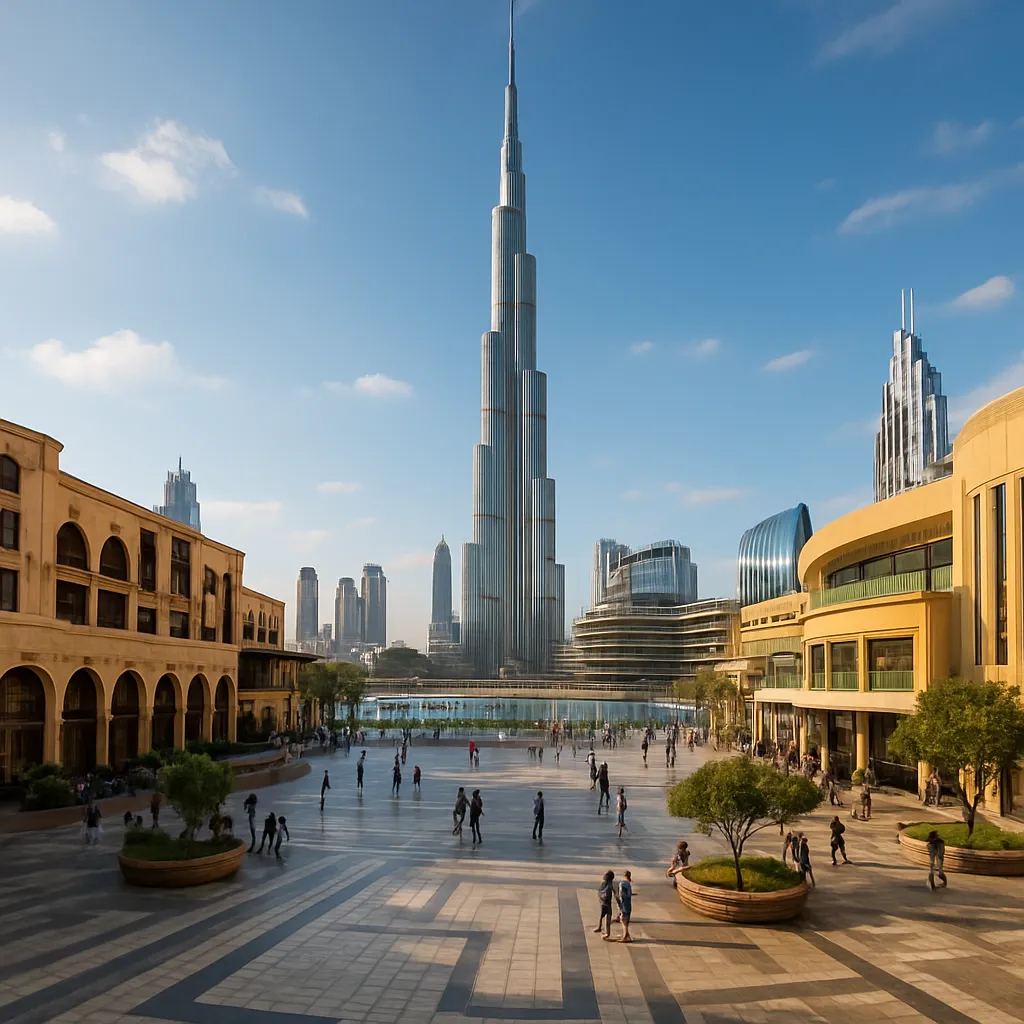
The world’s tallest tower introduced a new paradigm for high-rise living. Residences located between the 19th and 108th floors offer unmatched panoramas and elevated amenity decks. Surrounding neighborhoods, such as Downtown Dubai, feature:
- Pedestrian-friendly boulevards
- Mixed-use podiums with retail, restaurants, and cultural venues
- Lushly landscaped terraces and infinity-edge pools
District One and Luxury Estates
District One at Mohammed bin Rashid Al Maktoum City epitomizes ultra-luxury. Set around a crystal lagoon, mansions boast bespoke interiors, private fitness studios, and access to polo fields. Residents enjoy seamless integration of opulent finishes and cutting-edge building services, underpinned by a commitment to sustainable design.
Sustainable Practices and the Future of Residential Districts
As environmental concerns gained prominence, Dubai’s planners and architects turned towards sustainability without sacrificing grandeur. New developments seek to balance opulence with responsible resource management, while embracing futuristic concepts.
The Sustainable City and Green Villages
A pioneering community on the outskirts of Dubai International Airport, The Sustainable City showcases low-carbon living. Features include:
- Solar-powered villas and townhouses
- Recycled greywater systems for irrigation
- Community farms promoting local food production
Residents benefit from reduced utility costs and a heightened connection to nature, forging a template for future urban expansions.
Smart Cortado Towers and Net-Zero Aspirations
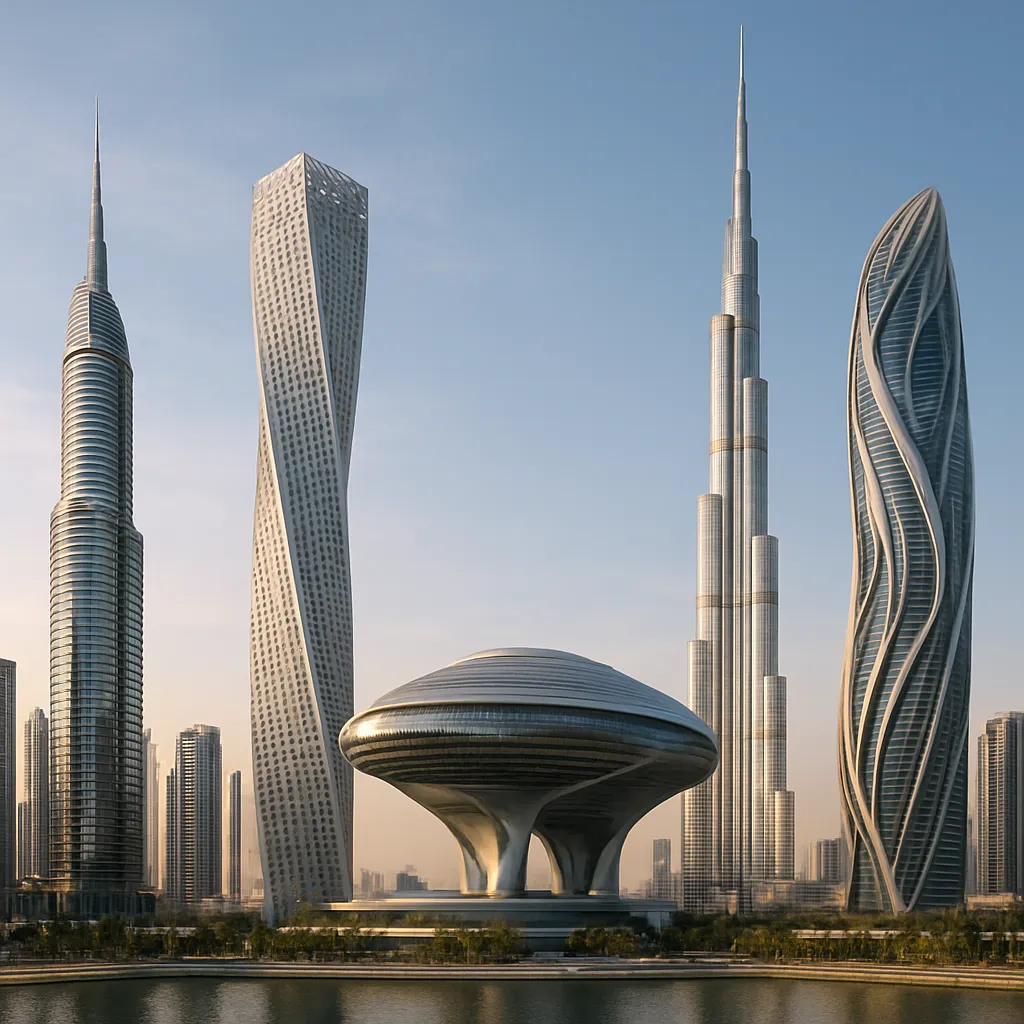
Upcoming residential towers incorporate smart façades that adapt to sun angles, reducing heat gain and energy consumption. These structures emphasize:
- Automated shading devices linked to real-time weather data
- Integrated photovoltaic glass panels
- Ventilated double-skin walls for thermal buffering
Ambitions for net-zero residential high-rises align with government mandates on renewable energy, cementing Dubai’s role as a global landmark in sustainable architecture.
Vertical Communities and Microclimate Control
To optimize land use, developers are conceptualizing vertical villages—self-contained residential floors with communal gardens, retail pods, and leisure spaces. Advanced environmental control systems monitor air quality, humidity, and temperature for each microcosm. This shift promises:
- Reduced dependency on ground-level infrastructure
- Enhanced social interaction through shared amenities
- Scalability for future population growth
Integrating Cultural Identity with Technological Advancements
While innovation and luxury continue to define new projects, there is growing emphasis on embedding local cultural values within modern frameworks. Architects draw inspiration from traditional motifs, translating them into contemporary silhouettes.
Parametric Façades and Mashrabiya Screens
High-tech parametric design tools enable the creation of intricate latticework inspired by the heritage mashrabiya. These dynamic screens serve multiple purposes:
- Diffuse harsh sunlight while preserving outward views
- Provide privacy in dense urban settings
- Act as structural shading elements with customizable patterns
Desert-Inspired Interiors and Cultural Narratives
Interior designers leverage local materials—such as camel leather, palm weaves, and copper accents—to craft spaces that resonate with Emirati traditions. Artwork and installations contextualize each residence, offering a meaningful counterpoint to global technology influences.
Community-Centric Planning and Well-Being
Recognizing the importance of social cohesion, recent master plans prioritize walkability, communal gathering points, and cultural centers. Public plazas are often shaded by solar canopies, while pedestrian networks link mosques, schools, and outdoor markets. Such urbanization strategies ensure that residents remain connected to their roots, even as they enjoy futuristic amenities.
Conclusion of Dubai’s Residential Evolution
From sunlit wind towers to gravity-defying towers, Dubai’s residential fabric embodies a relentless quest for sustainability, cultural resonance, and architectural excellence. As the city charts its next course, the ongoing dialogue between tradition and futurism will continue to shape living environments that inspire both residents and global observers.