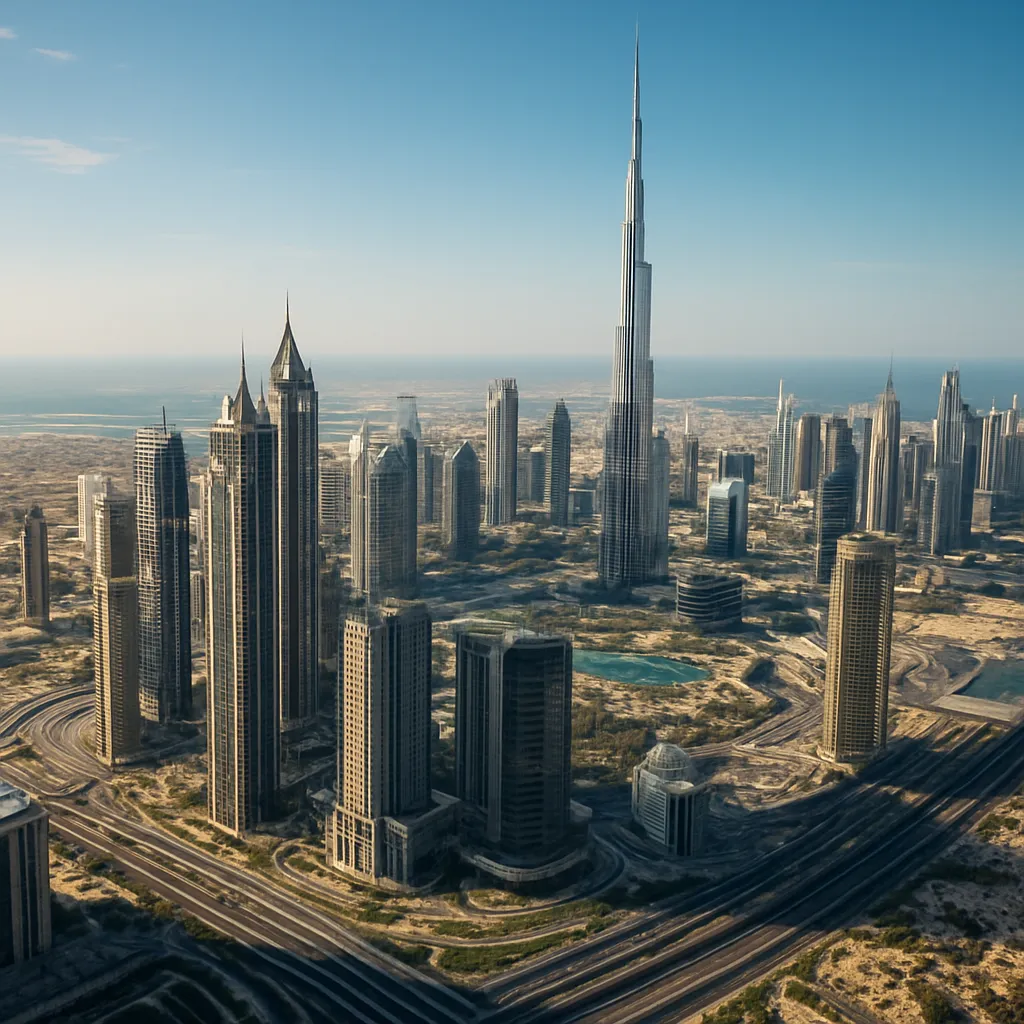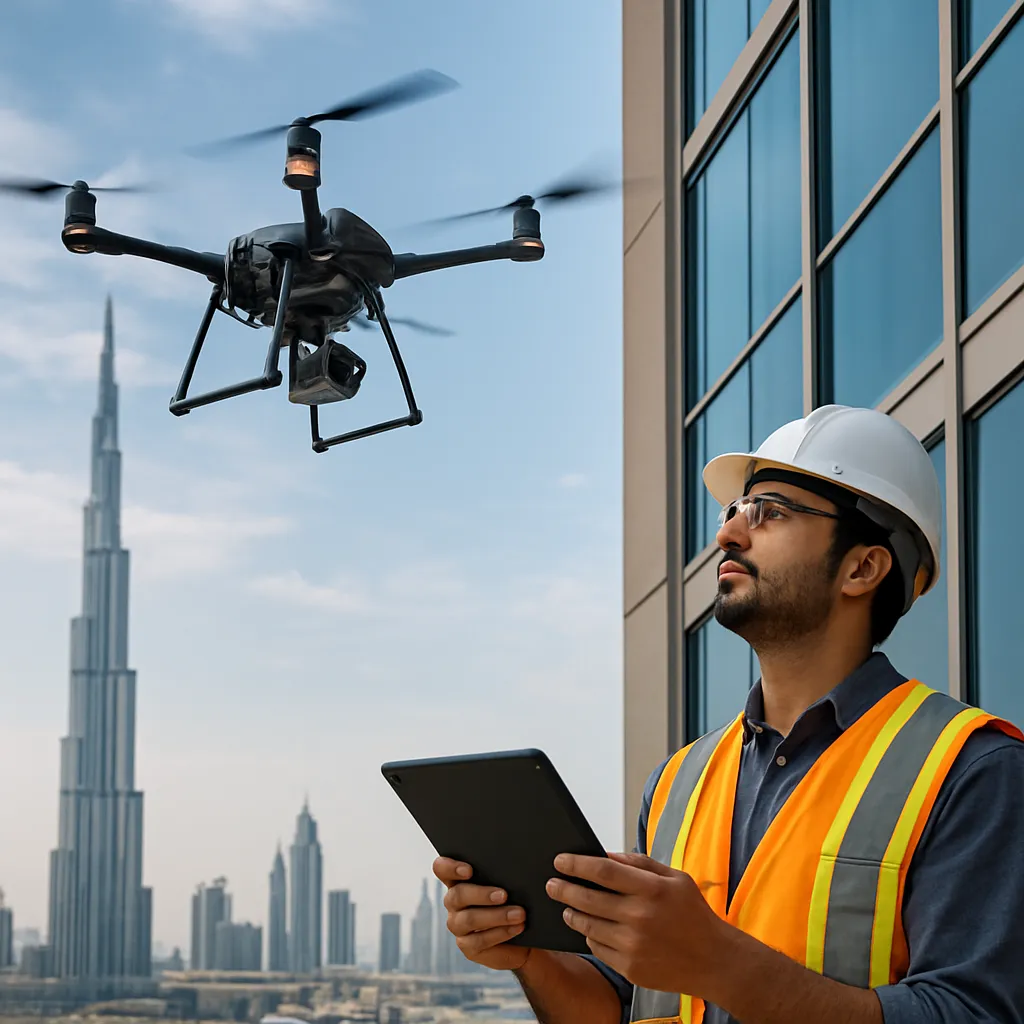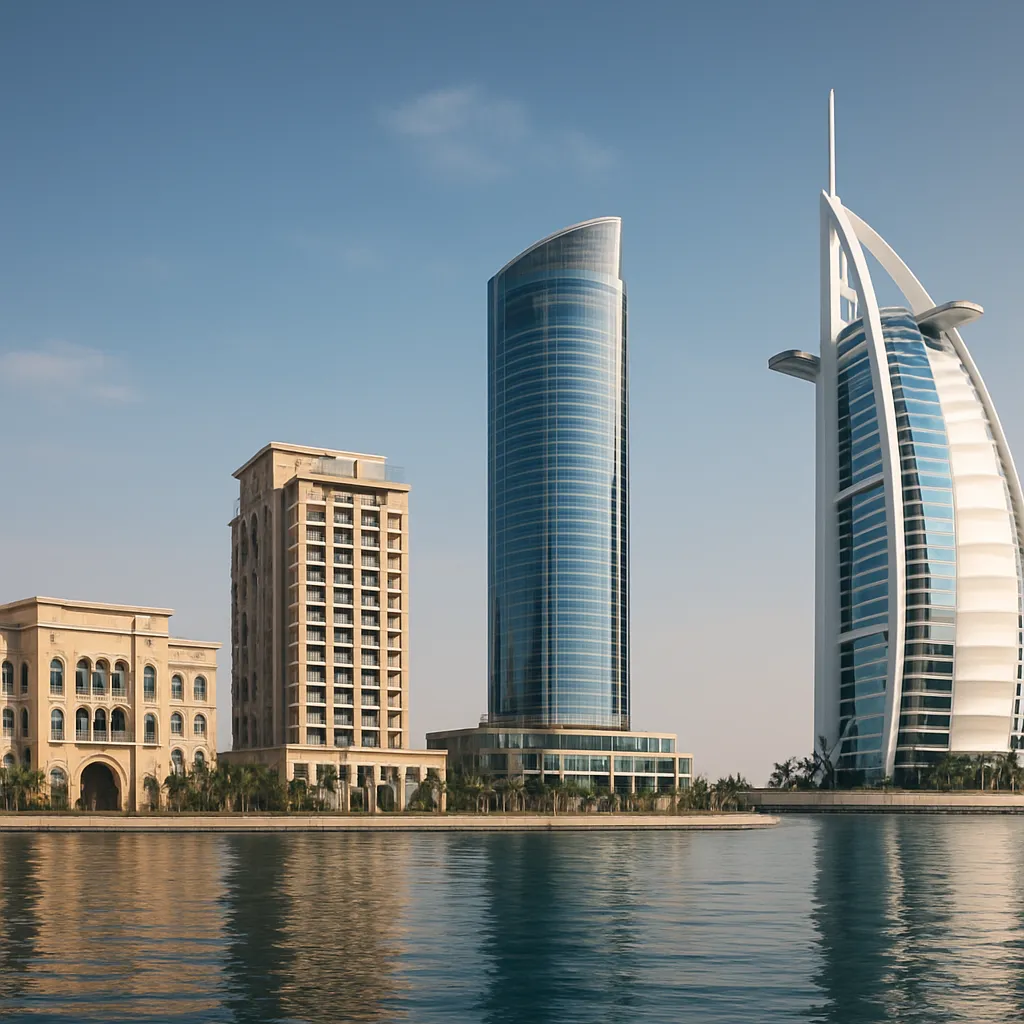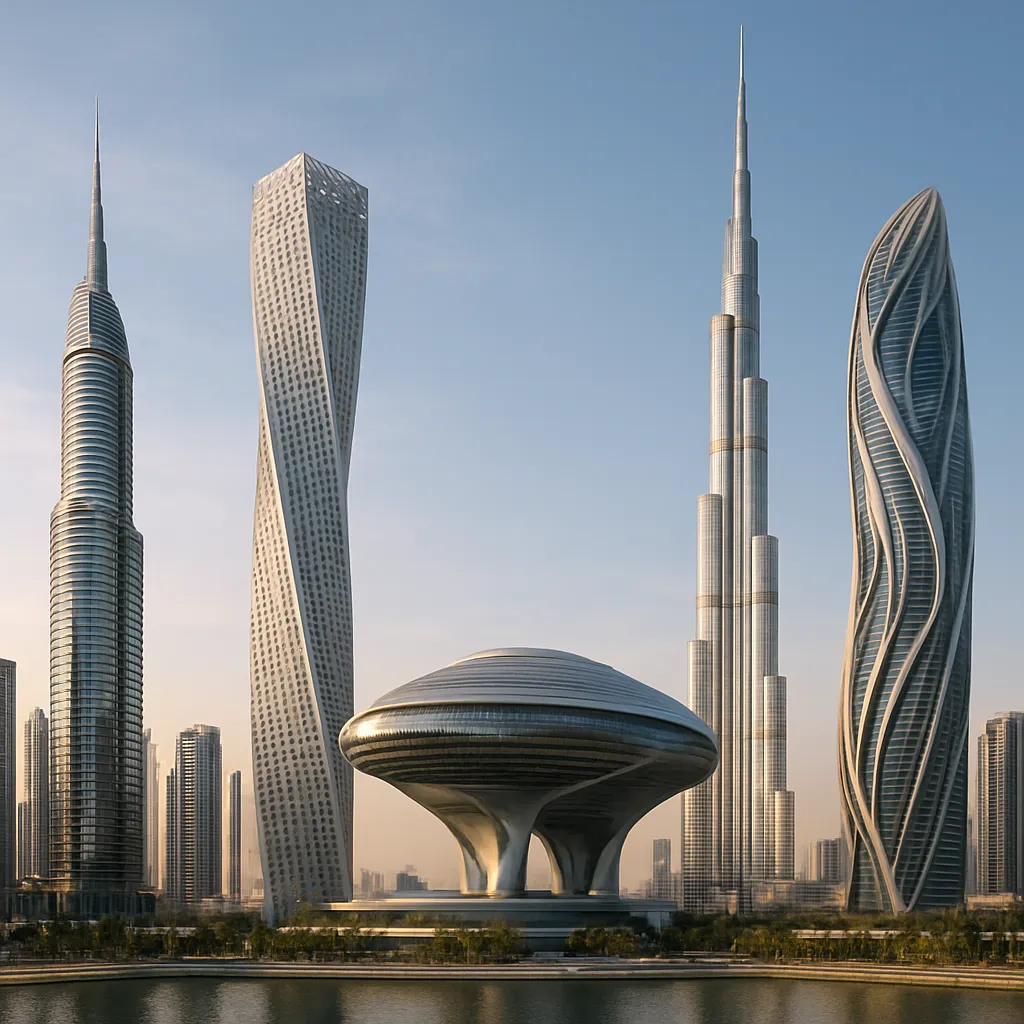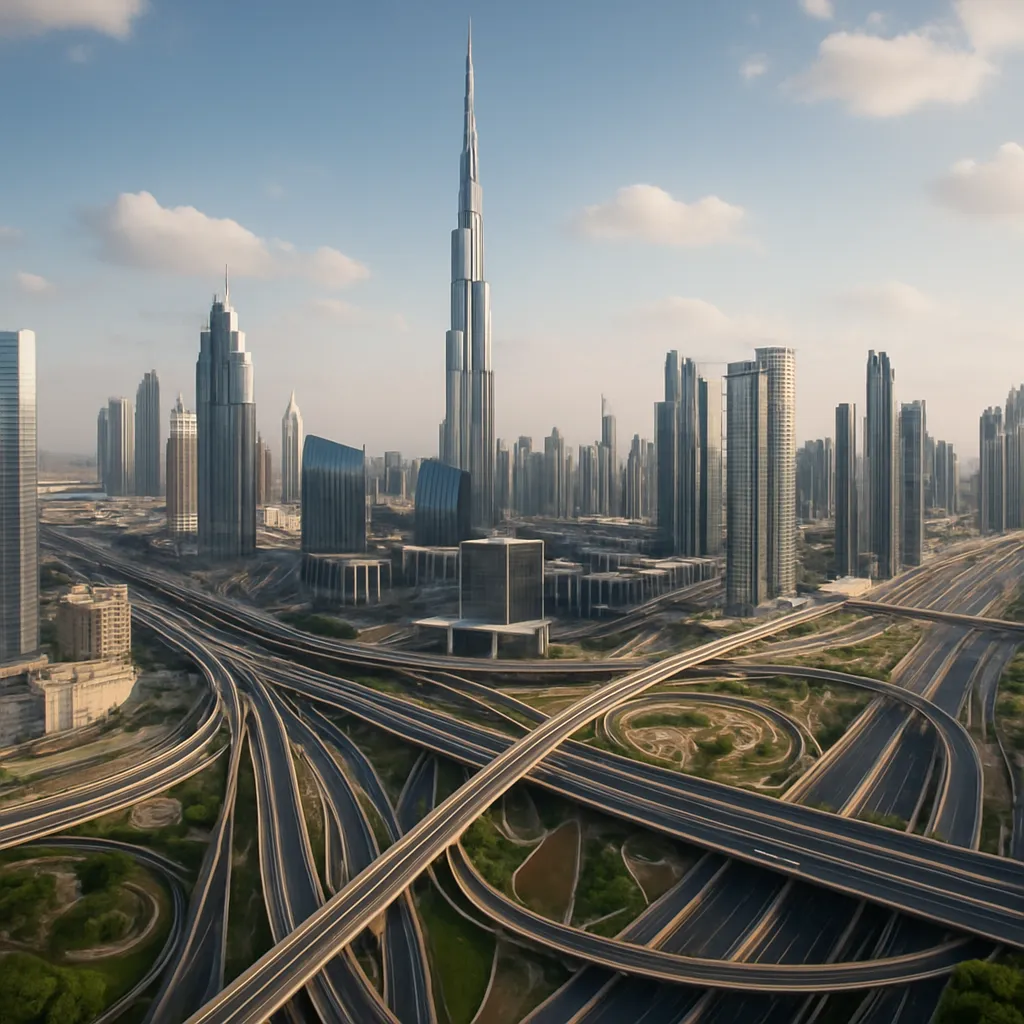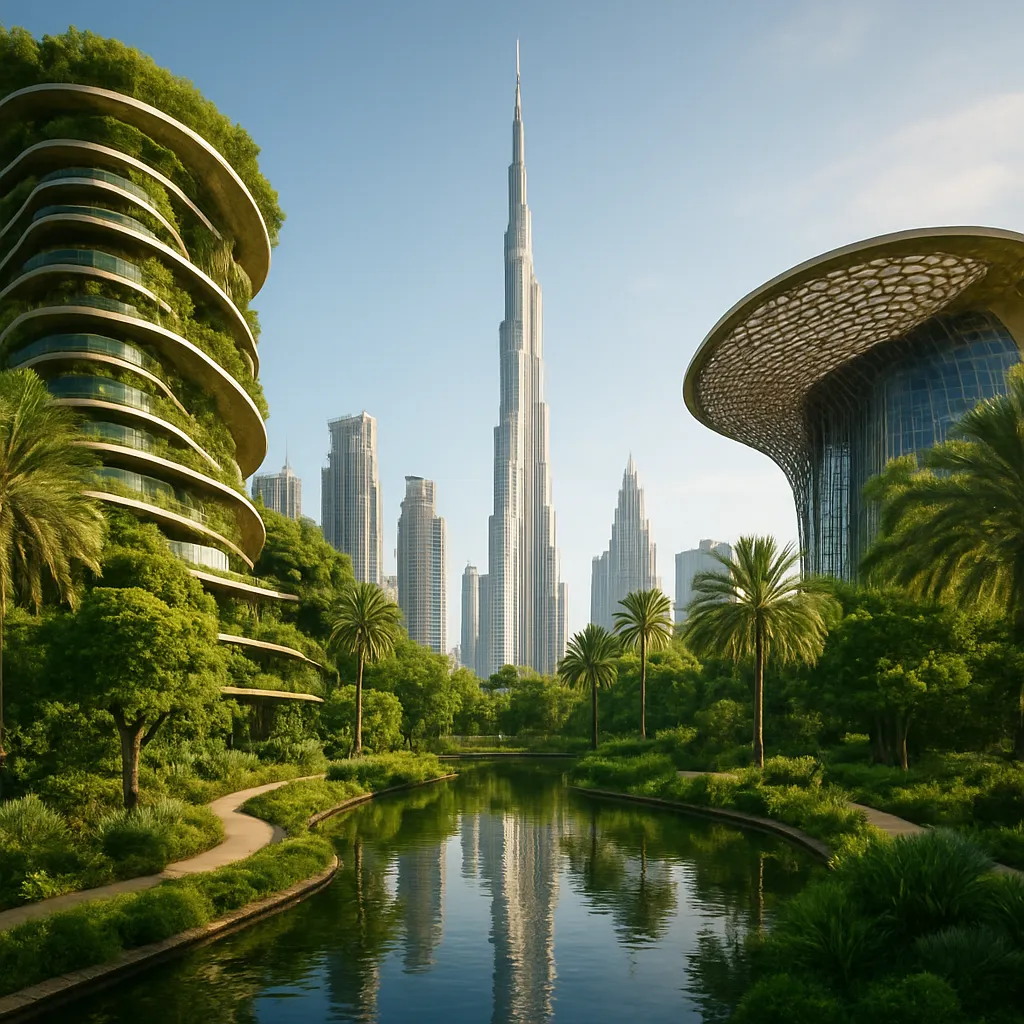
Dubai’s skyline is renowned for its soaring towers and cutting-edge designs, yet beneath this architectural grandeur lies a thoughtful interplay between nature and the built environment. The city’s rapid transformation from desert outpost to global metropolis has been guided by a commitment to blend sustainability with luxury, creating urban spaces that not only captivate the eye but also nurture the ecosystem. From innovative façades draped in foliage to expansive waterfront promenades lined with native palms, Dubai redefines what it means to bring the green back into the heart of a desert city.
Vertical Gardens and Green Façades
One of the most striking approaches to integrating greenery in Dubai’s high-rises is the advent of vertical gardens and living walls. Developers collaborate with horticultural engineers to select plant species capable of thriving in the emirate’s harsh climatic conditions—heat-resistant succulents, drought-tolerant shrubs, and native vines. These gardens serve multiple purposes:
- Thermal insulation: The foliage acts as a natural barrier against solar radiation, reducing indoor cooling loads.
- Air purification: Leafy covers filter dust and airborne pollutants, improving ambient air quality.
- Biodiversity support: Nesting sites and nectar sources invite urban birds and pollinators.
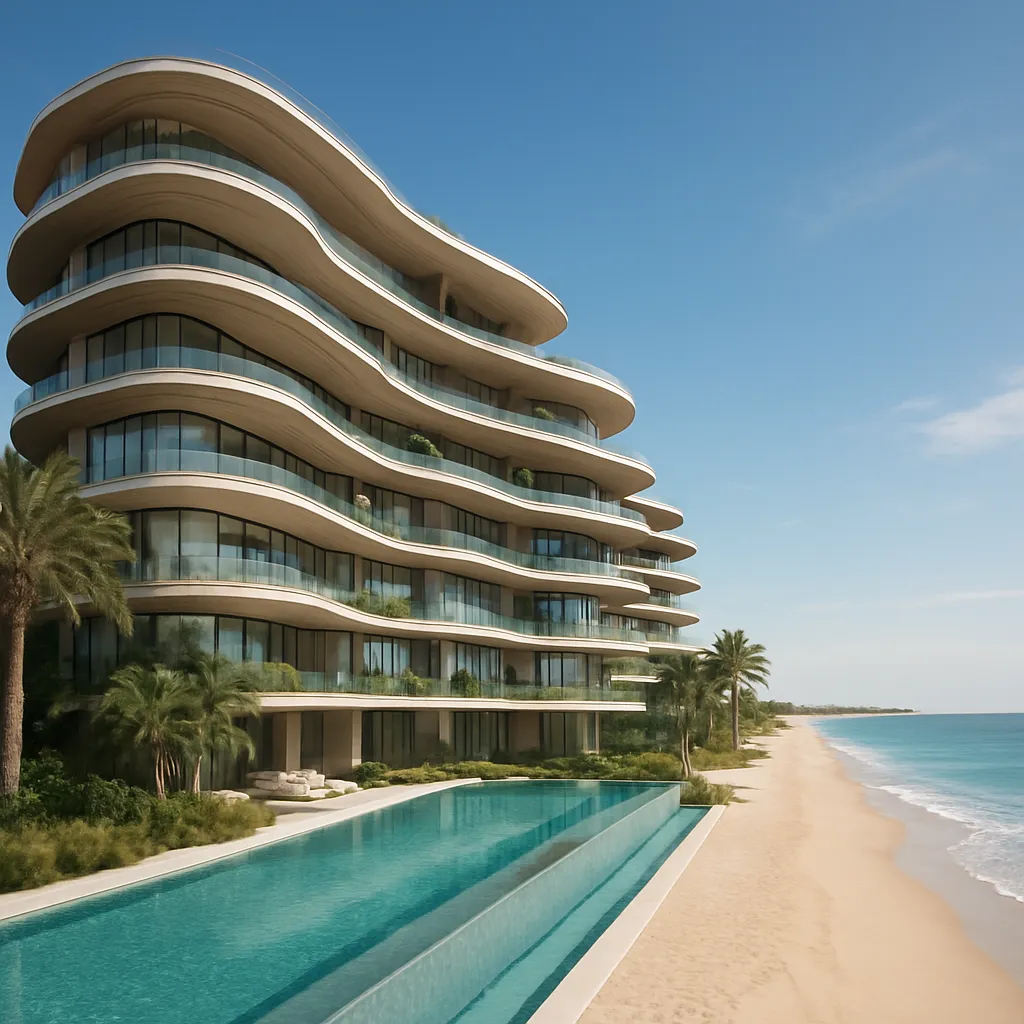
Moreover, iconic towers like the new mixed-use complexes feature cascading planters integrated into balcony edges, creating ribbons of greenery that soften the building’s silhouette. Architects emphasize biophilic design principles—connecting residents and visitors with living elements while maintaining the tower’s iconic aesthetic.
Sustainable Materials and Passive Cooling Strategies
Building in a desert environment necessitates innovative approaches to reduce energy consumption and manage extreme temperatures. Dubai’s cutting-edge projects employ a palette of eco-friendly construction materials:
- High-albedo concrete and reflective glass to minimize solar heat gain.
- Recycled steel and composites that lower embodied carbon.
- Locally sourced stonework that resonates with the natural palette of the region.
Passive cooling techniques such as wind towers—a traditional element reimagined in contemporary forms—capture and funnel breezes through occupied spaces. Shading systems, including pergolas covered in climbing vines, create comfortable outdoor terraces. In residential districts, courtyard designs channel cross-ventilation, while water features punctuate plazas to drop surrounding air temperatures. These solutions underscore Dubai’s commitment to reducing its carbon footprint and enhancing resilience against rising heat.
Urban Parks, Waterfronts, and Public Green Spaces
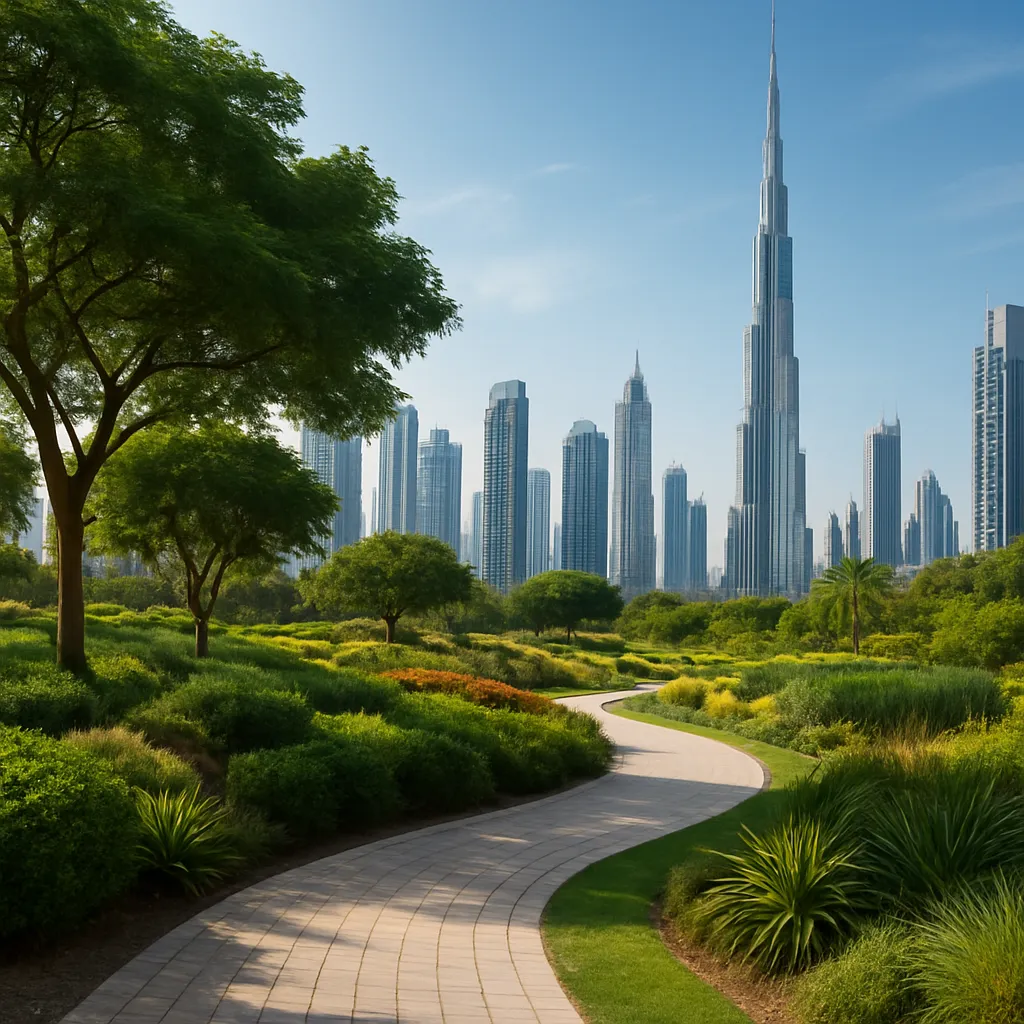
Beyond individual buildings, Dubai’s masterplans integrate expansive parks and waterfront promenades that invite both social interaction and ecological restoration. The metropolis has converted old industrial zones and undeveloped plots into lush oases:
- The Creek Park renovation introduced native wetland plants, reed beds, and bird hides along the water’s edge.
- Dubai Water Canal’s pedestrian bridges are lined with date palms and aerated ponds, creating a tranquil promenade.
- Community parks in residential neighborhoods feature shaded play areas, jogging tracks through groves of tamarisk, and pocket gardens designed for well-being.
These green corridors not only offer recreational venues but also function as stormwater retention basins that mitigate flood risks. Landscape architects champion a holistic approach: planting clusters of drought-adapted species, providing habitat connectivity for migrating birds, and installing permeable paving that replenishes the groundwater table.
Smart Irrigation, Water Harvesting, and Energy Efficiency
Water is a precious resource in the desert, and Dubai’s urban landscaping relies on state-of-the-art technologies to optimize usage. Smart irrigation systems, equipped with moisture sensors and weather forecasts, tailor watering schedules to actual plant needs. Greywater recycling from nearby high-rises feeds drip lines and subsurface emitters, ensuring minimal evaporation losses.
- Rainwater harvesting collectors installed on rooftops funnel brief downpours into storage tanks for later use.
- Fog-harvesting panels are being piloted in fringe developments, capturing humidity during cool desert nights.
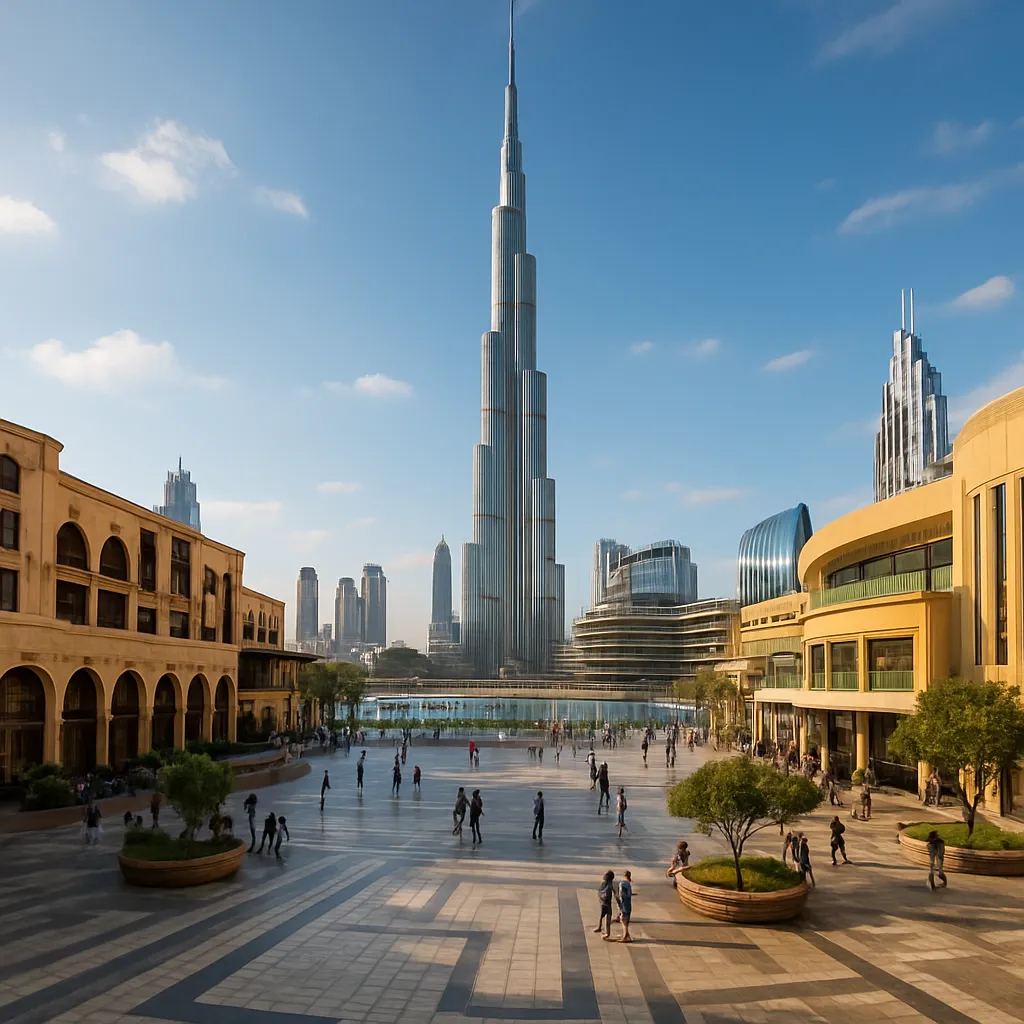
- Solar-powered pumps circulate water through misting stations in public squares, providing refreshing microclimates.
The synergy between technology and ecology optimizes resource management, reducing Dubai’s freshwater footprint and aligning with its vision for a smart and sustainable urban future.
Future Visions and Biodiversity Corridors
Looking ahead, city planners envision a network of green arteries weaving through Dubai’s ever-expanding urban fabric. These biodiversity corridors will link conservation areas on the outskirts with downtown parks, enabling wildlife movement and genetic exchange. Proposed initiatives include:
- Rooftop habitat gardens on commercial towers, providing stepping stones for pollinators.
- Shade-sculpted walkways planted with aromatic shrubs that cool pedestrian routes naturally.
- Augmented reality apps guiding citizens on eco-trails, teaching about local flora and fauna.
As Dubai continues to push the boundaries of architectural innovation, the integration of nature remains central to its identity. By embracing regenerative design, the city models how urban growth and environmental stewardship can flourish in harmony—transforming arid sands into living, vibrant spaces.