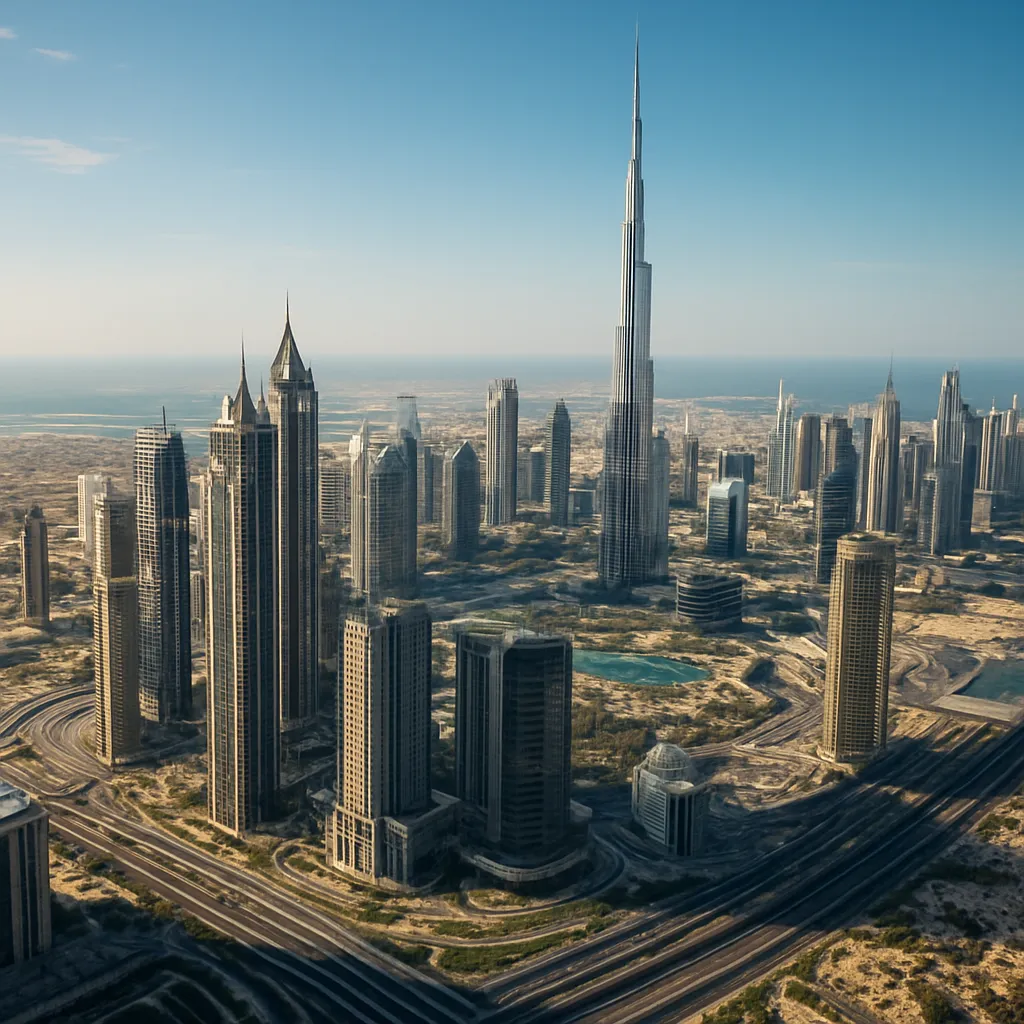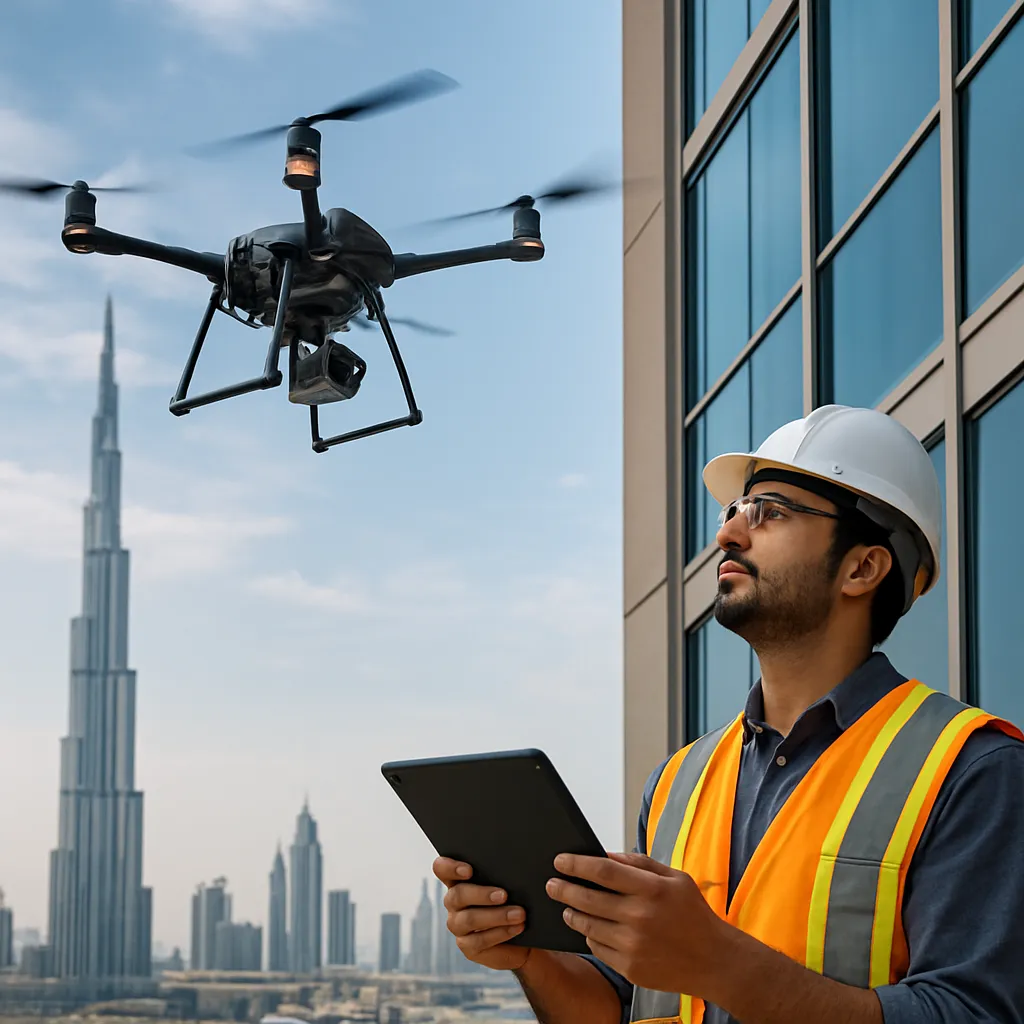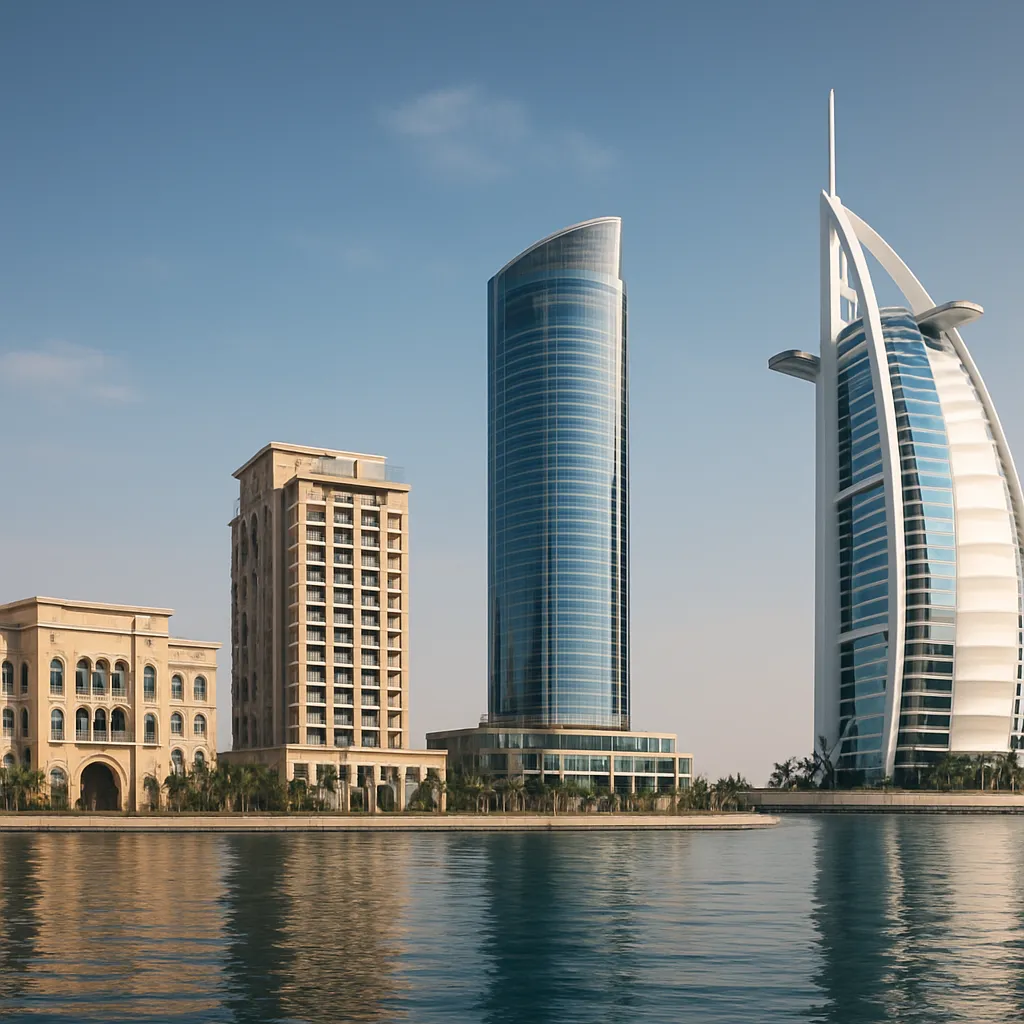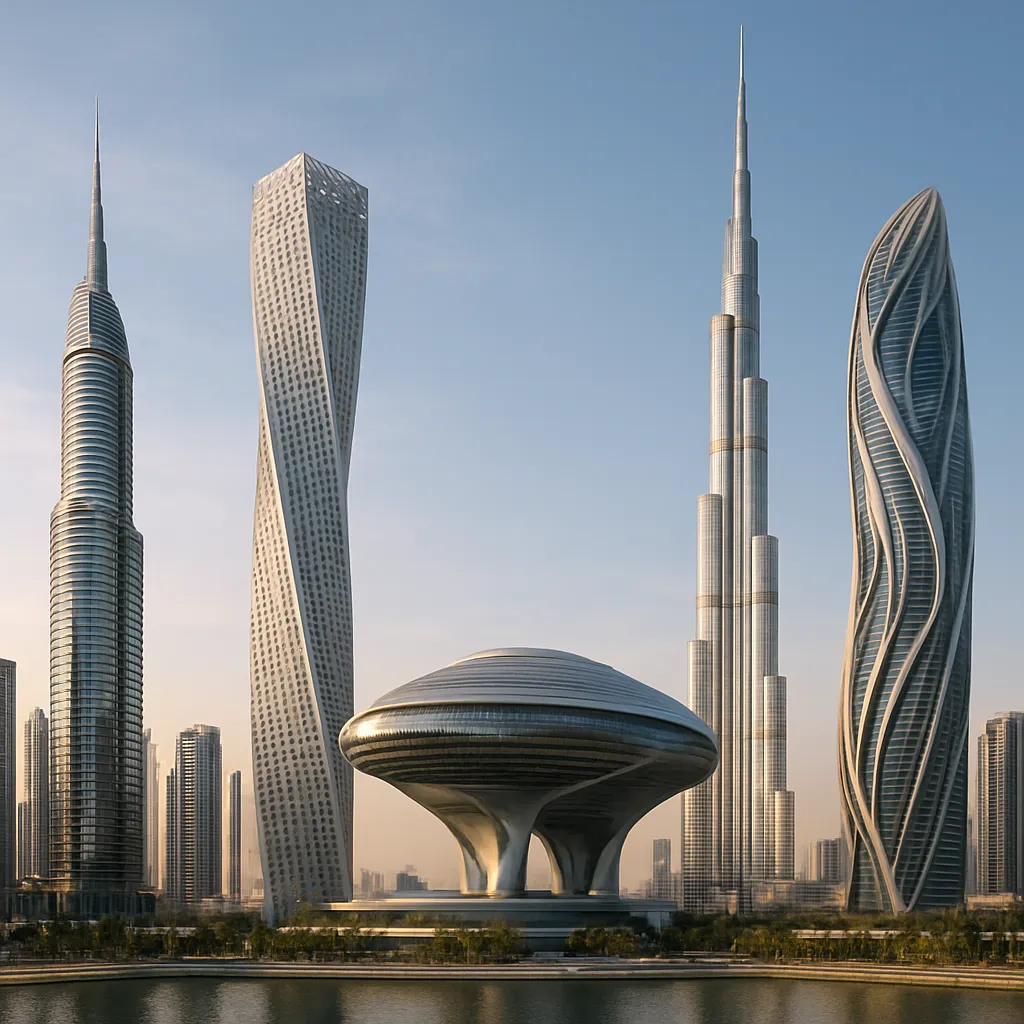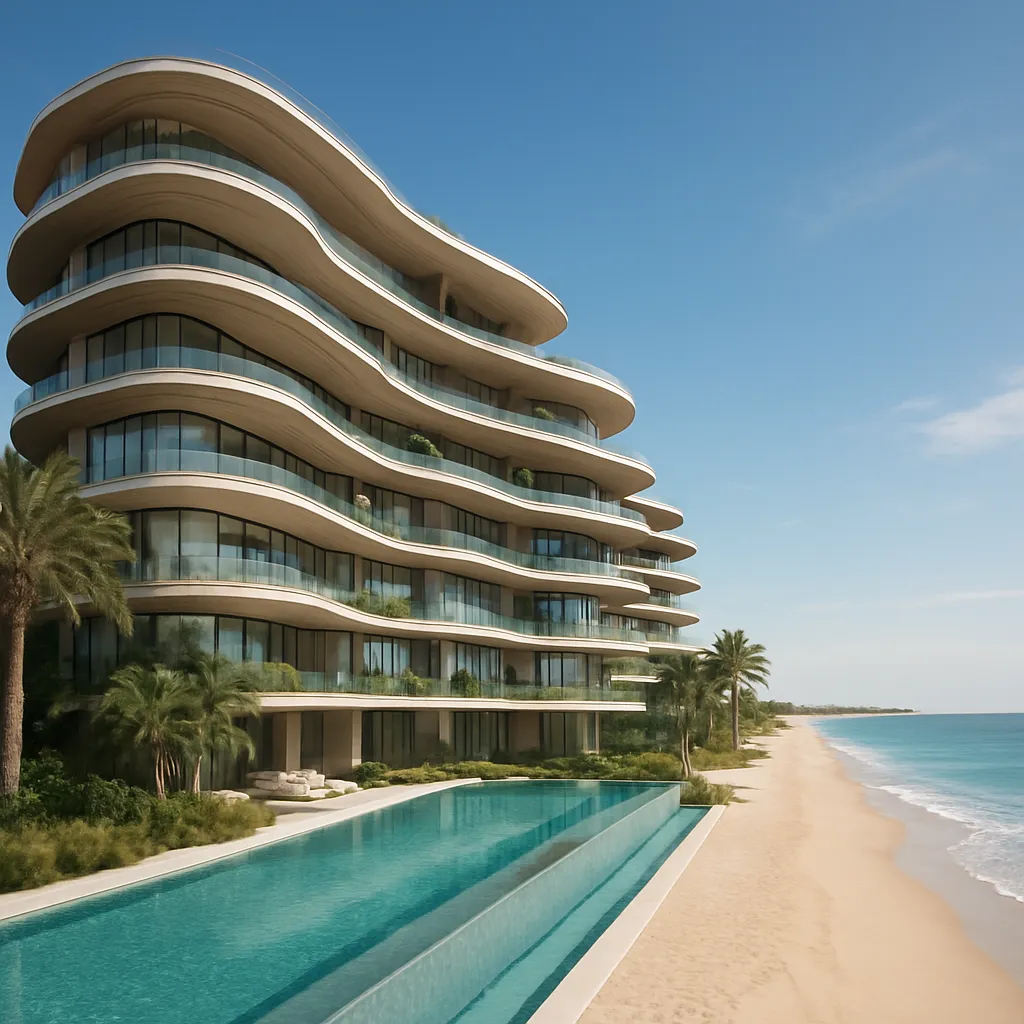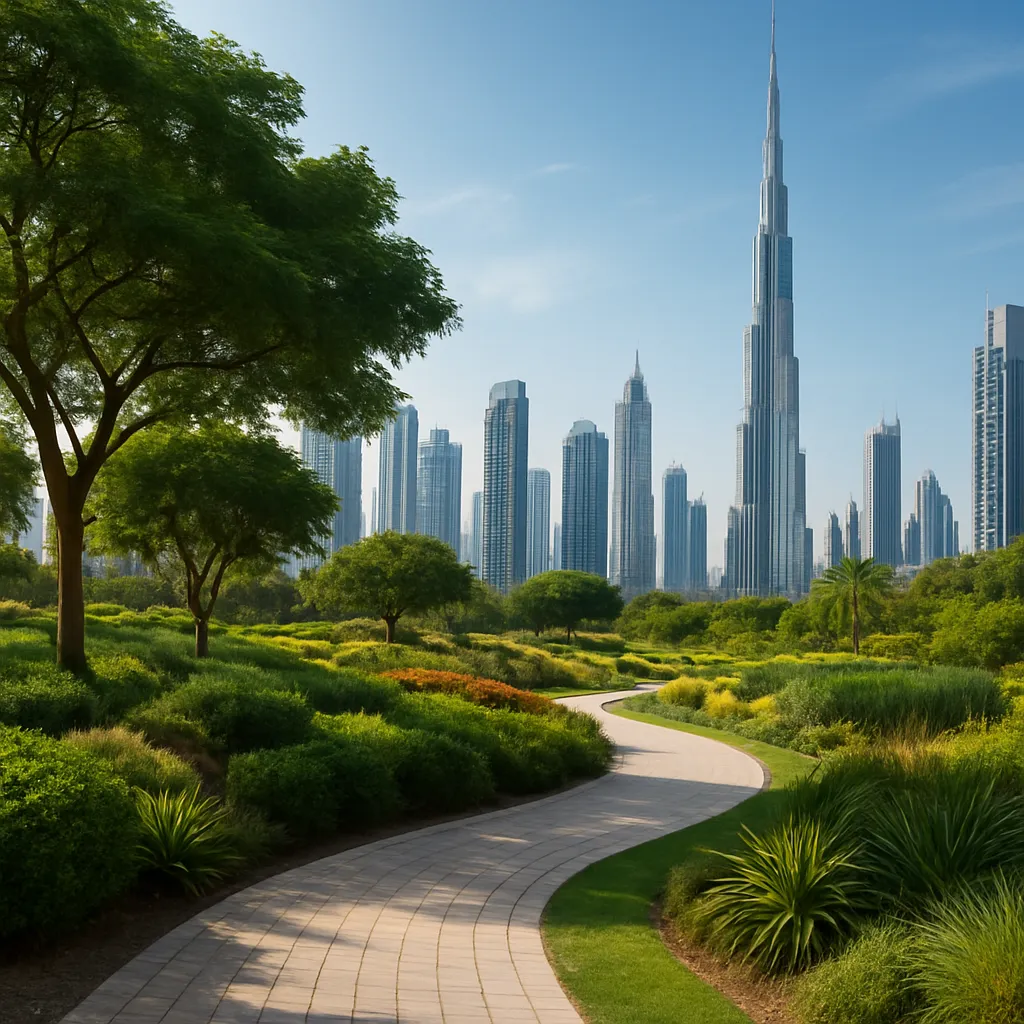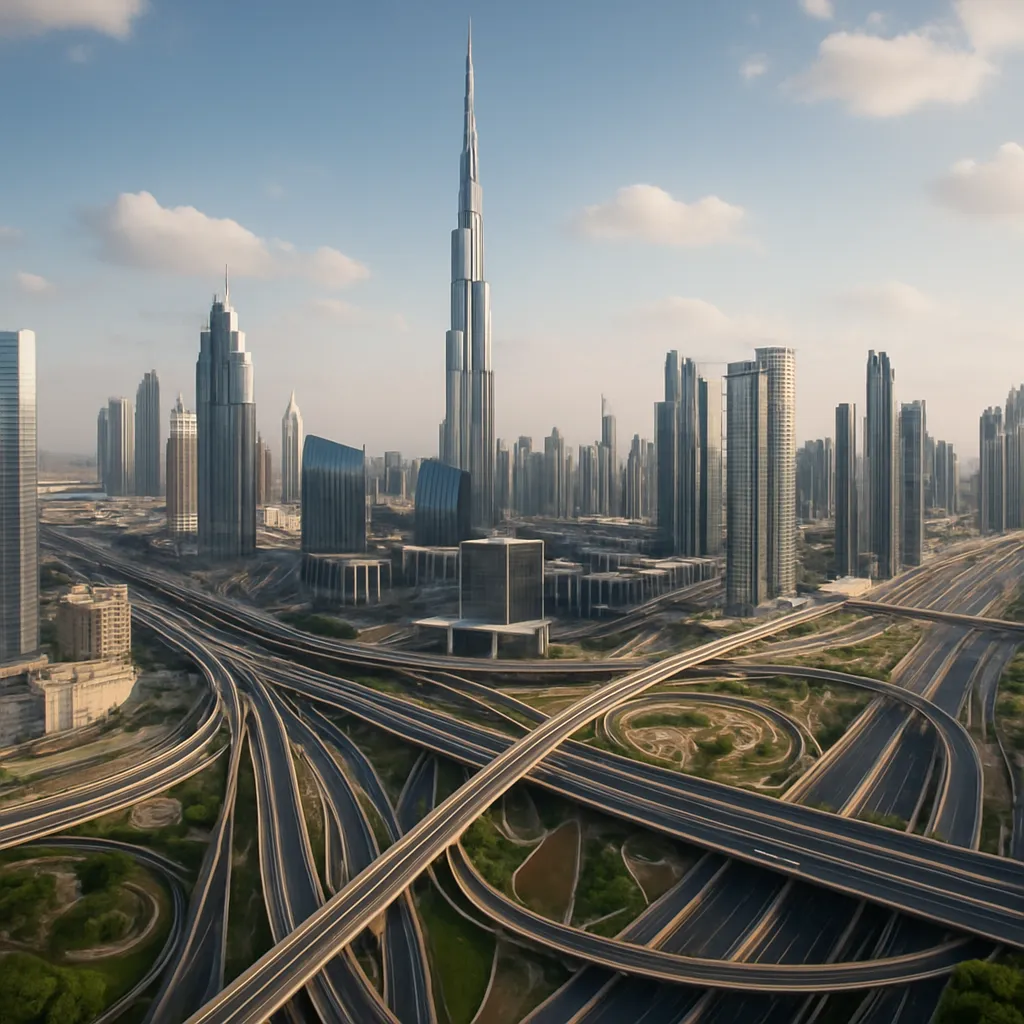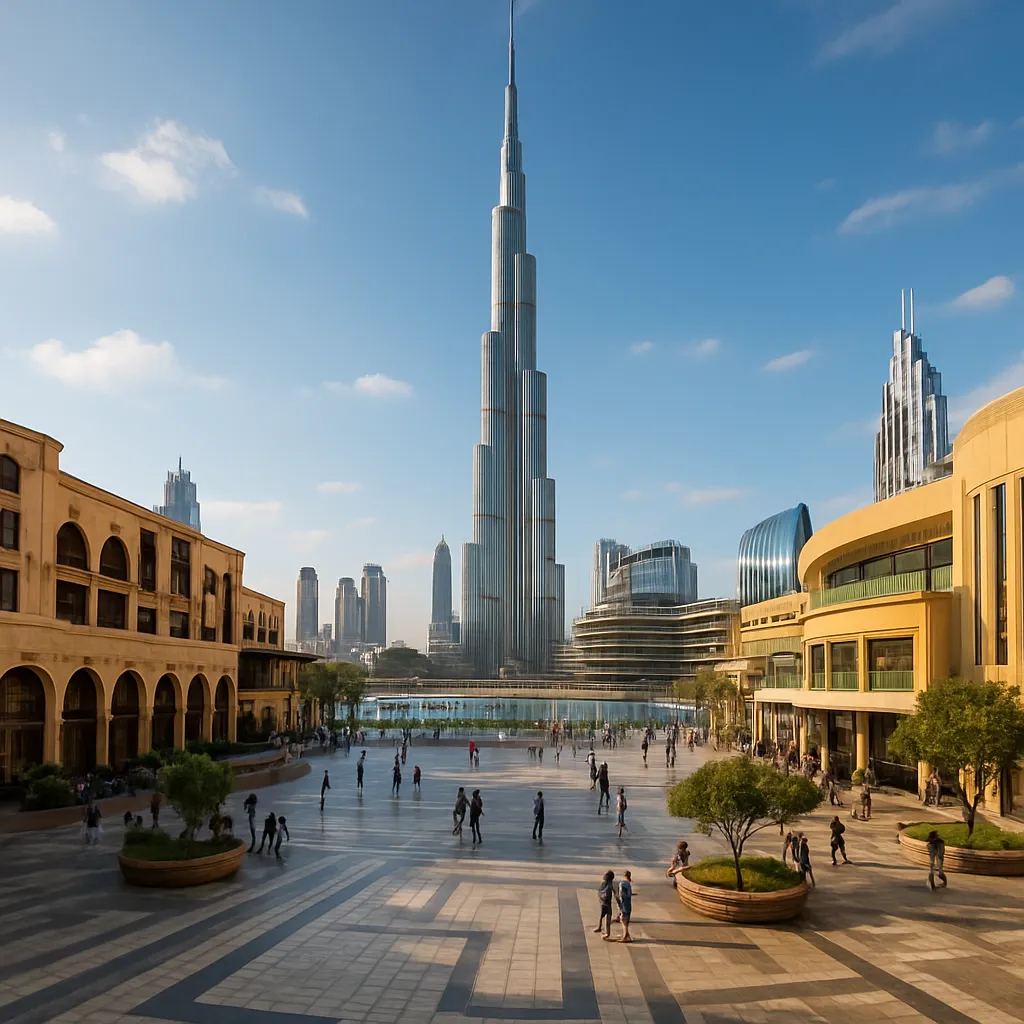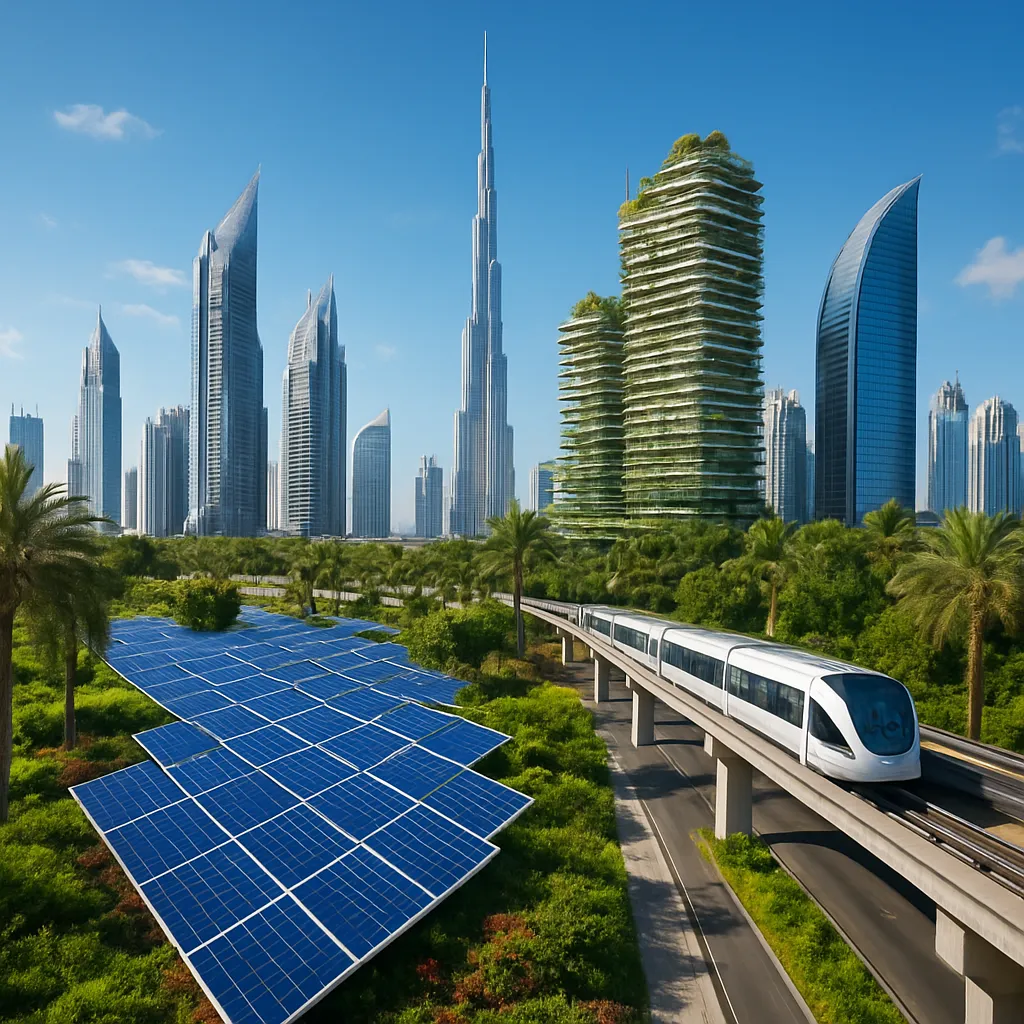
Dubai’s skyline is a testament to its relentless pursuit of sustainability and innovation. From solar-powered skyscrapers to futuristic mixed-use developments, the city stands at the forefront of redefining urban living. Each structure is not merely an architectural feat but also a beacon of resilience, combining cutting-edge technology with ecological responsibility. As Dubai embraces the challenge of rapid growth, its commitment to creating an eco-conscious metropolis has given rise to landmark projects that set a global benchmark for efficiency and renewable integration.
Integration of Renewable Energy in Architectural Marvels
In Dubai, the fusion of architecture and clean power is no longer a concept—it is reality. Developers leverage building-integrated photovoltaics (BIPV) to transform façades, roofs, and canopies into active energy harvesters. The iconic green towers not only generate electricity but also reduce dependence on fossil fuels and lower operational costs. Through meticulous design, these structures optimize sunlight capture without compromising aesthetic elegance.
Solar Facades and Shading Systems
- Many high rises sport renewable glass panels that double as shading devices, cutting cooling loads by up to 30%.
- Dynamic louvers adapt to sun position, ensuring maximum daylight penetration while minimizing glare and heat gain.
- On-site energy storage solutions store surplus power, providing uninterrupted supply during peak hours and grid outages.
By integrating solar arrays into building envelopes, designers have created a synergy between form and function, resulting in skyscrapers that are both visually striking and energy-positive.
Innovative Materials and Construction Techniques
Dubai’s construction sector has embraced innovation in material sourcing and assembly methods. Sustainable building materials such as cross-laminated timber (CLT), recycled steel, and low-carbon concrete are replacing traditional components, drastically cutting embodied carbon footprints. Prefabrication and modular construction streamline on-site processes, reducing waste and improving quality control.
Advanced Insulation and Cooling Solutions
Given the region’s harsh climate, superior insulation is paramount. Developers employ vacuum-insulated panels (VIPs), aerogel blankets, and phase-change materials (PCMs) embedded within walls to moderate indoor temperatures. These passive efficiency measures diminish reliance on air conditioning systems and bolster occupant comfort.
- Reflective roofing membranes bounce back sunlight, mitigating heat island effects.
- Green roofs and vertical gardens act as natural insulators, support biodiversity, and improve air quality.
- Advanced glazing with low-emissivity coatings prevents thermal exchange, preserving cool interiors.
By prioritizing sustainable materials and optimized construction workflows, Dubai’s built environment exemplifies a commitment to environmental stewardship and cost-effectiveness.
Smart Urban Planning and Community Engagement
Dubai’s Master Plans embed technology at every layer, fostering integration between buildings, infrastructure, and citizens. Digital twins replicate entire districts in virtual environments, enabling real-time monitoring of energy flows, traffic patterns, and resource consumption. This data-driven approach empowers urban planners to fine-tune systems for maximum performance.
Connected Neighborhoods
Developments feature community hubs, pedestrian-friendly promenades, and bicycle corridors that encourage active lifestyles. IoT sensors regulate street lighting, waste management, and irrigation, minimizing resource use. Smart mobility networks, including electric shuttles and autonomous pods, link residential zones with commercial and leisure precincts.
- Personalized energy dashboards allow residents to track household usage and access tips for reduction.
- Community apps facilitate carpooling, green service requests, and local sustainability challenges.
- Public plazas harness solar pergolas and misting systems to create comfortable outdoor gathering spaces.
These initiatives cultivate a sense of ownership among inhabitants, aligning personal well-being with the city’s resilience goals.
Net-Zero and Beyond: Pushing the Boundaries
Several Dubai precincts aim for net-zero energy and carbon neutrality by 2030. Ambitious projects integrate waste-to-energy plants, greywater recycling systems, and district cooling networks that drastically slash greenhouse gas emissions. By coupling high-performance building envelopes with on-site generation and smart grids, these communities approach self-sufficiency.
Closed-Loop Resource Systems
Urban districts implement circular economy principles to minimize waste streams. Organic refuse is converted into biogas for power generation, while construction and demolition debris are processed into aggregate for new developments. Water reclamation facilities treat and reuse wastewater for irrigation and cooling tower make-up, extending potable supplies.
- Smart metering across utilities monitors consumption in real time, triggering alerts for anomalies.
- Renewable district cooling harnesses chilled water from solar-driven absorption chillers.
- Building-level composting stations and recycling kiosks divert waste from landfills.
As these closed-loop models evolve, Dubai paves the way for replicable blueprints that other megacities can adopt to combat climate change.
Future Prospects and Global Influence
With each new green skyscraper and eco-district, Dubai cements its reputation as a global leader in sustainable urbanism. The city’s willingness to invest in research, public-private partnerships, and pilot programs ensures rapid knowledge transfer and continuous refinement of best practices. International delegations flock to witness Dubai’s living laboratories and glean insights into scalable solutions.
By exporting cutting-edge technology and design methodologies, the emirate fosters alliances that accelerate sustainable development worldwide. From floating solar parks to offshore wind experiments, Dubai’s portfolio of green innovations continues to expand. As the urban challenges of the 21st century intensify, the city’s holistic approach—combining advanced construction, smart systems, and engaged communities—serves as a blueprint for the future of cities everywhere.