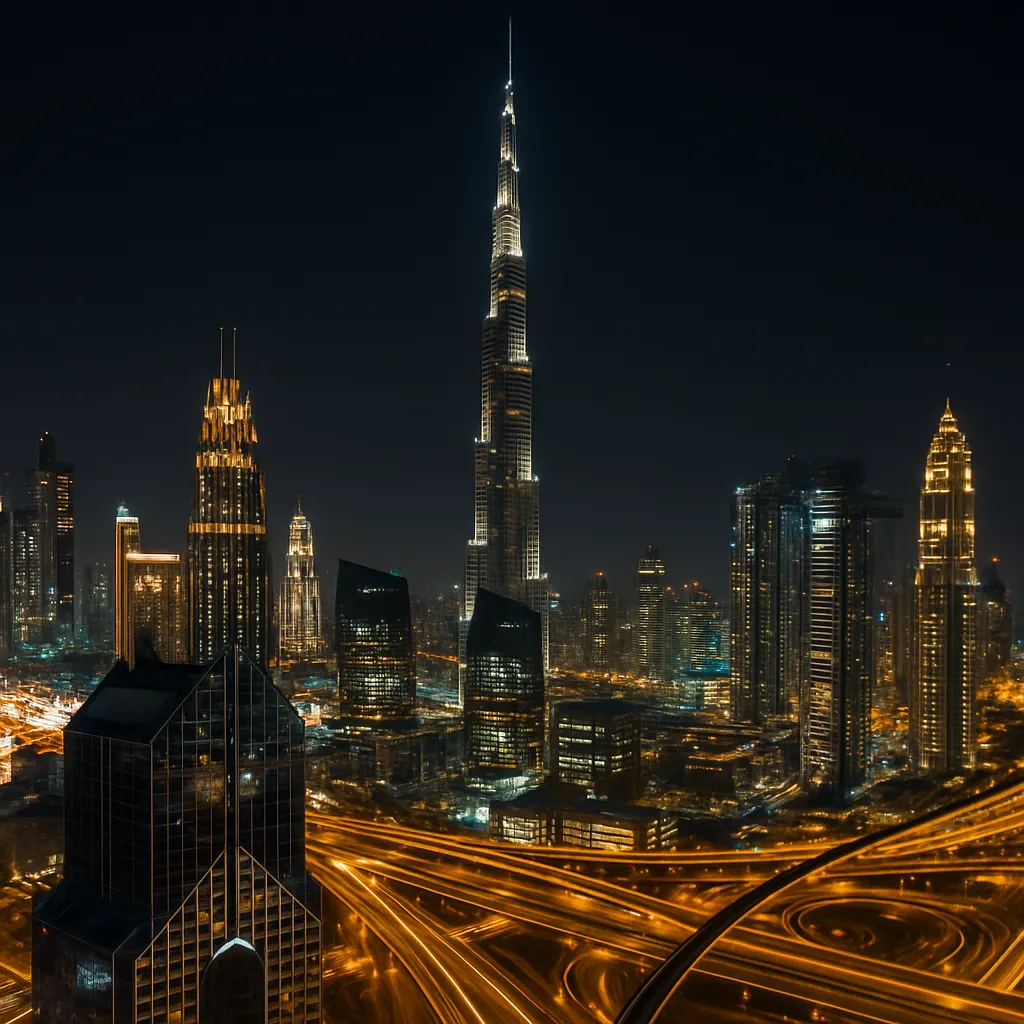
Dubai’s nocturnal panorama has evolved into a global emblem of urban splendor, where the judicious use of architectural lighting transforms concrete and glass into a living canvas. From the pulsating energy of business districts to serene waterfront promenades, the city’s commitment to luminous artistry serves as a testimony to its ambition, creativity, and visionary spirit.
The Rise of a Luminous Skyline
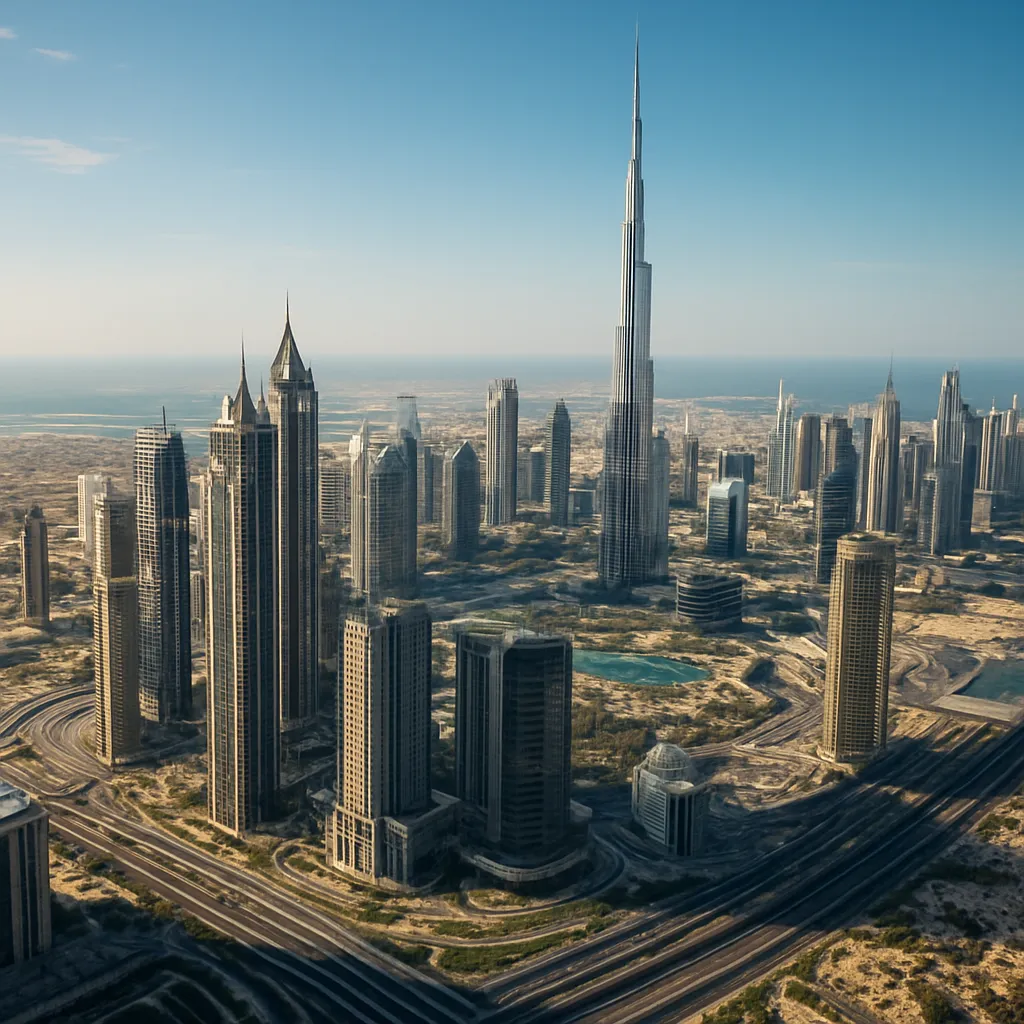
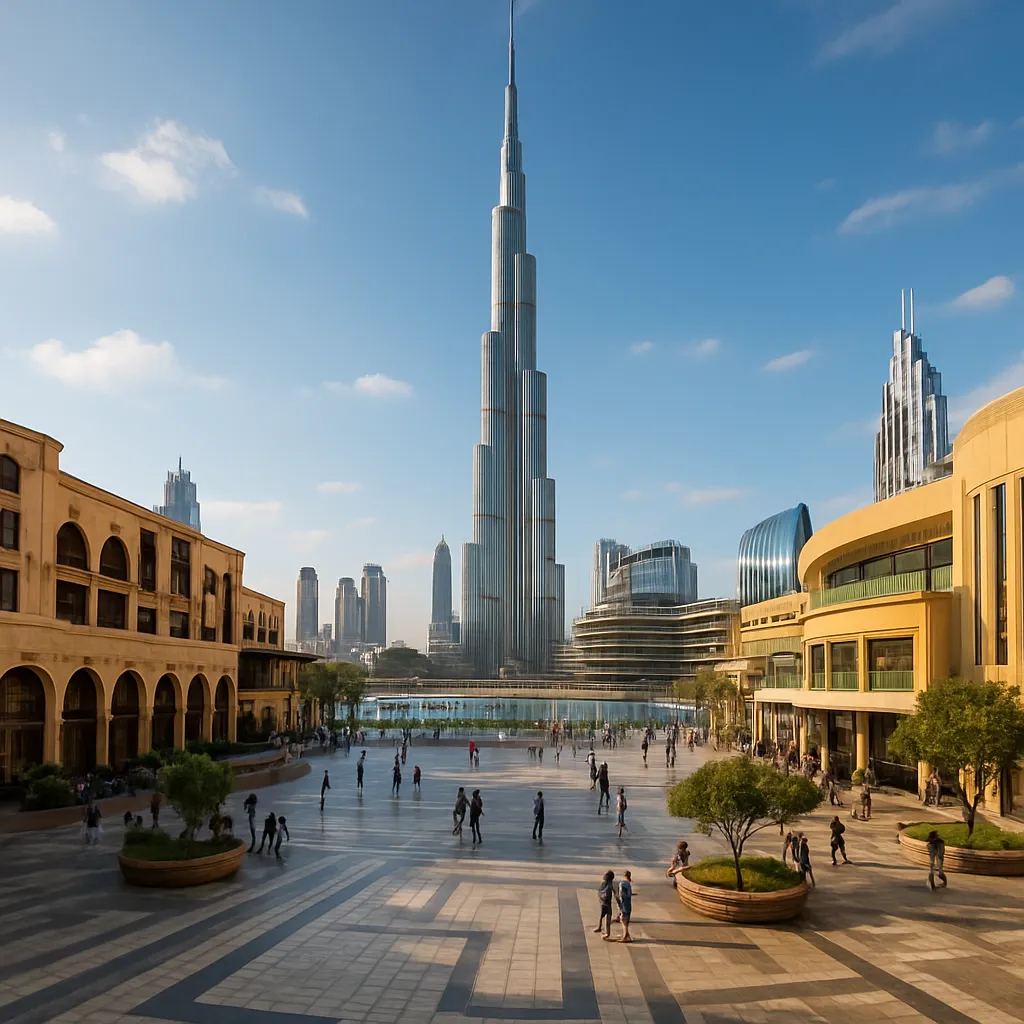
The transformation of Dubai’s skyline is not merely an exercise in urban expansion; it represents a deliberate strategy to cultivate a dynamic and instantly recognizable cityscape. With each passing year, skyscrapers introduce avant-garde lighting techniques that accentuate their silhouettes, creating a nocturnal tapestry visible from miles away. The iconic spire of the Burj Khalifa, for instance, employs synchronized LED arrays to execute “light shows” that chronicle the city’s milestones, blending innovation with architectural grandeur.
Beyond playing to the gallery of global tourism, Dubai’s illumination schemes fulfill multiple roles:
- Enhancing visibility and safety along pedestrian zones and thoroughfares
- Emphasizing structural façade elements and geometric patterns
- Reinforcing brand identity for corporate headquarters and mixed-use landmarks
- Stimulating economic activity in retail and recreation districts
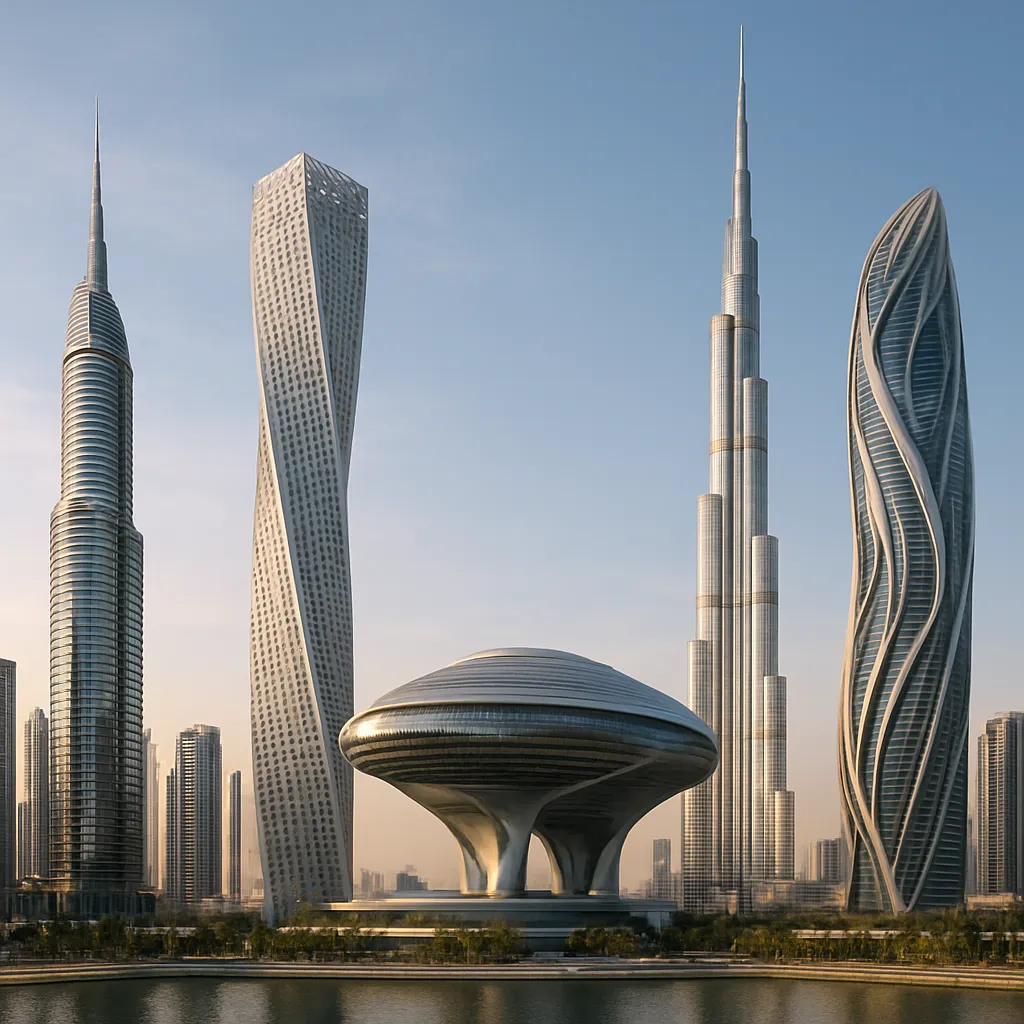
Each development is conceived with an integrated lighting plan, bridging architecture and environmental psychology. The altitudes of the towers, coupled with their illumination intensity, turn Dubai into a veritable night-time exhibition, one that beckons visitors to witness a city continually in flux.
Iconic Towers: Nighttime Spectacles
From Palm Jumeirah to Downtown Dubai, high-profile projects have redefined what it means to shine. Developers collaborate with leading lighting designers to orchestrate experiences that evoke emotion, wonder, and a sense of shared pride. Consider the following standout examples:
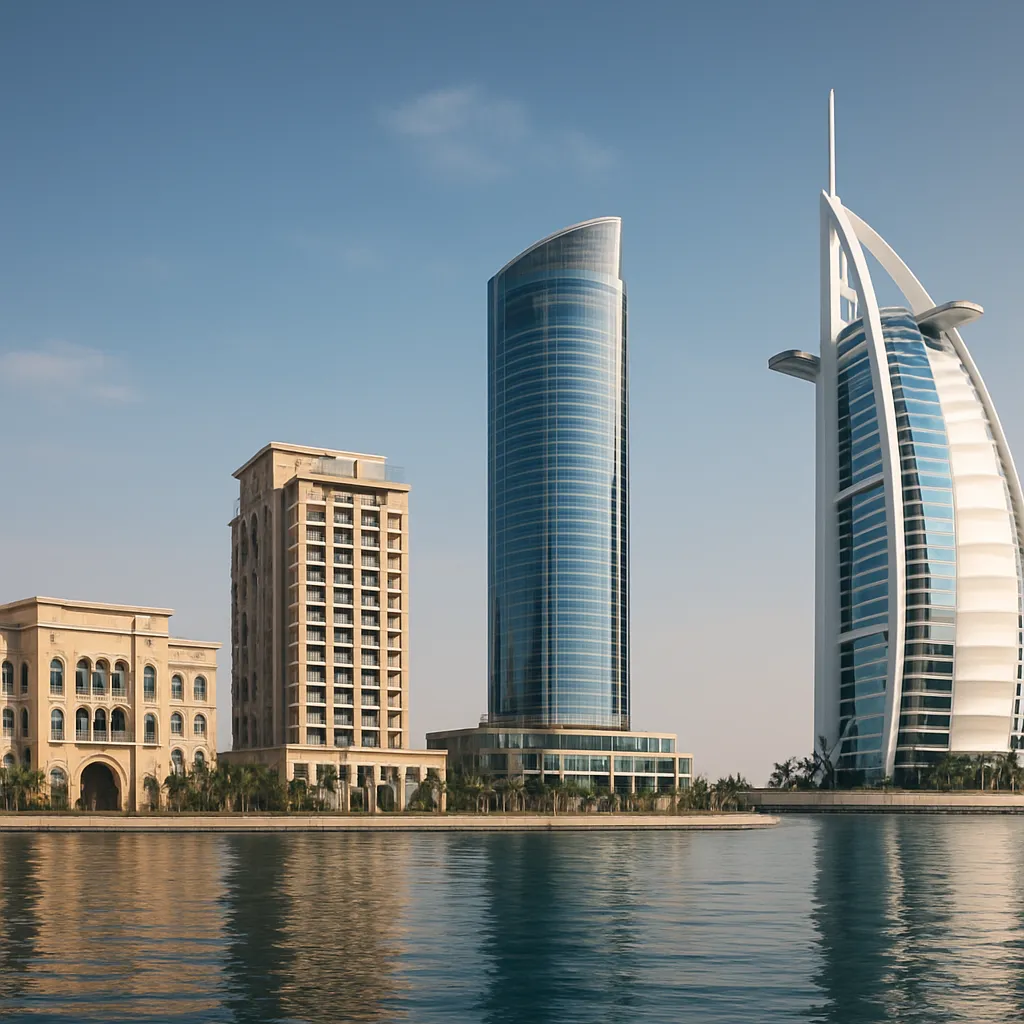
- Burj Al Arab Jumeirah: Often dubbed the world’s only “seven-star” hotel, its sail-shaped silhouette is bathed in a kaleidoscope of hues, shifting seamlessly to mark cultural celebrations or global events.
- Dubai Frame: This colossal gold-edged structure uses gradient uplighting to simulate the dawn and dusk divisions of the emirate’s timeline, bridging its past and future.
- Meydan Racecourse Grandstand: A modern reinterpretation of equestrian heritage, its façade integrates responsive LEDs that pulsate in sync with race-day clamor.
These structures underscore Dubai’s penchant for spectacle. They don’t simply exist; they perform. And in doing so, they cement the city’s image as a locus of spectacle and high technology.
Technological Innovations Driving Illumination
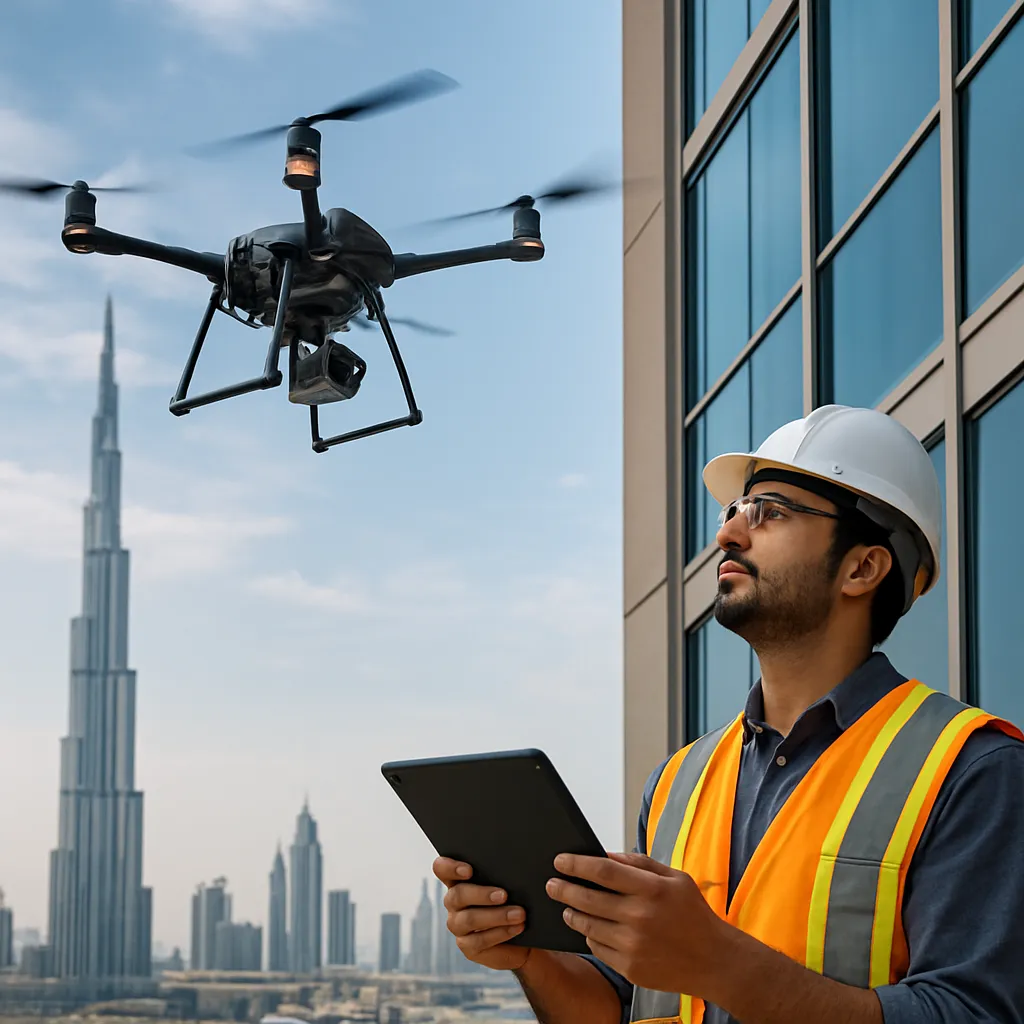
Dubai’s lighting triumphs are deeply rooted in its adoption of cutting-edge technology. Gone are the days when static floodlights sufficed. Today’s systems harness the power of smart controls, IoT sensors, and sophisticated software, enabling adaptive responses to environmental cues and user interactions.
- Smart Lighting Networks: Centralized control centers monitor energy consumption, adjust brightness based on real-time foot traffic, and switch color temperatures to complement meteorological conditions.
- High-efficiency LEDs: These deliver intense luminosity at a fraction of earlier power costs, minimizing carbon footprint without compromising visual impact.
- Interactive Installations: Public art pieces and pedestrian walkways often feature motion sensors that trigger light sequences, fostering a sense of play and discovery.
- Projection Mapping: By casting complex animations onto irregular surfaces, landmarks like the Museum of the Future morph into living canvases that tell stories through light.
This relentless drive for innovation ensures that Dubai remains at the vanguard of architectural lighting, charting new courses for other cities to follow.
Sustainable Illumination and Future Horizons
Despite its penchant for high-impact aesthetics, Dubai is equally committed to sustainable practices. Developers and city planners recognize that the future hinges on balancing extravagance with ecological responsibility. Key strategies include:
- Leveraging solar-powered fixtures in public parks and open spaces to reduce grid dependency
- Implementing daylight harvesting systems that dim external lights when natural ambient illumination suffices
- Certifying projects under global frameworks like LEED and BREEAM to ensure accountability and performance
- Exploring bio-adaptive lighting that aligns with human circadian rhythms, promoting health and well-being
Looking ahead, Dubai’s skyline may integrate even more radical concepts—kinetic façades that shift and reshape their luminous patterns, holographic projections that leap from architectural surfaces, and AI-driven algorithms that personalize public lighting experiences. This continuous transformation keeps Dubai at the epicenter of global discourse on urban lighting.
The Broader Impact on Urban Identity
By weaving together bold design, cutting-edge technology, and sustainable practices, Dubai crafts an enduring narrative of a city unafraid to push boundaries. Its architectural lighting not only dazzles the senses but also redefines how urban centers can curate their nightly identities. As the emirate continues to evolve, its legacy of luminous innovation will illuminate the path for cities worldwide.