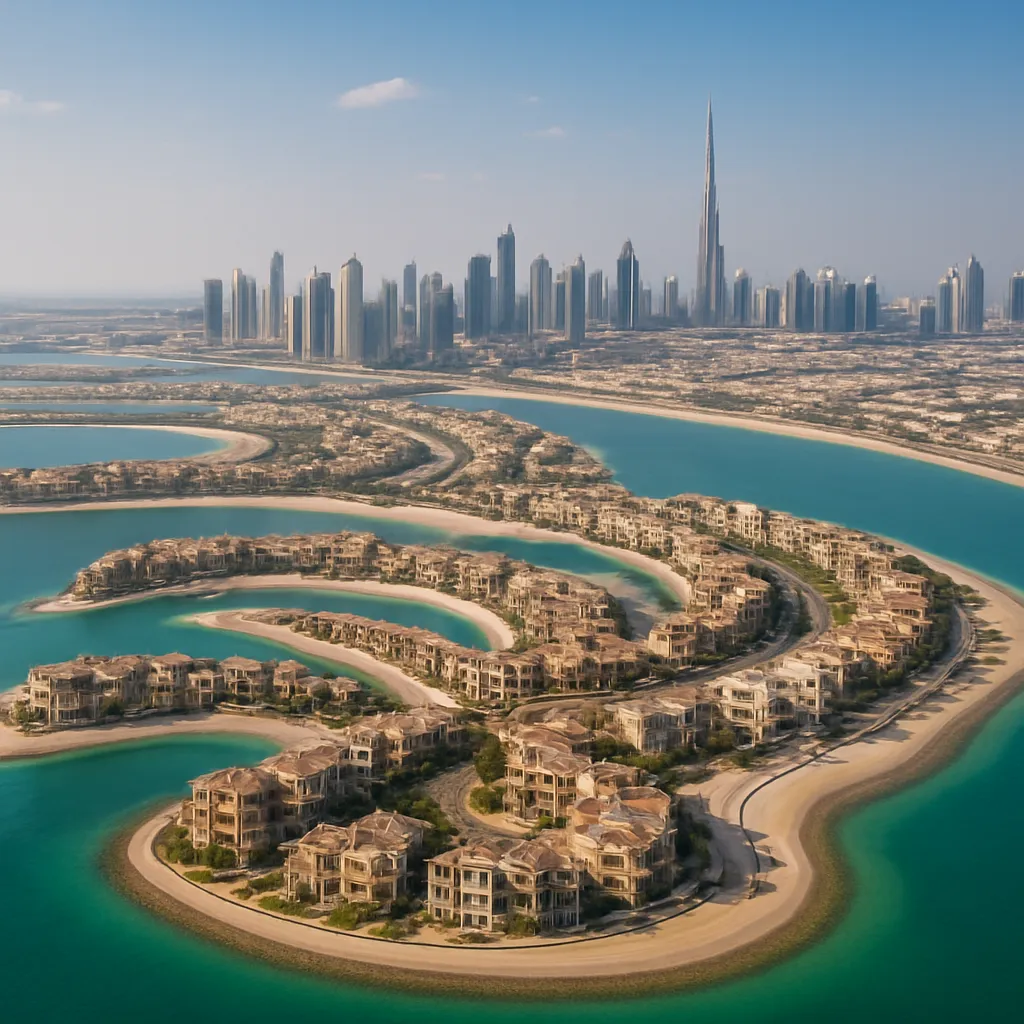
The story of Dubai’s rise from modest desert settlement to a global hub of innovation hinges on its bold approach to reimagining shorelines. By sculpting the sea into a tapestry of islands, Dubai revolutionized coastal architecture, blending visionary design with state-of-the-art engineering. From the iconic arcs of Palm Jumeirah to the archipelago of The World, each project embodies daring artistry and strategic urban planning, while redefining luxury living and catalyzing unprecedented real estate growth.
Genesis of Dubai’s Artificial Archipelago
As the 21st century dawned, Dubai’s leadership sought to diversify beyond oil. Harnessing its strategic maritime location, they embarked on one of the most ambitious land reclamation campaigns in history. The blueprint: carve expansive plots from the sea, enabling waterfront estates and unmatched hospitality venues. Early feasibility studies confronted challenges such as seabed composition, hydrodynamic forces, and environmental impact. Rather than retreat, planners invested in advanced modeling to predict sediment flow and wave patterns, ensuring each island’s long-term stability.
Iconic Milestones
- Palm Jumeirah: Launched in 2001, this palm-shaped marvel stretches 5 kilometers into the Gulf, hosting luxury villas, five-star resorts, and an underwater hotel suite.
- The World: Conceived in 2003 as 300 private islets forming a map of continents, this project champions exclusivity for ultra-high-net-worth individuals.
- Bluewaters Island: Opened in 2018, integrating the Ain Dubai observation wheel and mixed-use developments to boost the Jumeirah Beach Residence precinct.
- Deira Islands: An emerging cluster promising retail plazas, marinas, and entertainment districts, set to enhance Dubai’s historic creekside charm.
Iconic Coastal Structures and Their Impact
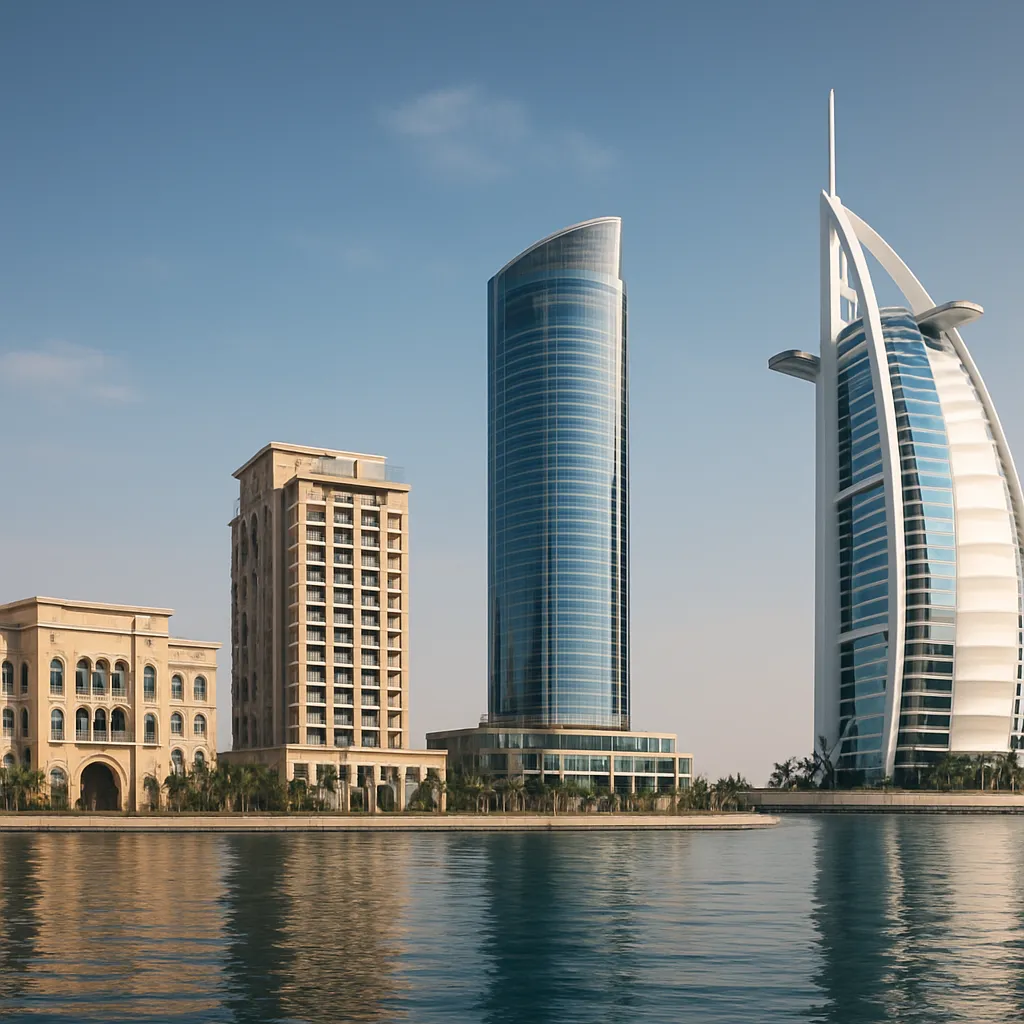
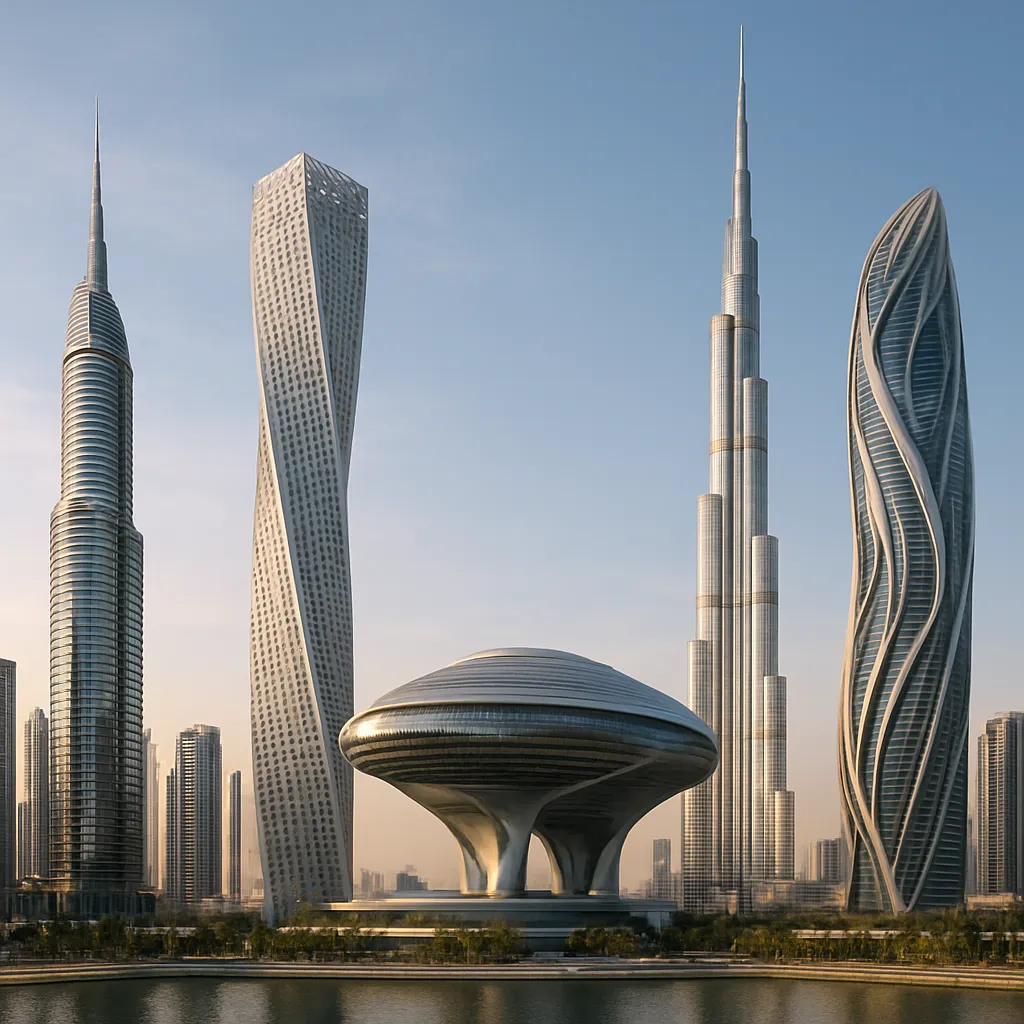
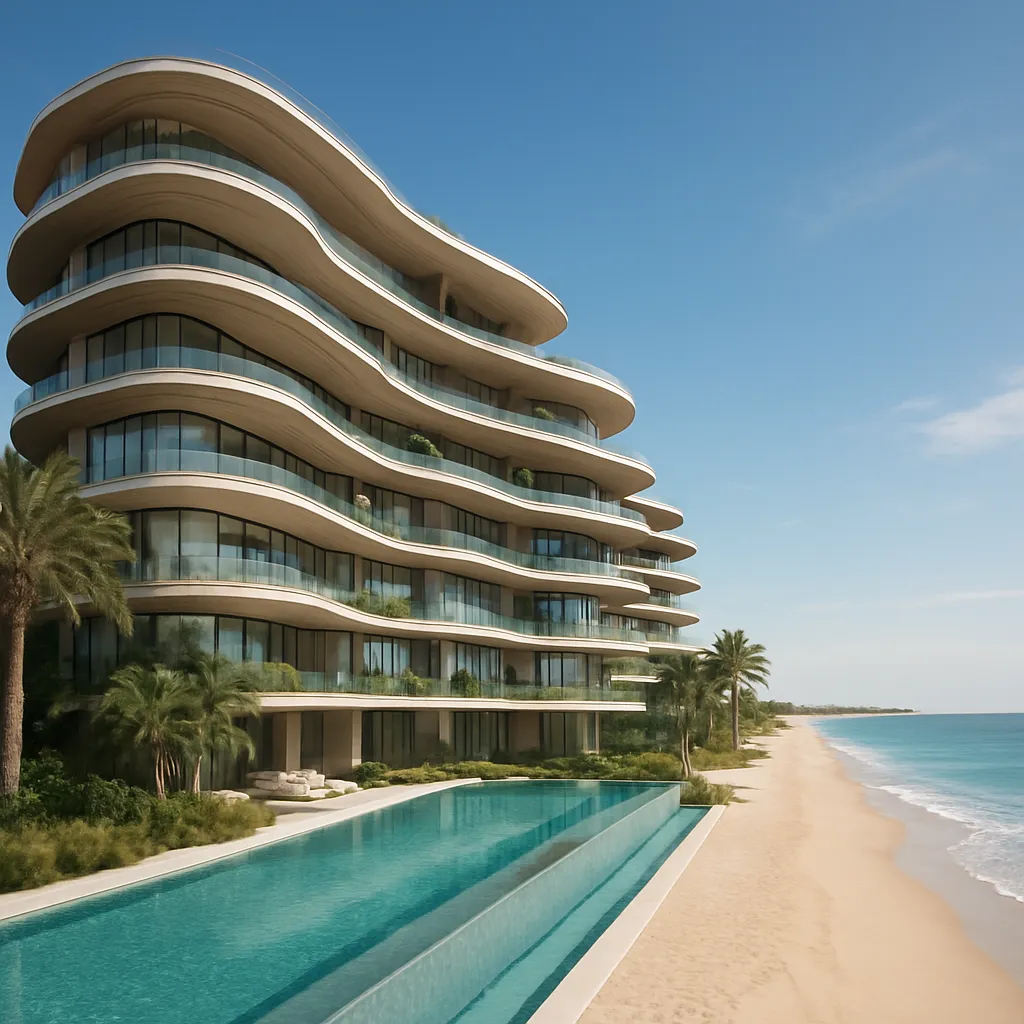
Each artificial island acts as a canvas for architectural prowess. Renowned firms vied for commissions, creating structures that marry form with function. From the undulating façades of beachfront apartments to the towering silhouettes of seafront hotels, these landmarks doubled as global status symbols. Dubai’s islands prompted an influx of international visitors and investors, elevating tourism figures and pioneering new benchmarks for urban luxury.
Defining Projects
- Ain Dubai observation wheel on Bluewaters: the world’s tallest, offering 360° panoramas of the skyline and Arabian Sea.
- Atlantis, The Palm: A mythical-themed resort delivering immersive marine attractions and high-profile events.
- One & Only The Palm: An intimate retreat showcasing bespoke service and contemporary vernacular design within secluded gardens.
Socioeconomic Ripple Effects
Beyond aesthetics, these developments spurred job creation in construction, hospitality, and maritime services. Property values along the shoreline soared, prompting complementary infrastructure such as luxury marinas, promenades, and retail precincts. The islands also cultivated new social hubs, with beach clubs, cultural festivals, and public art installations drawing residents and travelers alike. Dubai’s shoreline metamorphosed into a vibrant tapestry of leisure and commerce.
Engineering Marvels Behind the Islands
Constructing land where once there was only water demanded pioneering techniques. Engineers employed GPS-guided dredging vessels to deposit millions of cubic meters of sand with centimeter accuracy. Layer upon layer of reclamation material was meticulously compacted and shaped. Massive breakwaters of rocks and geotextile fabric shielded the islands from erosive currents and storms. This fusion of marine science with heavy construction ensured the reclaimed districts could withstand nature’s forces over decades.
Key Technical Innovations
- Geotextile membranes and rock armoring to stabilize slopes and prevent sand migration.
- Real-time bathymetric surveys guiding dredgers, optimizing deposition angles to achieve precise island contours.
- Advanced drainage systems beneath fill layers, mitigating subsidence and ensuring uniform load distribution for high-rise developments.
Environmental Management
Aware of fragile marine ecosystems, planners integrated measures to preserve biodiversity. Artificial reefs were installed to foster coral recolonization, while designated marine conservation zones protect native fish species. Continuous monitoring of water quality and sediment dispersal ensures adaptive management, balancing expansion with ecosystem resilience.
Future Directions and Sustainability
Dubai’s artificial islands stand at the crossroads of innovation and responsibility. Upcoming phases emphasize sustainability and resilience amid rising sea levels and global climate shifts. Developers are integrating renewable energy systems, such as solar arrays and geothermal heating, reducing carbon footprints. Green roofs, vertical gardens, and smart irrigation harness treated wastewater, exemplifying the synergy of luxury and ecological stewardship.
Emerging Trends
- Net-zero communities powered by hybrid energy microgrids and energy-efficient building envelopes.
- Smart city integrations with IoT sensors for real-time environmental monitoring and resource optimization.
- Modular construction techniques that accelerate build times and minimize onsite waste generation.
Global Influence
By pushing the envelope of what artificial islands can represent, Dubai has inspired coastal projects worldwide. From Asia to North America, developers reference its model for reclaiming waterfronts and creating market-driven destinations. However, Dubai also lessons in holistic planning—emphasizing that such ventures must carefully balance ambition with sustainable practices to endure.
In transforming its coastline, Dubai did more than add land to the map; it reframed possibilities for maritime conditions, luxury tourism, and high-density living. The city’s artificial archipelagos will continue to evolve, blending innovation, prestige, and responsible growth as hallmarks of 21st-century coastal architecture.