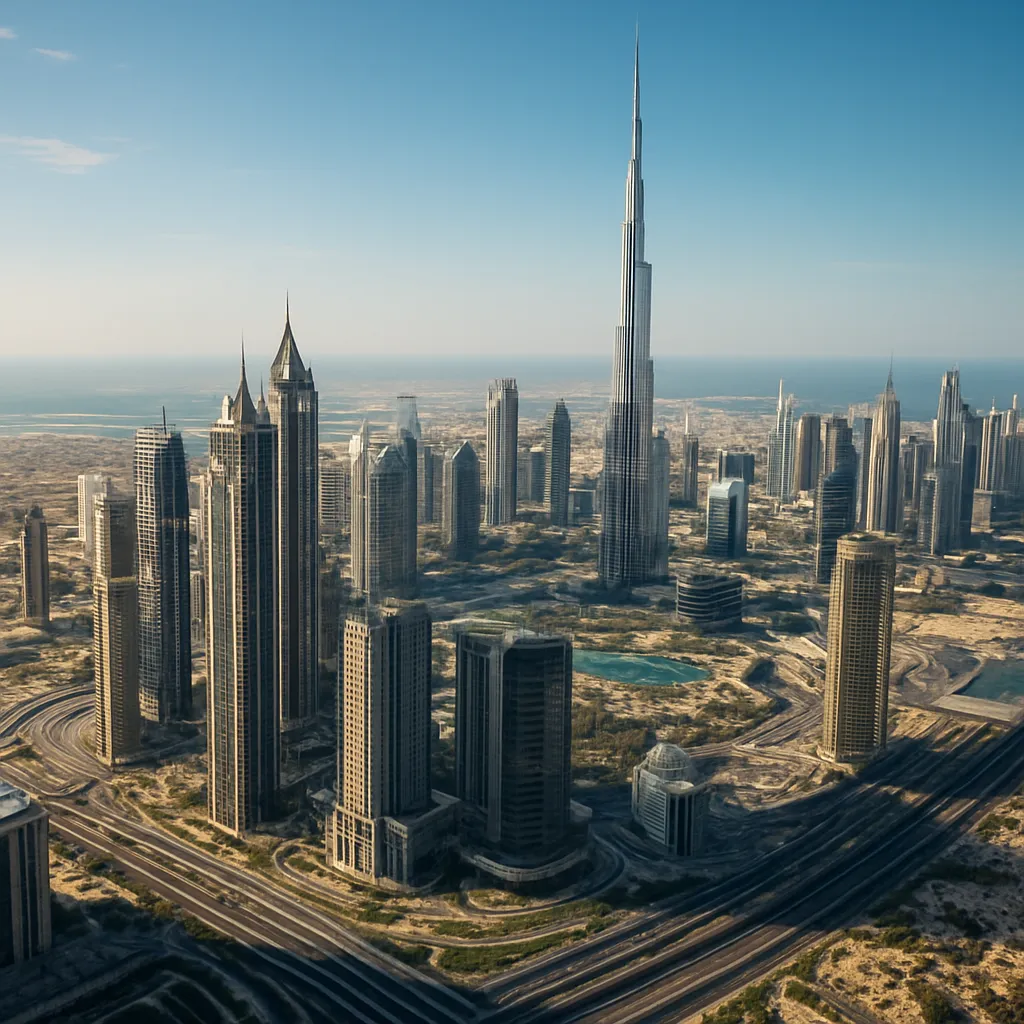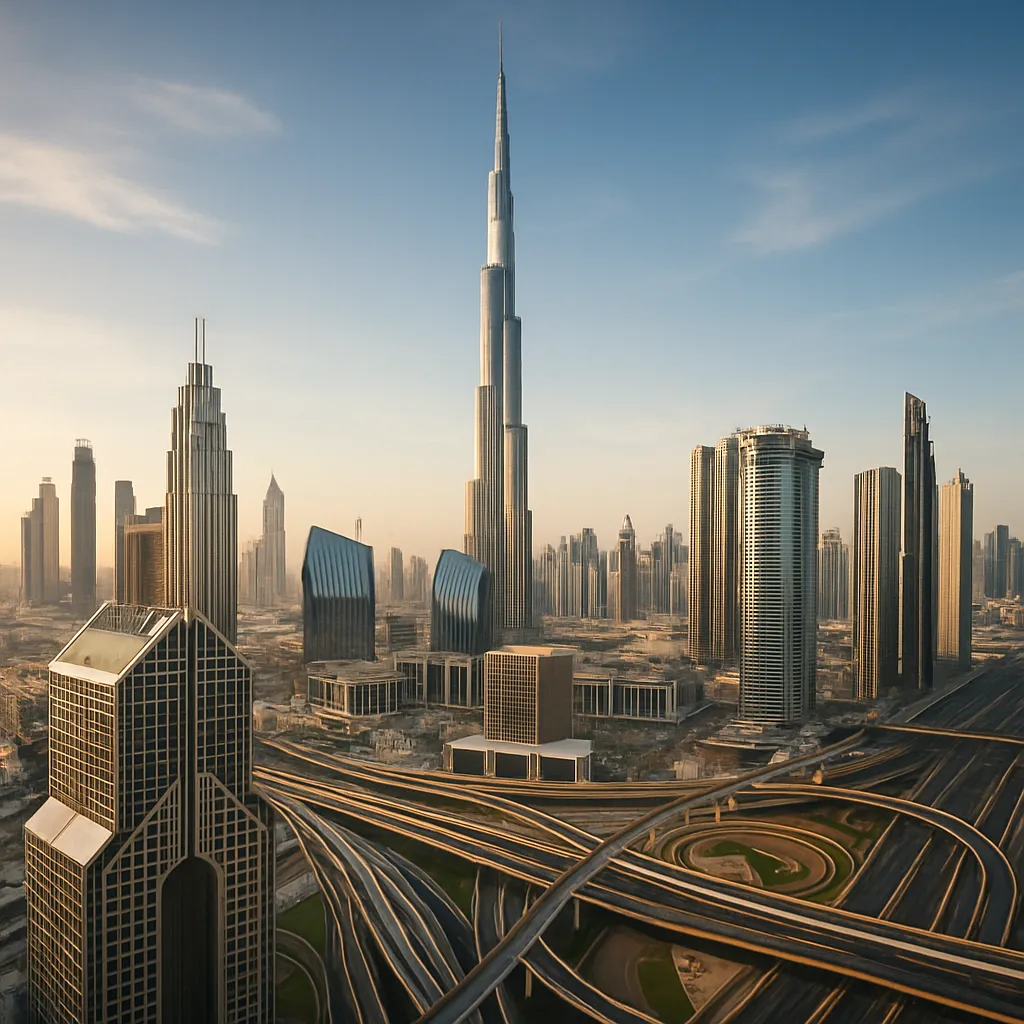
Dubai’s ascent from a modest coastal settlement to an architectural marvel is nothing short of extraordinary. Soaring towers punctuate the horizon, each one a testament to human creativity, bold investment, and unrelenting innovation. Beyond mere height, these structures signify a daring embrace of the future, blending tradition with cutting-edge design. Against the backdrop of golden sands and turquoise waters, Dubai’s built environment has become a global symbol of possibility, encapsulating sheer ambition in steel and glass.
Rise of Architectural Ambition
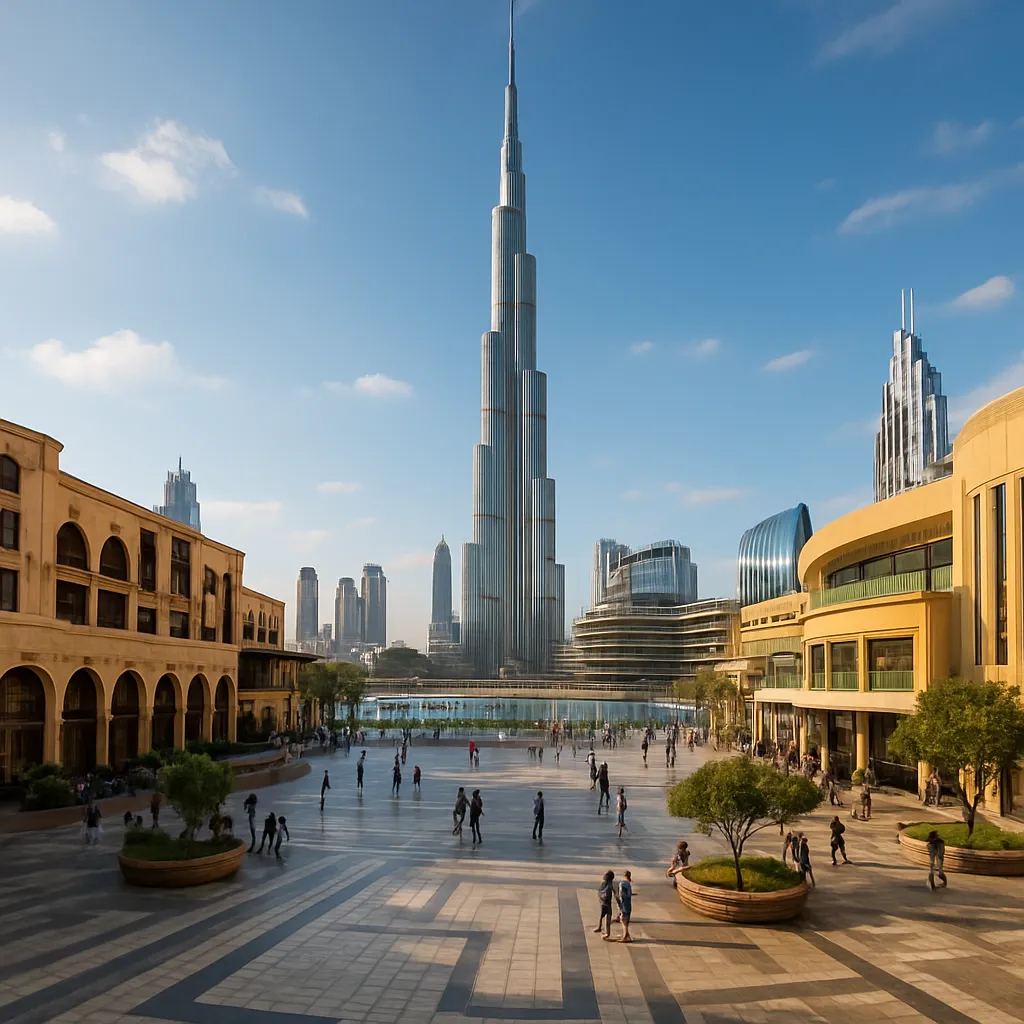
In the late 1990s, a vision emerged to transform Dubai into a world-class destination. Driven by the leadership of Sheikh Mohammed bin Rashid Al Maktoum and spearheaded by visionary developers such as Emaar Properties, the city embarked on an era of record-breaking projects. Structures that once seemed inconceivable in a desert climate—like the Burj Khalifa—now anchor the skyline. This unprecedented undertaking required meticulous planning, vast financing, and a willingness to challenge conventional limits.
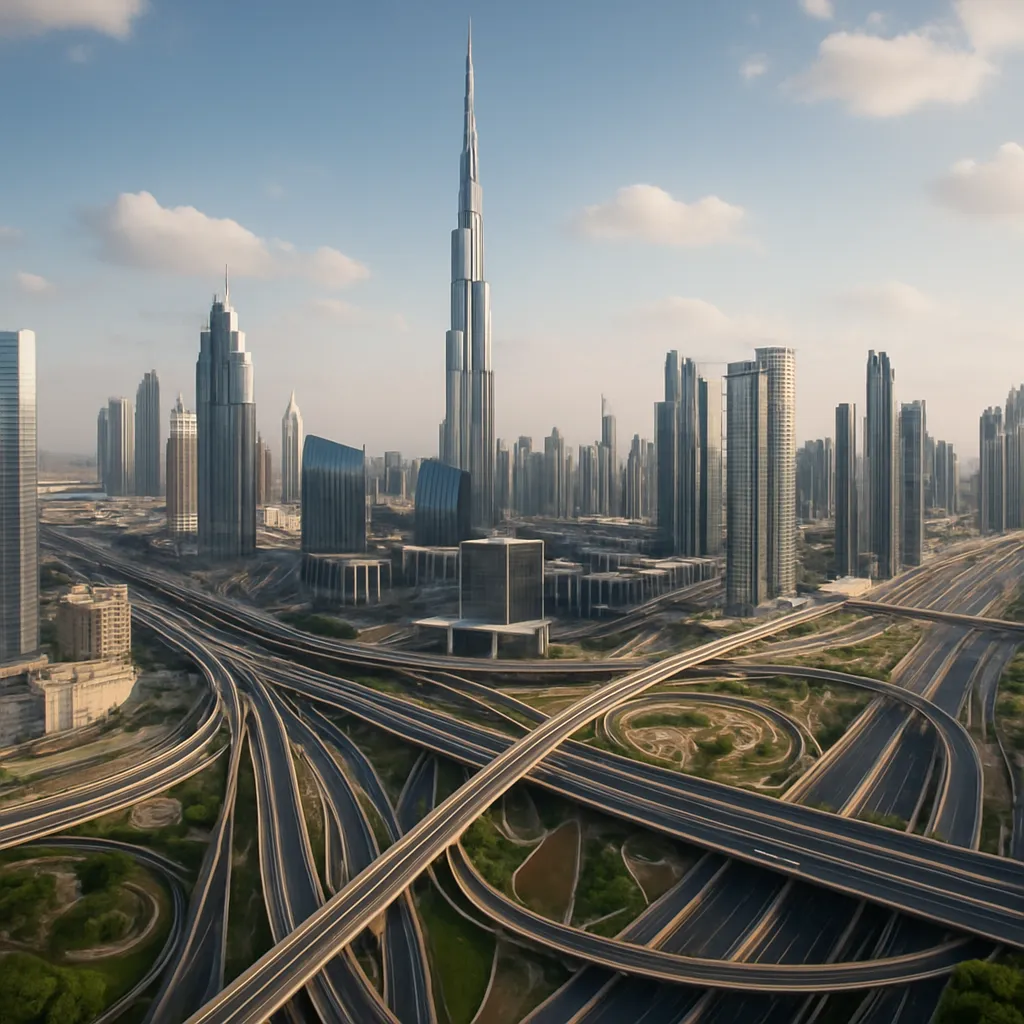
Today, the Dubai skyline represents not only the tallest buildings on Earth but also a testament to meticulous urban planning. Large-scale master plans like Downtown Dubai and Dubai Marina integrated residential, commercial, and recreational zones into seamless habitats. Roads and public transport networks were designed to handle surging populations, ensuring the city could sustain continuous growth. What began as an experiment in scale has matured into a dynamic urban ecosystem, where every new project pushes the envelope of architectural possibility.
Engineering Marvels and Cutting-edge Technology
Foundations of Bold Design
Constructing supertall structures on shifting desert sands demanded innovative engineering solutions. Deep foundation piles, driven dozens of meters into bedrock, provide remarkable stability. Engineers employed high-strength concrete mixtures capable of withstanding extreme thermal variations, while wind-tunnel testing optimized building shapes to minimize vortices and lateral swaying.
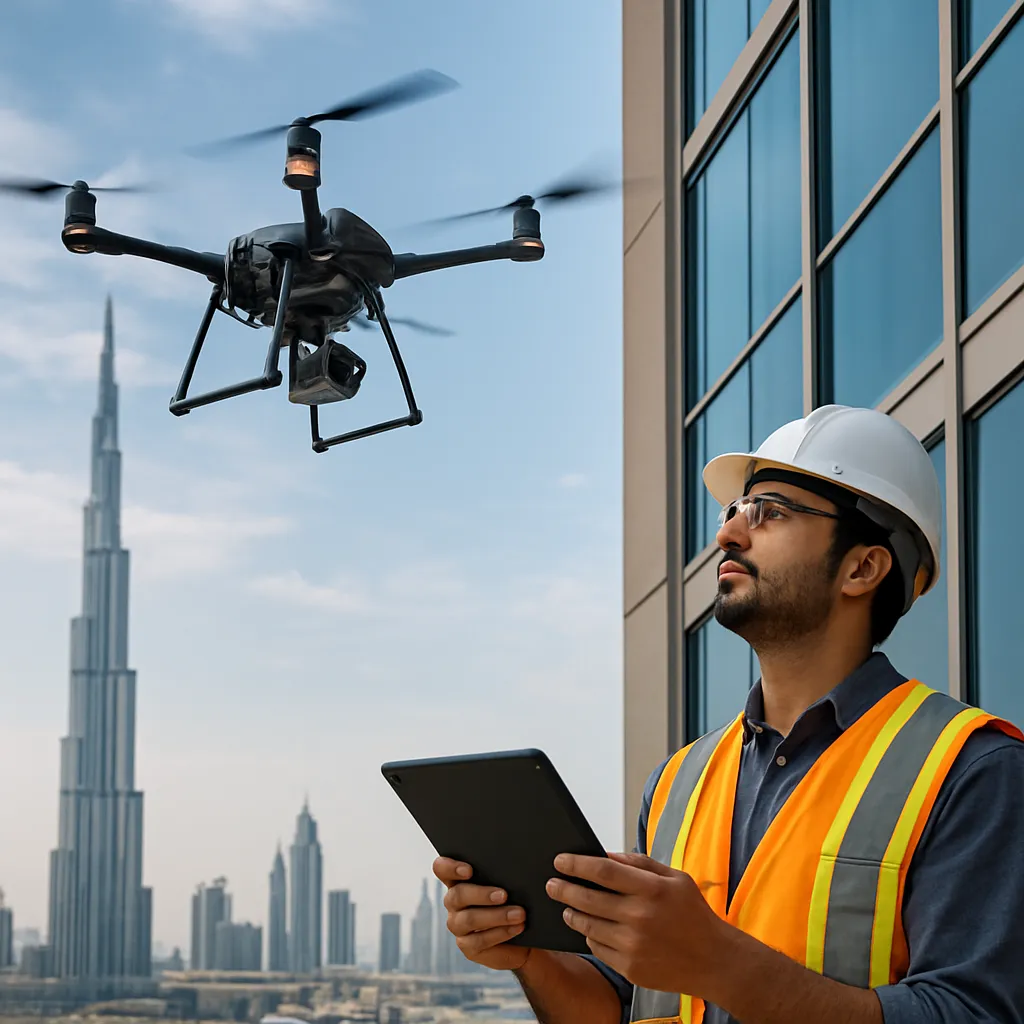
Advanced technology plays a vital role beyond structural integrity. Smart building management systems regulate lighting, temperature, and security in real time. Robotic cleaning units maintain glass façades at dizzying heights, and predictive maintenance algorithms detect potential faults before they arise. Meanwhile, 3D-printing techniques are being trialed for façade components, promising faster construction and reduced waste. Such innovations allow Dubai’s architects and builders to pursue ever more ambitious designs, cementing the city’s status as a laboratory of urban advancement.
Embracing Sustainability and Future Growth
While Dubai’s early phase prioritized prestige projects, recent years have seen a shift toward sustainability and resource efficiency. New developments are held to rigorous environmental standards, with many achieving LEED Gold or Platinum certification. Cooling systems harness district-wide chilled water loops, reducing energy consumption. Solar farms on the outskirts feed clean electricity into the grid, while rooftop photovoltaics and solar water heaters proliferate in residential zones.
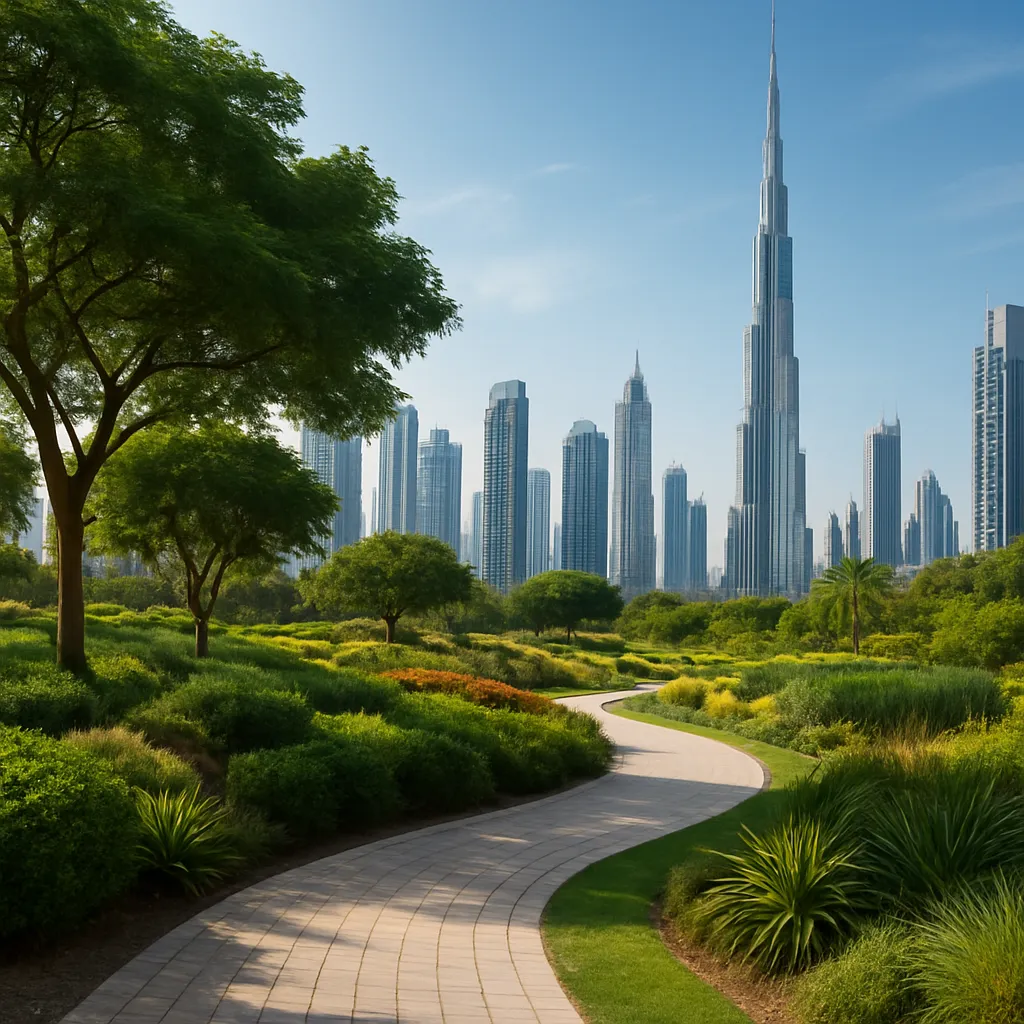
Green spaces such as the urban oasis of Dubai Creek Harbour offer shaded promenades, native vegetation, and wetlands that support migratory birds. Initiatives like the Middle East’s first fully integrated sustainable city reflect a visionary approach to balancing growth with ecological stewardship.
- Greywater recycling for landscape irrigation
- Smart meters enabling real-time energy monitoring
- Biophilic design principles enhancing indoor air quality
- District cooling networks reducing peak electrical loads
By weaving these elements into each project, developers ensure that expansion does not come at the expense of the environment, paving the way for a more resilient urban future.
Iconic Landmarks and Global Impact
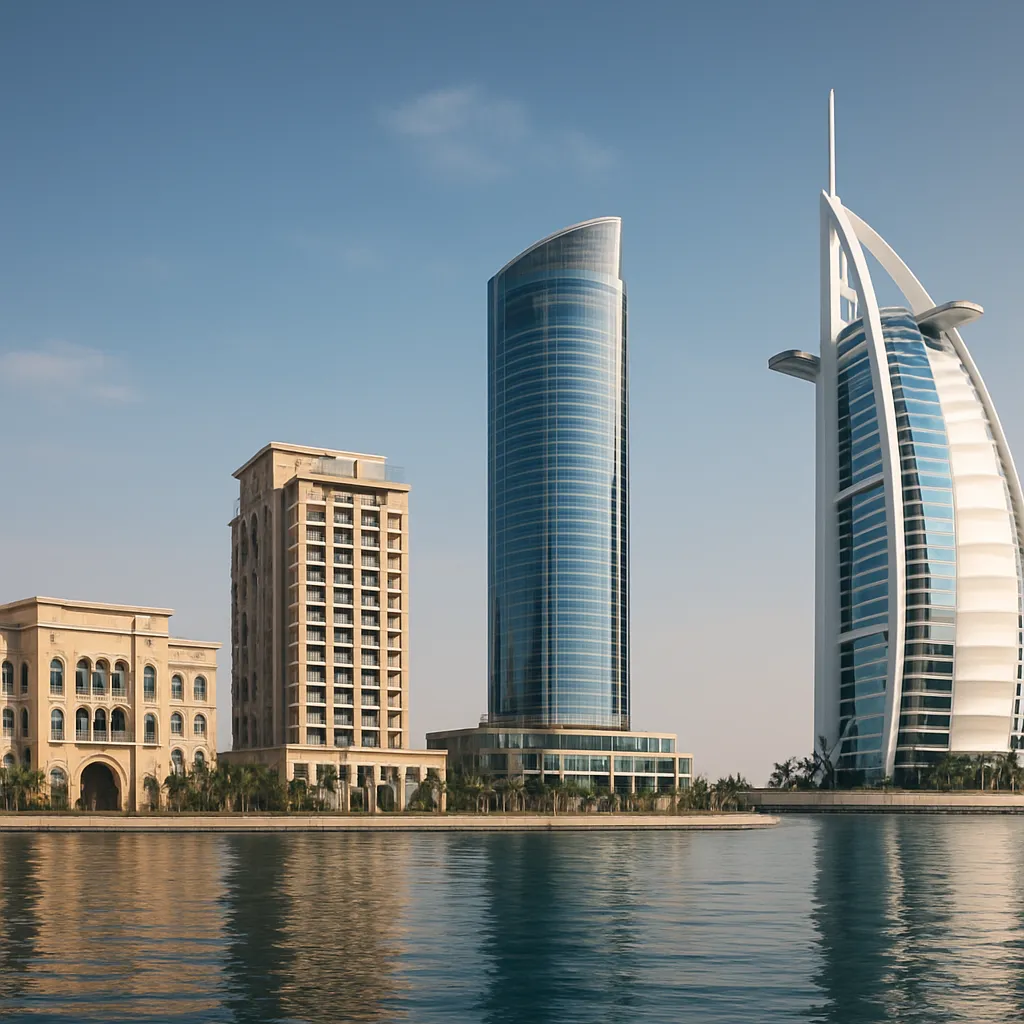
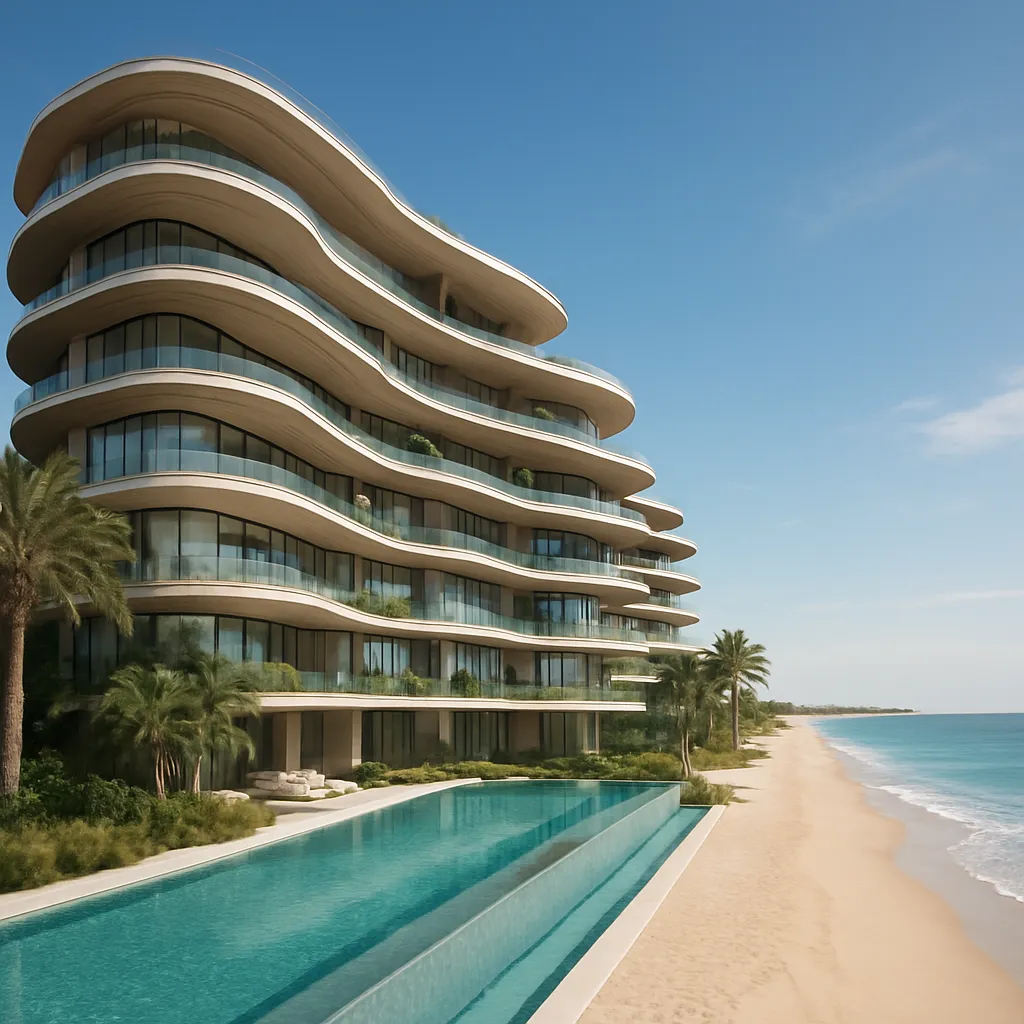
From man-made islands sculpted like palms to hotels shaped like billowing sails, Dubai’s architects have transformed bold concepts into iconic realities. The Burj Al Arab stands on its own island, its sail-inspired silhouette a hospitality landmark recognized worldwide. Adjacent, the Palm Jumeirah archipelago redefined possibilities for coastal development, its fronds hosting luxury resorts and private villas.
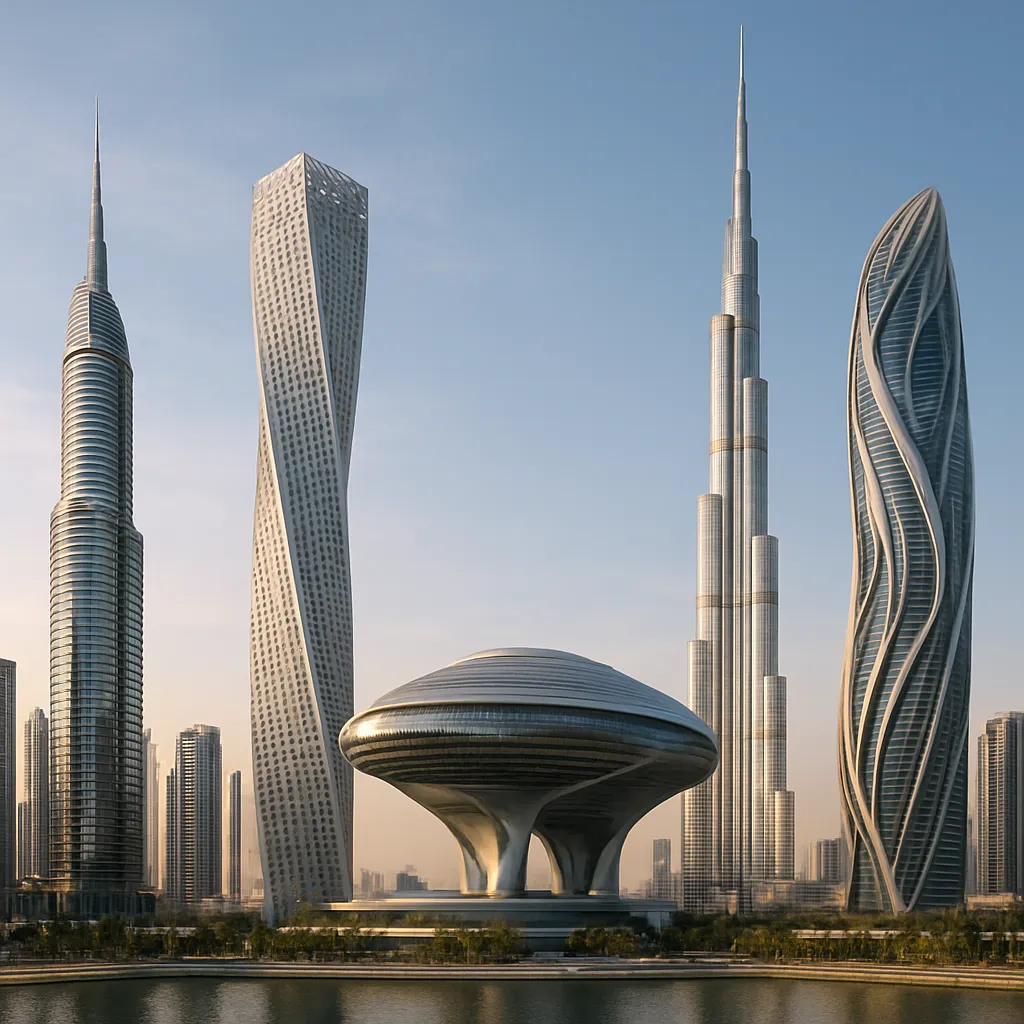
The recently inaugurated Museum of the Future exemplifies seamless integration of art and advanced construction methods. Its toroidal structure required precision robotics and parametric modeling to achieve fluid curves and complex geometry. Likewise, the twisted Cayan Tower and the dynamic Dubai Marine Residence echo the city’s ethos of transformation, challenging static norms and inviting observers to reconsider what architecture can achieve.
As Dubai continues to diversify its economy, including technology, finance, and tourism sectors, its built environment remains a potent ambassador. The city’s skyline not only tells a story of past achievements but also signals an ongoing commitment to pushing boundaries. Architects and engineers from around the globe converge here to experiment, collaborate, and turn bold ideas into lived reality, ensuring Dubai’s status as a beacon of urban vision endures.