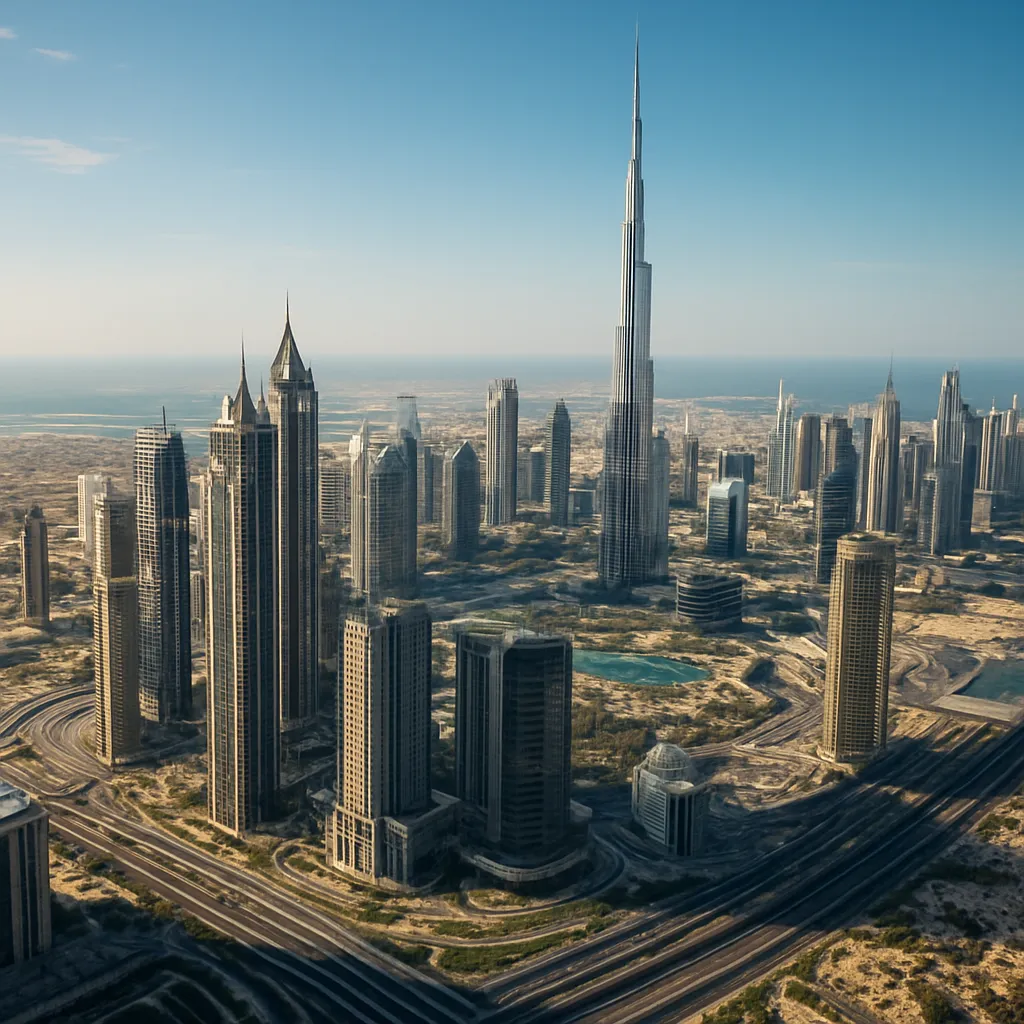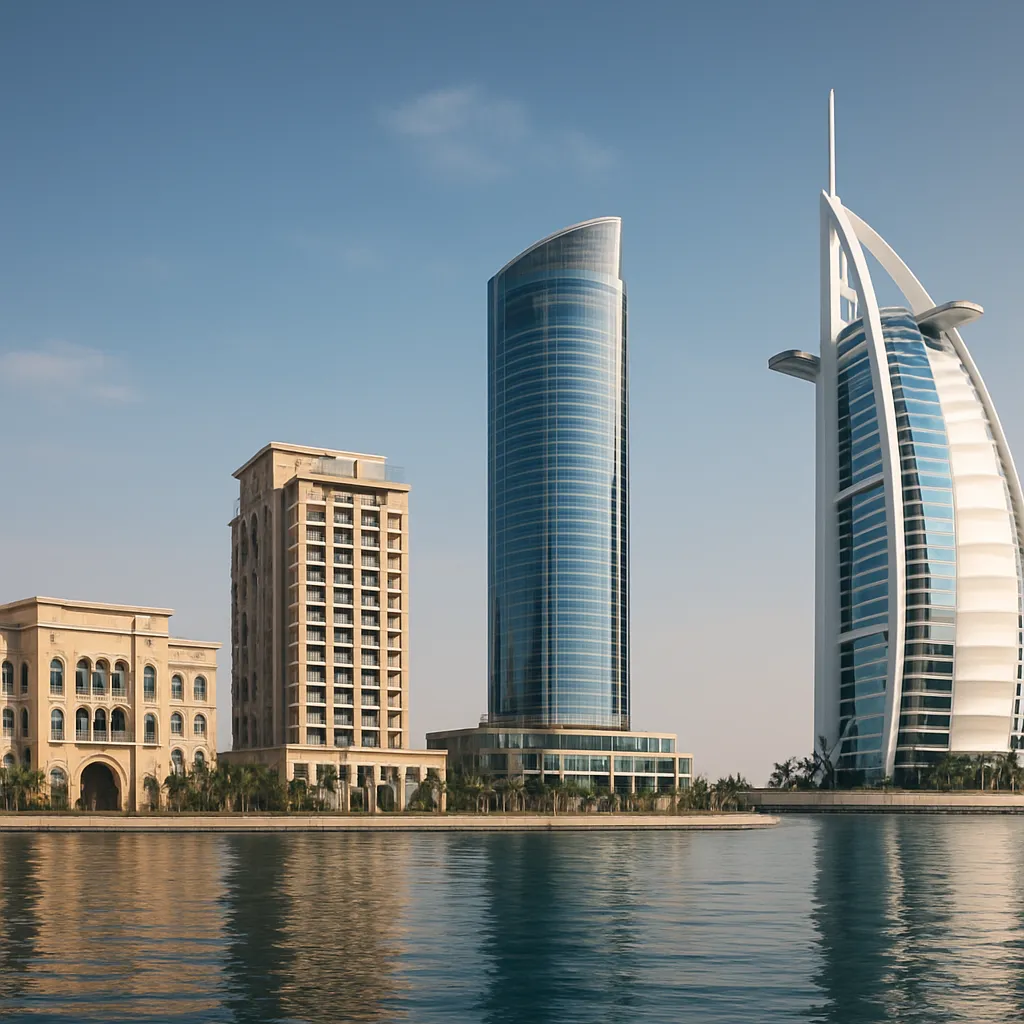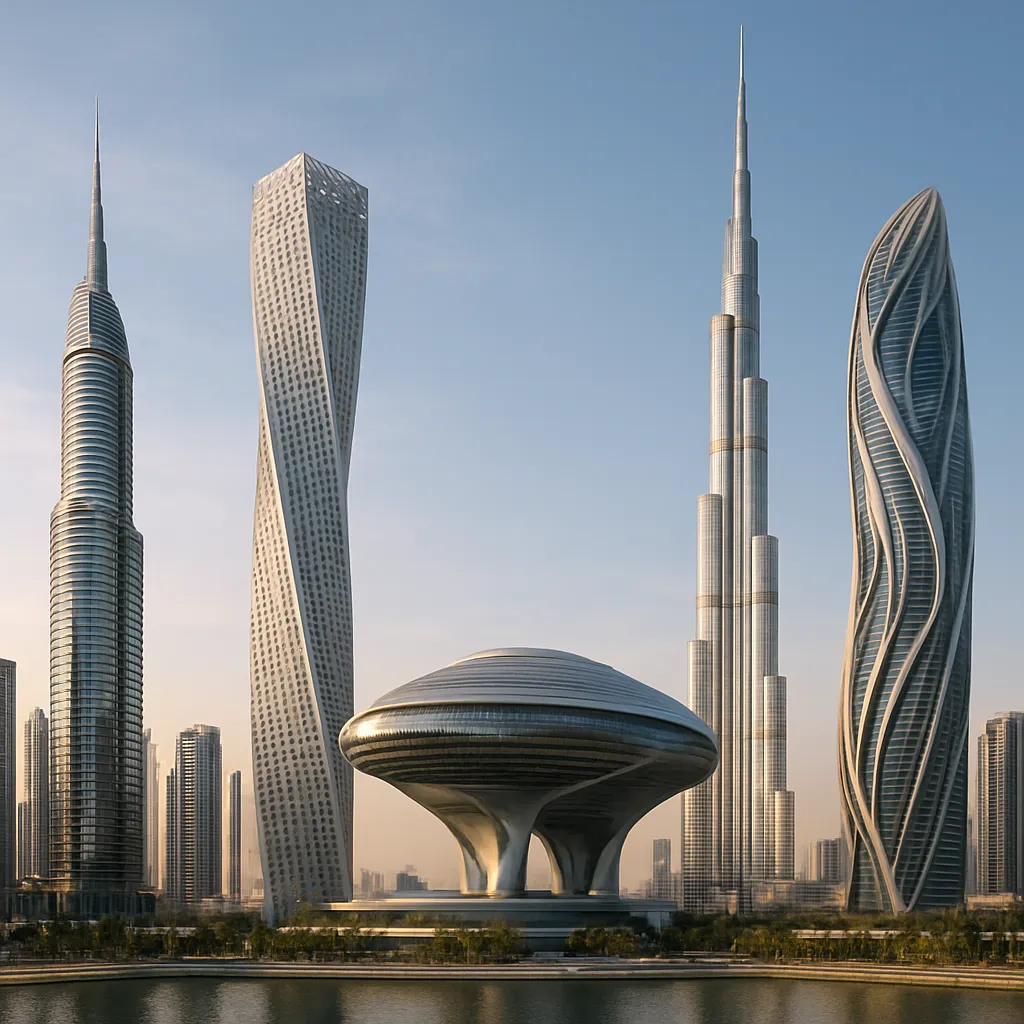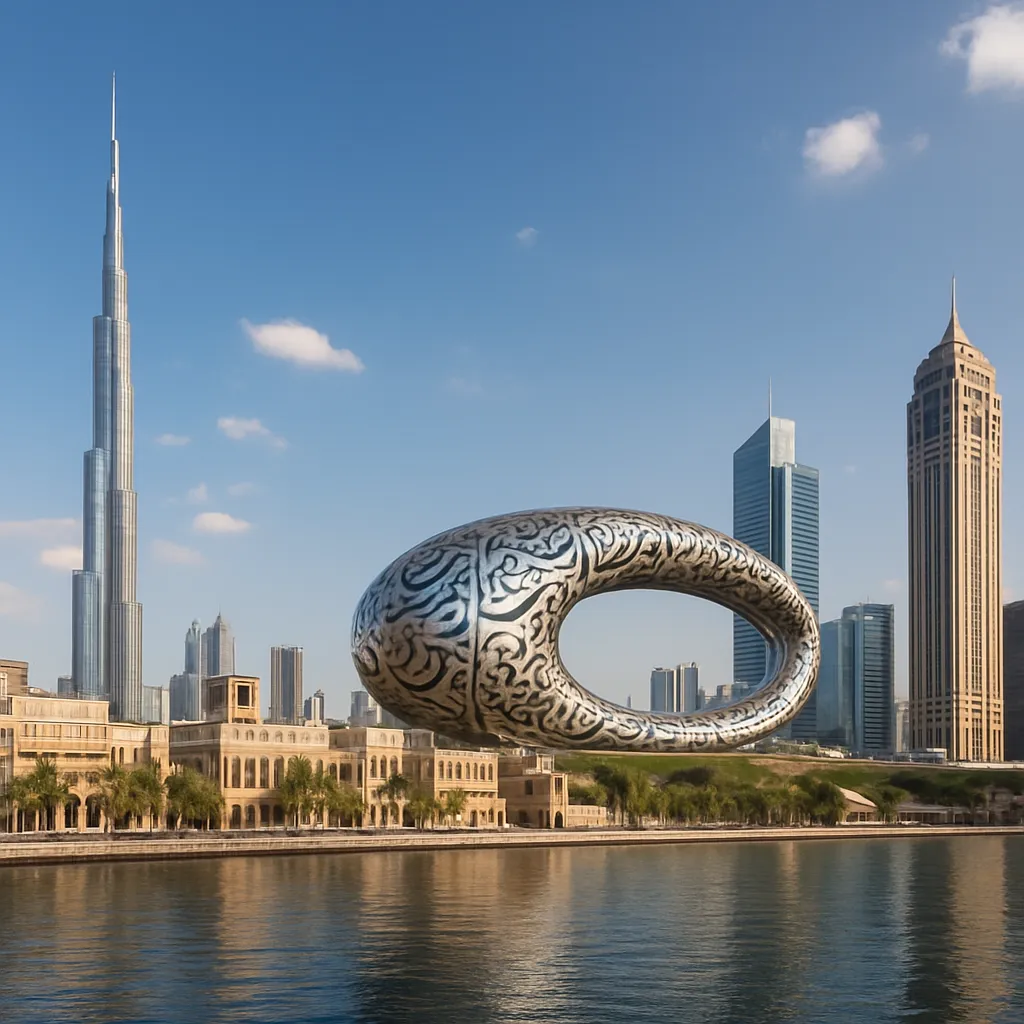
Dubai Creek stands as a living testament to the city’s remarkable journey from a modest fishing village to a global metropolis. Its winding waters have witnessed centuries of trade, culture, and architectural advancement. Along its banks, visitors can explore a seamless blend of **heritage** structures and futuristic buildings, each contributing to Dubai’s renowned **skyline**. This article delves into the architectural wonders that line Dubai Creek, highlighting the enduring legacy of its past, the **innovation** of its present, and the bold visions shaping its future.
Historic Origins and Evolving Skyline
Dubai Creek’s earliest architecture reflects the essential needs of a trading post and fishing community. Simple coral stone and gypsum structures gave way to more elaborate buildings as wealth from pearling and commerce flowed in. Key landmarks include:
- Al Fahidi Fort: Constructed in 1787, this fortress is one of the oldest standing structures in Dubai. Its thick coral walls, narrow corridors, and wind towers exemplify traditional Gulf defensive design.
- Dubai Museum: Housed within Al Fahidi Fort, it showcases artifacts and dioramas that chronicle the region’s transformation, from Bedouin life to modern-day skyscrapers.
- Al Seef District: A carefully restored stretch of historic houses and narrow lanes, this waterfront promenade uses traditional architectural motifs such as wooden barjeels (wind towers) and carved arched doorways, all reimagined for contemporary use.
Over the decades, the Creek’s banks saw the rise of warehouses, spice souks, and shipping docks. While these structures may lack the opulence of 21st-century towers, they carry an authentic charm and underscore Dubai’s early reliance on **maritime** trade. The Creek’s natural inlet has always been a strategic lifeline, shaping the city’s urban fabric and providing a platform for architectural **restoration**.
Modern Marvels: Integration of Tradition and Innovation
As Dubai expanded, developers sought to celebrate the Creek’s heritage while launching ambitious projects that would redefine the city’s **luxury** standards. Recent additions marry sleek design with elements inspired by traditional Gulf architecture:
- Dubai Creek Harbour: A sprawling mixed-use development featuring residential towers, retail districts, and the iconic Dubai Creek Tower.
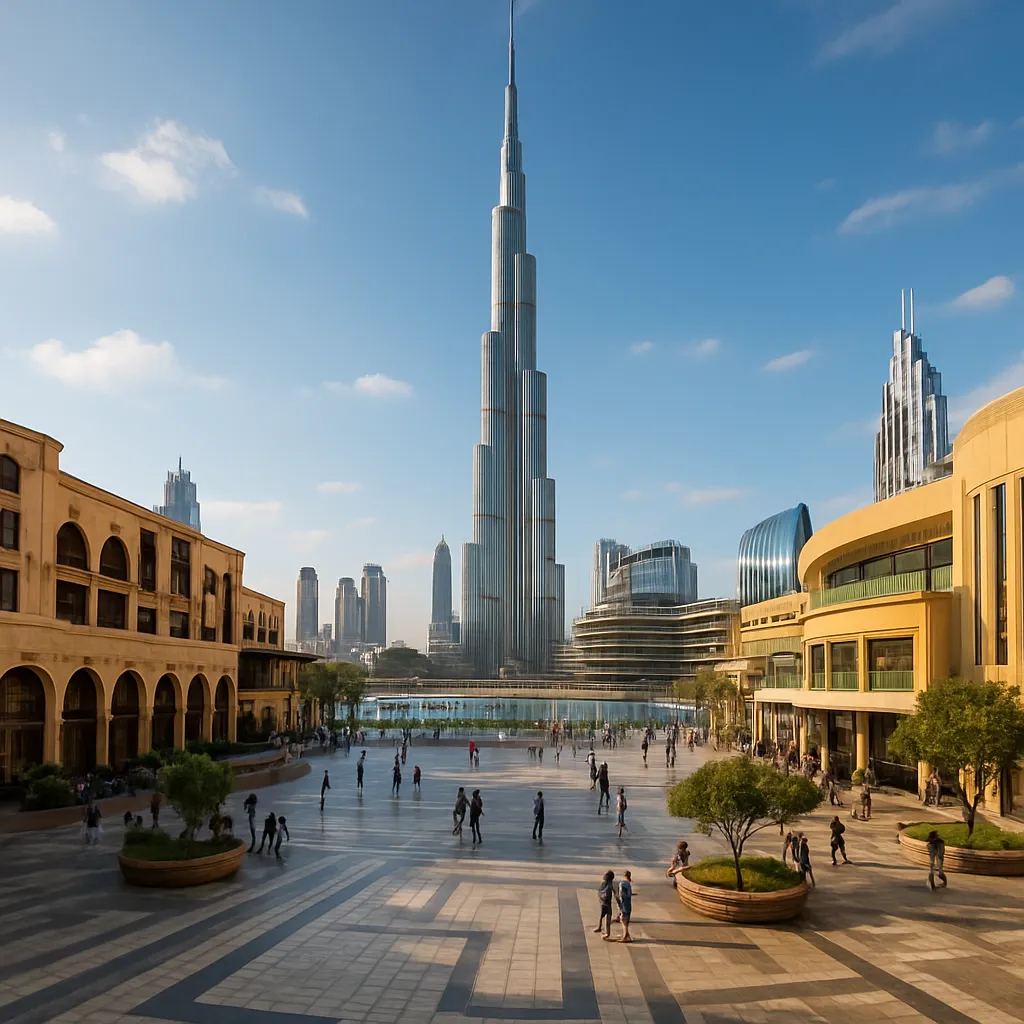
- Dubai Creek Tower: Set to become the tallest structure in the world, this needle-like spire draws inspiration from the lily flower and dhow masts. Its slender silhouette emerges from the water’s edge, symbolizing an aspiration toward the sky.
- One Creek Harbour: Twin skyscrapers topped with skybridges and infinity pools, designed to maximize panoramic views of both the Creek and the downtown skyline.
Architectural Engineering Feats
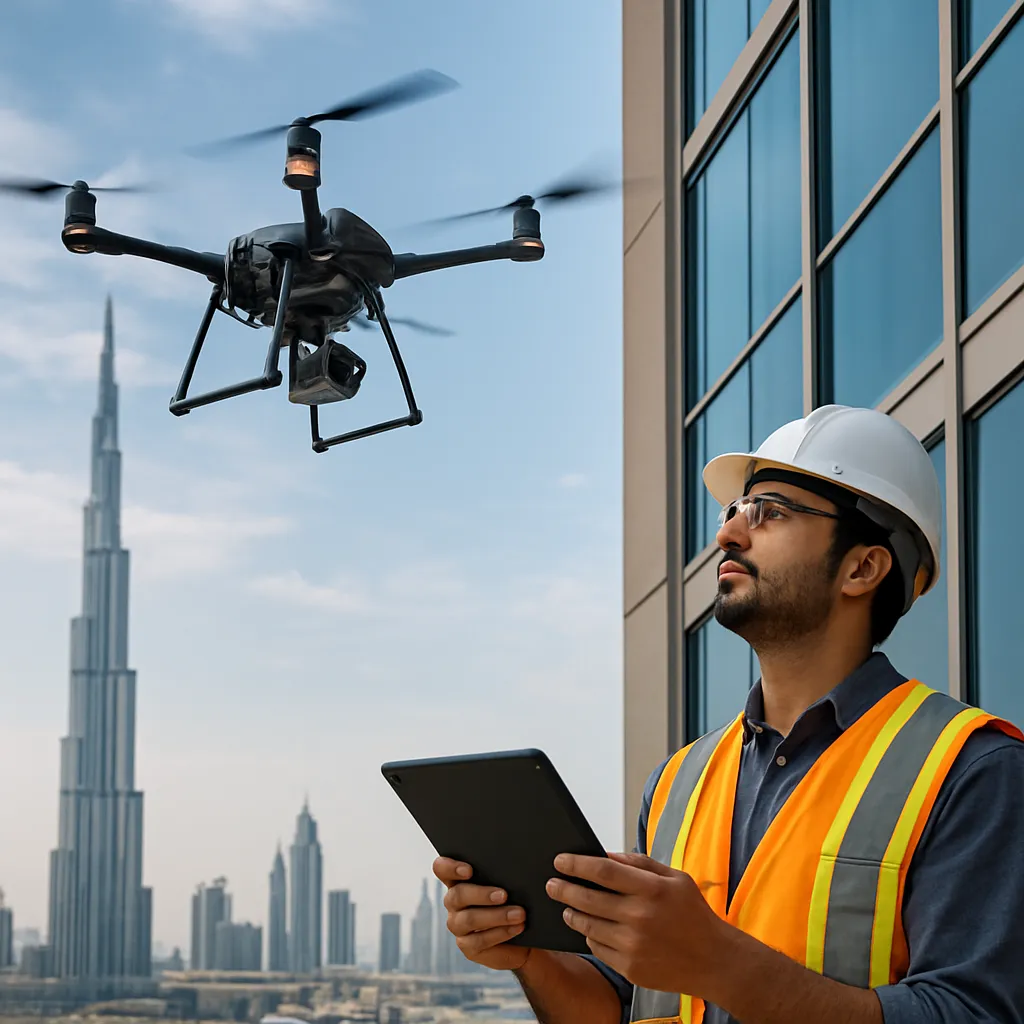
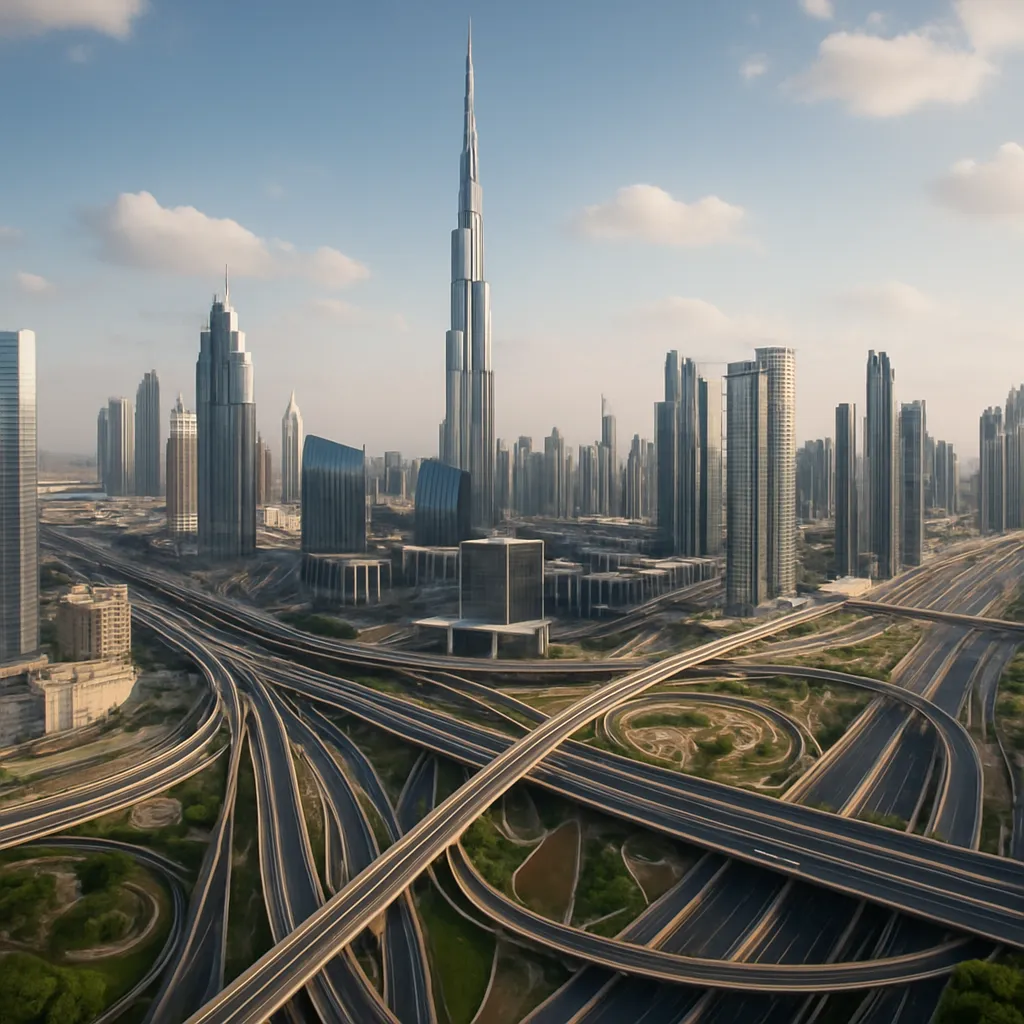
The engineering behind these developments is nothing short of spectacular. Building on reclaimed land necessitated innovative foundation techniques, including deep caissons and advanced piling methods to ensure stability. The engineering teams employed wind tunnel testing to refine the Creek Tower’s aerodynamic form, reducing vortex shedding and structural sway.
Urban Design and Sustainability
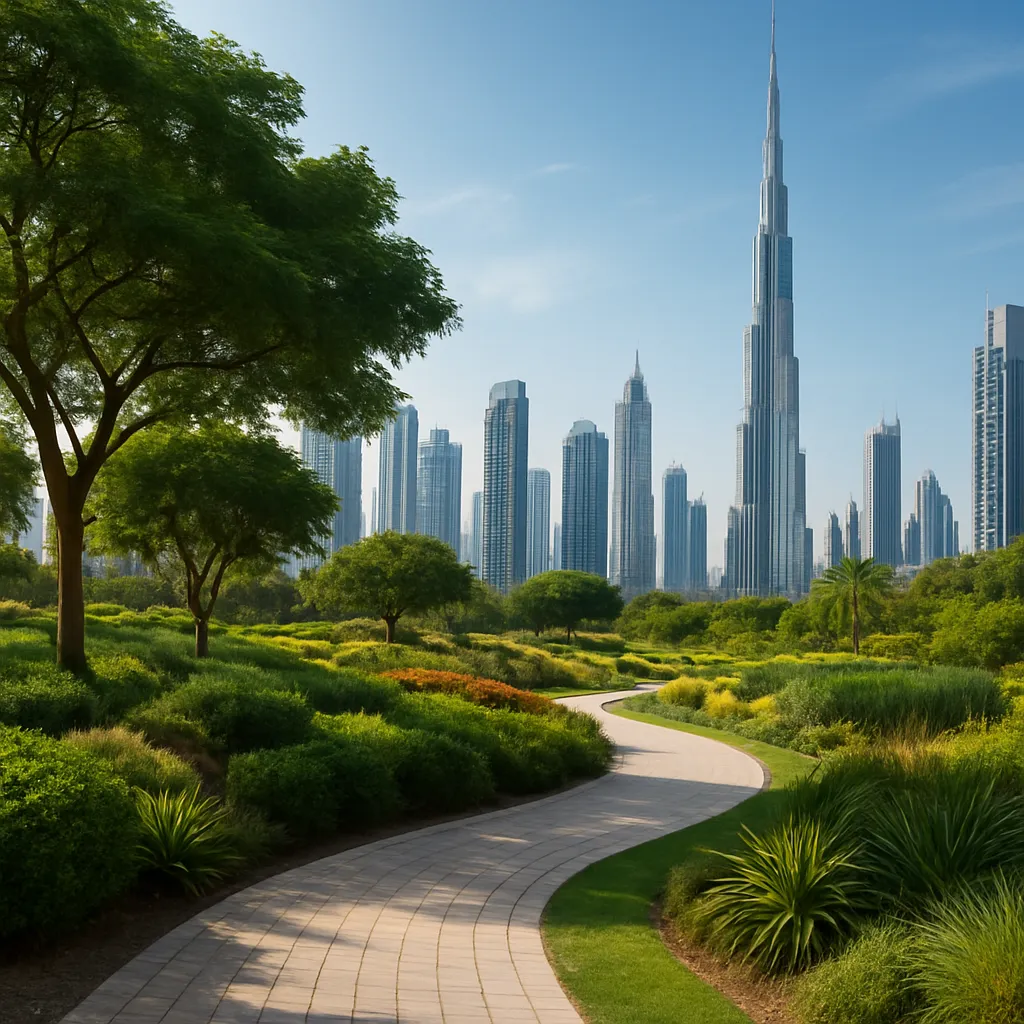
Dubai Creek Harbour champions eco-friendly principles. Extensive landscaping with native flora minimizes water consumption, while pedestrian-friendly promenades encourage walking over vehicular travel. Smart city technologies monitor energy usage, lighting, and waste. Solar panels integrated into building facades and parking shades contribute to the overall sustainability goals, positioning the development as a model for eco-conscious urban growth.
Future Visions Along the Creek
The next decade promises even more ambitious projects that will reshape the Creek’s horizon. Architects and planners are envisioning developments that emphasize community, technology, and environmental stewardship:
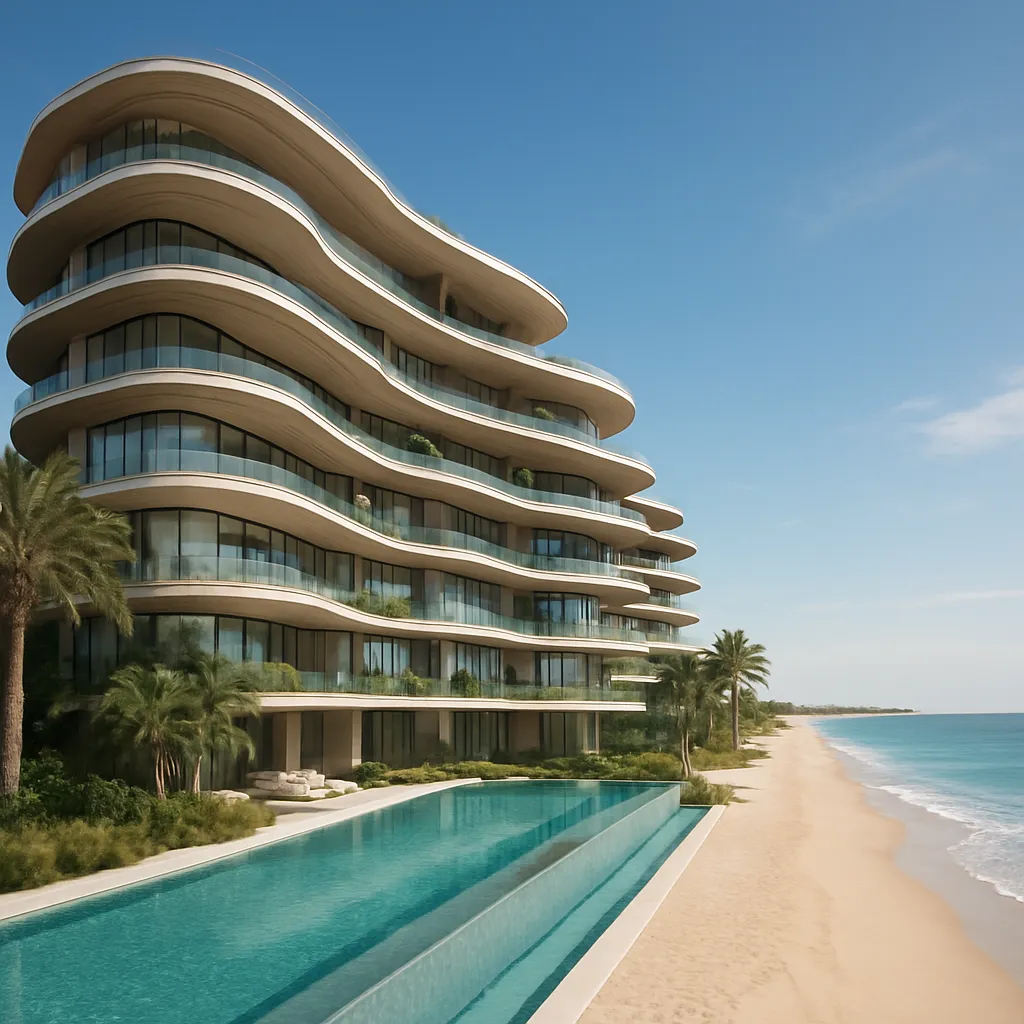
- Creek Island Residences: A series of ultra-modern villas and apartments set on a man-made island, each designed to maximize waterfront views and provide private dock access for small vessels.
- Culture and Arts District: Proposed museums, galleries, and performance halls celebrating the region’s artistic heritage, blending cutting-edge form with motifs drawn from Arabic calligraphy and geometric patterns.
- Floating Markets and Leisure Jetties: Inspired by Southeast Asian aquatic commerce, these installations aim to revive the Creek’s historic role as a bustling trade artery, encouraging boat-based retail and dining experiences.
Visionary urban planners are also exploring vertical farming towers along the Creek, enabling on-site production of fruits, vegetables, and herbs for local consumption. This concept aligns with Dubai’s broader food security strategy, reducing reliance on imports and minimizing transportation emissions.
In all these endeavors, the guiding principle remains the seamless integration of old and new—preserving the Creek’s storied past while embracing cutting-edge design. The result is a waterfront corridor that captivates with its **visual** drama and reflects Dubai’s relentless drive for progress.
Conclusion of an Ongoing Journey
Though the Creek’s course through Dubai has remained constant, the buildings along its banks continually evolve. From humble wind-towered houses to sky-piercing spires, this waterway remains the city’s heartbeat, linking its history with its aspirations. Each architectural marvel—whether painstakingly restored or boldly conceived—serves as a chapter in Dubai’s ever-unfolding story.