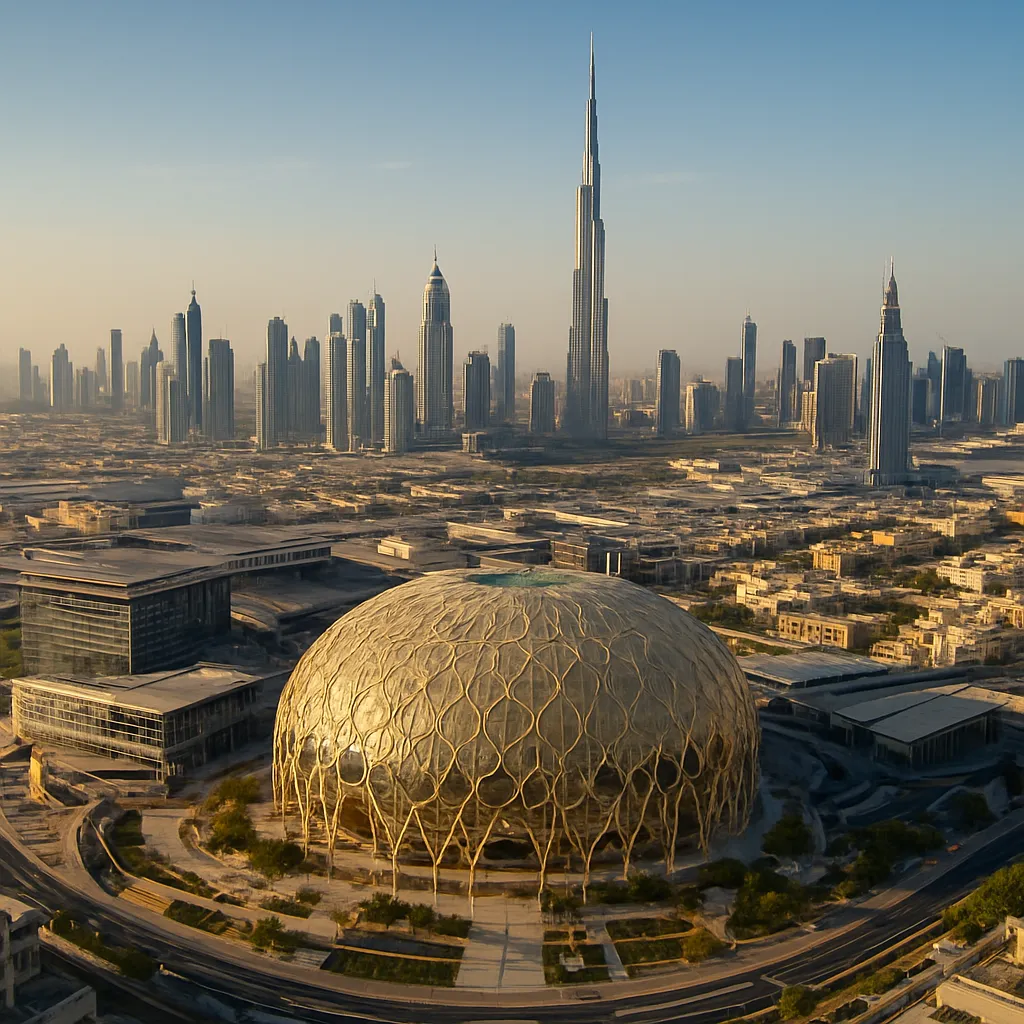
Dubai’s skyline captures the world’s imagination with its blend of futuristic design, towering heights, and daring feats of engineering. From record-breaking structures to innovative cultural spaces, each landmark offers a glimpse into the city’s relentless pursuit of architectural excellence. This article explores the most photographed buildings in Dubai, revealing the stories behind their creation, the technological breakthroughs they represent, and their lasting impact on global travel photography.
The Crown Jewel of the Horizon: Burj Khalifa
Design and Construction
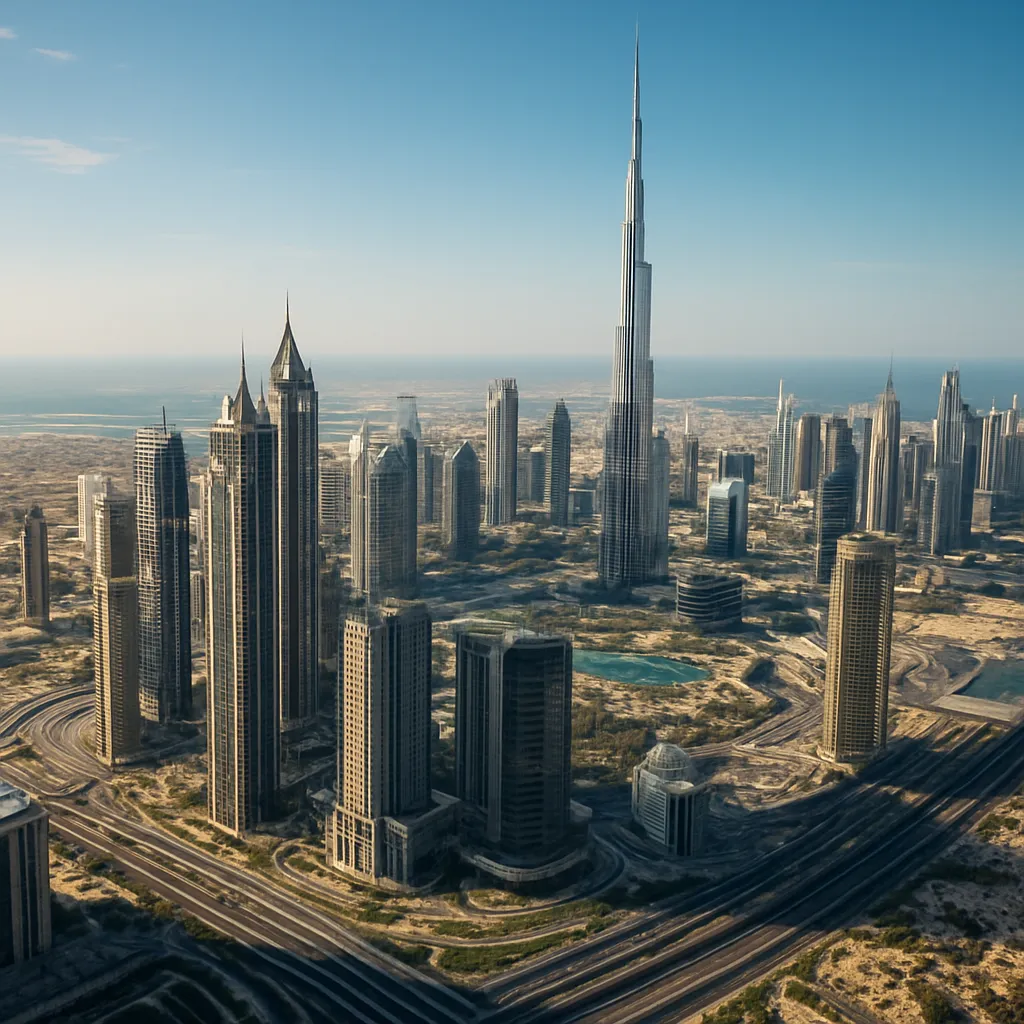
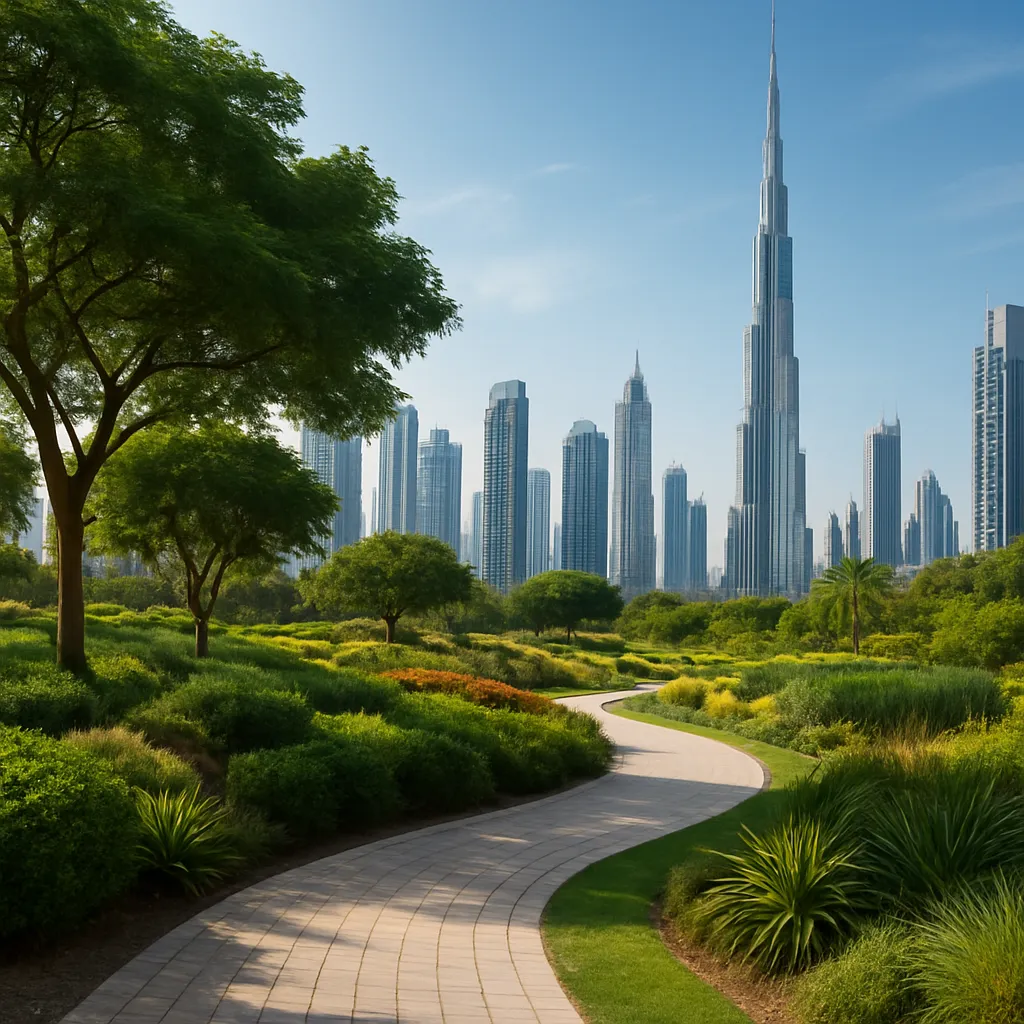
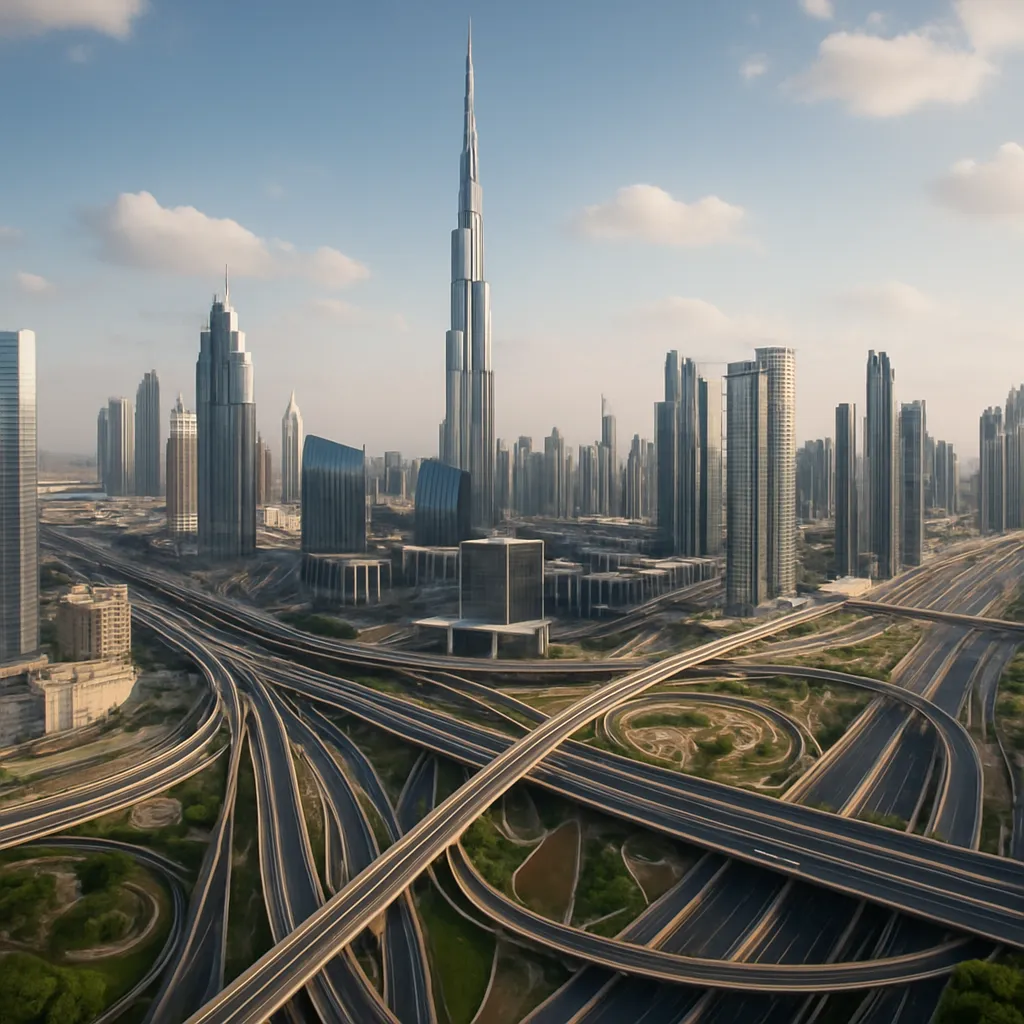
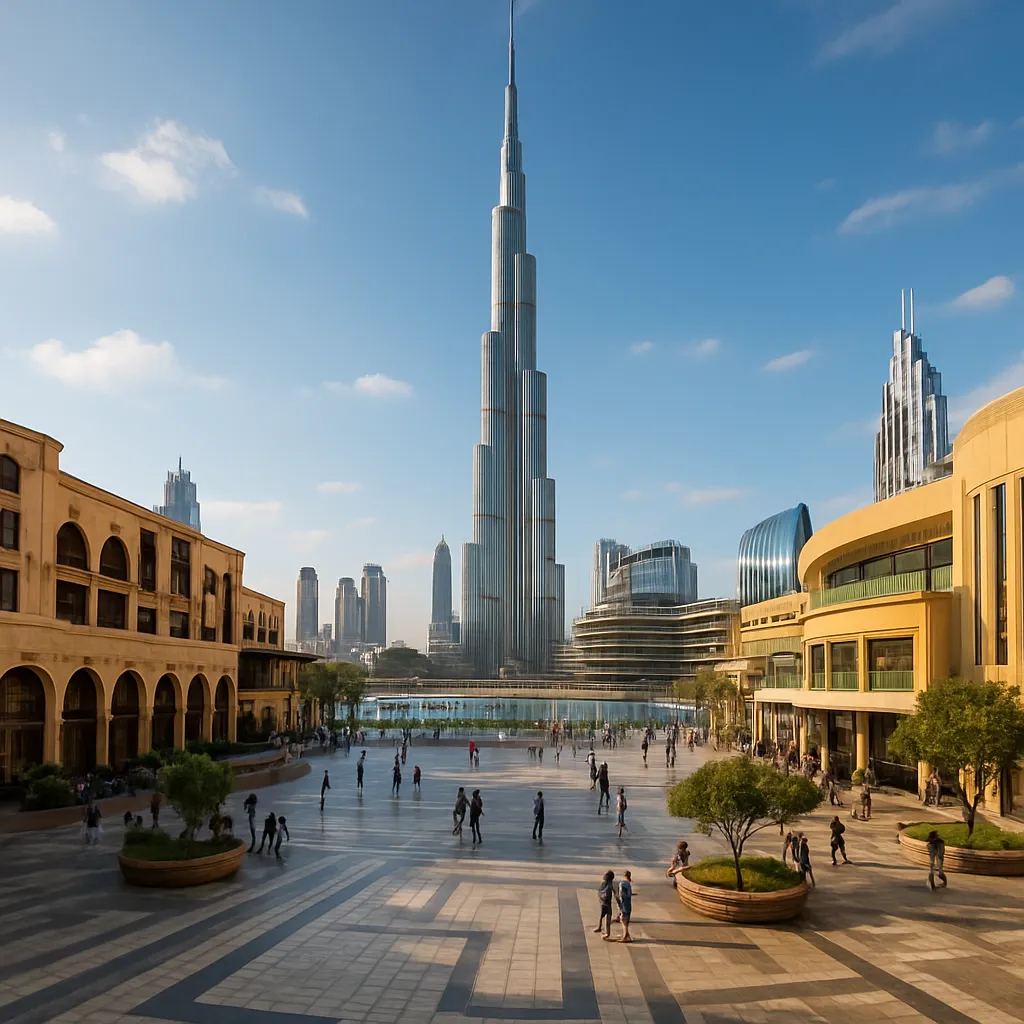
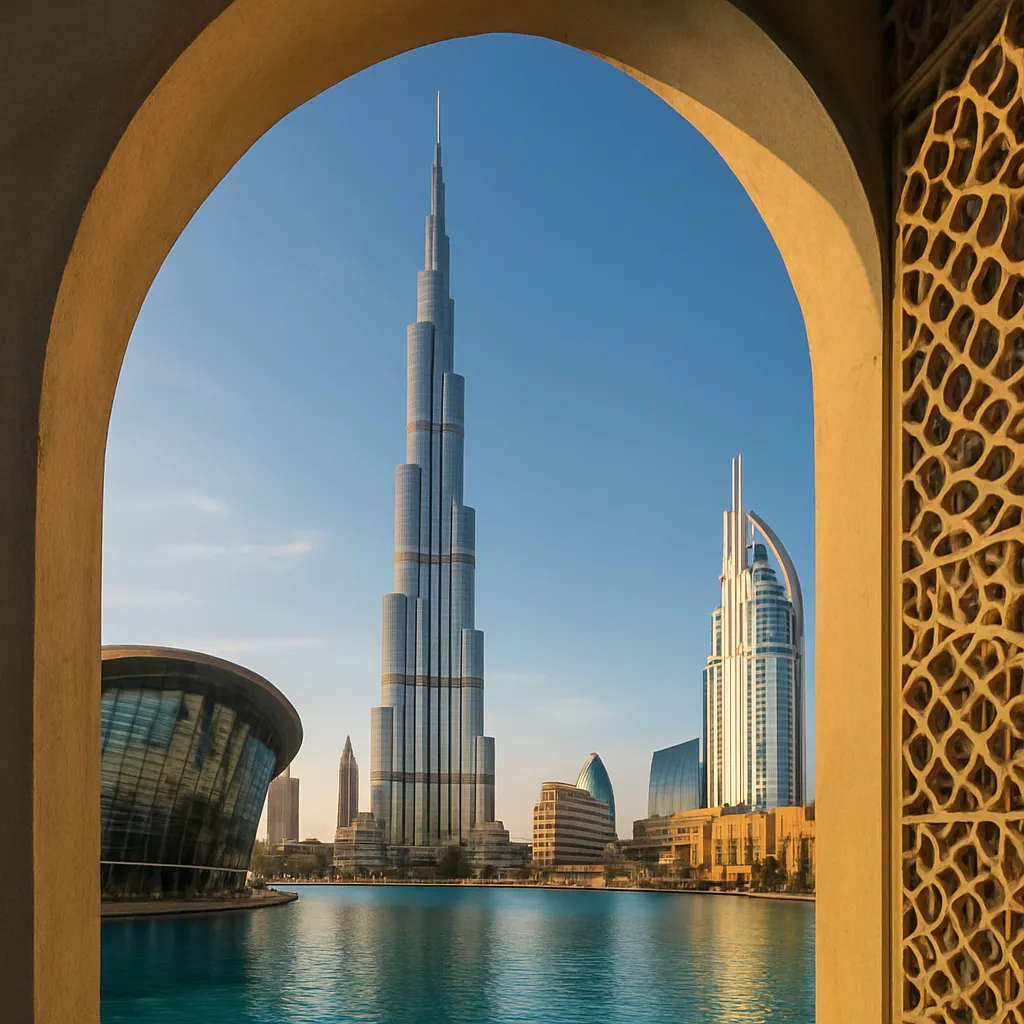
The Burj Khalifa stands as an iconic symbol of Dubai’s ambition. Rising to a staggering 828 meters, it dethroned every skyscraper on earth at its completion in 2010. The structure’s Y-shaped floor plan draws inspiration from Islamic architecture, providing stability while maximizing views of the Arabian Gulf. Constructed with a high-performance concrete mix, the tower required innovative pumping techniques to reach its dizzying heights—a testament to modern engineering prowess.
Photo-Friendly Features
- Outdoor observation deck at 555 meters for unparalleled city views
- 360-degree glass panels that minimize glare during sunset shoots
- Nighttime illumination that highlights the tower’s tapering silhouette
Photographers flock to the base fountain show to capture dynamic compositions, blending water choreography with the towering form of the world’s tallest building.
Luxury Meets Nautical Inspiration: Burj Al Arab
Architectural Brilliance
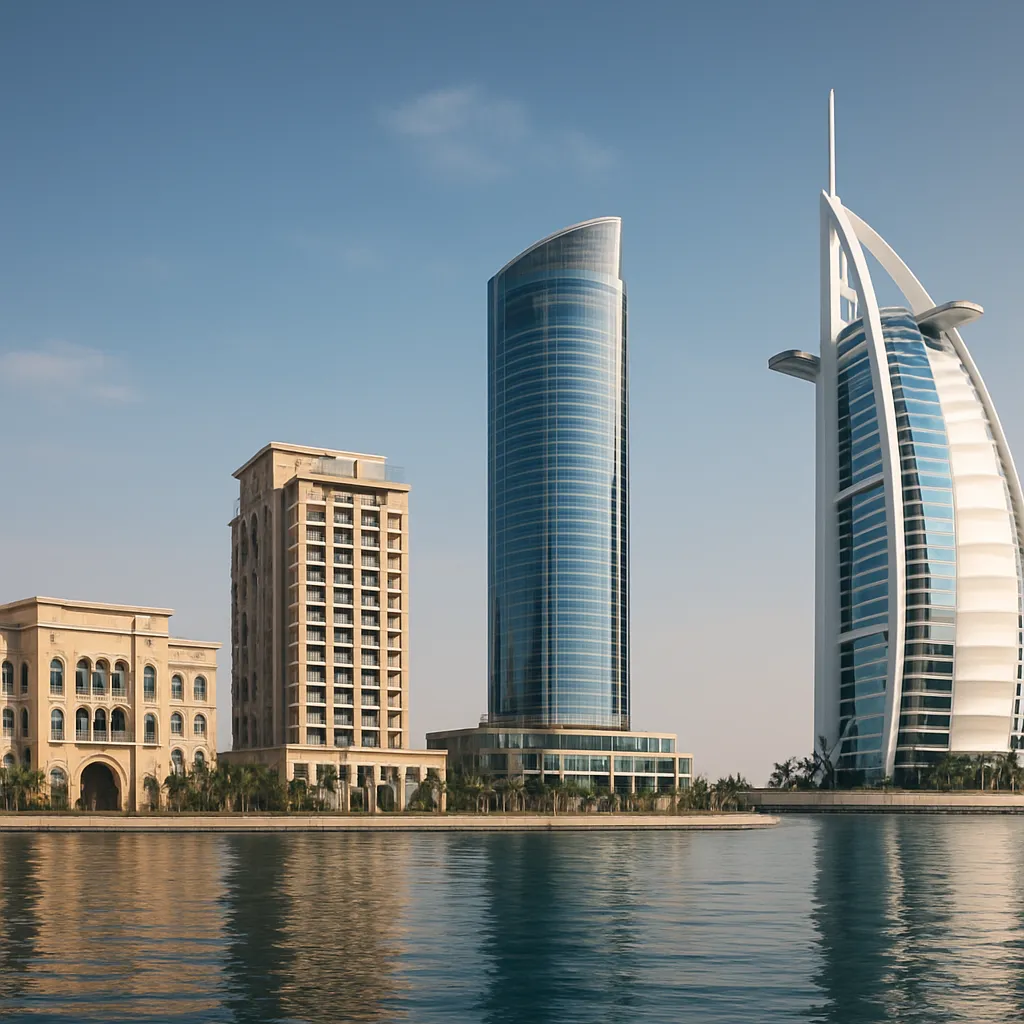
Nestled on its own man-made island, the Burj Al Arab redefines what it means to be a luxury hotel. Designed to mimic the sail of a dhow, it rises 321 meters above sea level. The building’s façade features a diaphanous PTFE-coated fiberglass membrane that glows with changing LED colors after dusk. Internally, the atrium soars over 180 meters, dwarfing nearly every other hotel lobby in the world.
Visual Appeal to Visitors
- Distinctive sail shape against the Arabian Gulf backdrop
- Helipad on the 28th floor, often featured in celebrity helicopter arrivals
- Reflective glass that captures the play of coastal light at sunrise
Its exotic form, set against turquoise waters, makes it one of the most photographed hotels, gracing countless postcards and travel blogs.
An Island of Dreams: Palm Jumeirah
Engineering Feat
The Palm Jumeirah is a masterclass in land reclamation. Shaped like a palm tree with a crescent frond, it added 520 kilometers of shoreline to Dubai’s coast. Over 94 million cubic meters of sand and 7 million tons of rock were carefully placed to form its distinctive silhouette. This marvel of design has attracted architects worldwide to imagine villas, resorts, and apartments perched on its fronds.
Photographic Hotspots
- Aerial shots from seaplanes or drones that highlight the palm’s geometry
- Beachside angles at sunset for warm, golden hues
- Resort promenades framing the Atlantis hotel at the crescent’s peak
Whether seen from the air or from the pristine shores below, Palm Jumeirah offers photographers a skyline element unlike any other in Dubai.
Bridging Past and Future: Dubai Frame
Concept and Construction
At 150 meters tall, the Dubai Frame serves as a literal frame between old and new Dubai. One side showcases the winding lanes of Deira, while the opposite overlooks the modern towers of Downtown. The façade features a cladding of 24-karat gold leaves, shining in the sun like a giant picture frame. Visitors traverse glass floors on the sky deck, suspended between two towers, making for heart-stopping photo opportunities.
Visitor Experience
- Interactive museum tracing Dubai’s transformation from fishing village to metropolis
- Transparent sky bridge offering vertigo-inducing views
- LED exterior that projects art installations onto the structure
Instagram influencers and casual tourists alike line up for a chance to stand in the cultural aperture that captures two worlds at once.
Futuristic Horizons: Museum of the Future
Innovative Design
The elliptical form of the Museum of the Future resembles a giant torus, exuding a sense of motion frozen in steel. Its perforated façade is overlaid with Arabic calligraphy, representing quotes about progress and innovation. The award-winning design employs parametric modeling and sustainable materials to reduce solar gain and energy consumption.
Photo-Ready Aspects
- Dynamic steel curves that play with light and shadow
- Calligraphic panels that cast intricate patterns on the ground
- Reflection pools that mirror the building’s sleek lines
Photography enthusiasts appreciate the contrast between the building’s cutting-edge exterior and its sky gardens, which peek through the openings.
Conclusion of the Architectural Journey
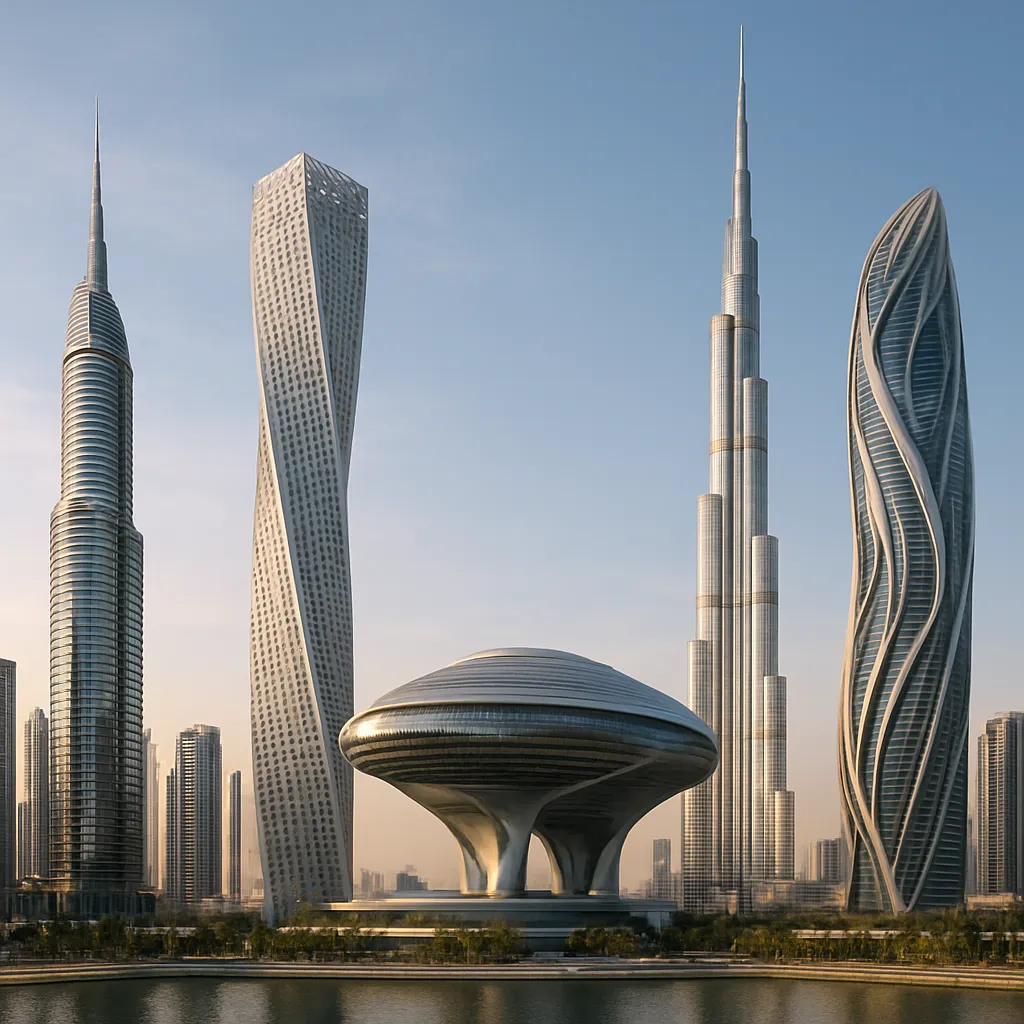
Dubai’s skyline is more than a collection of tall buildings. Each structure represents a bold chapter in the city’s story, showcasing sustainability, luxury, and technological advancement. As photographers continue to flock here, these landmarks will remain the ultimate subjects for capturing the spirit of a city that refuses to stand still.