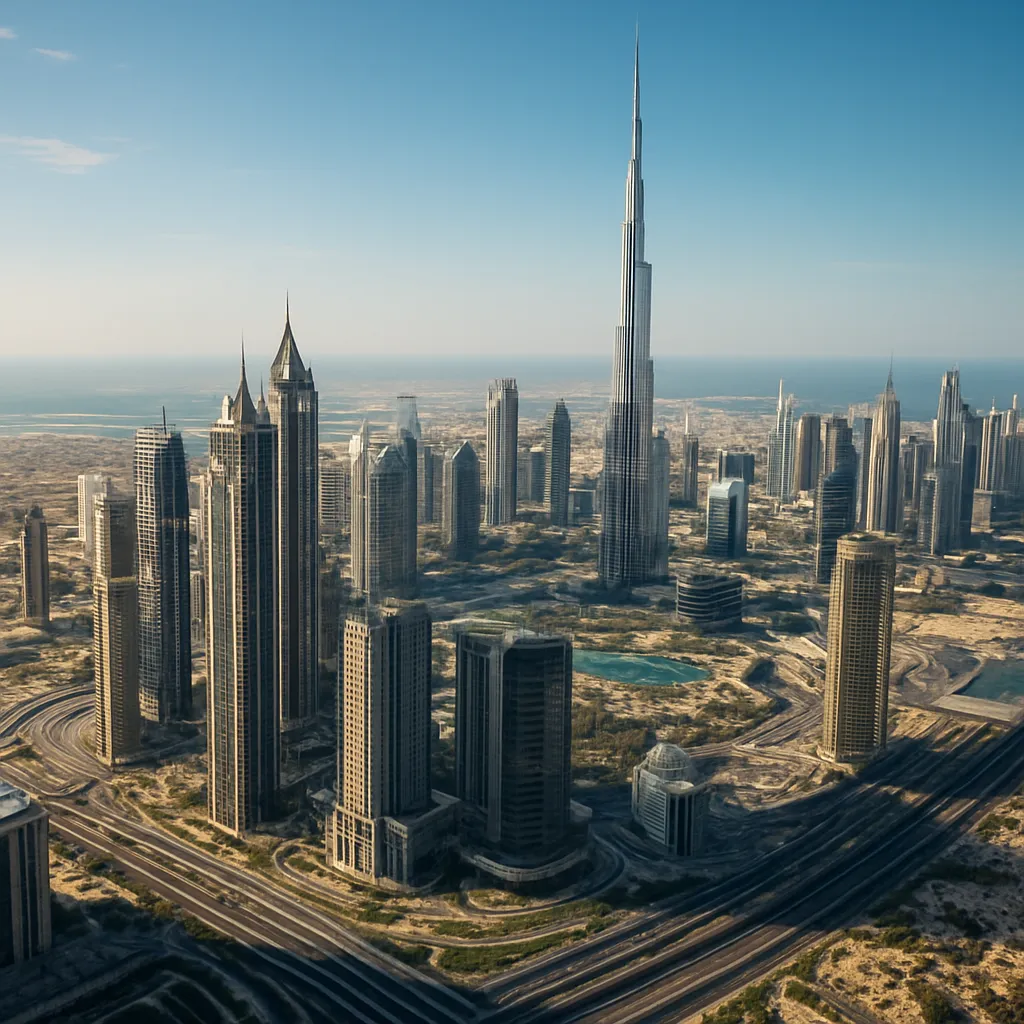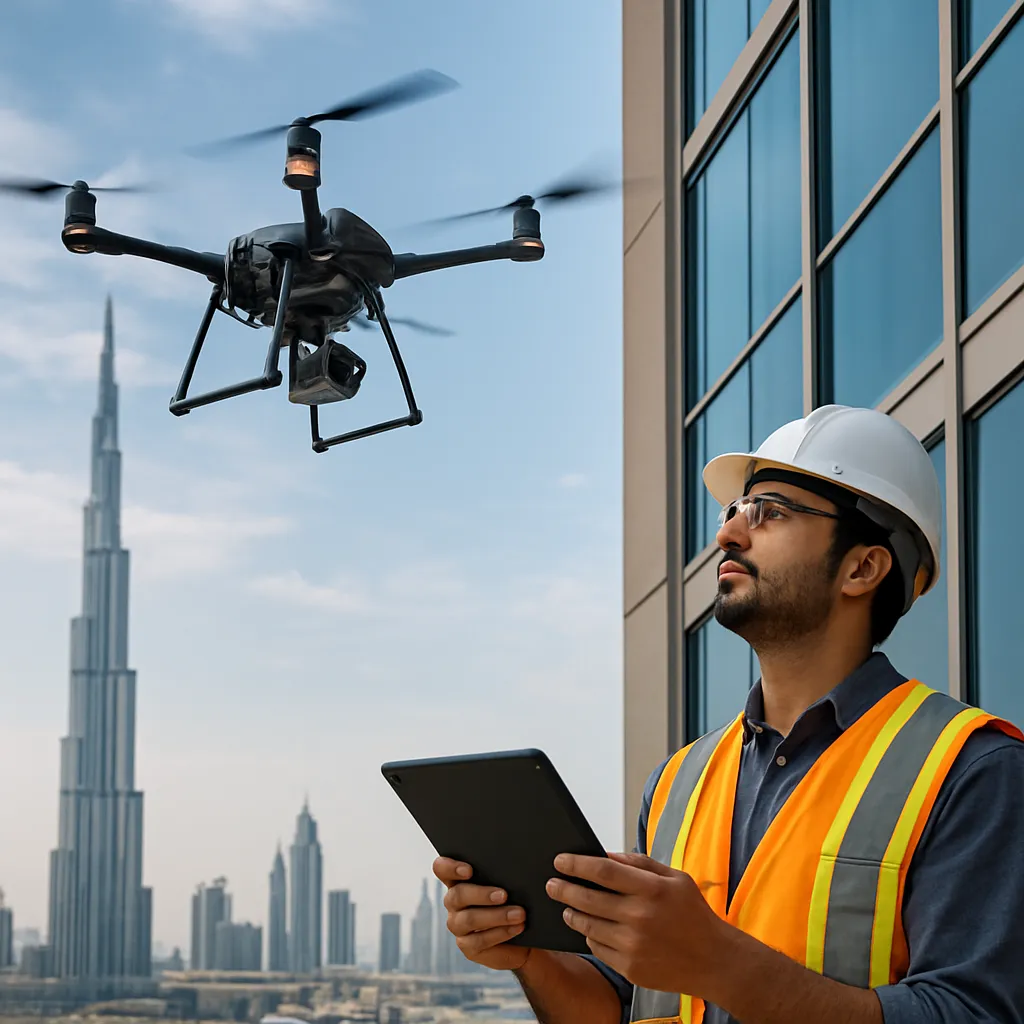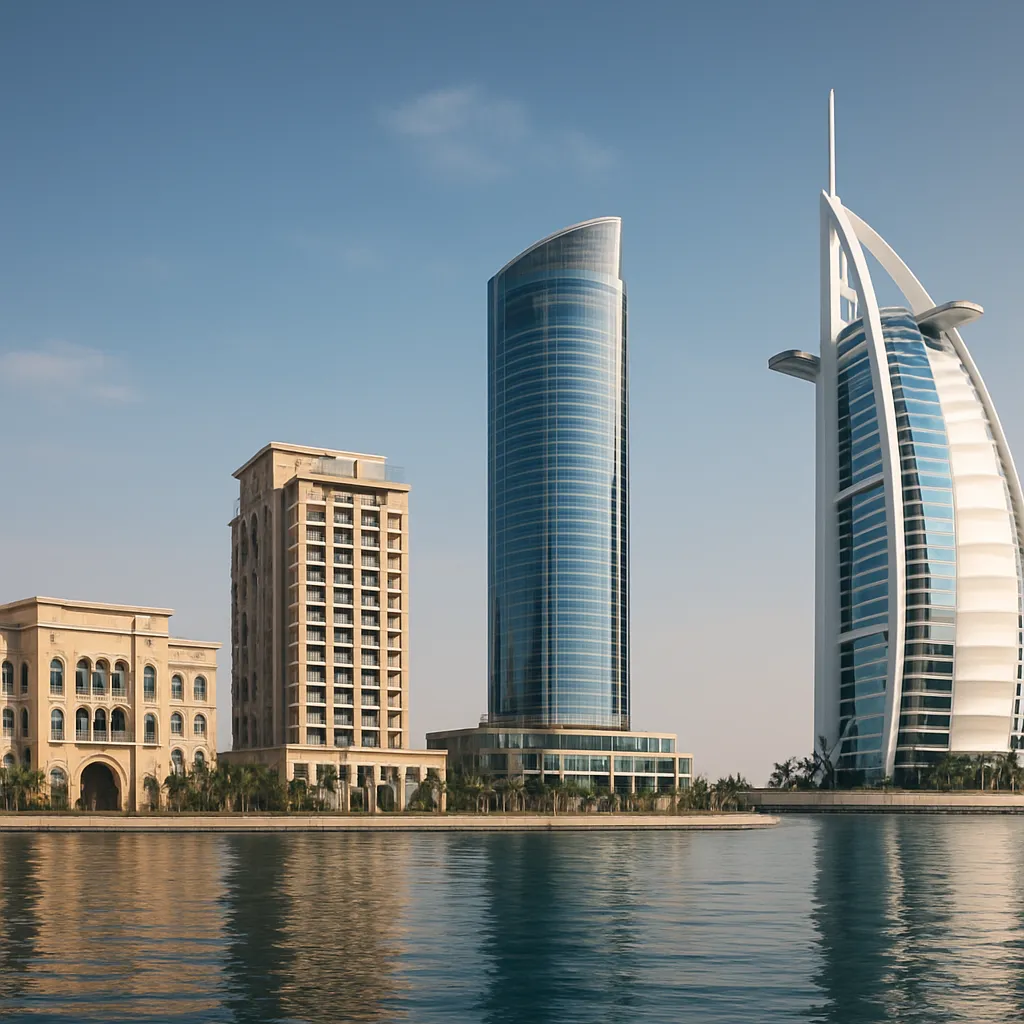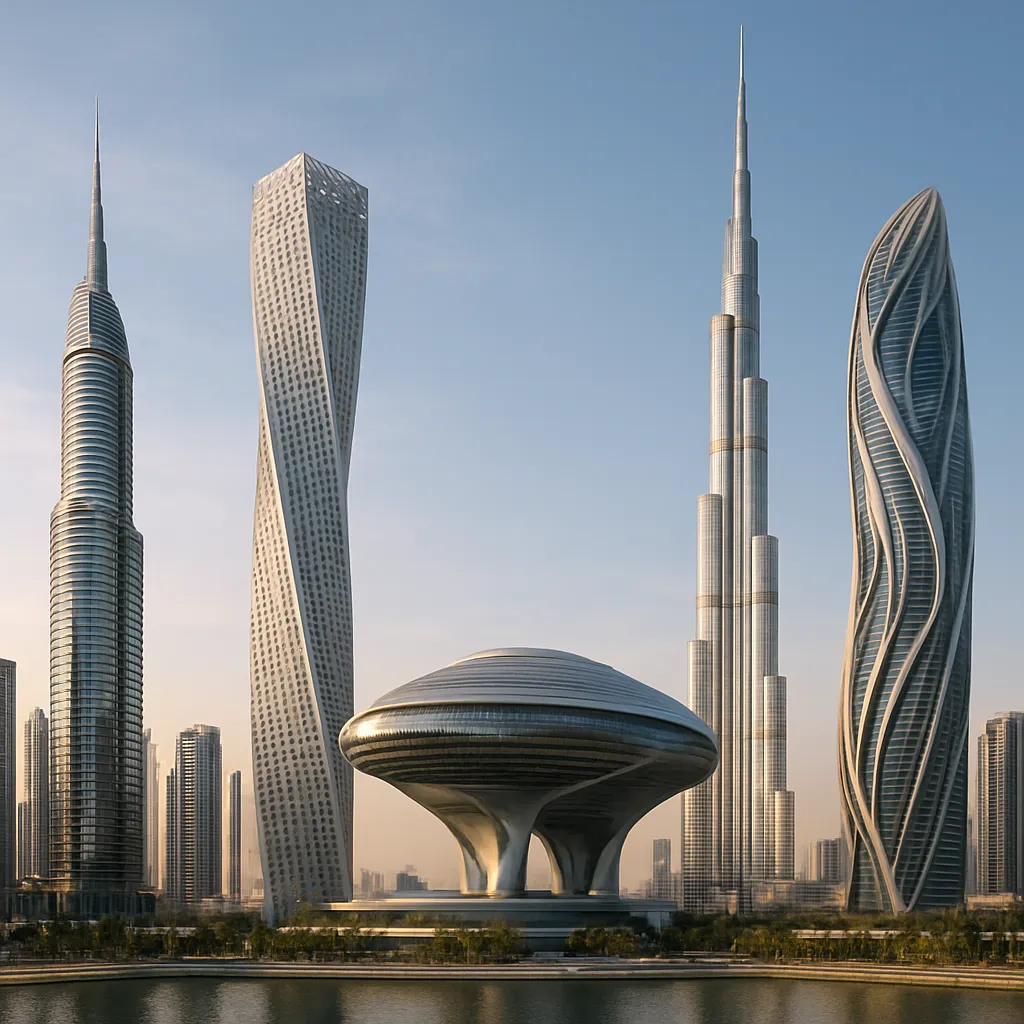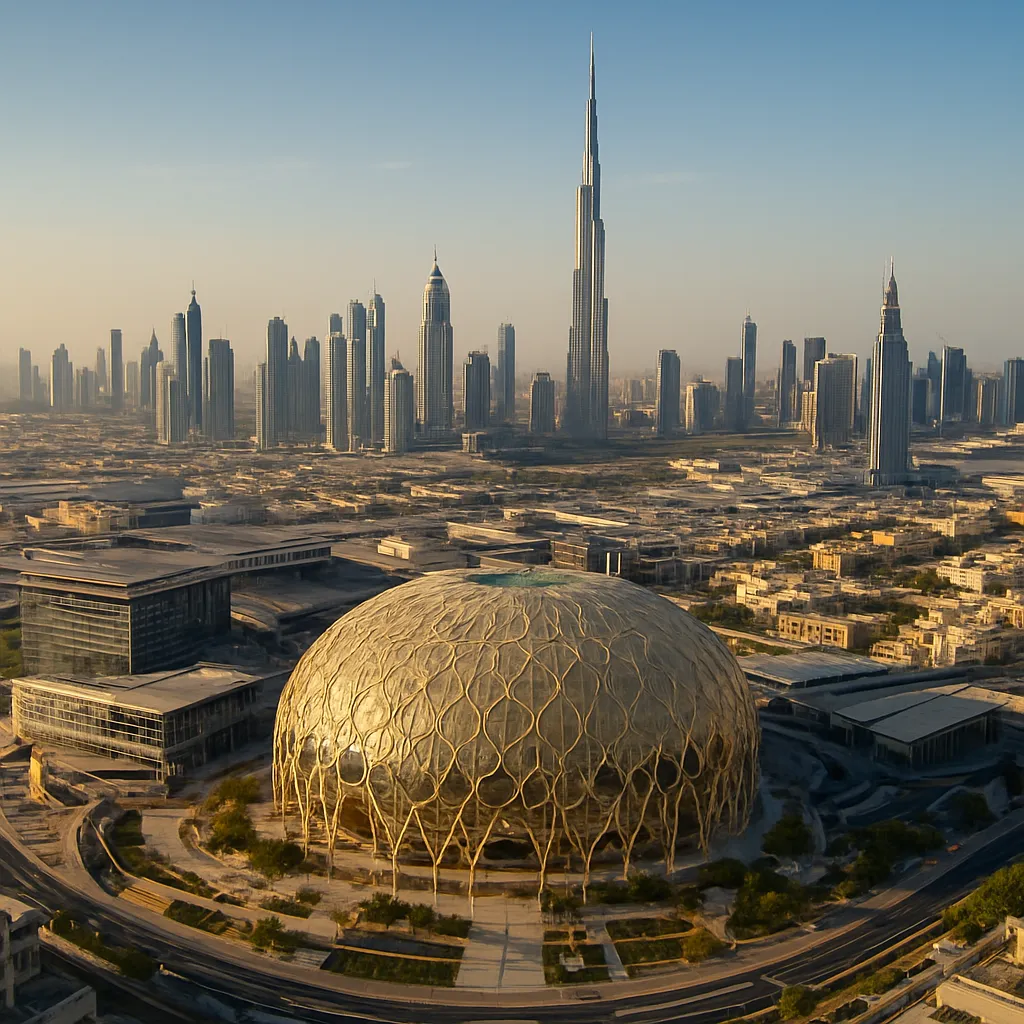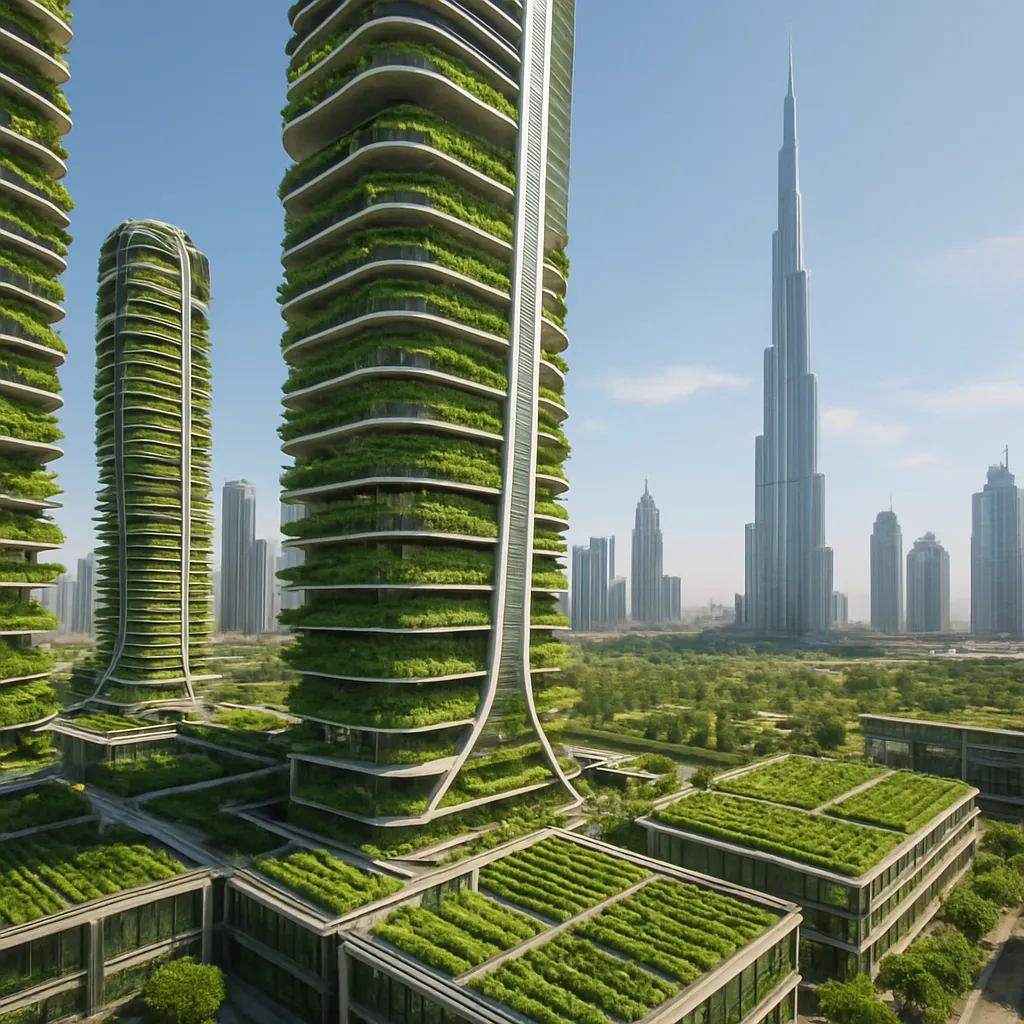
The rapid urbanization and soaring population growth in Dubai have created a pressing need to rethink traditional agriculture. Harnessing the potential of vertical farming within the city’s iconic towers can revolutionize food production, **sustainability**, and resource management. This exploration delves into the groundbreaking technologies, architectural synergies, and the broader socio-economic and environmental ramifications of indoor farming strategies that could reshape Dubai’s skyline and its future.
Innovative Vertical Farming Technologies
Advanced production systems lie at the heart of any successful vertical farming initiative. Dubai’s unique climate challenges and high real estate costs have spurred researchers and entrepreneurs to develop cutting-edge solutions tailored for high-rise environments.
Hydroponics and Aeroponics Systems
Hydroponics and aeroponics have emerged as core methods in water-efficient cultivation. By growing plants in nutrient-enriched water or mist, these systems eliminate the need for soil, reduce water usage by up to 90%, and optimize nutrient delivery. In Dubai’s arid environment, hydroponics offers:
- Rapid growth cycles and higher yields
- Minimal land footprint
- Controlled management of pests and pathogens
Aquaponics Integration
Combining hydroponics with fish farming, aquaponics establishes a symbiotic ecosystem. Fish waste provides natural fertilizer for plants, while plants purify water for fish. This closed-loop model boasts:
- Reduced chemical inputs
- Enhanced biodiversity
- Potential for local fish and vegetable production
Climate and Energy Management
Maintaining optimal temperature and humidity in skyscraper farms demands robust HVAC systems and automation. Innovations include:
- LED grow lights with tailored spectra for each crop
- Smart sensors for real-time monitoring of CO₂, pH, and nutrient levels
- Renewable energy integration, such as solar panels and geothermal systems
Integration with Dubai’s Tower Architecture
To achieve seamless integration, vertical farming modules must align with architectural design principles. Dubai’s supertall buildings provide both a challenge and an opportunity to embed agriculture within urban form.
Modular Farming Suites
Prefabricated farming modules can be stacked or inserted into existing structures. These suites are designed for:
- Rapid installation and scalability
- Standardized irrigation and lighting systems
- Minimal structural alterations to towers
Adaptive Facades and Green Walls
Implementing biodiversity-enhancing facades transforms building exteriors into productive landscapes. Vertical gardens capture dust, reduce heat gain, and promote natural insulation. Key considerations include:
- Structural load capacities
- Maintenance access and irrigation routing
- Plant selection for high-salinity air and sunlight intensity
Smart Building Integration
Integrating farming control into smart building management systems enables optimization of resources. By connecting HVAC, lighting, and nutrient delivery to a centralized dashboard, operators achieve:
- Dynamic resource allocation based on crop stage
- Predictive maintenance alerts
- Energy and water use optimization aligned with peak grid performance
Environmental and Economic Impacts
Dubai’s ambitious vision for a carbon-neutral future aligns with vertical farming’s capacity to lower the environmental footprint of food production.
Water Conservation and Waste Reduction
Traditional agriculture is water-intensive and prone to post-harvest losses. Vertical systems drastically cut water consumption while delivering:
- Closed-loop water recycling
- Elimination of agricultural runoff
- Significant reduction in food miles and spoilage
Urban Food Security and Resilience
Reliance on imported produce exposes Dubai to global supply chain disruptions. On-site farming enhances resilience by:
- Ensuring local availability of leafy greens, herbs, and select vegetables year-round
- Reducing dependence on volatile international markets
- Facilitating rapid response to demand spikes during festivals or crises
Cost-Benefit and Profitability
While initial capital expenditures for skyscraper farms can be high, long-term economic benefits accrue through:
- Premium pricing for ultra-fresh, pesticide-free produce
- Energy savings via integrated renewable systems
- Revenue diversification for building owners
Challenges and Future Prospects
Despite its promise, vertical farming in high-rise structures faces several hurdles. Overcoming these will determine the viability and scalability of such ventures in Dubai’s dynamic real estate market.
High Capital and Operational Costs
Building and maintaining vertical farms requires significant investment. Strategies to mitigate financial risks include:
- Public-private partnerships and government incentives
- Leasing modules to multiple small-scale farmers
- Adopting pay-per-use models for energy and water
Technical and Logistical Complexities
Managing delicate biological systems within skyscrapers introduces complexity in logistics and expertise. Solutions being explored are:
- Comprehensive training programs for agritechnical staff
- Collaborations with research institutions for continuous innovation
- Standardized protocols for pest control and biosecurity
Regulatory and Policy Frameworks
To accelerate adoption, Dubai’s authorities must craft adaptive regulations that address zoning, food safety, and building codes. Potential policy measures encompass:
- Incentives such as tax breaks or green building certifications
- Streamlined permitting processes for agricultural retrofit projects
- Standards for sustainable water and energy usage
Advancing a Greener Skyline
As Dubai continues its transformation into a global metropolis, vertical farming in high-rise structures stands as a pillar of its sustainable urban agenda. By merging cutting-edge technologies with iconic architecture, the city can secure its food supply, minimize environmental impact, and showcase a blueprint for future megacities worldwide. Continued investment in research, supportive policy frameworks, and innovative collaborations will ensure that Dubai’s towers become not only symbols of luxury but also hubs of agricultural productivity.