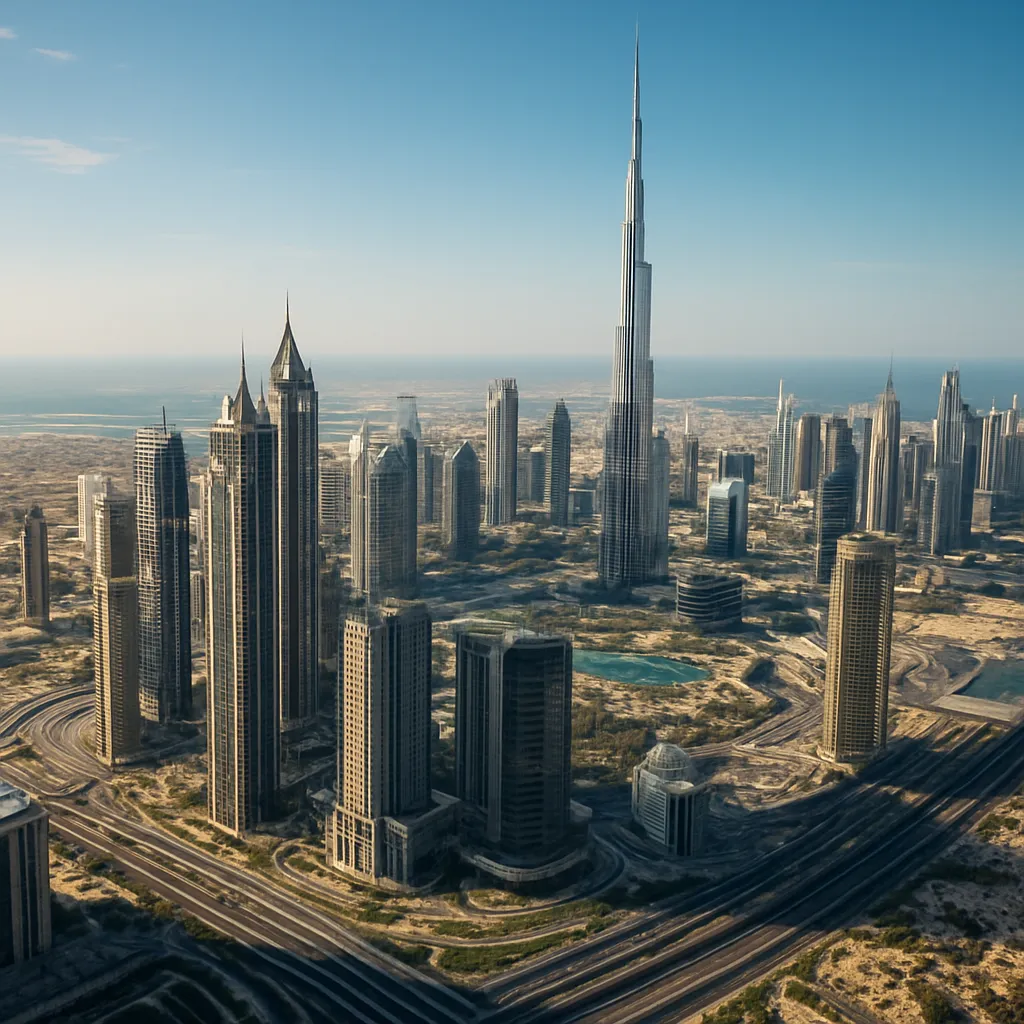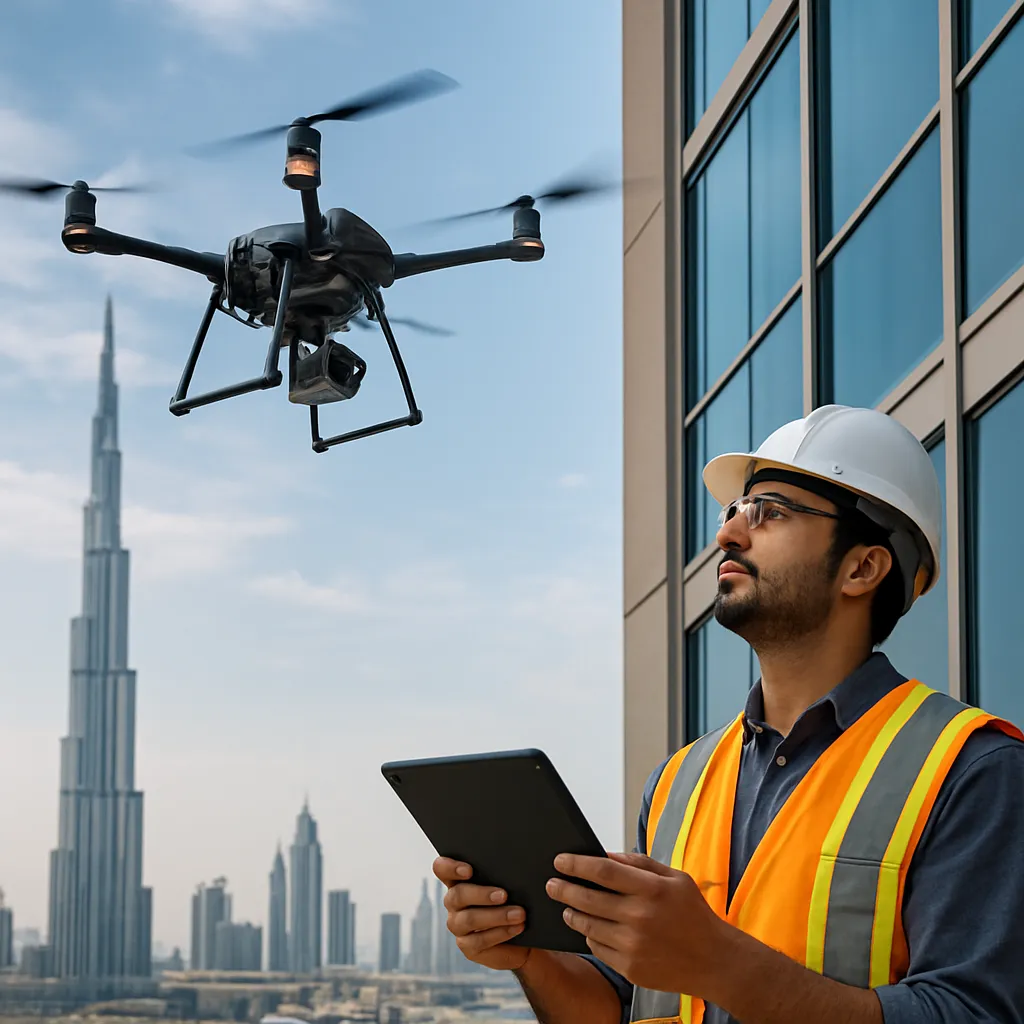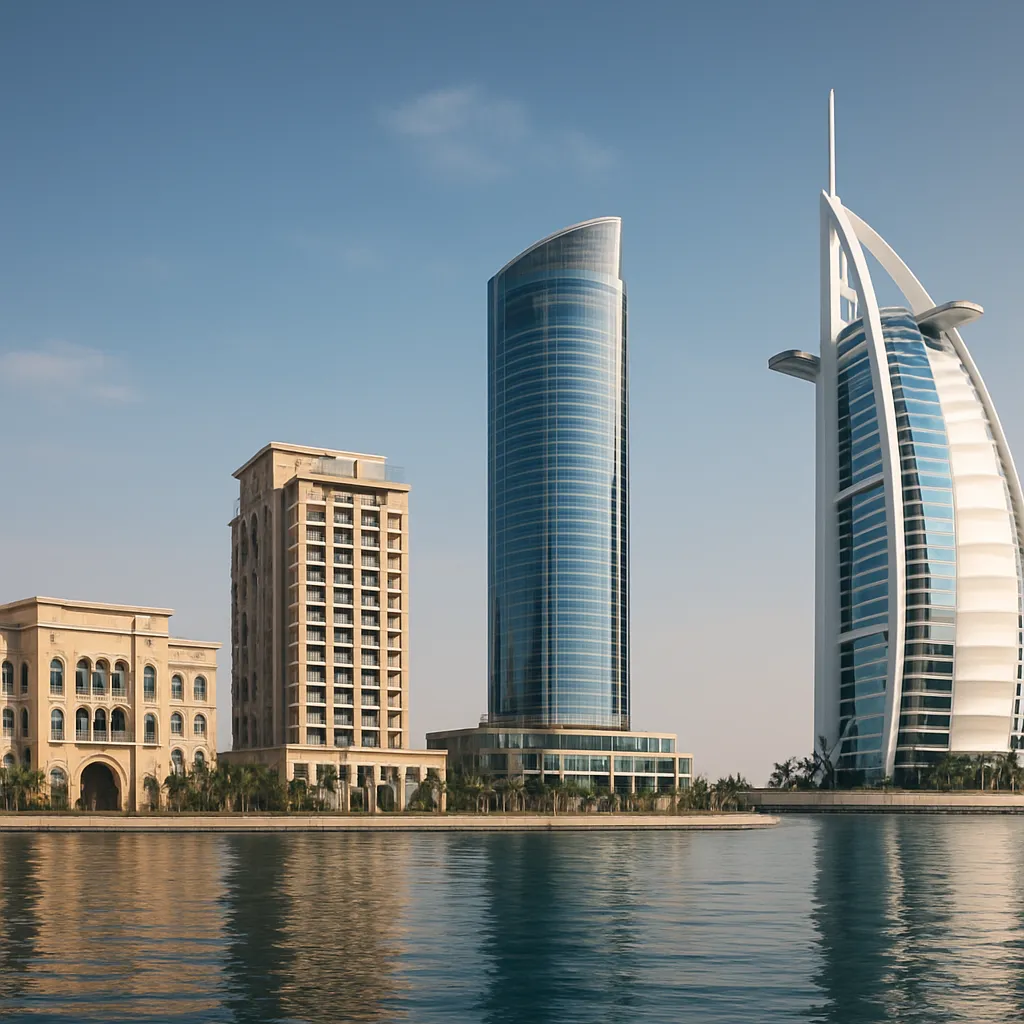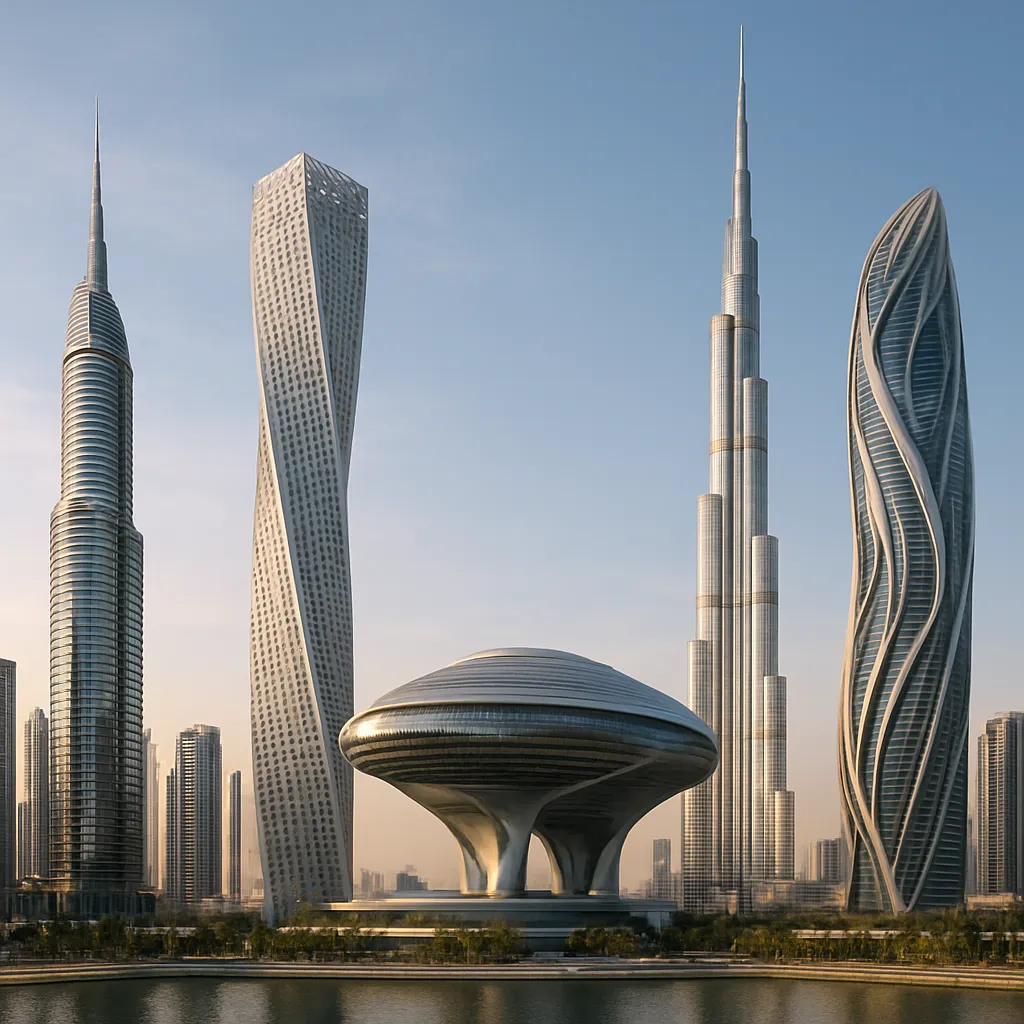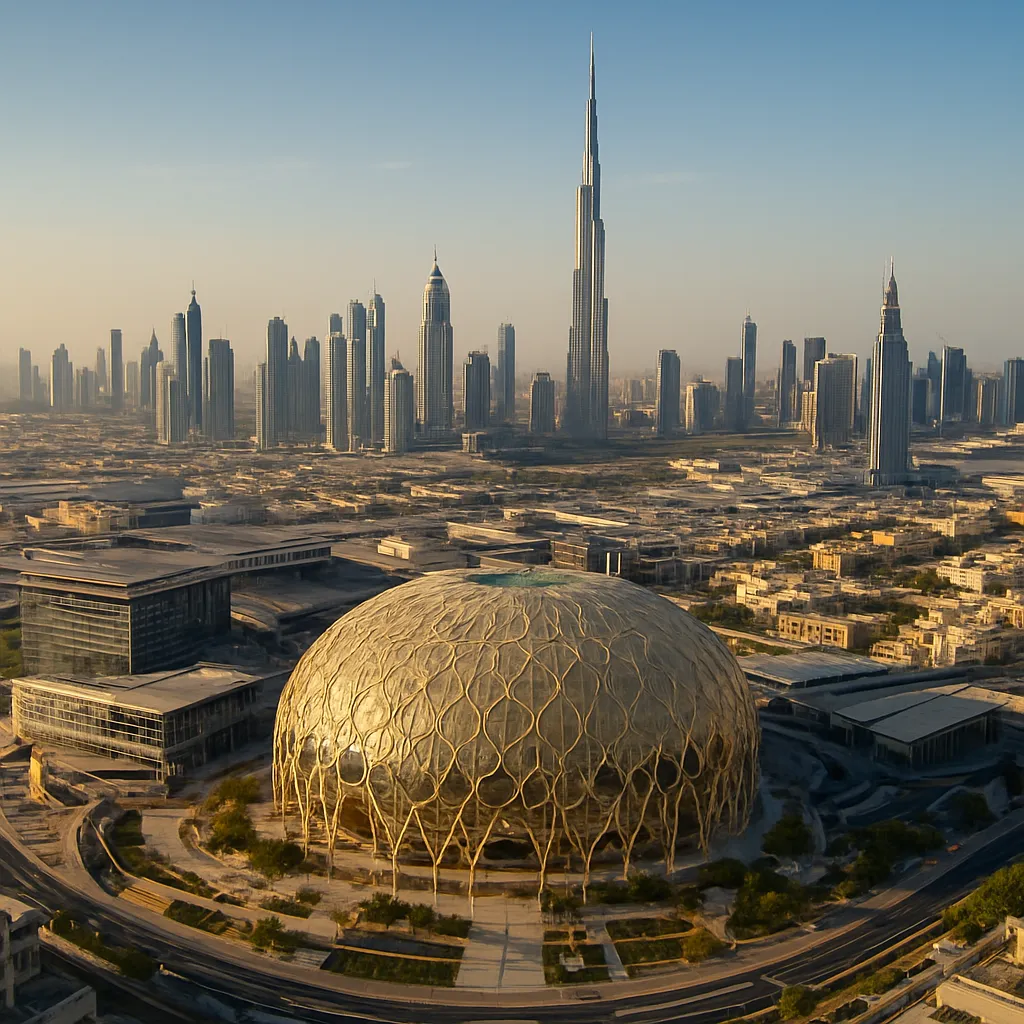
Dubai’s relentless drive toward architectural excellence found a new pinnacle with Expo 2020. This global event not only showcased the city’s ambition but also left a profound mark on its urban landscape. From groundbreaking pavilion designs to upgraded transportation arteries, Expo 2020 has redefined Dubai’s approach to urbanism and set the stage for further transformation.
Vision and Architectural Innovation at Expo 2020
The blueprint for Expo 2020 emerged from a commitment to innovation and cultural exchange. Planners envisioned a site that would transcend a one-off exhibition, becoming a dynamic district seamlessly integrated into the city’s fabric. At the core of this vision was a master plan that emphasized flexible land use, pedestrian-friendly corridors, and a balance between built form and open space.
Master Planning Principles
- Strategic zoning to group pavilions by theme: Opportunity, Mobility, and Sustainability.
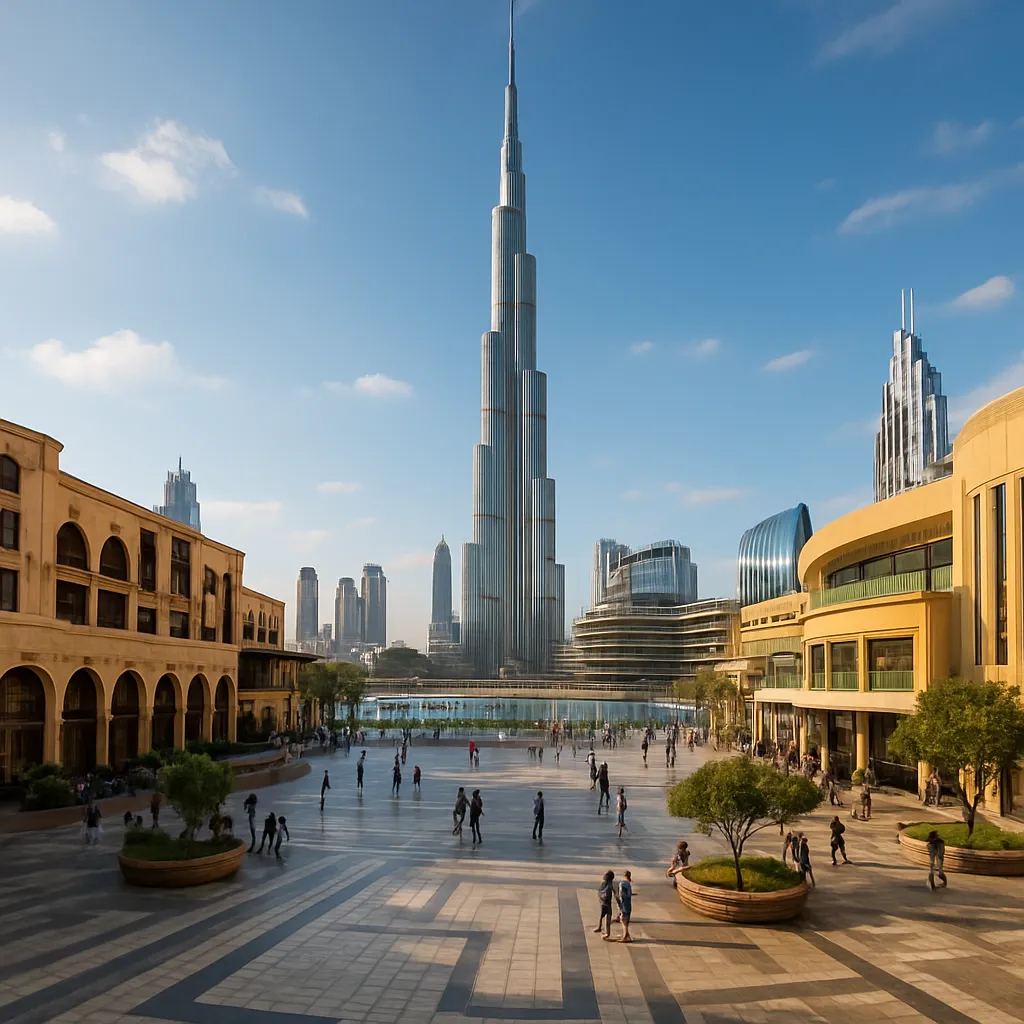
- Wide promenades and shaded arcades promoting walkability in a desert climate.
- Integration of green corridors to create microclimates and support local biodiversity.
- Provision for future expansion and repurposing into District 2020.
These principles guided architects to experiment with modular structures and adaptive façades, ensuring long-term viability and resilience.
Iconic Pavilions and Their Designs
Expo 2020’s pavilions became stages for iconic architectural statements. The UAE Pavilion, with its soaring falcon-inspired wings, harnessed solar energy through thousands of photovoltaic panels. The Sustainability Pavilion featured a water recycling system that misted cooling air through evaporative towers. Meanwhile, the Alif – The Mobility Pavilion – employed a kinetic façade that changed shape in response to environmental conditions.
- UAE Pavilion: A symbol of national pride and cutting-edge solar technology.
- Mobility Pavilion: Interactive exhibits coupled with a dynamic kinetic roof.
- Sustainability Pavilion: Demonstrations of water harvesting and plant-based cooling.
- Terra – The Planet Pavilion: World’s first net-zero carbon expo pavilion.
- Opportunity Pavilion: A celebration of human ambition and global cooperation.
Infrastructure Upgrades and Urban Connectivity
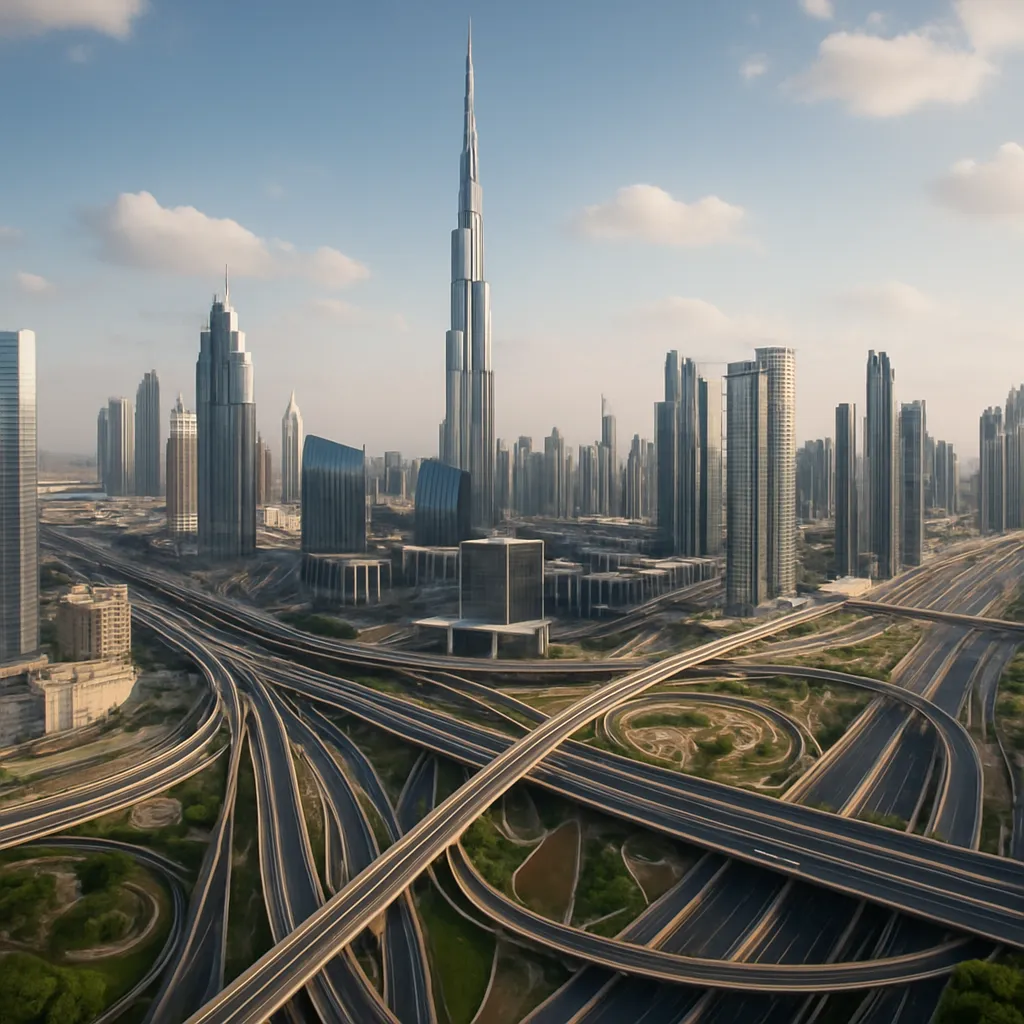
Expo 2020 catalyzed a series of infrastructure projects that extended well beyond the site’s perimeter. The extension of the Dubai Metro’s Route 2020 branch added several new stations, forging rapid links between the expo grounds and downtown Dubai. A dedicated fleet of electric shuttles and waterside abra boats further enhanced last-mile mobility.
Key upgrades included:
- Extension of Metro Red Line to the Expo site, reducing travel time to less than 30 minutes from central hubs.
- New arterial roads and bridges, relieving congestion on Emirates Road.
- State-of-the-art parking facilities with real-time occupancy monitoring.
- Upgraded utilities network: smart grids, high-capacity water mains, and waste-to-energy systems.
These enhancements not only supported millions of visitors but also laid a robust foundation for the district’s post-expo phase.
Sustainable Architecture and Adaptive Reuse
From the outset, sustainability was woven into Expo 2020’s DNA. Designers leveraged passive cooling, recycled materials, and renewable energy, aiming for a legacy of sustainability rather than a temporary spectacle. When the expo doors closed, the site entered a meticulous transformation toward District 2020, a mixed-use destination championing resilience and long-term development.
Green Building Certifications
- LEED Platinum goals for multiple pavilions.
- Estidama Pearl certifications adapted for regional context.
- Integration of rainwater harvesting and greywater treatment plants.
Over 80% of built materials were designed for disassembly, enabling components to be relocated or repurposed. This approach minimized construction waste and fostered a circular economy mindset in Dubai’s building sector.
Adaptive Reuse Strategies
- Conversion of exhibition halls into co-working spaces, galleries, and innovation labs.
- Transformation of legacy villas into affordable housing units.
- Revitalization of open plazas into community parks and event venues.
These strategies exemplify how large-scale events can leave a positive footprint by reimagining infrastructure for everyday use.
District 2020: A Living Legacy
District 2020 stands as the living embodiment of Expo 2020’s ethos. It spans over 4.3 square kilometers and is poised to host global businesses, research centers, and educational institutions. Crucially, it exemplifies the shift from exhibition grounds to a vibrant urban quarter, demonstrating Dubai’s mastery of strategic infrastructure planning.
The district’s master plan emphasizes:
- Mixed-use zoning combining residential, commercial, and cultural functions.
- Networked public spaces encouraging social interaction and creative exchange.
- Advanced mobility solutions, including autonomous shuttles and e-bike lanes.
- Integrated health and wellness hubs promoting holistic living.
By nurturing a live-work-play ecosystem, District 2020 is shaping a model of post-event urbanism that other host cities may emulate.
Looking Ahead: Ongoing Transformation and Growth
The impact of Expo 2020 on Dubai’s skyline and urban dynamics continues to unfold. New residential towers and office blocks are rising on the former expo site, while startups and multinational corporations are relocating to purpose-built innovation hubs. The blend of connectivity, sustainability, and adaptive architecture has created fertile ground for economic diversification.
Architects and planners are now exploring:
- Smart city technologies: IoT-enabled streetlights, AI-driven traffic optimization, and digital twin simulations.
- Hydroponic agriculture integrated into high-rise façades.
- Resilient design measures to counter extreme heat and sandstorms.
- Collaborative urban studios fostering cross-disciplinary design solutions.
As District 2020 evolves, it will continue to inform Dubai’s broader urban strategy, reinforcing the city’s reputation as a global epicenter of architectural innovation and ambition.