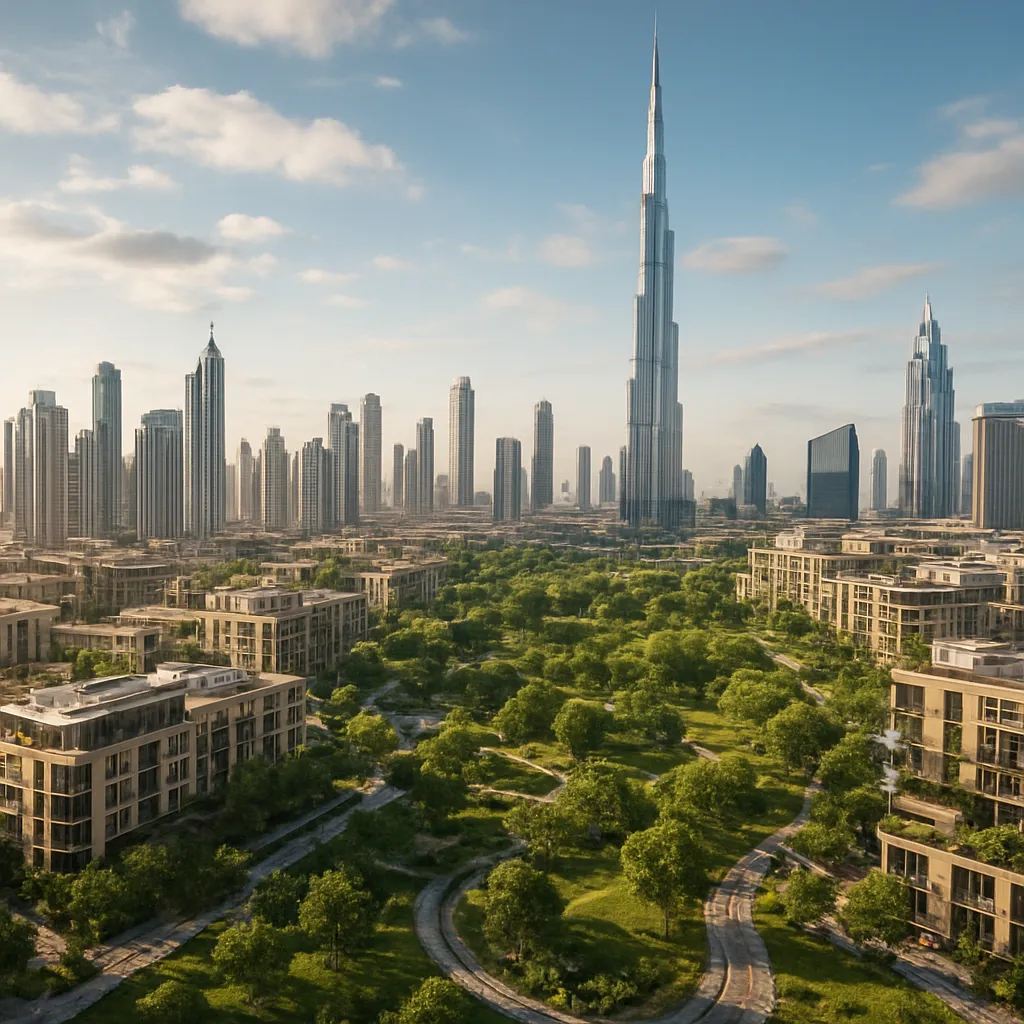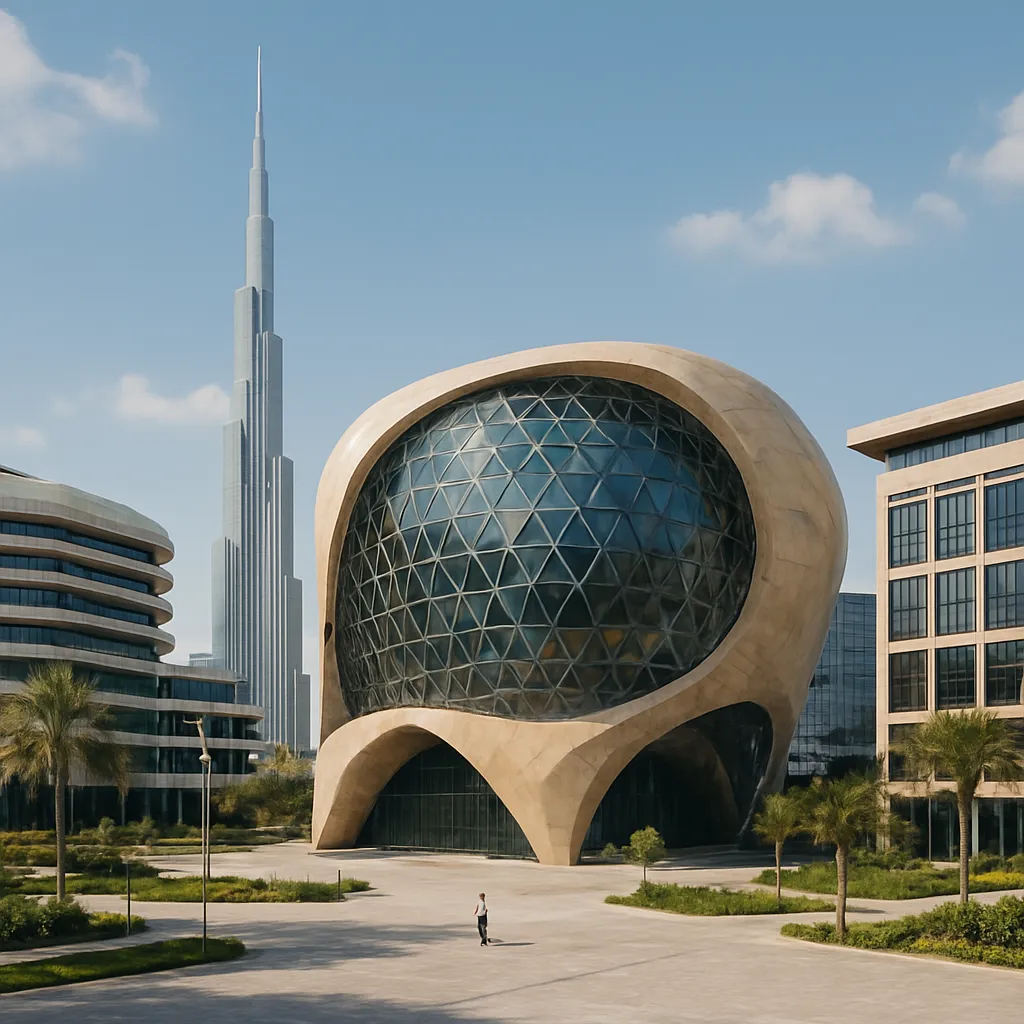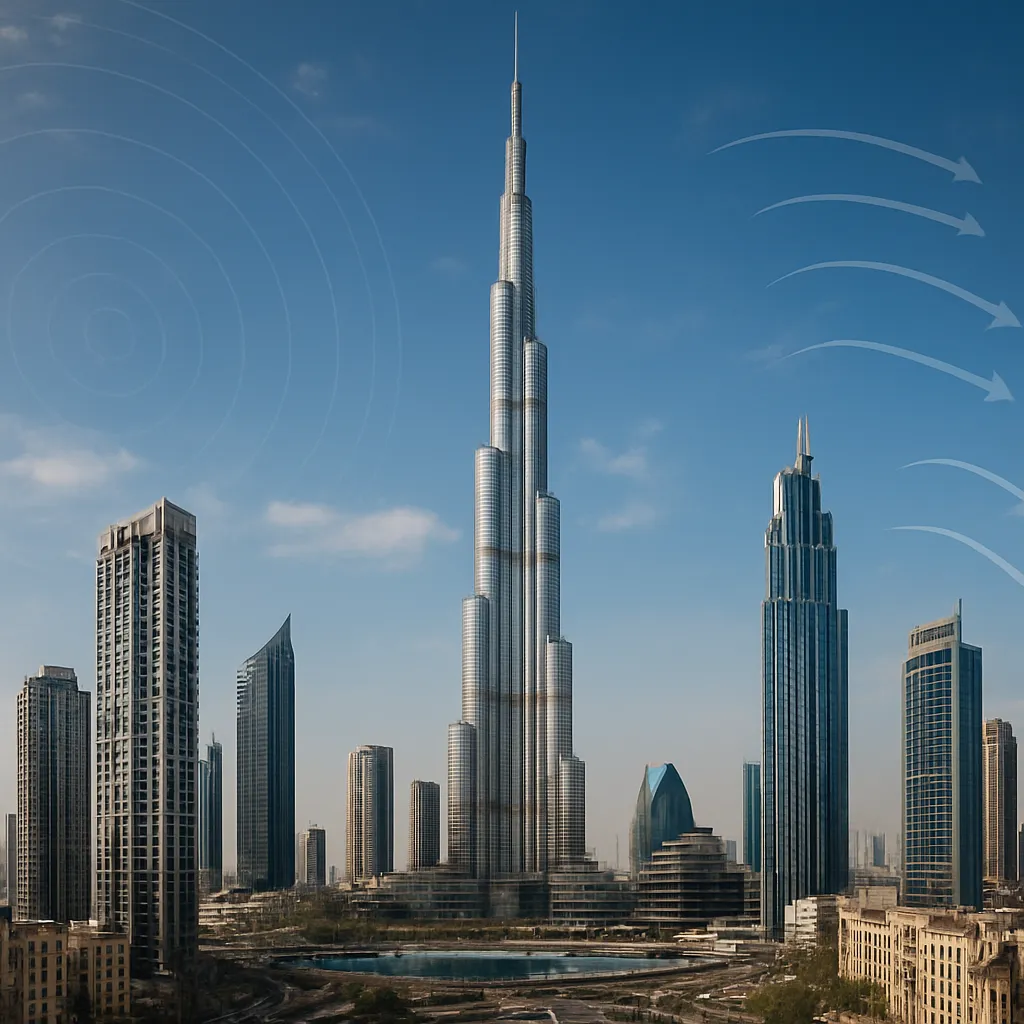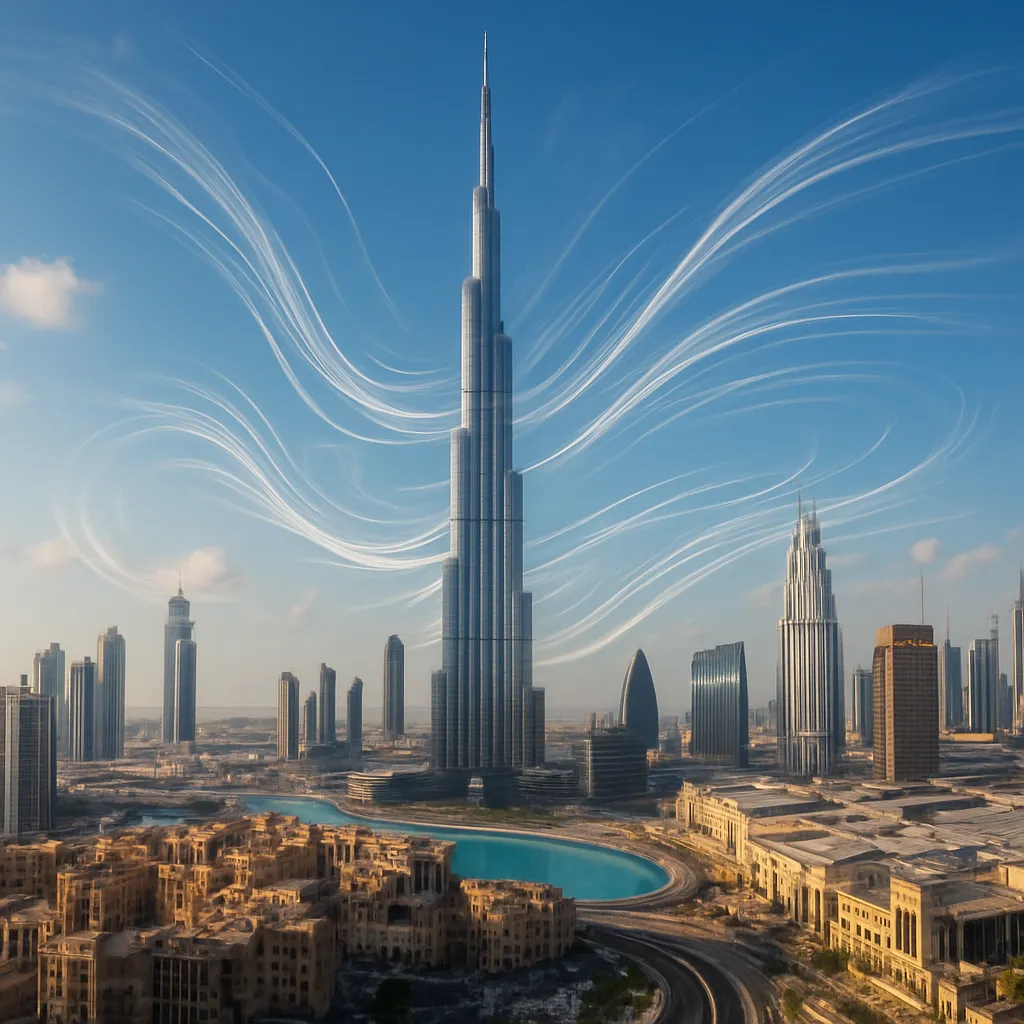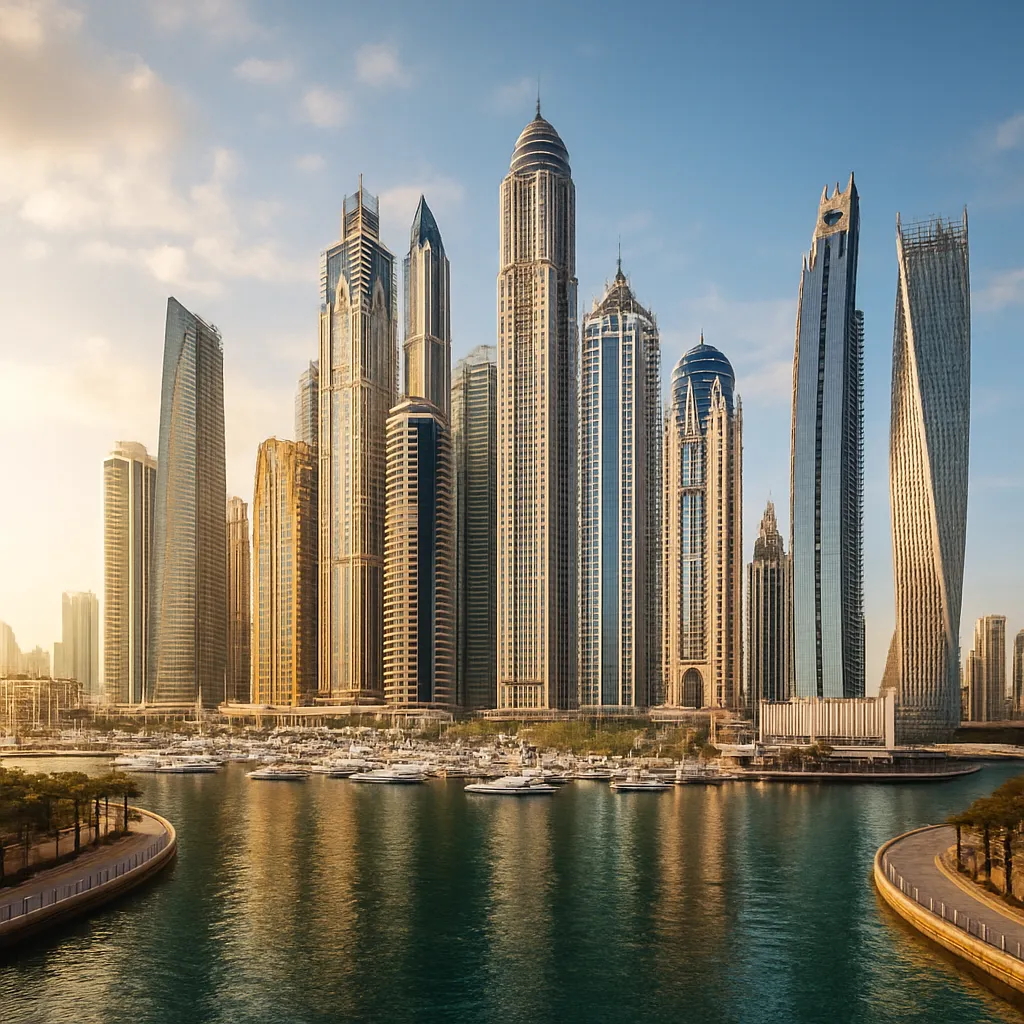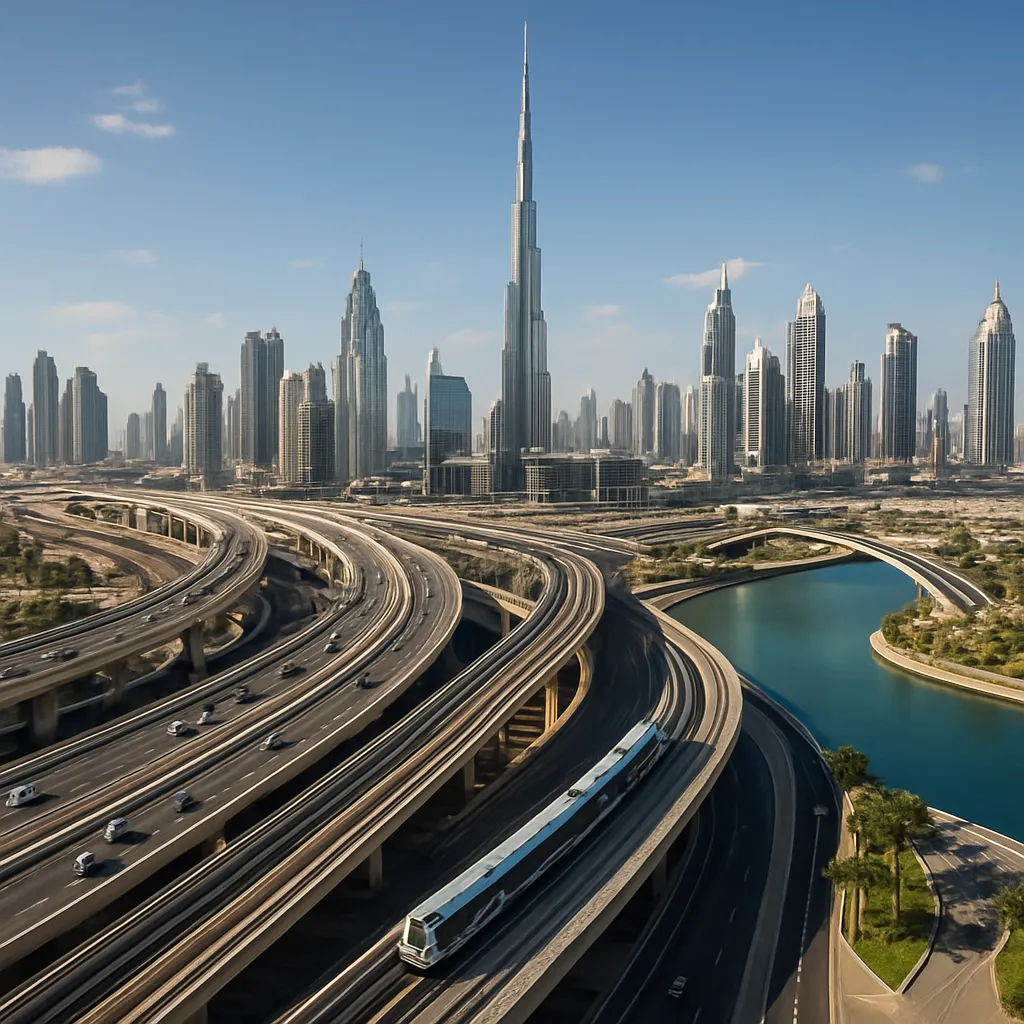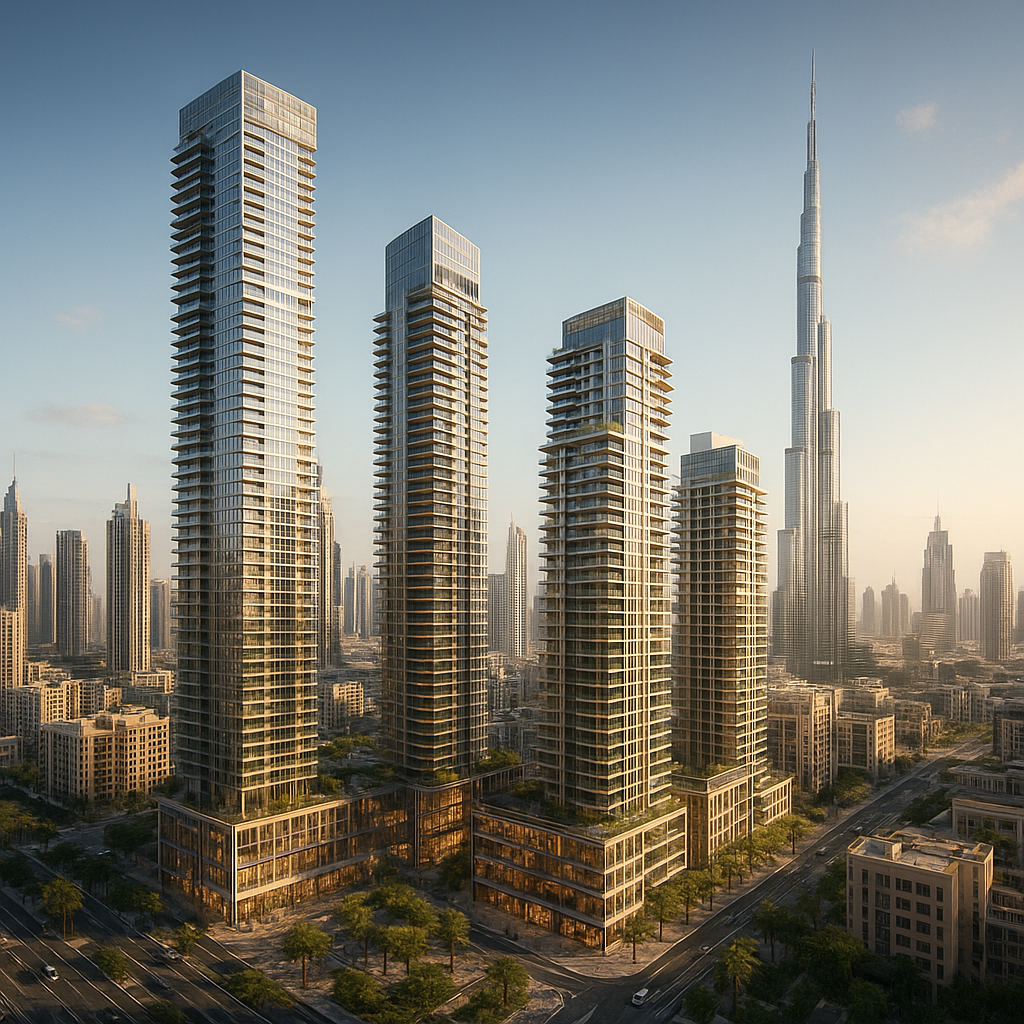
Dubai’s rapid transformation into a global metropolis has been driven by its audacious approach to urban planning, with mixed-use towers standing at the forefront of this evolution. These graceful skyscrapers combine residential, commercial, and leisure spaces under a single roof, creating dynamic vertical communities that challenge traditional zoning practices. By blending multiple functions in one structure, these developments reshape the city’s skyline, foster greater connectivity, and showcase an era of architectural innovation.
Mixed-Use Towers Redefining Dubai’s Skyline
The concept of mixed-use towers in Dubai has gained momentum as developers and city planners pursue projects that maximize land usage, reduce commuting times, and enhance the urban experience. Unlike standalone office blocks or residential high-rises, these vertical complexes are designed to cater to diverse needs:
- Residential apartments with panoramic views of the city and coastline
- Grade-A office spaces equipped with smart building technologies
- Retail outlets and luxury boutiques occupying podium levels
- Restaurants, cafés, and wellness centers offering exclusive amenities
- Green terraces, sky gardens, and recreational facilities on multiple levels
By integrating these elements, developers ensure a seamless interaction between work, living, and leisure. A stroll from a high-end restaurant to a corporate boardroom can occur without stepping onto the busy streets, enhancing both convenience and safety. This synergy not only accelerates the pace of daily life but also nurtures vibrant communities where residents, employees, and visitors coexist in synergy.
Architectural Innovation and Sustainable Practices
The rise of mixed-use towers in Dubai is inseparable from the city’s reputation for daring architectural feats. From curved façades to interlocking volumes, architects employ cutting-edge design principles to craft signature landmarks:
- Biomimetic forms inspired by natural patterns and local heritage
- High-performance façades that reduce solar gain and enhance thermal comfort
- Rotational and cantilevered sections that create sky terraces and observation decks
- Adaptive floor plans that can be reorganized to suit evolving tenant requirements
- Iconic silhouettes that contribute to Dubai’s globally recognized profile
In parallel, environmental responsibility has become a critical driver for new projects. Dubai’s commitment to sustainability has led to the adoption of several green building standards and initiatives:
- LEED and Estidama ratings targeting energy efficiency and reduced water consumption
- Solar panels integrated into façades and rooftops to harness renewable power
- Greywater recycling systems for landscaping and non-potable usage
- High-efficiency HVAC systems with smart monitoring and control
- Urban heat island mitigation through strategic placement of vegetation
These efforts underscore the balance between spectacle and stewardship. In embracing sustainable technologies, Dubai’s mixed-use towers stand as testaments to responsible development, proving that luxury and eco-conscious design can coexist harmoniously.
Economic Impact and Urban Development
The proliferation of mixed-use towers has far-reaching implications for Dubai’s economy and cityscape. By consolidating diverse functions into a single footprint, developers and investors unlock new revenue streams while addressing critical urban challenges:
- Optimized land utilization in prime locations, reducing sprawl
- Steady rental income from residential units, office leases, and retail outlets
- Job creation in construction, property management, hospitality, and retail sectors
- Reduced traffic congestion due to on-site amenities and integrated public transport links
- Enhanced property values through premium mixed-use addresses
As demand for flexible living and working spaces grows, international businesses are drawn to these towers for their prestige and operational efficiency. Companies can occupy a few floors for corporate headquarters while employees benefit from nearby services and recreational facilities. Residents relish the convenience of having shops, gyms, and coworking lounges just an elevator ride away.
Municipal authorities, meanwhile, leverage mixed-use developments to meet strategic objectives, such as diversifying the economy and reducing dependence on traditional oil revenues. New districts emerge around these towering landmarks, often supported by major transport projects like metro lines and skybridges, cementing Dubai’s status as a global hub for tourism, trade, and investment.
Future Outlook and Challenges
Looking ahead, the trajectory of mixed-use towers in Dubai appears poised for further acceleration. Upcoming technologies and planning philosophies promise even more integrated and adaptive buildings:
- Smart city platforms that connect every apartment, office, and retail unit via IoT sensors
- Vertical farming and urban agriculture incorporated into mid- and high-rise podiums
- Modular construction techniques to reduce build times and material wastage
- Dynamic façade systems that respond to weather conditions in real time
- Mixed-mobility hubs combining autonomous shuttles, electric vehicles, and bike-sharing
However, these ambitions come with significant challenges. Rapid expansion can strain infrastructure, push up land prices, and widen socioeconomic disparities if not managed carefully. Ensuring affordable housing within prime mixed-use zones remains a key concern, as does the need for continual upgrades to utilities and transportation networks to service growing populations.
Moreover, the delicate balance between iconic design and environmental responsibility will require sustained collaboration between developers, regulators, and community stakeholders. Dubai’s ability to maintain its competitive edge in the global real estate market will hinge on fostering innovation while preserving its unique cultural identity and natural resources.
Ultimately, the rise of mixed-use towers in Dubai represents more than just an architectural trend. It reflects a bold vision of the future where cities are conceived as vertical ecosystems, promoting efficient land use, reducing ecological footprints, and delivering elevated lifestyles. As these towering complexes continue to reshape the metropolis, they will serve as powerful symbols of Dubai’s commitment to architecture, urban ingenuity, and visionary development.