Al Fahidi Historical Neighborhood, nestled in the heart of Dubai, stands as a testament to the city’s rich architectural heritage and cultural history. This area, often overshadowed by the towering skyscrapers and modern marvels of Dubai, offers a glimpse into the past, showcasing traditional Emirati architecture and a way of life that has largely been preserved over the years.
The Historical Significance of Al Fahidi
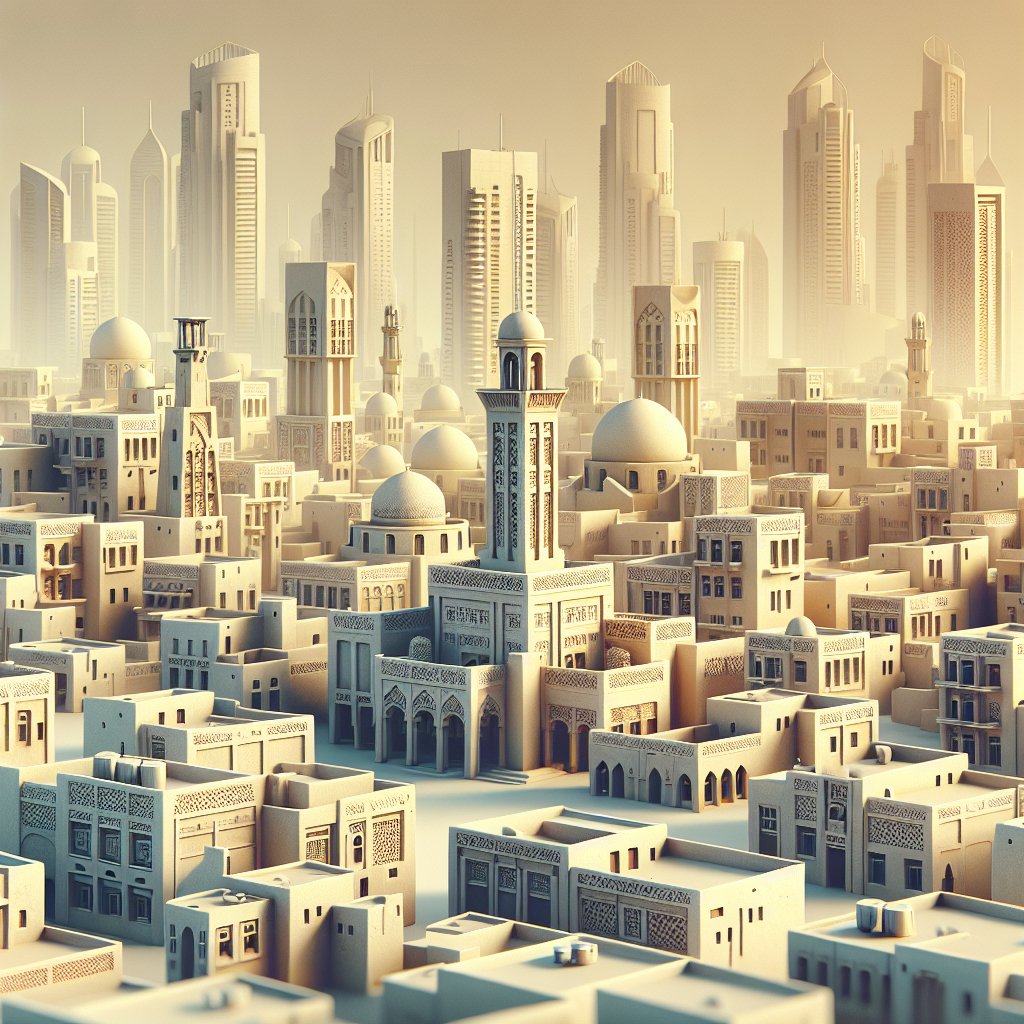
The Al Fahidi Historical Neighborhood, also known as Al Bastakiya, is one of the oldest heritage sites in Dubai. Established in the late 19th century, it was originally home to Persian merchants who were drawn to Dubai by its strategic location and burgeoning trade opportunities. The neighborhood’s architecture is characterized by its narrow lanes, wind towers, and traditional courtyard houses, which were designed to combat the harsh desert climate.
Wind towers, or “barjeel,” are a distinctive feature of the buildings in Al Fahidi. These structures were an early form of air conditioning, capturing the wind and directing it down into the homes to cool the interiors. This ingenious design is a reflection of the resourcefulness and adaptability of the early settlers, who utilized available materials and techniques to create comfortable living spaces in the desert environment.
Al Fahidi’s historical significance is not only architectural but also cultural. The neighborhood was a hub of social and economic activity, with bustling souks and vibrant community life. It played a crucial role in the development of Dubai as a trading port, connecting the city to the wider world through its merchants and traders. Today, Al Fahidi stands as a reminder of Dubai’s humble beginnings and its journey to becoming a global metropolis.
Preservation Efforts and Cultural Revival
In recent years, there has been a concerted effort to preserve and restore the Al Fahidi Historical Neighborhood. Recognizing its cultural and historical value, the Dubai government has undertaken extensive restoration projects to maintain the integrity of the area. These efforts have been aimed at not only preserving the physical structures but also reviving the cultural heritage and traditions associated with the neighborhood.
The restoration process has involved meticulous attention to detail, ensuring that the original architectural features are retained while incorporating modern amenities to make the area accessible to visitors. The use of traditional materials and techniques has been prioritized to maintain the authenticity of the buildings. This has been complemented by initiatives to promote cultural activities and events that celebrate the heritage of Al Fahidi.
Today, Al Fahidi is a vibrant cultural hub, attracting tourists and locals alike. The neighborhood is home to several museums, art galleries, and cultural centers that offer a glimpse into Dubai’s past. The Sheikh Mohammed Centre for Cultural Understanding, located in Al Fahidi, plays a pivotal role in promoting cross-cultural dialogue and understanding, offering visitors a chance to learn about Emirati culture and traditions.
In addition to its cultural offerings, Al Fahidi hosts a variety of events and festivals throughout the year, including the Sikka Art Fair and the Dubai International Art Centre’s exhibitions. These events provide a platform for local and international artists to showcase their work, further enriching the cultural landscape of the neighborhood.
The preservation of Al Fahidi is a testament to Dubai’s commitment to honoring its past while embracing the future. As the city continues to grow and evolve, Al Fahidi serves as a reminder of the importance of preserving cultural heritage and the stories that shape a community’s identity. Through ongoing preservation efforts and cultural initiatives, Al Fahidi remains a living museum, offering a window into the rich history and traditions of Dubai.