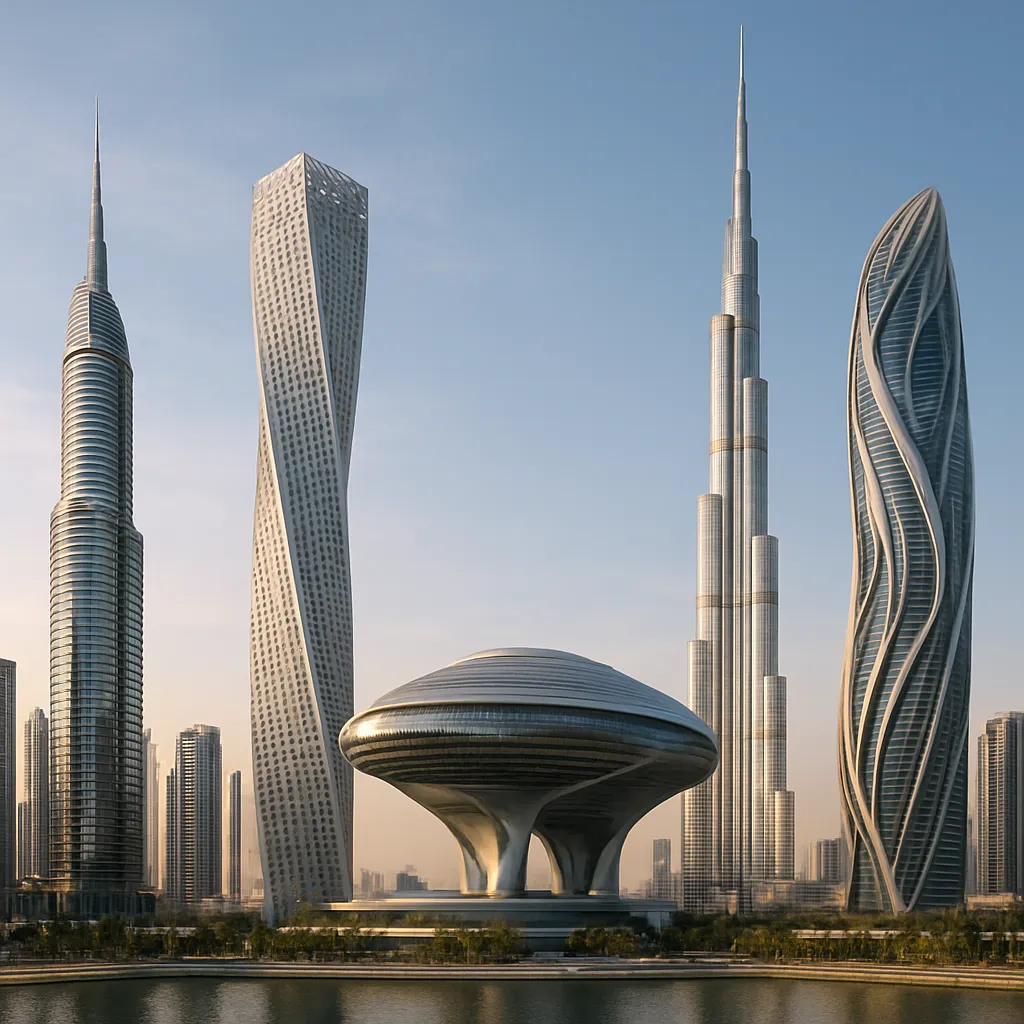
Dubai’s skyline is defined by two extraordinary structures, each embodying the city’s ambition and cutting-edge vision. Burj Khalifa and Burj Al Arab stand as towering testaments to human ingenuity, seamlessly blending form, function, and extravagance. These **iconic** landmarks not only reshape the cityscape but also elevate Dubai’s status as a global hub for **tourism**, **luxury**, and **innovation**. Exploring their unique characteristics sheds light on the extraordinary feats of **architecture** and **engineering** that made them possible.
Architectural Marvels on the Skyline
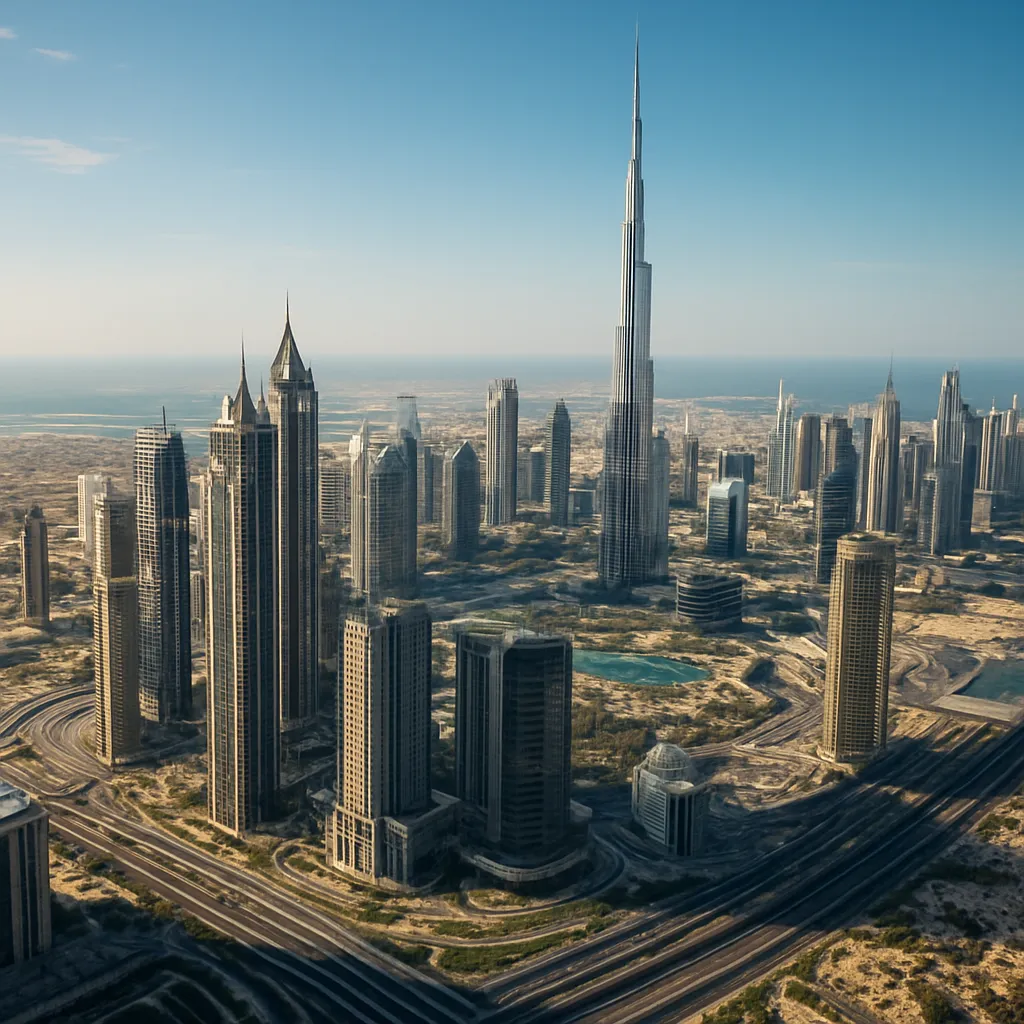
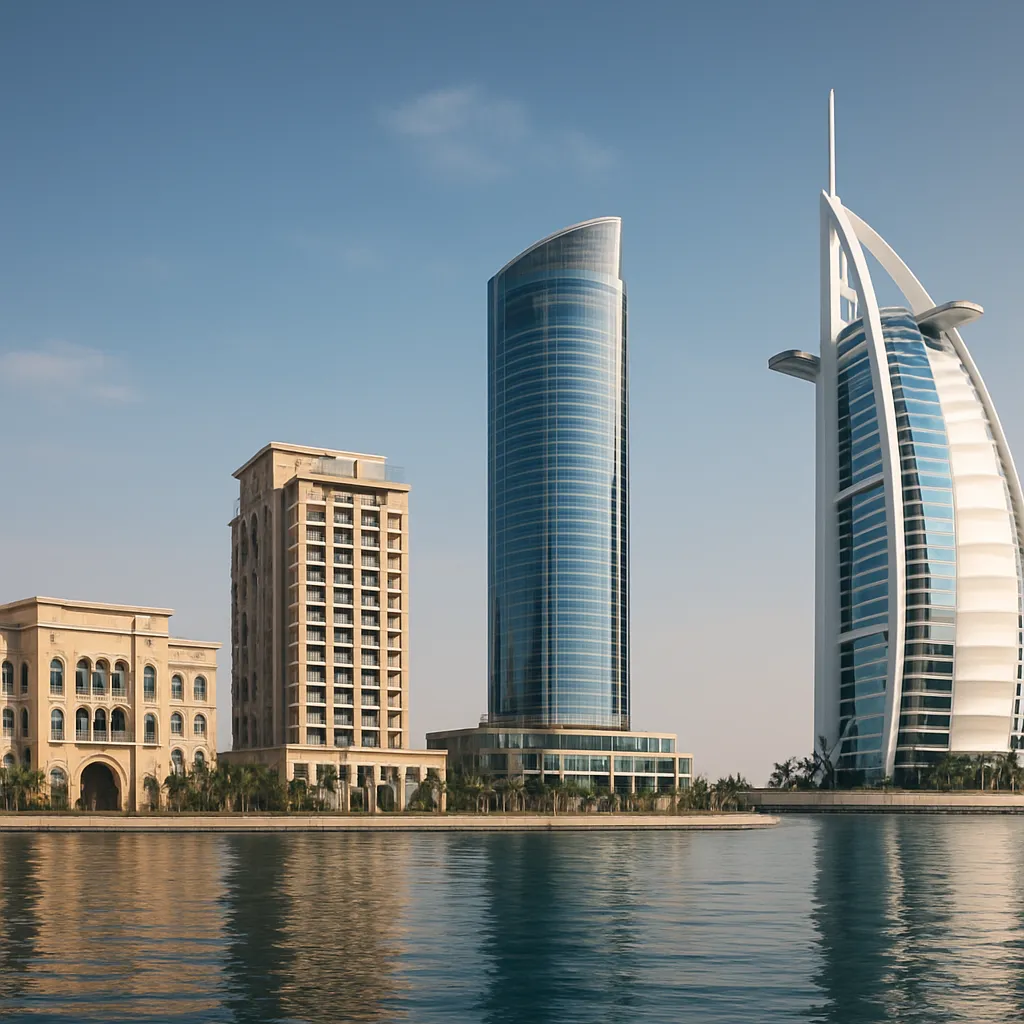
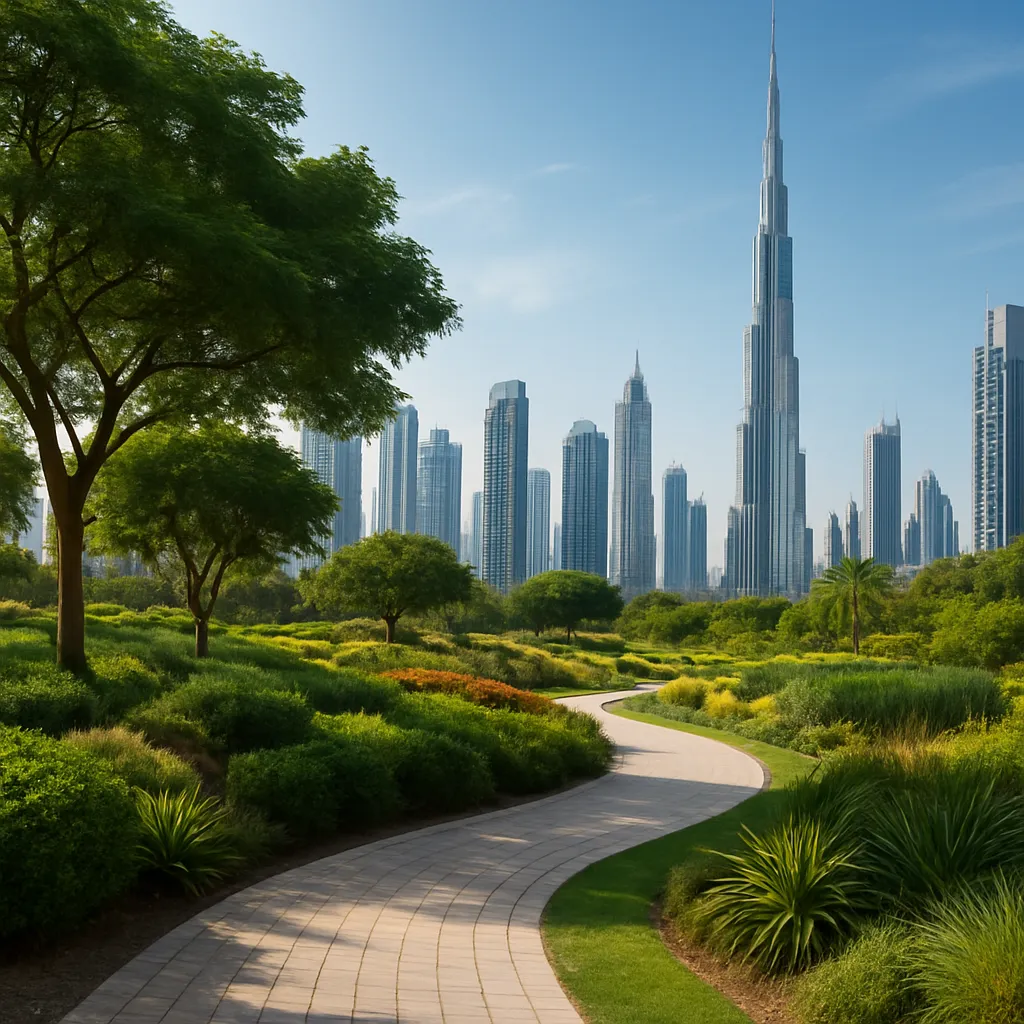
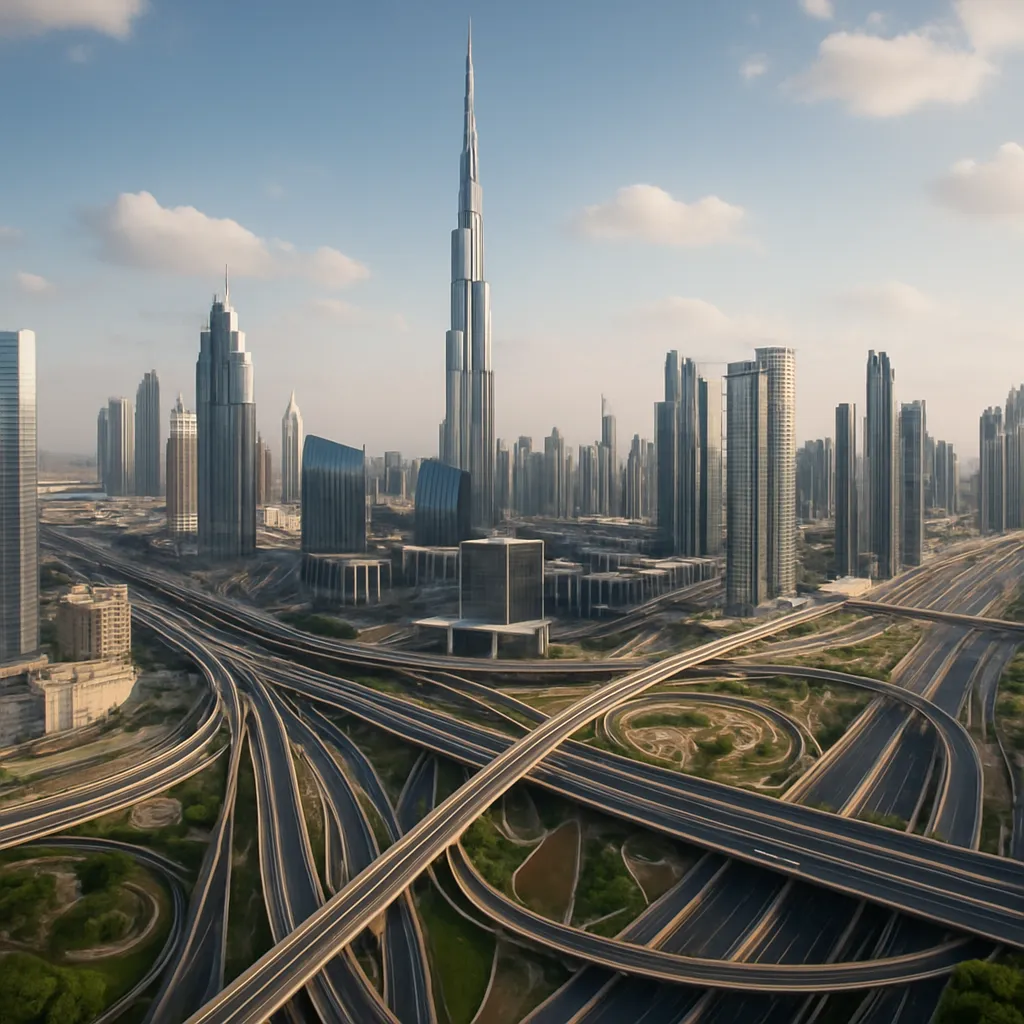
The Burj Khalifa, soaring to an unprecedented height of 828 meters, redefined what a **skyscraper** could achieve. Designed by Adrian Smith of Skidmore, Owings & Merrill, its sleek, tapered form draws inspiration from the desert spider lily. In contrast, the Burj Al Arab stands on its own artificial island and takes the shape of a billowing sail, symbolizing Dubai’s maritime heritage. Architect Tom Wright conceived this wave-like structure to become a symbol of both tradition and **modernity**.
Comparative Heights and Silhouettes
- Burj Khalifa: Reaches 828 meters with 163 floors above ground.
- Burj Al Arab: Stands 321 meters tall with its distinctive sail shape.
While Burj Khalifa dominates with its staggering height, Burj Al Arab captures attention with its dramatic **silhouette**, visible from many points within Dubai. Both buildings have become synonymous with the city’s identity, each offering a unique visual statement against the azure Arabian Gulf.
Design and Engineering Feats
Constructing structures of such scale demanded pioneering **engineering** methods and rigorous planning. Each project faced immense challenges, from foundation work to material selection and load-bearing considerations.
Foundation and Structural Systems
- Burj Khalifa’s foundation is anchored by a massive reinforced concrete mat, supported by bored reinforced concrete piles, extending 50 meters below ground.
- Burj Al Arab’s island foundation comprises 230 concrete piles driven 40 meters deep into the sand, ensuring stability against waves and wind.
The elevated podium of the Burj Al Arab houses a two-story atrium, while the vertical spire extends above, requiring specialized wind-tunnel testing to optimize stability. On the other hand, the Burj Khalifa’s “buttressed core” structural system uses three wings arranged around a central core, granting unparalleled **stability** and load distribution for its record-breaking height.
Material Innovations
Both projects leveraged cutting-edge materials to meet their ambitious goals:
- High-strength concrete capable of withstanding Dubai’s temperature extremes.
- Lightweight steel sections to reduce weight without compromising safety.
- Advanced glazing systems offering thermal insulation and solar control.
These **innovations** were vital for managing the immense weight of each structure and ensuring comfort for occupants, despite the harsh desert climate.
Cultural and Economic Impacts
Beyond their physical presence, Burj Khalifa and Burj Al Arab have profound **cultural** and economic significance. They contribute to Dubai’s brand as a city of firsts, where the extraordinary becomes tangible reality.
Tourism and Global Recognition
- Burj Khalifa: Home to “At the Top,” an observation deck on levels 124 and 125, and level 148’s exclusive lounge, attracting over 2 million visitors annually.
- Burj Al Arab: Features the world’s only seven-star hotel (by self-proclaimed rating), hosting dignitaries, celebrities, and high-end travelers.
Both structures drive **tourism**, generating significant revenue for Dubai’s hospitality sector. They appear in countless films, commercials, and social media posts, reinforcing the emirate’s image as a playground for luxury and adventure.
Urban Development and Real Estate
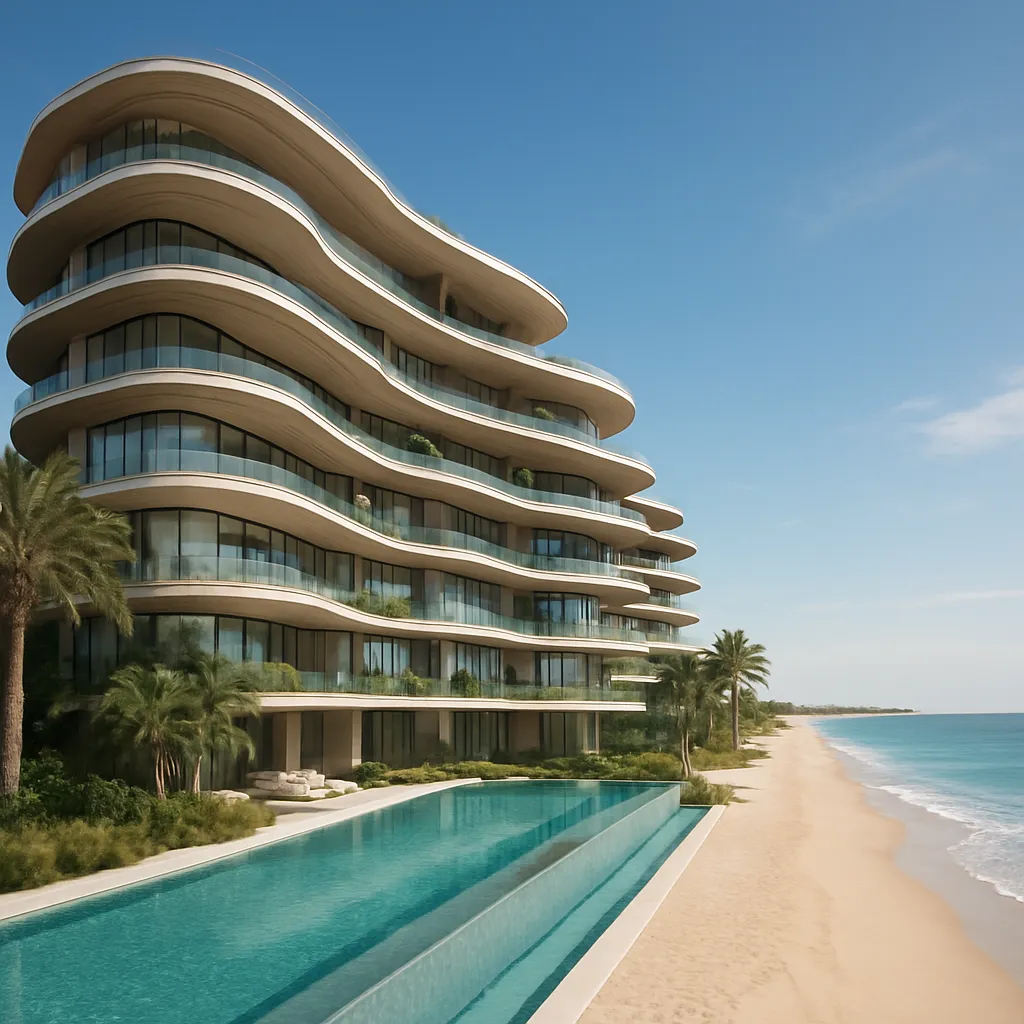
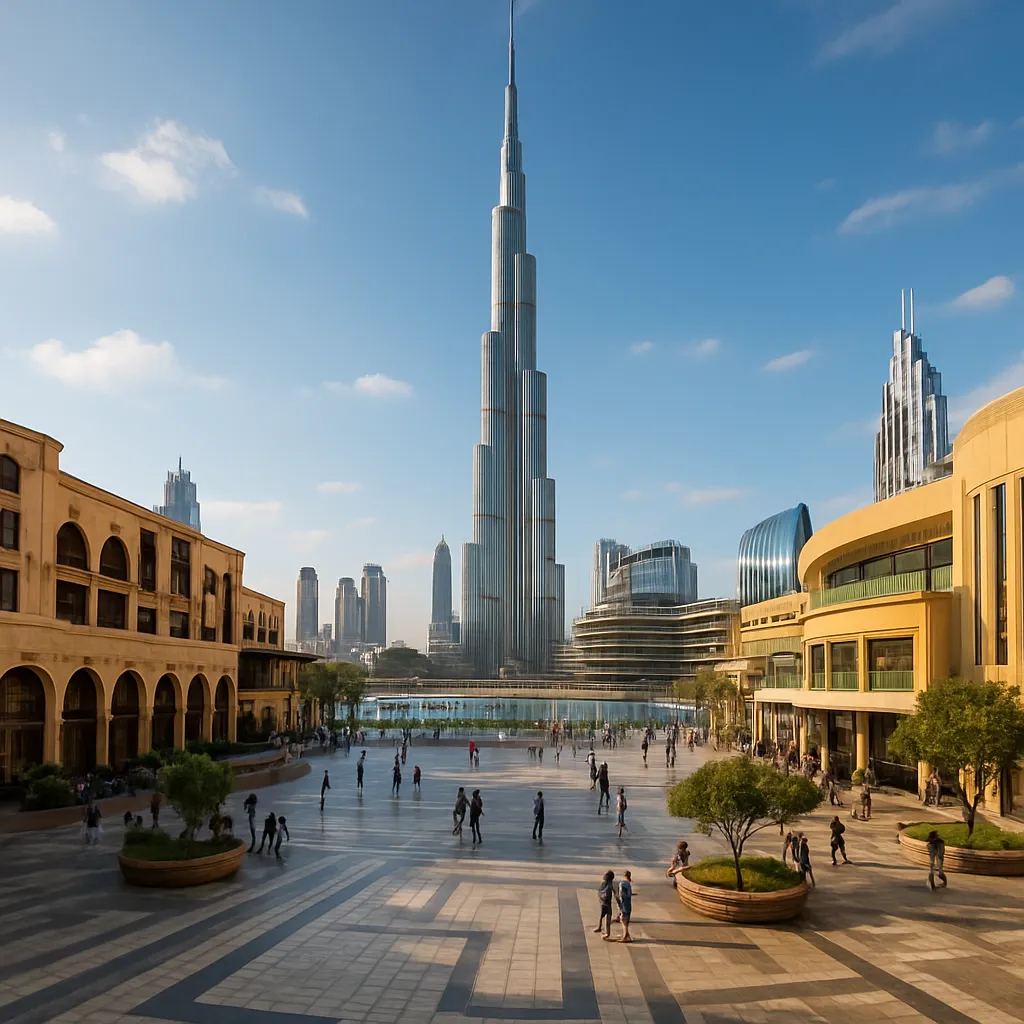
The arrival of these landmarks spurred large-scale development in Downtown Dubai and Jumeirah. Surrounding Burj Khalifa is a mixed-use district featuring the Dubai Mall, Dubai Fountain, and upscale residences. Near Burj Al Arab, exclusive beaches, marinas, and luxury resorts spread along Jumeirah’s coastline.
Property values skyrocketed as both icons attracted global investors, transforming nearby neighborhoods into some of the world’s most coveted addresses. The economic ripple effect extended to retail, dining, and entertainment sectors, solidifying Dubai’s position as a top international destination.
Visitor Experience and Luxury Amenities
Experiencing these landmarks is more than mere sightseeing; it’s an immersion into layers of **opulence** and world-class **hospitality**.
Burj Khalifa Observations and Facilities
- Observation Decks: Glass-floored viewpoints offering **panoramic** vistas of the city, desert, and ocean.
- The Atmosphere: A fine dining restaurant on level 122, combining gourmet cuisine with sweeping views.
- At Dubai Fountain: Synchronized water shows choreographed to music, set against the majestic height of Burj Khalifa.
Visitors can also explore exclusive luxury residences and premium office spaces within the tower, all serviced by ultra-modern elevators traveling up to 10 meters per second.
Burj Al Arab’s Unparalleled Service
- Royal Suite: Spanning two floors, with a private elevator, cinema room, and gold leaf detailing.
- Talise Spa: Perched on the 18th floor, offering therapeutic treatments with uninterrupted sea views.
- Indoor and Outdoor Pools: Infinity-edge designs overlooking the Gulf, accessible year-round.
Every detail at the Burj Al Arab is meticulously curated, from chauffeur-driven Rolls-Royces to personal butler service. The hotel’s dedication to extravagant experiences underlines Dubai’s pursuit of **excellence** in hospitality.
Legacy and Future Outlook
Both Burj Khalifa and Burj Al Arab stand as cornerstones of Dubai’s urban narrative. They inspired subsequent projects like the Dubai Frame, Ain Dubai wheel, and various mega-developments on Palm Jumeirah and The World islands.
Their success underscores the emirate’s strategy of melding **bold** architectural statements with economic diversification. As Dubai prepares for Expo 2020 legacies and upcoming events, these towers will continue to serve as beacons of possibility, attracting talents, investors, and dreamers worldwide.
Enduring symbols of ambition, Burj Khalifa and Burj Al Arab represent more than mere **structures**; they embody the spirit of a city unafraid to push boundaries and redefine what’s possible.