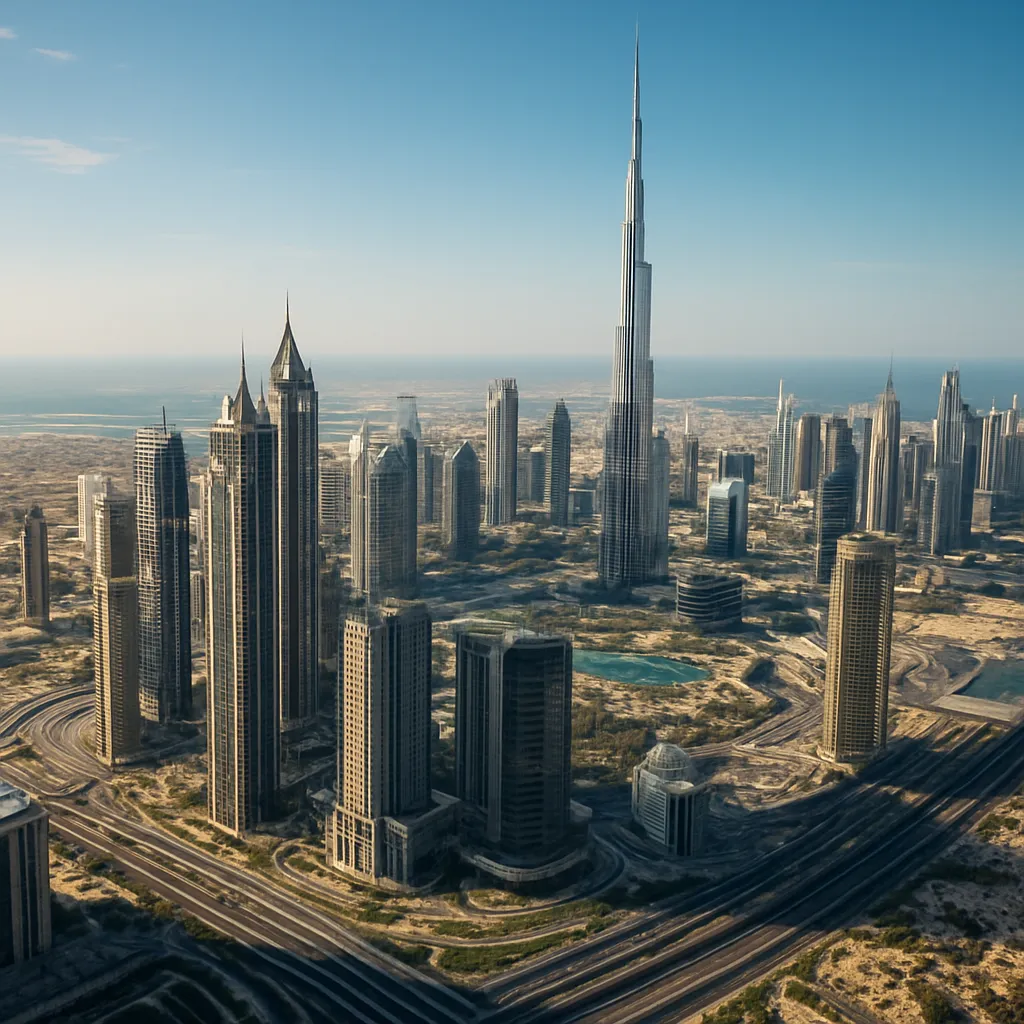
Nestled in the heart of Dubai, Sheikh Zayed Road stretches over 50 kilometers, weaving through the city’s pulse and uniting a procession of astonishing skyscrapers. This thoroughfare stands as a testament to human ambition, where each tower seems to vie for prominence in the ever-evolving skyline. Visitors and residents alike are greeted by an ensemble of high-rises that embody cutting-edge architecture, bold innovation, and cultural resonance. Embarking on a journey along this route reveals not just tall buildings, but a narrative of ambition, engineering prowess, and urban transformation.
Architectural Marvels Along the Boulevard
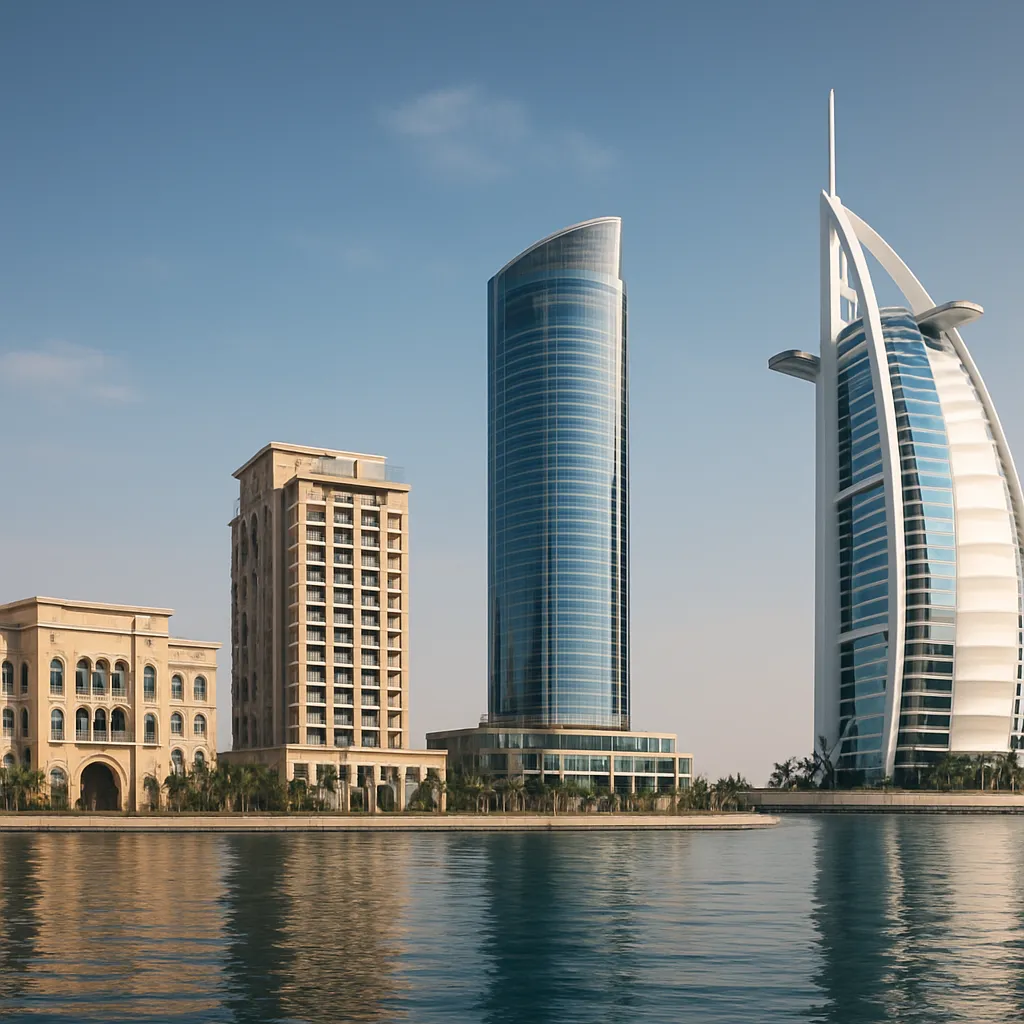
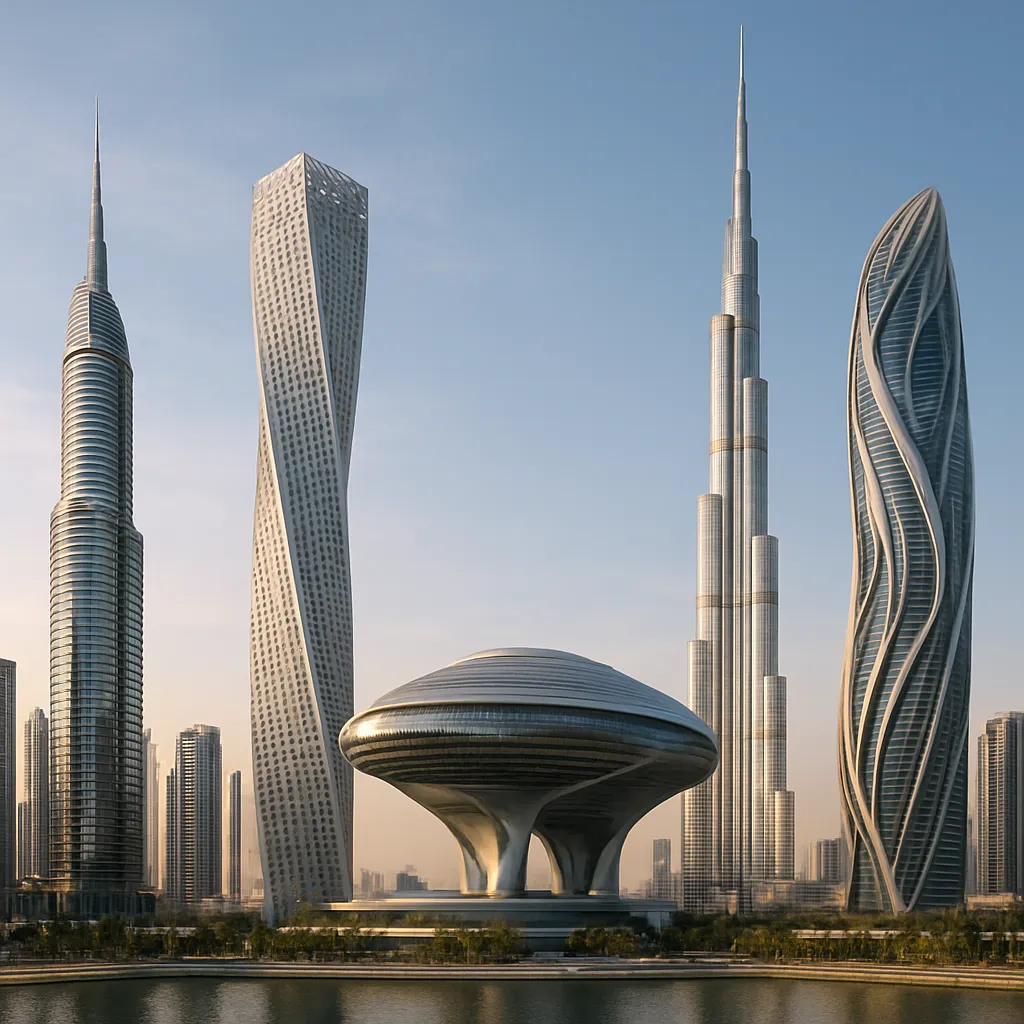
Sheikh Zayed Road is more than a highway; it’s a gallery of vertical masterpieces. Each structure is a chapter in Dubai’s meteoric rise from desert outpost to global metropolitan hub. From sleek towers with mirror-like glass façades to dynamic forms that defy gravity, these landmarks showcase an array of design philosophies. The boulevard serves as a runway for some of the world’s most dramatic silhouettes, reflecting an era of unprecedented growth.
- Emirates Towers: Twin triangular profiles rising to 355 meters, representing corporate elegance and sustainable design.
- Rose Rayhaan by Rotana: Once the tallest hotel, this 333-meter spire glimmers with blue-tinted glass, offering a panorama that captivates guests.
- Burj Khalifa (view from afar): Though set slightly east, its immense presence dominates the skyline visible from Sheikh Zayed Road.
- Index Tower: Showcases mixed-use ingenuity at 328 meters, with sky gardens and cantilevered lounges.
- The Opus: A striking black cube pierced at its center, illustrating the marriage of form and function by Zaha Hadid.
Signature Skyscrapers and Their Stories
Burj Khalifa’s Unmatched Heights
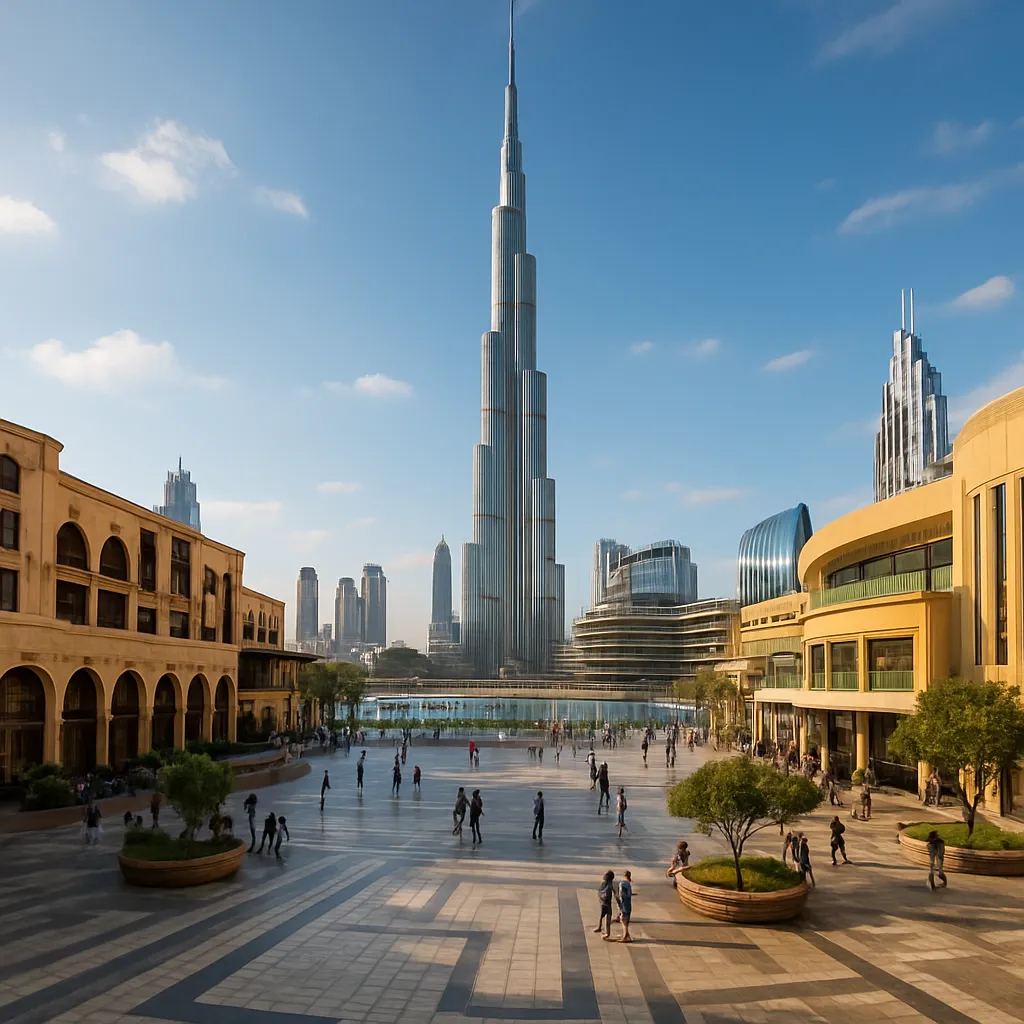
While technically accessible via Sheikh Zayed Road, the landmark Burj Khalifa stands as a beacon of ambition. Soaring to 828 meters, it symbolizes Dubai’s pursuit of the extraordinary. Visitors arrive along the highway and converge at the Downtown district, where the world’s tallest building commands attention. Its tapering design, inspired by regional desert flowers, marries aesthetics with wind engineering, minimizing vortex shedding at unprecedented altitudes.
Emirates Towers: Twin Pillars of Commerce
Completed in 2000, Emirates Towers marked a turning point in Dubai’s corporate landscape. One tower serves as a luxury hotel, the other as prime office space. Between them lies a shaded plaza, fostering outdoor gatherings beneath palm trees. The gunmetal cladding reflects sunlight, reducing heat gain, while the triangular plan evokes falcon wings—a nod to Emirati heritage.
Index Tower: Vertical Neighborhoods
Standing at 328 meters, the Index Tower redefines mixed-use living. Each segment is treated as a discrete vertical neighborhood, featuring sky lobbies, shared terraces, and public galleries. This layered approach promotes community within the tower, allowing residents to experience diverse amenities without leaving their building. The structural system—an exoskeleton of steel braces—creates column-free interiors, offering panoramic views of Sheikh Zayed Road.
The Opus by Zaha Hadid: A Futuristic Cube
The Opus cuts a bold silhouette against the desert sun. Conceived by Dame Zaha Hadid, it resembles a monolithic cube with its core removed. At night, the void glows with LED illumination, hinting at Dubai’s futuristic identity. This mixed-use marvel houses a hotel and offices, seamlessly blending public and private spheres within its sculptural form.
The Road as Urban Spine and Beyond
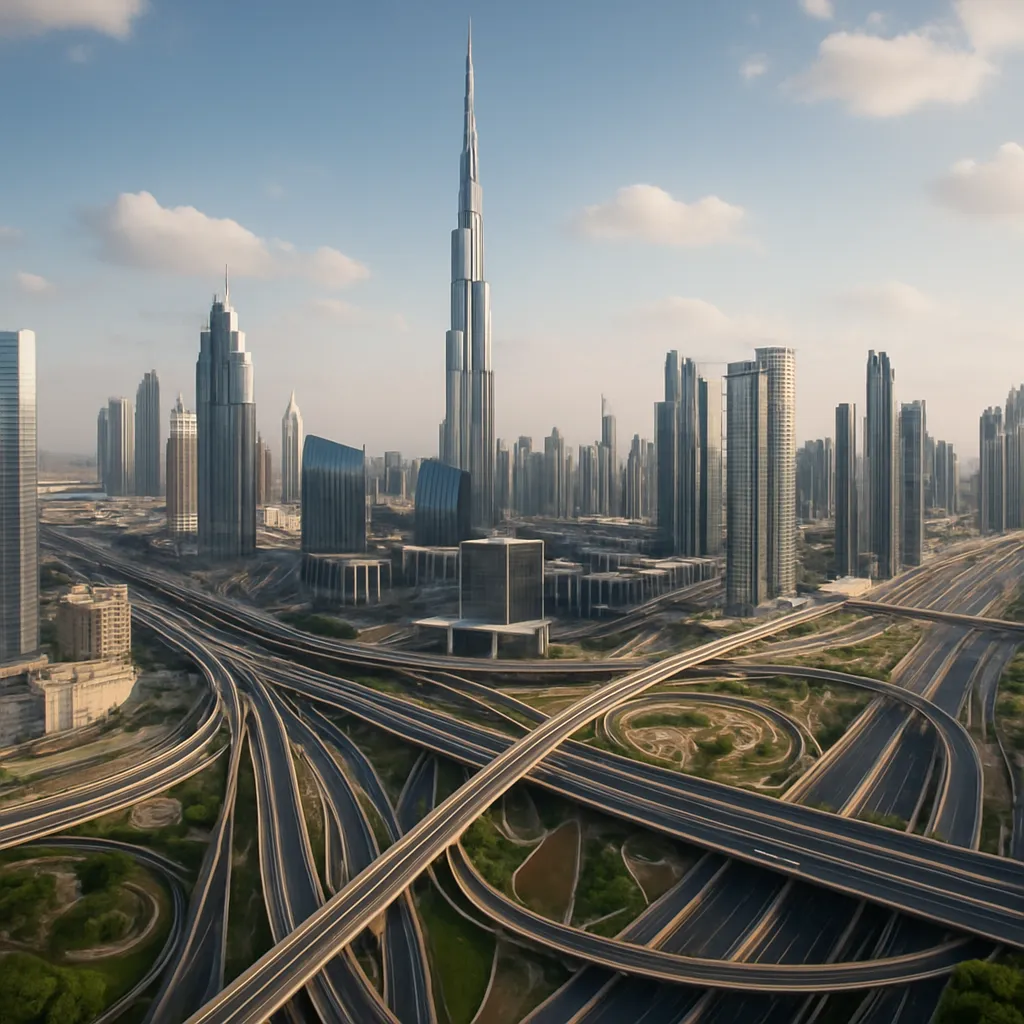
More than just a string of towers, Sheikh Zayed Road functions as Dubai’s backbone, linking commercial districts, entertainment hubs, and residential enclaves. Lined with Metro stations, it offers swift access to key attractions. Beneath the smooth asphalt, complex utilities—water mains, fiber-optic networks, cooling tunnels—testify to Dubai’s commitment to world-class infrastructure. By day, traffic hums; by night, LED-lit façades transform the corridor into a glowing ribbon of light.
- Dubai Metro: Runs parallel, allowing travelers to admire skyscrapers from air-conditioned comfort.
- Sheikh Zayed Road Bus Services: Connect neighborhoods and tourist sites along the route.
- Pedestrian Bridges: Designed with glass floors and canopies, offering unparalleled vantage points of the iconic towers.
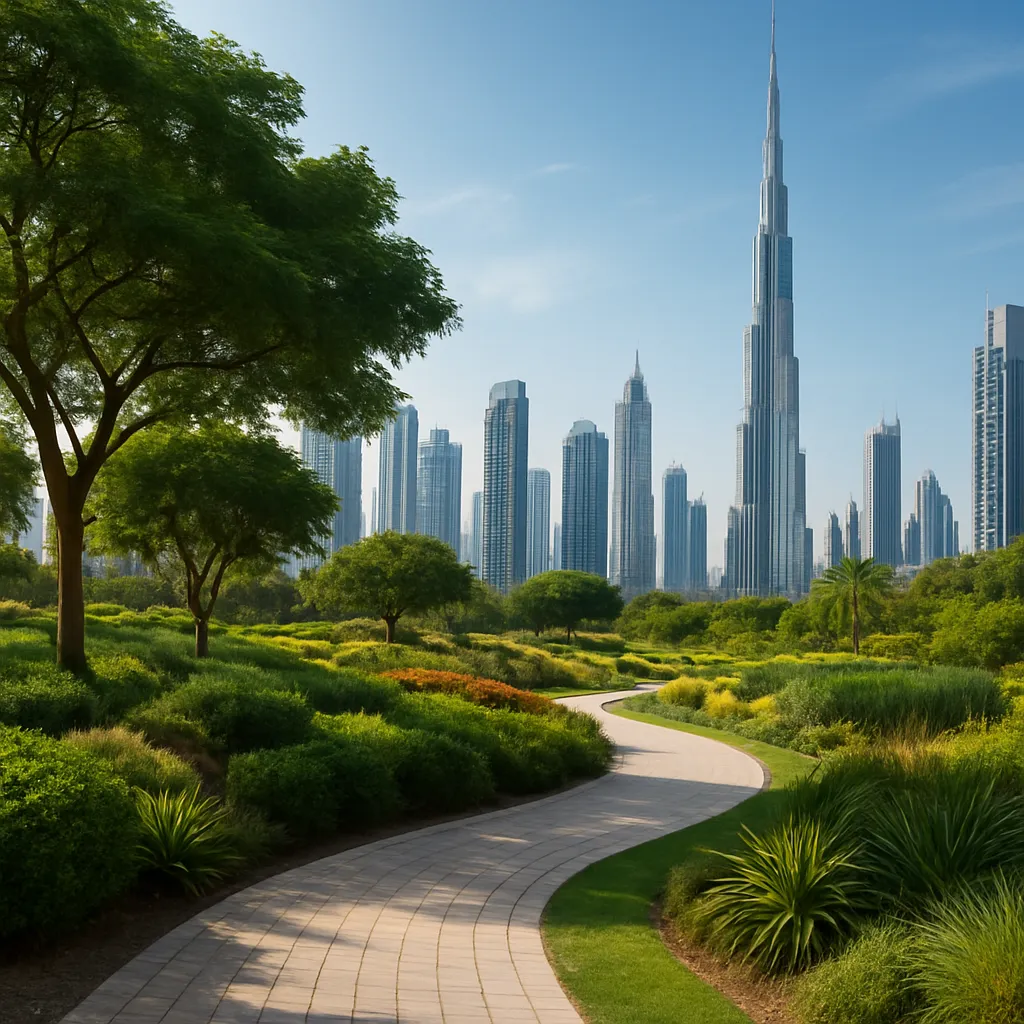
The boulevard’s development was more than stacking towers; it required meticulous urban planning. Wide service roads, landscaped medians, and noise barriers ensure both efficiency and comfort. Public art installations dot pedestrian zones, injecting cultural narratives into the glass-and-steel environment. Green pockets with date palms and native shrubs soften the urban intensity, creating oases for midday respite.
Engineering Feats and Sustainable Visions
The skyscrapers along this route illustrate remarkable engineering solutions. Deep caisson foundations penetrate the sandy soil, anchoring structures against wind loads exceeding 300 kilometers per hour. Innovative facade systems use double-glazing and sun-shading fins to reduce solar gain, lowering cooling demands. Many towers incorporate greywater recycling and energy-efficient lighting, reflecting Dubai’s evolution toward sustainable growth.
- High-Performance Glazing: Reduces heat transmission while maximizing daylight.
- Wind Tunnel Testing: Ensures occupant comfort and structural integrity at great heights.
- Renewable Energy Integration: Photovoltaic panels adorn rooftops and podiums.
Developers and architects collaborate with leading consultants to push the envelope of what’s possible. The result is a corridor where every new addition raises the bar, driving a cycle of continuous improvement in building technology and urban livability.
Experiencing the Boulevard Firsthand
For those eager to witness these giants up close, guided walking tours and hop-on/hop-off buses provide curated experiences. Photographers flock at dawn to capture the first rays reflecting off mirrored surfaces, while architecture students sketch facades, dissecting the interplay of geometry and light. Cafés nestled at tower bases invite visitors to sip Arabic coffee as they gaze skyward, absorbing the sheer scale of the urban canvas.
Whether under scorching sun or amid a gentle evening breeze, Sheikh Zayed Road offers an ever-changing spectacle. New projects continually reshape the corridor, ensuring that every return visit reveals fresh chapters in Dubai’s ongoing saga of ambition and transformation. The confluence of art, technology, and heritage along this artery makes it not just a roadway, but a living exhibition of human marvel.