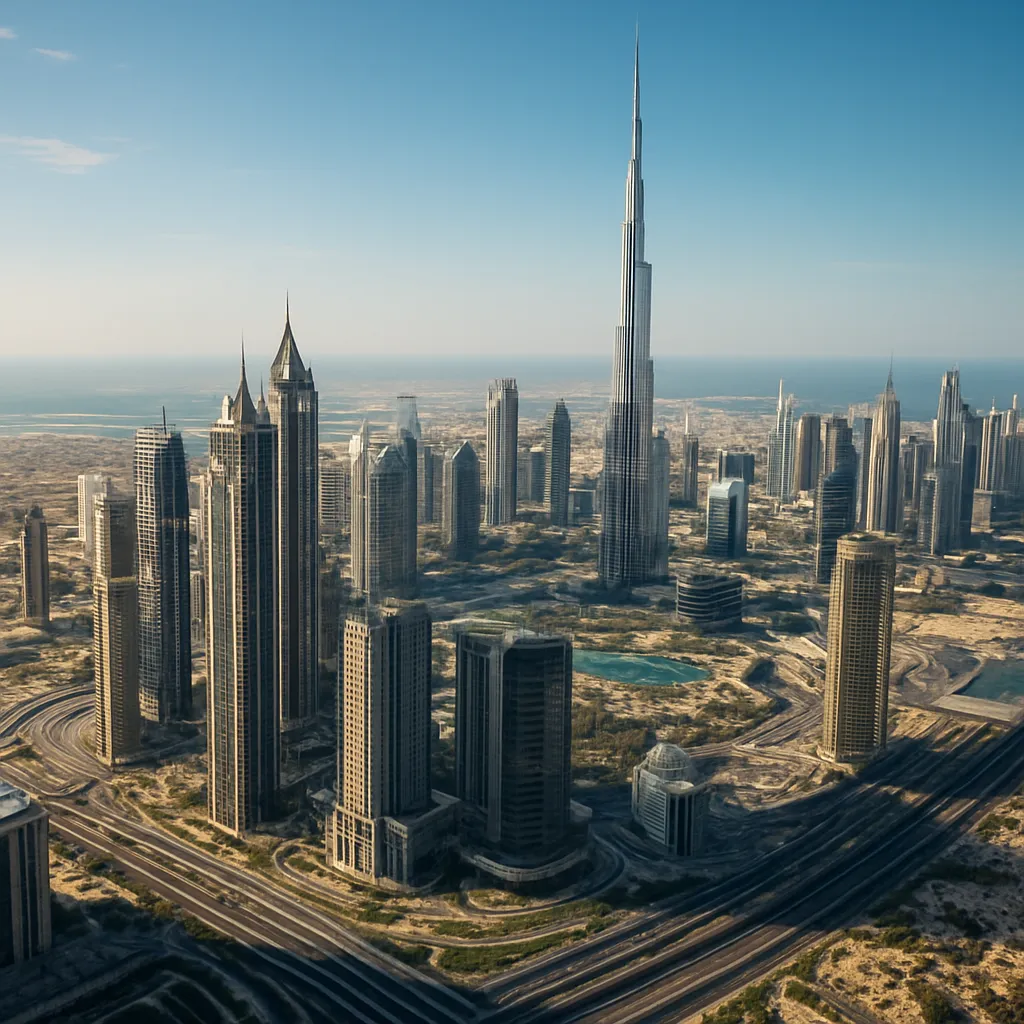
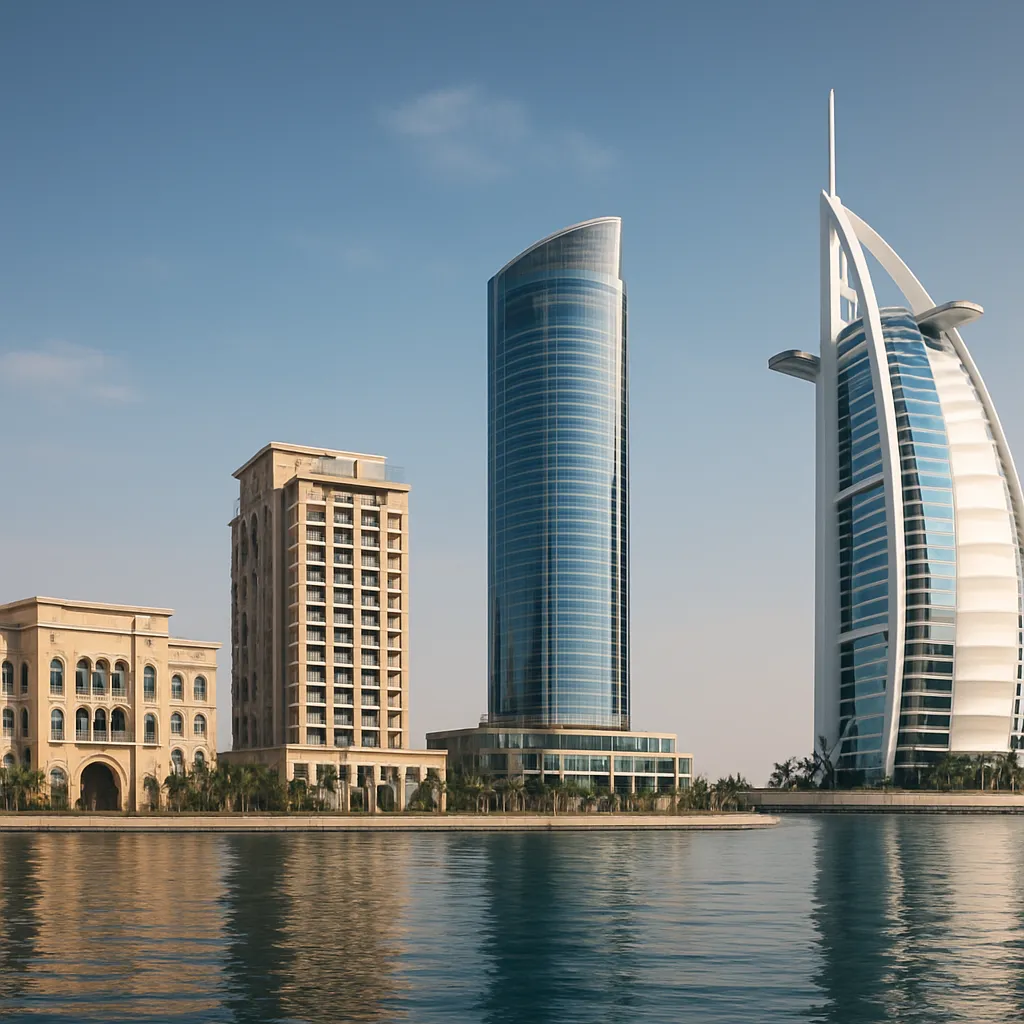
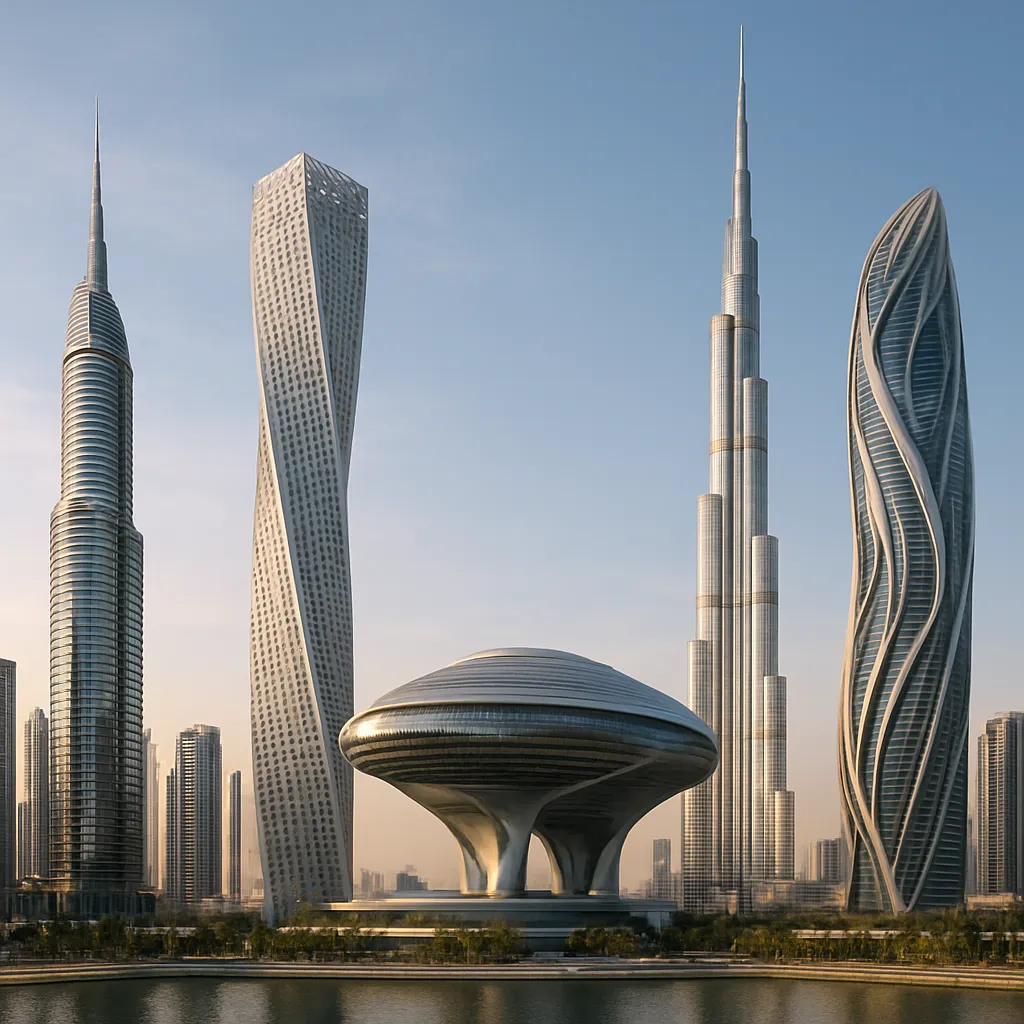
Dubai’s skyline has long been a testament to human ambition, where sand meets steel in a relentless push skyward. Yet, beneath the soaring skyscrapers and gleaming glass facades, city planners and architects are turning their gaze toward a new frontier: verdant walls and hanging gardens that breathe life into vertical surfaces. This exploration of Dubai’s vision for vertical green spaces delves into the drivers behind this transformation, the pioneering designs already taking shape, and the broader impact on biodiversity, urban comfort, and environmental resilience.
Innovating the Urban Fabric with Green Facades
As Dubai grapples with extreme climate conditions—intense heat, scarce water resources, and frequent sandstorms—the integration of living walls offers a resilient response to environmental challenges. Vertical gardens are no longer decorative add-ons but essential components of a sustainable urban strategy.
Adaptive Design Principles
- Smart Irrigation Systems: Utilizing recycled water and advanced sensors to maintain optimal moisture levels in arid conditions.
- Modular Planting Panels: Prefabricated units that simplify installation and enable easier maintenance on towering structures.
- Heat-Reflective Materials: Coordinated with greenery to reduce solar gain and lower cooling demands in office towers and residential blocks.
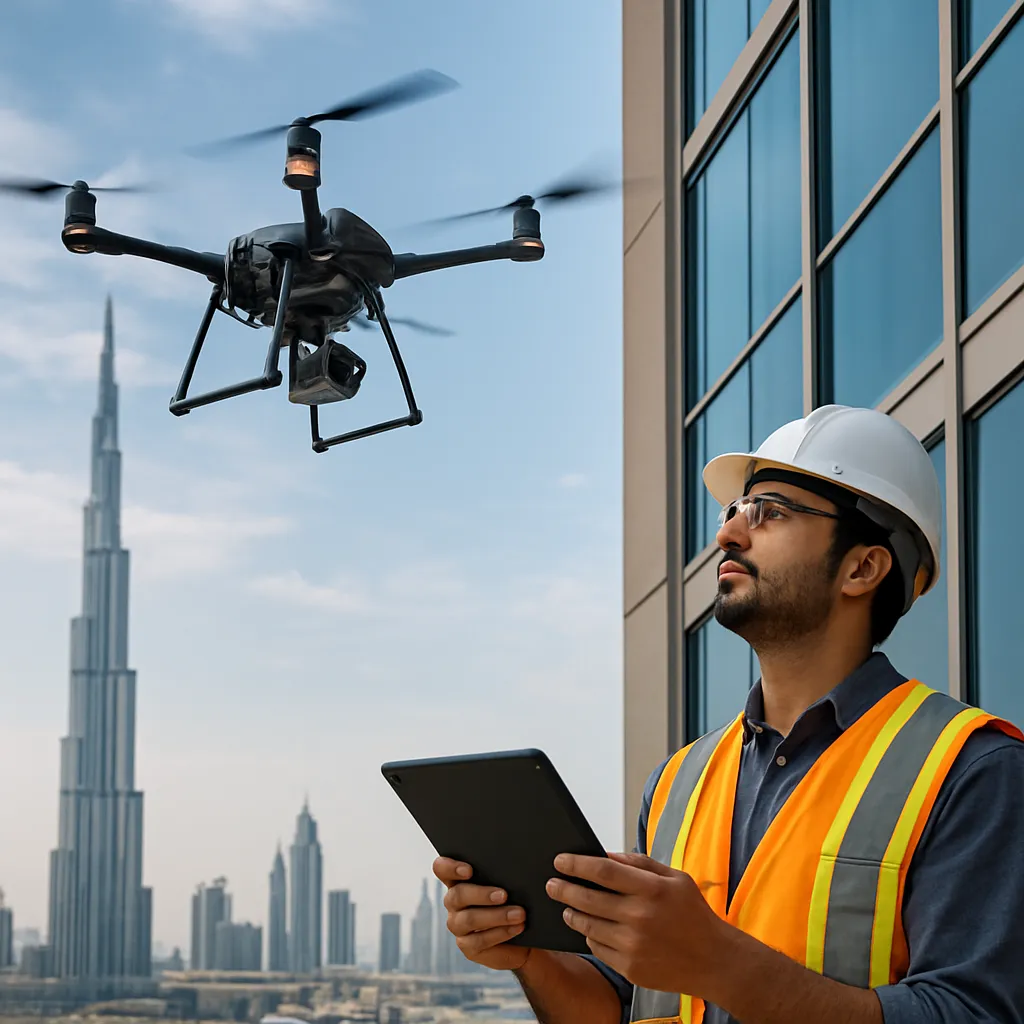
The convergence of technologies such as automated climate controls and IoT-based monitoring ensures that each green panel receives precise care. This integration not only conserves water—an increasingly precious resource—but also transforms building facades into living ecosystems capable of adapting to seasonal fluctuations.
Showcase Projects Transforming the Skyline
Several landmark developments exemplify how Dubai is redefining architectural norms with living greenery.
The Oasis Tower
Rising over 300 meters, the Oasis Tower deploys vertical belts of native desert flora across alternating floors. These verdant strips act as natural air filters, trapping dust and improving air quality in adjacent neighborhoods. The building’s innovative irrigation network repurposes condensate from air-conditioning units, illustrating a closed-loop approach to resource management.
Green Bridge Residences
A series of skybridges connecting twin high-rise blocks each support rooftop orchards and cascading vines. Residents cultivate organic herbs and small fruit trees, fostering a community-oriented model of urban agriculture. Shared green spaces at every tenth level promote social interaction and psychological well-being, offsetting the isolation often associated with high-density living.
Vertical Wildlife Corridor
Recognizing the need to support urban fauna, this mixed-use complex incorporates integrated nesting boxes and insect hotels within its facades. Pollinator-friendly flowering plants create stepping stones for migratory birds and beneficial insects, reinforcing the city’s commitment to preserving local ecosystem balance.
Economic, Social, and Environmental Benefits
Embedding vegetation on vertical planes yields multifaceted advantages. Beyond aesthetic enrichment, these green installations deliver tangible economic and social value.
- Energy Efficiency: Vegetation provides natural insulation, decreasing reliance on mechanical cooling systems by up to 20% in summer months.
- Health and Well-Being: Access to green views alleviates stress, reduces urban noise pollution, and encourages outdoor activity among residents.
- Property Value: Buildings with certified green facades command higher rental rates and resale prices, as sustainability credentials increasingly influence market demand.
- Stormwater Management: Living walls intercept rainfall—however infrequent—mitigating runoff and reducing pressure on drainage infrastructure.
- Corporate Responsibility: Companies housed in these innovative properties demonstrate commitment to environmental stewardship, enhancing brand reputation.
City authorities estimate that widespread adoption of vertical greenery could sequester thousands of tons of CO₂ annually, further aligning Dubai’s growth trajectory with international sustainable development targets.
Overcoming Challenges and Charting the Future
Despite the promise of vertical gardens, several hurdles remain on the path to ubiquitous implementation.
Water Scarcity and Resource Allocation
Even with efficient irrigation systems, ensuring a sustainable water supply is critical. Ongoing research focuses on advanced hydroponic substrates and atmospheric water harvesting to minimize consumption.
Maintenance and Expertise
Specialized skills are required to maintain living facades at high altitudes. Dubai’s vocational training institutes are partnering with international horticultural experts to cultivate a new generation of green-building technicians.
Regulatory and Planning Frameworks
Municipal codes are being revised to incentivize vertical greening through zoning bonuses, expedited permitting, and tax credits for developers integrating a minimum percentage of green surfaces.
Scaling Up Across Districts
Pilot projects in central business districts must extend into suburban and industrial zones to achieve citywide environmental impact. Feasibility studies are underway to retrofit older buildings, transforming them into vibrant vertical gardens.
Looking ahead, Dubai aims to leverage its experience to become a global hub for innovation in urban horticulture. By showcasing successful blueprints for arid climates, the emirate can export design expertise and technologies to other rapidly urbanizing regions worldwide.