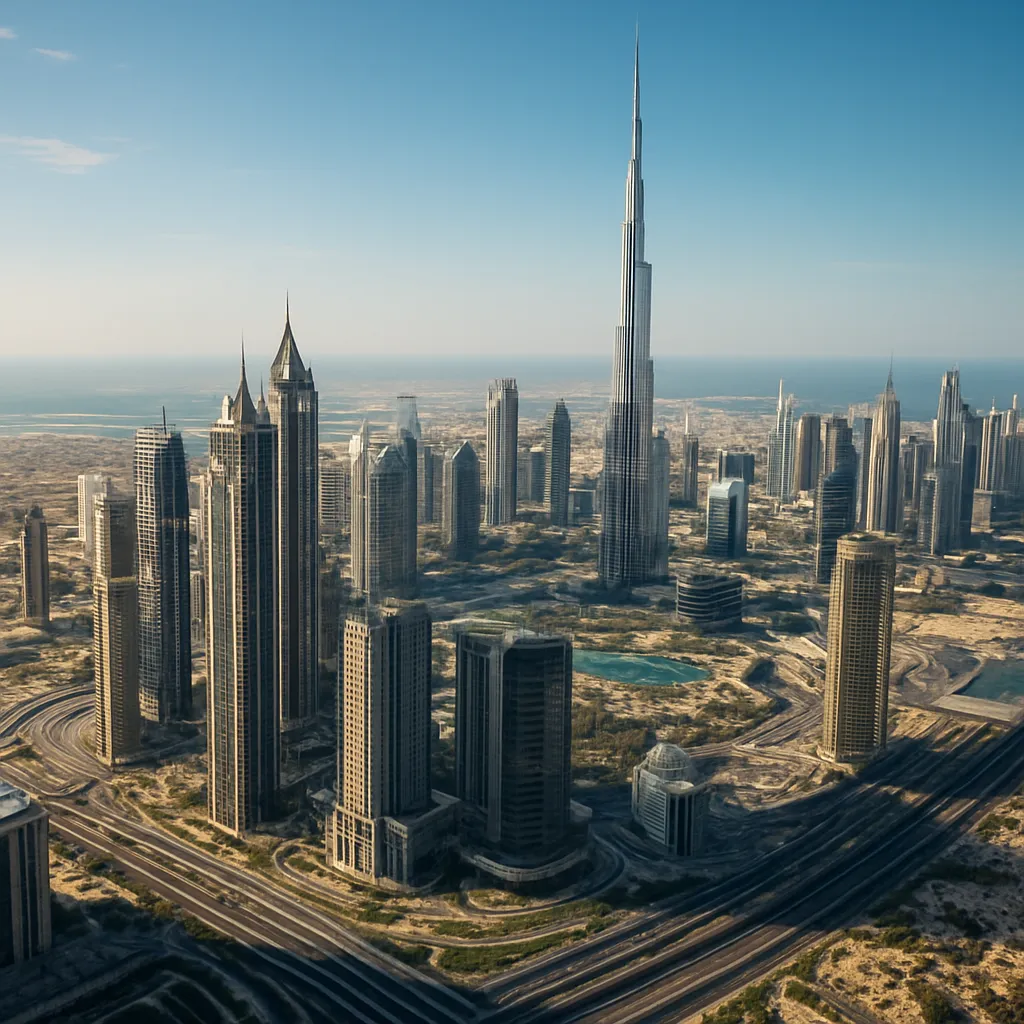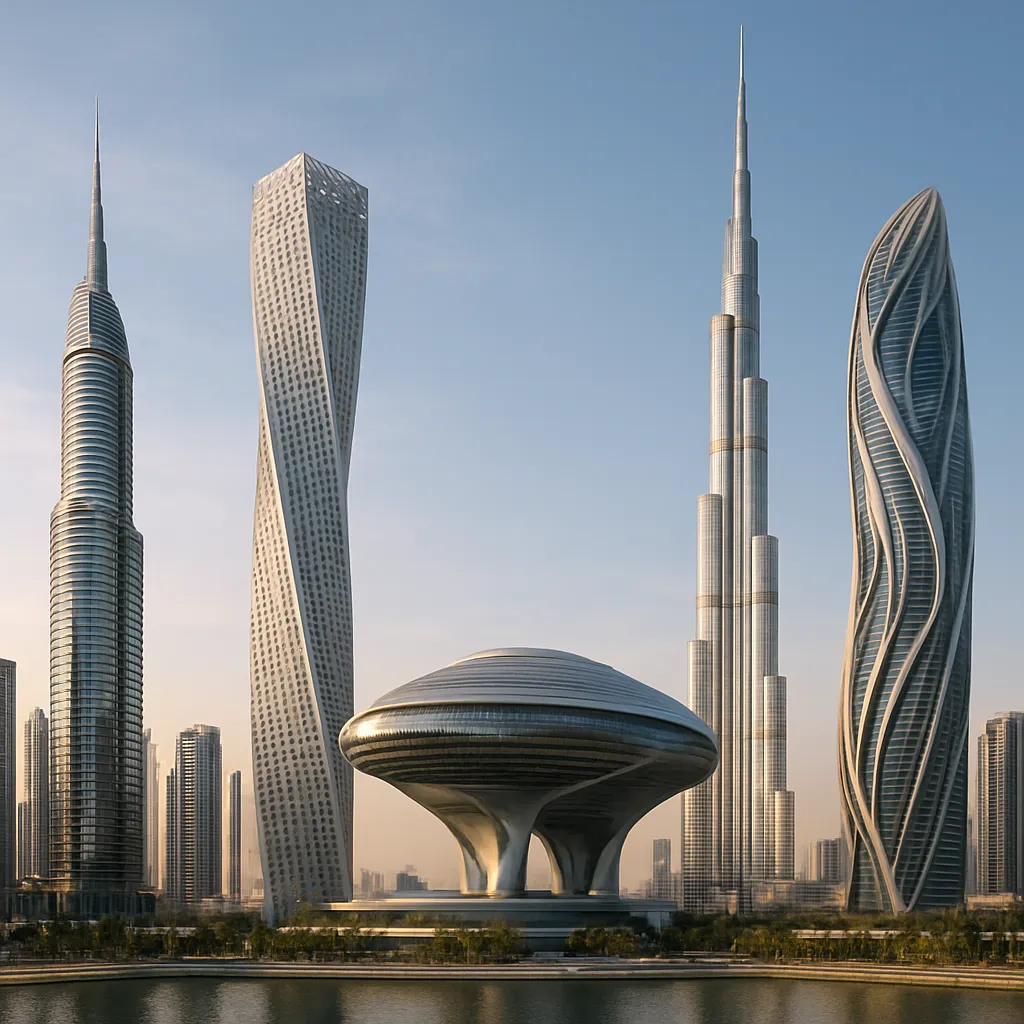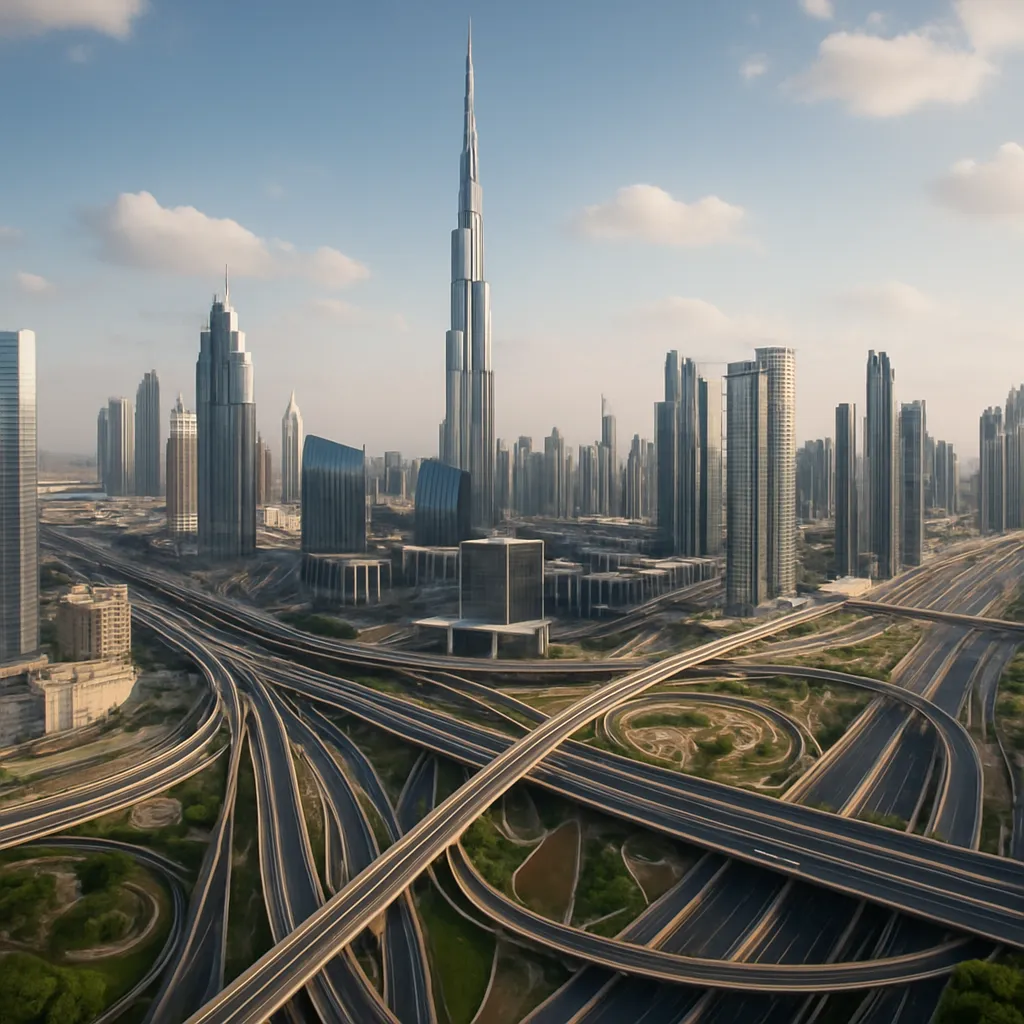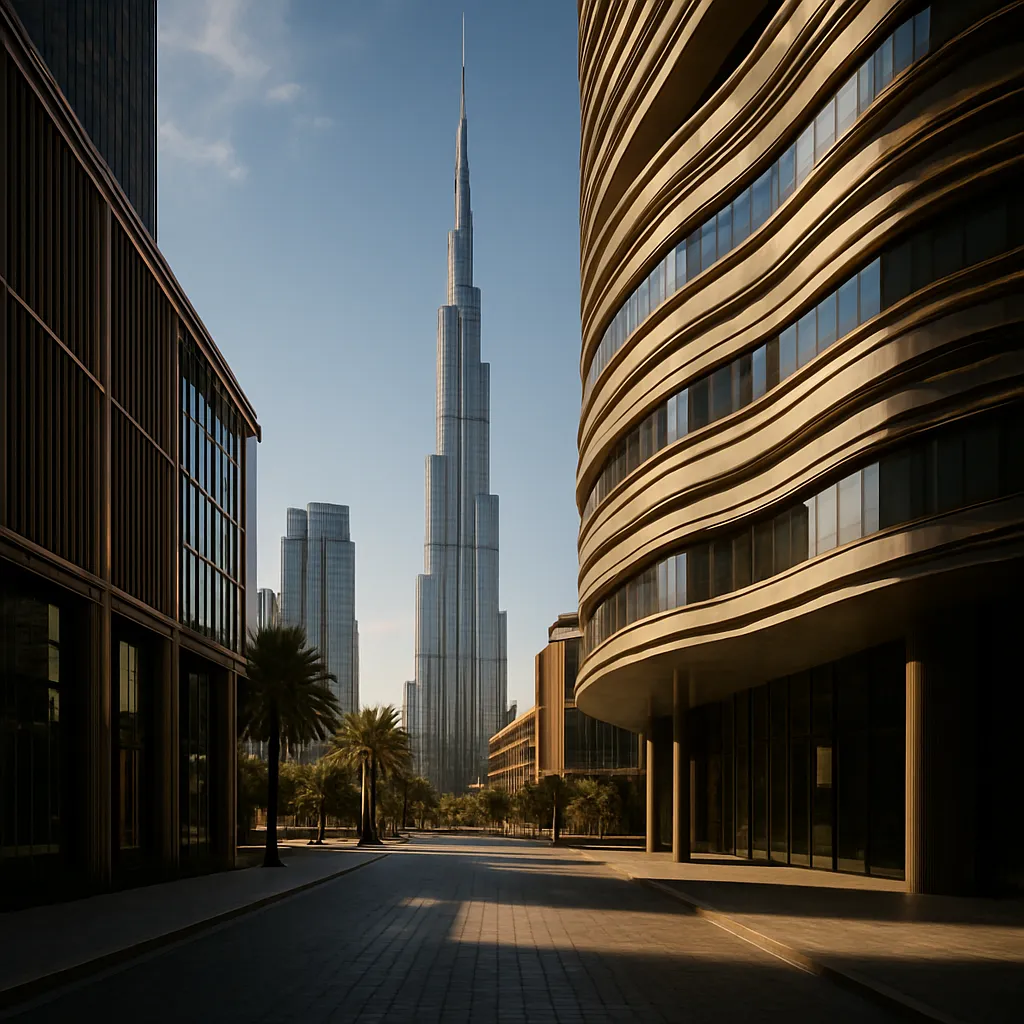
Dubai’s skyline stands as a beacon of architectural mastery, where the dynamic interaction between light and shadow shapes both form and function. In this shifting desert environment, buildings do more than offer shelter; they engage with the sun’s path to create constantly evolving visual narratives. From soaring towers to intricately patterned façades, the careful consideration of illumination and darkness underpins the city’s commitment to innovation and sustainability. This article delves into three core areas: how sunlight informs design decisions, the deliberate use of shadow in iconic structures, and the cutting-edge materials and technologies that amplify these effects.
The Influence of Sunlight on Architectural Form
In a region where the sun rules the sky for most of the year, architects in Dubai have developed sophisticated strategies to harness natural light while mitigating its heat. Orienting buildings to optimize daylight not only reduces reliance on artificial lighting but also enhances occupant comfort. The integration of window placements, shading devices, and reflective surfaces creates a dialogue between the interior and exterior, where light becomes a sculptor of space.
Solar Orientation Strategies
When positioning a high-rise, designers assess the sun’s trajectory across seasons. East-west façades face the most intense glare, prompting the use of deep recesses or angled louvers that admit soft, diffuse rays. By contrast, north-facing walls allow for larger glazing areas, bathing interiors in consistent, gentle illumination. This rigorous analysis of solar angles fosters a balance between daylighting and thermal performance.
Passive Cooling and Daylight
Shading elements such as brise-soleil and mashrabiya screens serve dual purposes: they break harsh sunlight into a play of geometry and help keep indoor temperatures in check. In mixed-use towers, atriums and light wells distribute radiant light deep into the building core, reducing energy consumption. Moreover, mirrored surfaces and light shelves gently redirect sunlight upward, creating an ethereal glow that underscores Dubai’s reputation for combining aesthetic grandeur with environmental sensitivity.
Shadow as a Design Element in Landmark Buildings
While sunlight energizes spaces, shadow provides depth and accentuates structural articulation. In Dubai, shadow patterns evolve throughout the day, transforming static façades into dynamic canvases. These shifting silhouettes capture attention, invite exploration, and underscore the city’s drive towards architectural experimentation.
- Burj Khalifa: The tapering form produces a cascade of shadows that lengthen and soften as the sun descends, amplifying its vertical dominance.
- Dubai Frame: The rectangular frame casts an interplay of light and darkness across its interior void, symbolizing the city’s past and future.
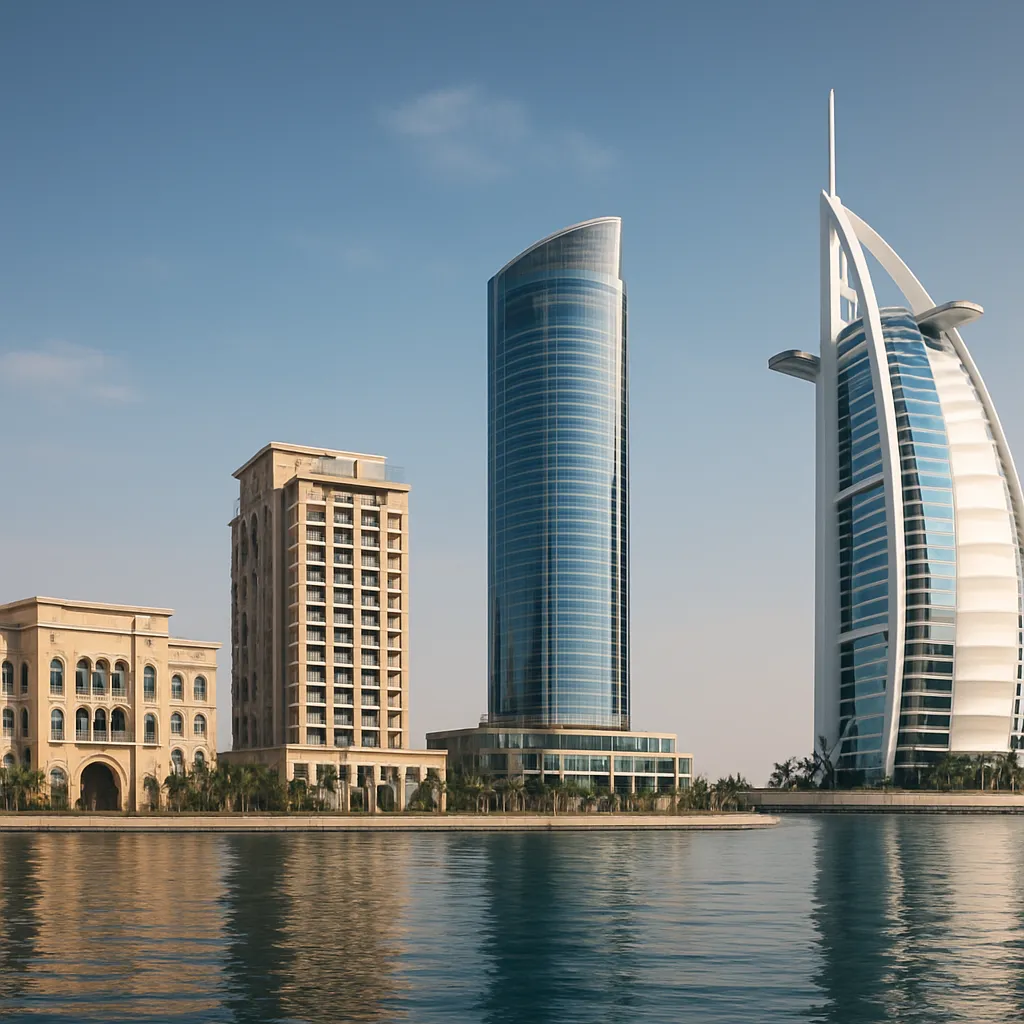
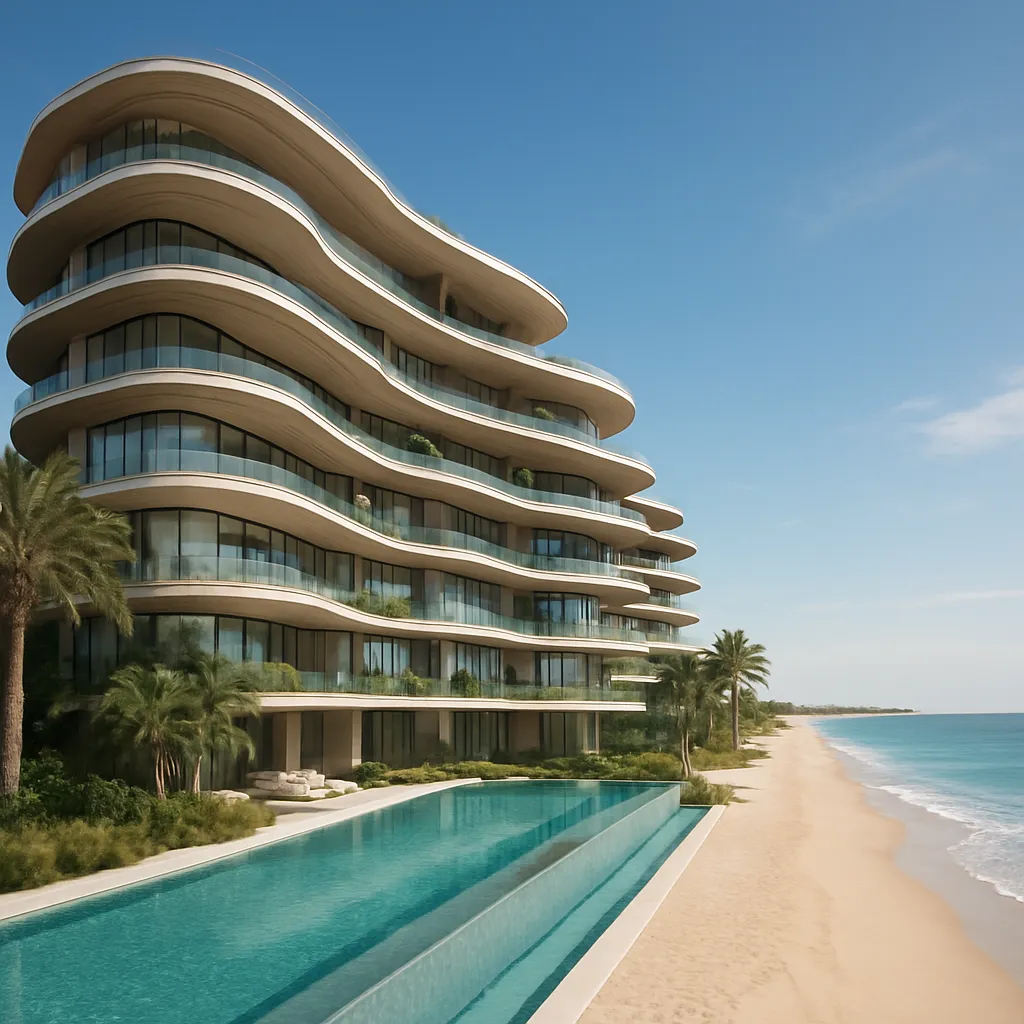
- Jumeirah Beach Hotel: Its wave-inspired curves generate curvilinear shadows that dance across promenades, blurring the line between building and seascape.
Façade Articulation Through Darkness
Concealed niches and protruding fins create pockets of shade that offer relief from solar intensity and deliver textural contrast. High-performance louvers automatically adjust their angle in response to sunlight intensity, orchestrating a choreographed performance of brightness and obscurity. This technical choreography highlights building details and fosters a sense of discovery for pedestrians below.
Public Spaces Defined by Shadow Play
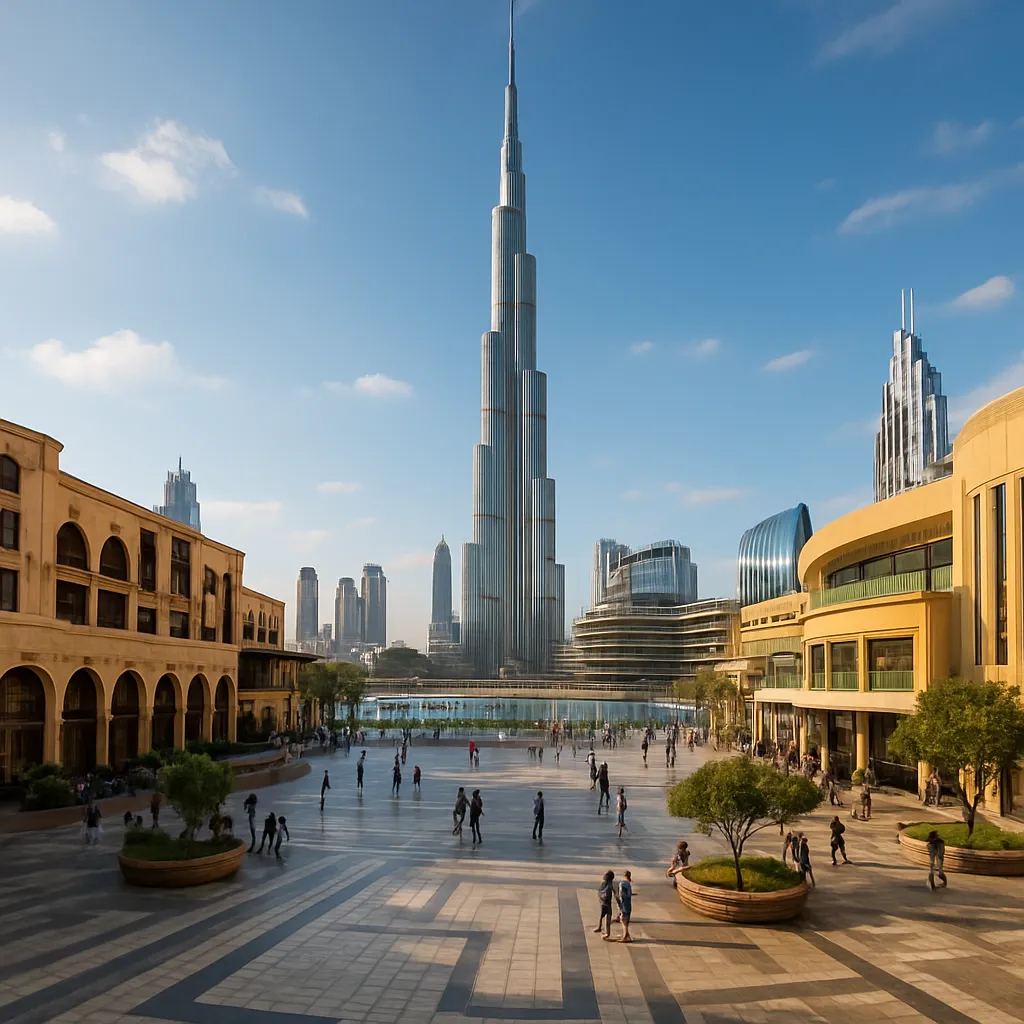
Urban plazas lined with colonnades or pergolas become laboratories of light and shade, where patterns shift with each hour. Visitors meander through shaded walkways, experiencing cooler microclimates and visually rich environments. In souks and civic centers alike, these shaded corridors not only reduce heat gain but also create welcoming gathering spots protected from the relentless glare.
Innovations in Materials and Technology
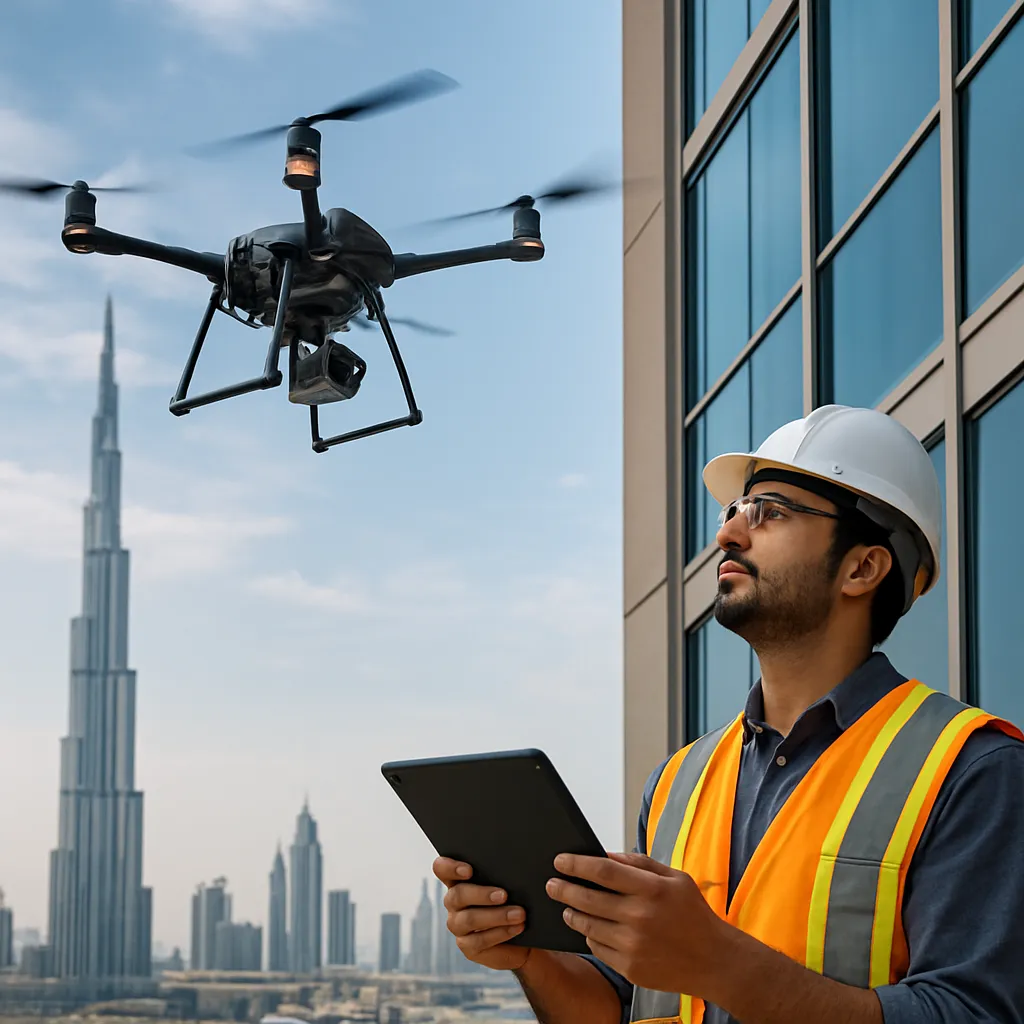
Recent advancements in construction materials and digital modeling have empowered architects to push the boundaries of how light and shadow interact. Smart glazing, parametric design tools, and adaptive textiles allow for unprecedented control over luminosity, enabling buildings to respond dynamically to environmental changes throughout the day.
Smart Glazing Systems
Electrochromic glass panels shift from transparent to opaque at the flip of a switch or in response to sunlight sensors. This skyscraper-scale adaptability fine-tunes interior glare levels while preserving outward views. Integrating photovoltaic cells within glazing surfaces transforms façades into energy generators, capturing solar energy even as they regulate light transmission.
Parametric Sun-Shading Devices
Using advanced computational models, designers simulate solar paths decades into the future, ensuring that shading devices maintain effectiveness over a building’s lifecycle. Parametric louvers can twist, fold, or expand to cast precise shadow patterns, rendering façades that oscillate between solidity and transparency. This approach elevates shading from a purely functional feature to a medium for artistic expression.
Adaptive Exterior Textiles
High-performance fabrics draped over building exteriors serve as dynamic sun filters. Some installations feature pneumatic membranes that inflate or deflate to adjust surface tension, modifying light permeability. When backlit at night, these textiles diffuse illumination, turning edifices into glowing landmarks that emphasize aesthetics and identity.
Cultural Context and Environmental Stewardship
Dubai’s architectural identity is deeply rooted in its desert heritage. Traditional Arabic design elements, such as courtyard layouts and mashrabiya screens, inform contemporary strategies for manipulating light and shade. By referencing these vernacular precedents, modern architects craft structures that resonate with local culture while meeting global standards for performance.
- Cortile-inspired atriums that channel breezes and daylight, echoing ancient caravanserais.
- Patterned mashrabiya facades reimagined in glass fiber reinforced concrete, merging craftsmanship with durability.
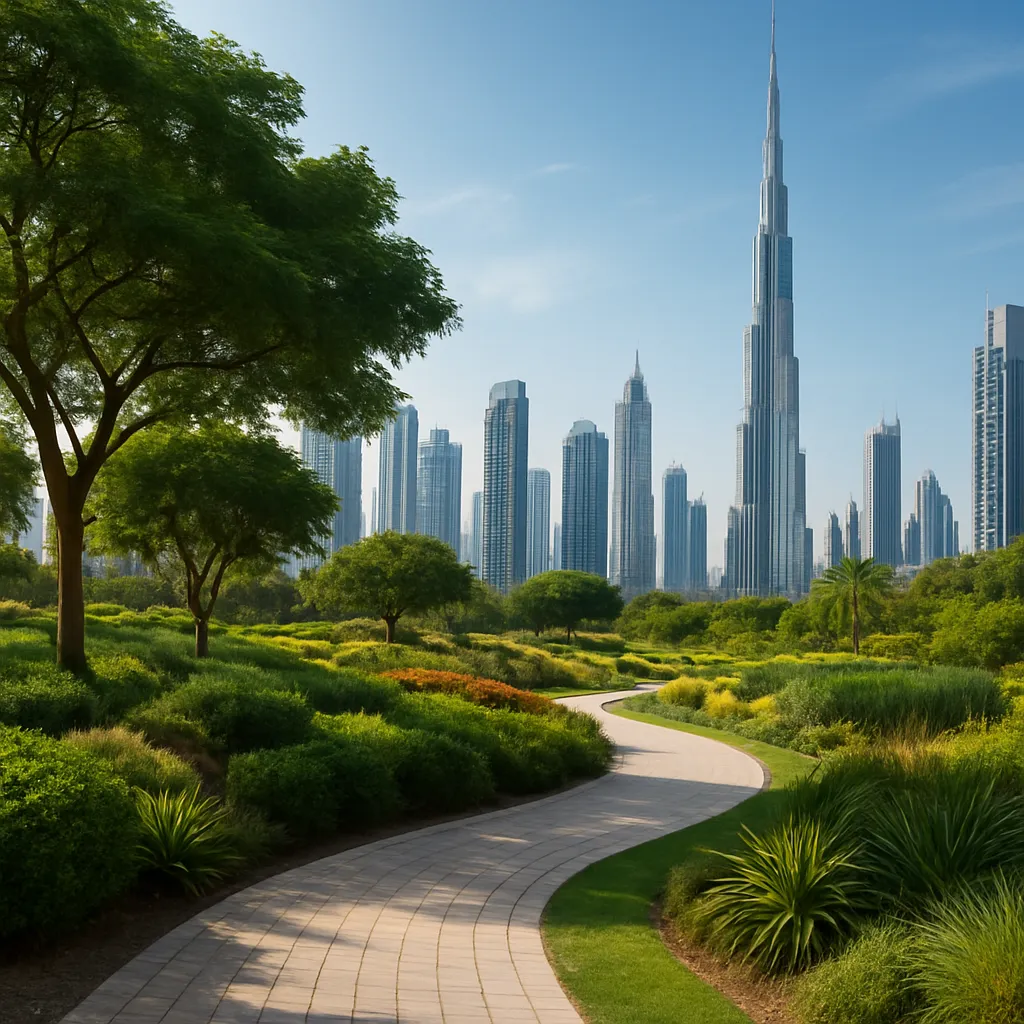
- Green roofs and vertical gardens providing additional shading and natural cooling.
In embracing these solutions, Dubai continues to pioneer a sustainable urban model where façade treatments and urban canopies collaborate to reduce energy use. With an ever-growing portfolio of award-winning projects, the city sets a global benchmark for how light and shadow can be leveraged to create immersive, climate-responsive environments.