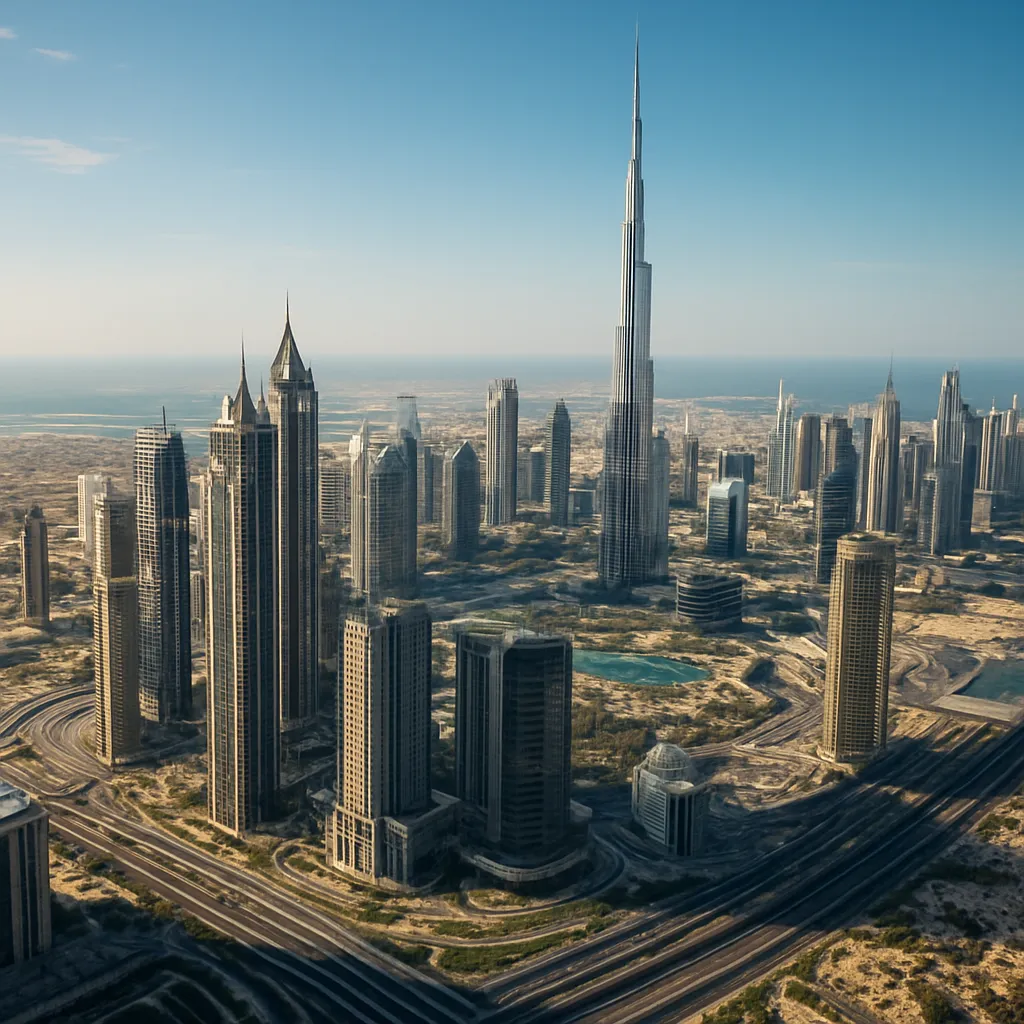
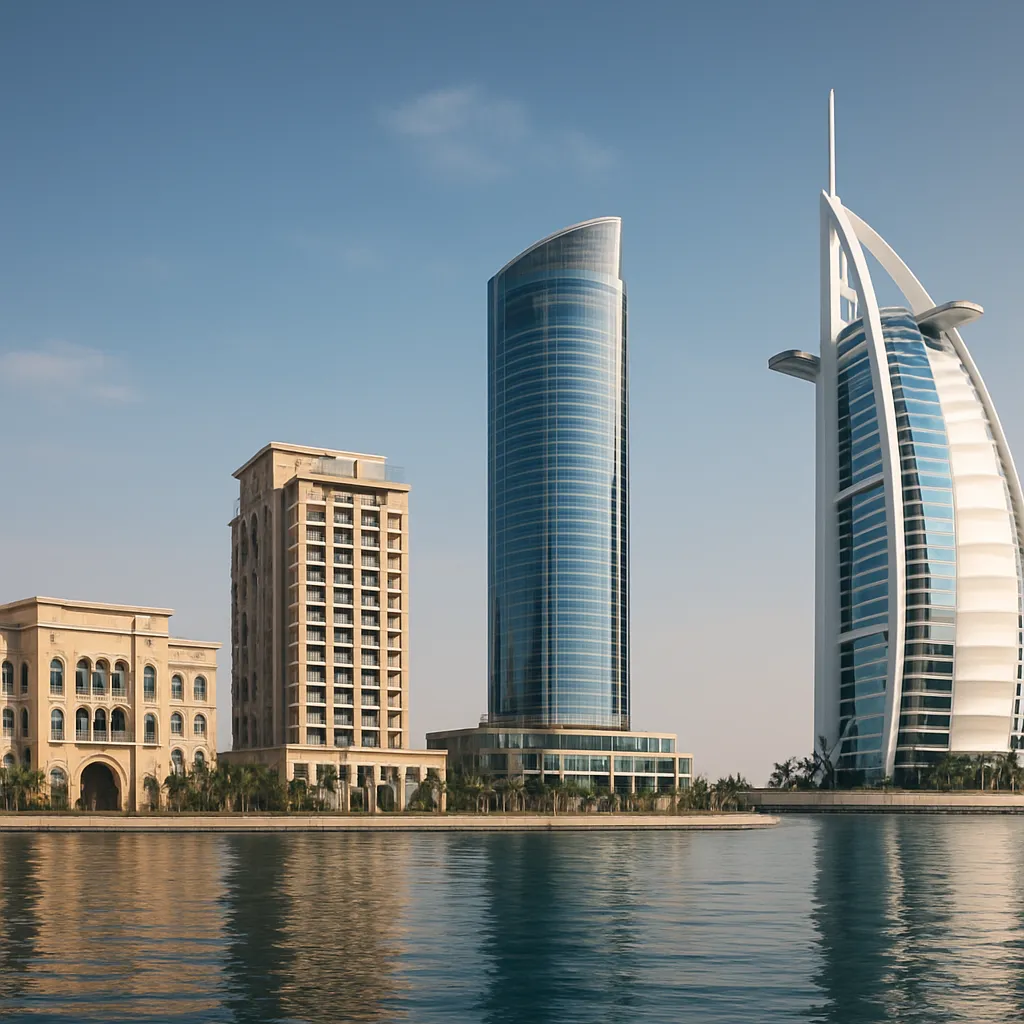
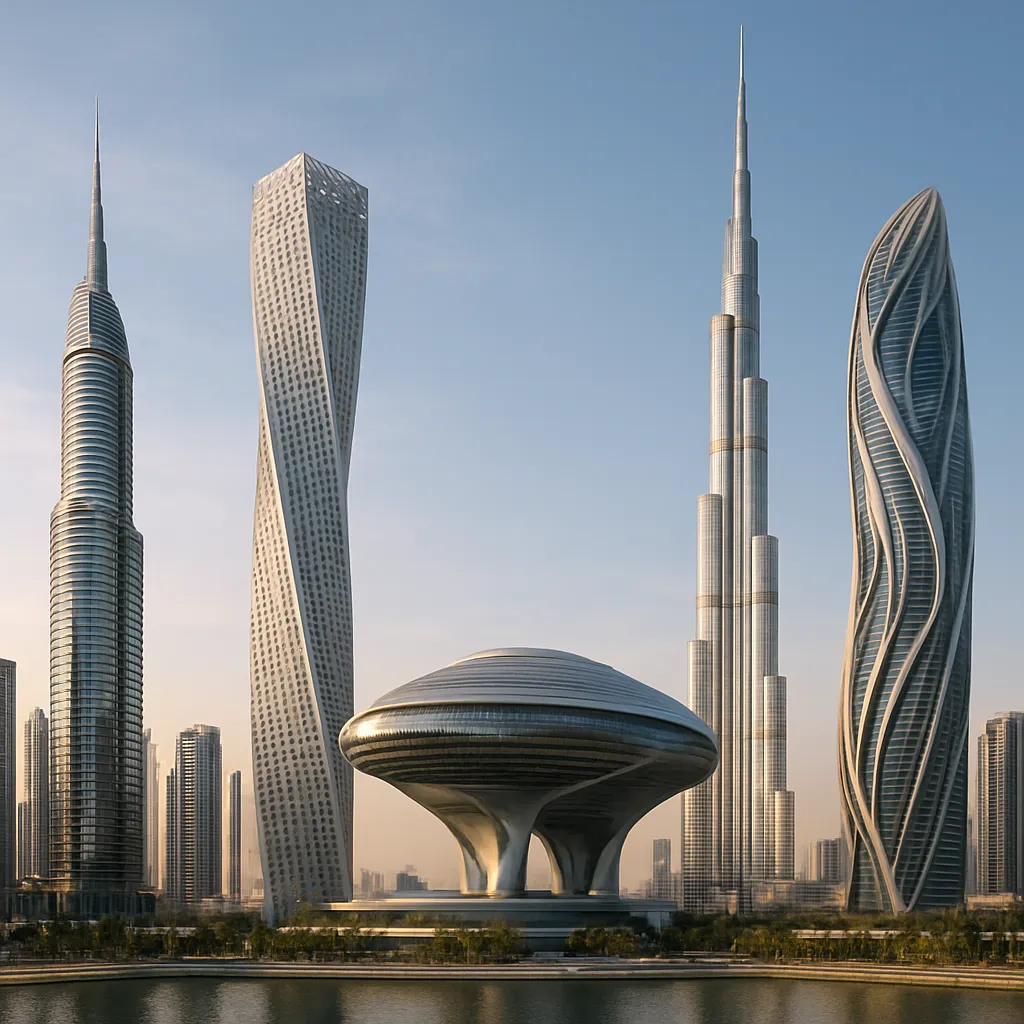
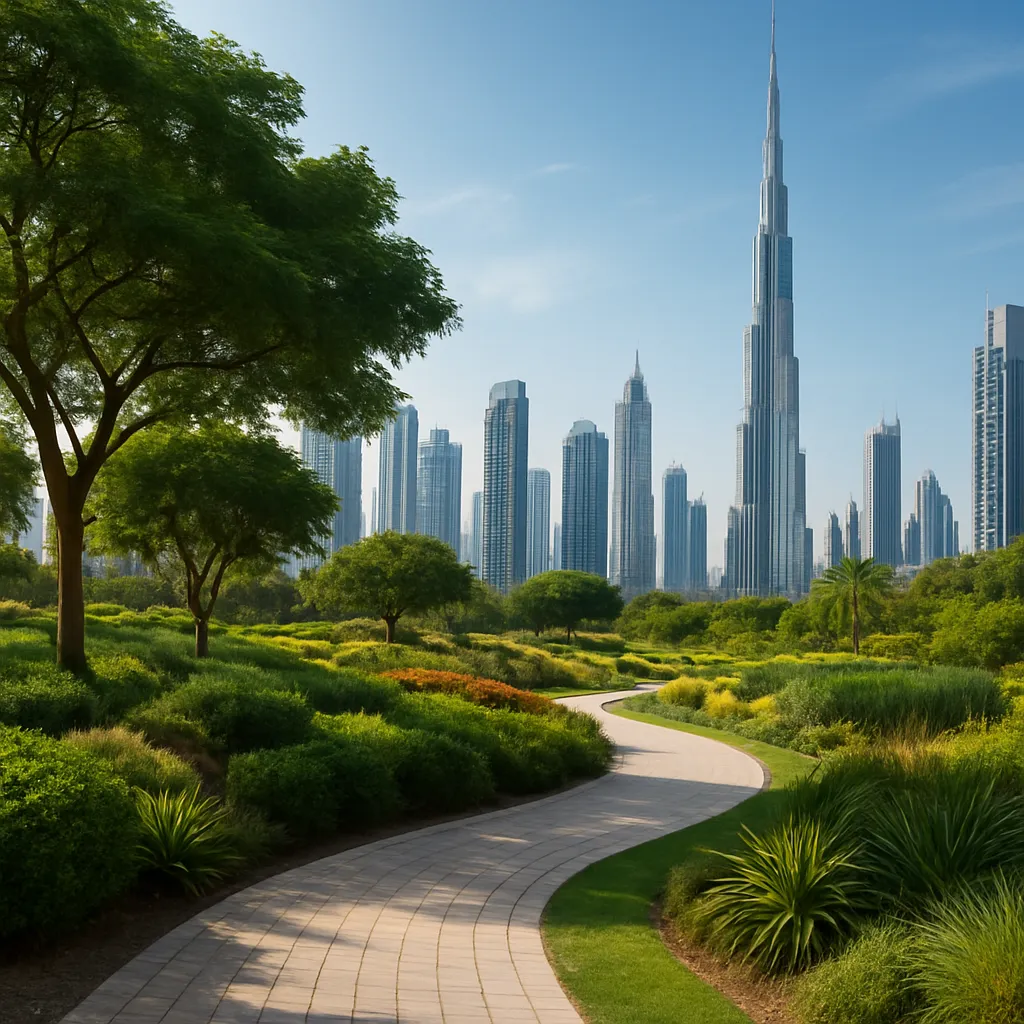
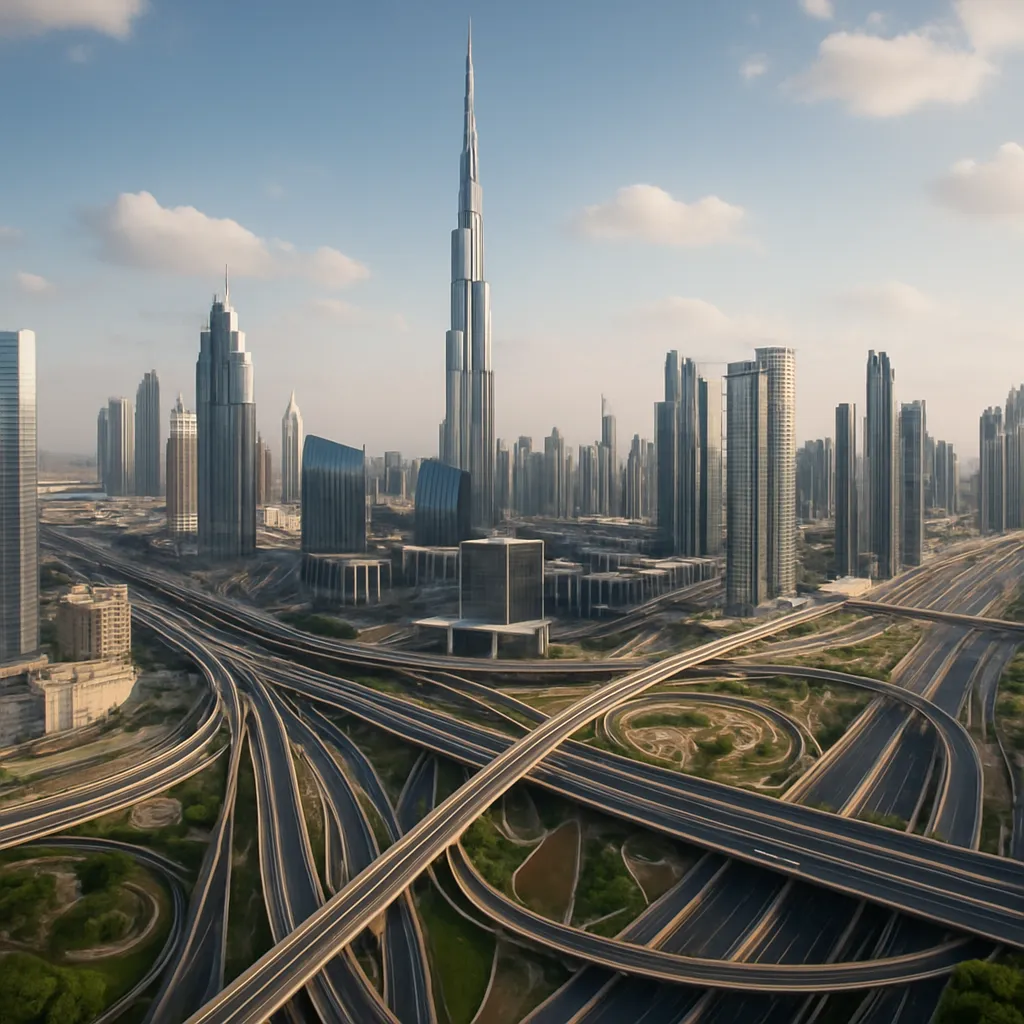
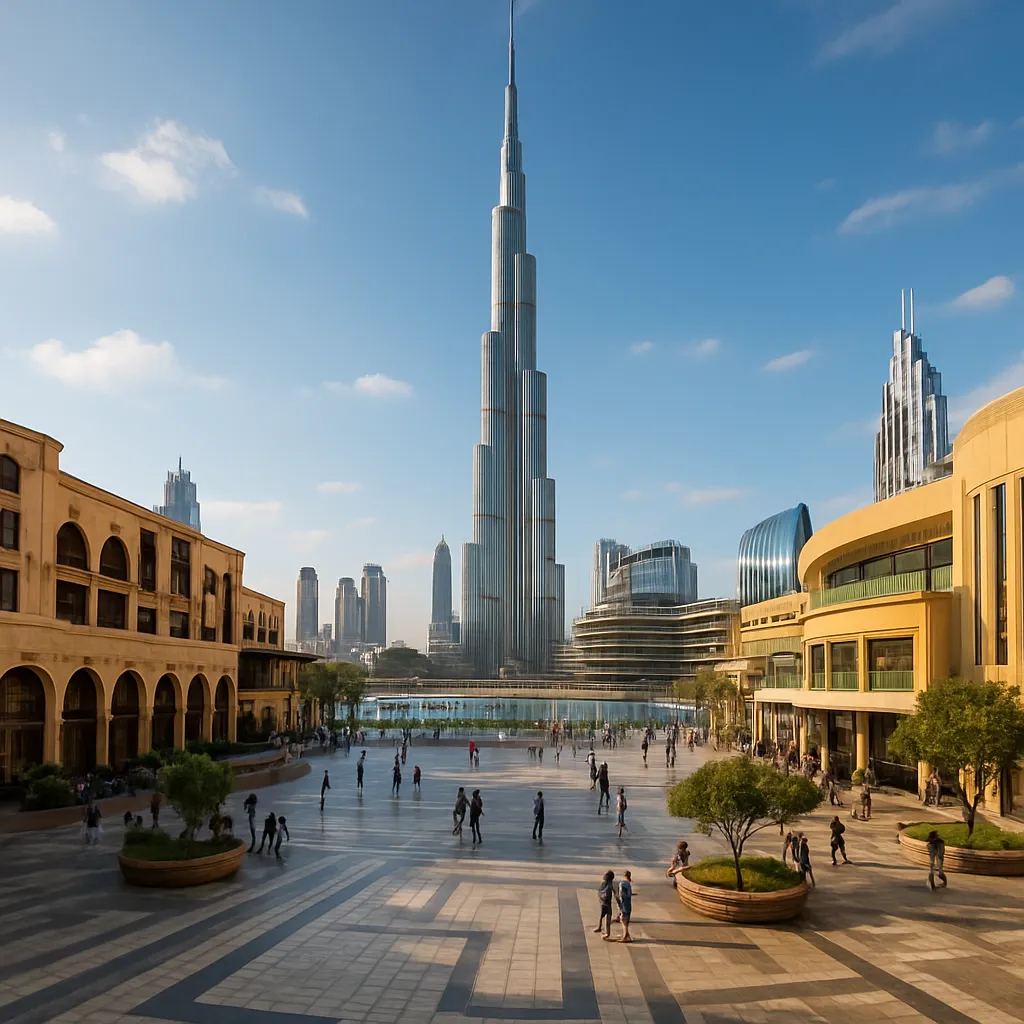
The skyline of Dubai is set to welcome a groundbreaking marvel of modern engineering: the world’s first fully rotating skyscraper. Poised to become a new icon, this tower merges cutting-edge technology with forward-thinking architectural design. Rising high above the city’s glimmering coastline, it will offer unparalleled views and a dynamic experience that transforms living and working spaces in real time.
Innovative Architecture and Form
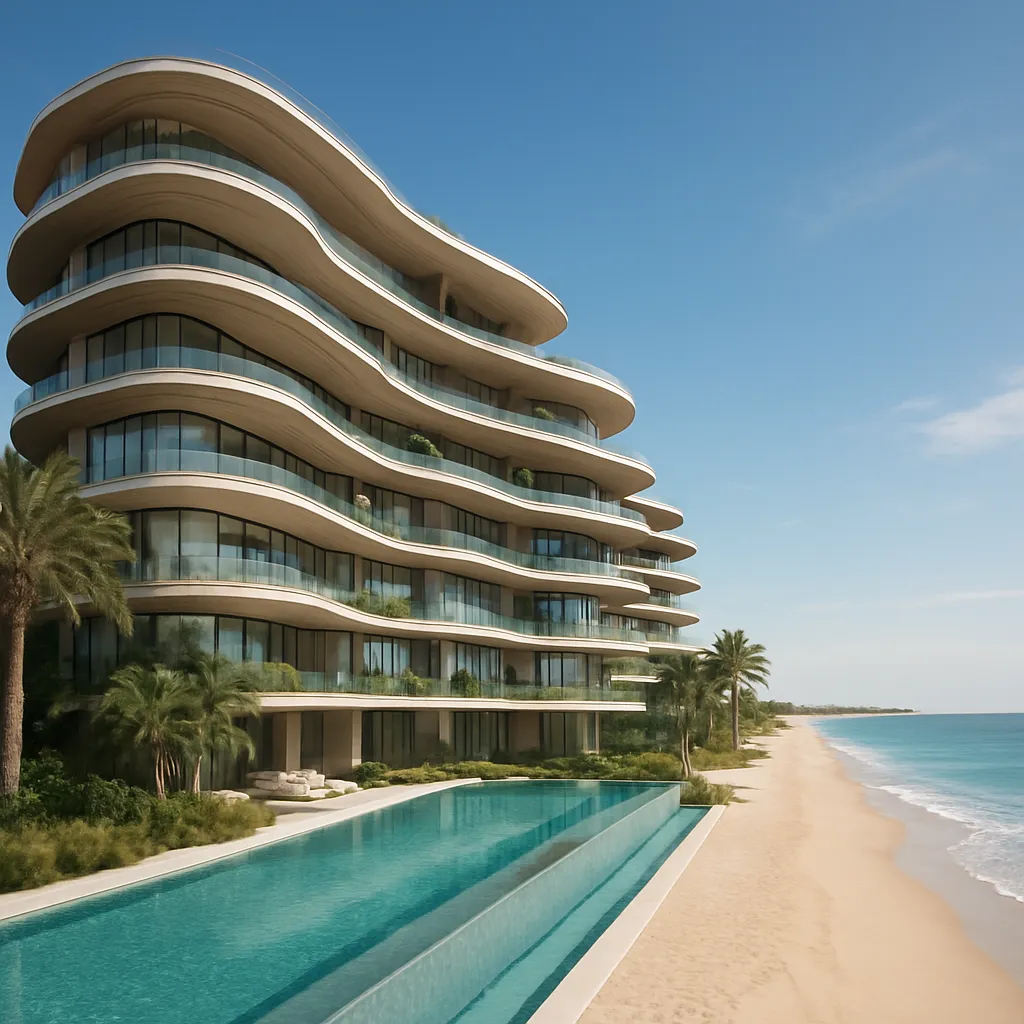
At the heart of this visionary project lies a commitment to innovation and bold design. The tower’s structure comprises a central core surrounded by independently rotating floors. Each level can complete a full 360-degree revolution in about 90 minutes, allowing occupants to enjoy ever-changing vistas of the Arabian Gulf and the Dubai Marina. The concept breaks away from traditional static buildings and introduces a fluid, kinetic element to the skyline.
Structural Components
- Central Core: Provides stability and houses elevators, stairs, and utility shafts.
- Rotating Floors: Mounted on roller bearings and powered by electric motors.
- Roof Turbine: Generates additional energy from wind currents.
The tower’s silhouette shifts throughout the day, creating an ever-evolving piece of urban art. Architects have emphasized a modular approach: floors can be added or removed with minimal disruption, making future expansions seamless. The use of lightweight composite materials reduces the load on bearings and ensures smooth rotation under varied weather conditions.
Engineering Marvels and Sustainability
Behind the mesmerizing rotation is a suite of advanced engineering solutions. Each floor sits atop a circular rail system, supported by high-capacity motors and monitored by an array of sensors. Real-time data on speed, vibration, and power consumption are analyzed by an AI-driven control system, which optimizes performance and safety.
Energy and Environmental Systems
- Solar Facade: Photovoltaic panels integrated into the exterior provide a significant share of the tower’s electricity demands.
- Rainwater Harvesting: Collects and recycles water for irrigation and cooling.
- Wind Turbines: 200 floors are serviced by micro-turbines that capture wind energy as the building rotates.
Designed with sustainability at its core, the rotating tower aims for LEED Platinum certification. By harnessing renewable energy sources and promoting passive cooling through controlled rotation, the building reduces reliance on conventional HVAC systems.
Smart Technologies and Guest Experience
Residents and visitors will benefit from an array of technology-driven amenities. Smart glass panels can adjust opacity to block sunlight or maximize natural lighting, reducing interior heat gain. Integrated IoT devices allow personalized climate settings, automated lighting scenes, and voice-controlled entertainment throughout each rotating floor.
Interactive Features
- Augmented reality windows for real-time data overlays on landmarks.
- Personalized soundscapes that adapt to rotation speed and orientation.
- Automated floor leveling mechanisms to ensure horizontal alignment at all times.
These high-end features cater to both luxury residential markets and premium office tenants seeking a landmark address. The tower’s designers anticipate significant interest from international investors and high-profile corporations.
Economic and Cultural Impact
As Dubai continues to position itself as a global hub for commerce and tourism, the rotating tower will serve as a powerful symbol of the city’s audacious spirit. The project is expected to generate thousands of jobs during construction and ongoing operations. Moreover, it will boost the local economy by attracting visitors eager to experience a new kind of tourism attraction.
Tourist Appeal
- Observation Decks: Unique vantage points that offer 360-degree panoramas.
- Revolving Restaurant: Fine dining with an ever-changing backdrop of Dubai’s urban tapestry.
- Event Spaces: Dynamic conference halls that rotate slowly during gala dinners and meetings.
Cultural collaborations are also in the pipeline, with plans for rotating art exhibitions and immersive multimedia installations. The tower’s flexibility enables curators to reconfigure spaces easily, ensuring that each visit feels fresh and engaging.
Challenges and Future Prospects
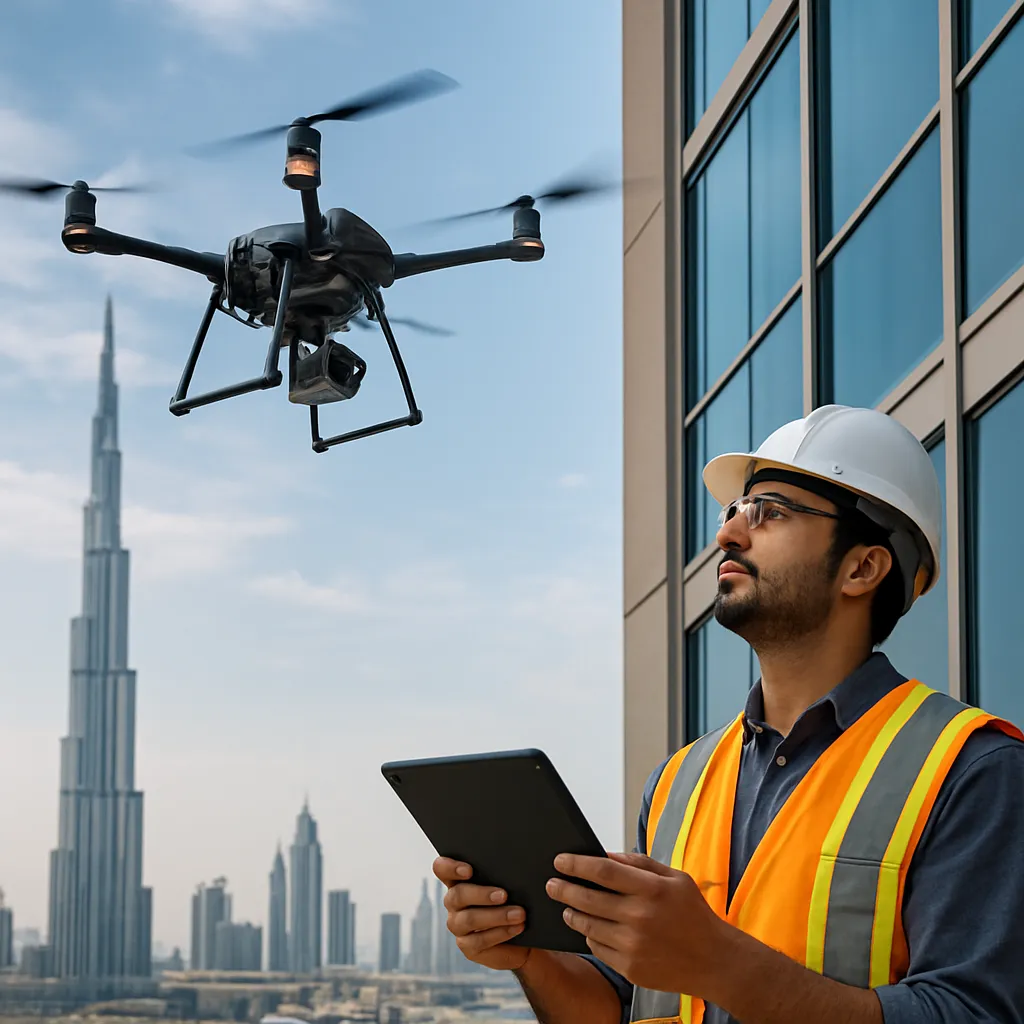
Such an ambitious undertaking is not without challenges. Engineers must account for wind loads, seismic activity, and long-term wear on mechanical components. Maintenance protocols will be critical: scheduled inspections of bearings, motors, and control systems must be rigorous to uphold safety standards.
Risk Mitigation Strategies
- Redundant power supplies ensure rotation controls remain functional during outages.
- Predictive maintenance algorithms forecast component wear before failures occur.
- Advanced damping systems counteract oscillations caused by high winds.
Looking ahead, the rotating concept could influence future projects across the Middle East and beyond. By demonstrating the viability of kinetic architecture, this tower may inspire a new era of architecture where buildings are not static monuments but dynamic participants in city life.
Revolutionizing the very notion of urban development, the world’s first rotating tower in Dubai is set to redefine how people interact with the built environment, setting a new benchmark for ingenuity and ambition in the 21st century.