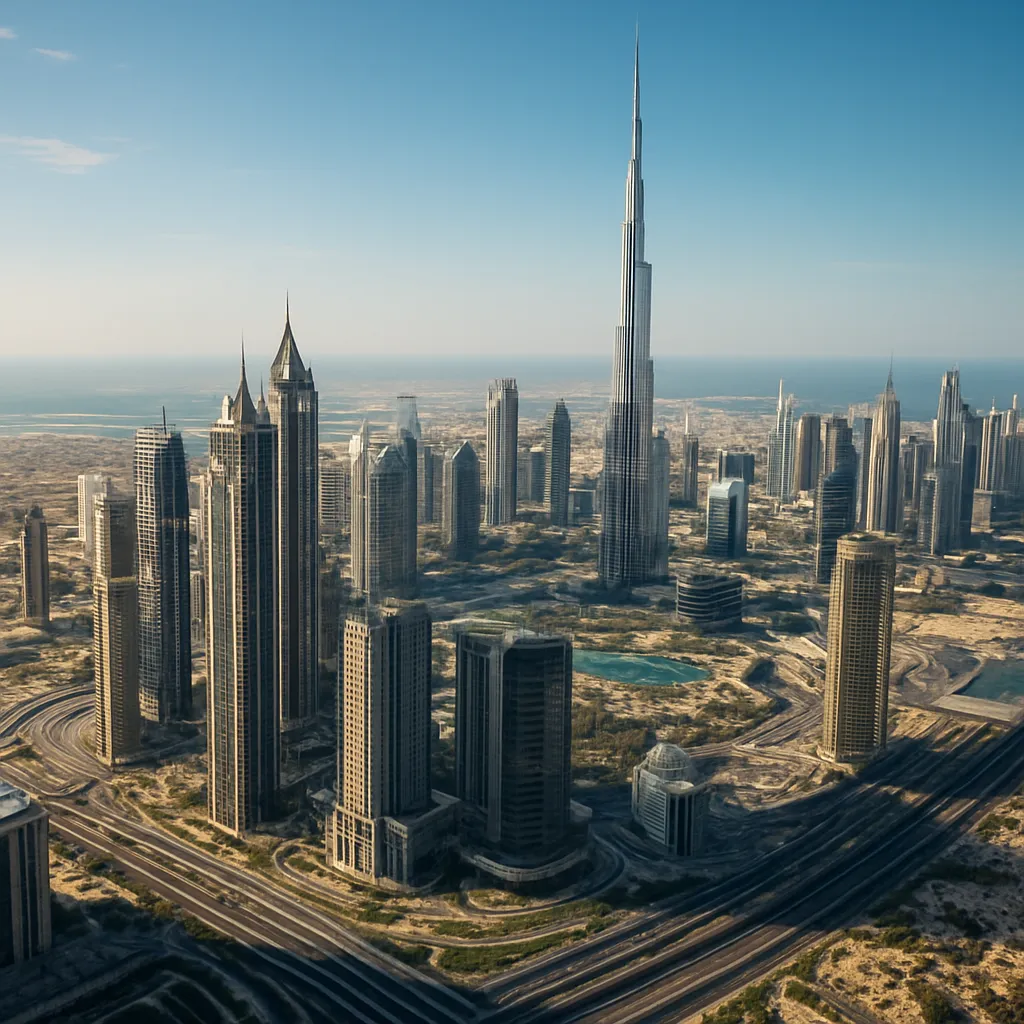
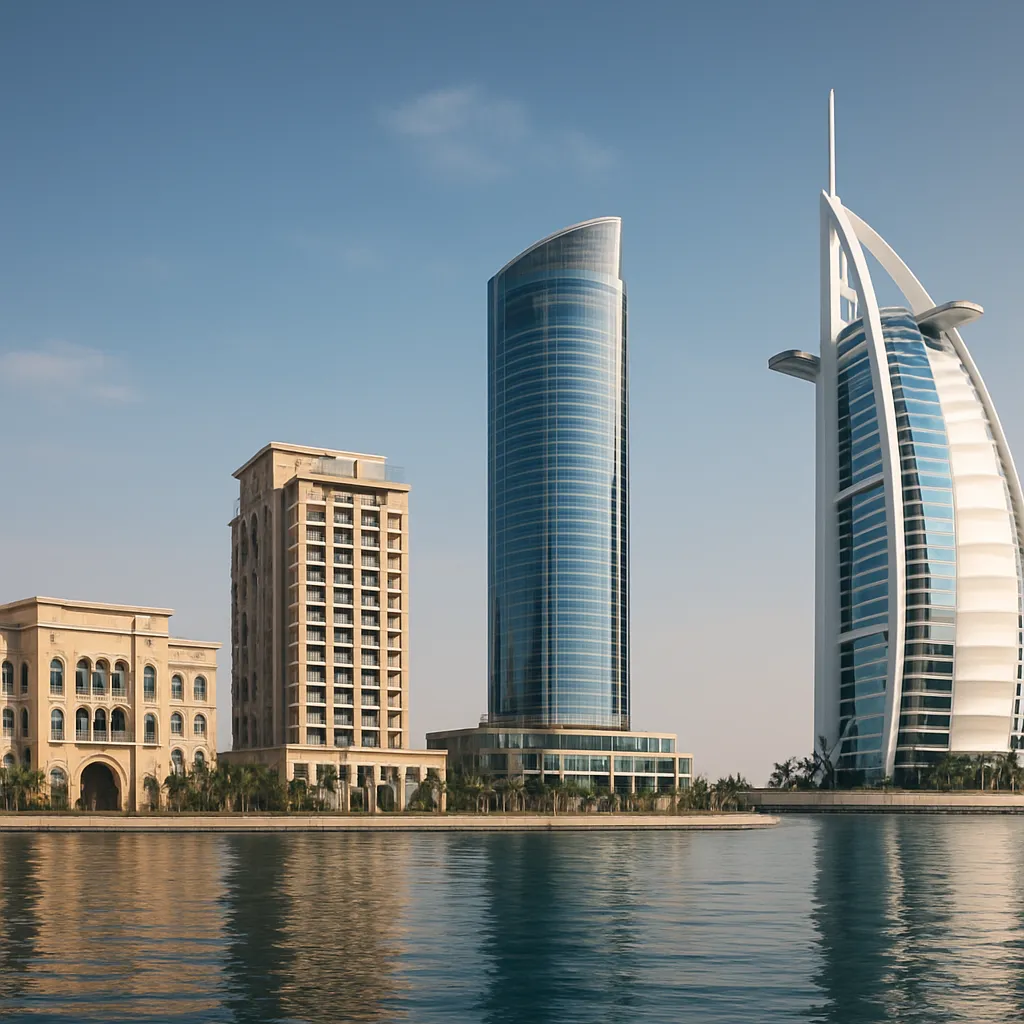
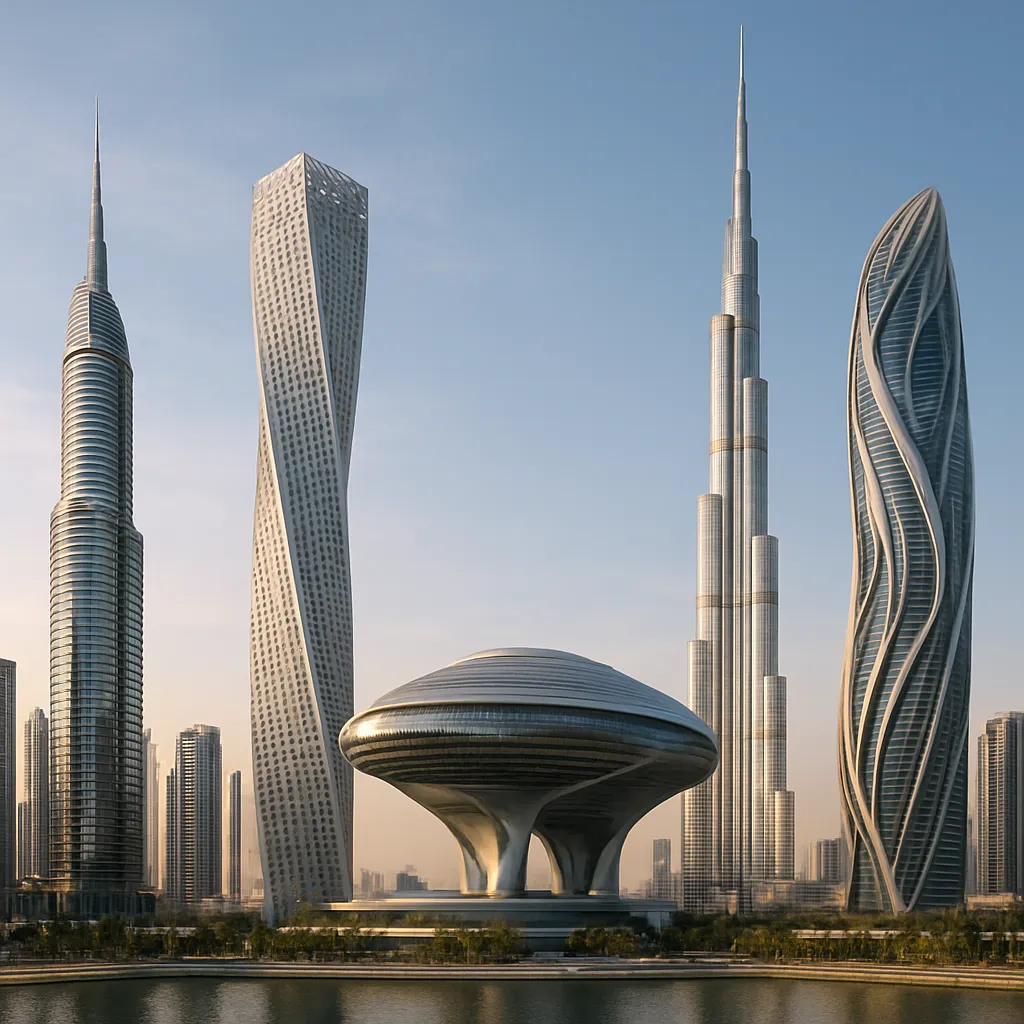
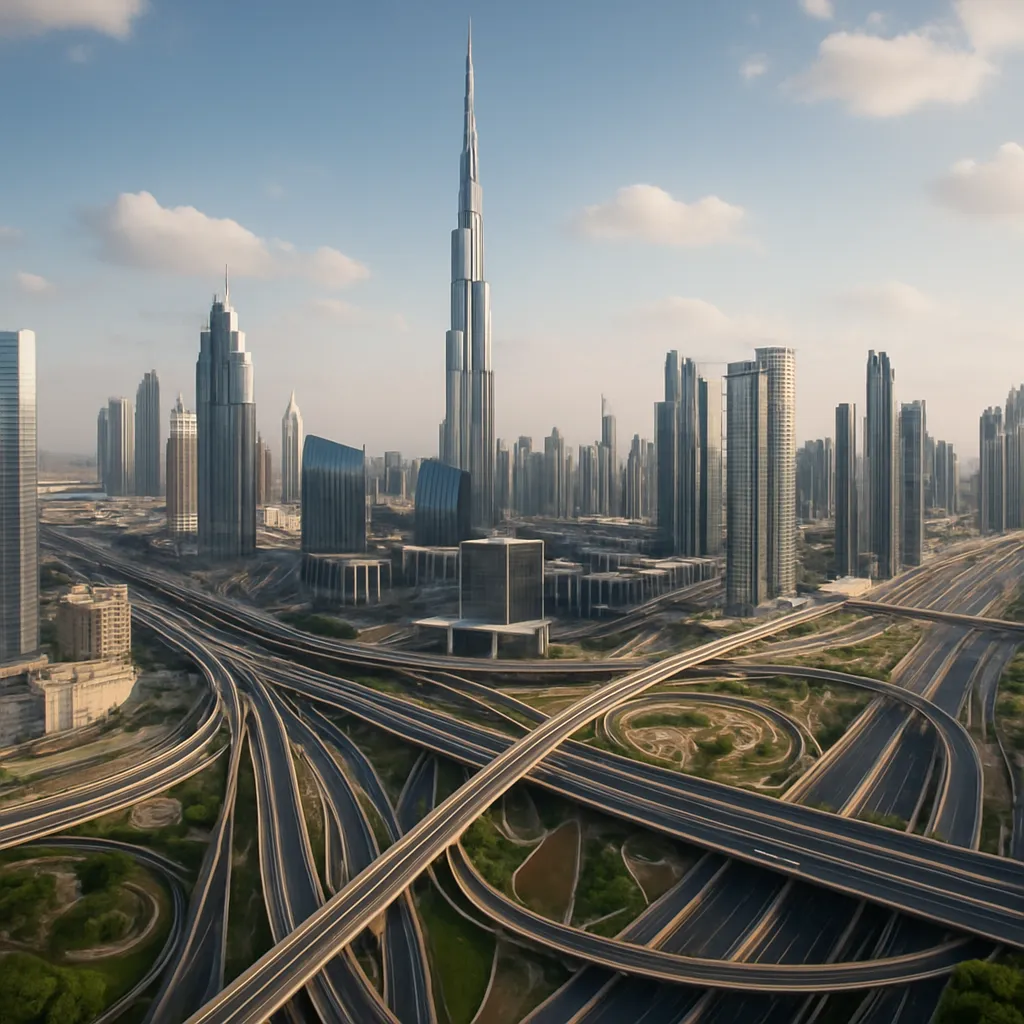
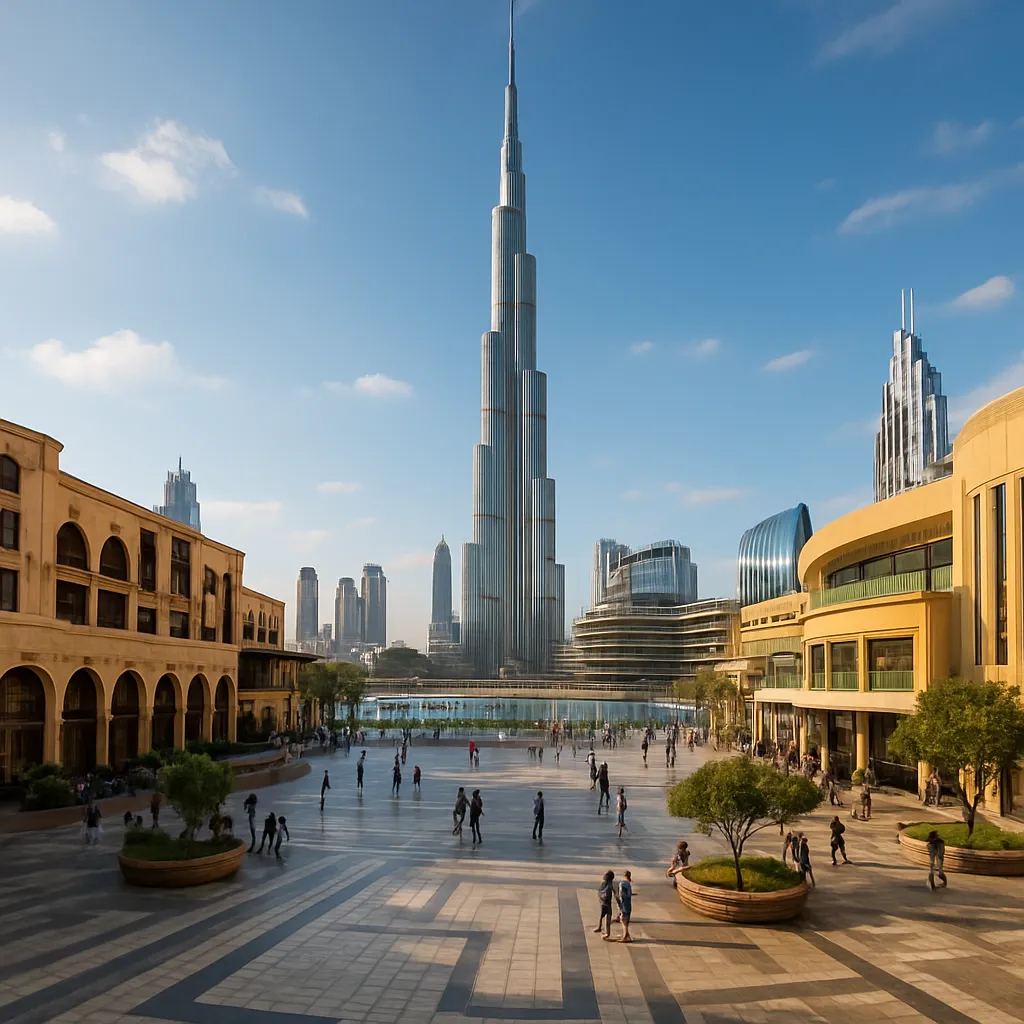
Dubai’s urban landscape has transformed into a thriving stage for groundbreaking architectural experimentation. From the soaring heights of the Burj Khalifa to the sinuous curves of the Museum of the Future, the city’s skyline reflects a steadfast commitment to innovation, vision, and bold risk-taking. Developers, designers, and planners converge here to test advanced technology and pioneering forms, turning Dubai into a true global laboratory for the built environment.
Experimental Design and Iconic Projects
Within a few short decades, Dubai has leapt from desert outpost to a focal point for ambitious architectural statements. Embracing experimentation, the emirate incentivizes architects to overcome traditional limits through daring structural solutions.
- Burj Khalifa: Standing at 828 meters, this record-breaking tower uses a bundled tube structural system to achieve unprecedented slenderness. Its stepped design reduces wind forces and creates dynamic terraces that enrich public viewing experiences.
- Dubai Frame: Shaped like a colossal picture frame, it redefines how a city monument can frame both the past and future skylines. The structure’s striking silhouette employs a steel exoskeleton to support massive cantilevers, offering panoramic vistas.
- The Museum of the Future: Combining parametric design tools with advanced robotics, this toroidal building features a self-supporting stainless-steel skin adorned with Arabic calligraphy. It demonstrates how computational design and digital fabrication can merge into a seamless architectural statement.
These landmarks symbolize Dubai’s appetite for pushing the envelope. By challenging engineers to solve complex problems—whether related to wind loading, material performance, or digital modeling—the city fosters an environment where the most inventive schemes can materialize.
Sustainable Innovations and Smart City Integration
While early experimental projects prioritized spectacle, more recent developments balance grandeur with environmental stewardship. Dubai aims to integrate sustainability at every stage, adopting renewable energy, water recycling, and intelligent environmental controls on a citywide scale.
Enviropreneurial Districts
- Dubai Sustainable City: A model community where rooftop solar systems power electric vehicles, sensors monitor water usage, and waste is converted to energy on-site. Homes use thermally insulated panels to cut cooling loads, reflecting a comprehensive approach to urban resilience.
- Masdar City Partnership: Although located in Abu Dhabi, collaborative research between Masdar and Dubai universities informs planning strategies across the emirate. Shared data platforms allow architects to simulate microclimate impacts and optimize building performance.
Smart Infrastructure and Digital Platforms
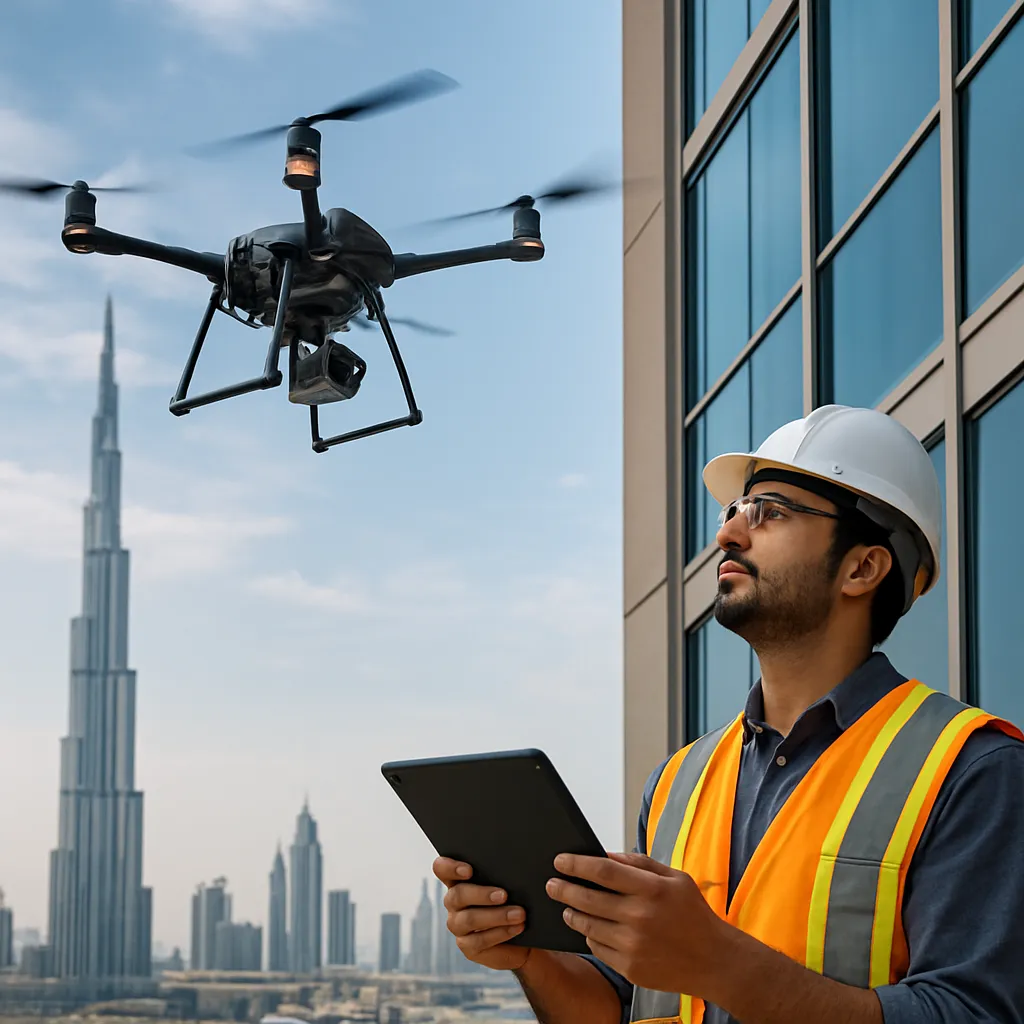
- Implementation of IoT networks links streetlights, traffic systems, and building management tools. Real-time data analytics enhance energy efficiency, while predictive maintenance of facades and structural components prolongs asset life cycles.
- Dubai’s blockchain-based building permits reduce bureaucratic delays, enabling rapid prototyping and swift adjustments to design parameters. This digital governance boosts the pace of innovation by minimizing administrative friction.
The synergy between technology and policy fosters an ecosystem where startups, academic institutions, and global firms collaborate. Experimental modules—such as floating solar-forge roof panels—undergo rigorous field tests before scaling across residential and commercial districts.
Cultural Identity and Future Prospects
Dubai’s architectural journey is not solely defined by height or tech; it is also a canvas for articulating a unique cultural identity. Modern interpreters of Islamic art, desert vernacular, and nomadic traditions find expression through form, pattern, and material.
Contextual Design Strategies
- Desert-Inspired Morphologies: Architects draw from dune formations, integrating curved façades and wind towers that recall traditional cooling techniques while presenting a futuristic aesthetic.
- Parametric Tesselations: Inspired by mashrabiya screens, digital design tools generate intricate lattices that filter sunlight and create dynamic shadow plays. These patterns are both decorative and functional, reducing glare and improving thermal comfort.
Shaping Tomorrow’s Horizons
- Vertical farming towers promise locally grown produce in high-rises, combining greenery with structural elements to symbolically and practically heal the urban fabric.
- Adaptive facades equipped with shape-shifting materials respond to humidity and temperature, redefining responsive architecture on a megaproject scale.
- Master plans for upcoming districts propose floating islands, sub-surface transport tunnels, and mixed-reality public spaces that blur the distinction between physical and virtual realms.
As Dubai continues to evolve, its role as a testbed for disruptive design and engineering approaches will likely expand. The emirate’s relentless pursuit of excellence, supported by visionary leadership and substantial investment, guarantees that the next generation of buildings will push boundaries in integration, infrastructure, and experiential innovation.