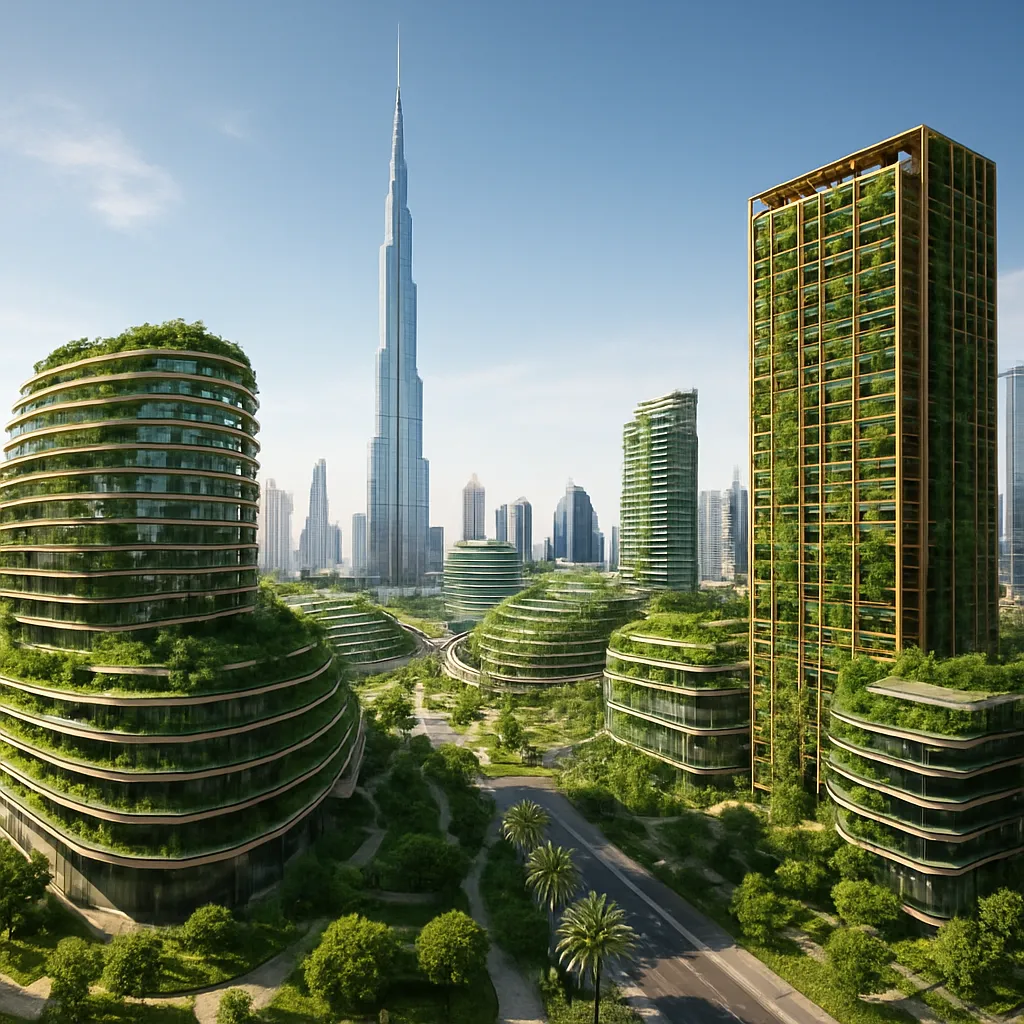
Dubai’s relentless pursuit of architectural excellence has transformed its skyline into a dynamic canvas of innovation and sustainability. As global temperatures rise and cities grapple with resource constraints, this metropolis has emerged as an ambitious proving ground where cutting-edge technology and visionary design converge. From soaring skyscrapers to eco-districts and adaptive reuse projects, Dubai is setting new standards that challenge conventional wisdom and inspire urban planners worldwide.
Green Technologies and Skyscraper Innovation
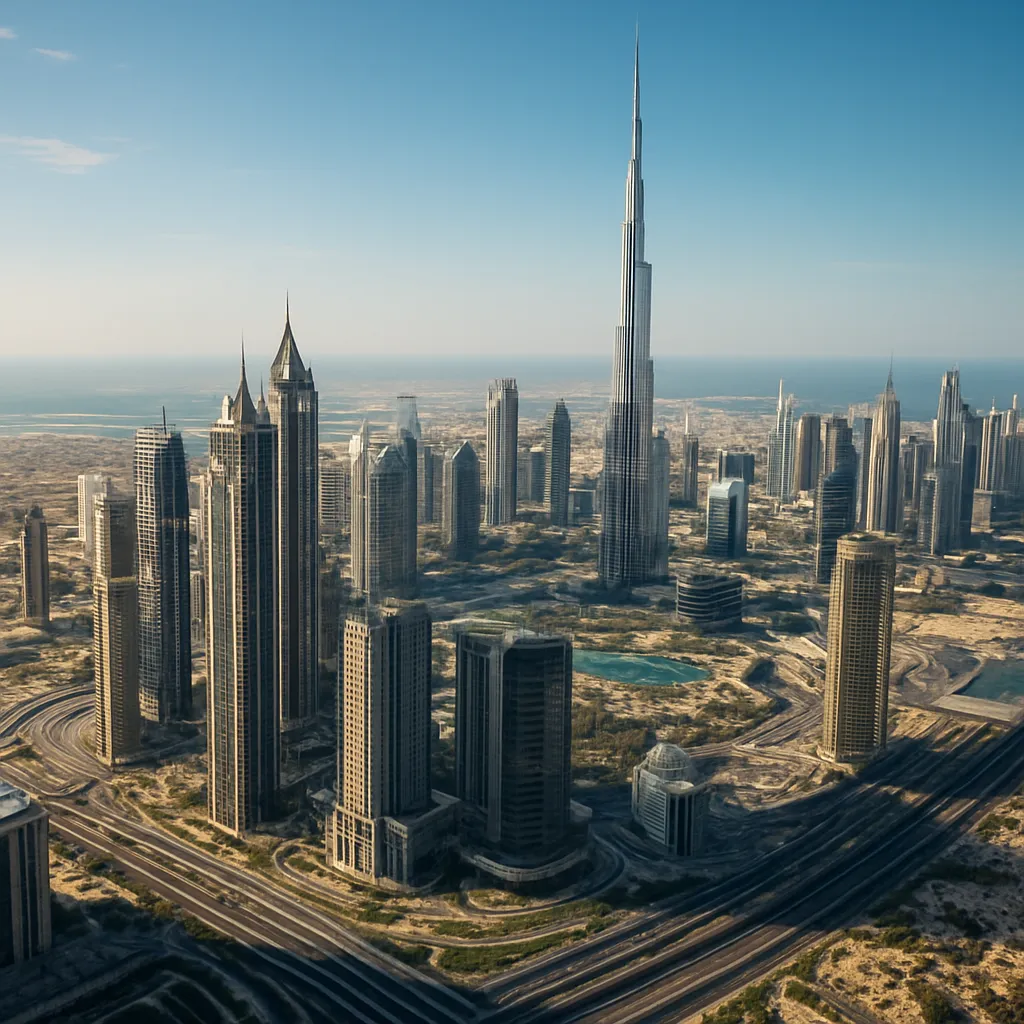
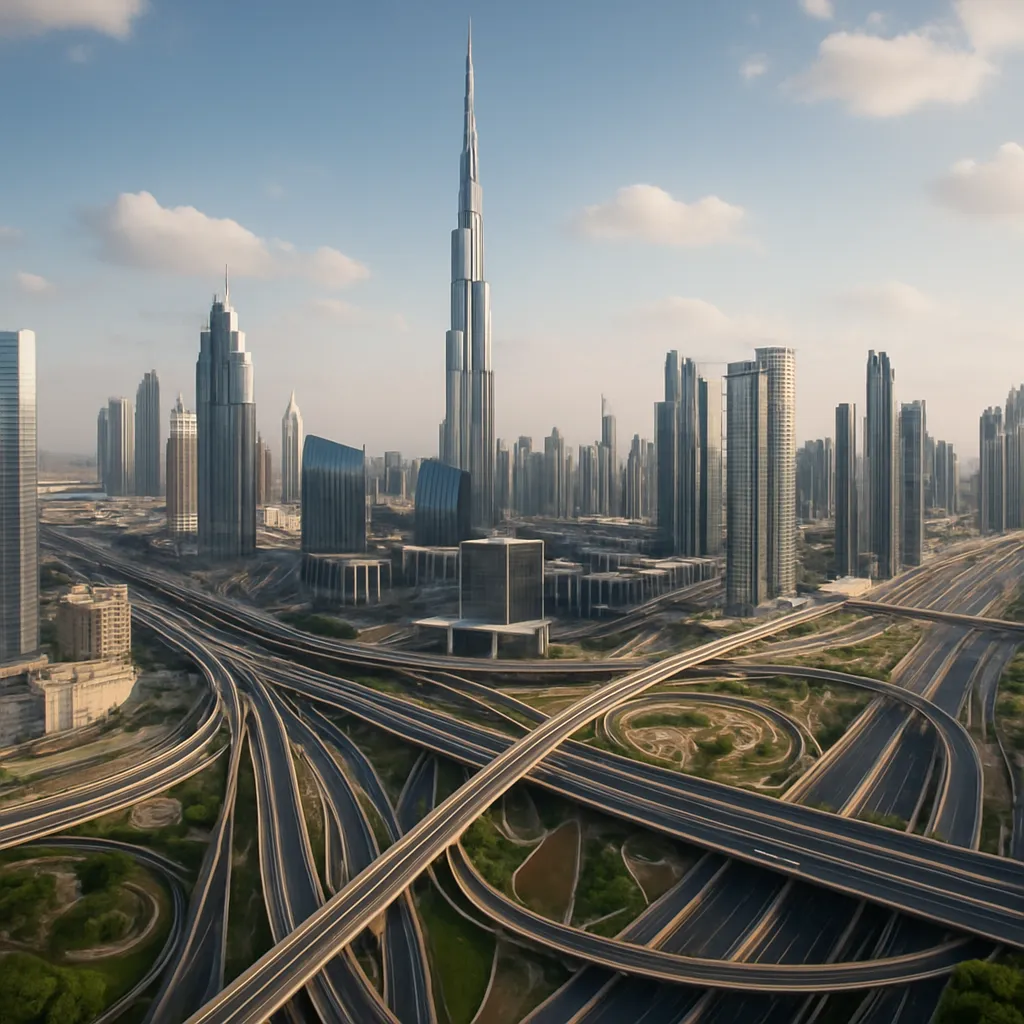
Dubai’s ambitious skyline boasts some of the tallest buildings ever constructed, but its focus has shifted from sheer height to environmental performance. Developers now integrate solar façades, wind turbines, and passive design strategies that reduce energy consumption by up to 40 percent. These advancements highlight how renewable systems can be retrofitted into high-rise structures, transforming them into self-sufficient vertical ecosystems.
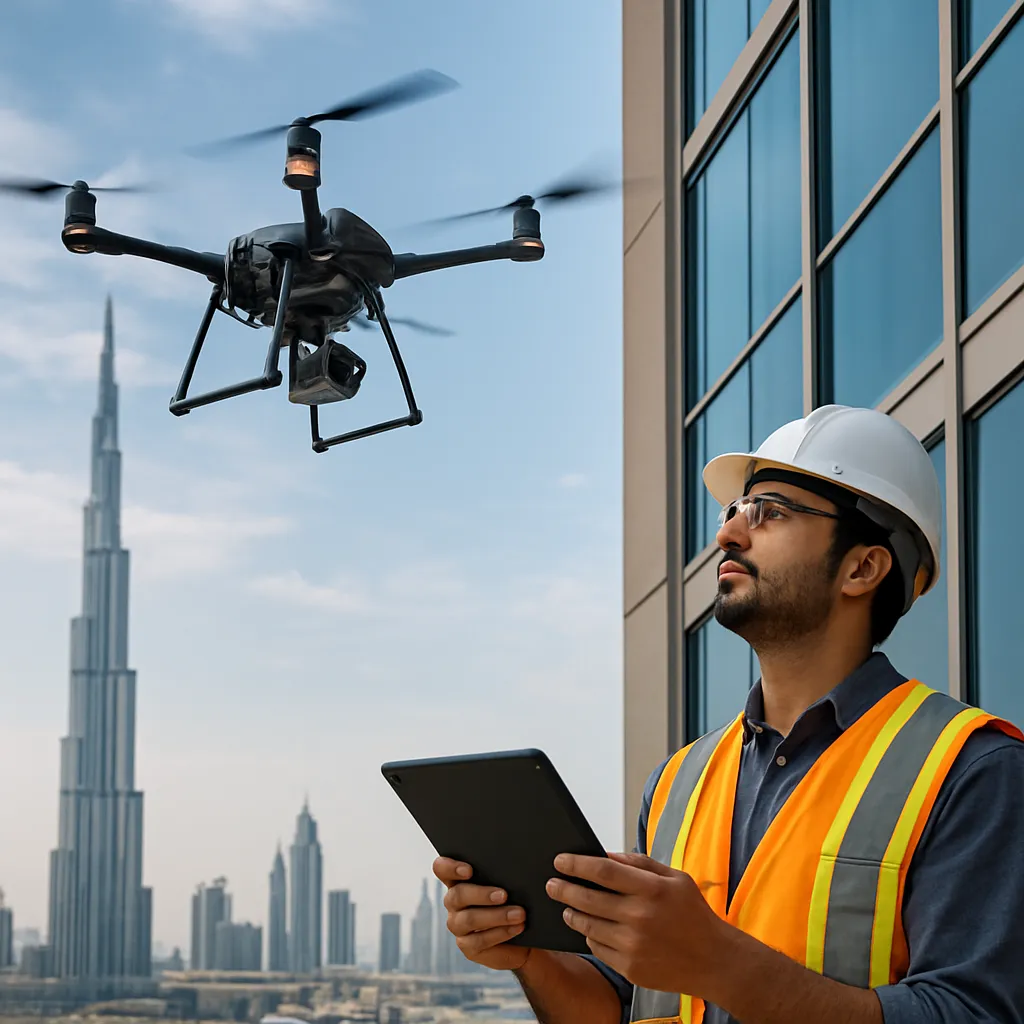
One prime example is a recently completed tower that incorporates a double-skin façade with automated louvers. This system adapts in real time to Dubai’s intense sun, maintaining comfortable interior temperatures while minimizing air-conditioning loads. The result is a model of efficiency, where sensors and smart grids orchestrate optimal climate control without sacrificing aesthetics or occupant comfort.
Engineers are also experimenting with hybrid materials—combining concrete with phase-change substances that absorb heat during the day and release it at night. Such innovations could redefine how buildings respond to extreme heat, offering new pathways for climate adaptation in desert megacities. By leveraging materials science, Dubai is not only pushing boundaries but also fostering a culture of research and development.
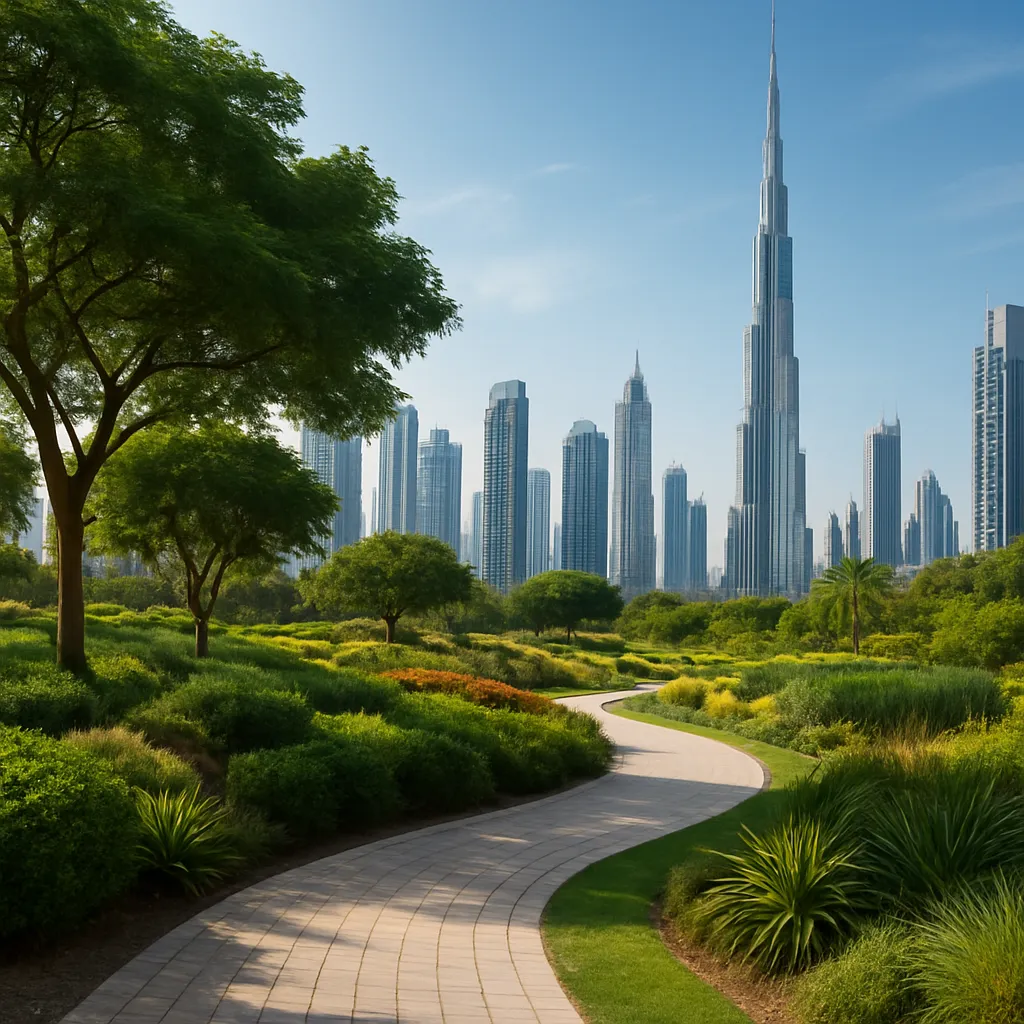
Vertical gardens and sky terraces further complement these sustainable strategies, filtering urban pollution while creating green oases high above congested streets. These living installations, often irrigated with treated greywater, exemplify how structures can generate both functional value and aesthetic delight. They serve as dynamic testbeds for horticultural resilience under harsh environmental conditions.
Through strategic partnerships with leading research institutions, Dubai is rapidly refining these green skyscraper prototypes. Each completed project yields data that informs the next generation of design, accelerating progress toward a net-zero urban horizon.
Harnessing Renewable Resources for Urban Cooling
Dubai’s relentless heat presents an immense challenge for sustainable urban living. To overcome this, city planners have adopted large-scale renewable initiatives that harness solar and geothermal potential. Solar parks spanning hundreds of hectares feed clean electricity into district cooling networks, dramatically reducing carbon footprints.
A key innovation is the deployment of solar-powered absorption chillers, which use thermal energy instead of electricity to cool water. These systems integrate seamlessly with existing district cooling plants, delivering chilled water to residential complexes, shopping malls, and office towers. The strategy demonstrates how renewable inputs can supplant traditional power sources in critical infrastructure.
Underground thermal energy storage (UTES) is another breakthrough. By pumping excess cold water into subterranean aquifers during cooler months, Dubai’s engineers store “coolth” for use in peak summer periods. This approach cuts peak energy demand, lowers operating costs, and stabilizes the grid.
Water conservation is intertwined with these cooling measures. Innovative condensation recovery systems capture moisture from air-conditioning exhaust, repurposing it for irrigation and landscaping. This closed-loop design advances Dubai’s commitment to resource sustainability, ensuring that precious groundwater remains protected.
Evidence from pilot districts indicates that these renewable cooling technologies can slash electricity consumption by up to 30 percent. As data accumulates, Dubai’s model is poised to influence arid regions worldwide desperate for scalable, eco-friendly climate control solutions.
Iconic Landmarks as Living Laboratories
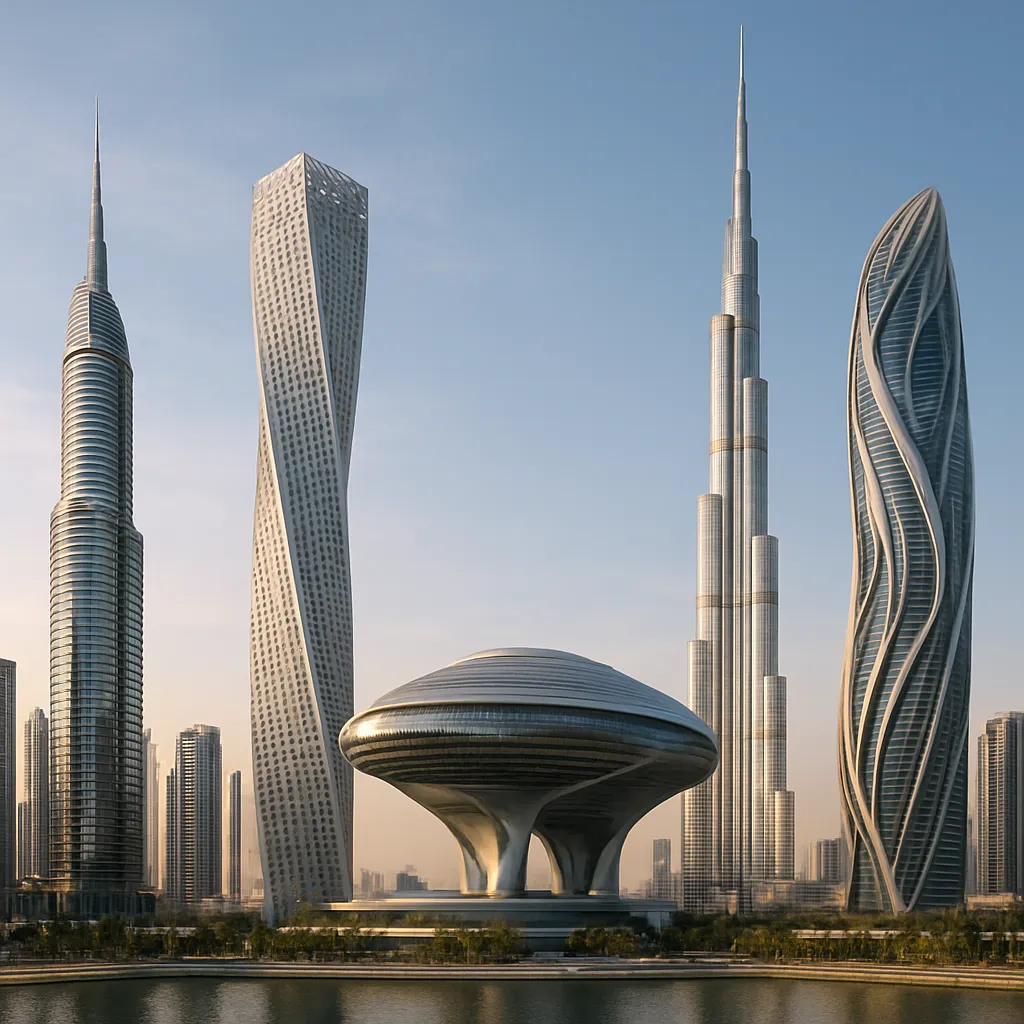
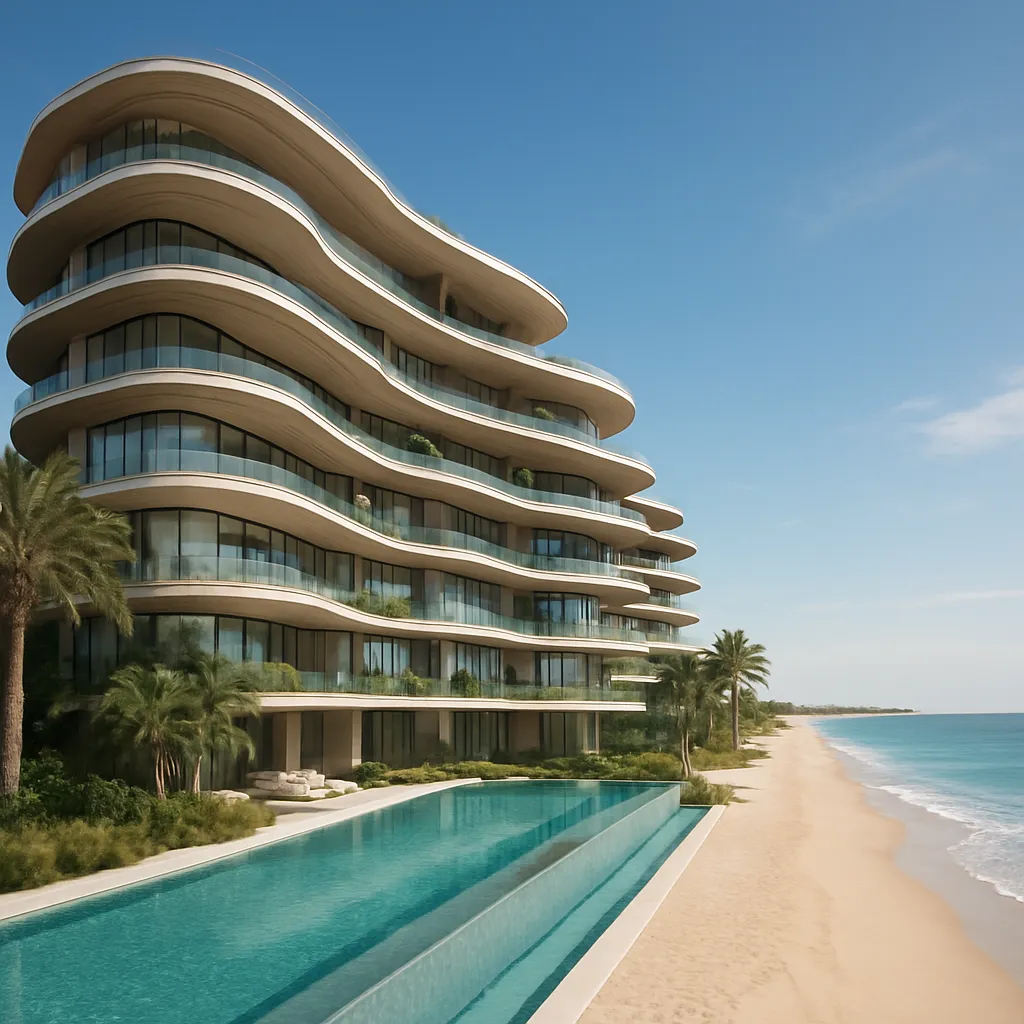
Beyond commercial towers, Dubai’s most ambitious ventures involve entire districts built as experimental hubs. The city’s creator of artificial islands, for instance, launched a master-planned neighborhood dedicated to green living. Each building in this enclave incorporates modular façades that can be reconfigured to optimize sunlight, ventilation, and shade.
These landmark projects invite architects and engineers to trial new building materials, such as bio-concrete infused with algae that sequester carbon dioxide. By meticulously monitoring performance metrics—thermal comfort, energy use, indoor air quality—the city refines its sustainability algorithms in real time.
Even temporary pavilions at global expositions serve a dual purpose: showcasing futuristic concepts while collecting empirical data. From 3D-printed structures to blockchain-enabled energy marketplaces, these ephemeral edifices accelerate innovation cycles. They illustrate Dubai’s belief that every built form, no matter how small, can push the envelope of urban design.
Collaboration with international firms ensures that best practices from Europe, Asia, and North America inform local experimentation. This cross-pollination cements Dubai’s status as a global nexus for architectural R&D, where the smartest minds converge to solve pressing environmental challenges.
By treating each iconic complex as a testing ground, the city not only markets its brand but also creates replicable solutions that can be exported to burgeoning metropolises worldwide.
Integrating Heritage and Futuristic Design
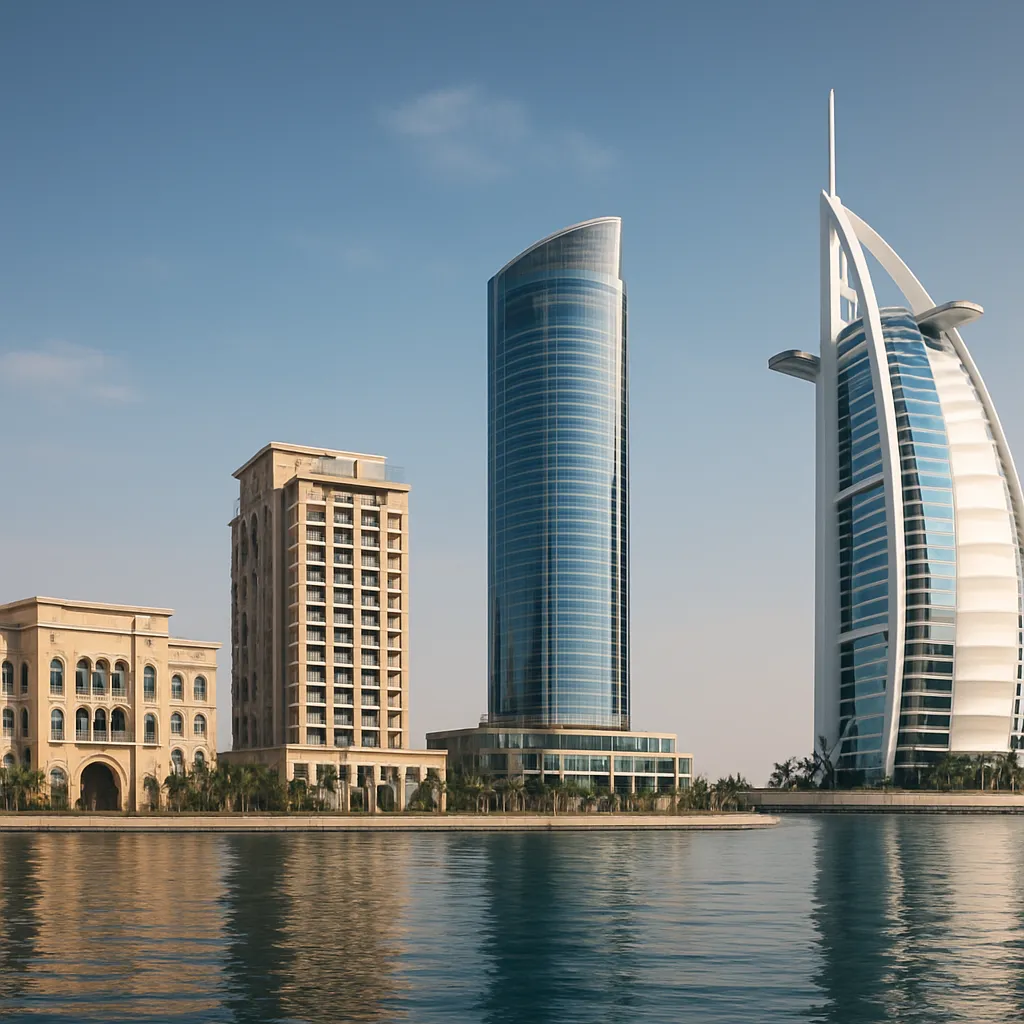
While Dubai is often associated with towering glass structures, its green architecture initiatives also respect the region’s cultural heritage. Traditional wind towers (barjeel) have inspired modern ventilated façades that channel breezes deep into building cores. These vernacular elements merge seamlessly with parametric design to create hybrid forms that are both functional and symbolic.
Adaptive reuse projects breathe new life into historic districts. Old courtyard houses, once abandoned, are being retrofitted with solar panels discreetly integrated into rooflines and walls. These interventions preserve architectural character while delivering contemporary performance.
Even the famed circular museum on the waterfront employs geometric patterns reminiscent of regional motifs to filter light and cast dynamic shadows. The building’s high-tech envelope operates like an interactive skin, blurring the boundary between past and future.
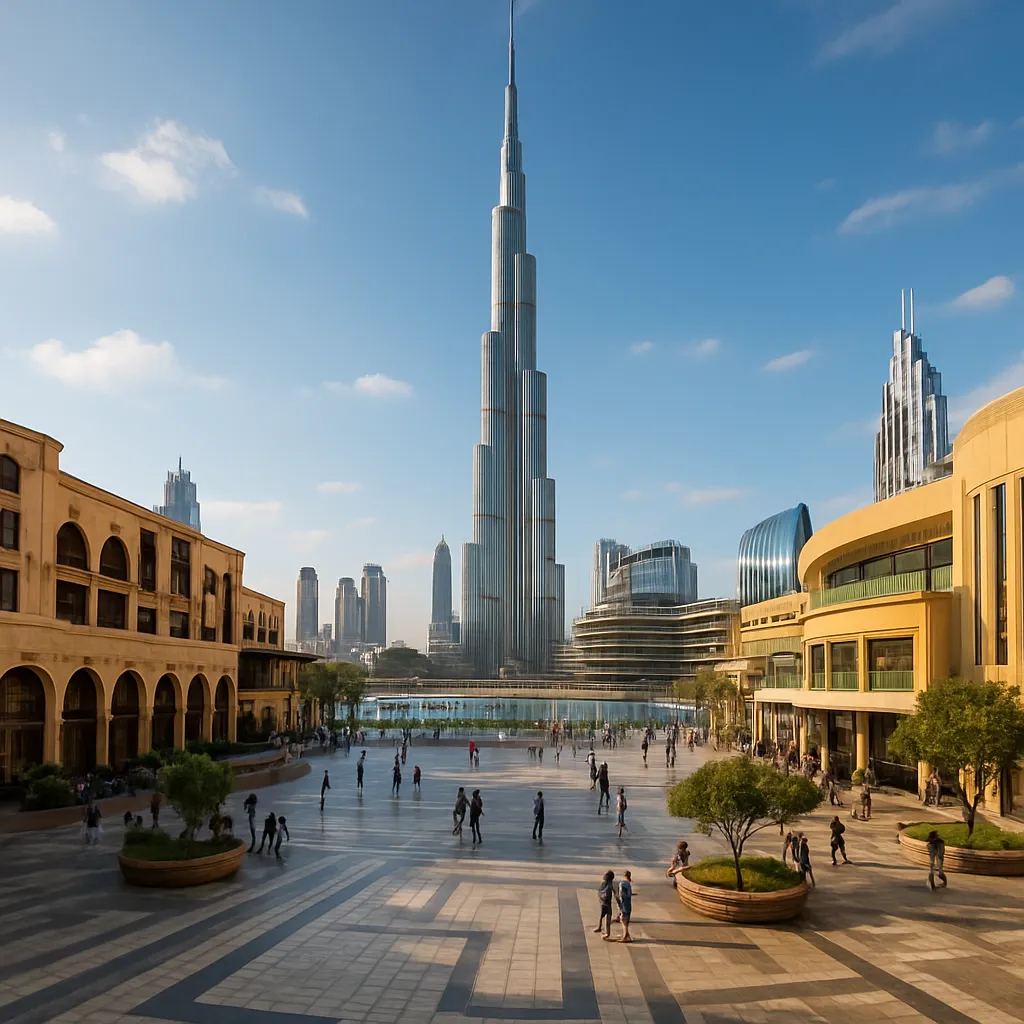
This dialogue between tradition and progress exemplifies Dubai’s holistic approach. By weaving local narratives into avant-garde frameworks, the city fosters a sense of place that resonates with residents and visitors alike.
As Dubai continues to expand, it demonstrates that green architecture need not forsake identity. Instead, it can celebrate cultural roots while propelling the urban landscape toward a more sustainable tomorrow.