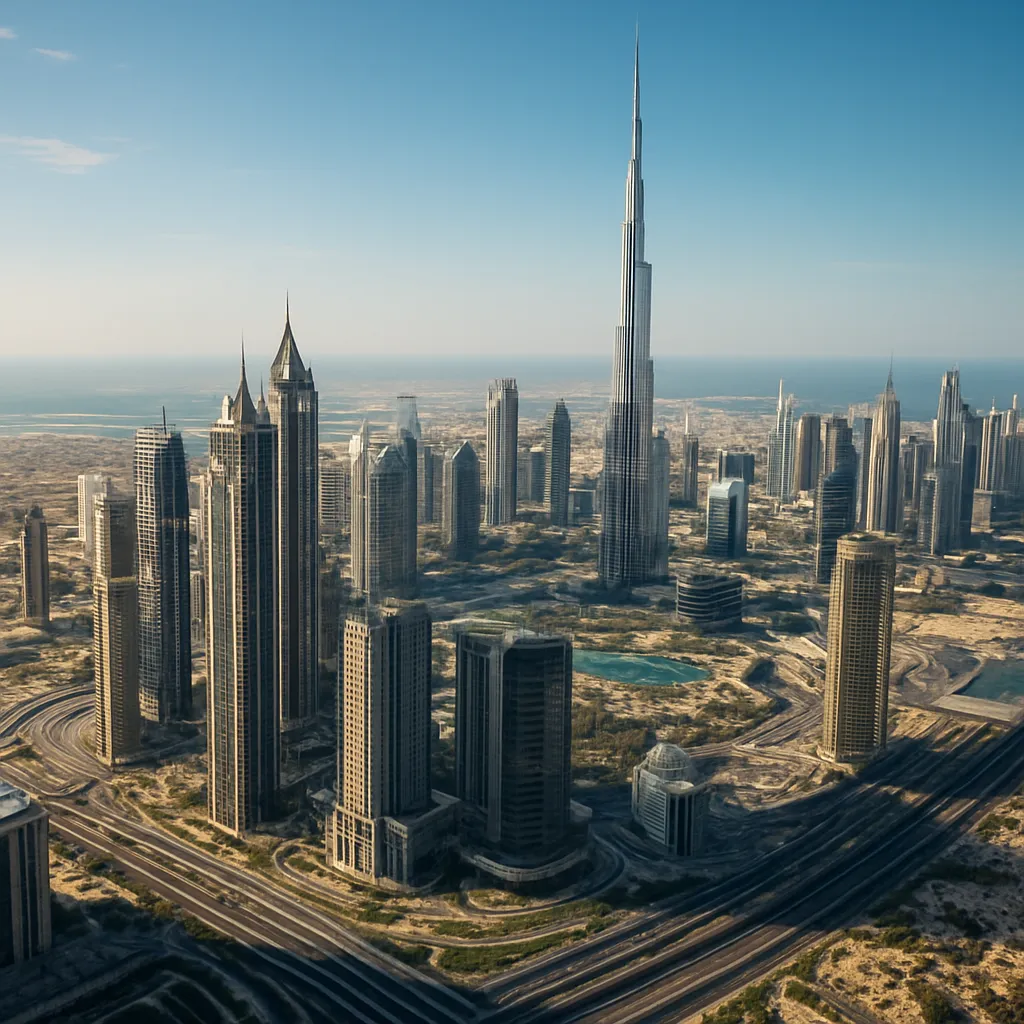
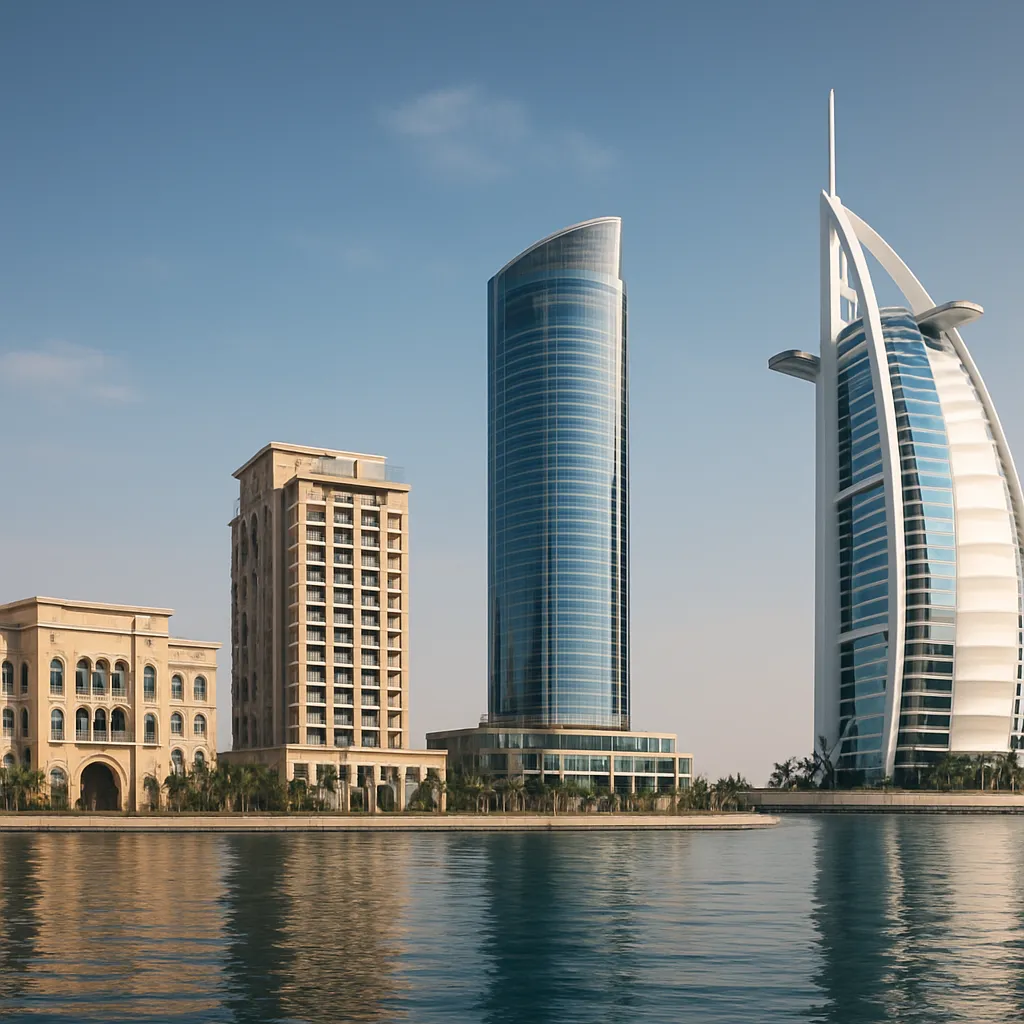
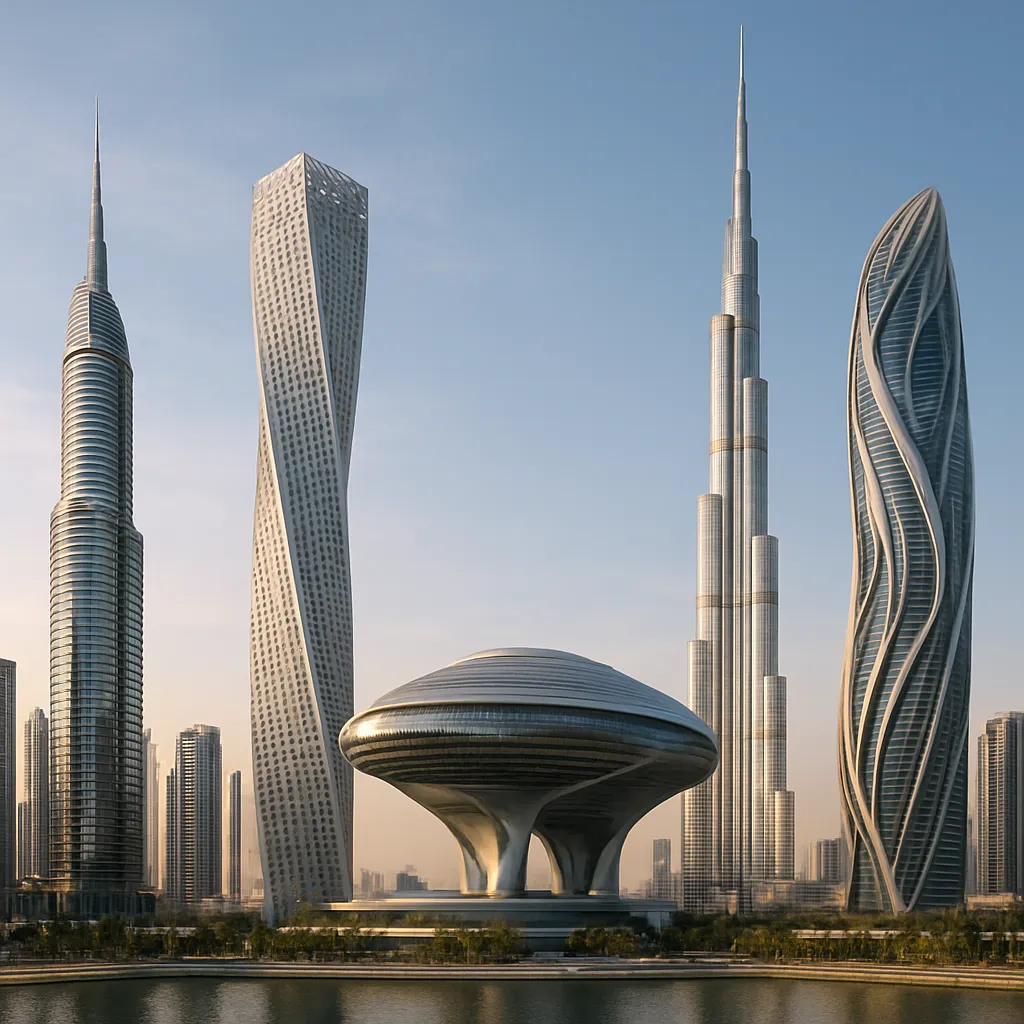
Dubai’s skyline is a testament to the city’s unwavering ambition to transform one of the world’s harshest climates into a canvas for architectural excellence. From soaring towers that defy gravity to low-rise complexes that embrace tradition, architects in Dubai have mastered the art of turning desert **challenges** into groundbreaking **opportunities**. This article explores how the city’s designers respond to an unforgiving environment, harness cutting-edge strategies, and create iconic landmarks that marry **innovation** with **sustainability**.
Environmental Context and Desert Challenges
Dubai’s harsh desert environment presents a unique set of obstacles for builders and architects. Scorching daytime temperatures often exceed 50°C, while sandstorms and high humidity test the durability of construction materials. Water scarcity adds another layer of complexity, demanding a rigorous approach to resource management. Successful projects in this setting rely on a deep understanding of the local **microclimate** and meticulous planning to optimize thermal performance, natural lighting, and ventilation.
Understanding Temperature Extremes
The city’s diurnal temperature swings create a constant battle between heat gain and heat loss. Architects employ advanced simulations to model solar exposure and thermal behavior, ensuring that façades and envelope systems minimize heat absorption. Techniques such as double-skin façades and high-performance insulation help maintain comfortable indoor conditions while reducing energy consumption from air conditioning.
Sand, Wind, and Corrosion
Sandstorms can erode surfaces, clog mechanical systems, and impair operational efficiency. To counter this, designers incorporate robust finishes and sealants that withstand abrasion. Additionally, aerodynamic building forms and strategically placed **wind towers** guide airflow to deter sand accumulation and facilitate natural ventilation—proven methods that date back to traditional Arabian architecture.
Innovative Architectural Strategies
Dubai’s architects leverage a blend of time-honored wisdom and state-of-the-art solutions. Their toolkits include passive design principles, renewable energy integration, and smart building management systems. By weaving these strategies into every aspect of a project, they achieve remarkable levels of **energy efficiency** and occupant comfort.
Passive Cooling and Smart Shading
Passive cooling techniques draw directly from vernacular architecture. Narrow courtyards, shaded arcades, and high ceilings enable hot air to rise and dissipate, while cool breezes circulate at the ground level. Modern iterations might incorporate automated **smart shading** systems that track the sun’s path, adjusting louvers in real time to block direct glare without sacrificing daylight.
Daylighting and Right-to-Light
Proper use of daylight significantly reduces reliance on artificial lighting. Architects in Dubai design façades with a calibrated balance of glazed surfaces, light shelves, and reflective surfaces, ensuring even illumination deep within floor plates. The concept of **right-to-light**—committing to minimum illuminance levels—supports both productivity and well-being in residential and commercial environments.
Renewable Energy and Photovoltaic Integration
Abundant sunshine makes Dubai an ideal laboratory for solar energy. Many projects feature building-integrated **photovoltaic panels** seamlessly woven into roofs, canopies, and even curtain walls. Advanced systems track solar intensity, optimizing power generation and feeding surplus energy back into the grid. This dual approach to design and infrastructure bolsters the city’s aspirations for net-zero buildings.
Iconic Projects and Future Developments
Numerous high-profile ventures exemplify Dubai’s prowess in confronting desert realities through design ingenuity. From mixed-use mega-towers to sustainable community developments, these projects illustrate how architectural ambition aligns with environmental stewardship.
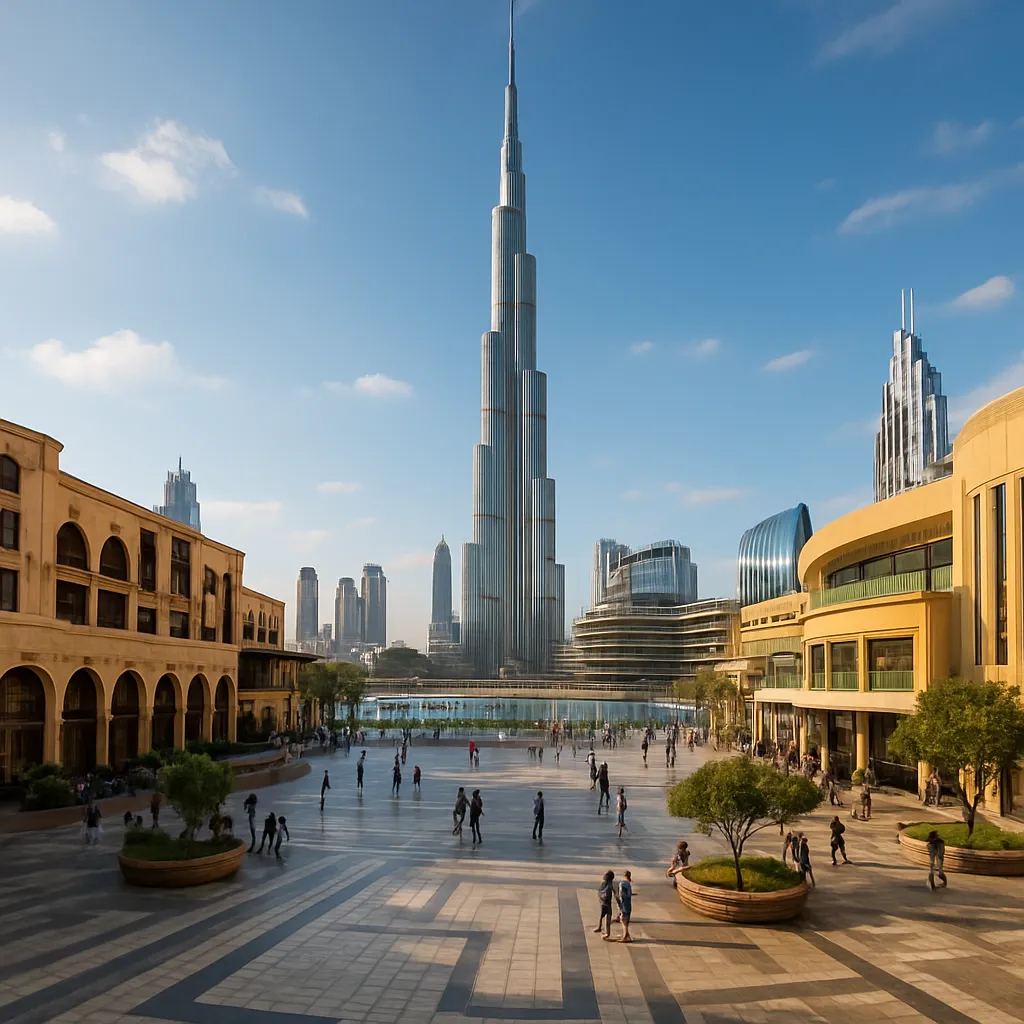
- Burj Khalifa: At 828 meters, it redefines vertical living. Its stepped setbacks reduce wind loads and form shaded terraces, while its high-efficiency glazing limits solar gain.
- Masdar City Pavilion: Although located in Abu Dhabi, this structure has influenced Dubai’s approach to sustainable design. Its wind catcher and evaporative cooling system demonstrate the viability of low-energy solutions in the Gulf region.
- Dubai Creek Harbour: A 6-million-square-meter development that prioritizes waterfront microclimates, pedestrian pathways, and solar shading canopies, promoting both **comfort** and social interaction.
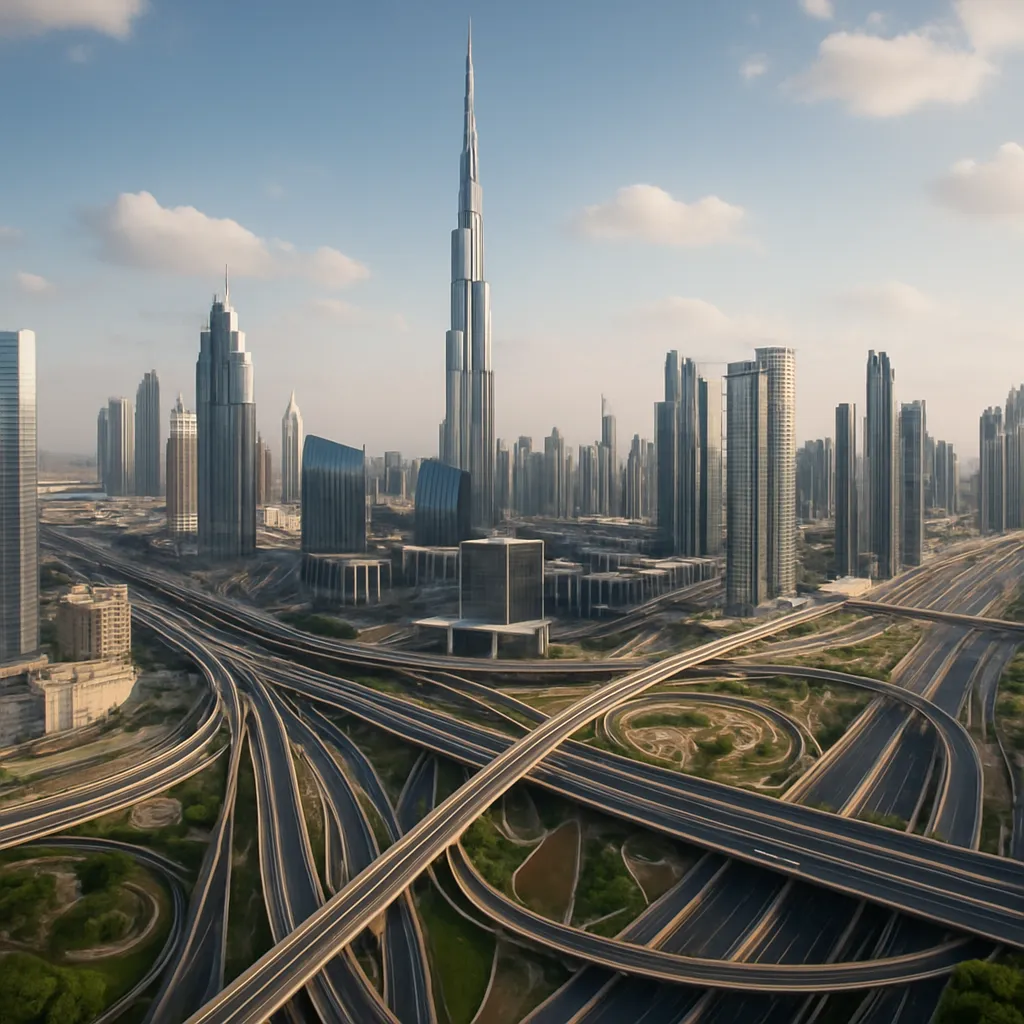
Beyond these flagship endeavors, forthcoming masterplans like the Dubai 2040 Urban Master Plan highlight a commitment to **mixed-use** nodes, green corridors, and connectivity that extends far into the desert periphery. Future towers may incorporate mineral-enhanced concrete with superior thermal mass, while autonomous public transit systems reduce vehicular emissions and heat islands.
Integrating Sustainable Materials and Smart Technologies
Choosing the right **materials** and systems is crucial for desert resilience. Innovations in high-performance cement, nanocoatings, and recycled aggregates contribute to lower embodied energy. Interiors often feature locally sourced stone and timber, fostering a sense of **cultural identity** while reducing transport emissions.
Advanced Cooling Systems and Water Recycling
Desert architecture demands efficient cooling strategies. Chilled beam cooling, ground-coupled heat exchangers, and phase-change materials work in concert with traditional HVAC to optimize energy use. Meanwhile, greywater treatment and rainwater harvesting systems—though challenged by low rainfall—are seamlessly integrated into site planning, ensuring every drop supports landscaping and toilet flushing.
Digital Twins and Building Automation
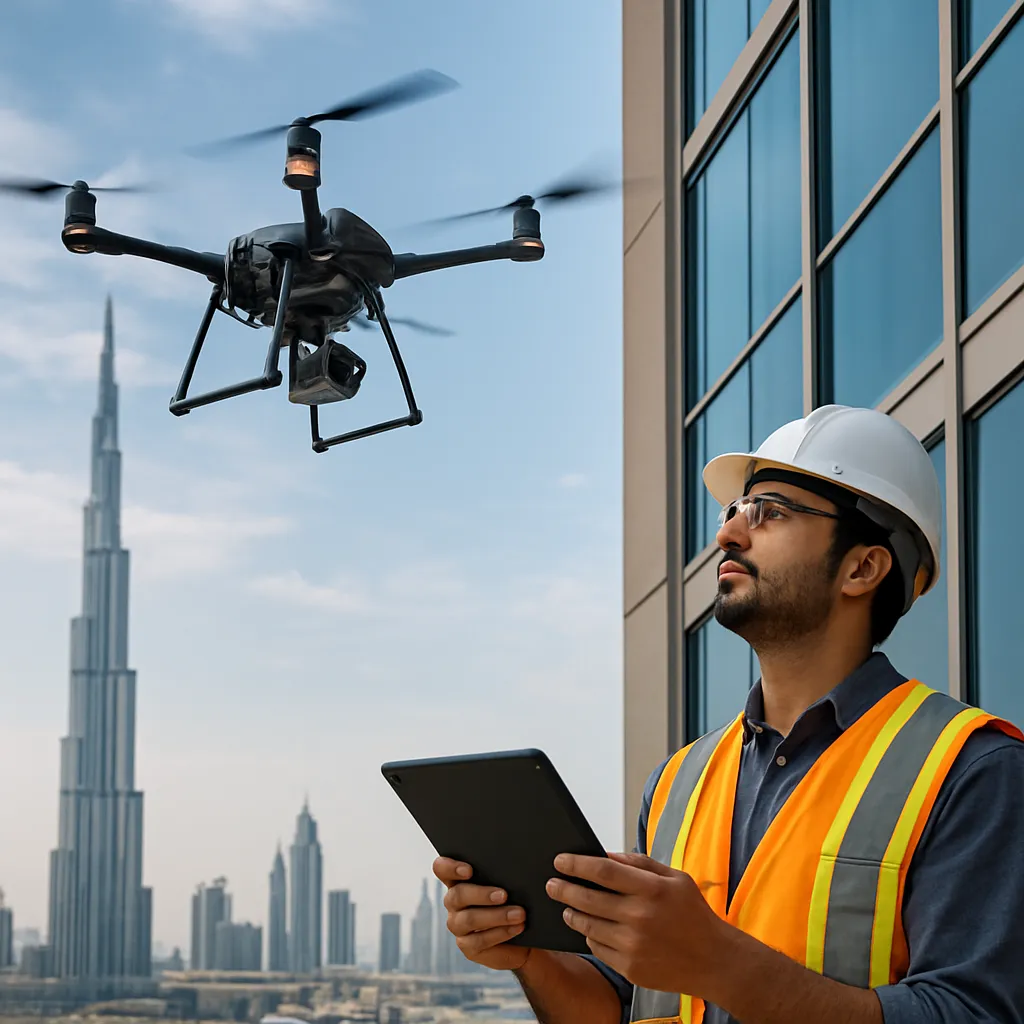
State-of-the-art sensor networks and digital twin models enable real-time monitoring of energy flows, indoor air quality, and structure health. Automated controls can adjust lighting, shading, and ventilation based on occupancy patterns, further enhancing **thermal performance** and reducing operational costs.
The Road Ahead
As Dubai pursues its vision of a connected, **sustainable** metropolis, architects will continue to transform desert constraints into platforms for experimental design. By harnessing the synergy between technology and tradition, the city remains at the vanguard of climate-responsive architecture, proving that even the most inhospitable environments can become hubs of creativity and innovation.