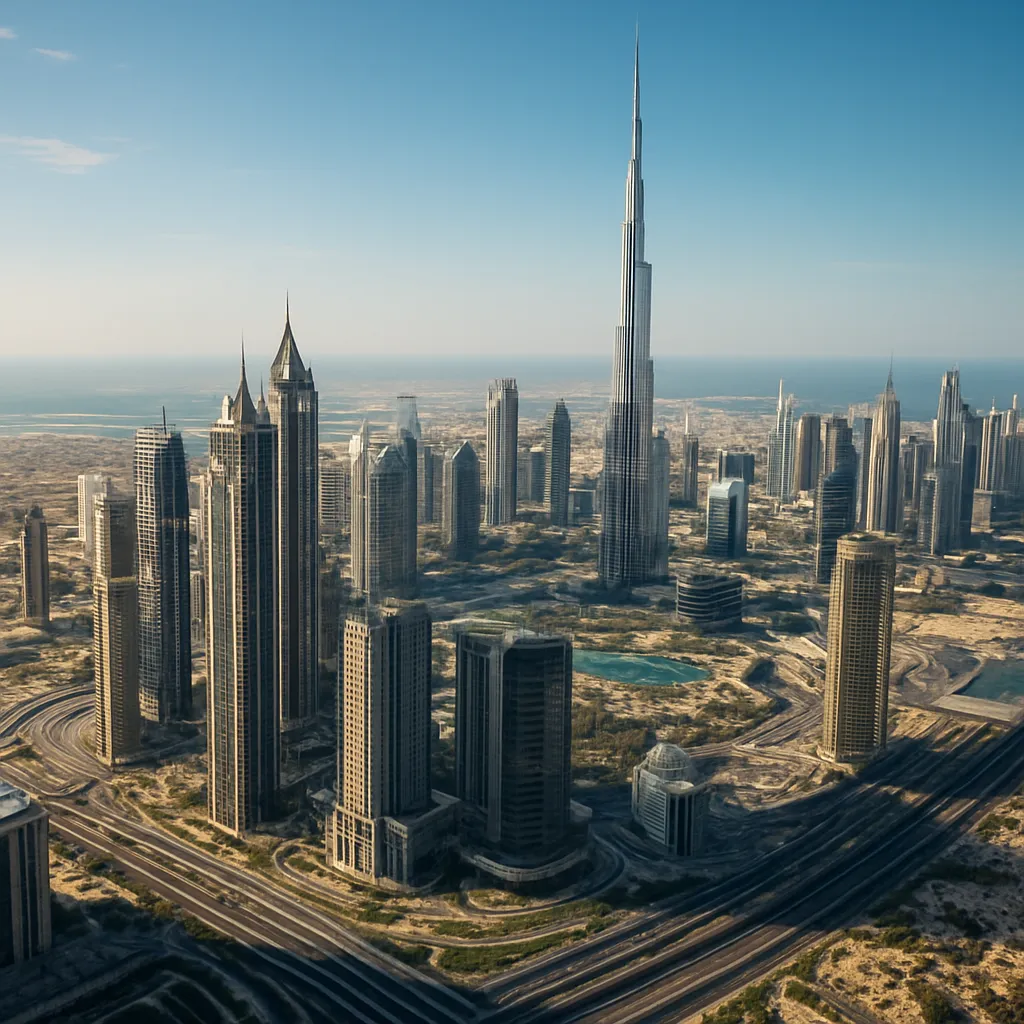
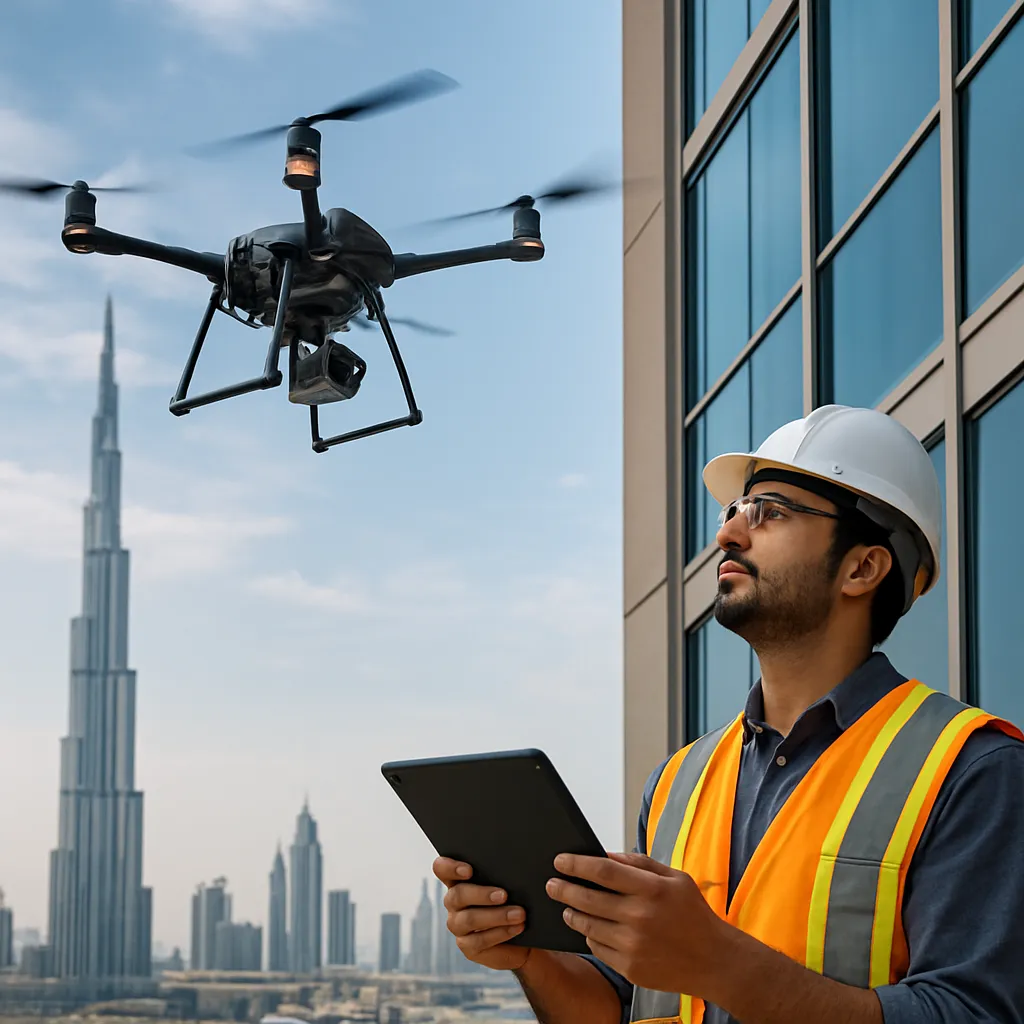
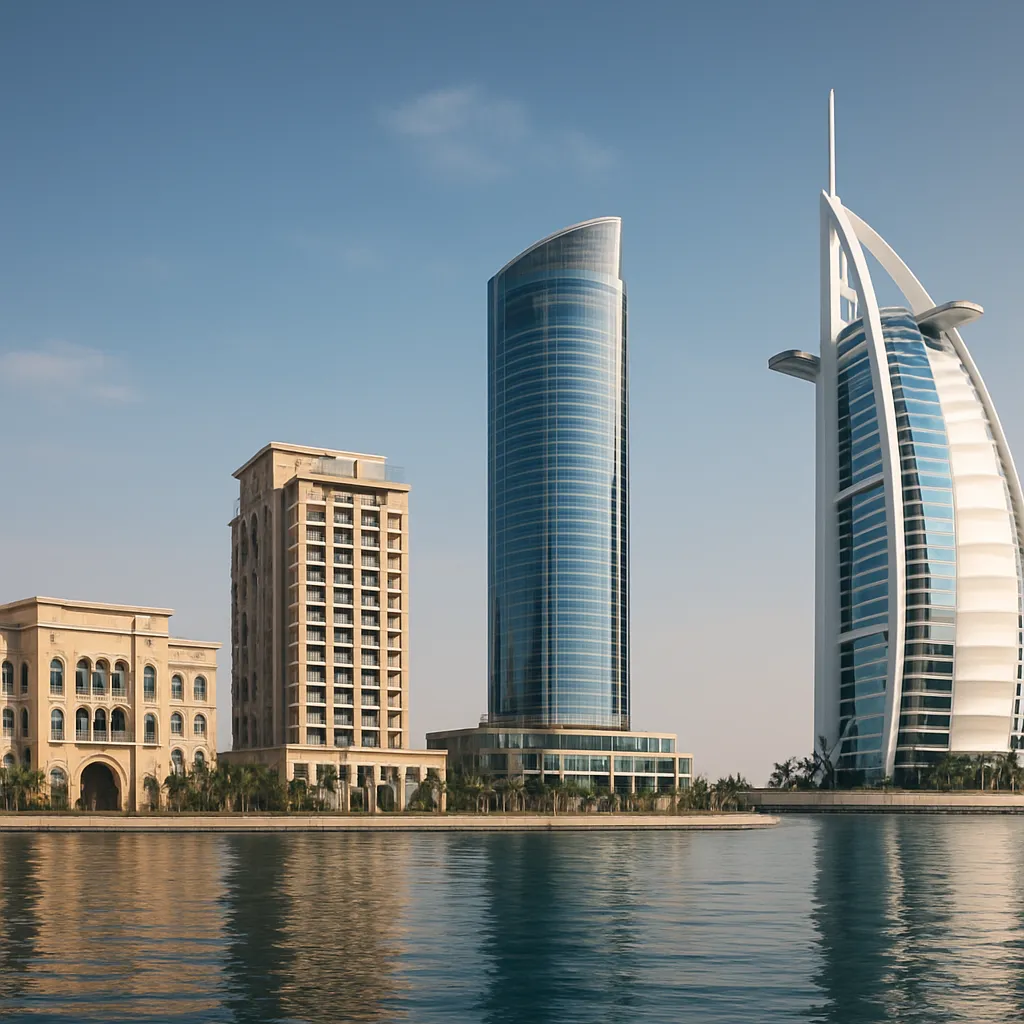
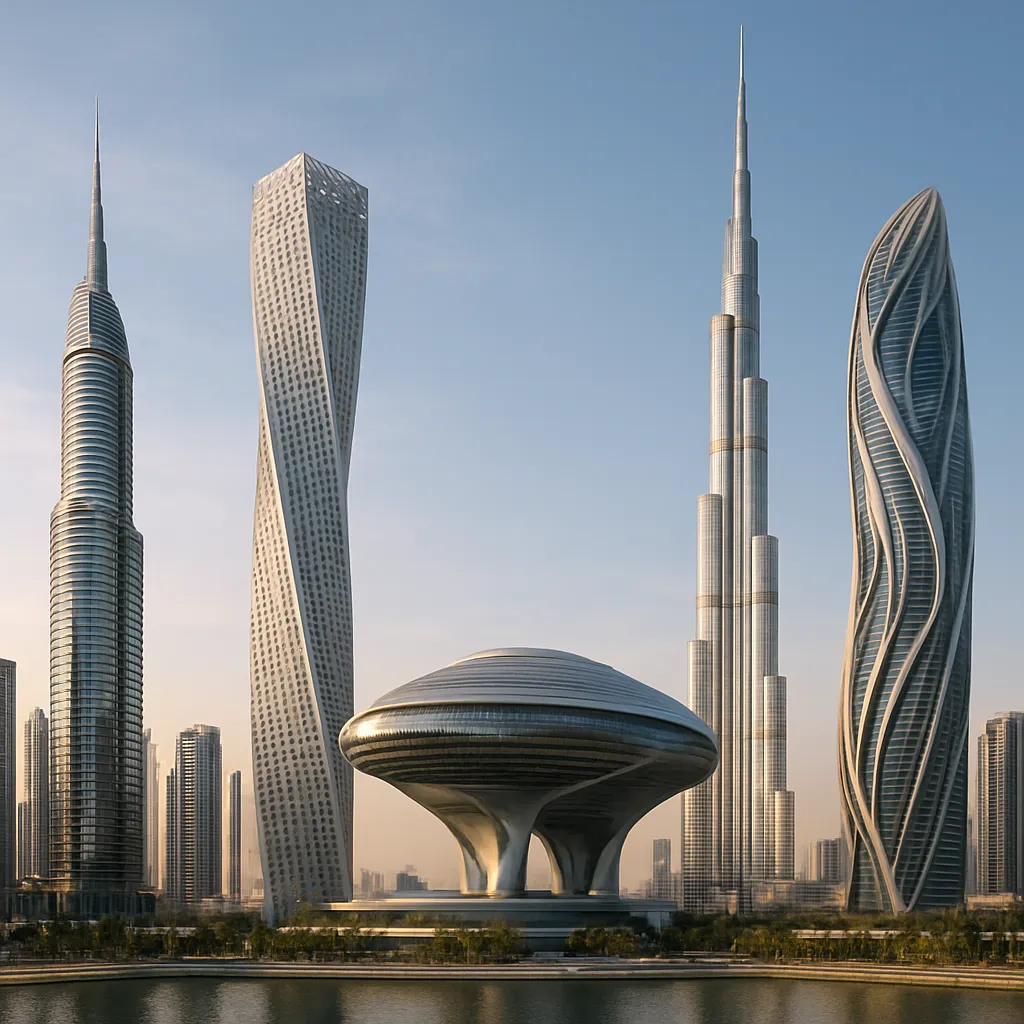
Dubai’s ever-evolving skyline stands as a testament to the **innovation** and vision of its designers. From the soaring spires of Burj Khalifa to the fluid curves of the Museum of the Future, the emirate’s built environment is underpinned by a profound understanding of geometry and its capacity to foster visual harmony. By weaving principles derived from Islamic art, nature’s proportions and cutting-edge digital tools, local architects have crafted structures that are as functional as they are poetic, embracing the region’s heritage while pushing boundaries in form, function and sustainability.
Foundations in Islamic Geometry and Cultural Context
The historic roots of geometric design in Dubai trace back to centuries-old traditions found throughout the Arabian Peninsula. In mosques, palaces and caravanserais, craftsmen employed tessellations, star polygons and interlacing patterns to evoke spiritual contemplation and cosmic order. These motifs were not merely decorative: they represented a deep-seated belief in the unity of creation and the rhythmic cycles of the universe.
- Symmetry and repetition embodied the notion of infinite divine presence.
- Star polygons (eight, ten, twelve points) expressed mathematical precision and balance.
- Interlaced web patterns symbolized the interconnectedness of all living beings.
In modern Dubai, architects study these patterns to reconnect with local culture. By repurposing historical forms—such as muqarnas vaults and geometric screens (mashrabiyas)—they honor the past while adapting to contemporary needs, like passive cooling and controlled daylight.
Contemporary Innovations in Geometric Form-Finding
Advances in computational design have propelled Dubai’s architectural scene into a new era. Parametric modeling tools enable designers to generate complex surfaces that respond to structural loads, solar exposure and pedestrian circulation. Through iterative algorithms, architects optimize every curve and intersection for maximum efficiency and aesthetic impact.
Projects that showcase this digital mastery include:
- The “Flowing Canopy” pedestrian bridge, where undulating geometry minimizes material use while casting intricate shadows on the walkway below.
- A corporate headquarters with a twisted tower form that reduces wind vortex shedding and enhances occupant comfort.
- A cultural pavilion featuring a fractal façade inspired by desert flower growth patterns, offering both shade and visual delight.
Central to these achievements is an interdisciplinary collaboration among structural engineers, climate consultants and computational specialists. By simulating real-world forces, teams ensure that daring forms remain safe, economical and aligned with the emirate’s ever-growing sustainability goals.
Sustainable Design Rooted in Geometric Efficiency
Dubai’s commitment to reducing its carbon footprint intersects elegantly with the precise language of geometry. Architects harness classical shapes—such as the circle, ellipse and hyperbolic paraboloid—to optimize structural performance while minimizing embodied energy. Domes, for example, achieve expansive column-free interiors with minimal materials, echoing ancient desert architecture adapted for modern climatic demands.
Key strategies include:
- Triangulated space frames that distribute loads evenly and allow for large-span roof systems.
- Geometric solar shading devices tuned to the sun’s path, cutting glare and cooling loads without sacrificing daylight.
- Modular, tessellated façades that integrate photovoltaic cells in ornamental patterns, turning building envelopes into power generators.
These solutions demonstrate how a sustainable agenda and geometric innovation reinforce each other. By scrutinizing every angle, orientation and curvature, Dubai’s designers achieve net-zero aspirations without compromising the city’s signature grandeur.
Public Spaces and the Geometry of Social Interaction
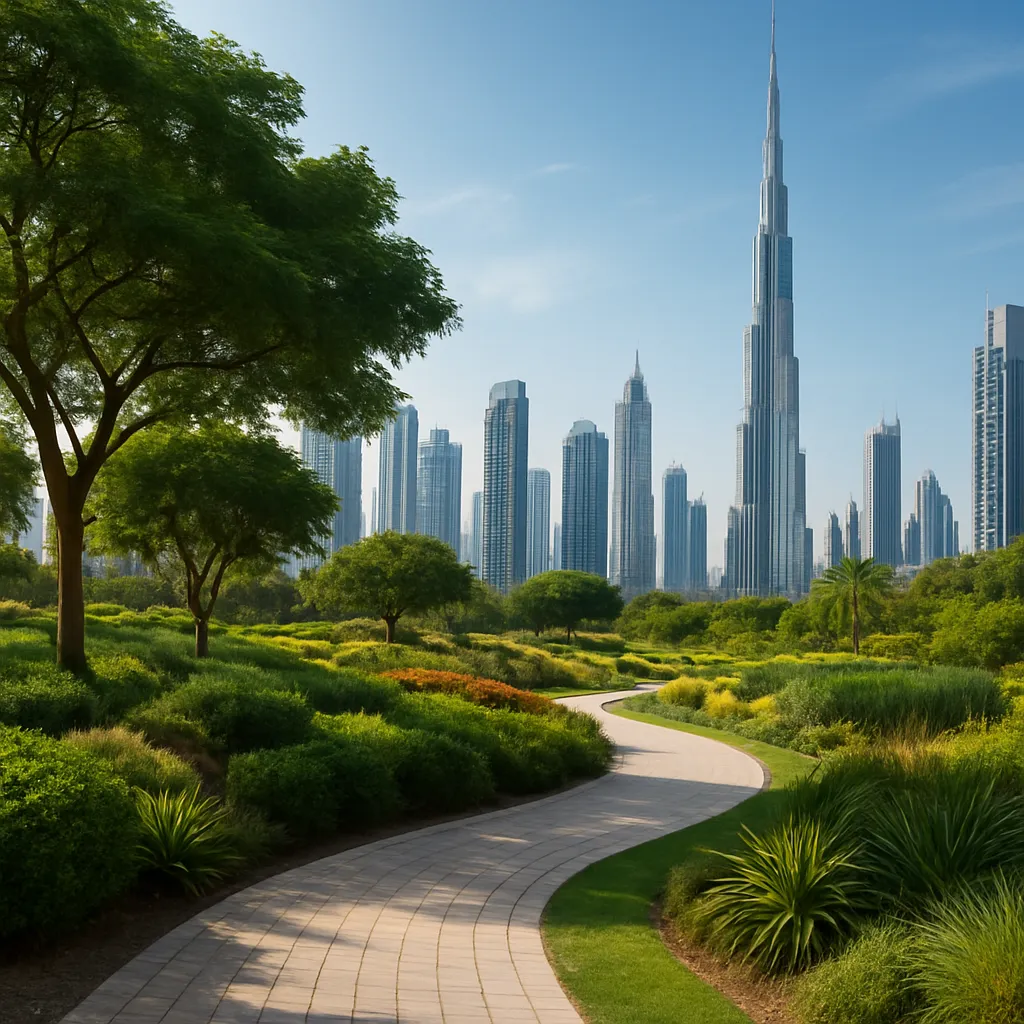
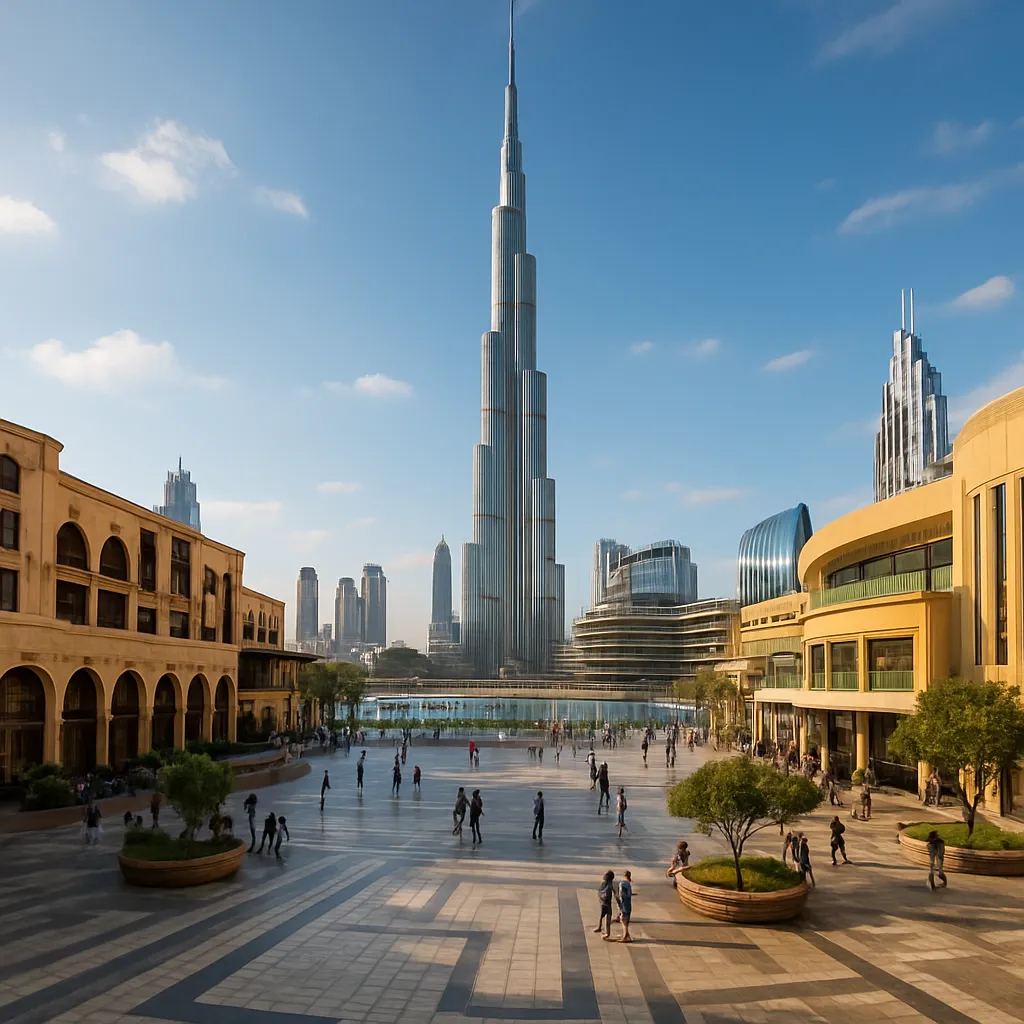
Beyond iconic towers, geometry plays a fundamental role in the design of plazas, parks and waterfront promenades that knit the city together. Open-air courtyards follow radial layouts that encourage gathering and movement, while water features adopt spiral or concentric designs to guide visitors through sensory experiences of sight and sound.
For instance, a new riverside development uses a series of interlocking hexagonal platforms that create a visual rhythm along the creek’s edge. Each platform hosts cafes, art installations or seating areas, providing a flexible framework that adapts to festivals, markets and seasonal events. The coherence of the hexagonal grid offers an intuitive wayfinding system and fosters a sense of belonging among users.
Future Directions: Merging Tradition with Digital Craftsmanship
As Dubai advances into its next phase of urban growth, the dialogue between traditional geometry and digital craftsmanship will intensify. Emerging technologies—like generative AI, robotic fabrication and 3D-printed construction—promise to unlock unprecedented geometric possibilities. Imagine mashrabiyas grown by robots in compound curves that would have been unthinkable to carve by hand, or entire building components assembled through automated, geometry-driven processes.
Furthermore, ongoing research in biomimetic design encourages architects to mimic natural forms—such as honeycomb structures, cellular lattices and skeletal morphologies—to achieve optimal performance. These bio-inspired geometries can adapt to changing environmental conditions, channel wind for natural ventilation or diffuse seismic forces across an interconnected framework.
Ultimately, the spirit of innovation in Dubai will remain rooted in its reverence for architecture as both art and science. By honoring the emirate’s Islamic heritage and embracing the potential of digital tools, designers will continue to craft spaces that resonate with Dubai’s identity, reflect its ambitions and foster a deeper sense of unity between people and their built environment.