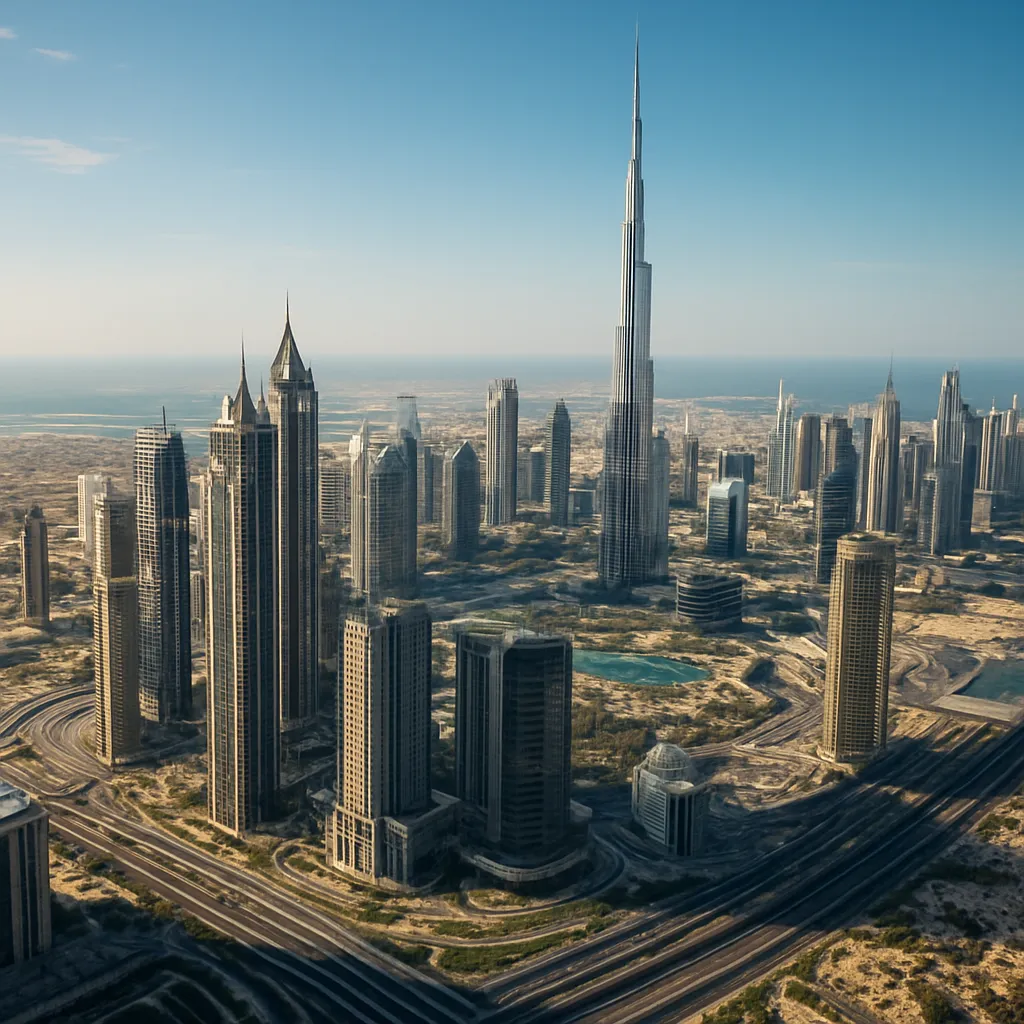
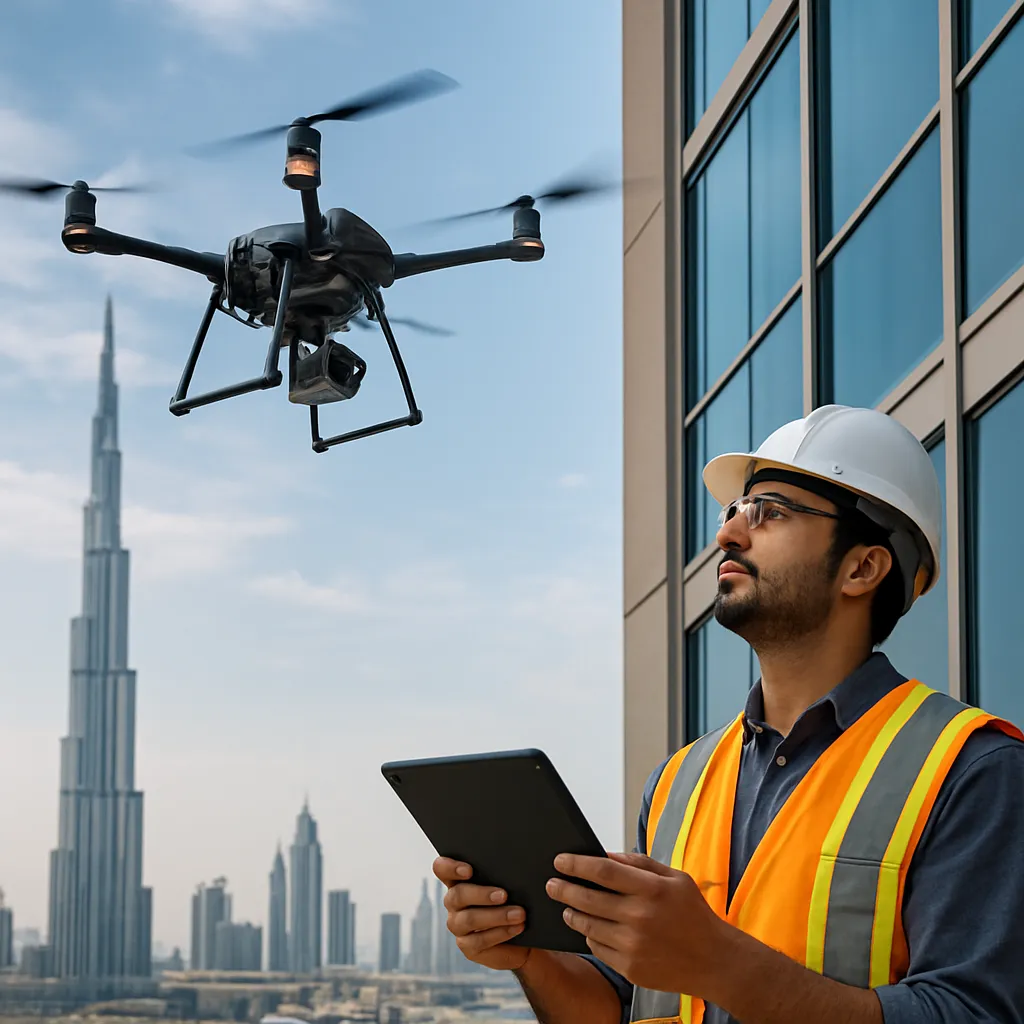
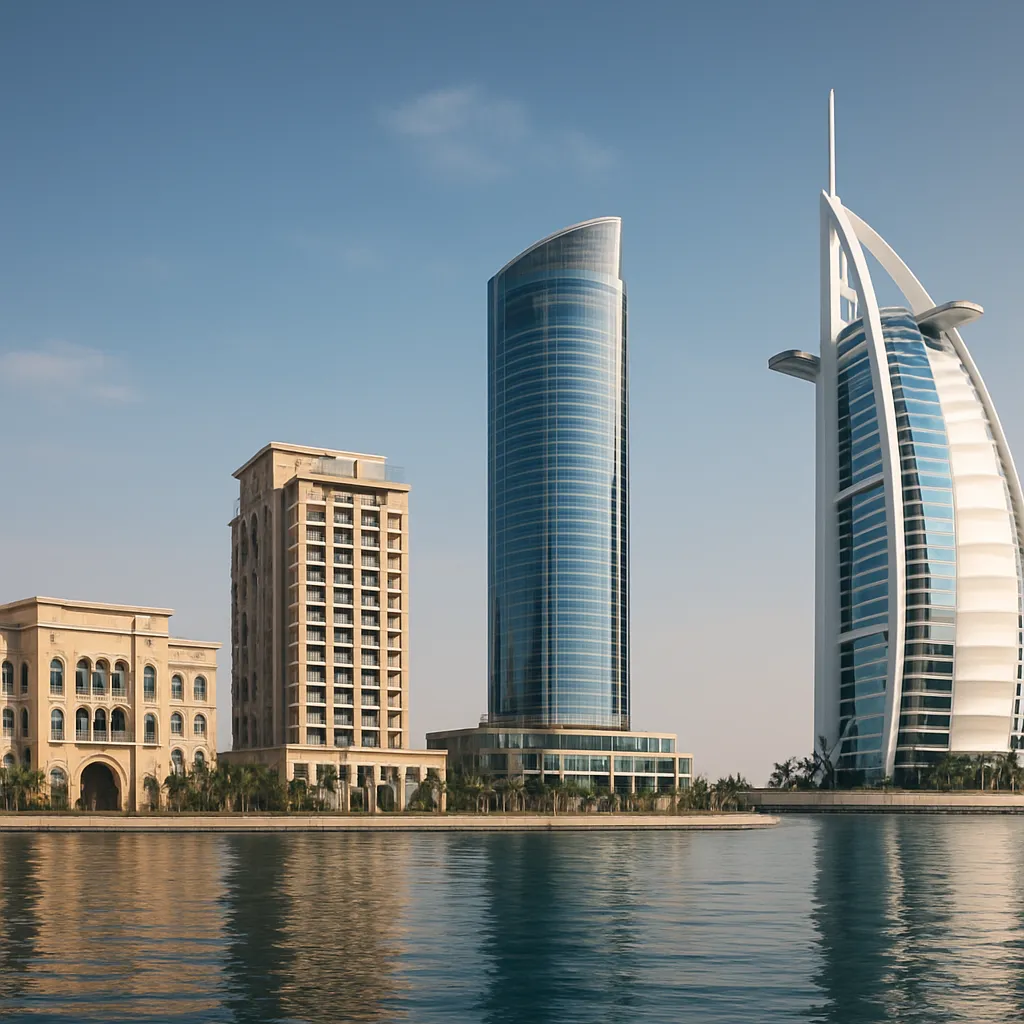
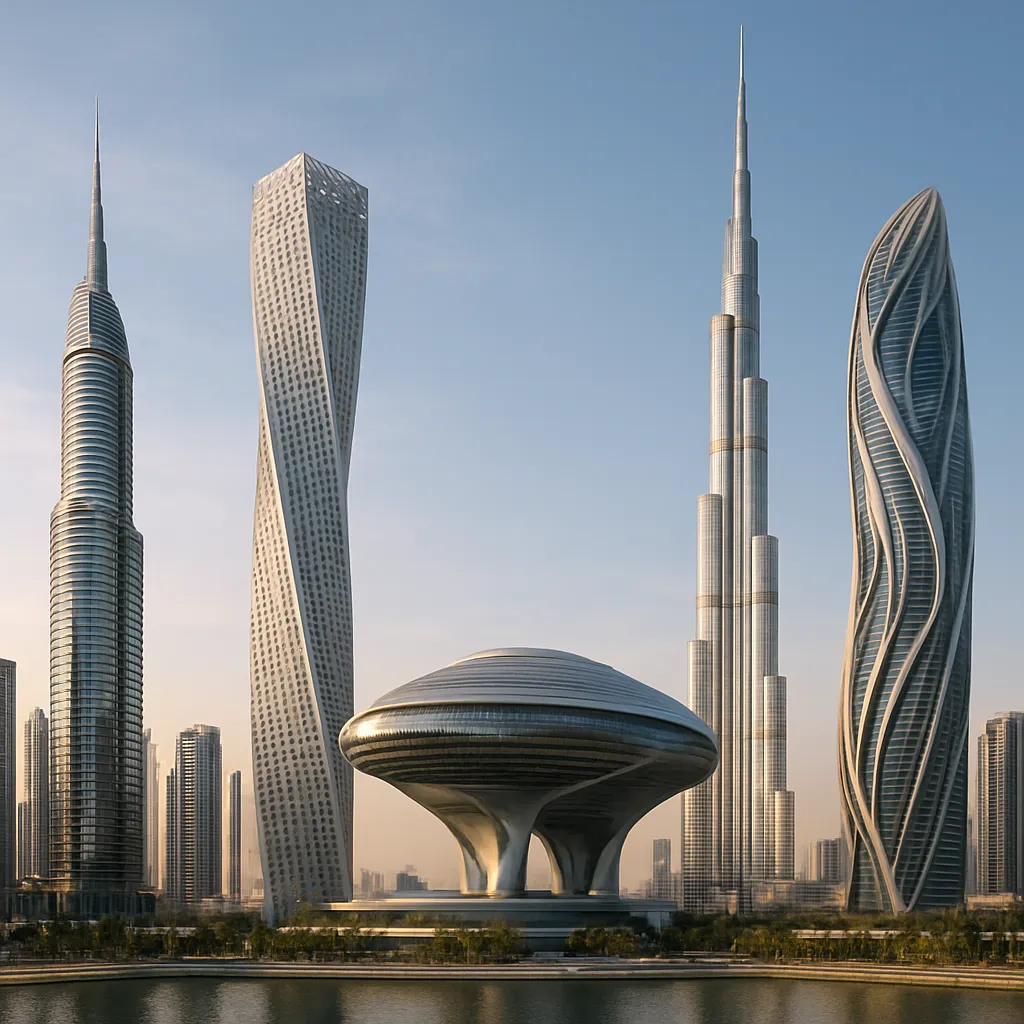
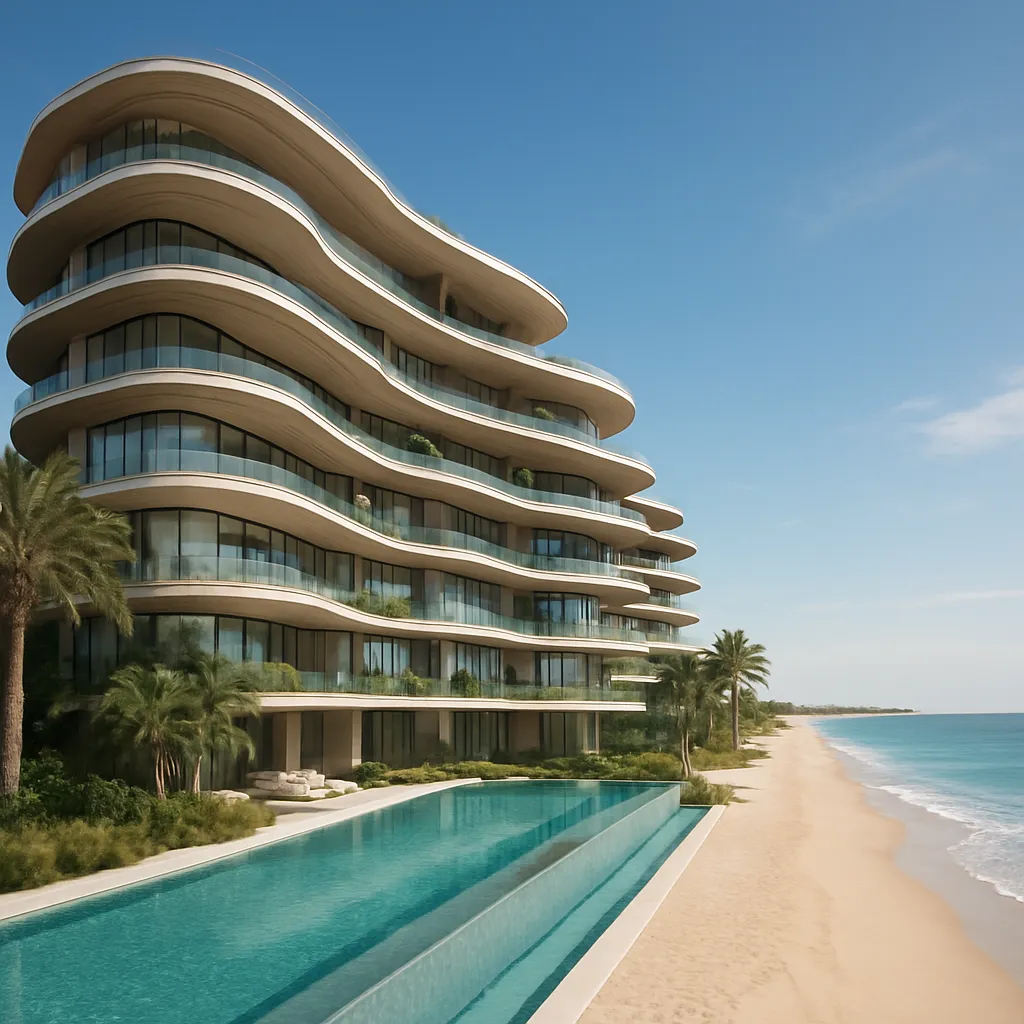
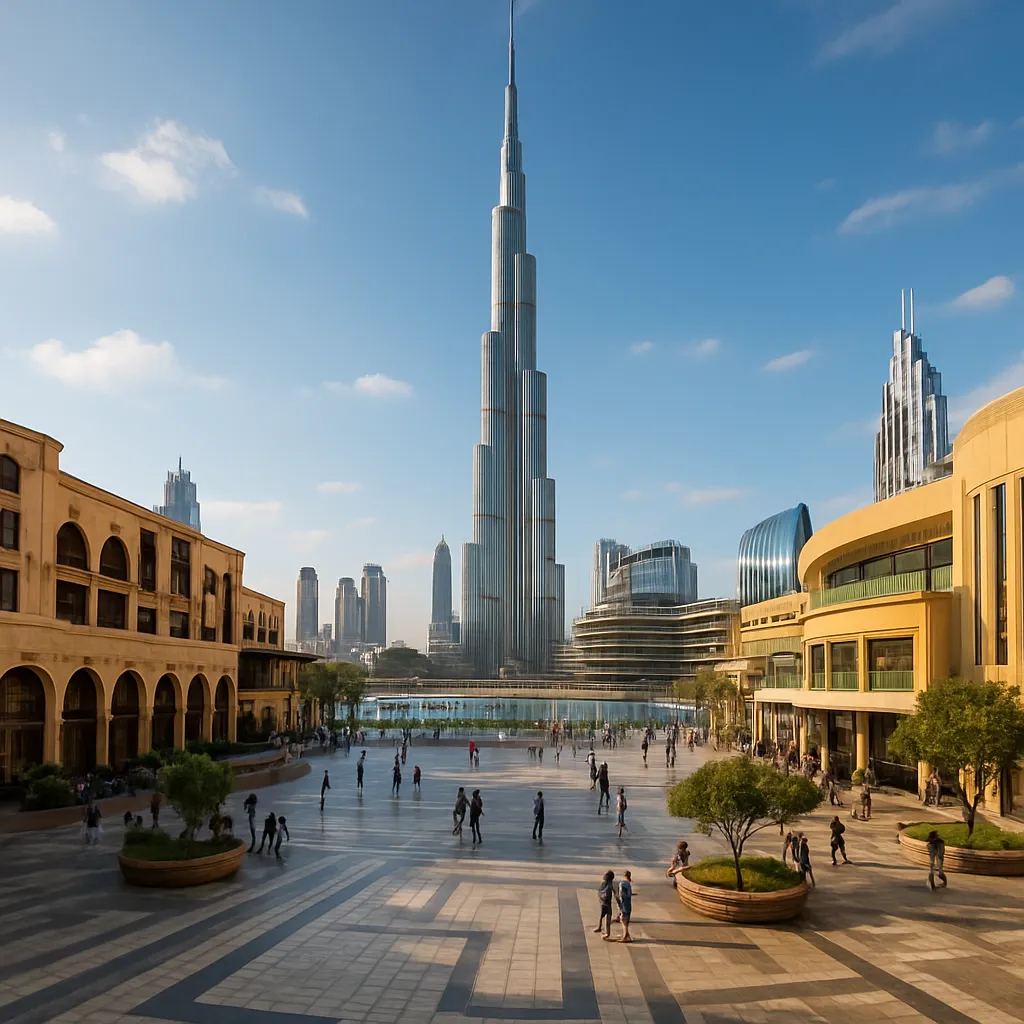
Dubai’s skyline has evolved into a symbol of ambition and sustainability, where architects and engineers collaborate to reduce energy demand and improve thermal comfort in one of the world’s harshest climates. With temperatures regularly surpassing 40°C, building design in Dubai profoundly influences the city’s overall energy consumption. This article explores the innovative strategies employed to create high-performance structures that respond to local environmental challenges while striving for net-zero targets.
Climatic Challenges and Architectural Innovation
The relentless sun, minimal precipitation, and high humidity present a formidable backdrop for any construction project in the UAE. To combat excessive solar gain and internal heat build-up, Dubai’s designers have pioneered several passive and active solutions:
Passive Cooling Strategies
- Orientation and massing: Buildings are often oriented to minimize east- and west-facing façades, which receive the harshest solar radiation. Clever massing reduces exposed surface area and channels prevailing breezes for natural ventilation.
- Shading devices: Deep overhangs, louvers, and mashrabiya-inspired screens block direct sunlight while permitting daylight. This approach cuts cooling loads by up to 30% in some projects.
- Courtyards and wind towers: Traditional Middle Eastern elements like open courtyards and wind towers (barjeel) enhance airflow and create microclimates that lower ambient temperatures without mechanical systems.
Façade Optimization and Insulation
High-performance façades integrate multiple layers of insulation, reflective coatings, and shading components to limit heat transfer:
- Double-skin façades: A ventilated cavity between two glass layers reduces thermal conductivity and noise.
- Low-emissivity (low-E) glass: This material reflects infrared radiation while allowing visible light, maintaining visual comfort without sacrificing daylight.
- Reflective paints and coatings: Roofs and external walls coated with high-albedo materials reflect up to 80% of solar energy, cutting cooling demands.
Technological Advancements in Building Systems
Beyond envelope design, mechanical and electrical systems in Dubai’s modern towers leverage cutting-edge innovations to optimize efficiency:
HVAC Optimization
- Variable Refrigerant Flow (VRF) systems: By modulating refrigerant flow to individual zones, VRF units maintain precise temperature control and reduce energy waste during partial loads.
- Chilled beam technology: Hydronic cooling beams installed in ceilings provide silent, localized cooling with minimal ductwork losses.
- Smart controls and IoT integration: Sensors and building management systems (BMS) monitor occupancy, temperature, and humidity, dynamically adjusting setpoints to avoid unnecessary conditioning.
Renewable Integration and Energy Recovery
Dubai’s building portfolios increasingly incorporate solar energy and heat-recovery solutions:
- Photovoltaic (PV) façades and rooftops: Building-integrated PV modules supply a significant share of daytime electricity, offsetting peak grid loads.
- Solar thermal collectors: Thermal panels preheat water for domestic use and swimming pools, reducing reliance on gas-fired heaters.
- Heat exchangers and greywater reuse: Waste heat from cooling systems warms incoming air or water, while greywater treatment units reuse shower and sink effluent for irrigation.
Sustainable Materials and Structural Resilience
Material selection plays a pivotal role in lowering embodied carbon and enhancing building durability under extreme conditions:
Locally Sourced and Recycled Components
- High-strength concrete with fly ash: Replacing a portion of Portland cement with industrial byproducts reduces greenhouse gas emissions during production.
- Recycled aggregates and steel: Incorporating recycled materials in structural elements conserves natural resources and lowers manufacturing energy.
- Precast modular construction: Off-site fabrication minimizes on-site waste and accelerates project timelines, reducing the environmental impact of prolonged construction activities.
Adaptive Shading and Dynamic Envelopes
Advanced façades capable of responding to external stimuli help maintain comfort while curbing energy consumption:
- Electrochromic glazing: Glass that darkens or clears in response to electrical signals dynamically controls solar penetration.
- Operable louvers on façades: Automated louvers adjust angles based on sun position, ensuring optimal daylighting without glare or overheating.
- Green walls and rooftop gardens: Vegetated surfaces act as natural insulators, reducing the urban heat island effect and improving air quality.
Policy, Standards, and Future Directions
The rapid growth of Dubai’s built environment is guided by rigorous regulations and incentive programs:
- Estidama Pearl Rating System: A performance-based framework focusing on energy, water, and waste management in buildings and communities.
- Dubai Green Building Regulations: Mandating minimum efficiency standards for new constructions, including maximum U-values, lighting limits, and mandatory BMS integration.
- Net-zero buildings initiative: Ambitious targets aim for all government buildings to achieve net-zero operational carbon emissions by 2030.
Looking ahead, innovations in energy storage, advanced materials like phase-change compounds, and autonomous building operations promise to elevate Dubai’s sustainability leadership. As global climate pressures intensify, the emirate’s commitment to resilience and continuous innovation will remain crucial in shaping an energy-efficient, adaptive urban landscape.