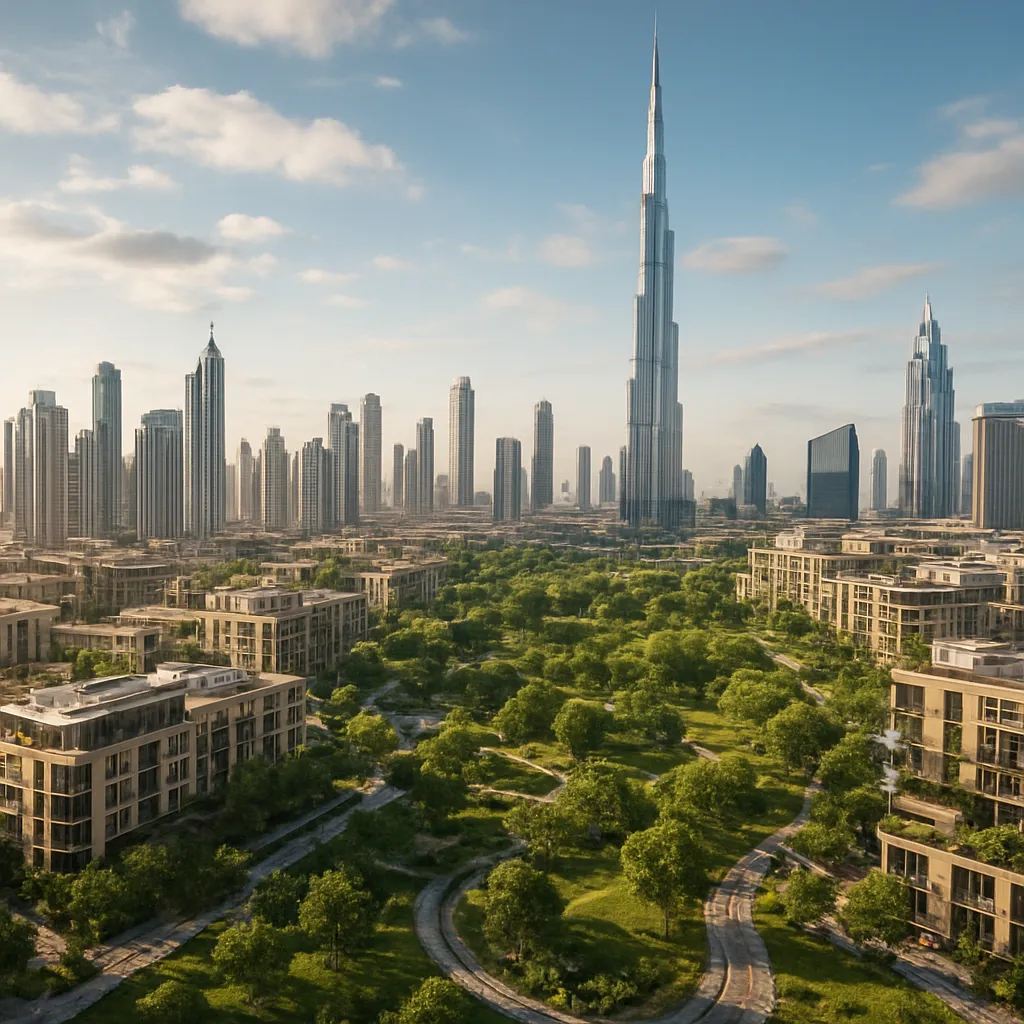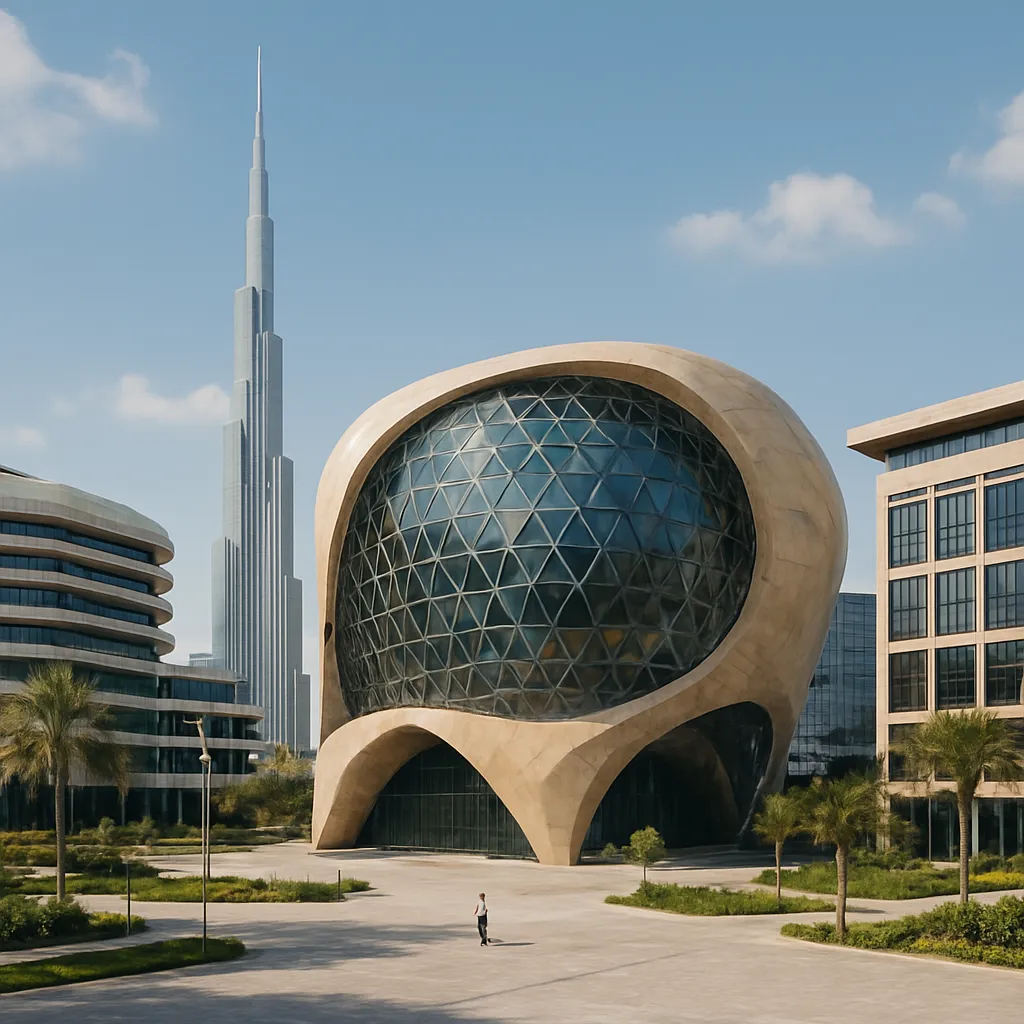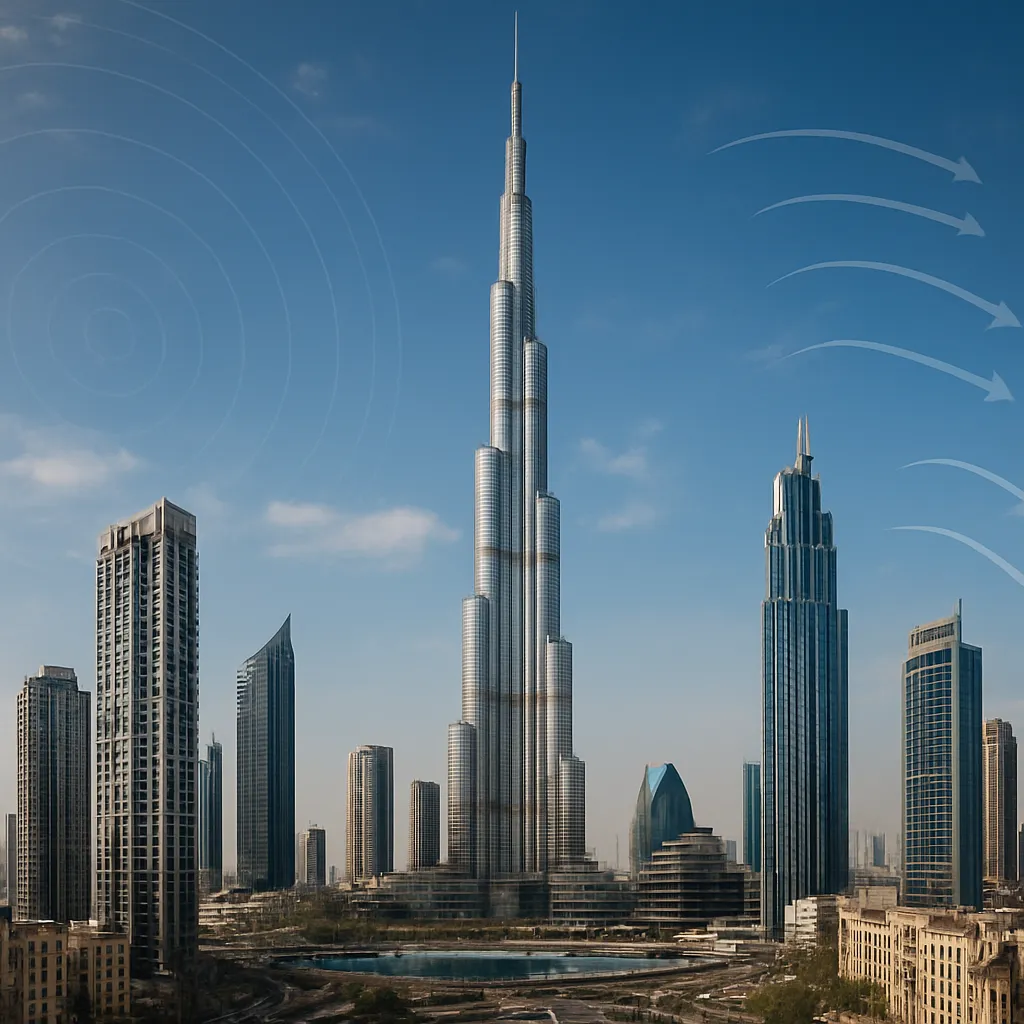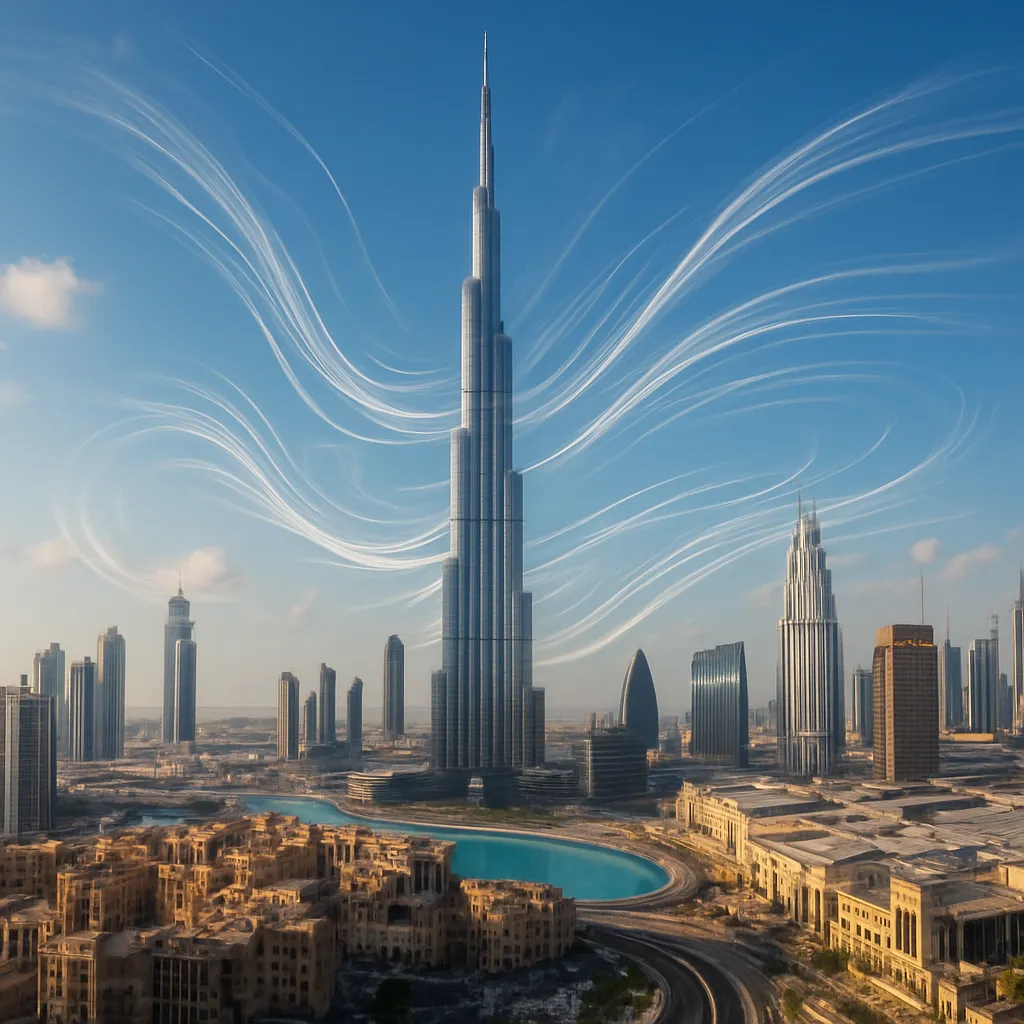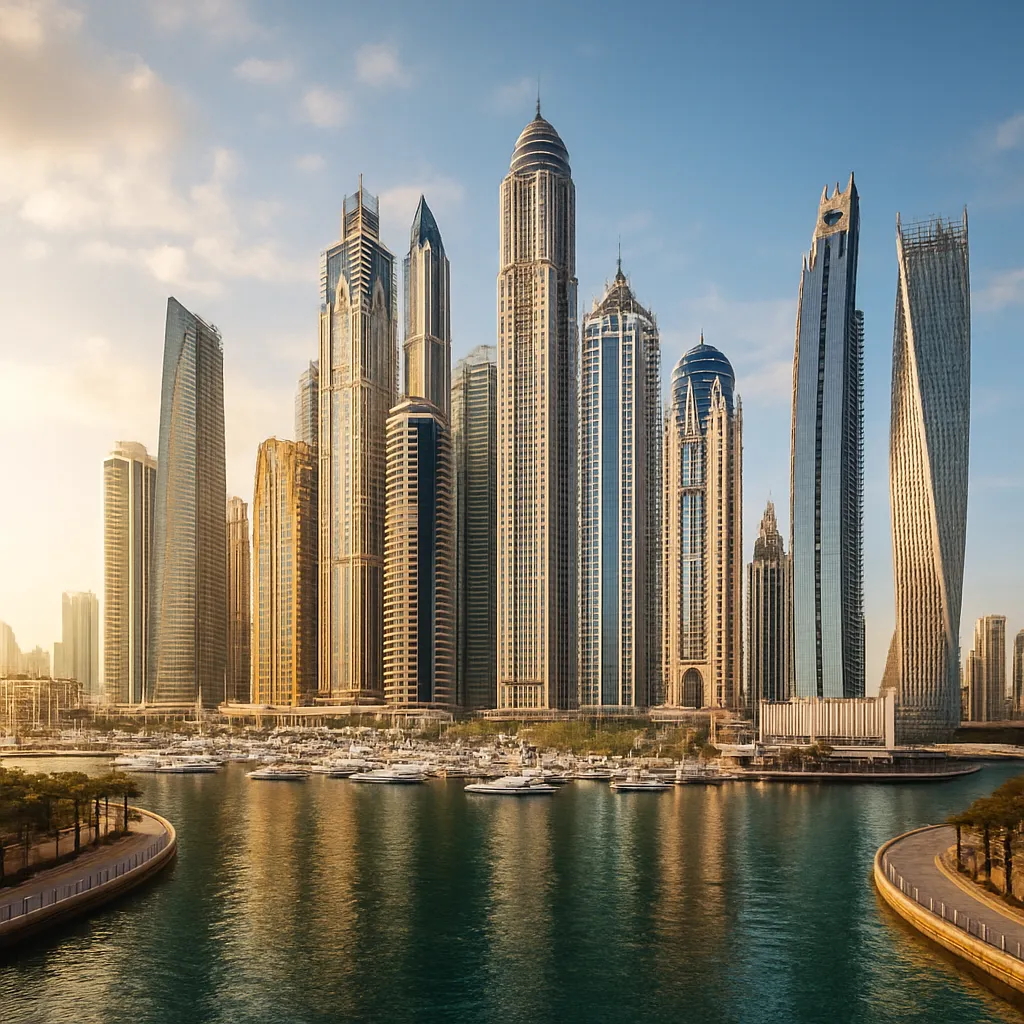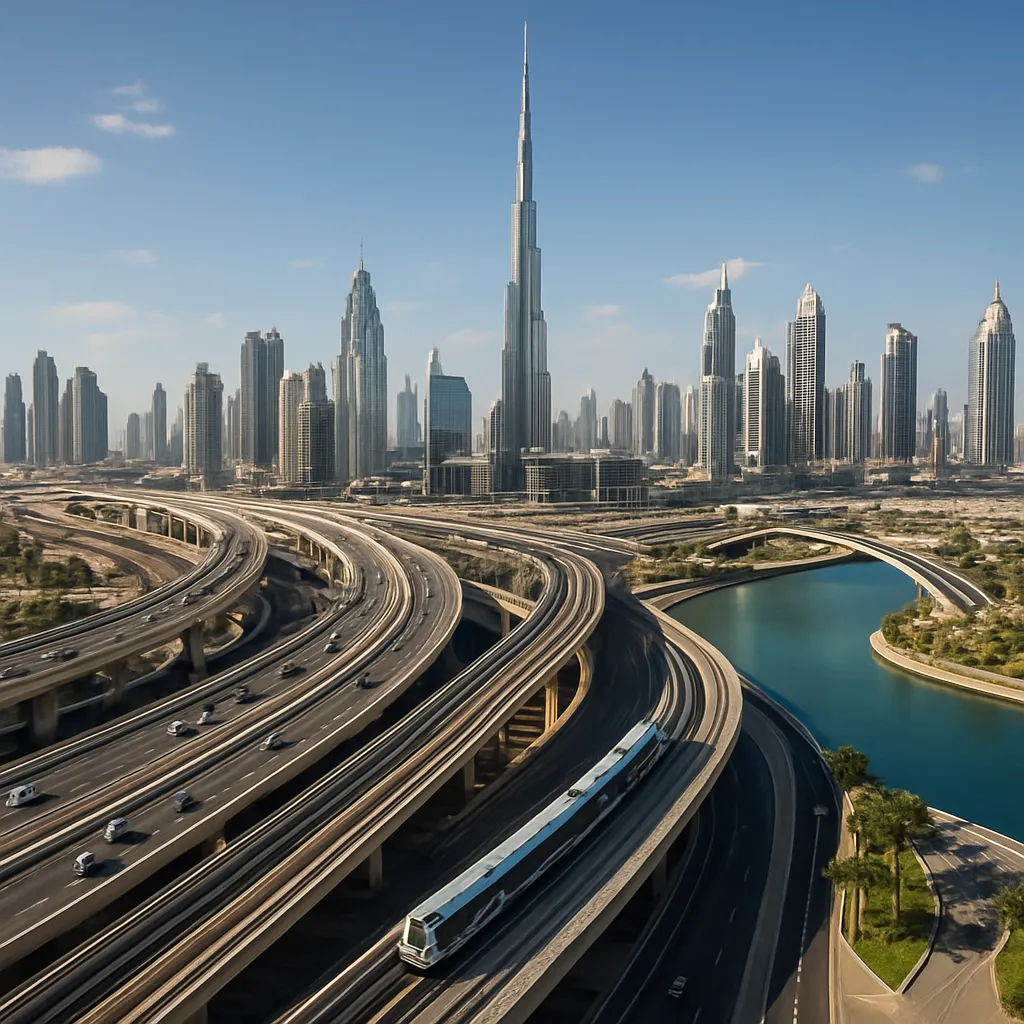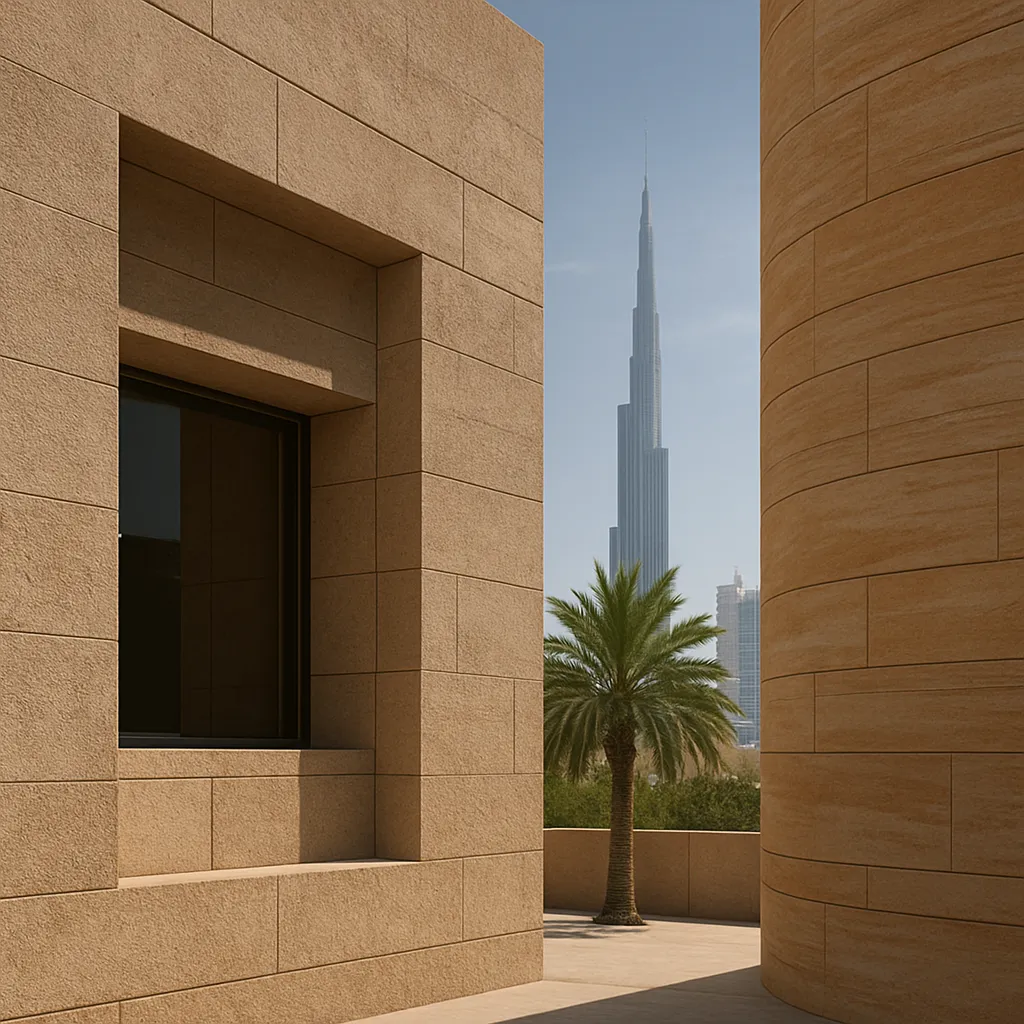
The soaring skyscrapers and sprawling developments of Dubai stand not only as testaments to architectural ambition but also as responses to an unforgiving desert environment. Urban planners and design teams collaborate to devise façade systems, structural frames, and finishing elements that thrive under extreme conditions. A careful balance between form and function drives the selection of materials that can withstand scorching temperatures, fierce sandstorms, and relentless solar radiation. This article explores how Dubai’s unique climate dictates choices in architectural components, highlighting the strategies, innovations, and case studies that define modern emirate construction.
Climate Challenges in Dubai’s Built Environment
Dubai’s geographical position on the Arabian Peninsula means that it experiences some of the most severe weather patterns known to the built environment. Architects and engineers must consider:
- Thermal extreme heat: Summer temperatures regularly exceed 45°C (113°F), imposing heavy cooling demands on buildings.
- High humidity: Coastal zones encounter moisture levels that accelerate corrosion and material degradation.
- Solar radiation: Intense sunlight causes UV-induced deterioration and heat gain through façades.
- Sandstorms: Abrasive winds erode surfaces and infiltrate mechanical systems.
- Flash flooding: Occasional heavy rains require effective drainage and water-resistant finishes.
These factors combine to shape the criteria for every component, from structural steel to window glazing. Material performance must align with sustainability goals and local regulations, meaning each product undergoes rigorous testing for durability and safety.
Criteria for Selecting Building Materials
Developers and contractors prioritize several key attributes when choosing materials for Dubai projects:
- Thermal behavior: Low thermal conductivity materials reduce energy consumption by limiting heat transfer.
- Reflectivity: High solar reflectance in roofing and façade panels lowers cooling loads.
- Moisture resistance: Water-repellent coatings and vapor barriers protect against condensation and flooding.
- Insulation performance: Multilayer systems retain conditioned air and deliver consistent indoor comfort.
- Durability under abrasion: Hardened surfaces withstand sand erosion without frequent maintenance.
- Fire resistance: Noncombustible cladding and fireproof treatments ensure occupant safety.
- Local availability: Readily sourced aggregates and composites reduce construction timelines and costs.
- Lifecycle impact: Lower embodied energy and recyclability align with net-zero targets.
Meeting these demands often involves integrating advanced composites, high-performance polymers, and regionally adapted concrete mixes. Each choice reflects a commitment to long-term efficiency and ecological stewardship.
Innovative Materials and Technological Solutions
Dubai’s ambition to export architectural brilliance has fostered collaboration between local firms and international material science laboratories. Notable innovations include:
Self-Cleaning Glass
Coated with a photocatalytic layer, this glazing system breaks down organic contaminants under sunlight and washes them away with rainwater. Advantages:
- Reduced maintenance costs in dusty conditions.
- Improved daylight transmittance over the building lifespan.
- Resistance to salt corrosion in coastal zones.
High-Performance Concrete Mixes
Formulated with recycled aggregates and supplementary cementitious materials, these mixes offer:
- Enhanced compressive strength at elevated temperatures.
- Lower thermal expansion coefficients to resist cracking.
- Reduced carbon footprint through partial clinker replacement.
Phase-Change Materials (PCMs)
Embedded within wall panels or ceiling cavities, PCMs absorb heat as they transition from solid to liquid, then release it when temperatures cool. Benefits include:
- Smoothing of internal temperature fluctuations.
- Decreased reliance on mechanical cooling at peak hours.
- Potential integration with solar-driven thermal storage systems.
These examples illustrate how innovation drives solutions tailored to Dubai’s specific requirements, ensuring structures remain comfortable and functional even as outdoor conditions peak.
Case Studies of Iconic Projects
Several flagship developments showcase the successful marriage of material technology and climate resilience:
Burj Khalifa
The world’s tallest skyscraper uses a high-strength reinforced concrete core paired with a curtain wall of reflective glass and aluminum panels. Key material strategies:
- Triple-glazed units reduce heat gain by up to 60%.
- Specialized sealants prevent air and moisture infiltration.
- Customized concrete mix resists thermal cracking at elevation.
Dubai Creek Harbour
This mixed-use development emphasizes sustainable construction, employing precast concrete modules and locally mined stone for façades. Highlights:
- Modular precast systems accelerate construction while maintaining high quality.
- Stone cladding leverages natural thermal mass to stabilize interior climates.
- Green roofs planted with native species reduce urban heat island effects.
Mall of the World
Focused on year-round comfort, this enclosed promenade uses a retractable dome of ETFE cushions. Material advantages:
- ETFE’s light weight reduces structural load by over 90% compared to glass.
- High reflectivity and UV transparency ensure pleasant illumination.
- Automated ventilation systems integrated into the dome maintain air quality.
Future Trends and Sustainable Goals
As Dubai moves towards its 2050 Energy Strategy, material selection will prioritize net-zero emissions and carbon neutrality. Emerging focus areas include:
- Carbon-capturing concrete that absorbs CO₂ during curing.
- Integration of photovoltaic materials within façades for on-site energy generation.
- Smart façades with dynamic shading and ventilated double-skin systems.
- Biomimetic surfaces inspired by desert organisms to manage heat and water.
- Widespread adoption of digitally fabricated components to minimize waste.
By combining robust climatic research with cutting-edge material science, Dubai’s built environment aims to achieve unprecedented resilience and occupant well-being. Continuous collaboration among engineers, architects, and scientists promises solutions that not only respond to today’s desert extremes but also anticipate tomorrow’s environmental challenges. Ultimately, the fusion of local insight and global expertise will define the future skyline of this dynamic metropolis.