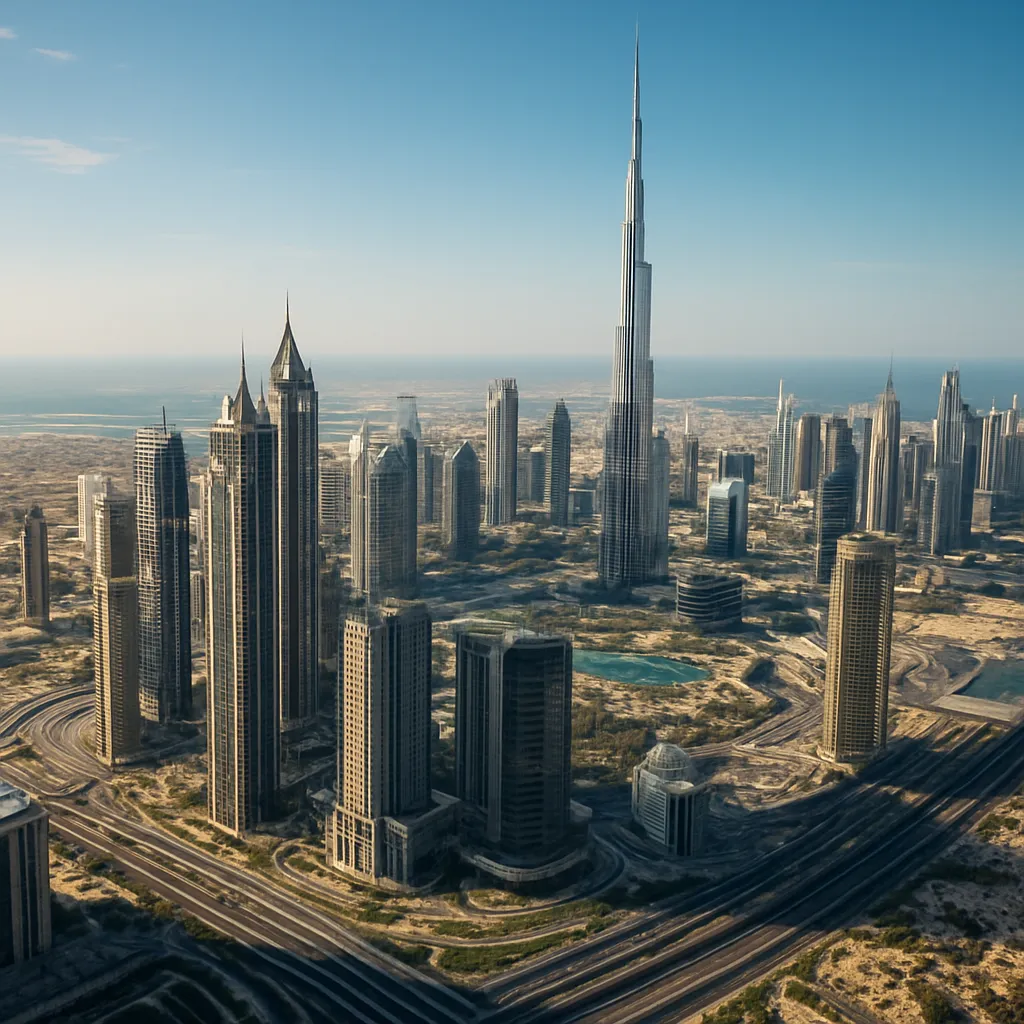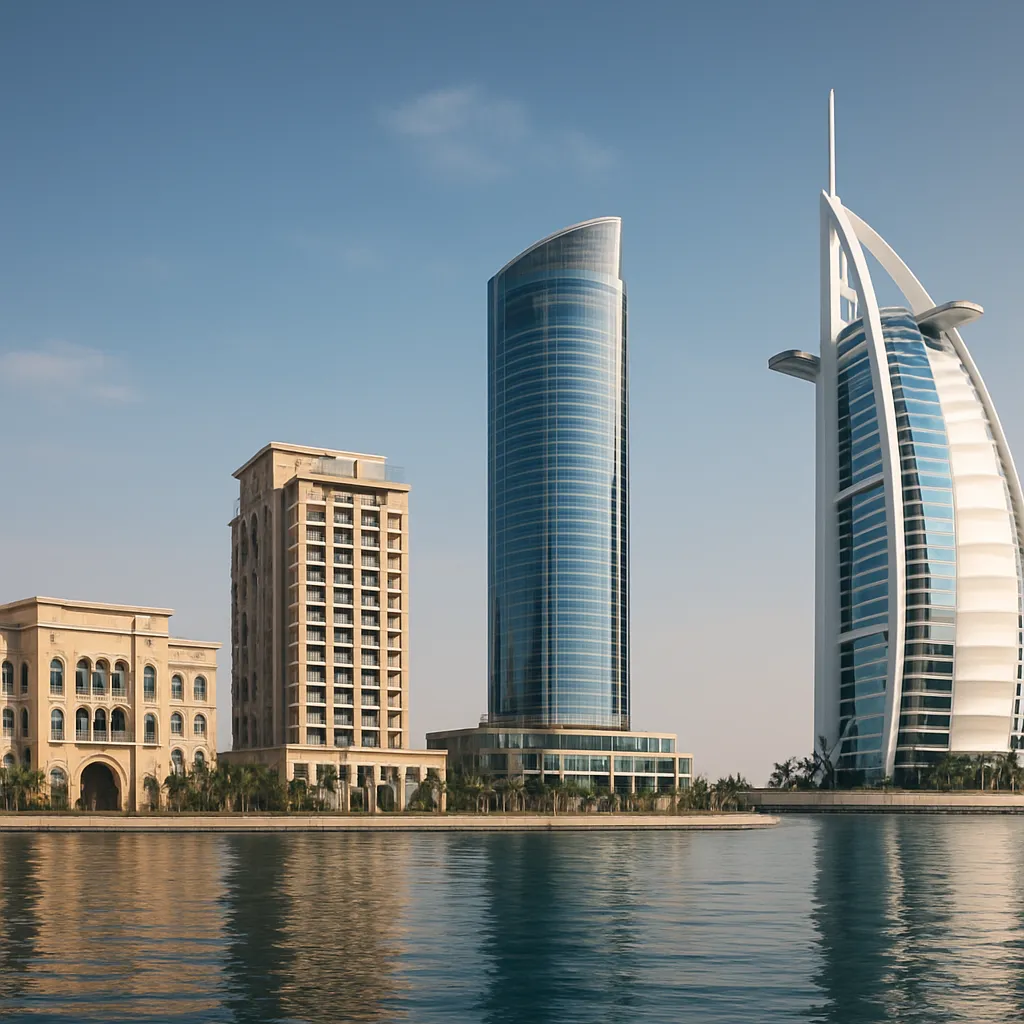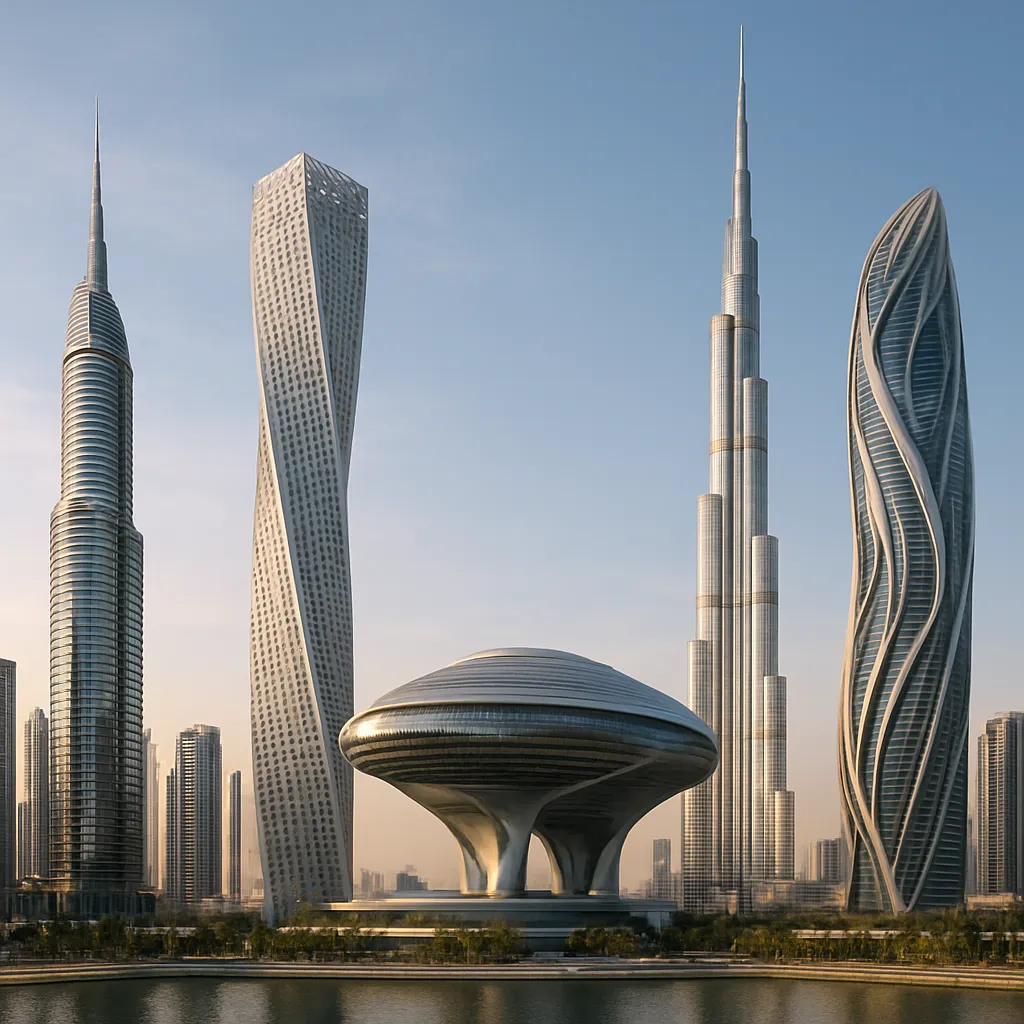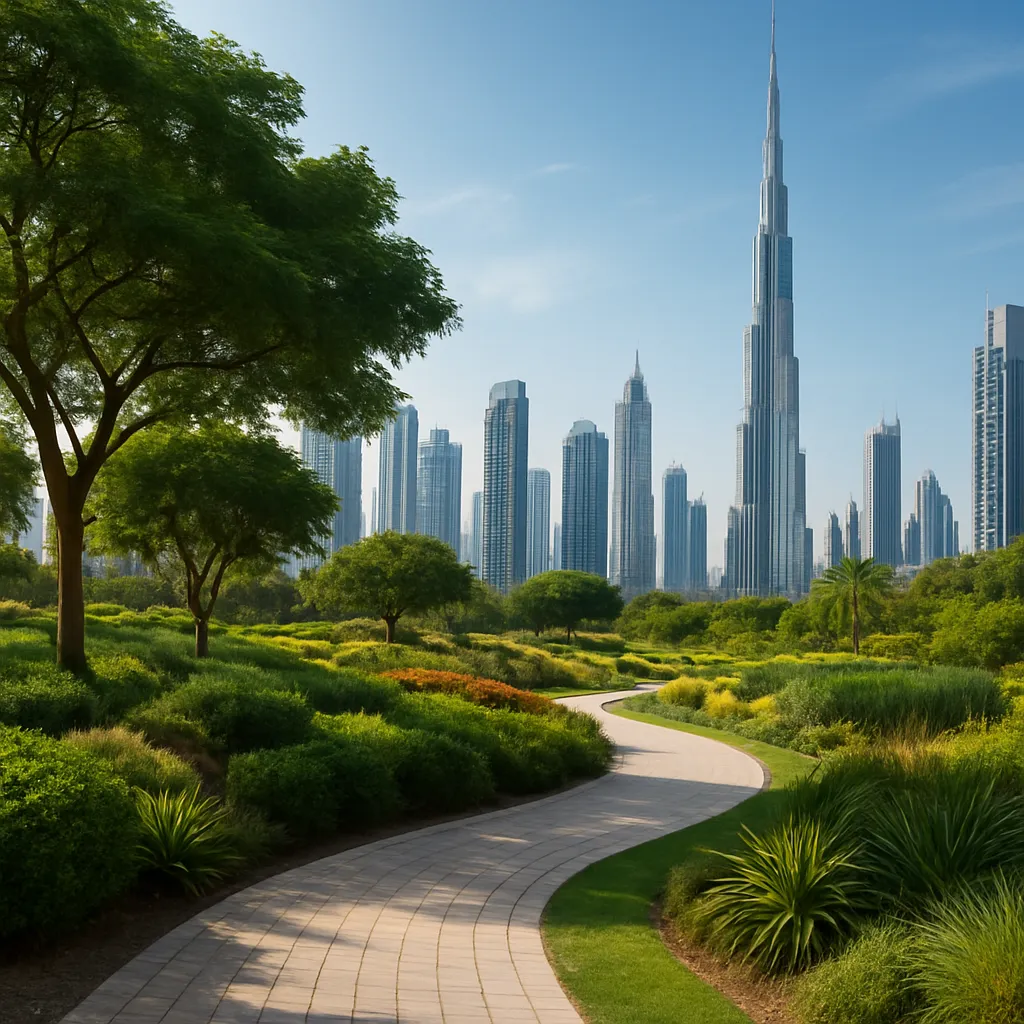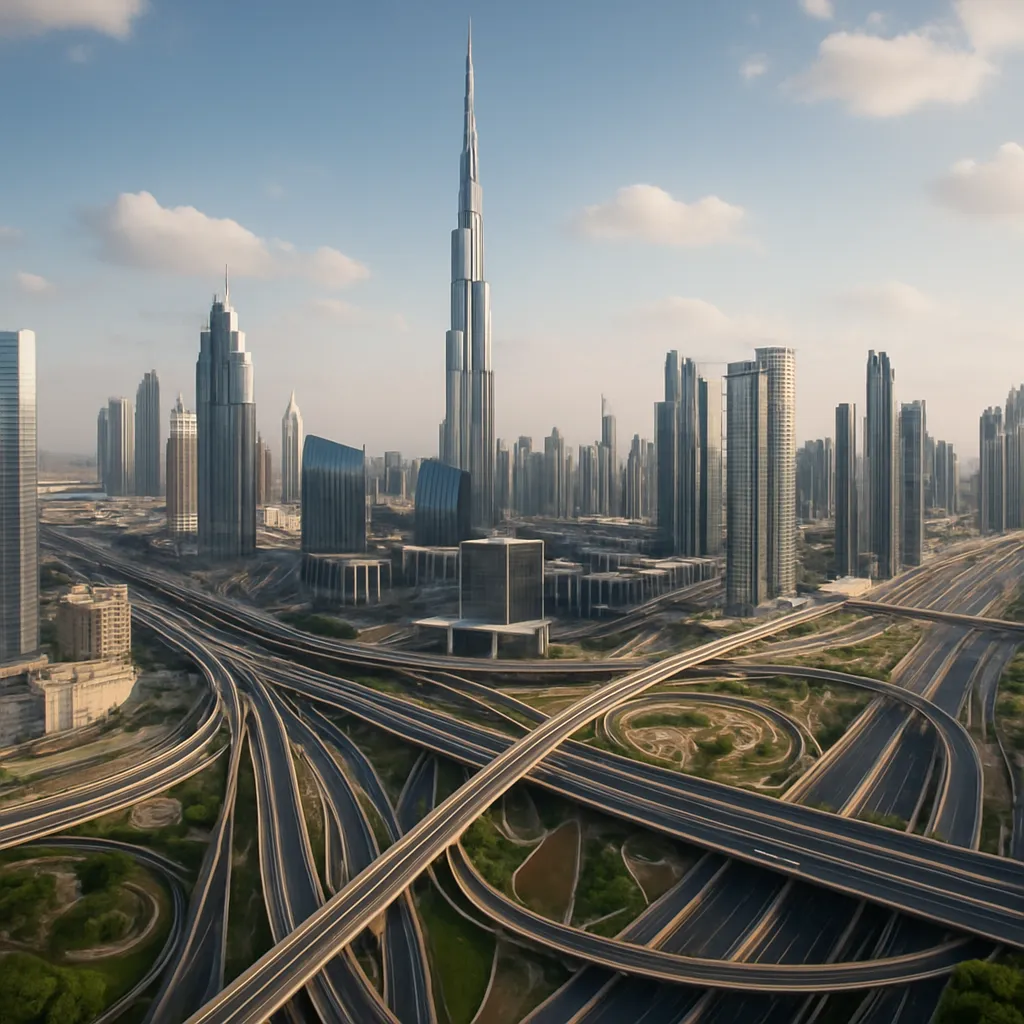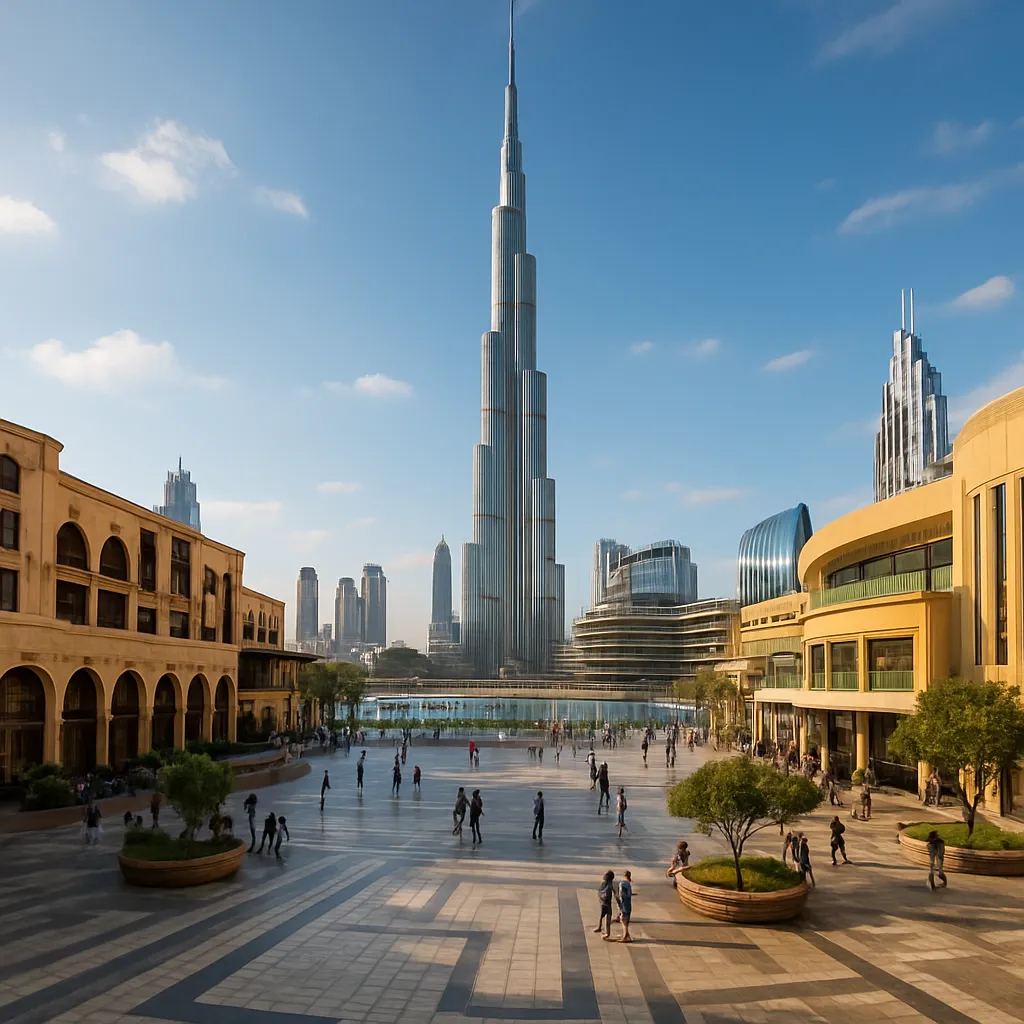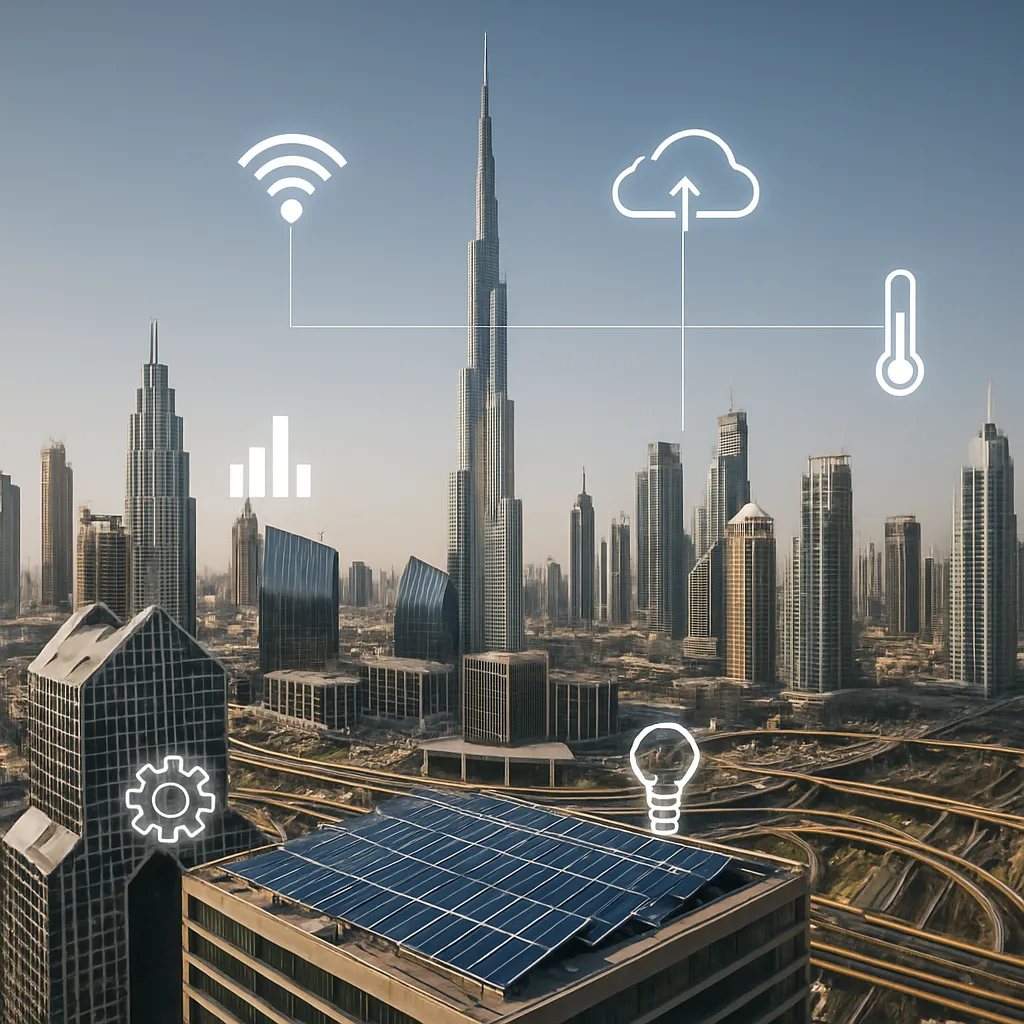
Dubai’s skyline is a testament to its unwavering commitment to innovation and sustainability. From the towering Burj Khalifa to the sinuous curves of the Museum of the Future, the city’s buildings showcase cutting-edge technologies that redefine urban living. By harnessing AI, IoT sensors, and advanced analytics, these structures not only mesmerize with their architectural brilliance but also deliver unparalleled performance in energy management and occupant comfort. The following exploration delves into the smart systems powering Dubai’s buildings, highlighting how integration of automation and intelligent design is shaping the future of urban infrastructure.
Smart Building Management Systems
At the heart of every modern Dubai skyscraper lies a centralized building management system (BMS) that orchestrates a multitude of subsystems. These platforms provide operators with real-time visibility into HVAC, lighting, fire safety, and access control, facilitating proactive decision-making.
Centralized Control Platforms
Leading developers deploy unified dashboards that consolidate data streams from hundreds of sensors. This integration ensures that critical alerts, such as system malfunctions or safety breaches, are immediately flagged, reducing response times and maintenance costs. Furthermore, interoperable protocols enable seamless communication between third-party devices, simplifying expansions and upgrades.
AI-driven Analytics
By leveraging AI algorithms, these systems constantly refine operational parameters. Machine learning models analyze historical performance and external factors—like weather forecasts—to optimize temperature setpoints and airflow patterns. The outcome is a dynamic environment that anticipates changes in occupancy, external temperature, and humidity levels, delivering superior thermal comfort with minimal energy waste.
- Automated fault detection and diagnostics
- Predictive scheduling for HVAC and lighting
- Adaptive energy-saving modes during off-peak hours
- Comprehensive reporting for sustainability certifications
IoT and Sensor Integration in Skyscrapers
Dubai’s engineering marvels incorporate thousands of sensors to maintain peak operational efficiency. From environmental monitors to security beacons, the Internet of Things transforms static facades into responsive systems that adapt to both occupants and external conditions.
Environmental Monitoring
Sensors constantly measure indoor and outdoor parameters—temperature, CO₂ levels, VOC concentrations, and particulate matter. The data feeds into cloud-based analytics engines where advanced models optimize air-handling units, ensuring fresh air supply while reducing carbon footprints. These insights contribute to sustainability targets by minimizing unnecessary ventilation and tracking real-time emissions.
Occupancy and Security Sensors
Motion detectors, facial recognition cameras, and access-control readers combine to create secure yet user-friendly entry systems. Smart elevators prioritize hall calls based on demand prediction, reducing wait times and energy usage. In addition, occupancy analytics determine traffic patterns, enabling dynamic adjustment of lighting and cooling in underutilized zones.
- Real-time crowd density analysis
- Contactless entry and biometric authentication
- Automated lighting dimming in vacant areas
- Integration with emergency evacuation protocols
Innovative Facade and Energy Solutions
The exterior envelope of Dubai’s buildings has evolved into a high-performance ecosystem, where energy harvesting and thermal regulation occur at the surface. Architects and engineers collaborate on facades that respond to solar irradiation and prevailing winds, maximizing comfort while reducing operational loads.
Dynamic Shading Systems
Adaptive louvers and smart glass panels adjust opacity and orientation based on sun angle, intensity, and season. These elements mitigate glare and heat gain, cutting down on cooling requirements. Advanced control algorithms balance daylight admission with privacy needs, delivering an optimal visual environment for office workers and residents alike.
Solar Integration on Facades
Photovoltaic modules are seamlessly embedded into curtain wall systems, converting building surfaces into power generators. Transparent solar cells incorporated in windows maintain views while generating renewable electricity. Excess power is stored in on-site battery banks or shared with district energy networks, reinforcing Dubai’s goal of transitioning to sustainable power sources.
- Building-integrated photovoltaics (BIPV) in curtain walls
- Electrochromic glazing for real-time tint adjustments
- Thermal insulation composites for reduced heat transfer
- Facade-mounted micro wind turbines in high-velocity zones
Automation and Robotics for Facility Maintenance
Maintenance demands in mega-tall structures are met by sophisticated automation and robotic solutions. These systems handle repetitive or hazardous tasks, enhancing safety and consistency while reducing human error.
Cleaning Drones and Robots
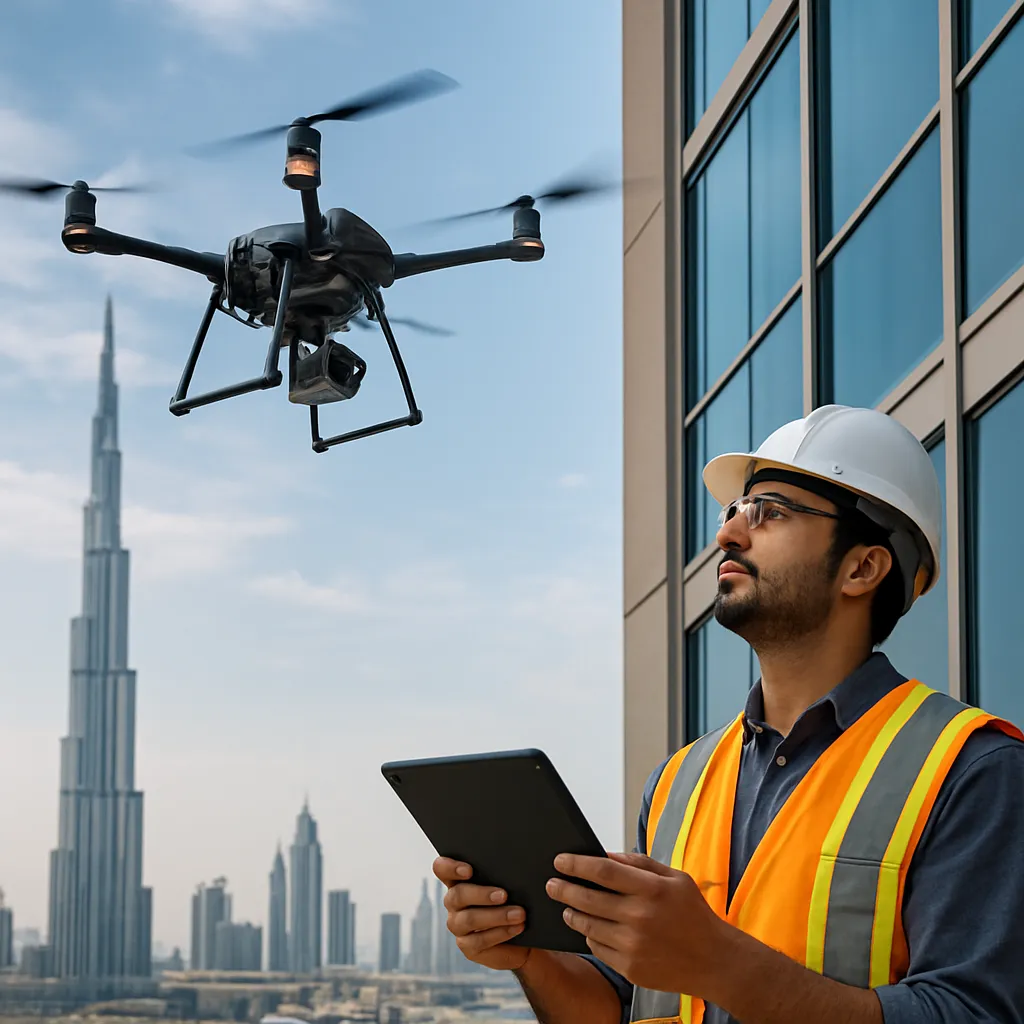
Aerial drones equipped with high-resolution cameras inspect external surfaces for cracks, water infiltration, and material degradation. Autonomous cleaning robots, guided by 3D mapping data, traverse glass facades to remove dust and grime, ensuring that buildings remain pristine without risking human lives at extreme heights.
Predictive Maintenance Robotics
Robotic platforms perform scheduled inspections of mechanical and electrical equipment. Using thermal imaging and ultrasonic sensors, they detect bearing wear, insulation breakdown, and fluid leaks—often months before a failure occurs. This predictive capability significantly increases system efficiency and extends asset lifespan.
- 24/7 remote monitoring with instant anomaly alerts
- Automated replenishment of consumables (lubricants, filters)
- Seamless integration with computerized maintenance management systems (CMMS)
- Self-diagnostic routines and autonomous repair protocols
Enhancing Occupant Experience through Connectivity
Smart technologies in Dubai’s buildings elevate the daily experience for tenants, visitors, and facility managers alike. Personalized interfaces, mobile apps, and voice assistants transform static spaces into interactive, human-centric environments.
Smart Elevators and Transport
Elevator dispatch algorithms use predictive analysis to group riders by destination, reducing energy waste and travel times. Gesture-based and touchless interfaces cater to hygiene-conscious users. In mixed-use towers, sky lobbies feature automated people movers that link residential, commercial, and hospitality zones seamlessly.
Personalized Climate Control
Smart thermostats with occupant profiling learn individual comfort preferences. When a registered user approaches a zone, the system pre-adjusts temperature and airflow. Paired with wearable integration, these solutions monitor biometric signals to optimize indoor conditions in real time.
- Mobile-driven HVAC overrides
- Voice-activated lighting and shading commands
- Integration with building community platforms for social engagement
- Augmented reality wayfinding and property information
Future Directions and Ongoing Research
As Dubai cements its reputation as a global hub for smart urbanism, research institutes and technology firms collaborate on next-generation building solutions. Experimental materials, such as self-healing concrete and photo-responsive coatings, promise to revolutionize maintenance. Meanwhile, blockchain-based energy trading platforms are being tested to enable peer-to-peer renewable power exchange within building clusters.
Advancements in analytics and edge computing will further decentralize intelligence, allowing each component—from parking systems to fire safety alarms—to operate autonomously yet cohesively within the broader integration framework. The ongoing pursuit of net-zero carbon targets and resilient infrastructure will drive continued innovation in automation, sustainability, and user-centric design, ensuring that Dubai’s buildings remain at the forefront of global urban development.